
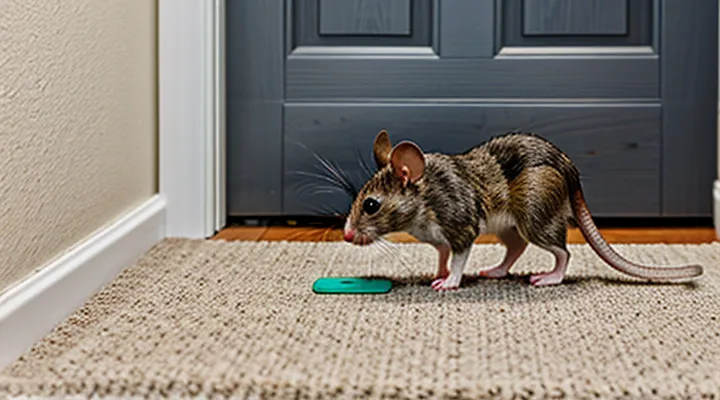
Assessing Vulnerability
The Mouse's Motivation for Seeking Entry
Seasonal Influences on Infestation
Mice activity fluctuates with the calendar, shaping the risk of indoor intrusion. Warmer months trigger breeding cycles, expanding populations that explore new pathways. In early spring, rodents exploit openings near ground‑level vegetation, such as gaps beneath siding, cracks around door frames, and unsealed foundation vents.
Summer heat intensifies the search for shelter, prompting mice to target roof eaves, attic vents, and chimney flues. Loose roofing material and poorly fitted skylights become preferred routes as external temperatures rise.
Autumn brings abundant food sources from gardens and stored harvests. Mice capitalize on unsecured trash receptacles, pantry doors, and gaps around utility conduits. The season also sees increased gnawing of insulation to create additional entry points before colder weather sets in.
Winter forces rodents to seek warmth, leading them to exploit insulation gaps, pipe penetrations, and poorly insulated crawl spaces. Cracks around heating ducts and gaps beneath radiators provide reliable access to heated interiors.
Typical seasonal entry points can be summarized:
- Spring: foundation cracks, siding gaps, low‑level vents
- Summer: roof eaves, attic vents, chimney flues
- Autumn: trash bins, pantry doors, utility conduit gaps
- Winter: insulation seams, pipe penetrations, heating duct openings
Recognizing these patterns enables targeted sealing and exclusion measures throughout the year, reducing the likelihood of mouse infestation.
Attractants within the Structure «Food and Shelter»
Mice are drawn to interior environments that supply readily available nourishment and secure nesting sites. Food sources such as uncovered pantry items, pet feed left in bowls, and crumbs on countertops create a constant scent trail that guides rodents from exterior openings to the interior. Even small quantities of high‑energy foods, including grains, nuts, and processed snacks, generate volatile compounds detectable by a mouse’s acute olfactory system, prompting repeated visits and eventual colonisation.
Shelter within a residence offers protection from predators, temperature fluctuations, and human activity. Areas that provide concealment—behind appliances, within wall voids, under floorboards, and inside insulation—serve as ideal nesting locations. Structural gaps, such as cracks around windows, gaps in the foundation, and openings around utility penetrations, allow mice to move from the exterior directly into these safe zones. Once inside, the presence of food sustains the population, while the shelter facilitates breeding and long‑term occupancy.
Key attractants to monitor:
- Unsealed food containers and spilled residues
- Pet food left out overnight
- Accumulated debris in cabinets and drawers
- Open gaps around pipes, vents, and wiring
- Damaged or missing weather‑stripping on doors and windows
- Unfinished insulation or exposed structural cavities
Eliminating these attractants reduces the likelihood that mice will exploit entry points. Regular inspection, proper storage of consumables, sealing of structural openings, and maintenance of clean, clutter‑free spaces create an environment that discourages rodent intrusion.
Common Exterior Entry Points
Foundation and Ground Level Gaps
Utility Line Openings «Plumbing and Electrical»
Utility line openings, specifically those created for plumbing and electrical services, constitute a frequent pathway for rodents seeking shelter and food. Gaps around water pipes, sewer lines, and electrical conduits often remain unsealed during construction or renovation, providing a discreet route from exterior walls into interior spaces.
Typical characteristics of these entry points include:
- Unfilled gaps between pipe sleeves and framing members, often measuring less than one inch.
- Cracks in concrete or mortar surrounding buried utilities that extend to interior drywall.
- Improperly installed conduit fittings lacking weather‑proof collars.
- Openings left after pipe repairs where temporary patches have not been replaced with permanent sealants.
Preventive actions focus on eliminating these vulnerabilities:
- Inspect all visible pipe penetrations in basements, crawl spaces, and exterior walls for gaps larger than a quarter inch.
- Apply steel wool or copper mesh to the perimeter of each opening, then seal with a high‑quality, rodent‑resistant caulk or expanding foam.
- Install metal flashing or silicone‑based sealants around exterior utility entry points, ensuring a continuous barrier.
- Replace damaged conduit fittings with listed weather‑tight connectors, and verify that all electrical boxes are properly gaskets.
- Conduct regular maintenance checks after seasonal weather changes, as shifting foundations can create new fissures.
By systematically addressing each utility line opening, homeowners reduce the likelihood of rodent intrusion without compromising the functionality of plumbing or electrical systems.
Weep Holes and Vents
Weep holes and vents provide essential airflow for building envelopes, allowing moisture to escape from crawl spaces, roof decks, and wall cavities. Their design typically includes small openings, often covered with mesh or grates, to prevent debris while maintaining ventilation.
Rodents exploit these openings when gaps around the perimeter, flashing, or vent covers are larger than the animal’s body. Mice can squeeze through gaps as small as ¼ inch, entering interior spaces, nesting, and contaminating stored food. Once inside, they use the same pathways for repeated access, bypassing external traps.
Preventive actions focus on sealing and protecting weep holes and vents:
- Inspect all exterior vents, roof gables, and foundation weep holes for gaps larger than ¼ inch.
- Install steel or copper mesh with openings no larger than ¼ inch over each opening.
- Apply rodent‑proof sealant or expanding foam to gaps around vent frames and flashing.
- Ensure vent covers are fitted tightly, using screws rather than nails when possible.
- Maintain a clear area around vents, removing vegetation, debris, and stored items that could provide shelter.
Regular maintenance of these points reduces the likelihood of rodent ingress, preserving structural integrity and indoor hygiene.
Damaged Mortar and Brickwork
Damaged mortar and cracked brickwork create openings that allow mice to penetrate a structure. Cracks as narrow as a few millimeters provide sufficient space for an adult mouse to squeeze through, especially when the surrounding material has deteriorated and no longer offers a tight seal.
Typical indicators of compromised masonry include:
- Visible gaps between bricks or stones;
- Crumbling or missing mortar joints;
- Moisture stains that suggest water infiltration and subsequent weakening;
- Loose or shifting bricks that can be displaced with minimal pressure.
These defects serve as direct routes for rodents, connecting exterior environments with interior voids such as wall cavities, attics, and crawl spaces. Once inside, mice exploit the same pathways to travel between rooms, seeking food and shelter.
Remediation strategies focus on restoring the integrity of the masonry:
- Remove loose mortar and clean the joint to eliminate debris and mold.
- Apply new mortar using a mix compatible with the existing brick composition, ensuring a smooth, solid fill.
- Replace damaged bricks or stone units, securing them with appropriate anchoring techniques.
- Seal all joints with a waterproof sealant to prevent future moisture penetration and subsequent deterioration.
Regular inspection of exterior walls, especially after severe weather, helps identify emerging cracks before they become viable entry points. Prompt repair of mortar and brickwork significantly reduces the likelihood of rodent intrusion.
Entry Points Above Ground Level
Roof and Soffit Vulnerabilities
Mice exploit gaps in roof assemblies and soffit openings to gain indoor access. Open eaves, damaged shingles, and unsealed vent caps create direct pathways from attic spaces to living areas.
Structural weaknesses that facilitate intrusion include:
- Cracked or missing roof tiles allowing entry at the highest point of the building.
- Unfinished soffit vents without mesh screens, providing unobstructed routes along the underside of the roof.
- Loose flashing around chimneys, skylights, and roof‑to‑wall junctions, forming narrow gaps easily entered by small rodents.
- Deteriorated roofing felt or underlayment exposing interior cavities to external pests.
Mitigation requires sealing all identified breaches. Install metal or hardware cloth screening over soffit vents, replace compromised shingles, and reinforce flashing with appropriate sealant. Regular inspections of roof and soffit conditions detect emerging vulnerabilities before infestation occurs.
Gaps Around Doors and Windows
Mice exploit openings as small as a quarter‑inch (6 mm) to gain indoor access. Gaps surrounding doors and windows constitute primary pathways because they are frequently overlooked during construction and maintenance.
Typical causes of these openings include:
- Misaligned frames that leave uneven spaces at the perimeters.
- Weatherstripping that has deteriorated or become compressed over time.
- Unsealed voids around sliding‑door tracks and window sashes.
- Poorly fitted door thresholds that fail to rest flush against the slab.
Detection methods rely on visual inspection and tactile testing. A thin ruler or a piece of cardboard pressed against the frame reveals gaps when resistance is absent. In low‑light conditions, a flashlight beam directed along the seam highlights shadowed passages.
Effective sealing strategies involve:
- Installing high‑density foam backer rod in gaps wider than ¼ inch, then applying silicone or polyurethane sealant to create a flexible barrier.
- Replacing worn weatherstripping with durable, compression‑type strips that maintain contact throughout door movement.
- Adding metal or vinyl door sweeps that extend beneath the threshold, eliminating the space between floor and door.
- Fitting removable, fine‑mesh screens over vent openings and sliding‑door tracks to prevent rodent entry while preserving airflow.
Regular maintenance includes inspecting seals after seasonal temperature shifts, as expansion and contraction can reopen previously closed gaps. Prompt repair of any identified breach reduces the likelihood of mouse intrusion and limits associated health risks.
Garages and Basements as Primary Access Points
Weather Stripping Integrity
Weather stripping serves as a primary barrier against rodent intrusion through doors and windows. When the seal is compromised, gaps as small as a quarter‑inch become viable entry points for mice seeking shelter and food.
Key indicators of compromised weather stripping:
- Cracking or hardening of the material, reducing flexibility.
- Detachment from the frame, leaving exposed edges.
- Visible gaps when the door or window is closed, measured with a feeler gauge.
- Accumulation of dust or debris along the seal, suggesting wear.
Consequences of reduced integrity include increased likelihood of rodent access, heightened indoor contamination, and potential damage to structural components from gnawing. Maintaining a continuous, pliable seal eliminates these vulnerabilities.
Recommended actions:
- Inspect seals quarterly, focusing on high‑traffic openings.
- Replace deteriorated sections with weather‑resistant rubber or silicone alternatives.
- Apply a thin bead of sealant to reinforce joints and prevent separation.
- Test closure with a thin piece of paper; resistance indicates proper contact.
Regular upkeep of weather stripping preserves a tight envelope, effectively denying mice the small openings they exploit to infiltrate residential spaces. «A sealed perimeter is the most reliable deterrent against rodent entry.»
Garage Door Seals and Thresholds
Garage door seals and thresholds constitute a primary barrier against rodent intrusion. Defects such as gaps, tears, or misaligned sections provide direct access routes for mice seeking shelter and food.
Typical weaknesses include:
- Cracks exceeding ¼ inch along the bottom edge of the door.
- Deteriorated rubber or foam strips that no longer press firmly against the frame.
- Improperly installed thresholds that leave openings between the door and the floor.
- Damage caused by weather, debris, or repeated opening and closing cycles.
Effective prevention requires regular inspection and corrective action. Recommended measures are:
- Examine the seal for continuity each month; replace any segment showing wear or loss of elasticity.
- Verify that the threshold sits flush with the floor; install metal or composite strips where gaps persist.
- Apply weather‑resistant caulk to seal minor fissures around the door frame.
- Use steel wool or copper mesh to block residual openings that cannot be sealed mechanically.
Maintaining an intact garage door seal and threshold reduces the likelihood of mice entering the home through this vulnerable point.
Overlooked Interior Pathways
Accessing Inner Walls and Attics
Pathways through Unsealed Pipe Chases
Mice exploit gaps surrounding plumbing and ventilation pipes that run through walls, floors, and ceilings. When pipe chases lack proper sealing, rodents can travel from exterior spaces directly into interior rooms.
Typical vulnerabilities include:
- Uncapped openings at pipe ends where insulation has been removed.
- Gaps around pipe sleeves larger than ¼ inch, allowing easy passage.
- Missing or damaged conduit seals at utility penetrations.
- Expansion joints without flexible membranes, creating fluctuating gaps.
- Loose access panels that are not securely fastened.
Sealing methods that effectively block these routes:
- Install stainless‑steel mesh or copper flashing around pipe sleeves, securing with corrosion‑resistant screws.
- Apply high‑density polyurethane foam to fill irregular spaces, ensuring the material remains intact under temperature changes.
- Fit rodent‑proof caps on all pipe termini, selecting models with built‑in bite‑resistant reinforcement.
- Use metal flashing tape at expansion joints, overlapping seams to eliminate openings.
- Reinforce access panels with latch mechanisms that prevent accidental removal.
Regular inspection of pipe chases, especially after renovations or utility work, reduces the likelihood of rodent intrusion. Monitoring for gnaw marks, droppings, or disturbed insulation provides early indication of activity, prompting immediate remediation.
Voids Behind Cabinets and Appliances
Mice exploit gaps that develop behind kitchen cabinets, pantry shelves and household appliances. These spaces often arise from uneven flooring, settling walls or poorly fitted fixtures. The voids create concealed pathways that connect the exterior foundation to interior rooms, allowing rodents to travel undetected.
Typical characteristics of such gaps include:
- Openings larger than ¼ inch between the cabinet base and the floor.
- Space behind refrigerators, dishwashers or washers where insulation is missing.
- Gaps at the back of wall‑mounted cabinets where plaster has cracked.
Inspection should focus on the following actions:
- Remove baseboards and trim to reveal the full extent of the clearance.
- Use a flashlight to observe darkness under appliances; a thin piece of cardboard can probe for hidden openings.
- Measure each gap; any dimension exceeding ¼ inch warrants sealing.
Effective sealing methods consist of:
- Applying steel wool or copper mesh to fill irregular spaces, then covering with caulk or expanding foam.
- Installing metal flashing or trim pieces that bridge the gap between the cabinet and the floor.
- Ensuring appliance cords and hoses pass through sealed conduit rather than open slots.
Regular maintenance, such as tightening cabinet legs and checking for floor movement, reduces the formation of new voids. Prompt remediation of identified gaps eliminates a primary conduit for rodent intrusion.
Kitchen and Bathroom Vulnerabilities
Holes Under Sinks and Vanities
Holes located beneath kitchen or bathroom sinks and within vanity cabinets provide a discreet pathway for rodents to infiltrate residential interiors. Moisture accumulation, food residues, and the structural voids created by plumbing connections make these areas especially inviting.
Typical entry dimensions range from ¼ inch (≈6 mm) to ½ inch (≈12 mm), sufficient for adult mice to pass without obstruction. Gaps often arise from aging caulking, deteriorated sealant, or improperly fitted pipe sleeves.
Effective inspection involves:
- Visual examination of the perimeter around sink basins and vanity bases.
- Probing suspicious openings with a thin, rigid instrument.
- Monitoring for droppings, gnaw marks, or nesting material near the examined sites.
Sealing strategies include:
- Inserting stainless‑steel wool into gaps, then covering with an expandable foam sealant.
- Applying a continuous bead of silicone or polyurethane caulk around all pipe penetrations.
- Installing hardware cloth (¼‑inch mesh) over larger voids, secured with corrosion‑resistant screws.
- Replacing damaged vanity panels or sink countertops where structural integrity is compromised.
Regular maintenance of these concealed spaces reduces the likelihood of rodent intrusion and supports overall household pest management. «Mice can fit through openings as small as 1/4 inch», underscoring the necessity of diligent inspection and robust sealing measures.
Access via Unused Ductwork
Mice exploit vacant air‑conditioning and ventilation ducts as concealed highways into residential interiors. Openings at the duct register, unsealed connections to the exterior, or gaps around penetrations for plumbing and electrical lines provide direct pathways. Once inside, rodents travel along the duct interior, using the smooth surface to move quickly toward warm, food‑rich areas.
Typical indicators of ductwork infiltration include gnaw marks on metal or flexible ducting, droppings found near vent covers, and a faint, musky odor emanating from the supply grilles. Damage to insulation surrounding ducts, as well as shredded fabric or cardboard material lodged within the system, also signals activity.
Preventive measures focus on eliminating entry points and disrupting the conduit:
- Inspect all exterior vent covers; replace missing or cracked units with tightly fitting, screened models.
- Apply steel wool or copper mesh to gaps around duct seams before sealing with silicone‑based caulk or expanding foam.
- Install a continuous metal flashing at the junction where ducts penetrate the building envelope, ensuring overlap of at least two inches on each side.
- Secure interior vent grills with tamper‑resistant screws and verify that the internal louver remains closed when not in use.
- Conduct regular visual checks of duct insulation for signs of nesting material or chew damage; replace compromised sections promptly.
By sealing unused ducts and maintaining the integrity of the ventilation system, homeowners remove a major hidden route that rodents exploit to gain access.
Implementing Exclusion and Sealing Strategies
Materials Used for Effective Sealing
Steel Wool and Copper Mesh Plugs
Rodents exploit gaps as small as a quarter‑inch to gain access to interior spaces. Effective sealing of these openings prevents infestation and limits damage to structures and stored goods.
Steel wool consists of densely packed metal fibers that compress to fill irregular voids. The abrasive texture irritates rodent whiskers and paws, discouraging passage. When inserted into cracks around pipes, vents, and foundation seams, steel wool remains in place under pressure, creating a physical barrier that resists chewing. Its low cost and ease of application make it suitable for temporary or supplementary sealing.
Copper mesh, often marketed as “copper mesh plugs,” offers superior durability compared to steel wool. The woven strands retain flexibility while resisting corrosion and gnawing. Copper’s natural antimicrobial properties add a hygienic benefit in food‑handling areas. Installation involves threading the mesh through holes, then trimming excess to ensure a snug fit. The material endures exposure to moisture and temperature fluctuations, maintaining integrity over long periods.
Guidelines for installing both materials:
- Identify all entry points: gaps around utility lines, HVAC ducts, foundation cracks, and door thresholds.
- Clean each opening to remove debris and loose material.
- Pack steel wool tightly into narrow gaps; compress until no voids remain.
- For larger openings, feed copper mesh through the hole, then fold or twist excess to create a tight seal.
- Inspect seals periodically; replace steel wool if compressed fibers lose density, and verify that copper mesh remains taut.
Combining steel wool for small, irregular spaces with copper mesh for larger, exposed openings provides a comprehensive barrier against rodent intrusion.
Sealants and Concrete Patching
Sealants provide a durable barrier that blocks the smallest openings through which rodents can infiltrate a structure. When applied to gaps around windows, doors, utility penetrations, and foundation cracks, the flexible material conforms to movement and prevents re‑opening under temperature fluctuations. Polyurethane and silicone‑based sealants retain adhesion to wood, metal, and PVC, ensuring long‑term protection against chewing and gnawing.
Concrete patching repairs larger fissures in foundations, basements, and crawl spaces that serve as direct entry routes. Epoxy or hydraulic cement mixes fill voids, restore structural integrity, and create a hard surface that rodents cannot easily breach. Proper surface preparation—removing loose debris, cleaning with a solvent, and wetting the area—maximises bond strength and prevents future deterioration.
Key actions for effective rodent exclusion through sealing and patching:
- Identify all visible cracks and gaps in the building envelope.
- Select a sealant compatible with the substrate and environmental exposure.
- Apply sealant in a continuous bead, smoothing to eliminate air pockets.
- For concrete defects, clean the area, dampen lightly, then press the patching compound into the void.
- Allow curing according to manufacturer specifications before exposing the area to moisture or traffic.
Routine inspection of sealed and patched zones detects early signs of wear, enabling timely maintenance and sustaining a rodent‑proof environment.
Comprehensive Home Inspection Protocol
Identifying Points Smaller Than «A Dime»
Mice exploit openings that are barely perceptible. An aperture the size of a small coin, specifically less than «a dime», provides sufficient clearance for a rodent to squeeze through. Identifying such minute gaps is essential for effective exclusion.
Typical locations where sub‑dime openings appear include:
- Gaps around pipe sleeves where the pipe penetrates exterior walls; clearance often measures a few millimeters.
- Spaces between foundation cracks; settlement can widen fissures to dimensions smaller than a dime.
- Openings around vent covers and utility entry points; poorly sealed flanges leave narrow gaps.
- Gaps around door and window frames; weather‑stripping deterioration creates slits under a dime wide.
- Small holes in siding or brick veneer; mortar loss generates minute voids.
Inspection techniques focus on visual assessment and tactile probing. A thin credit‑card edge or a quarter‑inch ruler can reveal openings that are otherwise invisible. Using a flashlight at an angle highlights shadows cast by tiny gaps. Sealing material such as steel wool mixed with caulk or expandable foam should be applied to any opening identified as smaller than «a dime». Regular maintenance of exterior seals prevents new sub‑dime gaps from forming, reducing the likelihood of rodent entry.
Monitoring High-Risk Areas
Monitoring high‑risk zones is essential for early detection of rodent activity. Identifying areas where mice are most likely to infiltrate allows timely intervention and reduces the chance of infestation spreading throughout the residence.
Typical high‑risk zones include:
- Gaps around utility penetrations such as pipes, cables and vents.
- Openings at the foundation, including cracks in concrete or mortar.
- Underside of doors and windows where weather‑stripping is damaged or missing.
- Areas beneath appliances and furniture where debris accumulates.
- Roof eaves and soffits with loose or missing siding.
Regular inspection schedules should focus on these zones. Visual checks for droppings, gnaw marks, and nesting material provide immediate evidence of presence. Installing motion‑activated sensors or infrared cameras in concealed corners enhances detection, especially during nighttime when rodent activity peaks.
When signs of intrusion are confirmed, sealing identified openings with steel wool, copper mesh, or appropriate sealants prevents further entry. Combining monitoring with prompt exclusion measures maintains a barrier that discourages rodents from re‑entering the home.