
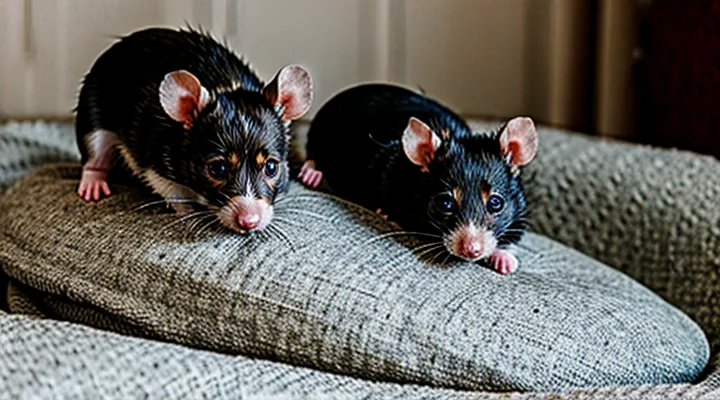
Understanding Rat Reproduction
The Reproductive Cycle of Rats
Estrous Cycle Duration
The estrous cycle in laboratory rats lasts approximately four to five days, a brief interval that permits frequent breeding opportunities. Each cycle comprises distinct phases:
- Proestrus (≈12 hours): ovarian follicles mature, estrogen peaks, and the female becomes sexually receptive.
- Estrus (≈12 hours): ovulation occurs, and mating behavior is at its peak.
- Metestrus/Diestrus (≈48–72 hours): corpus luteum forms, progesterone rises, and the uterus prepares for potential implantation.
Because the cycle repeats rapidly, a mature female can experience up to eight cycles per month. This high turnover directly influences reproductive output: the short interval between ovulations allows a rat to produce multiple litters within a single breeding season, each litter typically ranging from six to twelve pups. Consequently, the duration of the estrous cycle is a primary factor determining the species’ capacity for prolific offspring production.
Mating Behavior
Rats reach sexual maturity at 5–6 weeks for females and 6–8 weeks for males, initiating a reproductive period that can generate multiple litters annually. The estrous cycle of a female lasts 4–5 days, with ovulation occurring during the proestrus phase; successful copulation must coincide with this narrow window to result in fertilization.
Male rats exhibit a brief, intense courtship that includes scent marking, ultrasonic vocalizations, and a rapid series of mounts. Dominant males often secure priority access to receptive females, while subordinate males may experience delayed or reduced mating opportunities, influencing overall reproductive output.
Litter size depends on several variables:
- Female age: prime reproductive age (2–4 months) yields larger litters than very young or older females.
- Nutritional status: adequate protein and caloric intake correlate with increased embryo viability.
- Genetic background: strains selected for high fecundity produce more offspring per gestation.
- Frequency of breeding: intervals shorter than 3 weeks can diminish pup numbers due to incomplete uterine recovery.
Under optimal conditions, a single rat can produce litters ranging from 6 to 14 pups, with an average of 8–10. This range reflects the combined effects of mating behavior, physiological cycles, and environmental factors that govern reproductive success.
Factors Influencing Litter Size
Age and Health of the Mother Rat
The reproductive output of a female rat varies markedly with her age and physiological condition.
Young adult females (approximately 3–6 months old) reach peak fertility. Under optimal health, they commonly produce litters of 8–12 pups, with occasional records of 14. Beyond this window, reproductive efficiency declines.
Middle‑aged rats (7–12 months) experience a gradual reduction in litter size, typically ranging from 5 to 9 pups. Hormonal fluctuations and the onset of senescence contribute to this decrease.
Senior rats (over 12 months) show the most pronounced drop. Average litters fall to 3–5 pups, and many individuals fail to conceive altogether as ovarian function wanes.
Health status directly modulates these age‑related trends. Key factors include:
- Nutritional adequacy: Balanced protein and micronutrient intake supports embryonic development; deficiencies lower pup numbers.
- Body condition: Overweight or underweight females exhibit hormonal imbalances that suppress ovulation and reduce litter size.
- Disease burden: Chronic infections, respiratory illnesses, or parasitic infestations impair reproductive hormones and increase embryonic loss.
- Stress exposure: Persistent environmental stressors elevate cortisol, disrupting estrous cycles and decreasing viable offspring.
Maintaining a diet rich in quality protein, ensuring stable body weight, preventing disease, and minimizing stress are essential for maximizing the number of pups a rat can produce at any given age.
Environmental Conditions
Temperature directly impacts reproductive output. Warm environments (20‑28 °C) accelerate estrous cycles, leading to larger litters, while temperatures below 15 °C suppress ovulation and reduce pup numbers.
Photoperiod influences hormonal regulation. Longer daylight exposure increases prolactin secretion, which enhances fertility and may raise offspring count; short daylight periods produce the opposite effect.
Nutrition governs embryo development. Diets rich in protein (≥20 % of calories) and essential fatty acids support higher implantation rates and larger litters. Deficiencies in vitamins A, D, or calcium correlate with decreased pup numbers and higher embryonic loss.
Stress levels modulate reproductive hormones. Chronic stress elevates corticosterone, inhibiting gonadotropin release and limiting litter size. Minimizing handling, noise, and predator cues reduces stress‑induced suppression.
Housing density affects social dynamics. Overcrowding raises aggression and suppresses breeding, whereas moderate group sizes (3‑5 females per cage) promote optimal mating opportunities and maximum pup production.
Air quality contributes to fetal viability. Elevated ammonia (>25 ppm) damages respiratory epithelium, leading to increased embryonic mortality; maintaining ammonia below 10 ppm preserves higher offspring survival.
Humidity influences thermoregulation and skin integrity. Relative humidity between 40‑60 % prevents dehydration and supports normal gestation; extremes cause physiological strain that can limit litter size.
Collectively, these environmental parameters determine the upper limits of rat reproductive capacity. Adjusting temperature, photoperiod, nutrition, stress, housing, air quality, and humidity creates conditions that permit a female rat to achieve her maximal pup output.
Genetics
Genetic determinants set the upper limits of a rat’s reproductive output. Litter size correlates with alleles that regulate ovarian follicle development, hormonal pathways, and uterine capacity. Studies on laboratory strains reveal a heritability estimate of 0.3–0.5 for total pups per gestation, indicating that roughly half of the variation is attributable to genetic factors.
Key genetic components include:
- Fertility‑related loci such as Fert1 and Fert2, which influence ovulation rate.
- Hormone‑synthesis genes (e.g., Cyp19a1, Star) that modulate estrogen and progesterone levels, affecting embryo implantation success.
- Uterine growth regulators like Igf1 that expand uterine dimensions, allowing accommodation of more embryos.
Environmental modifiers—nutrition, stress, and mating frequency—interact with these genes, producing the observed range of offspring numbers. In optimal laboratory conditions, the most prolific strains can produce up to 14–16 pups per litter, a ceiling defined by the combined effect of the aforementioned genetic pathways.
Litter Size and Frequency
Average Litter Size
Variations by Rat Species
Rats display considerable variation in litter size depending on species, genetics, and environmental conditions. The most commonly studied species, the brown rat (Rattus norvegicus), typically produces litters ranging from six to twelve pups, with occasional extremes of five or fourteen. The black rat (Rattus rattus) averages slightly smaller litters, usually four to eight offspring. The Polynesian rat (Rattus exulans) is known for the smallest litters among the genus, often three to five pups. Laboratory strains of Rattus norvegicus, such as the Sprague‑Dawley and Wistar lines, can exceed the wild average, regularly delivering eight to twelve pups and occasionally reaching fifteen under optimal husbandry. Wild populations of the giant rat (Papagomys armandvillei) in Indonesia have been reported to produce litters of up to ten pups, though data are limited.
Factors influencing these differences include body size, reproductive cycle length, and resource availability. Larger species tend to allocate more energy to each offspring, resulting in fewer but more robust pups, whereas smaller species compensate with higher numbers. Seasonal food abundance can increase litter size within a species, while stressors such as overcrowding or disease reduce it.
In summary, litter size among rat species spans a range from three to fifteen pups, with the brown rat representing the upper end of the spectrum and the Polynesian rat occupying the lower end.
First Litter vs. Subsequent Litters
Rats reach sexual maturity at 5‑6 weeks, but the inaugural litter often contains fewer pups than later ones. First litters typically average 6‑8 offspring, reflecting the mother’s limited uterine capacity and incomplete hormonal conditioning. Subsequent litters benefit from physiological adaptation: uterine growth, enhanced milk production, and refined maternal behavior. As a result, average litter size rises to 10‑12 pups, with peak reproductive cycles producing up to 14–15.
Key factors influencing the difference between initial and later litters:
- Maternal age: younger females produce smaller first litters; size increases with each parity until mid‑life.
- Nutrition: adequate protein and caloric intake correlate with larger subsequent litters.
- Genetic line: some strains naturally yield higher pup counts across all parities.
- Frequency of breeding: short inter‑lactation intervals can depress litter size, even in experienced mothers.
Overall, a rat’s reproductive output expands after the first birth, stabilizing around 10‑12 pups per litter before gradual decline in advanced age.
Frequency of Litters
Gestation Period
The gestation period of the common laboratory rat (Rattus norvegicus) averages 21 to 23 days. This interval remains consistent across most strains when environmental conditions such as temperature, nutrition, and photoperiod are maintained within standard laboratory ranges.
Key characteristics of the rat’s pregnancy include:
- Onset of implantation: Occurs approximately 4–5 days after mating, marking the transition from fertilization to embryonic development.
- Embryonic growth: Rapid organogenesis proceeds between days 6 and 12, with visible fetal movement by day 13.
- Litter preparation: By day 15, uterine capacity expands to accommodate the expected number of offspring, influencing the ultimate litter size.
- Parturition timing: Birth typically begins in the early dark phase, aligning with the species’ nocturnal activity pattern.
Variations in gestation length are limited to a margin of ±1 day and are often linked to extreme environmental stressors or genetic anomalies. Accurate prediction of delivery date relies on precise mating records and monitoring of the estrous cycle, enabling optimal management of breeding colonies.
Post-Partum Estrus
Post‑partum estrus in rats occurs immediately after delivery, allowing a female to become fertile again within hours. The surge of prolactin and a rapid decline in progesterone trigger ovulation while the dam is still nursing the current litter. Consequently, a second conception can be initiated before the first litter is weaned.
The timing of this estrus determines the potential for multiple litters in a short breeding cycle. If the dam mates during the post‑partum window, fertilized embryos may implant while the uterus is still recovering, leading to overlapping gestations. This overlap can increase the total number of pups produced within a breeding season, but may also reduce individual pup survival due to limited maternal resources.
Key factors influencing the ultimate pup count include:
- Maternal age: Younger females reach peak fertility earlier, exhibiting stronger post‑partum estrus responses.
- Nutritional status: Adequate protein and calorie intake sustain hormone production and uterine recovery.
- Litter size of the first birth: Larger initial litters prolong nursing demand, potentially suppressing the intensity of the post‑partum estrus.
- Environmental stressors: High density, temperature extremes, or predator cues can diminish estrous vigor.
Understanding the mechanics of post‑partum estrus clarifies how a single rat can generate more offspring than a single gestation would suggest. By capitalizing on this rapid return to fertility, a breeder can achieve successive litters, thereby elevating the total pup output within a confined timeframe.
Maximum Reproductive Capacity
Theoretical vs. Practical Limits
Theoretical considerations rely on anatomical constraints, gestation capacity, and genetic potential. A female rat possesses a uterine cavity that can accommodate a limited number of embryos; calculations based on average embryo size and uterine volume indicate an upper bound of roughly 30–35 pups per litter. This figure assumes optimal conditions: maximal ovulation, successful fertilization of every ovum, and uninterrupted development without intra‑uterine competition.
Practical observations reveal a narrower range. Under standard laboratory or farm conditions, typical litters consist of 8–12 offspring. Exceptional cases, documented in controlled breeding programs, have produced up to 20–22 pups, but such outcomes require intensive nutritional support, precise timing of mating, and minimal stress. Factors that consistently reduce litter size include:
- Nutrient deficiency
- High ambient temperature
- Genetic predisposition toward smaller litters
- Maternal age and health status
Thus, while anatomical theory permits a dozen‑plus dozen pups, real‑world data confirm that the achievable maximum remains substantially lower, constrained by physiological, environmental, and management variables.
Impact of Continuous Breeding
Continuous breeding exerts a measurable decline in the number of offspring a female rat can produce per litter. Repeated conception without sufficient recovery periods reduces uterine capacity, leading to smaller litters that average 6‑8 pups compared to the typical 10‑12 observed in rested cycles.
- Maternal health: Persistent gestation elevates stress hormones, compromises immune function, and accelerates weight loss, all of which impair embryonic development.
- Fertility window: Shortened inter‑birth intervals shorten the estrous cycle, diminishing ovulation quality and increasing the incidence of anovulatory cycles.
- Genetic stability: Rapid succession of pregnancies raises the probability of chromosomal abnormalities, further decreasing viable pup counts.
- Longevity: Rats subjected to continuous reproductive cycles experience earlier onset of age‑related decline, shortening overall reproductive lifespan.
Nutritional demands rise sharply during back‑to‑back pregnancies. Inadequate protein and micronutrient intake directly correlates with reduced pup viability and lower birth weights. Providing supplemental diets can mitigate some losses but does not fully restore litter size to levels seen after a resting phase.
Overall, the cumulative effect of unbroken breeding schedules is a progressive reduction in reproductive output, compromised offspring health, and shortened maternal lifespan. Strategic breeding intervals that allow physiological recovery are essential for maximizing both litter size and long‑term colony productivity.
Raising Rat Pups
Care for Pregnant Rats
Nutritional Needs
Maternal nutrition directly determines the size of a rat’s litter and the viability of each offspring. Adequate caloric intake supports the rapid fetal growth that occurs during the gestation period of approximately three weeks. Energy‑dense foods such as whole‑grain pellets, supplemented with occasional high‑fat treats, maintain the required 20–25 kcal per day increase over baseline consumption.
Protein supplies the amino acids essential for tissue development. A diet containing 18–20 % crude protein fulfills the demands of both the mother and her embryos. Sources include soy‑based meal, whey protein, and insect larvae, which also contribute essential fatty acids.
Micronutrients influence organ formation and immune competence. Critical elements are:
- Calcium (1.2 % of diet) for skeletal mineralization.
- Phosphorus (0.8 % of diet) to balance calcium absorption.
- Vitamin E (100 IU/kg feed) for antioxidative protection.
- B‑complex vitamins, especially folic acid, to prevent neural tube defects.
Hydration must remain constant; rats require unrestricted access to clean water, as dehydration reduces litter size and increases pup mortality. Monitoring body condition scores throughout gestation enables adjustments to feed quantity, preventing under‑ or over‑nutrition that could compromise reproductive output.
Nesting Behavior
Rats build nests to provide thermal insulation, protection from predators, and a stable environment for newborns. The architecture of a nest influences the number of pups a female can successfully raise, because inadequate shelter limits the capacity for litter expansion.
Nest construction begins shortly before parturition. Females gather soft materials such as shredded paper, cotton fibers, and plant matter, arranging them into a compact mound. The nest is typically positioned in a concealed corner of the cage or burrow, where ambient temperature remains relatively constant. Consistency in material density creates a microclimate that maintains pup body temperature without excessive maternal effort.
A well‑structured nest supports larger litters by reducing heat loss and facilitating efficient nursing. Studies show that females housed with ample nesting material produce litters averaging 10–12 pups, whereas deprivation of suitable material correlates with smaller litters and higher pup mortality. Nest quality also affects maternal stress levels; lower stress translates to sustained milk production, enabling the mother to meet the nutritional demands of more offspring.
Key observations:
- Adequate nesting material increases average litter size.
- Nest density directly impacts pup thermoregulation.
- Maternal stress declines with improved nest conditions, enhancing lactation.
- Poor nesting environments limit reproductive output and increase mortality.
Care for Newborn Pups
Nursing and Weaning
Rats typically produce litters of six to twelve offspring, each newborn relying entirely on maternal milk for the first weeks of life. The nursing phase begins immediately after birth; pups attach to the dam’s nipples and receive a nutrient‑rich secretion containing high levels of protein, fat, and lactose. Milk delivery occurs every two to three hours, with the dam spending most daylight hours in the nest, providing warmth and tactile stimulation that promotes thermoregulation and growth.
During the first ten days, pups gain weight rapidly, averaging a 2‑3‑gram increase per day. By day 12, their eyes open and they begin to explore the nest perimeter, yet they continue to nurse several times daily. The dam gradually reduces the frequency of milk provision as the pups develop gastrointestinal capability to process solid food.
Weaning concludes around day 21. At this point, pups consume solid chow independently, display reduced dependence on maternal grooming, and begin to establish social hierarchies within the litter. The dam’s involvement diminishes to occasional brief nursing sessions, after which she typically abandons the nest.
Key developmental milestones:
- Birth to day 4: exclusive milk intake, limited movement.
- Day 5 to day 14: eye opening, increased locomotion, intermittent solid food introduction.
- Day 15 to day 21: transition to solid diet, reduced nursing frequency, preparation for independence.
Developmental Stages
Rats typically produce litters ranging from six to twelve pups, a factor that shapes the timing and characteristics of each developmental phase.
- Gestation (≈21‑23 days): Embryos develop within the uterine environment; larger litters often result in slightly lower average fetal weights.
- Neonatal period (birth‑10 days): Pups are altricial, eyes closed, fur sparse; they rely exclusively on maternal milk. Birth weight correlates with litter size, influencing early growth rates.
- Pre‑weaning (10‑21 days): Fur thickens, eyes open, locomotor activity increases; milk intake peaks, and competition intensifies in larger litters, potentially slowing individual weight gain.
- Weaning (≈21‑28 days): Solid food introduced; pups transition to independent nutrition. Survival rates decline in oversized litters due to limited resources.
- Adolescence (4‑6 weeks): Rapid somatic growth, development of social hierarchies, and emergence of gender‑specific behaviors.
- Sexual maturity (≈8‑10 weeks): Reproductive capacity attained; females capable of producing their own litters, perpetuating the cycle.
Litter size directly influences each stage: higher pup counts generally depress birth weight, extend the period needed to reach weaning thresholds, and increase mortality risk during the neonatal and pre‑weaning phases. Conversely, smaller litters often exhibit accelerated growth, earlier weaning, and higher individual survival probabilities. Understanding these stage‑specific dynamics is essential for accurate predictions of reproductive output and for managing laboratory or breeding colonies.
Common Complications
Stillbirths
Rats routinely produce large litters, but a portion of each litter may be stillborn. Stillbirths reduce the effective number of viable pups and influence reproductive efficiency.
Factors that increase stillbirth incidence include:
- Maternal age extremes (very young or senior females)
- Inadequate nutrition or severe caloric restriction during gestation
- Exposure to toxicants, such as heavy metals or pesticides
- High ambient temperatures or rapid fluctuations in cage environment
- Genetic defects or chromosomal abnormalities
- Stress from overcrowding, frequent handling, or aggressive cage mates
Physiological mechanisms underlying fetal death involve placental insufficiency, impaired uterine blood flow, and disruptions in hormone regulation. Studies show that litter sizes exceeding twelve pups correlate with a higher proportion of stillborn offspring, suggesting that uterine capacity limits fetal development when demand surpasses supply.
Management practices that lower stillbirth rates consist of:
- Providing a balanced diet with adequate protein, vitamins, and minerals throughout gestation.
- Maintaining stable temperature (20‑24 °C) and humidity levels in breeding rooms.
- Monitoring breeding females for signs of illness or stress and removing them from the breeding group when necessary.
- Limiting litter size through controlled breeding pairs or using genetic lines known for moderate litter sizes.
Accurate recording of stillbirths is essential for evaluating breeding performance. Researchers calculate the “live pup yield” by subtracting stillborn numbers from total pups born, allowing comparison across strains and environmental conditions. Reducing stillbirth frequency directly improves the number of offspring a single rat can successfully produce.
Maternal Rejection
Rats commonly produce litters ranging from six to twelve offspring, with occasional extremes of fewer than three or more than twenty. Maternal rejection—when a dam abandons, ignores, or harms her young—directly limits the number of pups that survive to weaning. The behavior is not rare; studies report rejection rates of 10‑20 % in laboratory colonies.
Factors influencing rejection include:
- Stress: overcrowding, frequent handling, or abrupt environmental changes increase cortisol levels, reducing maternal investment.
- Health of the dam: malnutrition, illness, or hormonal imbalances impair lactation and nurturing behavior.
- Litter size: excessively large broods strain the mother’s capacity to provide sufficient milk, prompting selective neglect.
- Genetic predisposition: certain strains exhibit higher incidences of aggressive or indifferent maternal responses.
Consequences of rejection are immediate mortality for unattended pups and long‑term developmental deficits for survivors. Intervention strategies focus on:
- Providing supplemental heating and nest material to compensate for reduced maternal care.
- Administering artificial feeding with species‑appropriate formula when the dam fails to nurse.
- Reducing stressors by stabilizing cage conditions and minimizing disturbances during the peripartum period.
Understanding and mitigating maternal rejection is essential for accurate estimates of viable offspring per gestation, as the observable litter size often overstates the number of pups that reach independence.
Responsible Rat Ownership
Managing Reproduction in Pet Rats
Spaying and Neutering
Spaying and neutering directly affect the reproductive output of laboratory and pet rats. By surgically removing the ovaries or testes, the hormonal cycle that triggers estrus and sperm production is eliminated, preventing the physiological processes that lead to litters. Consequently, a rat that has undergone sterilization cannot contribute to the species’ breeding potential, regardless of its innate capacity to produce multiple offspring per gestation.
The procedure offers several practical advantages for owners and researchers:
- Immediate cessation of breeding capability eliminates accidental litters.
- Hormonal stabilization reduces aggressive and territorial behaviors.
- Decreased incidence of reproductive‑system cancers extends lifespan.
- Lowered risk of uterine infections and prostate problems improves overall health.
When evaluating population control strategies, sterilization provides a reliable, humane alternative to culling or environmental separation. It ensures that the number of pups a single rat could theoretically generate remains unrealized, aligning animal welfare with responsible management.
Separating Males and Females
Separating male and female offspring soon after birth allows precise assessment of a rat’s reproductive output. Early identification prevents accidental breeding within the litter, which would otherwise inflate the number of pups attributed to a single mother.
Sexing can be performed at three to five days of age by examining the anogenital distance and the presence of testes in males. Experienced handlers use a magnifying lens and gentle restraint to avoid stress. Accurate sex determination is essential for reliable data collection.
Benefits of sex separation include:
- Clear count of each gender, enabling calculation of average litter size per sex.
- Elimination of intra‑litter mating, which reduces the risk of unintended pregnancies.
- Simplified health monitoring, as disease patterns often differ between males and females.
- Streamlined record‑keeping for breeding programs and scientific studies.
Implementation steps:
- Schedule daily checks from day three onward to confirm gender.
- Transfer each pup to a sex‑specific cage equipped with appropriate bedding and enrichment.
- Label cages with unique identifiers and maintain a log of birth date, sex, and mother’s identification.
- Monitor growth rates separately, adjusting nutrition and housing conditions as needed.
By maintaining strict separation, researchers and breeders obtain accurate metrics on how many pups a rat can produce, free from confounding variables introduced by postnatal mating.
Considerations for Breeders
Ethical Breeding Practices
Ethical breeding of rats requires strict control of litter size to prevent health complications. Limiting the number of pups per litter reduces the risk of malnutrition, low birth weight, and maternal stress.
- Provide a balanced diet rich in protein, vitamins, and minerals throughout gestation.
- Maintain a temperature‑controlled environment (20‑24 °C) with low humidity.
- Conduct health screenings for infectious diseases before pairing breeding stock.
- Record each mating, gestation length, and litter outcome to monitor trends.
- Restrict breeding to females that have not exceeded three litters, as reproductive performance declines after this point.
Continuous observation of the dam during pregnancy identifies signs of distress early. Prompt veterinary intervention for abnormal weight loss, excessive nesting behavior, or prolonged labor prevents suffering. Documentation of each litter’s size, pup weight, and survival rate supports data‑driven decisions about breeding limits.
Compliance with local animal welfare regulations and institutional animal care guidelines reinforces responsible practice. Enforcement of maximum litter size policies safeguards both the mother and offspring, ensuring the breeding program remains humane and scientifically valid.
Genetic Diversity
The number of offspring a female rat can produce in a single gestation directly influences the genetic variability available to the next generation. Each pup inherits a unique combination of alleles from its parents; a larger litter increases the probability that rare alleles will be represented, thereby expanding the gene pool within a population.
When a rat produces many pups, two mechanisms amplify diversity:
- Independent assortment of chromosomes during meiosis creates distinct genotype sets for each embryo.
- Random fertilization events, combined with multiple ova released, generate a broader spectrum of allele pairings.
Conversely, a small litter limits the number of distinct genotypes that can emerge, potentially reducing heterozygosity and making the population more susceptible to inbreeding depression. In breeding programs, managing litter size is a practical tool for preserving or enhancing genetic health.
Environmental and physiological factors—such as nutrition, hormonal balance, and stress—affect both litter size and the quality of gamete formation. Optimal conditions that support larger litters tend to promote more robust meiotic processes, which further contributes to genetic variation.
In summary, the quantity of pups delivered in a single reproductive event serves as a critical determinant of the genetic breadth transmitted to subsequent generations, shaping the adaptive potential of rat populations.
Population Control in Wild Rats
Environmental Impact
Rats typically produce litters of eight to twelve offspring and can breed several times per year, resulting in rapid population expansion under favorable conditions.
High reproductive output translates into increased demand for food, water, and shelter, which intensifies competition with native fauna for limited resources. Elevated numbers also amplify waste generation, leading to greater accumulation of droppings, urine, and discarded food particles that degrade soil quality and promote microbial growth.
Environmental consequences of dense rat populations include:
- Displacement of indigenous species through direct predation or resource depletion.
- Heightened transmission of pathogens to wildlife, livestock, and humans via contaminated surfaces and vectors.
- Structural damage to infrastructure caused by gnawing, resulting in increased maintenance requirements and material waste.
Effective mitigation relies on integrated pest management: habitat reduction, sanitation improvements, and targeted population control. These actions lower reproductive success, diminish ecological pressure, and preserve ecosystem stability.
Control Methods
Rats can produce large litters, often exceeding a dozen offspring per gestation. Managing this reproductive potential requires targeted control strategies that reduce breeding opportunities and limit population growth.
Effective measures include:
- Habitat modification: Eliminate food sources, seal entry points, and remove clutter that provides shelter.
- Mechanical removal: Deploy snap traps, electronic devices, or live‑catch cages in high‑activity zones.
- Chemical control: Apply anticoagulant baits according to regulatory guidelines, ensuring placement away from non‑target species.
- Biological interventions: Introduce natural predators or employ rodent‑specific pathogens where permitted.
- Reproductive suppression: Implement sterilization programs using contraceptive implants or surgical castration for captured individuals.
Each method should be integrated into a comprehensive plan, monitored for efficacy, and adjusted based on observed population responses. Continuous assessment prevents resistance development and ensures long‑term reduction of rat reproductive output.