
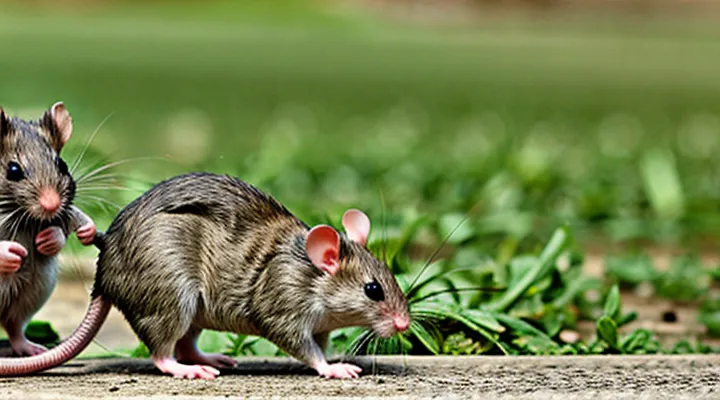
The Basics of Rat Breeding
Sexual Maturity and Lifespan
Rats achieve sexual maturity rapidly; females typically reach reproductive capability between five and six weeks of age, while males become fertile slightly later, generally within six to eight weeks. Early onset of fertility shortens the interval between generations, contributing to high reproductive output. Factors such as nutrition, housing conditions, and genetic strain can accelerate or delay maturation, but the baseline window remains consistent across most laboratory and pet populations.
The average lifespan of a common laboratory rat ranges from two to three years, whereas well‑cared domestic specimens may survive three to four years. Longevity is influenced by diet quality, environmental stressors, and disease prevalence. Reproductive vigor declines after the first year; females experience reduced litter size and longer intervals between pregnancies, while male fertility diminishes gradually but remains viable for several months beyond the peak reproductive period.
Key parameters:
- Female sexual maturity: 5–6 weeks
- Male sexual maturity: 6–8 weeks
- Typical laboratory rat lifespan: 2–3 years
- Upper limit for well‑kept pet rats: 3–4 years
- Peak reproductive period: first 12 months of life
- Decline in fertility: after 12 months, litter size and frequency decrease.
Gestation Period
The gestation period of the common laboratory rat (Rattus norvegicus) lasts approximately 21 to 23 days. Pregnancy begins shortly after successful mating, and embryonic development proceeds rapidly due to the species’ high metabolic rate.
Key characteristics of the rat gestation:
- Duration: 21‑23 days, with slight variation among strains.
- Litter size: typically 6‑12 pups, influenced by maternal age and health.
- Prenatal development: embryos reach viability by day 14, after which fetal growth accelerates.
- Parturition: occurs during the dark phase of the light cycle, aligning with the animal’s nocturnal activity pattern.
Environmental factors such as temperature (20‑24 °C) and nutrition directly affect gestational length and litter outcomes. Adequate protein intake (18‑20 % of diet) and consistent lighting schedules support optimal fetal development.
Monitoring gestation involves daily observation for signs of nesting behavior, abdominal swelling, and changes in body weight. Early detection of complications allows timely intervention, reducing mortality risk for both dam and offspring.
Litter Size Variation
Rats exhibit a broad range of litter sizes, typically from three to twelve pups, with most domestic strains averaging six to eight offspring per birth.
Factors that modify litter size include:
- Genetic background – selective breeding lines often produce larger or smaller litters.
- Maternal age – young and senior females tend to have fewer pups than those in prime reproductive years.
- Nutritional status – diets rich in protein and essential micronutrients correlate with increased offspring numbers.
- Health condition – presence of disease or parasitic load reduces reproductive output.
- Environmental conditions – stable temperature, low stress, and adequate housing density support optimal litter size.
- Strain-specific traits – laboratory albino rats differ from wild‑type or fancy breeds in typical pup counts.
Statistical surveys of laboratory colonies report mean litter sizes of 7.2 ± 1.4 pups, while extreme cases reach up to 14 pups under optimal conditions and as few as one pup during periods of stress or illness.
Breeders seeking predictable production should monitor female age, maintain balanced nutrition, ensure disease‑free environments, and select strains aligned with desired litter outcomes. Regular record‑keeping enables identification of trends and timely adjustments to management practices.
Factors Influencing Litter Size
Age of the Mother Rat
The reproductive efficiency of female rats declines sharply after the first year of life. Peak fertility occurs between eight and twelve weeks of age; at this stage, hormonal cycles are regular, and litter sizes average the highest values recorded for the species.
Females younger than eight weeks often exhibit irregular estrus, resulting in smaller litters or failed pregnancies. Rats older than twelve months experience reduced ovulation rates, increased gestation complications, and a higher incidence of stillbirths.
Key considerations for breeders:
- Initiate breeding at eight‑to‑ten weeks for optimal litter size.
- Limit the number of breeding cycles per female to three to four per year to prevent reproductive fatigue.
- Replace breeding females after twelve months to maintain consistent offspring output.
- Monitor body condition; excessive weight gain or loss correlates with diminished fertility.
Scientific observations confirm that litter size averages 8‑12 pups when the mother is within the optimal age window, while females beyond twelve months typically produce 4‑6 pups per litter. Maintaining breeding stock within the identified age range maximizes productivity and health of both dam and offspring.
Genetics and Breed
Genetic makeup determines the potential number of pups a rat can produce. Chromosomal composition, particularly the presence of alleles linked to fertility, directly affects ovulation rate and embryo survival. Inbreeding reduces heterozygosity, often leading to smaller litters and increased incidence of developmental defects. Outcrossing restores genetic diversity, enhancing reproductive performance and overall vigor.
Breed-specific traits shape litter outcomes. Common laboratory strains such as Sprague‑Dawley and Wistar exhibit average litter sizes ranging from eight to twelve pups, while dwarf varieties like the Fancy Rat tend to produce six to nine. Heritage breeds, for example the Himalayan and the Rex, display variability dependent on lineage health and selection history. A concise comparison:
- Sprague‑Dawley: 8‑12 pups, high fertility, robust growth.
- Wistar: 9‑13 pups, moderate maternal care, consistent weight gain.
- Fancy Rat (dwarf): 6‑9 pups, delicate constitution, heightened sensitivity to environmental stress.
- Himalayan: 7‑11 pups, distinctive coat coloration, average reproductive rate.
- Rex: 7‑10 pups, plush fur, moderate litter size.
Selective breeding programs manipulate these genetic factors to achieve desired outcomes. Marker‑assisted selection identifies individuals carrying favorable fertility alleles, allowing breeders to pair optimal mates. Line breeding concentrates specific traits but requires careful monitoring to avoid deleterious recessive genes. Rotational breeding cycles maintain genetic variation while preserving breed standards, resulting in stable litter sizes over successive generations.
Environmental Conditions
Environmental factors exert a direct impact on rat fecundity and litter viability. Temperature, humidity, lighting cycles, cage dimensions, ventilation, acoustic disturbance, and substrate quality each modify hormonal balance, gestation length, and pup survival rates.
- Temperature: optimal range 20 °C–24 °C; deviations beyond ±3 °C suppress estrous activity and increase embryonic loss.
- Humidity: maintain 45 %–55 %; excessive dryness accelerates dehydration of neonates, while high humidity promotes fungal growth and respiratory issues.
- Photoperiod: 12 h light/12 h dark stabilizes melatonin secretion, supporting regular estrous cycles; prolonged darkness delays ovulation.
- Cage size: minimum floor area 0.09 m² per breeding pair; overcrowding elevates stress hormones, reducing litter size.
- Ventilation: continuous airflow preventing ammonia accumulation below 10 ppm preserves uterine health and neonatal respiratory function.
- Noise: ambient levels under 55 dB prevent chronic stress responses that impair conception.
- Bedding: absorbent, dust‑free material (e.g., paper pulp) minimizes irritants and maintains a clean nesting environment.
For maximal reproductive output, configure breeding rooms to sustain the temperature and humidity ranges specified, implement a consistent 12‑hour light schedule, provide spacious, well‑ventilated cages with low‑noise equipment, and select appropriate bedding. Monitoring these parameters ensures stable hormonal cycles, higher conception rates, and larger, healthier litters.
Nutrition and Health
Proper nutrition directly influences litter size, gestation length, and pup viability. A balanced diet for breeding rats should contain 18‑20 % protein, 4‑5 % fat, and adequate fiber to support digestive health. Commercial rodent chow formulated for breeders meets these macronutrient ratios and includes essential vitamins such as A, D, E, and K, which aid embryonic development.
Key micronutrients include:
- Calcium : 1.0‑1.2 % of the diet, essential for bone formation in both dam and offspring.
- Phosphorus : 0.8‑1.0 %, balanced with calcium to prevent skeletal disorders.
- Magnesium : 0.1‑0.2 %, supports muscle function and metabolic processes.
- Zinc : 50‑70 ppm, critical for immune competence and wound healing.
Fresh water must be available at all times; dehydration shortens gestation and reduces litter size. Water containers should be cleaned daily to prevent bacterial growth.
Health management focuses on disease prevention and early detection. Routine health checks involve:
- Observing coat condition for signs of malnutrition or parasitic infestation.
- Palpating the abdomen during late gestation to monitor fetal development.
- Recording body weight weekly; a steady increase of 2‑3 g per day indicates adequate intake.
Vaccination against common pathogens, such as Mycoplasma pulmonis, reduces morbidity and protects reproductive performance. Parasite control, using approved ectoparasitic treatments, prevents anemia and secondary infections that compromise offspring survival.
Environmental factors interact with nutrition. Maintaining ambient temperature between 20‑24 °C reduces metabolic stress, allowing nutrients to be allocated toward reproduction rather than thermoregulation. Bedding material should be low‑dust to avoid respiratory irritation, which can impair nutrient absorption.
In summary, a diet meeting precise protein, fat, fiber, and micronutrient specifications, combined with constant access to clean water, vigilant health monitoring, and optimal housing conditions, maximizes reproductive output and ensures the health of both dams and their litters.
The Breeding Cycle
Estrous Cycle Explained
The estrous cycle governs a female rat’s reproductive readiness and determines optimal mating times. Each cycle lasts approximately four to five days and progresses through four distinct phases that can be identified by vaginal cytology and behavioral cues.
- «proestrus» – rising estrogen levels, increased activity, and the onset of vaginal cell proliferation.
- «estrus» – peak estrogen, receptivity to the male, and the presence of cornified epithelial cells.
- «metestrus» – decline in estrogen, emergence of leukocytes, and reduced mating interest.
- «diestrus» – low hormonal activity, predominance of leukocytes, and a period of reproductive quiescence.
Successful breeding aligns male introduction with the estrus phase, when ovulation is imminent. Monitoring the cycle through daily vaginal smears enables precise timing, reduces missed conception windows, and maximizes litter size. Understanding the hormonal fluctuations underlying each stage provides a reliable framework for any rat reproduction program.
Signs of Heat
Rats enter estrus approximately every four to five days, and observable changes indicate readiness to mate. Recognizing these signs enables effective breeding management and reduces missed opportunities.
• Swollen vulva, often appearing pinker and more pronounced.
• Increased vocalizations, especially high‑pitched squeaks during the night.
• Restlessness, manifested by frequent pacing and heightened activity.
• Frequent grooming of the genital area, sometimes accompanied by a distinct odor.
• Acceptance of a male’s advances, demonstrated by reduced avoidance and willingness to mount.
Monitoring these behaviors provides reliable cues for timing introductions and optimizing litter production.
Optimal Breeding Times
Rats reach sexual maturity between five and six weeks of age; breeding before this point reduces litter size and increases maternal stress. Optimal breeding begins at eight weeks for females, when ovarian development is complete and hormonal cycles are regular.
The estrous cycle lasts four to five days, with ovulation occurring during the proestrus phase. Detecting the swelling of the vulva and a clear vaginal discharge indicates the onset of proestrus. Pairing a female with a male during this window maximizes conception probability.
Key factors influencing breeding timing:
- Consistent lighting cycle of 12 hours light/12 hours dark stabilizes hormonal rhythms.
- Ambient temperature of 20 °C to 24 °C prevents heat‑related infertility.
- High‑protein diet (18 %–20 % protein) supports follicular development and gestation.
- Minimum interval of 48 hours between successive matings avoids uterine fatigue.
Seasonal variation has limited impact in controlled environments; however, natural photoperiods with longer daylight in spring can slightly increase fertility rates. Maintaining a stable environment eliminates this variable.
Monitoring the female’s weight gain (approximately 5 %–10 % increase) and abdominal enlargement confirms successful conception. If no signs appear after 48 hours, re‑examine timing and health parameters before re‑pairing.
Caring for Pregnant Rats
Nutritional Requirements
Rats require a diet that supports rapid growth, gestation, and lactation. Adequate protein levels—typically 18–22 % of the diet—provide essential amino acids for tissue development and milk production. Fat content should range from 4–6 % to supply energy without causing obesity, while carbohydrates supply the remaining caloric needs.
Key micronutrients include calcium and phosphorus in a 1.2:1 ratio to ensure skeletal strength in both pregnant females and their pups. Vitamin D facilitates calcium absorption; vitamin E and selenium protect against oxidative stress during gestation. Adequate iodine supports thyroid function, which influences metabolism and growth rates.
• Protein — 18–22 % of diet, high‑quality sources such as soy, fishmeal, or whey.
• Fat — 4–6 % of diet, balanced omega‑6 to omega‑3 ratio.
• Carbohydrates — remaining calories, preferably complex grains.
• Calcium — 0.8–1.0 % of diet, paired with phosphorus.
• Vitamins — A, D, E, K, B‑complex at levels meeting NRC recommendations.
• Minerals — magnesium, potassium, zinc, selenium within established tolerances.
• Water — continuous access to fresh, clean supply.
Consistent provision of these nutrients promotes healthy litters, reduces mortality, and maximizes reproductive efficiency.
Nesting Preparation
Nesting preparation is a critical component of successful rat breeding. A stable, insulated nest reduces stress, promotes maternal care, and supports the growth of the litter.
The enclosure should contain a dedicated nesting area that is separate from the main activity zone. Materials such as shredded paper, tissue, or commercially available nesting pads provide the necessary softness and warmth. Avoid cotton or wool, which can cause entanglement and respiratory issues.
Key steps for establishing an optimal nest:
- Place a shallow, waterproof tray beneath the nesting material to protect the cage floor from moisture.
- Supply at least 2 inches of nesting substrate, allowing the female to build a compact, dome‑shaped structure.
- Ensure the nest is located in a quiet corner, away from direct drafts and bright lighting.
- Maintain ambient temperature between 68 °F and 74 °F (20 °C–23 °C) to prevent chilling of newborns.
- Replace soiled or damp material promptly to preserve hygiene and reduce the risk of infection.
Regular monitoring of the nest’s condition helps identify signs of overheating, excessive moisture, or material depletion. Prompt adjustments sustain a conducive environment for both the dam and her offspring.
Recognizing Labor Signs
Recognizing the onset of labor in a pregnant rat is essential for successful breeding management. Observable changes appear within 24–48 hours before delivery and indicate that parturition is imminent.
Key indicators include:
- Increased nesting activity; the female gathers bedding and constructs a compact nest.
- Restlessness and frequent repositioning within the cage.
- Swelling of the vulvar area, often accompanied by a clear or slightly milky discharge.
- Vocalizations that differ from normal squeaks, typically louder and more persistent.
- Lowered abdomen and a hunched posture, suggesting uterine contractions.
Monitoring should be continuous once these signs emerge. Temperature should remain stable, and the environment must stay quiet to reduce stress. If delivery does not occur within 12 hours after the first signs, a veterinary evaluation is advisable to prevent complications such as dystocia.
Post‑birth observations focus on litter size, pup vitality, and maternal behavior. Prompt identification of labor signs contributes to accurate litter count and overall breeding efficiency.
Post-Natal Care
Weaning Pups
Weaning marks the transition from maternal milk to solid food and is a critical stage in rat pup development. The process typically begins at 21 days of age, although variation may occur depending on strain and environmental conditions.
- At 21 days, introduce a small amount of softened laboratory chow in a separate container to encourage independent feeding.
- Monitor intake for 2–3 days; increase the proportion of solid food while reducing reliance on the dam’s milk.
- Ensure continuous access to fresh water; pups develop the ability to drink autonomously around the same period.
- Maintain ambient temperature between 20 °C and 24 °C to prevent hypothermia as pups lose the thermal benefit of the nest.
- Conduct daily health checks; assess body weight, fur condition, and activity level to detect any signs of malnutrition or stress.
By 28 days, most pups consume adequate solid food, exhibit normal growth curves, and are ready for separation from the mother. Successful weaning contributes to higher survival rates and supports subsequent breeding cycles.
Preventing Overbreeding
Rats reproduce rapidly; unchecked breeding quickly overwhelms cage capacity and compromises animal welfare. Controlling the number of offspring safeguards health, reduces stress, and maintains manageable colony size.
Effective measures to prevent excess reproduction include:
- Separate males and females after weaning to eliminate accidental mating.
- Assign a single breeding pair per enclosure and monitor the female’s estrus cycle; remove the male when the female shows signs of heat.
- Apply surgical sterilization (spaying or neutering) for surplus individuals; this eliminates reproductive potential without affecting behavior.
- Maintain a detailed log of each pair’s litter dates, size, and weaning outcomes; data reveal trends and prompt timely intervention.
- Limit the number of breeding females in a room to match the available housing space and caretaker capacity.
Additional practices support sustainable breeding:
- Keep cage density below recommended limits; overcrowding accelerates accidental pairings.
- Conduct regular health examinations; illness can mask reproductive signs and lead to unnoticed litters.
- Rotate breeding stock periodically; older females experience reduced fertility, decreasing litter frequency naturally.
By integrating sex separation, sterilization, precise record‑keeping, and strict housing standards, breeders maintain a balanced rat population while preserving the integrity of the breeding program.
Health Considerations for Mother and Pups
A healthy dam directly influences litter survival and growth. Adequate protein‑rich feed, consistent access to fresh water, and a balanced vitamin‑mineral supplement sustain the mother through gestation and lactation. Environmental stability—temperature between 20 °C and 24 °C, low humidity fluctuations, and minimal stressors—reduces the risk of miscarriage and postpartum complications. Regular health checks, including parasite control and vaccination status verification, prevent transmissible diseases that could affect both dam and offspring.
Key maternal health actions:
- Provide a high‑quality diet containing at least 18 % protein and essential fatty acids.
- Maintain a clean, bedding‑free nesting area; replace substrate weekly.
- Monitor weight gain; a 20–30 % increase signals normal progression.
- Conduct weekly physical examinations for signs of infection or injury.
- Ensure prompt veterinary intervention for respiratory or gastrointestinal issues.
Pup care begins immediately after birth. Observe litter size and individual pup viability; dead or weak neonates require removal to prevent contamination. The dam’s milk supplies all nutritional needs for the first 14 days; supplemental formula should be administered only when maternal lactation fails. Temperature regulation is critical; a heat source maintaining 28 °C to 30 °C prevents hypothermia. Gradual weaning, introduced at day 21 with solid food enriched with protein and fiber, supports gastrointestinal development.
Essential pup health measures:
- Check for a full belly and active movement within the first hour of life.
- Keep the nest dry; replace soiled bedding to avoid fungal growth.
- Record daily weight; a gain of 2–3 g per day reflects adequate nutrition.
- Initiate weaning with softened pellets and fresh water; increase portion size every two days.
- Schedule a veterinary health assessment at three weeks to detect congenital anomalies or parasites.
Common Breeding Challenges
Infertility Issues
Infertility in laboratory or pet rats reduces litter size and can halt a breeding program. Recognizing and addressing the problem prevents loss of valuable animals and maintains productivity.
Common causes include:
- Genetic defects affecting gamete formation
- Advanced age of either partner
- Nutritional deficiencies, especially low protein or vitamin E
- Chronic disease such as respiratory infections or renal failure
- Environmental stressors: overcrowding, temperature fluctuations, poor ventilation
Symptoms manifest as irregular or absent estrous cycles in females, failure to become pregnant after multiple matings, and reduced sperm count or motility in males. Physical examination may reveal underdeveloped reproductive organs or abnormal genital discharge.
Diagnostic protocol:
- Observe estrous behavior and record cycle length.
- Perform vaginal cytology to confirm cycle stage.
- Conduct semen analysis for count, motility, and morphology.
- Apply ultrasonography to detect early pregnancy or uterine abnormalities.
- Measure serum hormone levels (estrogen, progesterone, testosterone) when endocrine disorders are suspected.
Management strategies focus on correcting underlying factors. Adjust diet to meet recommended protein (18‑20 %) and vitamin E (≥30 IU/kg) levels. Treat infections with appropriate antibiotics; resolve respiratory issues before breeding attempts. Reduce stress by providing adequate space (minimum 0.1 m² per rat) and stable environmental conditions (22‑24 °C, 45‑55 % humidity). If infertility persists, replace one or both partners with proven fertile individuals.
Prevention relies on systematic health monitoring, breeding rats at optimal ages (females 3‑6 months, males 4‑8 months), and avoiding close inbreeding. Maintaining records of litter outcomes and reproductive performance supports early detection of fertility decline.
Complications During Birth
Complications that arise during rat parturition can reduce litter size and threaten the health of both dam and offspring. Recognizing typical problems allows timely intervention and improves reproductive efficiency.
Common birth complications include:
- Dystocia caused by oversized pups or malposition, often evident when the dam fails to deliver within a normal 30‑ to 45‑minute interval after the first pup.
- Uterine inertia, where the uterus does not contract sufficiently; symptoms are prolonged labor and absence of abdominal contractions.
- Maternal stress or inadequate nesting material, leading to abandonment or insufficient care of newborns.
- Infections of the reproductive tract, presenting as foul discharge, fever, or reduced appetite in the dam.
- Nutritional deficiencies, especially calcium or protein shortages, which impair muscle function and uterine strength.
Diagnostic cues consist of prolonged delivery time, visible distress, abnormal pup positioning, and changes in the dam’s behavior or physical condition. Immediate actions may involve:
- Gentle assistance to reposition misaligned pups using sterile tweezers, taking care not to damage delicate tissues.
- Administration of oxytocin analogs under veterinary guidance to stimulate uterine contractions in cases of inertia.
- Provision of a quiet, temperature‑controlled environment with ample nesting material to reduce stress.
- Antibiotic therapy for confirmed infections, selected based on culture results when possible.
- Supplementation of the dam’s diet with high‑quality protein and calcium sources during the late gestation period.
Preventive measures focus on optimal breeding conditions: balanced nutrition, regular health monitoring, and provision of clean, secure nesting areas. Early detection and appropriate response to birth complications sustain high reproductive output and maintain colony health.
Rearing Difficulties
Raising a rat litter presents several practical challenges that can affect survival rates and long‑term health. Newborn pups are highly vulnerable to temperature fluctuations, dehydration, and inadequate nutrition, requiring precise environmental management.
Key difficulties include:
- Maternal aggression – adult females may reject or harm offspring if stressed or if nesting conditions are suboptimal.
- Disease exposure – crowded cages and poor sanitation increase the risk of respiratory infections and parasitic infestations.
- Nutritional demands – pups depend on high‑quality milk; insufficient dam nutrition reduces milk production and impairs growth.
- Temperature regulation – optimal nest temperature ranges from 28 °C to 30 °C; deviations can cause hypothermia or hyperthermia.
- Weaning timing – premature separation from the mother may lead to digestive disturbances, while delayed weaning prolongs dependence on maternal care.
Mitigating these issues requires consistent cage cleaning, temperature monitoring, provision of a balanced diet for the dam, and observation of maternal behavior to intervene when aggression or neglect occurs. Proper handling during the first two weeks minimizes stress and supports healthy development.
Ethical Considerations in Rat Breeding
Responsible Breeding Practices
Rats can produce large litters; responsible breeding mitigates health risks and overpopulation. Ethical protocols begin with strict selection of breeding pairs, ensuring both individuals are free of hereditary defects and display robust vitality.
- Verify health status through veterinary examination before pairing.
- Limit breeding frequency to no more than one litter per female every 10 weeks.
- Maintain a balanced diet rich in protein, calcium, and essential vitamins.
- Provide spacious cages with nesting material, ventilation, and regular cleaning.
- Record lineage, dates of conception, and litter outcomes for each pair.
Health screening includes testing for common conditions such as respiratory infections, tumors, and genetic anomalies. Early detection prevents transmission to offspring and reduces mortality rates.
Environmental management requires temperature control between 20–24 °C, humidity around 50 %, and enrichment items that encourage natural behaviors. Adequate space reduces stress, which directly influences litter size and pup survival.
Comprehensive documentation supports genetic diversity. Tracking inbreeding coefficients and avoiding repeated use of the same individuals preserves vigor across generations. Proper record‑keeping also facilitates compliance with local animal welfare regulations.
Adhering to these practices sustains healthy colonies, respects animal welfare, and aligns breeding outcomes with scientific and ethical standards. «Responsible breeding minimizes suffering and promotes sustainable population management».
Avoiding Inbreeding
Avoiding inbreeding is essential for maintaining healthy rat colonies and ensuring robust litter sizes. Genetic similarity between mates increases the risk of recessive disorders, reduced fertility, and lower birth weights. Implementing systematic strategies prevents these outcomes.
- Maintain detailed pedigree records for every individual, noting parentage, birth dates, and any observed health issues.
- Establish a minimum coefficient of relationship threshold; avoid pairing animals whose shared ancestry exceeds this limit.
- Rotate breeding pairs across different lines regularly, introducing unrelated stock from reputable sources when possible.
- Conduct periodic health screenings to identify hidden carriers of deleterious traits before they enter the breeding program.
- Use genetic calculators or software tools to quantify relatedness and guide selection decisions.
Consistent documentation and disciplined pair selection reduce the probability of homozygous recessive expression, support optimal reproductive performance, and promote long‑term colony vitality.
Welfare of Breeding Animals
Breeding rats require conditions that support physical health, reproductive efficiency, and behavioral stability. Adequate space, appropriate substrate, and enrichment items reduce stress and prevent injuries that can compromise litter outcomes.
Key housing standards include:
- Minimum cage size allowing each adult to move freely without crowding.
- Solid flooring with absorbent bedding changed regularly to maintain hygiene.
- Nesting material that enables construction of secure nests for gestation and pup rearing.
- Daily provision of chewable objects to satisfy natural gnawing behavior and protect teeth.
Nutrition must meet elevated demands of gestating and lactating females. High‑protein pellets supplemented with fresh vegetables and limited treats supply essential amino acids, vitamins, and minerals. Constant access to clean water prevents dehydration, which directly affects milk production and pup survival.
Health monitoring protocols involve weekly weight checks, observation of coat condition, and screening for common pathogens such as respiratory viruses and parasites. Early detection of abnormalities allows prompt veterinary intervention, minimizing loss of offspring and preserving breeding stock.
Ethical limits on breeding cycles protect animal welfare. Recommended practices restrict each female to no more than three litters per year, with a mandatory rest period of at least four weeks between weaning and the next mating. This schedule prevents exhaustion, sustains fertility, and aligns reproductive output with humane standards.