
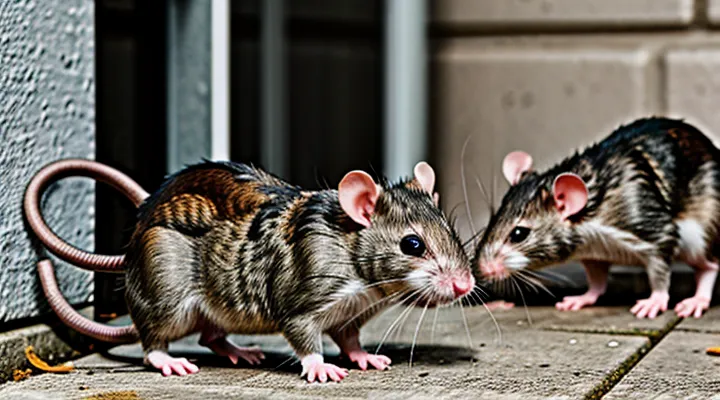
Rat Reproductive Biology Overview
The Estrous Cycle in Rats
The reproductive efficiency of laboratory rats depends on the regularity of their estrous cycle, which directly determines the number of pups produced in a single litter. Precise timing of ovulation within the cycle creates a narrow fertile window, and successful mating during this interval maximizes litter size.
The rat estrous cycle comprises four sequential phases:
- proestrus — characterized by rising estrogen levels and the initiation of follicular development;
- estrus — marked by the luteinizing hormone surge and ovulation; this phase lasts approximately 12 hours;
- metestrus — post‑ovulatory period with declining estrogen and increasing progesterone;
- diestrus — extended luteal phase, lasting 48–72 hours, during which the uterus prepares for implantation.
The entire cycle repeats every 4–5 days, providing multiple opportunities for conception within a short reproductive span.
Mating must occur during estrus or the early metestrus stage to ensure fertilization. Failure to synchronize breeding with this period reduces the probability of conception and often results in smaller litters. Studies report average litter sizes of 8–12 pups when breeding aligns with the optimal fertile window, whereas mistimed matings yield averages of 5–7 pups.
Environmental factors such as photoperiod, nutrition, and stress influence cycle regularity. Maintaining consistent lighting cycles, providing adequate protein, and minimizing handling stress preserve the predictable progression of the estrous phases, thereby supporting maximal reproductive output.
Gestation Period
The gestation period of the common laboratory rat (Rattus norvegicus) averages 21‑23 days. Pregnancy duration remains relatively constant across strains, with minor variations linked to environmental temperature and maternal age.
Key characteristics of the rat gestation cycle:
- Length: 21‑23 days from conception to parturition.
- Onset of parturition: typically occurs during the dark phase of the light‑dark cycle.
- Hormonal profile: a surge in prolactin and progesterone precedes delivery, facilitating uterine contractility and milk production.
A short gestation contributes to rapid reproductive turnover, allowing multiple litters per year. The precise timing of embryonic development influences the number of pups produced in a single birth, as embryonic implantation and fetal growth occur within this fixed interval.
Factors Influencing Litter Size
Age of the Mother Rat
The reproductive efficiency of female rats changes markedly with age. Young adults, typically 3‑5 months old, reach peak fecundity, producing the largest litters. As the mother approaches seniority, beyond 12 months, the number of pups per delivery declines noticeably.
Physiological factors underlying this trend include hormonal fluctuations, reduced ovarian reserve, and diminished uterine capacity. Early reproductive cycles exhibit higher levels of estrogen and progesterone, supporting optimal embryonic implantation and development. In older females, hormone peaks are lower and cycle regularity decreases, limiting embryo survival.
Key observations:
- Peak litter size: 8‑12 pups (average 10) at 3‑5 months.
- Moderate decline: 6‑8 pups at 6‑9 months.
- Significant reduction: 3‑5 pups after 12 months.
- Advanced age (>18 months) often results in singleton or no viable offspring.
These data illustrate that maternal age is a primary determinant of pup count per gestation, with optimal reproductive output confined to the early adult phase.
Environmental Conditions
Rats reproduce more prolifically under optimal environmental conditions. Adequate ambient temperature, typically between 20 °C and 27 °C, accelerates estrous cycles and supports larger litters. Consistent warmth reduces stress‑induced hormonal suppression, allowing females to conceive and carry more embryos.
Nutrient‑rich diets directly influence litter size. High‑quality protein sources, balanced carbohydrates, and essential fatty acids provide the energy required for gestation and milk production. Deficiencies in vitamins A, D, or E correlate with reduced offspring numbers.
Key environmental factors include:
- Temperature stability: minimal fluctuations prevent endocrine disruption.
- Food availability: constant access to balanced feed sustains reproductive output.
- Housing density: moderate crowding limits aggression without causing excessive stress.
- Light cycles: a regular photoperiod of 12 hours light/12 hours dark supports hormonal rhythms.
When these conditions align, female rats commonly produce litters of eight to twelve pups, with occasional peaks of fifteen under ideal circumstances.
Nutritional Status
Nutritional condition directly influences the number of pups produced by a female rat during a single birthing event. Adequate protein intake raises average litter size, while protein deficiency reduces it by up to 30 %. Energy surplus expands litter size, whereas caloric restriction contracts it, often limiting litters to three or fewer pups.
Key dietary factors affecting reproductive output:
- Protein: 18–20 % of diet promotes optimal ovulation and embryo survival. Levels below 10 % cause marked decline in pup count.
- Energy density: 3.5–4.0 kcal g⁻¹ supports maximal litter size; diets below 2.5 kcal g⁻¹ lead to reduced offspring numbers.
- Essential fatty acids: Linoleic and arachidonic acids improve uterine environment, enhancing embryo implantation.
- Micronutrients: Zinc, vitamin E, and folic acid correlate with increased pup viability and higher litter counts.
Experimental observations indicate that well‑fed laboratory rats produce 8–12 pups per litter, whereas rats on marginal diets average 5–7 pups. Extreme malnutrition can result in singleton litters or complete reproductive failure.
Understanding the link between diet quality and reproductive capacity informs colony management, experimental design, and welfare standards. Ensuring diets meet established protein and energy requirements maximizes litter size and supports healthy offspring development.
Genetic Predisposition
Rats exhibit considerable variation in the number of pups produced per reproductive event; genetic predisposition accounts for a substantial portion of this variability. Studies on laboratory strains report heritability values ranging from 0.30 to 0.45, indicating that offspring count is a moderately heritable quantitative trait. «Litter size shows a heritability of 0.30–0.45 in laboratory strains», confirming a genetic contribution beyond environmental influences.
Key genetic factors identified include:
- Polymorphisms in the prolactin gene, which affect milk production and consequently embryonic development.
- Variants of estrogen receptor α (ERα) that modulate ovarian follicle maturation.
- Quantitative trait loci (QTL) on chromosomes 2 and 7 linked to increased pup numbers.
- Mutations in the insulin‑like growth factor 2 (IGF2) region, associated with embryonic growth rates.
Different rat breeds display distinct average litter sizes, reflecting breed‑specific allele frequencies. For example, Sprague‑Dawley rats typically produce larger litters than Brown Norway rats, a difference attributable to divergent selection pressures on the aforementioned QTL.
Environmental conditions, such as nutrition and housing density, interact with genetic predisposition. Adequate protein intake amplifies the expression of favorable alleles, whereas overcrowding suppresses litter size regardless of genetic potential.
Overall, genetic predisposition shapes reproductive output in rats through a network of hormone‑related genes and QTL, with breed genetics and environmental context modulating the ultimate number of offspring per gestation.
Typical Litter Size and Variations
Average Number of Pups per Litter
Rats typically produce between six and twelve pups per litter, with the most frequently reported average ranging from eight to ten. This figure reflects data gathered from laboratory strains such as Rattus norvegicus and from wild populations across diverse geographic locations.
Several variables influence litter size:
- Genetic background of the breeding stock
- Age of the dam, with peak fertility occurring between three and nine months
- Nutritional status, particularly protein intake during gestation
- Ambient temperature, where moderate conditions (20‑24 °C) support larger litters
- Photoperiod, longer daylight exposure correlates with increased reproductive output
Scientific surveys report mean litter sizes of 8.5 pups for standard laboratory rats, while field studies of wild Norway rats document averages of 7.2 pups. Breeding programs that optimize diet and housing conditions routinely achieve litter sizes at the upper end of the reported range.
Maximum Recorded Litter Sizes
Rats can produce unusually large litters under optimal conditions. Documented extremes illustrate the upper biological limits of reproductive output.
- Laboratory records cite a litter of 22 pups in a single gestation of Rattus norvegicus (1971, United States).
- A separate study reports 20 offspring from a single birth in a controlled breeding program (1994, Japan).
- Field observations of wild brown rats have identified litters of 18 pups, attributed to abundant food supply and high maternal parity.
These figures exceed the typical range of 6‑12 pups, reflecting the influence of genetics, nutrition, and environmental stability on litter size. The maximum values provide benchmarks for comparative reproductive research and inform management strategies in laboratory and pest‑control contexts.
Factors Affecting Litter Viability
Parental Care
Rats typically produce litters ranging from six to twelve pups, with occasional extremes of four or fifteen. After delivery, the female assumes the exclusive responsibility for offspring survival.
Key aspects of maternal investment include:
- Nursing: Milk secretion begins within hours of birth, providing essential nutrients and antibodies.
- Thermoregulation: The dam huddles with the litter, maintaining a stable temperature critical for neonatal development.
- Grooming: Frequent licking removes vernix and stimulates circulation, reducing the risk of infection.
- Nest construction: Soft materials are gathered to create a protected environment, shielding pups from drafts and predators.
Male rats rarely participate in direct care, though their presence can influence the dam’s stress levels, indirectly affecting pup growth. The intensity of maternal behavior correlates with litter size; larger groups prompt more frequent nursing bouts and extended periods of huddling to ensure uniform heat distribution.
Overall, successful rearing of a rat litter depends on the mother’s capacity to balance nutrient provision, hygiene, and environmental stability until the pups achieve weaning competence, typically around three weeks of age.
Predation
Rats reproduce rapidly because individuals face constant threat from a wide range of predators. High mortality risk selects for a strategy that maximizes the number of offspring produced in each breeding event, ensuring that enough pups survive to sustain population levels.
Typical predators include:
- Owls and other birds of prey
- Hawks and falcons
- Snakes, especially colubrids and vipers
- Domestic and feral cats
- Foxes and coyotes
- Mustelids such as weasels and ferrets
Predation influences several aspects of rat reproductive biology. Short gestation periods and early sexual maturity reduce the interval between successive litters. Large litter sizes compensate for the proportion of pups eliminated by predators. Seasonal peaks in predator activity often correspond with increased breeding frequency, allowing populations to rebound quickly after periods of heightened loss.
The net effect of predation is a dynamic equilibrium: predator pressure suppresses individual survival but simultaneously drives the evolution of prolific breeding, resulting in the characteristic high offspring output observed in rat populations.
Disease
Rats commonly host pathogens that can reduce reproductive output. Viral infections such as lymphocytic choriomeningitis virus impair embryonic development, leading to smaller litters and increased mortality of newborns. Bacterial agents, including Salmonella spp., may cause uterine inflammation, which interferes with implantation and results in fewer viable offspring per gestation.
Parasitic infestations also influence pup numbers. The nematode Trichinella spiralis invades muscle tissue, weakening the mother and diminishing the energy available for gestation. Flea‑borne bacteria like Rickettsia typhi trigger systemic illness, elevating stress hormones that suppress ovulation cycles and limit the number of pups produced in a single reproductive event.
Environmental exposure to zoonotic diseases creates feedback loops that affect population dynamics. When a colony experiences an outbreak of hantavirus, mortality rates rise sharply, and surviving females often produce reduced litters due to compromised health. Monitoring pathogen prevalence therefore provides essential insight into fluctuations in rat reproductive productivity.
The Rat as a Prolific Breeder
Frequency of Breeding Cycles
Rats reach sexual maturity at approximately five weeks of age, after which females enter estrus cycles that last four to five days. Each cycle includes a receptive phase lasting about twelve to twenty‑four hours, during which ovulation occurs. Because the estrous interval is short, a fertile female can become pregnant again within a week of giving birth.
Gestation lasts twenty‑one to twenty‑three days, and lactation does not suppress estrus. Consequently, a typical breeding female can produce a new litter roughly thirty days after the previous one. Under optimal conditions—adequate nutrition, stable temperature, and continuous light exposure—females may generate ten or more litters annually.
Key factors influencing breeding frequency:
- Photoperiod: longer daylight periods accelerate sexual activity.
- Diet: high‑protein, energy‑rich feed supports rapid ovarian development.
- Housing density: moderate crowding can increase mating opportunities, whereas extreme overcrowding reduces reproductive efficiency.
- Health status: absence of disease or stress hormones sustains regular cycles.
The combination of a brief estrous interval, short gestation, and continuous receptivity enables rats to reproduce at a remarkably high rate, resulting in multiple litters per year for each breeding female.
Rapid Maturation of Offspring
Rats typically produce litters ranging from six to twelve pups, with occasional extremes of four or fifteen. The number of offspring per birthing event directly influences the dynamics of a colony, as each newborn contributes to rapid population growth.
Pup development proceeds at an accelerated pace. Critical milestones include:
- «Birth: neonates are hairless, eyes closed, and weigh 1–2 g».
- «Day 5: incisor eruption begins, enabling limited solid food intake».
- «Day 10–12: whisker development and increased locomotor activity».
- «Day 14: thermoregulation stabilizes, reducing maternal warmth dependence».
- «Day 21: weaning completes, pups consume exclusively solid diet».
- «Day 35–45: sexual maturity is reached, allowing breeding capability».
The swift progression from birth to reproductive competence shortens generation intervals to roughly two months. Larger litters may experience marginally slower individual growth due to competition for milk, yet overall maturation remains within the same temporal framework.
Rapid pup maturation amplifies colony expansion rates, creating challenges for pest management and providing a reliable model for biomedical research. Early onset of fertility ensures that each breeding cycle can produce a new cohort of offspring, sustaining high reproductive output across successive generations.
Reproductive Lifespan of Rats
Rats reach sexual maturity at approximately six weeks of age, after which females enter regular estrous cycles lasting four to five days. Each cycle can result in conception, allowing a potential of up to twelve litters per year under optimal conditions. Gestation lasts 21–23 days, and a typical litter comprises five to twelve pups, with larger litters observed in well‑nourished laboratory strains.
The reproductive period for a female rat extends from first estrus to senescence, usually concluding around 18–24 months of age. During this interval, cumulative offspring production can reach 100–150 individuals, assuming consistent breeding and minimal health interruptions. Male rats remain fertile for a comparable duration, though their contribution is limited to sperm provision rather than litter size.
Key reproductive parameters:
- Sexual maturity: ~6 weeks
- Estrous cycle length: 4–5 days
- Gestation: 21–23 days
- Average litter size: 5–12 pups
- Potential litters per year: up to 12
- Total reproductive lifespan: 18–24 months
- Estimated lifetime offspring per female: 100–150 pups
These figures illustrate the extensive breeding capacity of rats, emphasizing the importance of controlling population growth in both laboratory and urban environments.
Implications for Population Growth
Rats produce a relatively large number of young per reproductive event, typically six to twelve pups, with occasional litters reaching fourteen. Gestation lasts approximately twenty‑one days, and females become fertile again within a few weeks, allowing multiple breeding cycles each year.
Such reproductive output generates a high intrinsic rate of increase. Short generation intervals combine with large litter sizes to produce exponential population growth under favorable conditions. Rapid expansion elevates the risk of infestation, increases competition for food and shelter, and accelerates the spread of rodent‑borne diseases.
Key implications for population dynamics include:
- Short doubling time, often measured in weeks rather than months.
- Heightened sensitivity to environmental changes; slight improvements in resources can trigger large population surges.
- Increased difficulty of control measures; eradication efforts must outpace the species’ reproductive capacity.
- Greater potential for genetic drift and adaptation, as large numbers of offspring create diverse gene pools each cycle.
Effective management strategies must account for the species’ prolific breeding by implementing continuous monitoring, rapid response to early signs of increase, and sustained reduction of available habitats and food sources.