
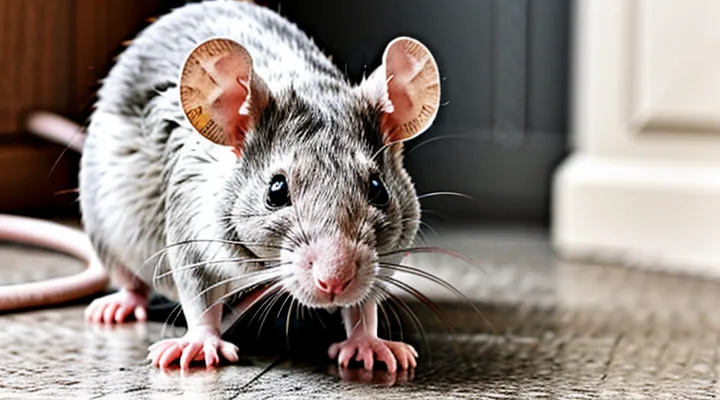
The Nature of Rats
Wild vs. Domesticated Rats
Rats raised in captivity typically accept human contact within a few days, whereas their wild counterparts require considerably longer periods, often exceeding several weeks. The difference stems from prior exposure to humans, socialization during early development, and the level of stress associated with novel environments.
- Domesticated rats:
- Begin showing reduced fear after 2–4 days of gentle handling.
- Reach stable interaction patterns by the end of the first week.
- Wild rats:
- Exhibit avoidance for 10–14 days when first introduced to a caretaker.
- May need 3–4 weeks of consistent, low‑stress exposure before displaying trust behaviors such as approaching or allowing handling.
The accelerated acclimation of pet rats reflects selective breeding for docility and regular interaction with humans, while wild rats retain innate wariness that slows the bonding process.
Their Social Structure
Rats thrive in colonies where a clear dominance hierarchy regulates access to resources and social interaction. Dominant individuals obtain priority at feeding stations, while subordinates receive grooming and proximity to the leader. This structure creates predictable patterns of behavior that simplify the formation of new bonds.
When a rat encounters a human caretaker, the animal assesses the person’s position relative to its established hierarchy. Trust develops more quickly if the caretaker provides consistent, low‑stress interactions that mimic the predictable cues found within a rat colony. Regular handling, gentle voice tones, and predictable feeding schedules signal safety and reinforce the caretaker’s role as a stable, non‑threatening presence.
Key aspects of rat social organization that affect acclimation time include:
- Hierarchy recognition: Rats quickly identify dominant versus submissive individuals; a caretaker who behaves consistently is perceived as a neutral or higher‑ranking figure.
- Grooming and scent exchange: Frequent, gentle contact transfers familiar odors, reducing fear responses.
- Group cohesion: Rats prefer the company of familiar conspecifics; solitary rats may require longer exposure to a human to achieve comparable comfort levels.
- Territorial familiarity: Introducing a rat to a stable environment accelerates habituation; frequent changes prolong adjustment periods.
Empirical observations indicate that rats typically exhibit reduced stress markers and increased exploratory behavior after a period ranging from several days to two weeks of steady, gentle handling. The exact duration varies with the individual’s previous social experiences, age, and the consistency of caretaker interactions. By aligning human behavior with the rat’s innate social framework, owners can reliably shorten the adjustment interval.
Factors Influencing Rat Acclimation
Age of the Rat
The age of a rat strongly influences the period required for it to become comfortable with a new caretaker. Younger rats, especially those under four weeks old, possess heightened plasticity in social behavior and typically adjust within 2–4 days. Their limited prior experience with humans makes them more receptive to gentle handling, yet they may also display heightened stress responses if interactions are abrupt.
Adolescent rats (approximately 1–3 months) exhibit moderate adaptability. Their developing independence reduces reliance on human contact, extending the acclimation window to roughly 5–8 days. Consistent, low‑stress interaction—daily short sessions of gentle restraint and feeding—accelerates bonding.
Adult rats (over 3 months) often have established hierarchies and previous human exposure, which can either shorten or lengthen adjustment time. Rats previously socialized to humans may acclimate in 3–5 days, whereas those with limited prior contact may require 7–10 days. Factors such as health status, temperament, and environmental stability further modulate these timelines.
Typical acclimation periods by age
- Neonates (<4 weeks): 2–4 days
- Juveniles (1–3 months): 5–8 days
- Adults (>3 months): 3–10 days, depending on prior human interaction
Understanding these age‑related differences enables caretakers to set realistic expectations and tailor interaction strategies for optimal bonding.
Past Experiences and Trauma
Rats that have previously endured neglect, abrupt handling, or exposure to predators generally require a longer adjustment period before they accept a caretaker as a source of safety. Initial interactions often trigger heightened vigilance, which can persist for days or weeks depending on the severity of earlier stressors.
Key influences on the acclimation timeline include:
- History of human contact – Rats raised with regular, gentle handling adapt within 5‑10 days; those with sporadic or rough contact may need 2‑4 weeks.
- Exposure to traumatic events – Experiences such as confinement, loud noises, or sudden movements extend the trust‑building phase, sometimes beyond a month.
- Environmental stability – Consistent cage placement, predictable feeding schedules, and minimal disturbances accelerate habituation.
- Owner behavior – Calm voice, slow movements, and offering treats without forcing contact reduce fear responses and shorten the adjustment period.
Observation of specific behaviors—such as approaching the hand, reduced freezing, and increased grooming of the caretaker—provides measurable indicators of progress. Absence of these signs after several weeks suggests the rat may carry lingering trauma, warranting a slower, more patient approach or consultation with a veterinarian experienced in rodent behavior.
Personality Differences
Rats exhibit distinct personality traits that influence how quickly they become comfortable with a new caretaker. Bold, inquisitive individuals typically approach humans within a few days, while shy or cautious rats may require several weeks before showing relaxed behavior.
Key personality dimensions affecting acclimation:
- Exploratory tendency – rats that actively investigate novel environments tend to interact with owners sooner.
- Social confidence – individuals that readily engage with conspecifics often extend that confidence to humans.
- Stress reactivity – high‑anxiety rats display prolonged avoidance, extending the adjustment period.
Owner responses also interact with rat temperament. Consistent, gentle handling accelerates trust in confident rats but may have limited impact on highly anxious individuals. Gradual exposure, such as brief daily sessions with soft vocalizations, shortens the adjustment window for most temperament types.
Overall, the time required for a rat to adapt to its caretaker ranges from a few days for extroverted, low‑stress personalities to several weeks for introverted, high‑anxiety individuals. Understanding these personality differences enables owners to set realistic expectations and tailor interaction strategies accordingly.
The Acclimation Timeline
Initial Adjustment Period
Rats typically require a brief acclimation phase before recognizing and trusting a new caretaker. During the first 24–48 hours, the animal exhibits heightened alertness, frequent retreat to hiding spots, and limited interaction. This period reflects the animal’s assessment of environmental cues such as scent, voice tone, and handling style.
Within the subsequent 3–5 days, observable changes include:
- Increased willingness to approach the caretaker’s hand when food is offered.
- Reduced frequency of escape behaviors, such as rapid scurrying or aggressive bites.
- Emergence of grooming and exploratory activities in the presence of the owner.
By the end of the first week, most domesticated rats display consistent social engagement, including voluntary climbing onto the caretaker’s lap or responding to gentle petting. Variations in this timeline arise from factors such as the rat’s age, previous social exposure, and the consistency of daily interactions. Younger or previously isolated rats may extend the adjustment window by several days, while well‑socialized individuals often shorten it to under five days.
Building Basic Trust
Rats develop confidence in a new caretaker through a series of predictable behaviors. Initial exposure typically involves the owner offering food from a hand. Consistent hand‑feeding for three to five consecutive days creates an association between the human and a reliable food source, reducing the animal’s wariness.
Subsequent interactions should focus on gentle, low‑stress contact. Daily sessions of three to five minutes, during which the owner allows the rat to approach, sniff, and briefly climb onto a palm, reinforce the emerging bond. Repeating this routine for an additional five to seven days solidifies the trust established during feeding.
Key factors that accelerate trust formation include:
- Quiet environment with minimal sudden noises or movements.
- Regular feeding schedule that matches the rat’s natural activity periods.
- Soft, steady voice that the animal can recognize as non‑threatening.
- Gradual increase in handling duration, never exceeding the rat’s comfort threshold.
Observational markers of successful trust building are:
- The rat approaches the hand voluntarily when food is presented.
- The animal remains calm while being held, showing no frantic attempts to escape.
- The rat allows brief grooming or light petting without signs of stress.
When these conditions are maintained, most rats display a stable level of familiarity with their owner within ten to fourteen days. Adjustments to the timeline may be necessary for individuals with prior negative experiences or those that are inherently more timid.
Forming a Strong Bond
Rats typically begin to recognize a caretaker within the first 24–48 hours of consistent, gentle interaction. Initial acceptance is evident when the animal stops fleeing and allows brief physical contact. The transition from wary observation to relaxed proximity often requires 3–5 days of regular, low‑stress handling sessions lasting 5–10 minutes each.
Key elements that accelerate the bonding process include:
- Predictable routine: feeding and cleaning at the same times each day reduces anxiety.
- Soft vocalizations: speaking in a calm, steady tone helps the rat associate the caretaker’s presence with safety.
- Gentle touch: stroking the back or offering treats from the hand encourages trust without triggering defensive behavior.
Environmental factors also influence the timeline. A quiet, clutter‑free cage, adequate enrichment, and stable ambient temperature create conditions in which the rat can focus on social cues rather than stressors. Conversely, loud noises, sudden movements, or frequent cage disturbances prolong habituation.
When the rat consistently approaches the caretaker for food, grooming, or brief petting, the bond can be considered strong. At this stage, the animal may exhibit tail‑wagging, relaxed posture, and willingness to explore new sections of the cage alongside the caretaker, indicating a stable, mutual relationship.
Step-by-Step Acclimation Process
Creating a Safe Environment
A rat’s willingness to approach its caretaker depends heavily on the perceived safety of its surroundings. When the enclosure eliminates threats, the animal can focus on social interaction rather than stress responses, accelerating the bonding process.
- Provide a secure cage with lockable doors and sturdy bars to prevent accidental escapes.
- Use solid, non‑toxic bedding that does not shift excessively, reducing the risk of injury.
- Install a hideaway such as a wooden house or PVC tunnel; rats retreat there when startled, creating a refuge within the habitat.
- Maintain consistent temperature (18‑24 °C) and humidity (40‑60 %) to avoid physiological discomfort.
- Keep the enclosure in a quiet area away from loud appliances, predators, and sudden lighting changes.
A stable, threat‑free environment shortens the period required for a rat to accept its owner. Studies indicate that rats housed under these conditions often display exploratory behavior toward humans within 3–5 days, compared with 7–10 days in less controlled settings. The reduction in stress hormones observed in safe habitats correlates directly with faster social acclimation.
Gentle Introduction Techniques
Gentle introduction techniques focus on reducing stress and encouraging trust during the initial period when a rat learns to recognize its caretaker. Begin with a quiet, neutral space where the rat can explore without direct eye contact. Place a hand near the cage opening, allowing the animal to sniff and investigate at its own pace. Reward any approach with a small piece of fresh fruit or a favorite treat, reinforcing positive association.
Follow a consistent routine:
- Offer the same type of treat at the same time each day.
- Speak in a calm, low voice while the rat is nearby.
- Keep movements slow and predictable; avoid sudden gestures.
- Limit handling sessions to two or three minutes during the first week, extending duration only after the rat shows relaxed posture or voluntary climbing onto the hand.
Observe behavioral cues to gauge progress. Signs such as reduced grooming frequency, relaxed ears, and willingness to climb indicate increasing comfort. If the rat retreats, pauses, or exhibits rapid breathing, pause interaction and resume after a short interval, maintaining the same gentle approach.
By maintaining a steady schedule and reinforcing calm interactions, most rats develop familiarity with their owner within ten to fourteen days. Individual variation exists; some may adjust in a week, while others require up to three weeks before displaying consistent acceptance.
Handling and Interaction
Rats usually begin to show signs of familiarity with a caretaker within three to five days of consistent, gentle handling; full trust may develop after one to two weeks, depending on individual temperament and exposure frequency.
Effective handling requires a calm approach, a secure yet light grip that supports the animal’s torso, and brief sessions that gradually increase in length. Initiating contact when the rat is calm—such as after feeding—reduces stress and encourages acceptance. Repeating the routine twice daily accelerates the bonding process.
Positive interaction reinforces the relationship. Offering treats from the hand, speaking softly, and allowing the rat to explore the handler’s fingers create associative learning that links the caretaker with safety and reward.
- Approach the cage quietly, avoid sudden movements.
- Use both hands to cup the rat, preventing panic.
- Limit initial sessions to 1–2 minutes, extending by 30 seconds each day.
- Provide a small treat immediately after each handling episode.
- Observe body language: relaxed ears, forward‑facing whiskers, and gentle grooming indicate growing trust.
Consistent application of these practices shortens the period required for a rat to become accustomed to its owner and establishes a stable, cooperative relationship.
Training and Enrichment
Rats adjust to a new caretaker through consistent training and environmental enrichment. Regular, short sessions that combine gentle handling with rewarding activities accelerate habituation. A typical schedule includes:
- Daily handling for 5‑10 minutes, gradually increasing duration as the rat shows reduced stress signals.
- Introduction of puzzle feeders or foraging toys to stimulate natural instincts and create positive associations with the owner’s presence.
- Rotating enrichment items (tunnels, climbing structures, chew toys) every 2‑3 days to maintain novelty and prevent boredom.
- Quiet, predictable routines for feeding and cleaning to reinforce a stable environment.
Observational data indicate that most rats begin to display relaxed behavior within 7‑10 days when these practices are applied consistently. Full confidence, marked by voluntary approach and calm handling, often emerges between two and three weeks. Variations depend on the individual’s age, prior social experience, and the consistency of the training protocol. Continuous reinforcement beyond the initial adjustment period sustains the bond and prevents regression.
Recognizing Signs of Trust and Comfort
Body Language Cues
Rats reveal their comfort level through distinct body language, providing a reliable metric for estimating the acclimation period with a new caretaker. Early interaction usually shows heightened alertness, rapid grooming, and avoidance of direct contact; these behaviors dominate the first 24–48 hours. By the third to fifth day, rats often display reduced vigilance, increased tail wagging, and a willingness to approach the hand, indicating a shift toward familiarity. Full acceptance typically emerges between one and two weeks, marked by relaxed posture, frequent grooming in the owner’s presence, and playful exploration of shared space.
Key body language cues include:
- Tail position – a relaxed, loosely held tail signals confidence; a tightly curled or stiff tail denotes tension.
- Ear orientation – ears angled forward and swiveling toward the caretaker reflect interest; ears flattened against the head suggest fear.
- Body posture – a low, sprawled stance with exposed abdomen indicates trust; a hunched, compact posture conveys wariness.
- Grooming frequency – self‑grooming while close to the owner shows contentment; excessive grooming may signal stress.
- Vocalizations – soft chirps during handling denote pleasure; loud squeaks or teeth chattering signal agitation.
- Tail wagging – rhythmic, side‑to‑side movement during interaction is a positive sign; abrupt, jerky wagging can be a warning.
Monitoring these signals enables caretakers to adjust handling techniques, schedule interaction sessions, and create an environment that accelerates the rat’s adjustment. Consistent, gentle contact paired with observation of the listed cues typically reduces the adaptation timeline to the lower end of the expected range.
Vocalizations
Rats rely on vocal signals to express stress, curiosity, and contentment, making vocalizations a practical gauge of how quickly a rat becomes comfortable with a caretaker.
- Ultrasonic chirps (30‑80 kHz): emitted during exploration or gentle handling, indicate low‑level arousal.
- Audible squeaks (1‑5 kHz): produced when the animal feels threatened or startled.
- Soft purr‑like sounds (10‑30 kHz, often audible to humans as a faint hum): associated with relaxation and social bonding.
- Rapid chatter bursts (multiple short ultrasonic pulses): occur during playful interaction.
Typical progression of vocal behavior during the acclimation period:
- Day 1‑2: Predominance of high‑frequency alarm calls and occasional audible squeaks when the owner approaches.
- Day 3‑4: Noticeable decline in alarm calls; emergence of low‑amplitude ultrasonic chirps during brief contacts.
- Day 5‑7: Introduction of soft purr‑like tones during handling, signaling reduced fear.
- Day 8‑10: Consistent presence of friendly chirps and purrs throughout interaction; alarm calls become rare exceptions.
Monitoring requires a small ultrasonic microphone or recorder, paired with observation of the context in which each sound occurs. Frequency and amplitude trends correlate strongly with the rat’s willingness to be handled and its overall stress level.
The shift from distress vocalizations to relaxed, social sounds generally becomes evident within a week, providing a reliable indicator that the rat has adjusted to the owner’s presence.
Play Behavior
Research on domestic rats shows that the onset of spontaneous play marks a clear shift from initial wariness to comfort with a human caretaker. Observations indicate that most rats begin to engage in brief bouts of play within 3–5 days of consistent handling, with more frequent and extended sessions appearing after 7–10 days. The presence of play therefore serves as a reliable behavioral indicator of the animal’s acclimation progress.
Typical play actions include:
- Pouncing on the handler’s hand or a soft object.
- Chasing short distances across the cage floor.
- Engaging in gentle wrestling with cage mates or a hand-held toy.
- Performing rapid, repeated jumps or “bunny hops.”
- Initiating mock “tug‑of‑war” with a lightweight string or paper.
The frequency and intensity of these behaviors increase as the rat’s stress levels decline. On day 1–2, handling may elicit freezing or retreat. By day 4–6, brief exploratory nudges appear, often accompanied by low‑intensity pouncing. Between days 7 and 10, rats display sustained chasing and wrestling, indicating a stable bond with the owner. Monitoring play patterns therefore provides a practical metric for estimating the time required for a rat to become accustomed to its human companion.
Common Challenges and Solutions
Shyness and Fear
Rats display strong shyness and fear when first introduced to a new caretaker. These emotions delay the acclimation process because the animal prioritizes vigilance over exploration. Initial encounters typically involve rapid breathing, freezing, and attempts to retreat to hidden corners. The degree of fear determines how quickly the rat will accept human proximity.
Key factors influencing the timeline include:
- Previous handling experience – Rats previously handled by humans adapt faster than those raised in isolation.
- Environment stability – A quiet, predictable cage layout reduces stress cues that reinforce fear.
- Caretaker behavior – Calm movements, low‑volume voice, and slow hand approaches lower the animal’s perceived threat level.
- Frequency of interaction – Multiple short sessions each day are more effective than infrequent long sessions.
Observational signs of progress are gradual reduction in escape attempts, increased willingness to approach the hand, and the emergence of exploratory behavior around the caretaker’s presence. On average, a rat exhibiting moderate shyness may begin to show these signs after 7–10 days of consistent, gentle interaction. Highly fearful individuals may require two weeks or more before displaying reliable acceptance. Conversely, exceptionally bold rats can display comfort within three to five days.
To accelerate habituation, caretakers should:
- Offer food rewards directly from the hand to create positive associations.
- Keep handling sessions brief (2–3 minutes) to prevent overwhelming the animal.
- Allow the rat to retreat voluntarily; forced proximity reinforces fear.
Monitoring the rat’s stress indicators—such as tail rattling, vocalizations, or excessive grooming—provides feedback on whether the current approach mitigates shyness or exacerbates fear. Adjusting the interaction pace based on these cues optimizes the acclimation period and promotes a stable, trusting relationship between rat and caretaker.
Biting and Aggression
Biting signals a rat’s discomfort while it adjusts to a new caretaker. Early interactions often include short, sharp nips that cease once the animal perceives the human as non‑threatening.
During the first week, rats may bite intermittently; by days 8‑12 most individuals show reduced aggression if handling is consistent. A minority retain defensive bites beyond two weeks, indicating lingering stress or health issues.
Factors that intensify aggression include:
- Infrequent or abrupt handling sessions
- Loud, sudden movements in the surrounding area
- Inadequate enclosure enrichment
- Illness, dental problems, or injuries
Mitigation measures:
- Conduct brief, gentle hand‑over‑hand sessions twice daily.
- Offer treats from the palm to associate the hand with positive outcomes.
- Maintain a quiet environment and avoid sudden gestures.
- Provide nesting material, tunnels, and chew toys to lower tension.
- Monitor for signs of pain; consult a veterinarian if biting persists.
Consistent application of these practices typically reduces biting within ten to fourteen days, allowing the rat to recognize the caretaker as a safe presence.
Dealing with Multiple Rats
Rats that share a cage develop bonds with their caretaker at different speeds, and the presence of several individuals can both accelerate and complicate the adjustment process. When multiple rats are introduced, each animal observes the owner’s behavior through the actions of its companions, creating a social learning environment that shortens the period needed for a single rat to feel safe. However, variations in temperament, age, and prior handling experience may cause some members to lag behind, extending the overall timeline for the group.
Effective management of several rats requires consistent routines and clear signals that apply to the entire colony. Key practices include:
- Daily short handling sessions for the whole group, followed by brief one‑on‑one interactions with each rat.
- Uniform feeding schedules and placement of treats near the owner’s hand to reinforce positive associations.
- Regular cage cleaning performed at the same time each day to establish predictability.
- Monitoring individual behavior for signs of stress, such as excessive grooming or avoidance, and adjusting exposure accordingly.
By applying these strategies, owners can expect most rats to exhibit trust within a range of five to fourteen days, while outliers may need additional time. Consistency across the group, combined with targeted personal attention, ensures that the collective adaption period remains as brief as possible.