
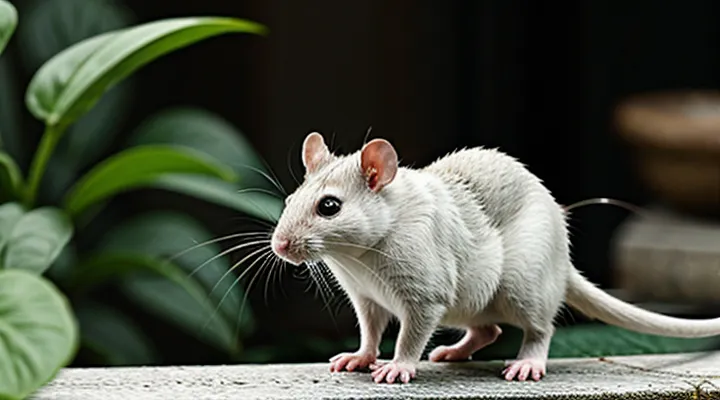
Understanding the White Rat Lifespan
Average Lifespan in Captivity
White rats kept under controlled conditions typically live between two and three years. The median lifespan observed in laboratory and hobbyist environments is approximately 2.5 years.
- Standard range: 24 – 36 months.
- Median value: 30 months (2.5 years).
- Maximum recorded: 48 months, rare and usually linked to exceptional care.
Key factors that modify this average include:
- Genetic line: Inbred strains may exhibit shorter lifespans due to reduced vigor, while outbred populations tend toward the upper end of the range.
- Diet quality: Balanced nutrition with appropriate protein, fat, and vitamin content extends healthspan; deficiencies accelerate mortality.
- Housing conditions: Adequate space, enrichment, and consistent temperature (20‑24 °C) reduce stress‑related illnesses.
- Health management: Routine veterinary checks, parasite control, and prompt treatment of respiratory infections prevent premature death.
Optimizing these variables aligns captive white rats with the upper limits of the typical lifespan spectrum, ensuring a robust and predictable life expectancy for research or pet purposes.
Factors Influencing Longevity
Genetics and Breeding
Genetic composition directly influences the longevity of white laboratory rats. Specific alleles associated with metabolic efficiency, immune response, and stress resilience have been identified in strains that consistently exceed average life expectancy. Mutations in the mitochondrial DNA that reduce oxidative damage correlate with extended survival, while deletions in tumor suppressor genes accelerate morbidity.
Breeding strategies shape these genetic outcomes. Controlled outcrossing introduces heterozygosity, diminishing the prevalence of deleterious recessive traits. In contrast, closed‑line breeding maintains advantageous alleles but raises the risk of inbreeding depression, which shortens lifespan through accumulated genetic defects. Selective breeding for traits such as disease resistance or slower aging markers can produce lines with measurable lifespan extensions, provided that genetic diversity is preserved.
Key genetic and breeding considerations for extending white rat life expectancy include:
- Monitoring allele frequency for longevity‑related genes.
- Implementing periodic outcrosses to sustain heterozygosity.
- Avoiding repeated sibling pairings beyond three generations.
- Recording phenotypic data on health markers to guide selection decisions.
Effective management of these factors enables researchers to predict and influence the lifespan of white rats with greater precision, supporting experimental reliability and animal welfare.
Diet and Nutrition
A balanced diet directly influences the longevity of white laboratory rats. Energy intake must match metabolic demand; excessive calories accelerate obesity, cardiovascular strain, and reduce median lifespan. Protein should constitute 18‑20 % of calories, sourced from soy, casein, or whey, to support tissue growth without overloading the kidneys. Essential amino acids—lysine, methionine, threonine—must be present in adequate ratios to prevent growth retardation.
Vitamins and minerals require precise supplementation. Vitamin E at 30 IU/kg feed protects cellular membranes from oxidative damage, while vitamin C, though not essential for rodents, improves immune response when added at 500 mg/kg. Calcium and phosphorus must be maintained at a 1.2:1 ratio to ensure skeletal integrity; excess calcium predisposes to renal calcification.
Fiber content of 5‑7 % of the diet promotes gastrointestinal motility and stabilizes gut microbiota, which correlates with reduced inflammatory markers and extended healthspan. Fat should not exceed 5 % of total calories; when included, it is preferable to use omega‑3 enriched sources (fish oil or flaxseed) to modulate lipid profiles and attenuate age‑related neurodegeneration.
Feeding schedules affect circadian rhythms. Providing food in two equal portions during the dark phase aligns with the rats’ nocturnal activity, minimizing stress‑induced cortisol spikes that can shorten life expectancy. Water must be continuously available, filtered, and free of chlorine, as chronic exposure to contaminants impairs renal function.
Key nutritional guidelines for optimal lifespan
- Energy: 13‑15 kcal/g, adjusted for age and activity level.
- Protein: 18‑20 % of calories, with complete amino‑acid profile.
- Fat: ≤5 % of calories, enriched with omega‑3 fatty acids.
- Fiber: 5‑7 % of diet, insoluble sources preferred.
- Micronutrients: Vitamin E 30 IU/kg, vitamin C 500 mg/kg, calcium : phosphorus 1.2 : 1.
- Feeding frequency: twice daily during dark period.
Consistent adherence to these parameters reduces the incidence of metabolic disorders, supports organ function, and aligns with observed maximum lifespans of 2.5‑3 years in well‑managed white rat colonies.
Environment and Enrichment
White rats experience considerable variation in lifespan depending on the quality of their surroundings and the enrichment they receive. Optimal conditions can add several months to the typical life expectancy of these rodents.
Adequate housing requires a cage large enough for unrestricted movement, with a solid base, clean bedding, and a stable climate. Temperature should remain between 68‑75 °F (20‑24 °C), while relative humidity stays near 50 %. Regular cleaning prevents pathogen buildup, reducing the risk of respiratory and skin infections that shorten life.
Social factors influence health outcomes. Rats are naturally gregarious; housing them in compatible pairs or small groups promotes natural behaviors, reduces stress, and lowers the incidence of aggression‑related injuries. Isolation can lead to stereotypic behaviors and weakened immune function.
Enrichment items stimulate physical activity and mental engagement, directly supporting cardiovascular and neurological health. Effective enrichment includes:
- Running wheels with appropriate diameter to prevent spinal strain
- Tubes, tunnels, and climbing structures for exploration
- Nesting material such as shredded paper or tissue for building nests
- Chewable objects made of safe wood or mineral blocks to maintain dental health
- Puzzle feeders that require problem‑solving to access food
Consistent provision of these elements encourages exercise, reduces boredom, and mitigates stress hormones, all of which correlate with extended longevity.
When environmental parameters and enrichment are maintained at recommended standards, white rats commonly achieve the upper range of their natural lifespan, reflecting the direct impact of habitat quality on overall survival.
Stress and Mental Well-being
Stress directly influences the longevity of laboratory white rats. Chronic exposure to unpredictable noise, handling without habituation, and overcrowded cages elevates glucocorticoid levels, which suppress immune function and accelerate cellular aging. Studies measuring cortisol concentrations demonstrate a clear correlation: rats with consistently high cortisol exhibit median lifespans 15‑20 % shorter than peers maintained under low‑stress conditions.
Mental well‑being, reflected by behavioral markers such as exploratory activity, nesting quality, and social interaction, serves as a reliable predictor of lifespan. Rats that display frequent grooming, robust play behavior, and consistent use of enrichment objects maintain higher neurotrophic factor expression, supporting neuronal health and extending survival. Conversely, animals showing repetitive stereotypies or withdrawal from conspecifics often experience premature mortality.
Effective management practices that mitigate stress and promote psychological health include:
- Providing nesting material and chewable objects to satisfy natural foraging instincts.
- Implementing regular, gentle handling sessions to habituate individuals to human contact.
- Maintaining stable lighting cycles and temperature ranges to avoid physiological disruption.
- Limiting group sizes to prevent aggressive encounters while preserving social stimulation.
Monitoring protocols should incorporate weekly assessments of corticosterone levels, open‑field activity, and social preference tests. Data trends enable early identification of stress‑related decline, allowing timely environmental adjustments that can improve overall life expectancy.
Access to Veterinary Care
Access to professional veterinary services directly influences the longevity of white rats. Routine examinations identify early signs of disease, allowing timely intervention that can extend life expectancy beyond average estimates. Preventive care, including vaccinations and parasite control, reduces mortality risk associated with common infections.
Key aspects of veterinary access include:
- Availability of qualified small‑animal practitioners familiar with rodent physiology.
- Frequency of health assessments (minimum quarterly for breeding or older animals).
- Prompt treatment of respiratory, dental, and gastrointestinal conditions, which are leading causes of premature death.
- Affordable diagnostic testing (e.g., blood panels, radiographs) to detect subclinical disorders.
Owners seeking to maximize lifespan should:
- Establish a relationship with a veterinarian experienced in exotic pets.
- Schedule regular check‑ups and follow recommended vaccination protocols.
- Maintain detailed health records to track weight, behavior, and any treatment outcomes.
- Ensure rapid response to symptoms such as sneezing, nasal discharge, or changes in appetite, as delayed care often results in irreversible damage.
Consistent veterinary involvement aligns treatment with species‑specific needs, thereby narrowing the gap between observed and potential lifespan for white rats.
Common Health Issues Affecting Lifespan
Respiratory Diseases
Respiratory illnesses are a primary factor influencing the expected lifespan of white laboratory rats. Common conditions include Mycoplasma pulmonis infection, Sendai virus, and bacterial pneumonia. Each disease compromises pulmonary function, reduces oxygen exchange, and accelerates mortality.
Key respiratory pathogens
- Mycoplasma pulmonis – chronic infection, produces nasal discharge, sneezing, and interstitial pneumonia; often leads to weight loss and shortened life expectancy.
- Sendai virus – acute viral pneumonia, causes fever, labored breathing, and high mortality in young animals; survivors may develop persistent lung damage.
- Bacterial pneumonia – typically caused by Streptococcus or Klebsiella species; rapid onset of coughing, lethargy, and severe hypoxia; untreated cases result in death within days.
Impact on longevity is measurable. In controlled colonies, healthy white rats typically live 2.5–3.5 years. Presence of Mycoplasma pulmonis reduces median survival to approximately 1.8 years, while acute viral outbreaks can cut lifespan to under one year for affected cohorts. Recurrent pneumonia episodes further diminish survival, often preventing rats from reaching the upper age range.
Mitigation strategies focus on prevention and early intervention:
- Quarantine new arrivals for a minimum of four weeks, with respiratory monitoring.
- Environmental control – maintain low humidity, adequate ventilation, and dust‑free bedding to limit pathogen proliferation.
- Vaccination – where available, administer Sendai virus vaccine to breeding stock.
- Antibiotic therapy – employ tetracycline or macrolide agents promptly after bacterial pneumonia diagnosis, guided by culture results.
- Regular health screening – perform serological tests for Mycoplasma and viral agents quarterly.
Effective implementation of these measures can restore lifespan projections close to the species’ genetic potential, emphasizing the direct correlation between respiratory health and longevity in white rats.
Tumors and Cancer
White rats serve as a primary laboratory model for studying tumor biology, and the presence of neoplastic disease directly alters expected longevity. Experimental and colony data indicate that spontaneous tumor incidence rises sharply after the first year of life, with most malignant cases emerging between 12 and 24 months. Consequently, lifespan projections that ignore oncologic morbidity tend to overestimate survivorship for typical populations.
Key characteristics of rat tumors that influence lifespan calculations include:
- Frequency: Approximately 30 % of rats develop at least one tumor by 18 months; incidence reaches 70 % in individuals older than 24 months.
- Common sites: Mammary adenocarcinomas, pituitary adenomas, and fibroblastic sarcomas dominate the tumor spectrum.
- Growth rate: Malignant lesions often double in size within 2–4 weeks, leading to rapid physiological decline.
- Mortality impact: Median survival after tumor detection falls to 6–10 weeks for aggressive sarcomas and 12–16 weeks for slower‑growing adenocarcinomas.
When estimating the lifespan of white rats, researchers must adjust baseline survival curves to reflect tumor‑related attrition. A practical approach involves:
- Establishing a control survival curve from tumor‑free cohorts.
- Overlaying tumor incidence data to calculate the proportion of the population affected at each age interval.
- Subtracting the average post‑diagnosis survival time for each tumor type from the baseline expectancy.
Applying these adjustments reduces the projected maximum lifespan from the often‑cited 30 months to an effective median of 22–24 months for standard laboratory colonies. Accurate lifespan estimation therefore requires systematic accounting of tumor prevalence, type, and progression rate.
Kidney Disease
Kidney disease is a leading factor that shortens the lifespan of laboratory white rats. The condition impairs renal filtration, disrupts electrolyte balance, and triggers systemic complications that accelerate mortality.
Incidence peaks between 12 and 18 months of age, coinciding with the period when rats normally reach mature adulthood. Genetic strains predisposed to glomerulosclerosis or tubular necrosis exhibit higher disease rates, often evident through proteinuria, reduced urine output, and weight loss.
Renal impairment compromises metabolic homeostasis, leading to hypertension, anemia, and uremic toxicity. These sequelae increase the risk of cardiovascular failure and infection, which are common causes of death in affected animals.
Empirical studies report a reduction of 30–45 % in average lifespan compared with healthy counterparts. For example:
- Healthy white rats: median longevity 24–30 months.
- Rats with chronic kidney disease: median longevity 13–18 months.
Interventions such as dietary protein restriction, antihypertensive therapy, and early detection of biomarkers can extend survival by up to 20 % in experimental cohorts. Ongoing research emphasizes the need for standardized renal assessment protocols to improve longevity estimates and enhance the reliability of biomedical models.
Heart Conditions
White rats commonly develop cardiovascular disorders that directly influence their longevity. Researchers identify three primary heart conditions in laboratory‑bred white rats: hypertrophic cardiomyopathy, myocardial fibrosis, and arrhythmogenic ventricular tachycardia. Each condition shortens the expected lifespan by varying degrees.
- Hypertrophic cardiomyopathy – thickening of ventricular walls reduces cardiac output; typical survival drops from 2–3 years to 12–18 months.
- Myocardial fibrosis – progressive collagen deposition impairs myocardial elasticity; median lifespan contracts to 14–20 months.
- Arrhythmogenic ventricular tachycardia – recurrent rapid rhythms precipitate sudden death; average survival ranges between 10 and 15 months.
The severity of these ailments correlates with observable clinical signs such as decreased activity, labored breathing, and irregular pulse. Early detection through echocardiography or electrocardiographic monitoring enables intervention with pharmacologic agents (beta‑blockers, ACE inhibitors) that can extend life expectancy by up to 30 percent in affected specimens. Nonetheless, the presence of any cardiac pathology remains a principal determinant of reduced longevity in white rats.
Dental Problems
Dental health significantly influences the overall lifespan of white laboratory rats. Malocclusion, the most frequent dental disorder, occurs when the continuously growing incisors fail to wear down evenly, leading to overgrowth. Overgrown incisors can impair chewing, cause oral injuries, and reduce nutrient intake, thereby shortening life expectancy.
Common dental conditions in white rats include:
- Malocclusion (incisor overgrowth)
- Periodontal disease (gum inflammation and bone loss)
- Dental abscesses (localized infections)
- Enamel hypoplasia (defective enamel formation)
Each condition can trigger systemic effects. Periodontal disease introduces bacteria into the bloodstream, increasing the risk of organ inflammation. Dental abscesses generate chronic pain, reducing feed consumption and weight gain. Enamel defects predispose teeth to fractures, accelerating malocclusion.
Preventive measures rely on environmental control and regular monitoring. Providing a hard‑wired diet encourages natural tooth wear, while routine visual examinations detect early signs of overgrowth. When an overgrown incisor is identified, trimming under anesthesia prevents progression and restores normal feeding behavior.
Treatment protocols involve veterinary intervention. Trimming overgrown incisors requires calibrated instruments to avoid pulp exposure. Periodontal disease may be managed with antimicrobial therapy and improved hygiene. Abscesses typically need drainage, antibiotic coverage, and, if possible, extraction of the affected tooth.
Overall, maintaining optimal dental health is essential for extending the natural lifespan of white rats. Early detection, appropriate diet, and prompt veterinary care collectively mitigate the impact of dental problems on longevity.
Maximizing Your White Rat's Lifespan
Optimal Dietary Practices
Food Types and Portion Control
A balanced diet significantly influences the longevity of white rats. Nutrient‑dense foods support organ function, immune response, and metabolic stability, which together extend the average lifespan observed in laboratory and pet populations.
Typical dietary components include:
- Commercial rodent pellets formulated to meet specific protein, fat, fiber, and vitamin requirements.
- Fresh vegetables such as carrots, broccoli, and leafy greens, providing vitamins A, C, and K, as well as dietary fiber.
- Protein sources like boiled egg, cooked chicken, or mealworms, supplying essential amino acids for tissue repair.
- Limited fruit pieces (e.g., apple, banana) for natural sugars and antioxidants.
- Occasional low‑fat treats (e.g., small cheese cubes) for enrichment, not for regular feeding.
Portion control follows a proportional approach. Pellets should constitute roughly 70 % of daily intake by weight, with fresh produce adding 20 % and protein sources 10 %. Meals are divided into two to three feedings per day to prevent overconsumption and maintain stable blood glucose levels. Monitoring body condition scores allows timely adjustments; a slight increase in weight warrants reduction of treat frequency or slight scaling back of pellet portions.
Consistent application of these guidelines correlates with documented lifespan ranges of 2–3 years for white rats kept under optimal nutritional conditions.
Supplementation Considerations
Supplementation can extend the average lifespan of white laboratory rats when applied with precision. Nutrient balance, dosage accuracy, and timing are the primary variables that determine effectiveness.
Key nutrients frequently used include:
- Vitamin E – antioxidant protection; 50–100 IU kg⁻¹ daily prevents oxidative damage.
- Omega‑3 fatty acids – membrane fluidity; 300 mg kg⁻¹ of EPA/DHA improves cardiovascular health.
- Calcium and phosphorus – skeletal integrity; maintain a 1.2:1 ratio in the diet.
- B‑complex vitamins – metabolic support; B12 at 5 µg kg⁻¹ and B6 at 2 mg kg⁻¹ sustain enzyme activity.
Dosage must reflect the animal’s weight and life stage. Over‑supplementation of fat‑soluble vitamins can cause toxicity, while insufficient levels fail to produce measurable benefits. Regular blood analysis confirms that serum concentrations remain within target ranges.
Interaction with standard chow is another consideration. Supplements added to water or gel packs bypass the variability of food intake, ensuring consistent delivery. However, certain compounds (e.g., iron) may precipitate when mixed with acidic solutions; formulation adjustments are required.
Monitoring protocols include weekly weight checks, bi‑monthly blood chemistry panels, and observation of behavior for signs of distress. Adjustments are made promptly if any parameter deviates from established norms.
Creating an Enriched Habitat
Cage Size and Layout
The environment inside a cage directly influences the longevity of white rats. Adequate space, proper arrangement of accessories, and consistent hygiene create conditions that reduce stress and disease risk, thereby extending life expectancy.
Recommended cage dimensions
- Minimum floor area per adult rat: 0.5 sq ft (≈0.05 m²).
- For a pair: at least 1 sq ft (≈0.1 m²).
- Height: 12–18 in (30–45 cm) to allow vertical climbing.
- Material: sturdy, non‑toxic plastic or metal with smooth interior surfaces.
Layout principles
- Divide the interior into distinct zones: sleeping, foraging, and exercise.
- Place a solid hideaway in a quiet corner for rest.
- Install climbing structures (rungs, ladders) along one wall to utilize vertical space.
- Position food dishes and water bottles on opposite sides to prevent contamination.
- Use a low‑profile, absorbent bedding that can be changed without disturbing the rats.
- Ensure at least two air circulation openings per side; mesh should be fine enough to prevent escape but allow airflow.
Maintenance considerations
- Design the cage so that all components can be removed without lifting the entire enclosure, facilitating daily spot cleaning and weekly deep cleaning.
- Choose accessories that are dishwasher‑safe or easily sterilized.
- Regularly inspect for sharp edges, rust, or wear that could injure the animals.
A cage that meets these size and layout specifications provides the physical and psychological conditions needed for white rats to achieve their full lifespan potential.
Toys and Stimulation
Providing appropriate toys and regular mental stimulation directly influences the health trajectory of white rats, thereby affecting their expected longevity. Enrichment items encourage natural foraging, exploration, and problem‑solving behaviors, which reduce stress‑induced hormonal fluctuations and support cardiovascular and immune function.
Key categories of enrichment include:
- Manipulable objects: tunnels, chew sticks, and plastic balls that promote gnawing and locomotion.
- Puzzle feeders: devices that release food only after a specific action, fostering cognitive engagement.
- Sensory accessories: textured mats, scent‑infused toys, and auditory stimuli that diversify environmental input.
Implementation guidelines recommend rotating items every 2–3 days to prevent habituation, offering at least one novel object daily, and scheduling short interactive sessions (5–10 minutes) multiple times per week. Consistent exposure to varied stimuli correlates with lower incidence of stereotypic behaviors and improved weight management, both critical factors in extending lifespan.
Neglecting enrichment can accelerate age‑related decline, whereas a structured program of toys and mental challenges contributes to a more robust physiological profile, ultimately enhancing the lifespan estimate for white rats.
Bedding and Substrate
Bedding and substrate directly influence the health and longevity of white rats. Moisture‑absorbing materials lower ammonia levels, preventing respiratory irritation that can shorten life expectancy. Low‑dust substrates reduce the risk of lung inflammation, while soft, insulating layers provide comfort and support thermoregulation, both essential for maintaining normal physiological functions.
Key considerations for selecting and maintaining bedding:
- Material safety: Choose paper‑based products, hemp, or corncob pellets; avoid pine or cedar shavings that release volatile oils harmful to the respiratory system.
- Absorbency: High‑capacity substrates, such as compressed paper or hemp, manage urine and droppings efficiently, limiting bacterial growth.
- Dust content: Opt for dust‑free or low‑dust options to minimize inhalation of particulate matter.
- Cleaning schedule: Replace soiled bedding at least twice weekly; perform a full substrate change weekly to prevent ammonia buildup.
- Depth: Provide 2–3 cm of bedding to allow natural digging behavior, which reduces stress and promotes activity.
Proper bedding management contributes to stable environmental conditions, lowers incidence of respiratory disease, and supports natural behaviors, all of which correlate with increased lifespan in white rats.
Proactive Veterinary Care
Regular Check-ups
Regular veterinary examinations provide the data needed to assess the life expectancy of white rats accurately. Each visit supplies objective measurements that refine predictions and guide care decisions.
Key components of a comprehensive check‑up include:
- Physical assessment of coat, eyes, and respiratory sounds.
- Weight recording and body condition scoring.
- Dental inspection for overgrowth or malocclusion.
- Blood sampling for hematology and biochemistry panels.
- Parasite screening (external and internal).
- Vaccination status review and administration as required.
Frequency depends on age and health status. Juvenile rats (under 3 months) benefit from bi‑weekly examinations to monitor rapid growth. Adults (3 months to 1 year) require monthly visits, while mature rats (over 1 year) are adequately managed with quarterly appointments, unless chronic conditions demand more frequent monitoring.
Early detection of ailments such as respiratory infections, renal disease, or neoplasia markedly improves treatment outcomes. Preventive measures—vaccinations, deworming, and environmental sanitation—reduce morbidity, directly extending average lifespan estimates for albino rodents.
Consistent health evaluations therefore constitute a primary factor in achieving the upper range of the expected lifespan for white rats, translating routine care into measurable longevity gains.
Early Detection of Illness
White rats serve as a primary model for estimating mammalian longevity, and the timing of disease identification directly influences projected life expectancy. Detecting illness at the earliest physiological change allows researchers to separate premature mortality caused by pathology from the natural aging curve. Consequently, lifespan calculations become more accurate, reflecting true genetic and environmental potential rather than confounding health crises.
Early detection relies on systematic observation and objective measurements. Common indicators include:
- Subtle weight loss exceeding 5 % of baseline within 48 hours.
- Decreased activity in wheel-running or tunnel exploration, measured by motion sensors.
- Altered grooming behavior, quantified through video analysis.
- Elevated body temperature or irregular respiration, recorded with infrared thermography.
- Blood biomarkers such as increased white‑cell count or abnormal glucose levels, obtained via tail‑vein sampling.
Implementing these metrics on a daily schedule creates a data set that flags deviations before clinical signs emerge. When an anomaly is recorded, immediate veterinary assessment can confirm infection, metabolic disorder, or organ dysfunction. Prompt treatment—antibiotics, supportive care, or environmental adjustments—reduces mortality risk and extends the animal’s remaining lifespan.
Integrating early‑detection protocols into lifespan studies shortens the variance between individual survival curves. Researchers can isolate the effect of specific interventions on aging by ensuring that premature deaths due to undiagnosed disease are minimized. The resulting longevity estimates for white rats therefore represent a more reliable benchmark for comparative gerontology.
Vaccinations and Parasite Control
Vaccinations protect white rats from viral and bacterial diseases that can shorten their expected lifespan. Core immunizations typically include:
- Rat coronavirus vaccine, administered at 6‑8 weeks of age, with a booster after four weeks.
- Leptospira vaccine, given at 8 weeks, followed by a semi‑annual booster.
- Hantavirus vaccine (if available in the region), applied according to manufacturer guidelines.
Each vaccine reduces morbidity and mortality risk, directly contributing to a longer average life expectancy for the species.
Parasite control addresses both internal and external threats that impair health and reduce longevity. Effective measures comprise:
- External parasites: Monthly application of a topical acaricide or flea collar eliminates mites and fleas, preventing skin irritation, anemia, and secondary infections.
- Internal parasites: Quarterly deworming with a broad‑spectrum anthelmintic (e.g., pyrantel pamoate or fenbendazole) eradicates nematodes such as pinworms and cestodes, which otherwise cause malnutrition and intestinal damage.
Regular health monitoring supports timely intervention. Fecal examinations every two months detect subclinical infestations, while serological testing at six‑month intervals verifies vaccine-induced immunity. Prompt treatment of identified issues restores physiological balance, thereby extending the rat’s projected lifespan.
Socialization and Companionship
White rats thrive when they experience regular interaction with conspecifics or a trusted human caretaker. Social contact reduces stress hormones, stabilizes immune function, and correlates with the upper range of the species’ typical lifespan of two to three years.
Key practices for fostering companionship:
- House rats in same‑sex pairs or small groups; avoid solitary confinement.
- Provide daily handling sessions of 5–10 minutes, using gentle restraint and offering treats.
- Enrich the cage with tunnels, climbing structures, and rotating toys to encourage cooperative play.
- Observe hierarchy; intervene only if persistent aggression threatens welfare.
- Introduce new companions gradually, using neutral neutral zones and scent swapping.
Consistent socialization supports behavioral health, which in turn maximizes the potential longevity of white rats.
Recognizing Signs of Aging
Behavioral Changes
White rats exhibit distinct behavioral shifts as they progress through their lifespan, providing reliable indicators of age‑related health status. Early adulthood (approximately 2–6 months) is marked by high locomotor activity, frequent exploratory bouts, and robust social interaction. As individuals approach middle age (6–12 months), activity levels decline, grooming frequency reduces, and dominance hierarchies stabilize, reflecting physiological wear and emerging metabolic constraints.
Key behavioral alterations observed during senescence (12 months and beyond) include:
- Reduced exploratory drive: Decreased frequency and duration of novel‑object investigations.
- Impaired motor coordination: Slower gait, increased latency in maze navigation, and frequent missteps.
- Altered social dynamics: Withdrawal from group activities, diminished aggression, and reduced scent‑marking.
- Cognitive decline: Lower performance in spatial memory tasks, increased error rates in discrimination tests.
- Decreased grooming: Less frequent self‑cleaning, leading to coat deterioration and heightened parasite risk.
These changes correlate with physiological aging processes—muscle atrophy, neurodegeneration, and hormonal fluctuations—and serve as practical metrics for estimating the remaining lifespan of white rats in laboratory and breeding contexts. Monitoring behavioral trends alongside health assessments enables more accurate predictions of longevity and informs optimal care strategies.
Physical Manifestations
Physical manifestations provide the most reliable clues about the aging process in white laboratory rats. Observable changes correlate closely with the typical lifespan range of 2 to 3 years, allowing caretakers to estimate remaining longevity and adjust care protocols accordingly.
- Coat condition – Early adulthood features a sleek, glossy fur; mid‑life rats develop a duller texture, occasional patches of thinning, and increased shedding. Severe hair loss often precedes systemic decline.
- Body weight trends – Weight stabilizes between 250 g and 350 g during prime years. Gradual loss of muscle mass, known as sarcopenia, appears after 18 months, while rapid weight gain may signal metabolic disorders that shorten life expectancy.
- Dental health – Continuous incisor growth remains balanced by regular gnawing. Overgrown or misaligned teeth emerge after 12 months, increasing the risk of malnutrition and infection.
- Vision and ocular clarity – Clear, bright eyes are typical in young adults. Cloudiness, cataract formation, or reduced pupil responsiveness become common after 18 months, indicating senescence.
- Mobility and gait – Efficient, coordinated movement characterizes the first year. Stiffness, reduced hopping ability, and occasional limping appear in later stages, reflecting musculoskeletal degeneration.
- Skin elasticity – Young rats display taut, resilient skin. With age, skin loses elasticity, wrinkles develop, and ulceration risk rises, especially on the tail and hindquarters.
- Reproductive organ size – Testicular volume peaks around 4–6 months, then gradually declines. Diminished organ size and reduced sperm production are markers of advanced age.
- Immune response – Observable through slower wound healing and increased susceptibility to respiratory infections after the second year, indicating immunosenescence.
Monitoring these physical indicators enables precise assessment of a white rat’s position within its expected lifespan, supporting timely interventions that can extend healthful years.
End-of-Life Care Considerations
White rats typically reach the end of their natural lifespan between two and three years, though individual variation is common. When a rat approaches this stage, caretakers must address health decline, comfort, and ethical responsibilities.
Key factors include:
- Pain management – administer appropriate analgesics, monitor dosage, and adjust promptly to alleviate discomfort.
- Nutrition – provide easily digestible, high‑calorie foods; offer soft textures to compensate for reduced chewing ability.
- Hydration – ensure constant access to fresh water; consider subcutaneous fluids if oral intake wanes.
- Environment – maintain warm, quiet bedding; reduce stressors such as loud noises and sudden temperature changes.
- Monitoring – track weight, activity levels, and respiratory patterns daily; record any abrupt changes for timely intervention.
- Euthanasia criteria – define clear thresholds (e.g., severe organ failure, uncontrolled pain, loss of mobility) and follow veterinary guidelines to prevent unnecessary suffering.
Decision‑making should involve a veterinarian experienced with rodents, the animal’s owner or research supervisor, and documented protocols that align with institutional animal welfare standards. Documentation of each step supports transparency and ensures that end‑of‑life care adheres to both scientific and ethical expectations.