
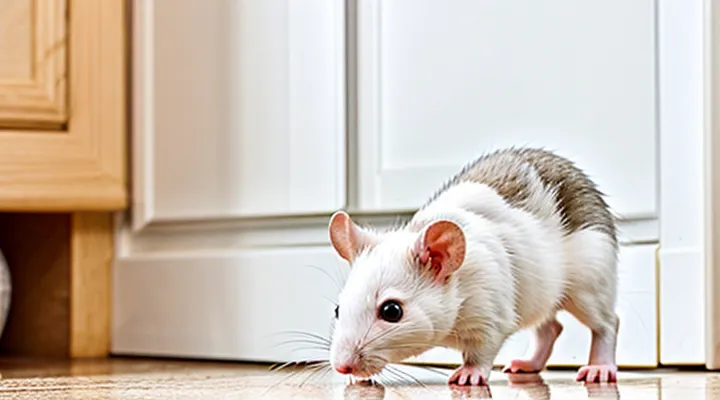
Understanding the Lifespan of Domestic White Rats
Average Lifespan Expectations
White rats kept as pets typically reach adulthood within a few weeks and then enter a period of stable health.
Average lifespan in a household environment ranges from 2 to 3 years. Several studies report median values around 2.5 years, with occasional individuals living up to 4 years under optimal conditions.
Key factors influencing longevity include:
- Nutrition: balanced diet, avoidance of high‑fat treats.
- Housing: spacious cage, regular cleaning, adequate ventilation.
- Health care: prompt veterinary attention for respiratory or skin issues.
- Genetics: specific breeding lines may exhibit slightly longer or shorter lifespans.
Sex differences are modest; females often live marginally longer than males, though the gap rarely exceeds three months.
Overall, owners can expect a white rat to remain active and healthy for roughly two and a half years, provided environmental and nutritional standards are consistently met.
«The average domestic white rat survives for approximately 2 – 3 years, with a median of 2.5 years.»
Factors Influencing Longevity
Genetics and Breeding
Genetic makeup determines the baseline longevity of laboratory‑bred white rats kept as pets. Inbred strains often exhibit reduced vitality due to homozygosity for deleterious alleles, while outbred lines benefit from heterozygosity that masks recessive defects. Specific loci associated with metabolic efficiency, immune competence, and stress resilience have been identified through quantitative trait mapping; alleles at these loci correlate with incremental extensions of average lifespan.
Selective breeding programs aim to amplify favorable alleles while minimizing the propagation of hereditary disorders. Effective practices include:
- Pairing individuals with documented health records and complementary genetic profiles.
- Conducting periodic genotyping to verify the presence of longevity‑enhancing markers.
- Avoiding close kin matings to preserve genetic diversity and reduce inbreeding depression.
- Implementing controlled environmental conditions that mitigate external mortality factors, thereby allowing genetic potential to manifest.
Crossbreeding between robust outbred stocks and well‑documented laboratory strains can produce hybrids that combine experimental tractability with increased lifespan. Monitoring of offspring for phenotypic indicators such as growth rate, coat condition, and disease incidence provides feedback for iterative selection. When breeding decisions incorporate both genotype data and observable health metrics, the resulting population demonstrates measurable gains in average years lived under domestic care.
Diet and Nutrition
White rats kept as pets require a balanced diet to support optimal health and maximize lifespan. Protein should constitute 15‑20 % of the total caloric intake, sourced from high‑quality animal or plant proteins such as cooked eggs, lean meat, or soy products. Calcium and phosphorus must be provided in a 1.2‑1.5 : 1 ratio to maintain strong skeletal structure; commercial rodent blocks often meet this requirement, but supplemental calcium sources (e.g., crushed eggshell) are acceptable when calibrated appropriately.
Vitamins A, D, and E are essential for immune function and vision. Vitamin D synthesis is limited in indoor environments, so fortified feed or occasional supplementation is necessary. Vitamin C deficiency is rare in rodents, yet a modest inclusion of fresh vegetables (e.g., carrots, broccoli) ensures adequate intake of antioxidants and fiber, promoting gastrointestinal motility.
Fat content should not exceed 5 % of the diet to prevent obesity, a common cause of reduced longevity. Unsaturated fatty acids from fish oil or flaxseed can improve coat condition and reduce inflammatory processes when administered in controlled quantities.
Water must be available at all times, preferably in a sipper bottle to prevent contamination. Daily monitoring of water consumption helps detect early signs of illness, as reduced intake often precedes health decline.
Key nutritional practices:
- Offer a base of commercial rodent pellets formulated for laboratory‑grade white rats.
- Complement pellets with fresh produce (no more than 10 % of total diet by weight).
- Provide occasional protein treats, limiting total treat calories to 5 % of daily intake.
- Ensure mineral supplementation aligns with the calcium‑phosphorus ratio guideline.
- Rotate food sources to prevent nutrient deficiencies and maintain palatability.
Consistent adherence to these dietary guidelines correlates with increased average lifespan, extending the typical range for domesticated white rats by several months compared with suboptimal feeding regimes.
Essential Dietary Components
White rats kept as pets require a diet that supplies all nutrients necessary for growth, reproduction, immune function and longevity. Nutrient balance directly influences health markers that correlate with lifespan in a controlled environment.
- Protein sources such as cooked chicken, boiled eggs or commercial rodent pellets provide the amino acids needed for tissue repair and muscle maintenance. Minimum inclusion should represent 15‑20 % of total caloric intake.
- Dietary fiber, supplied by small amounts of cooked vegetables (e.g., carrots, broccoli) or whole‑grain cereals, promotes gastrointestinal motility and stabilises gut microflora. Recommended fibre content ranges from 3‑5 % of the diet.
- Fats, particularly essential fatty acids (linoleic and alpha‑linolenic acids), support cellular membranes and hormonal synthesis. Inclusion of modest quantities of unsaturated oils or fish oil capsules ensures adequate supply without excess caloric load.
- Vitamins A, D, E and the B‑complex group are critical for vision, bone health, antioxidant protection and metabolic pathways. Commercial rodent feeds are formulated to meet these requirements; supplement only when analytical testing indicates deficiency.
- Minerals such as calcium, phosphorus, potassium, magnesium and trace elements (zinc, copper, selenium) maintain electrolyte balance and skeletal integrity. Calcium‑to‑phosphorus ratio should approximate 1 : 1 to prevent metabolic bone disease.
- Fresh water must be available at all times. Daily replacement prevents bacterial growth and ensures adequate hydration, which influences renal function and overall vitality.
Consistent provision of these components, combined with regular monitoring of body condition, supports optimal health outcomes and contributes to the extended lifespan observed in well‑managed domestic white rats.
Foods to Avoid
A diet that excludes certain items directly influences the longevity of pet white rats. Nutritional imbalances accelerate organ degeneration, compromise immune function, and shorten the expected lifespan.
• Chocolate and cocoa products – contain theobromine, toxic to rodent cardiac and nervous systems.
• Citrus peels and fruits – high acidity irritates gastrointestinal lining and can cause ulceration.
• Raw potatoes and unripe tomatoes – solanine levels damage liver cells and disrupt neuronal activity.
• Processed foods with added salt or sugar – promote obesity, renal strain, and dental decay.
• Alcoholic beverages – depress central nervous system, leading to respiratory failure.
• Dairy products – many rats lack lactase, resulting in diarrhea and nutrient malabsorption.
• High‑fat fried snacks – increase cholesterol, precipitate atherosclerosis, and impair circulation.
These substances introduce toxins, provoke metabolic stress, or create chronic inflammation. Continuous exposure elevates mortality risk, reducing the period of healthy activity for domestic white rats. Eliminating the listed items from daily feeding regimens supports optimal physiological function and extends the animal’s productive lifespan.
Environment and Housing
White rats kept as pets experience markedly different longevity depending on the conditions of their surroundings and housing. Optimal care requires attention to temperature, humidity, ventilation, lighting, noise levels, cage dimensions, substrate, enrichment, and sanitation.
- Temperature: maintain a stable range of 18–24 °C; extreme heat or cold accelerates metabolic stress.
- Humidity: keep relative humidity between 40 % and 60 %; excessive moisture promotes respiratory infections.
- Ventilation: ensure continuous airflow without drafts; poor ventilation leads to ammonia buildup.
- Lighting: provide a regular light‑dark cycle of approximately 12 hours each; disruption interferes with circadian rhythms.
- Noise: limit sudden loud sounds; chronic stress reduces immune function.
- Cage size: allocate at least 0.5 m² floor space per adult; cramped enclosures restrict movement and increase aggression.
- Substrate: use absorbent, dust‑free bedding such as paper strips; dusty materials cause respiratory irritation.
- Enrichment: include tunnels, chew toys, and climbing structures; mental stimulation prevents stereotypic behavior.
- Sanitation: perform weekly deep cleaning and daily spot cleaning; unchecked waste elevates disease risk.
Adhering to these parameters creates an environment that supports the maximum potential lifespan of domesticated white rats, often extending life expectancy to 2–3 years compared with suboptimal conditions.
Cage Size and Enrichment
Cage dimensions directly affect the health and longevity of white rats kept as pets. A minimum floor area of 0.5 m² per adult animal prevents overcrowding, promotes natural movement patterns, and reduces stress‑induced illnesses. Height should allow vertical climbing, with a minimum clearance of 30 cm. Providing a solid base and a secure lid eliminates escape risks and maintains a stable microclimate.
Enrichment elements support physical activity, mental stimulation, and social interaction, all of which correlate with extended lifespan. Effective items include:
- Multi‑level platforms and ramps for climbing.
- Nesting material such as shredded paper or tissue.
- Chewable objects made from untreated wood or mineral blocks.
- Puzzle feeders that require problem‑solving to access food.
- Regular rotation of toys to prevent habituation.
Implementing these standards creates an environment that mirrors natural habitats, thereby enhancing overall well‑being and contributing to longer, healthier lives for domestic white rats.
Temperature and Humidity
White rats kept as pets experience markedly different lifespans depending on ambient conditions. Temperature and humidity exert direct physiological pressure, influencing metabolic rate, immune competence, and disease susceptibility.
Optimal thermal range lies between 20 °C and 24 °C (68 °F–75 °F). Within this band, metabolic expenditure remains moderate, reducing oxidative stress and preserving organ function. Temperatures below 15 °C (59 °F) trigger thermoregulatory strain, leading to increased energy demands and heightened mortality risk. Conversely, environments exceeding 27 °C (81 °F) accelerate metabolism, predispose to heat‑induced dehydration, and shorten lifespan.
Relative humidity should be maintained at 40 %–60 %. Levels under 30 % promote mucosal drying, impairing respiratory defenses and encouraging opportunistic infections. Humidity above 70 % fosters fungal growth and exacerbates respiratory pathology, also contributing to skin lesions that may become fatal.
Key environmental parameters:
- Temperature: 20 °C–24 °C (optimal); <15 °C (risk); >27 °C (risk)
- Relative humidity: 40 %–60 % (optimal); <30 % (risk); >70 % (risk)
- Rapid fluctuations: avoid abrupt changes exceeding 5 °C or 10 % humidity within short periods
Consistent monitoring and climate control devices, such as thermostats and humidistats, provide the most reliable means of sustaining these conditions. Maintaining the specified ranges correlates with extended longevity in domestic white rats, often adding several months to the average lifespan observed under suboptimal conditions.
Socialization and Companionship
White rats kept as pets depend on consistent social interaction to maintain physiological health and extend lifespan. Regular contact with conspecifics or human companions reduces stress hormones, stabilizes immune function, and promotes activity levels that correlate with longer survival.
Interaction with other rats satisfies innate group‑living instincts, while human companionship provides mental stimulation and opportunities for handling practice. Both forms of socialization mitigate isolation‑induced behaviors such as excessive grooming or aggression, which can lead to health complications and premature death.
Practical measures for optimal social and companion care:
- House rats in pairs or small groups to enable natural hierarchy formation.
- Schedule daily handling sessions of 5–10 minutes per animal to foster trust and reduce fear responses.
- Provide varied enrichment items (tunnels, chew toys, climbing structures) that encourage cooperative play.
- Rotate companions periodically, when feasible, to prevent monotony and reinforce adaptability.
- Monitor behavioral indicators (vocalizations, grooming patterns) for early signs of stress or illness.
Implementing these strategies aligns social needs with environmental management, thereby supporting the maximum potential lifespan of domesticated white rats.
Health and Veterinary Care
White rats kept as pets require regular veterinary oversight to achieve optimal longevity. Preventive care includes routine health examinations, vaccination where applicable, and parasite control. Early detection of common conditions such as respiratory infections, dental overgrowth, and gastrointestinal disturbances markedly improves survival prospects.
Key components of veterinary management:
- Annual physical assessment – weight measurement, coat inspection, and auditory evaluation identify subtle health changes.
- Dental monitoring – incisors must be examined for proper wear; excessive growth can impede feeding and cause injury.
- Vaccination schedule – although not universally mandated, immunization against prevalent viral agents may be recommended by a veterinarian.
- Parasite prevention – ectoparasites and endoparasites are controlled through approved topical or oral treatments.
- Environmental hygiene – cage cleaning, appropriate bedding, and temperature regulation reduce pathogen exposure.
Nutritional guidance forms an integral part of care. A balanced diet comprising high‑quality rodent pellets, occasional fresh vegetables, and limited treats supplies essential nutrients while preventing obesity. Water should be supplied in a bottle with a stainless‑steel spout to avoid contamination.
When illness arises, prompt veterinary intervention is crucial. Signs warranting immediate attention include labored breathing, nasal discharge, lethargy, and sudden weight loss. Diagnostic tools such as radiography, blood panels, and microbiological cultures assist in accurate treatment planning.
Overall, disciplined health management—encompassing preventive examinations, dental care, vaccination, parasite control, and proper nutrition—directly supports extended lifespan in domesticated white rats.
Common Health Issues
White rats kept as pets are prone to several recurring medical conditions that can reduce their average lifespan. Respiratory infections, often caused by Mycoplasma or Streptococcus species, present with nasal discharge, labored breathing, and lethargy. Prompt veterinary treatment with appropriate antibiotics is essential to prevent progression to pneumonia.
Dental overgrowth occurs because incisors continuously grow; inadequate wear leads to malocclusion, difficulty chewing, and weight loss. Regular provision of chewable objects and periodic dental examinations mitigate this risk.
Skin problems include fungal dermatitis, mange caused by Psoroptes mites, and ulcerative lesions from self‑injury. Maintaining clean bedding, controlling humidity, and routine health checks reduce incidence.
Common health issues can be summarized:
- Respiratory infections (bacterial, viral, fungal)
- Dental malocclusion and overgrowth
- Skin disorders (dermatitis, mange, ulcers)
- Gastrointestinal disturbances (diarrhea, bloat)
- Parasitic infestations (internal worms, ectoparasites)
- Tumors, particularly in older individuals
- Obesity resulting from overfeeding and lack of exercise
Early detection through observation of behavior, appetite, and physical condition, combined with veterinary intervention, extends the expected longevity of pet white rats.
Importance of Regular Check-ups
Regular veterinary examinations extend the lifespan of pet white rats by detecting health issues early. Early identification of respiratory infections, dental overgrowth, and metabolic disorders enables timely treatment, preventing complications that commonly reduce longevity.
Key benefits of scheduled check‑ups include:
- Monitoring weight and growth trends to adjust diet promptly.
- Assessing dental health to avoid malocclusion, a frequent cause of feeding difficulties.
- Screening for common pathogens such as Mycoplasma pulmonis and parasites, which can progress rapidly without intervention.
- Updating vaccination status where applicable and providing prophylactic care.
Consistent records of each examination create a health baseline, allowing veterinarians to compare current findings with previous data. This longitudinal perspective improves diagnostic accuracy and guides preventive strategies tailored to individual rats.
Neglecting routine visits often results in delayed diagnosis, leading to severe illness that shortens the animal’s life expectancy. Therefore, integrating regular health assessments into the care routine is essential for maximizing the well‑being and longevity of domestic white rats.
Signs of Illness
Monitoring health indicators directly influences the longevity of domestic white rats. Early detection of disease prevents rapid deterioration and extends the expected lifespan.
Common signs of illness include:
- Reduced activity or reluctance to explore
- Noticeable weight loss or failure to gain weight
- Dull, patchy, or missing fur
- Nasal or ocular discharge, especially if thick or colored
- Labored breathing, wheezing, or audible rattling
- Unusual posture, such as hunching or difficulty standing
- Decreased food and water intake
- Persistent diarrhea or abnormal stool consistency
- Swelling in the abdomen, limbs, or facial area
- Sudden aggression or extreme lethargy
When any of these symptoms appear, isolate the affected rat, consult a qualified veterinarian promptly, and initiate appropriate diagnostic tests. Maintaining a clean cage, balanced diet, and regular veterinary check‑ups reduces the incidence of these health problems and supports a longer, healthier life for pet white rats.
Maximizing Your White Rat's Lifespan
Preventive Measures
White rats kept as pets typically reach an average of two to three years; longevity depends largely on management practices that prevent disease and reduce stress.
- Balanced diet rich in protein, fiber, and essential vitamins
- Stable temperature (18‑24 °C) and low humidity to avoid respiratory irritation
- Routine health examinations by a qualified veterinarian
- Prophylactic treatment against ecto‑ and endoparasites
- Daily environmental enrichment, including tunnels, chew toys, and climbing structures
- Thorough cage cleaning with non‑toxic disinfectants, performed at least once a week
- Minimal exposure to loud noises, sudden movements, and overcrowding
A nutritionally complete diet supplies immune support, while temperature stability limits pathogen proliferation. Veterinary check‑ups enable early detection of neoplasia, dental disease, and organ dysfunction. Parasite control prevents anemia and dermatitis, common causes of premature mortality. Enrichment mitigates stereotypic behavior, lowering cortisol levels that can impair immunity. Regular sanitation removes fecal contaminants, reducing the risk of bacterial infections. Maintaining a calm environment diminishes chronic stress, a factor linked to shortened lifespan. «Regular veterinary examination is essential» for early intervention and optimal health outcomes.
Promoting Mental Stimulation
Providing a stimulating environment directly influences the health and longevity of pet white rats. Enriched cages, varied textures, and regular introduction of novel objects encourage exploration, reduce stress, and support neural development, which together contribute to a longer, healthier life span.
Effective mental enrichment can be organized as follows:
- Rotate climbing structures, tunnels, and nesting materials weekly to maintain novelty.
- Introduce puzzle feeders that require manipulation to access food, fostering problem‑solving skills.
- Schedule short, supervised interaction sessions with safe, hand‑held toys to promote tactile learning.
- Offer scent cues such as herbs or citrus peels, allowing olfactory investigation while monitoring for adverse reactions.
Consistent application of these practices sustains cognitive activity, mitigates boredom, and aligns with veterinary recommendations for optimal care of domesticated rodents.
Recognizing End-of-Life Signs
Recognizing end‑of‑life signs in domestic white rats enables timely veterinary intervention and humane care. Typical indicators include:
- Progressive weight loss despite normal feeding attempts.
- Diminished mobility, such as reluctance to move or inability to climb familiar structures.
- Fur changes: loss of gloss, excessive matting, or patches of thinning hair.
- Reduced appetite and water intake, often accompanied by lingering food in the mouth.
- Labored breathing, evident as irregular or shallow respirations, sometimes with audible wheezing.
- Lethargy and prolonged periods of inactivity, especially when the animal no longer responds to gentle stimulation.
- Altered social behavior, including withdrawal from cage mates or loss of interest in play.
Additional clinical signs may emerge as organ systems fail. Persistent diarrhea, uncontrolled bleeding, or seizures signal imminent death. Monitoring these symptoms alongside regular health assessments provides a clear picture of the rat’s condition. When multiple signs converge, consultation with a veterinarian is advisable to discuss palliative options and end‑of‑life care.