
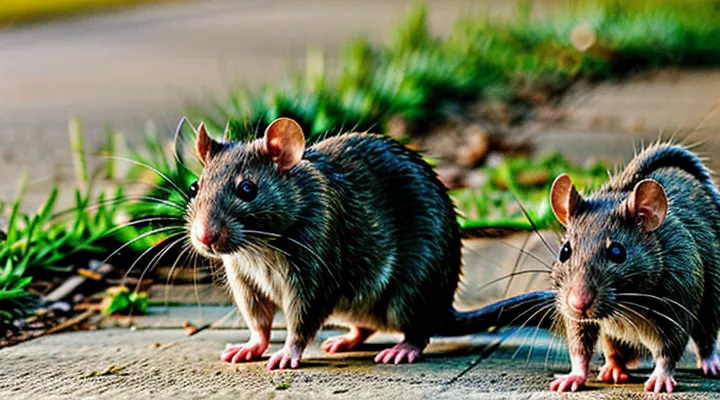
Understanding Rat Lifespan: An Overview
Wild vs. Domesticated Rats: A Stark Contrast
Factors Affecting Wild Rat Longevity
Wild rat longevity is shaped by a combination of biological and environmental variables that interact throughout an individual’s life cycle. Genetic makeup determines baseline lifespan potential, while species-specific traits—such as the relatively short-lived Norway rat versus the longer-lived black rat—set distinct upper limits.
Environmental pressures exert the greatest influence on survival in natural settings. Key factors include:
- Food availability and quality – Consistent access to protein‑rich sources extends lifespan; erratic or low‑nutrient diets accelerate aging.
- Predation intensity – High predator density reduces average age at death, especially for juveniles.
- Disease burden – Exposure to pathogens (e.g., leptospirosis, hantavirus) shortens life expectancy; robust immune responses mitigate this effect.
- Climate conditions – Extreme temperatures increase metabolic stress; moderate climates support longer survival periods.
- Human activity – Pest control measures, habitat fragmentation, and exposure to rodenticides markedly decrease longevity.
- Intraspecific competition – Overcrowding leads to heightened stress, reduced food intake, and increased aggression, all of which lower lifespan.
- Toxin exposure – Contamination from heavy metals or agricultural chemicals impairs physiological functions and accelerates mortality.
- Seasonal breeding cycles – Reproductive effort peaks during favorable seasons, often resulting in shorter post‑breeding life spans.
These determinants operate simultaneously, creating a dynamic landscape where the average wild rat may live only a few years, while individuals encountering optimal conditions can exceed typical expectations. Understanding each factor’s contribution enables more accurate predictions of rodent population dynamics in natural ecosystems.
Ideal Conditions for Pet Rat Lifespan
Pet rats can reach the upper end of their natural lifespan—typically two to three years—when their environment meets specific health‑supporting standards.
- Consistent temperature between 65 °F and 75 °F (18 °C–24 °C) prevents stress‑induced immune suppression.
- Low humidity (40 %–60 %) reduces respiratory irritation and fungal growth.
- Spacious cage (minimum 2 sq ft per rat) with multiple levels encourages exercise and mental stimulation.
- Bedding of absorbent, dust‑free material (paper‑based or aspen) minimizes inhalation hazards.
- Fresh water provided daily through a leak‑proof bottle eliminates contamination risk.
- Balanced diet comprising high‑quality rodent pellets, occasional fresh vegetables, and limited treats supplies essential nutrients.
- Regular veterinary check‑ups, including dental examinations, catch health issues before they become chronic.
Maintaining these parameters creates a stable, low‑stress habitat, allowing pet rats to achieve their full longevity potential.
Key Factors Influencing Rat Longevity
Genetics and Breed Specifics
Genetic Predispositions to Illnesses
Rats typically reach adulthood within two months and can live from twelve to thirty months, depending on strain, environment, and genetic health. Genetic variations that predispose individuals to disease significantly influence this range.
Common hereditary conditions affecting rat longevity include:
- Tumor susceptibility: Certain inbred lines carry mutations in tumor suppressor genes, leading to early onset of malignant growths.
- Cardiovascular abnormalities: Mutations in genes regulating blood pressure and lipid metabolism increase the risk of hypertension and atherosclerosis.
- Metabolic disorders: Defects in insulin signaling pathways cause diabetes‑like phenotypes, reducing life expectancy.
- Neurodegenerative tendencies: Allelic variations in proteins associated with neuronal integrity accelerate cognitive decline and motor dysfunction.
These predispositions shorten average lifespan by accelerating organ failure, compromising immune function, and increasing mortality from secondary infections. For example, rats with a high‑risk tumor genotype often die before reaching the median lifespan of healthy conspecifics, whereas individuals lacking such mutations may approach the upper lifespan limit.
Researchers and breeders mitigate genetic risk by employing selective breeding, genetic screening, and colony management practices. Identifying carriers of deleterious alleles enables the removal of high‑risk individuals from breeding programs, thereby extending the overall longevity of laboratory and pet rat populations.
Lifespan Differences Across Rat Breeds
Rats do not share a single lifespan; each breed exhibits a characteristic range shaped by genetics, size, and typical living conditions.
Pet rats, especially the commonly kept Fancy, Long‑Evans, and Dutch varieties, usually live between 2.5 and 3.5 years when provided with balanced nutrition, regular veterinary care, and enrichment. Some individuals reach 4 years, but mortality sharply rises after the third year.
Laboratory strains display longer averages because of controlled environments and selective breeding for health stability. Typical lifespans are:
- Sprague‑Dawley: 2.5–3.5 years
- Wistar: 2.5–4 years
- Fischer 344: 2.5–3 years
These figures reflect standardized housing, disease‑free colonies, and consistent diet.
Wild rats, such as the Norway (Rattus norvegicus) and roof (Rattus rattus) species, experience the shortest lives. Average survival in natural habitats ranges from 6 months to 18 months, with most individuals dying before the second year due to predation, disease, and resource scarcity.
Genetic makeup determines growth rate, immune competence, and susceptibility to age‑related disorders, while external factors—temperature, cage size, social stress, and diet quality—modulate the baseline potential of each breed. Understanding these distinctions clarifies why the same species can exhibit lifespans that differ by more than a factor of two.
Environmental Conditions and Habitat
Impact of Shelter and Nesting Opportunities
Shelter quality directly influences rat longevity. Secure, dry, and insulated nesting sites reduce exposure to temperature extremes, limiting metabolic stress and disease susceptibility. Access to stable shelters also decreases predation risk, allowing individuals to allocate more energy to growth and reproduction rather than constant vigilance.
Nesting opportunities affect physiological health. Materials such as shredded paper, fabric, or natural fibers enable rats to construct nests that retain warmth and provide comfort. Well‑constructed nests facilitate proper thermoregulation, which conserves energy and supports immune function. Inadequate nesting resources lead to chronic stress, elevated cortisol levels, and heightened vulnerability to respiratory infections.
Key aspects of shelter and nesting that correlate with extended lifespan include:
- Environmental stability – consistent temperature and humidity levels within the nest.
- Structural integrity – robust construction that resists collapse and intrusion.
- Material diversity – variety of soft and insulating substrates for comfort and thermoregulation.
- Spatial adequacy – sufficient space to accommodate growth and social interactions without overcrowding.
Laboratory studies demonstrate that rats housed in enriched environments with ample nesting material live an average of 10–15 % longer than counterparts in bare cages. Field observations of wild populations reveal similar patterns: colonies occupying burrows with complex tunnel systems and abundant nesting debris exhibit higher survival rates than those forced to nest in exposed or transient shelters.
Optimizing shelter and nesting conditions constitutes a practical strategy for extending rat lifespan, whether in research facilities, pet care, or wildlife management programs.
Temperature and Humidity Considerations
Temperature directly influences rat metabolism; higher ambient heat accelerates cellular processes, shortening average lifespan, while cooler environments prolong life by reducing metabolic demand. Optimal laboratory conditions maintain temperatures between 20 °C and 24 °C, aligning with the species’ thermoneutral zone and supporting longevity.
Humidity affects respiratory health and skin integrity. Relative humidity levels of 40 %–60 % prevent mucosal drying and inhibit fungal growth, both of which can lead to chronic infections that reduce survival. Excessive moisture above 70 % fosters bacterial proliferation, increasing morbidity and mortality rates.
Management of these environmental factors involves precise control systems:
- Use calibrated thermostats to keep temperature within the 20 °C–24 °C window.
- Install hygrometers and humidifiers/dehumidifiers to sustain 40 %–60 % relative humidity.
- Conduct regular audits of enclosure insulation to avoid temperature spikes or drops.
- Rotate bedding and clean enclosures to mitigate humidity‑driven pathogen buildup.
Failure to maintain these parameters accelerates age‑related decline, elevates stress hormones, and shortens the rodent’s natural lifespan. Consistent environmental regulation therefore constitutes a critical component of longevity optimization for rats.
Diet and Nutrition
Importance of a Balanced Diet
A balanced diet extends the lifespan of rats by supplying the nutrients required for cellular repair, immune function, and metabolic efficiency. Studies show that rats receiving nutritionally complete feed live significantly longer than those on deficient or excessive diets.
Key nutrient groups for optimal rat health include:
- Protein sources providing essential amino acids for tissue growth.
- Complex carbohydrates delivering steady energy without spikes in blood glucose.
- Healthy fats supplying essential fatty acids and supporting brain function.
- Vitamins such as A, D, E, and K that regulate physiological processes.
- Minerals like calcium, phosphorus, magnesium, and zinc that maintain bone integrity and enzymatic activity.
Deficiencies in any of these categories accelerate aging markers, increase susceptibility to disease, and reduce reproductive success. Over‑supplementation, particularly of fat and simple sugars, promotes obesity, insulin resistance, and shortened lifespan.
Practical feeding guidelines:
- Offer a commercial rodent chow formulated to meet established nutritional standards.
- Supplement with fresh vegetables and lean protein no more than 10 % of total intake.
- Avoid high‑calorie treats and sugary foods that exceed 5 % of daily calories.
- Provide constant access to clean water to support digestion and nutrient transport.
Risks of Poor Nutrition and Obesity
Rats receiving diets high in saturated fats, sugars, and processed ingredients experience reduced median lifespan by 15‑30 % compared with individuals fed balanced rodent chow. Excess caloric intake promotes adipose accumulation, which impairs insulin signaling, elevates inflammatory cytokines, and accelerates organ degeneration. These physiological changes increase susceptibility to cardiovascular disease, hepatic steatosis, and neoplastic growth, each contributing to premature mortality.
Key consequences of inadequate nutrition and obesity in laboratory rodents include:
- Hyperglycemia and impaired glucose tolerance leading to type 2 diabetes.
- Dyslipidemia with elevated low‑density lipoprotein and triglycerides.
- Chronic low‑grade inflammation marked by increased interleukin‑6 and tumor necrosis factor‑α.
- Accelerated atherosclerotic plaque formation and cardiac dysfunction.
- Hepatic fat infiltration progressing to fibrosis and cirrhosis.
Mitigating these risks requires precise formulation of feed, regular monitoring of body condition scores, and controlled caloric provision to maintain optimal weight trajectories, thereby extending the natural longevity of the species.
Health and Disease
Common Rat Ailments
Rats encounter several health problems that can shorten their life expectancy. Understanding these conditions helps explain variations in longevity among individuals.
Common ailments include:
- Respiratory infections – bacterial or viral agents cause pneumonia and sinusitis, leading to reduced oxygen intake and systemic stress.
- Mammary tumors – especially prevalent in female rodents, these neoplasms grow rapidly and often metastasize.
- Skin lesions – dermatitis, fungal infections, and mites cause ulceration, secondary bacterial invasion, and chronic pain.
- Gastrointestinal disorders – dysbiosis, parasitic infestations, and obstructive masses disrupt nutrient absorption and can result in fatal dehydration.
- Renal disease – chronic kidney failure impairs waste elimination, causing electrolyte imbalance and systemic toxicity.
- Cardiovascular abnormalities – cardiomyopathy and hypertension compromise circulatory efficiency and may precipitate sudden death.
Preventive measures such as regular health monitoring, proper sanitation, balanced nutrition, and timely veterinary intervention can mitigate the impact of these diseases, thereby extending the average lifespan of pet and laboratory rats.
Role of Veterinary Care
Veterinary intervention directly influences rat longevity. Regular health assessments detect early signs of disease, allowing prompt treatment that can add months to an animal’s natural lifespan. Preventive care, including vaccinations against common pathogens such as Sendai virus and rat coronavirus, reduces mortality risk in laboratory and pet populations.
Key components of professional care:
- Physical examinations every 6–12 months to evaluate weight, dental health, and organ function.
- Vaccination protocols tailored to regional disease prevalence.
- Parasite control using approved ectoparasitic and endoparasitic products to prevent anemia and secondary infections.
- Nutritional counseling that ensures balanced diets, preventing obesity, malnutrition, and related metabolic disorders.
- Dental maintenance involving routine trimming to avoid overgrowth, which can impede eating and cause systemic infection.
- Diagnostic testing (e.g., blood panels, radiography) for early identification of renal, hepatic, or neoplastic conditions.
- Emergency treatment for trauma, respiratory distress, or acute infections, which can be fatal without timely intervention.
Research data show that rats receiving consistent veterinary oversight experience median lifespans up to 30 % longer than untreated cohorts. The improvement stems from reduced incidence of preventable diseases, early management of chronic conditions, and optimized husbandry guided by professional recommendations. Consequently, veterinary care stands as a decisive factor in extending the natural life expectancy of these rodents.
Stress and Socialization
Effects of Stress on Lifespan
Rats exposed to chronic stress exhibit a measurable reduction in average lifespan. Elevated cortisol levels suppress immune function, increase susceptibility to infections, and accelerate the progression of age‑related diseases such as neoplasia and cardiovascular pathology. Laboratory data show that stressed rodents develop hypertension and atherosclerotic lesions earlier than control groups, shortening their survival by 15–30 % depending on stress intensity and duration.
Key physiological pathways linking stress to reduced longevity include:
- Activation of the hypothalamic‑pituitary‑adrenal axis, leading to persistent glucocorticoid release.
- Dysregulation of oxidative balance, with increased free‑radical production and weakened antioxidant defenses.
- Impaired glucose metabolism, fostering insulin resistance and type‑2‑like metabolic disturbances.
Mitigating stressors—environmental enrichment, stable social grouping, and consistent handling routines—correlates with extended rat life expectancy, aligning survival rates more closely with those observed in low‑stress populations.
Importance of Social Interaction
Rats are highly social mammals; regular interaction with conspecifics directly affects physiological and behavioral health. Studies show that isolated individuals exhibit elevated stress hormones, reduced immune function, and shorter lifespans compared to group‑housed counterparts. Social contact promotes grooming, play, and hierarchical stability, all of which mitigate chronic stress and support tissue repair.
Key mechanisms linking social behavior to longevity include:
- Hormonal regulation: Presence of peers lowers corticosterone levels, reducing catabolic processes that accelerate aging.
- Immune enhancement: Group living stimulates the production of cytokines that improve pathogen resistance.
- Neurochemical balance: Interaction increases dopamine and serotonin activity, preserving cognitive function and reducing neurodegeneration.
In laboratory settings, rats provided with enriched environments that encourage peer engagement live several months longer than those housed alone. The same pattern appears in wild populations, where colony cohesion correlates with higher survival rates during disease outbreaks and harsh climatic conditions.
Consequently, ensuring adequate social opportunities is a critical component of any protocol aimed at extending rat lifespan and improving overall welfare.