
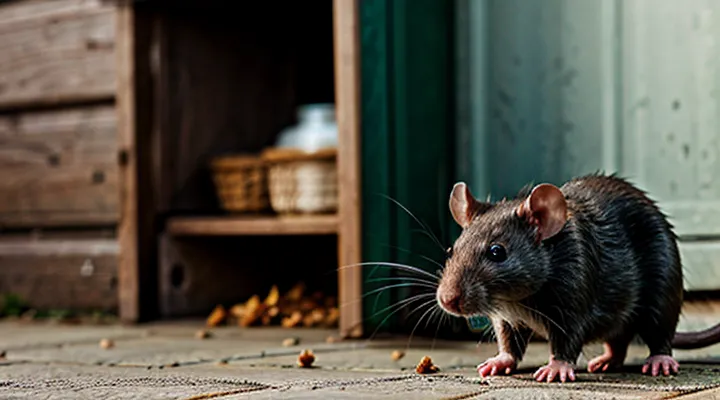
Factors Influencing Rat Survival Without Food
Metabolic Rate and Body Size
Rats possess a high basal metabolic rate relative to larger mammals, causing rapid consumption of stored energy when food is unavailable. Their small body mass limits the absolute amount of glycogen, fat, and protein that can be retained, accelerating the onset of energy deficit. Consequently, the window for survival without nourishment contracts sharply as metabolic demands outpace reserves.
When water is also absent, the same physiological constraints intensify. Limited body size reduces total body water, and a fast metabolism generates heat that must be dissipated through evaporative cooling, increasing fluid loss. The combined effect shortens the period before dehydration reaches fatal levels.
Key implications of metabolic rate and body size for survival under deprivation:
- Energy depletion: High metabolic turnover depletes glycogen within 12–24 hours; fat stores sustain the animal for an additional 2–3 days.
- Fluid balance: Small total body water (≈70 ml per 100 g body weight) combined with rapid respiration and urine production leads to critical dehydration within 1–2 days.
- Temperature regulation: Elevated heat production in a compact body raises evaporative water loss, further limiting survival time.
Overall, the interplay of a rapid metabolic rate and limited body volume defines a narrow survival margin for rats lacking both food and water, typically measured in days rather than weeks.
Food Storage and Hoarding Behavior
Rats possess a highly developed capacity for accumulating and safeguarding food, which directly influences their ability to endure periods of scarcity. Their innate tendency to collect surplus items stems from evolutionary pressure to survive unpredictable environments. When resources are abundant, individuals transport grains, seeds, and small insects to concealed locations, often within wall cavities, burrow chambers, or nest structures. This behavior creates a reserve that can sustain metabolism for several days, extending the window before dehydration and starvation become critical.
Key characteristics of rat food hoarding include:
- Spatial memory – Rats recall precise storage sites, enabling rapid retrieval when external supplies dwindle.
- Selective caching – Preference for high‑energy foods (e.g., nuts, dried fruit) maximizes caloric return per unit weight.
- Social sharing – In dense colonies, individuals may redistribute cached items, balancing the needs of the group and reducing competition.
- Adaptation to moisture loss – Stored dry foods retain low water content, compelling rats to seek alternative hydration sources, such as condensation or moist substrates, during prolonged deprivation.
Empirical studies demonstrate that a well‑stocked cache can prolong a rat’s survival without external nourishment by up to 40 % compared with individuals lacking access to stored provisions. However, the effectiveness of hoarding diminishes when environmental humidity drops, accelerating dehydration and limiting the utility of dry reserves. Consequently, the interplay between food storage practices and water acquisition strategies determines the ultimate duration rats can persist without fresh sustenance.
Access to Alternative Food Sources
Rats can extend survival periods by exploiting non‑traditional nutrients when conventional provisions are unavailable. Their omnivorous diet enables consumption of a wide range of substances that provide calories, protein, and micronutrients essential for maintaining basal metabolism.
- Carrion and decaying organic matter – decomposing animal tissue supplies protein and fat, supporting energy needs despite reduced digestibility.
- Plant debris and seeds – grasses, leaves, and fallen seeds contain carbohydrates and fiber; some seeds are rich in lipids, offering a quick caloric boost.
- Invertebrates – insects, larvae, and earthworms provide high‑quality protein and essential amino acids, often found in soil or waste streams.
- Human refuse – discarded food scraps, spoiled produce, and cheese remnants deliver diverse nutrients; rats readily infiltrate trash containers and sewer systems.
- Stored commodities – grains, dried beans, and powdered milk stored in barns or warehouses serve as long‑term reserves when accessed through gnawing or breach of containers.
Physiological adaptation underlies this flexibility. Metabolic rate declines by up to 30 % during caloric restriction, conserving energy while the animal searches for alternative sources. Renal function adjusts to process higher nitrogen loads from protein‑rich carrion, and the gastrointestinal tract expands its enzymatic repertoire to break down cellulose and chitin.
Access to these unconventional foods can add several days to the survival window, effectively lengthening the period a rat can endure without regular feeding. The extent of extension depends on the availability, nutritional density, and the rat’s ability to locate and exploit the resources within its environment.
Factors Influencing Rat Survival Without Water
Water Sources and Hydration Methods
Rats obtain moisture from a limited range of natural and artificial sources. Open water, such as puddles, streams, or condensation, provides the most efficient intake. In arid environments, rats exploit dew collected on vegetation or surfaces, licking droplets before evaporation reduces availability. Soil moisture can be accessed by digging shallow burrows where capillary action draws water upward, allowing the animal to lick damp walls. Food items retain water; fresh fruits, vegetables, and uncooked grains contain up to 80 % moisture, supplying both nutrients and hydration simultaneously. In laboratory or urban settings, rats readily drink from bottle dispensers, drip trays, or leaking pipes, demonstrating adaptability to human‑generated water supplies.
Hydration methods vary according to accessibility:
- Direct ingestion of free water (bottles, puddles, drips).
- Licking moist substrates (soil, bedding, cage walls).
- Consuming high‑water‑content foods (fresh produce, uncooked grains).
- Absorbing atmospheric moisture through nasal passages when humidity exceeds 70 %.
Physiological response to dehydration is rapid. Blood plasma volume decreases, leading to reduced cardiac output and impaired thermoregulation. Urine concentration spikes, and fecal output diminishes to conserve water. Without any source of moisture, adult rats typically survive 24–48 hours; juveniles may succumb sooner due to higher metabolic rates. Access to even minimal water—such as a few milliliters obtained from damp bedding—extends survival beyond the initial 48‑hour window, underscoring the critical role of water acquisition strategies in rat endurance.
Physiological Adaptations to Dehydration
Rats endure periods without drinking by activating a suite of physiological mechanisms that preserve fluid balance and sustain cellular function. Rapid reduction in plasma volume triggers antidiuretic hormone release, which increases water permeability in renal collecting ducts and concentrates urine. This response can raise urine osmolality to values exceeding 3,000 mOsm kg⁻¹, minimizing water loss to less than 0.1 mL day⁻¹ in severely dehydrated individuals.
Metabolic adjustments complement renal conservation. Elevated plasma glucocorticoids stimulate gluconeogenesis, generating metabolic water as a by‑product of carbohydrate oxidation. Simultaneously, rats shift substrate utilization toward fat oxidation, which yields a higher water‑to‑energy ratio than protein catabolism. The resulting endogenous water production can offset a portion of the deficit created by absent intake.
Cardiovascular regulation further supports survival. Baroreceptor‑mediated vasoconstriction reduces peripheral blood flow, preserving central blood volume. Concurrently, the renin‑angiotensin‑aldosterone system enhances sodium reabsorption, indirectly promoting water retention through osmotic coupling.
Behavioral modifications reduce evaporative loss. Rats lower activity levels, seek cooler microhabitats, and limit exposure to airflow, thereby decreasing respiratory and cutaneous water loss. Prolonged inactivity can induce a torpid state, lowering basal metabolic rate and reducing overall water demand.
Key physiological adaptations include:
- Enhanced renal concentration: up‑regulation of aquaporin‑2 channels, increased urea recycling.
- Metabolic water generation: intensified fatty acid oxidation, limited protein catabolism.
- Hormonal control: elevated antidiuretic hormone, aldosterone, and cortisol levels.
- Cardiovascular adjustments: vasoconstriction, reduced cardiac output, increased blood viscosity.
- Thermoregulatory behavior: reduced locomotion, selection of shaded or humid environments, potential entry into torpor.
Collectively, these mechanisms enable rats to survive several days without external water, extending the window of viability when food is also unavailable. The precise duration varies with ambient temperature, humidity, and the animal’s prior nutritional status, but the integrated physiological response markedly delays fatal dehydration.
Environmental Humidity and Temperature
Environmental humidity directly influences a rat’s rate of water loss. In low‑humidity settings (below 30 % RH), evaporative loss from the respiratory tract and skin increases, accelerating dehydration and shortening the period a rat can endure without drinking water. In contrast, high humidity (above 70 % RH) reduces evaporative loss, allowing a rat to maintain hydration longer under the same food‑deprivation conditions.
Temperature modulates metabolic demand and water turnover. At ambient temperatures near the thermoneutral zone (≈30 °C for laboratory rats), metabolic rate remains stable, conserving internal water stores. Temperatures above this range force thermoregulatory mechanisms such as panting and increased respiration, which raise water loss and reduce survival time. Temperatures below the thermoneutral zone (≈20 °C) lower metabolic rate but may trigger shivering thermogenesis, consuming additional glycogen reserves and indirectly affecting hydration status.
Combined effects of humidity and temperature produce predictable patterns:
- Warm, dry environment: rapid dehydration, survival reduced by up to 50 % compared with moderate conditions.
- Warm, humid environment: moderate dehydration, survival extended relative to dry conditions.
- Cool, dry environment: slower metabolic rate but continued evaporative loss, survival moderately reduced.
- Cool, humid environment: minimal evaporative loss, longest survival observed under deprivation.
Experimental data indicate that rats maintained at 25 °C and 60 % RH survive without water for approximately 4–5 days, whereas the same cohort at 30 °C and 30 % RH survives only 2–3 days. Adjusting humidity and temperature can therefore shift the window of survival by several days, independent of food availability.
Interplay of Food and Water Deprivation
Combined Effects on Survival Duration
Rats deprived of both nourishment and hydration experience a rapid decline in physiological function because the mechanisms that sustain life under single‑resource scarcity cannot compensate when both are absent. Energy reserves are exhausted within hours, while water loss accelerates cellular dehydration, leading to loss of plasma volume, reduced cardiac output, and impaired thermoregulation. The combined stress triggers an earlier onset of organ failure than either condition alone.
Key interactions that determine the survival window include:
- Metabolic rate: Elevated by stress hormones, increasing glucose consumption and accelerating depletion of glycogen stores.
- Fluid balance: Absence of water prevents renal concentration of urine, causing immediate hypernatremia and cellular shrinkage.
- Thermoregulation: Dehydration reduces sweating and panting efficiency, while lack of food limits heat‑producing metabolism, resulting in hypothermia.
- Acid‑base homeostasis: Accumulation of metabolic acids occurs faster without renal clearance, leading to acidosis that disrupts enzymatic activity.
Experimental observations in laboratory rats show that when food and water are withheld simultaneously, median survival falls to 2–4 days, compared with up to 7 days for water‑only deprivation and 10–14 days for food‑only deprivation. The precise duration varies with strain, age, ambient temperature, and cage density, but the synergistic effect consistently shortens the lifespan by roughly 50 % relative to single‑resource deprivation.
Understanding these combined effects informs humane endpoint criteria in research and highlights the critical interdependence of nutrition and hydration for mammalian survival.
Impact on Organ Function
Rats deprived of nutrients and water experience rapid physiological deterioration, reflected in the progressive failure of major organ systems. Energy deficits trigger catabolism of muscle tissue, while dehydration compromises plasma volume and electrolyte balance, directly influencing organ perfusion.
- Brain: Cerebral blood flow declines within hours; neuronal activity diminishes, leading to loss of consciousness and irreversible damage after 24–36 hours.
- Heart: Reduced preload and circulating volume cause tachycardia followed by bradycardia; myocardial ischemia appears after approximately 48 hours.
- Kidneys: Glomerular filtration rate falls as plasma osmolarity rises; acute tubular necrosis develops within 2–3 days, impairing waste excretion.
- Liver: Glycogen stores exhaust within the first day; subsequent gluconeogenesis accelerates, causing hepatic steatosis and enzyme leakage after 48 hours.
- Lungs: Dehydration thickens airway secretions, decreasing compliance; hypoxia emerges as circulatory collapse progresses.
The timeline of organ dysfunction aligns with overall survival limits: initial metabolic adjustments sustain life for up to 48 hours, but irreversible damage to the brain and heart typically precipitates death before 72 hours of complete deprivation.
Behavioral Changes Under Stress
Rats subjected to prolonged deprivation of nourishment and hydration exhibit a distinct pattern of stress‑induced behaviors that signal deteriorating physiological status. Initial hours of scarcity trigger heightened locomotor activity as individuals search for resources, followed by a rapid decline in exploratory movements once energy reserves dwindle.
Key behavioral alterations include:
- Reduced grooming: Diminished self‑maintenance reflects compromised thermoregulation and impaired immune function.
- Increased stereotypy: Repetitive head‑bobbing or circling indicates heightened anxiety and neural dysregulation.
- Social withdrawal: Isolated individuals display fewer affiliative contacts, while dominant rats may exhibit brief spikes in aggression toward conspecifics.
- Altered feeding cues: Even minimal food presentation elicits exaggerated anticipatory responses, suggesting a shift in reward processing.
Physiological stress markers—cortisol elevation, hyperthermia, and dehydration‑induced electrolyte imbalance—correlate with these behavioral shifts. As the deprivation period extends beyond the first 48 hours, activity levels plateau at minimal movement, grooming ceases, and mortality risk escalates sharply. Monitoring these observable changes provides a reliable proxy for assessing the survivability window in the absence of sustenance.
Survival in Different Environments
Urban Settings: Resource Availability
Rats living in cities encounter a heterogeneous distribution of food and water sources that directly determines their capacity to endure periods of scarcity. Sewer systems, garbage collection points, and abandoned structures supply intermittent nourishment, while leaking pipes, puddles, and condensation provide moisture. The spatial arrangement of these resources creates micro‑habitats where survival times vary dramatically.
Key factors influencing survival without external sustenance include:
- Proximity to waste bins and dumpsters, which can extend viable periods by several days.
- Access to underground water leaks or storm‑drain accumulations, which can sustain hydration for up to a week.
- Availability of hidden food caches in building cracks or vacant lots, capable of supporting metabolism for extended intervals.
- Seasonal temperature fluctuations; lower ambient temperatures reduce metabolic demand, lengthening survival windows.
Urban rats therefore rely on a patchwork of readily exploitable supplies. When these are depleted, individuals in densely populated districts may survive longer than those in sparsely built areas due to residual moisture in infrastructure. Conversely, rats isolated from any resource network experience rapid physiological decline, with mortality occurring within a few days of total deprivation.
Wild Environments: Foraging Challenges
Rats inhabiting natural habitats confront a constantly shifting supply of edible resources. Food sources such as seeds, fruits, insects, and carrion appear sporadically, often clustered in micro‑habitats that fluctuate with weather, vegetation cycles, and human disturbance. When these patches diminish, rats must expand their foraging range, increasing exposure to predators and energetic costs.
Key challenges include:
- Temporal scarcity – Seasonal droughts or winter freezes reduce plant productivity, limiting both caloric intake and moisture.
- Spatial fragmentation – Habitat patches separated by open ground or water bodies force rats to traverse risky terrain to locate new caches.
- Inter‑specific competition – Birds, other rodents, and opportunistic mammals vie for the same limited items, forcing rats to exploit lower‑quality or harder‑to‑digest foods.
- Predation pressure – Open foraging increases visibility to snakes, raptors, and carnivorous mammals, prompting rats to adopt nocturnal activity patterns that may not align with peak resource availability.
- Nutrient imbalance – Reliance on high‑fat seeds or occasional carrion can lead to deficiencies in protein or electrolytes, affecting physiological stability.
Physiological adaptations mitigate these pressures. Rats can reduce basal metabolic rate by up to 30 % during prolonged fasting, conserving energy until food reappears. Kidney function adjusts to concentrate urine, preserving water when intake drops. Behavioral flexibility—such as hoarding, opportunistic scavenging, and using moisture from food—extends survival periods when external supplies vanish.
In arid or temperate zones, the combined effect of resource unpredictability, heightened competition, and predator exposure typically limits a rat’s endurance without sustenance to a range of several days for water and up to two weeks for caloric reserves. Survival beyond these thresholds declines sharply as dehydration and tissue catabolism compromise vital organ function.
Laboratory Conditions: Controlled Studies
Controlled laboratory experiments provide the most reliable data on rat endurance when deprived of nourishment and hydration. Researchers house animals in temperature‑regulated cages, maintain a 12‑hour light cycle, and use standardized bedding to eliminate environmental stressors. Ambient temperature is kept between 20 °C and 22 °C, humidity at 50 % ± 10 %, and air exchange rates are monitored to prevent respiratory complications that could influence survival outcomes.
Food and water are removed according to a predefined schedule, while all other variables remain constant. Continuous video monitoring records activity levels, posture, and signs of distress. Body weight is measured at 12‑hour intervals using calibrated scales; a decline of 10 % of initial mass typically triggers humane endpoints. Blood samples taken at 24‑hour intervals assess metabolic markers such as glucose, urea, and electrolytes, providing insight into physiological decline.
Key methodological elements include:
- Random assignment of subjects to control and experimental groups to prevent selection bias.
- Use of age‑matched, sex‑balanced cohorts to control for developmental and hormonal differences.
- Implementation of double‑blind observation, where the personnel recording behavioral data are unaware of the group allocation.
- Strict adherence to institutional animal care guidelines, with predefined criteria for euthanasia to ensure ethical compliance.
Data from these controlled settings reveal a consistent pattern: rats survive without food for approximately 5 to 7 days, while the absence of water reduces survival to 2 to 4 days. Combined deprivation accelerates mortality, often resulting in death within 48 hours. The reproducibility of these results across multiple laboratories confirms the robustness of the experimental design and provides a definitive reference for researchers studying metabolic resilience and the limits of mammalian survival.
Health Implications of Prolonged Deprivation
Malnutrition and Its Consequences
Rats deprived of both nourishment and hydration experience a rapid decline in physiological function. Within the first 24 hours, glycogen stores are exhausted, prompting the liver to mobilize gluconeogenesis. As glucose availability falls, the brain shifts to ketone metabolism, which sustains consciousness but cannot support prolonged activity.
Malnutrition triggers a cascade of detrimental effects:
- Muscle catabolism supplies amino acids for essential protein synthesis, leading to loss of locomotor strength.
- Immunocompetence deteriorates; white‑blood‑cell counts drop, increasing susceptibility to opportunistic infections.
- Electrolyte imbalance develops as renal conservation mechanisms fail, causing arrhythmias and renal failure.
- Hormonal dysregulation emerges, with elevated cortisol and reduced insulin, exacerbating catabolic stress.
Organ systems respond sequentially. Cardiovascular output diminishes as blood volume contracts, resulting in hypotension and reduced tissue perfusion. Digestive tract atrophy reduces mucosal integrity, impairing nutrient absorption should food become available. Neurological function degrades, manifested by reduced reflexes and eventual loss of motor coordination.
Empirical studies indicate that, under controlled laboratory conditions, rats survive up to 5 days without any intake before irreversible organ failure occurs. Survival time shortens dramatically when water is withheld alone, reflecting the critical role of hydration in maintaining cellular homeostasis.
Dehydration-Related Illnesses
Rats deprived of water experience rapid loss of plasma volume, leading to hypovolemia. Reduced circulatory volume compromises tissue perfusion, precipitating organ dysfunction.
Key dehydration‑related illnesses include:
- Hypovolemic shock – sudden drop in blood pressure, loss of consciousness, rapid heart rate.
- Electrolyte imbalance – depletion of sodium, potassium, and chloride disrupts nerve transmission and muscle contraction.
- Acute kidney injury – insufficient renal perfusion causes tubular necrosis and reduced urine output.
- Metabolic acidosis – accumulation of lactic acid due to anaerobic metabolism lowers blood pH.
- Thermoregulatory failure – impaired sweating and panting elevate core temperature, risking heat stroke.
Clinical signs appear within hours: dry mucous membranes, sunken eyes, lethargy, and reduced skin turgor. Laboratory analysis typically reveals elevated hematocrit, increased blood urea nitrogen, and abnormal electrolyte concentrations.
Intervention requires immediate rehydration with isotonic fluids, correction of electrolyte deficits, and monitoring of renal function. Delayed treatment shortens survival time dramatically, often limiting it to less than 48 hours without water.
Long-Term Damage and Recovery Potential
Rats subjected to prolonged absence of food and water experience a cascade of metabolic adjustments that shift energy utilization from glycogen to fat and protein stores. Initial glycogen depletion occurs within 24 hours, followed by rapid lipolysis and muscle catabolism. The resulting negative nitrogen balance leads to loss of lean mass, reduced plasma proteins, and compromised osmotic regulation.
Organ systems suffer distinct long‑term injury:
- Kidney: Reduced perfusion and elevated urea promote tubular necrosis; chronic damage manifests as decreased glomerular filtration rate and heightened susceptibility to nephrotoxicity.
- Liver: Hepatic steatosis develops as fatty acids accumulate; prolonged starvation induces hepatocellular apoptosis and impaired gluconeogenesis.
- Cardiovascular: Myocardial atrophy reduces contractile force; arrhythmic episodes become more frequent under electrolyte imbalance.
- Brain: Neuronal loss in the hippocampus and cortex correlates with diminished cognitive performance; myelin sheath degradation impairs signal transmission.
Immunological competence declines sharply. Lymphocyte proliferation drops, antibody production wanes, and barrier integrity of the gastrointestinal tract erodes, increasing infection risk even after rehydration.
Recovery potential hinges on the duration of deprivation, age of the animal, and the refeeding regimen. Immediate rehydration with isotonic saline restores circulatory volume and prevents fatal shock. Controlled reintroduction of calories—starting with low‑energy, high‑protein meals and gradually increasing caloric density—limits refeeding syndrome and supports tissue regeneration. Observations indicate:
- 24–48 hours of rehydration restores plasma volume and normalizes renal blood flow.
- 3–5 days of gradual caloric increase rebuilds hepatic glycogen stores and reverses steatosis in younger rats.
- 10–14 days of sustained nutrition yields partial reversal of myocardial mass loss; complete functional recovery may remain incomplete in older subjects.
- 2–4 weeks are required for detectable improvements in hippocampal neurogenesis; full cognitive restoration is rare after deprivation exceeding one week.
Long‑term outcomes are favorable when intervention occurs within the first 48 hours of deprivation. Beyond this window, irreversible organ damage, persistent hypertension, and chronic cognitive deficits become increasingly likely.
Understanding Rat Resilience: Practical Implications
Pest Control Strategies
Rats can endure several days without food and up to 48 hours without water, a physiological resilience that complicates eradication efforts. Effective pest management must target both the biological limits of the rodents and the environmental factors that sustain them.
Integrated approaches combine immediate reduction with long‑term population suppression. Key components include:
- Sanitation control: Eliminate food residues, secure waste containers, and repair structural leaks to remove water sources.
- Exclusion techniques: Install metal mesh, seal entry points, and use concrete or steel barriers to prevent ingress.
- Mechanical removal: Deploy snap traps, electronic devices, or live‑capture cages in high‑activity zones; position devices along established travel routes.
- Chemical interventions: Apply rodenticides in tamper‑resistant bait stations, ensuring placement complies with safety regulations and targets foraging behavior.
- Biological agents: Introduce predatory species or use fertility‑reducing compounds where legally permissible to decrease reproductive output.
Monitoring and data collection support adaptive management. Regular inspection of trap counts, bait consumption, and signs of activity enables timely adjustments to dosage, placement, and method selection. When sanitation and exclusion are optimized, the window of survival without sustenance shortens, accelerating population decline and reducing the need for repeated chemical applications.
Research and Animal Welfare Considerations
Research on the limits of rat survival without nutrition and hydration provides insight into metabolic adaptation, organ failure pathways, and stress responses. Accurate data support drug development, toxicology assessments, and comparative physiology, but experimental design must align with strict ethical standards.
Investigators must define clear humane endpoints, record body‑weight changes, assess skin turgor, monitor activity levels, and measure plasma electrolytes. Continuous observation reduces unnecessary suffering and ensures that mortality is recorded only after predefined criteria are met.
Compliance with national and institutional regulations governs all procedures. Key obligations include:
- Approval by an animal‑care oversight committee before any protocol begins.
- Implementation of the 3Rs: replace animals when possible, reduce numbers to the minimum required for statistical validity, and refine methods to lessen distress.
- Use of environmental enrichment, temperature control, and bedding that minimize stress.
- Documentation of daily health checks and immediate intervention when distress thresholds are reached.
Data collection focuses on quantifiable metrics: percentage of initial body weight, urine output, blood urea nitrogen, and survival time. These variables enable correlation between deprivation duration and physiological collapse, informing risk assessments for other species.
Balancing scientific objectives with animal welfare demands transparent reporting, regular ethical review, and adherence to established humane‑endpoint criteria. Properly managed studies generate reliable results while respecting the intrinsic value of the subjects.
Public Health Concerns
Rats can survive for several days without food and up to a week without water, depending on temperature, age, and health status. This resilience creates specific public‑health challenges because rats may persist in environments that have been partially sanitized, maintaining the potential for disease spread and contamination.
Key concerns include:
- Prolonged survival enables continued shedding of pathogens such as Leptospira, hantavirus, and Salmonella.
- Access to residual moisture in sewers, drains, or stored food allows rats to remain active in otherwise depleted sites.
- Extended presence increases the likelihood of gnawing on electrical wiring, leading to fire hazards that indirectly affect community safety.
- Persistent populations complicate pest‑control efforts, requiring repeated interventions and higher chemical usage, which may impact non‑target species and human health.
Mitigation strategies must address both immediate removal of accessible water sources and long‑term sanitation measures that eliminate shelter and food residues. Monitoring rodent activity levels after partial decontamination helps determine whether surviving individuals pose ongoing risks, informing resource allocation for public‑health protection.