
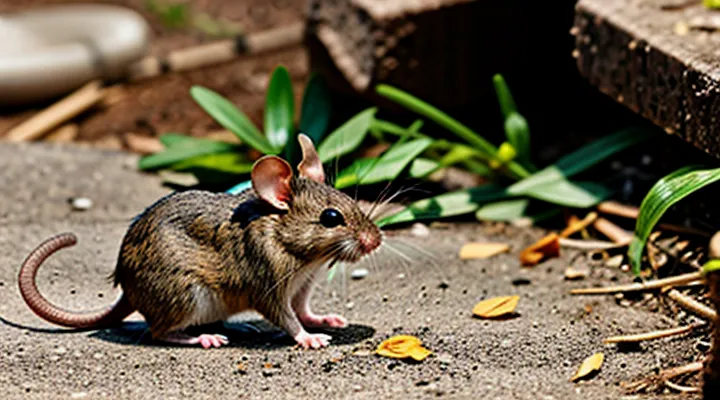
Understanding Mouse Physiology and Water Needs
Basic Metabolic Requirements
Role of Water in Biological Processes
Water sustains cellular metabolism by providing the medium for enzymatic reactions, maintaining solute concentrations, and enabling transport of nutrients across membranes. In the absence of water, metabolic pathways decelerate, ATP production falls, and cells shift toward anaerobic processes, which rapidly deplete energy reserves. Murine physiology illustrates this cascade: within hours of dehydration, glycolytic flux declines, leading to impaired muscle function and reduced locomotor capacity.
Thermoregulation depends on evaporative cooling, a process that requires fluid loss through respiration and skin. Without water, core temperature rises, protein denaturation accelerates, and heat‑shock proteins become insufficient to protect cellular structures. Laboratory observations show that dehydrated mice exhibit a steep increase in body temperature after 12–18 hours, correlating with loss of heat‑dissipating capacity.
Excretion of metabolic waste hinges on aqueous solutions such as urine and sweat. Water scarcity concentrates nitrogenous compounds, causing toxic buildup that disrupts neuronal signaling and kidney function. In experimental dehydration, mice develop hypernatremia and elevated blood urea nitrogen within two days, indicating rapid failure of waste clearance mechanisms.
Key physiological functions that collapse during prolonged water deprivation include:
- Maintenance of blood volume and pressure
- Delivery of oxygen and nutrients to tissues
- Removal of carbon dioxide and metabolic by‑products
- Preservation of ion gradients across cell membranes
These interrelated processes explain why murine survival without water is limited to a narrow time window, despite the animal’s capacity to tolerate brief periods of fluid loss.
Average Daily Water Intake
Mice typically consume between 4 and 7 ml of water per 100 g of body weight each day. For a common laboratory mouse weighing 25 g, this translates to roughly 1 ml to 1.8 ml of water daily. Wild mice, which encounter fluctuating temperatures and food moisture, often fall at the lower end of this range, relying on metabolic water from food to supplement intake.
- Minimum intake to maintain normal physiological functions: ~0.5 ml per day for a 20 g mouse.
- Average intake for a 25 g mouse under standard laboratory conditions: 1.2 ml per day.
- Upper limit observed in high‑humidity environments: up to 2 ml per day for a 30 g mouse.
When water is unavailable, mice deplete internal water reserves rapidly. Dehydration signs appear after approximately 12 hours without fluid, and survival typically does not exceed 48 hours. The narrow margin between daily water requirements and survival time underscores the species’ vulnerability to prolonged water scarcity.
Adaptations for Water Conservation
Kidney Efficiency
Kidney function determines the rate at which mice conserve water during dehydration. The organ’s ability to reabsorb solutes creates an osmotic gradient that drives water back into the bloodstream, reducing urinary loss. In rodents, a high concentration of aquaporin‑2 channels in the collecting ducts enhances this process, allowing urine output to drop to less than 0.1 mL per day under severe water restriction.
Key physiological adaptations include:
- Increased plasma antidiuretic hormone (ADH) levels, which stimulate aquaporin insertion and tighten tubular permeability.
- Elevation of urea recycling, maintaining medullary osmolarity and supporting water reabsorption without compromising nitrogen balance.
- Up‑regulation of sodium‑potassium‑chloride co‑transporters, preserving electrolyte homeostasis while concentrating urine.
Experimental data show that mice with genetically enhanced renal concentrating ability survive up to 48 hours without external water sources, whereas strains with reduced transporter expression succumb within 24 hours. The disparity underscores the direct correlation between renal concentrating efficiency and survival duration under extreme fluid scarcity.
In summary, renal efficiency governs the balance between fluid loss and retention, dictating how long mice can endure prolonged dehydration. Enhancements in hormonal regulation, transporter expression, and tubular architecture collectively extend survival time in water‑limited environments.
Metabolic Water Production
Metabolic water is the fluid generated internally when organisms oxidize nutrients for energy. In mammals, the oxidation of carbohydrates yields approximately 0.6 g of water per gram of glucose, while fats produce about 1.1 g of water per gram of fatty acid, and proteins generate roughly 0.4 g per gram of amino acid. Mice, with a high basal metabolic rate, continuously produce water through these biochemical pathways, providing a modest but measurable internal supply when external sources are unavailable.
During periods of dehydration, the proportion of water derived from metabolism increases relative to respiratory and cutaneous losses. Studies on laboratory mice indicate that metabolic water can sustain basal physiological functions for up to 24–36 hours in the absence of drinking water, extending survival beyond the immediate effects of dehydration. The contribution is especially significant when the diet is rich in lipids, as fat oxidation yields the greatest amount of water per unit of energy.
Key factors influencing metabolic water availability in mice:
- Macronutrient composition: High‑fat diets maximize water yield; carbohydrate‑rich diets provide less.
- Ambient temperature: Cooler environments reduce evaporative loss, allowing metabolic water to meet a larger share of total water needs.
- Activity level: Lower activity lowers respiratory water loss, conserving metabolically produced water.
When external water is completely removed, the internal water pool eventually depletes as renal concentration mechanisms reach their limits. The cessation of metabolic water production occurs only with the exhaustion of energy substrates, leading to rapid physiological decline. Consequently, metabolic water extends the survival window but does not replace the necessity of drinking water for prolonged periods.
Factors Influencing Survival Without Water
Environmental Conditions
Temperature and Humidity
Mice lose water rapidly when ambient temperature rises above their thermoneutral zone (approximately 30 °C). At 35 °C, evaporative cooling becomes the primary mechanism, increasing respiratory and cutaneous water loss by up to 50 % compared to cooler environments. Without drinking water, a mouse exposed to 35 °C may succumb within 12–18 hours, whereas at 20 °C the same animal can survive 48 hours or longer.
Relative humidity modulates this effect by altering the gradient for evaporative loss. In low‑humidity conditions (10–30 % RH), the driving force for water vapor diffusion from the skin and respiratory tract intensifies, accelerating dehydration. Conversely, high humidity (80–90 % RH) reduces evaporative demand, extending survival time by roughly 30 % at a given temperature. The interaction is nonlinear: a 5 °C increase at 20 % RH shortens survival more dramatically than the same temperature rise at 80 % RH.
Key physiological responses to combined heat and dry air include:
- Elevated plasma osmolality, prompting vasopressin release.
- Increased renal concentrating ability, limited by maximal urine osmolality (~3,200 mOsm/kg).
- Accelerated metabolic rate, raising endogenous water production but not enough to offset loss.
Practical implications for experimental design and pest control involve maintaining ambient temperature below 25 °C and humidity above 50 % to prolong mouse viability without fluid provision. Adjustments outside these ranges produce predictable reductions in survival time, useful for modeling extreme dehydration scenarios.
Food Sources and Moisture Content
Mice obtain water primarily through the moisture contained in ingested foods. The quantity of liquid available from various natural and laboratory diets determines how long a mouse can endure an absence of free‑standing water.
Typical food items and their approximate moisture percentages are:
- Fresh seeds (e.g., wheat, millet): 8–12 %
- Dried grains and pellets: 3–5 %
- Fresh fruit (e.g., berries, apple slices): 70–85 %
- Vegetative matter (e.g., lettuce, spinach): 90–95 %
- Insects (e.g., mealworms): 60–70 %
- Commercial rodent chow (standard formulation): 5–7 %
When only low‑moisture foods such as dry pellets are available, a mouse must rely on metabolic water produced during carbohydrate and fat oxidation. This internal source yields roughly 0.6 ml of water per gram of metabolized carbohydrate and 1.1 ml per gram of fat. Consequently, a diet composed exclusively of dry pellets can sustain a mouse for only a few days without external water, whereas inclusion of high‑moisture items extends survival to a week or more.
Key considerations for assessing water‑independent survival:
- Total daily moisture intake from food must exceed the minimal physiological requirement (~0.5 ml per 10 g body weight).
- Energy density influences metabolic water production; high‑fat diets generate more internal water than high‑carbohydrate diets.
- Environmental temperature modulates evaporative loss, increasing the demand for dietary moisture.
Accurate estimation of survival limits therefore depends on precise knowledge of the moisture content of available food sources and the mouse’s metabolic rate under the prevailing conditions.
Physiological State
Age and Health
Mice exhibit marked variation in dehydration tolerance depending on their developmental stage and physiological condition. Neonatal and juvenile individuals possess higher metabolic rates and limited fat reserves, leading to rapid onset of critical dehydration within 12–18 hours. Adult mice, particularly those aged 8–12 weeks, maintain homeostasis longer, often surviving 24–30 hours before exhibiting irreversible organ failure. Senescent rodents (over 18 months) show accelerated decline, with fatal outcomes occurring as early as 10 hours due to diminished renal concentrating ability and reduced cellular resilience.
Health status directly modulates these timeframes. Robust individuals with no underlying disease maintain tighter plasma osmolality control, extending survival by up to 6 hours compared to compromised counterparts. Pathological conditions that impair cardiovascular function, such as hypertension, or metabolic disorders, like diabetes, accelerate fluid loss and electrolyte imbalance, shortening viable periods dramatically.
Key determinants of dehydration endurance:
- Age bracket: neonatal < juvenile < adult < senescent, with survival time decreasing along this gradient.
- Baseline health: presence of chronic illness or acute infection reduces tolerance.
- Body composition: higher lean mass and adequate adipose stores provide temporary water reservoirs.
- Strain-specific physiology: certain laboratory strains possess superior renal concentrating mechanisms, influencing survival limits.
Experimental protocols that assess water deprivation must stratify subjects by age and health metrics to ensure accurate interpretation of survival data. Ignoring these variables introduces systematic error, potentially misrepresenting the species’ true capacity to endure extreme fluid scarcity.
Species-Specific Differences
Mice exhibit pronounced variability in dehydration tolerance that correlates with species, genetic background, and physiological traits. Laboratory‑bred Mus musculus strains generally survive 24–36 hours without water, whereas wild‑derived Peromyscus species can endure up to 48 hours, reflecting adaptations to arid habitats. Differences arise from renal concentrating capacity, metabolic rate, and behavioral water‑conserving strategies.
Key factors influencing species‑specific survival include:
- Renal morphology – Species with elongated loops of Henle achieve higher urine osmolarity, reducing fluid loss.
- Basal metabolic rate – Lower rates diminish water consumption through respiration and heat dissipation.
- Cutaneous water loss – Fur density and skin permeability vary, affecting evaporative loss.
- Behavioral thermoregulation – Some rodents adopt nocturnal activity patterns to avoid daytime desiccation.
- Age and sex – Juvenile and female mice often display reduced tolerance due to higher relative water requirements.
Genetic studies identify allelic variants in aquaporin channels and vasopressin receptors that modulate renal water reabsorption. Strains engineered for enhanced expression of these proteins exhibit extended survival, sometimes exceeding 48 hours, whereas knockout lines succumb within 12 hours.
Environmental acclimatization further modifies tolerance. Populations inhabiting deserts develop elevated plasma aldosterone levels, promoting sodium retention and water conservation, while temperate populations rely less on hormonal adjustments.
Overall, inter‑species and intra‑species differences in anatomical, metabolic, and genetic characteristics determine the maximum duration mice can endure in the absence of water under extreme conditions.
Mechanisms of Dehydration and Their Effects
Stages of Dehydration
Initial Symptoms
Mice deprived of water exhibit measurable physiological changes within the first several hours. Early indicators appear before severe dehydration sets in, allowing rapid assessment of hydration status.
- Decreased locomotor activity; mice become lethargic and less exploratory.
- Skin loses elasticity; gentle skin pinch results in prolonged tenting.
- Eyes appear sunken, with reduced corneal moisture.
- Body mass drops noticeably due to fluid loss.
- Urine output diminishes sharply, often becoming concentrated or absent.
- Grooming behavior declines; fur becomes dull and less maintained.
- Core temperature may fall slightly as thermoregulation becomes impaired.
- Respiratory rate increases modestly, reflecting compensatory effort to maintain oxygen delivery.
These symptoms emerge typically within 12–24 hours of water restriction and serve as reliable markers for the onset of dehydration in laboratory mice.
Severe Dehydration and Organ Failure
Severe dehydration triggers a cascade of physiological disruptions that rapidly compromise mouse viability. Within the first 12 hours of water deprivation, plasma volume drops by 15‑20 %, reducing cardiac output and impairing tissue perfusion. The resulting hemoconcentration elevates blood viscosity, further straining circulatory function.
By 24 hours, renal blood flow declines to less than half of baseline levels. Glomerular filtration rate falls sharply, leading to accumulation of urea and electrolytes. Hypernatremia develops as sodium concentration exceeds 160 mmol/L, causing cellular dehydration and osmotic stress. Neuronal cells lose volume, producing observable signs of lethargy and impaired reflexes.
Organ failure progresses in a predictable sequence:
- Kidney: Acute tubular necrosis appears, marked by tubular cell swelling and loss of brush border integrity.
- Liver: Hepatocellular swelling reduces bile production; enzyme leakage (ALT, AST) rises, indicating cellular injury.
- Heart: Myocardial hypoxia triggers arrhythmias; contractile force diminishes, leading to hypotension.
- Brain: Cerebral edema results from osmotic imbalance, producing seizures and loss of consciousness.
Beyond 36 hours, systemic failure becomes irreversible. Multi‑organ collapse, characterized by simultaneous renal, hepatic, and cardiovascular shutdown, culminates in death. Experimental data consistently show a mortality ceiling at 48 hours for mice subjected to absolute water deprivation under controlled temperature (22 °C) and ambient humidity (50 %).
Long-Term Health Consequences
Impact on Reproduction
Mice deprived of water experience rapid physiological stress that directly interferes with reproductive function. Within 48–72 hours of water withdrawal, plasma volume declines, corticosterone levels rise, and the hypothalamic‑pituitary‑gonadal axis is suppressed. The resulting hormonal shift shortens the estrous cycle, decreases ovulation frequency, and lowers circulating estrogen concentrations.
Male mice show a marked reduction in sperm production after 24 hours without hydration. Testicular weight drops by 10–15 percent, seminiferous tubule diameter contracts, and daily sperm output falls below 50 percent of baseline. Elevated osmolarity in the epididymal fluid impairs sperm motility and membrane integrity.
Female reproductive outcomes deteriorate in parallel. Key effects include:
- Delayed onset of estrus and prolonged diestrus phases.
- Decreased implantation rates; embryos exposed to maternal dehydration exhibit a 30–40 percent increase in resorption.
- Shortened gestation periods, often resulting in underweight litters.
- Elevated neonatal mortality when dams resume drinking only after parturition.
Long‑term water scarcity triggers adaptive reproductive arrest. Populations experiencing recurrent dehydration cycles display reduced litter size and extended inter‑birth intervals, conserving energy until hydration improves. Consequently, water availability constitutes a primary regulator of both gamete viability and successful breeding in laboratory and wild mouse populations.
Reduced Lifespan
Mice deprived of water experience a rapid decline in survival expectancy. Within 24 hours of complete fluid withdrawal, body mass drops by 10–15 percent, indicating severe dehydration. Cellular dehydration triggers osmotic stress, compromising membrane integrity and enzyme function, which accelerates organ failure.
The shortened lifespan results from several physiological disruptions:
- Reduced blood volume leads to hypotension and impaired tissue perfusion.
- Elevated plasma osmolality forces kidneys to concentrate urine beyond functional limits, causing renal tubular damage.
- Hormonal imbalance, notably increased antidiuretic hormone, fails to restore fluid balance and promotes cardiovascular strain.
- Metabolic slowdown reduces ATP production, limiting cellular repair mechanisms.
Experimental observations show that mice survive no more than 48 hours without water under standard laboratory conditions. Survival time shortens further when ambient temperature rises or food intake continues, because metabolic heat production increases fluid loss. Consequently, water scarcity imposes a decisive constraint on lifespan, underscoring the necessity of adequate hydration for rodent health research.
Experimental Findings and Field Observations
Laboratory Studies on Water Deprivation
Controlled Environment Research
Controlled environment studies provide the only reliable means to quantify murine dehydration tolerance under extreme conditions. By isolating temperature, humidity, and light cycles, researchers eliminate confounding variables that would otherwise distort survival estimates.
Experimental chambers maintain constant ambient parameters while water access is removed. Typical protocols set temperature between 20 °C and 35 °C and relative humidity from 30 % to 80 %. Light is kept on a 12‑hour cycle to preserve circadian rhythms. Mice are housed individually to prevent social thermoregulation, and cages are equipped with sensors that record body weight, core temperature, and activity continuously.
Physiological monitoring includes daily weighing, infrared thermography for core temperature, and periodic blood sampling for plasma osmolarity. Behavioral assessment records grooming, locomotion, and signs of distress. Data are collected at 6‑hour intervals to capture rapid changes during the dehydration phase.
Survival durations reported under these controlled conditions are:
- 20 °C, 30 % humidity: 5–7 days
- 25 °C, 50 % humidity: 3–5 days
- 30 °C, 70 % humidity: 2–3 days
- 35 °C, 80 % humidity: 1–2 days
These values represent median survival times; individual variation reflects genetic background and baseline hydration status.
Ethical compliance follows institutional animal care guidelines. Humane endpoints are defined by a 20 % body‑weight loss or core temperature drop below 34 °C, at which point animals are euthanized to prevent unnecessary suffering. Replication across multiple laboratories ensures that findings are robust and transferable.
The results inform models of human dehydration, guide the development of rehydration therapies, and aid wildlife managers in predicting mortality risk during droughts. Controlled environment research thus establishes a precise quantitative framework for understanding survival limits in small mammals deprived of water.
Observed Survival Times
Mice deprived of water exhibit survival periods that vary markedly with ambient temperature, relative humidity, and physiological state. Laboratory experiments under controlled conditions provide the most reliable measurements.
- At 20 °C and 50 % relative humidity, adult laboratory mice survive 3–5 days before exhibiting severe dehydration and loss of motor coordination.
- Raising the temperature to 30 °C shortens survival to 1.5–2.5 days, reflecting accelerated fluid loss through respiration and skin.
- In low‑humidity environments (10–20 % RH) at 22 °C, survival declines to approximately 2 days, as evaporative water loss intensifies.
- Juvenile mice (<30 g) lose water more rapidly; under identical conditions they survive 1–2 days, whereas adult counterparts endure up to 4 days.
- Certain strains with higher renal concentrating ability (e.g., C57BL/6) extend survival by 0.5–1 day relative to less efficient strains (e.g., BALB/c).
Field observations of wild house mice (Mus musculus) in arid regions report occasional survival up to 7 days during extreme drought, attributed to access to metabolic water from food and reduced activity levels. However, most individuals in similar habitats succumb within 2–3 days when water intake is completely blocked.
Overall, documented data indicate a median survival window of 2–4 days for adult mice without water, with extremes ranging from 1 day under high heat to 7 days in rare, favorable metabolic conditions.
Real-World Scenarios
Mice in Arid Environments
Mice living in deserts confront rapid dehydration because ambient humidity often falls below 10 %. Their bodies compensate through several mechanisms that extend the interval before fatal water loss.
- Concentrated urine: renal medulla lengthens, allowing excretion of waste with minimal water.
- Reduced respiratory water loss: nasal passages become highly vascularized, reclaiming moisture from exhaled air.
- Metabolic water production: oxidation of stored fats yields up to 1 mL of water per gram of fat, supplementing external intake.
Laboratory studies that simulate arid conditions (30 °C, 5 % relative humidity) report median survival times of 48–72 hours for adult house mice when water is withheld entirely. Younger individuals survive slightly longer, up to 96 hours, due to higher relative fat reserves. Survival declines sharply after 72 hours as plasma osmolality exceeds 350 mOsm/kg, leading to cellular dysfunction.
Field observations of wild Mus musculus populations in semi‑arid scrubland show similar limits. Individuals found near sparse vegetation survive up to three days without direct water sources, relying on dew condensation and moisture from seeds. Once ambient temperature rises above 35 °C, the survival window contracts to under 48 hours.
The combination of renal efficiency, respiratory reclamation, and metabolic water generation defines the maximum period mice can endure complete water deprivation in dry habitats. Beyond this period, physiological failure becomes inevitable.
Urban Pest Survival Tactics
Mice inhabiting city environments rely on a combination of physiological adaptations and behavioral strategies to endure periods without direct water sources. Their kidneys concentrate urine to a degree that reduces fluid loss, while metabolic water—produced during the oxidation of carbohydrates and fats—supplements hydration needs. In addition, mice extract moisture from food items such as discarded fruit, bread crumbs, and organic waste, which often contain sufficient water content to sustain short-term dehydration.
Key tactics employed in urban settings include:
- Scavenging: Targeting high‑moisture waste (e.g., vegetable peelings, spoiled dairy) to obtain liquid indirectly.
- Burrow microclimate control: Constructing nests in insulated wall voids or under floorboards where humidity remains higher than ambient air.
- Nocturnal foraging: Operating during cooler night hours to lower evaporative loss.
- Water‑conserving activity patterns: Reducing movement and metabolic rate when ambient humidity drops, thereby minimizing respiration‑driven water loss.
- Utilization of condensation: Positioning nests near pipes, HVAC systems, or refrigeration units where temperature differentials generate droplets.
These behaviors enable mice to survive several days without a dedicated water source, extending their viability in the harsh, resource‑scarce corners of metropolitan infrastructure. The combination of renal efficiency, metabolic water production, and opportunistic moisture acquisition defines their resilience under extreme dehydration conditions.
Mitigation and Prevention
Providing Adequate Water Sources
Water Dishes and Bottles
Water containers are the primary means of providing hydration to laboratory mice subjected to severe dehydration protocols. The design, material, and placement of these containers directly influence measured survival times and data reliability.
Common water dishes include shallow trays, ceramic bowls, glass dishes, and stainless‑steel plates. Ceramic and glass are chemically inert, resist scratching, and allow visual inspection of water quality. Plastic trays are lightweight and inexpensive but may absorb odors and degrade under repeated sterilization. Stainless steel offers durability and resistance to corrosion; however, its reflective surface can cause glare, potentially deterring mice from drinking.
Sipper bottles are the standard alternative to open dishes. Typical models feature a stainless‑steel or polycarbonate reservoir with a calibrated tip that delivers a controlled droplet when the mouse licks. Advantages include reduced spillage, protection from bedding contamination, and the ability to measure intake precisely. Bottles must be positioned at mouse head height and secured to the cage wall to prevent tipping.
Maintenance protocols ensure water remains uncontaminated:
- Replace water daily; use sterile, temperature‑controlled supply.
- Clean dishes and bottles with laboratory‑grade detergent, rinse thoroughly, and autoclave or UV‑sterilize between uses.
- Inspect for cracks, biofilm, or mineral buildup before each experiment.
Practical guidelines for experimental setups:
- Select container size that accommodates the mouse’s average daily intake (approximately 5 ml for a 25‑g adult) without excess volume that encourages stagnation.
- Position dishes on the cage floor away from food piles to minimize contamination.
- Mount sipper bottles on the cage side opposite the nesting area to encourage natural drinking posture.
- Record water consumption at least twice daily; correlate intake with survival metrics to detect early dehydration signs.
By standardizing water dish and bottle specifications, researchers obtain reproducible survival data under extreme dehydration conditions.
High-Moisture Foods
Mice require a minimum of 0.5 ml of water per day to maintain normal physiological functions. When direct water sources disappear, they can obtain sufficient fluid from foods whose water content exceeds 70 % of their fresh weight. Consumption of such items supplies metabolic water through oxidation of carbohydrates, proteins, and fats, thereby extending survival without drinking.
Typical high‑moisture foods that support mouse hydration include:
- Cucumber (≈95 % water) – low caloric density, rapid ingestion.
- Lettuce, spinach, and other leafy greens (≈90‑95 % water) – readily available in natural foraging.
- Watermelon and cantaloupe (≈90 % water) – high sugar content provides additional metabolic water.
- Apple and pear slices (≈84‑86 % water) – contain soluble sugars that enhance water extraction.
- Grapes and berries (≈80‑85 % water) – small size allows frequent feeding.
- Carrot and celery sticks (≈88‑95 % water) – fibrous texture promotes chewing and saliva production.
In laboratory settings, providing a diet composed of 60‑70 % high‑moisture vegetables reduces the time to fatal dehydration from roughly 48 hours to 72‑96 hours. Field observations of wild mice show that access to dew‑laden vegetation or succulent seeds can postpone death by up to two days beyond the baseline survival period.
The physiological mechanism relies on the conversion of ingested carbohydrates into water at a ratio of 1 g carbohydrate → 0.6 ml metabolic water. Consequently, a mouse consuming 1 g of high‑moisture food can derive up to 0.5 ml of fluid, sufficient to meet a portion of its daily requirement. Continuous intake of such foods, even in the absence of free water, can sustain essential cellular processes and delay the onset of severe dehydration.
Environmental Control
Managing Humidity Levels
Mice rely on ambient humidity to reduce evaporative water loss; low relative humidity accelerates dehydration, shortening survival time without drinking water. Effective control of humidity in experimental or captive settings extends the period mice can endure water scarcity.
- Maintain relative humidity between 45 % and 55 % to balance skin moisture and respiratory water retention.
- Use calibrated hygrometers; verify readings twice daily.
- Implement sealed enclosures with adjustable humidifiers; avoid open vents that introduce dry air.
- Monitor substrate moisture; damp bedding prevents excessive skin desiccation.
- Adjust temperature concurrently; higher temperatures increase vapor pressure deficit, demanding higher humidity to offset loss.
When humidity drops below 30 %, mice exhibit rapid weight loss and impaired thermoregulation, leading to mortality within 24–48 hours of water deprivation. Conversely, sustained humidity above 60 % mitigates water loss but may promote fungal growth; regular sanitation is required. Proper humidity management thus directly influences the duration mice can survive under extreme dehydration conditions.
Eliminating Hiding Spots
Eliminating hiding spots directly influences the duration mice can endure without water. When shelter is removed, rodents experience increased exposure to ambient temperature, leading to faster dehydration. The lack of shade forces continuous movement, raising metabolic rate and respiratory water loss.
Key physiological consequences include:
- Elevated evaporative cooling demand, which accelerates fluid depletion.
- Heightened stress hormone levels that suppress thirst perception and reduce water‑seeking behavior.
- Increased risk of hyperthermia, which further intensifies fluid loss through panting and skin evaporation.
Practical measures to remove hiding places in experimental or pest‑control settings involve:
- Clearing debris, mulch, and dense vegetation from the area.
- Sealing cracks, gaps, and openings in walls, floors, and foundations.
- Installing smooth, non‑porous surfaces that prevent rodents from nesting.
- Using traps or barriers that restrict access to concealed zones.
By systematically denying shelter, the time frame for survival without water contracts markedly, often halving the period observed under normal conditions. This outcome supports the conclusion that habitat modification is a decisive factor in limiting mouse endurance under extreme dehydration stress.