
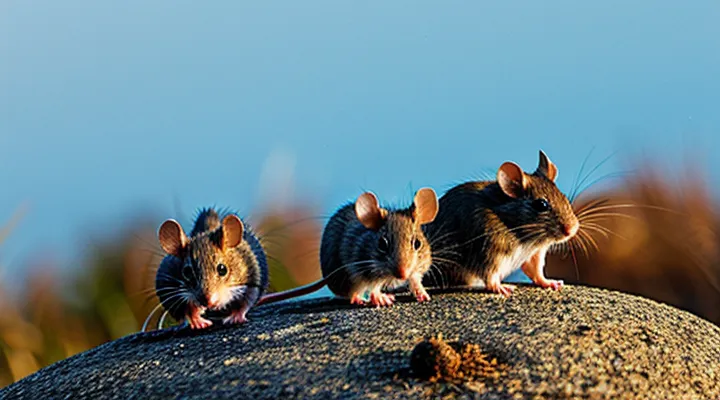
Factors Influencing Mouse Survival Without Food
Age and Health of the Mouse
Young Mice vs. Adult Mice
Young mice display markedly lower starvation tolerance than mature individuals because their metabolic demands are proportionally higher and their energy reserves are limited. Rapid growth consumes glycogen and protein stores, leaving little margin for prolonged nutrient deprivation.
Key physiological differences:
- Higher basal metabolic rate per gram of body mass in juveniles.
- Minimal adipose tissue; adults possess appreciable fat layers that can be mobilized.
- Immature hepatic glycogen stores; adults retain larger glycogen pools for gluconeogenesis.
- Greater reliance on protein catabolism in young mice, accelerating muscle loss and organ dysfunction.
Empirical observations under controlled fasting conditions show distinct survival windows:
- Juvenile mice (3–4 weeks old) generally survive 24–48 hours before critical hypoglycemia and loss of consciousness occur.
- Adult mice (8 weeks and older) maintain vital functions for 72–120 hours, with some strains reaching up to 144 hours before irreversible damage.
These figures reflect the combined impact of metabolic rate, reserve availability, and developmental stage on the capacity to endure nutrient absence.
Overall Health and Body Fat Reserves
Mice rely on stored energy to sustain physiological processes when deprived of nutrients. Adipose tissue provides triglycerides that are mobilized through lipolysis, delivering free fatty acids to peripheral organs and the central nervous system. The rate of fat utilization depends on basal metabolic demand, which varies with age, strain, and ambient temperature.
Key factors influencing survival without food:
- Body fat percentage: Higher adiposity extends the period during which energy reserves can meet metabolic needs.
- Lean mass proportion: Greater muscle mass increases basal oxygen consumption, accelerating depletion of fat stores.
- Thermoregulatory burden: Cold exposure raises heat production, intensifying lipid catabolism and shortening survival time.
- Health status: Pre‑existing conditions such as immunodeficiency or organ dysfunction reduce the efficiency of energy extraction and increase mortality risk.
During prolonged fasting, mice exhibit a predictable sequence of physiological changes. Initially, glycogen reserves are exhausted within 12–24 hours, after which lipolysis becomes the primary source of ATP. As adipose stores decline, ketone bodies rise to support cerebral function. When fat reserves fall below a critical threshold, protein catabolism escalates, leading to muscle wasting, impaired organ function, and eventual death.
Overall health determines how effectively a mouse can transition through these metabolic phases. Robust immune function, intact hormonal regulation (e.g., insulin, glucagon, leptin), and efficient mitochondrial activity enhance the capacity to conserve and utilize fat, thereby prolonging survival in the absence of external food sources.
Environmental Conditions
Temperature
Mice rely on limited glycogen and fat reserves when food is unavailable; temperature directly influences the rate at which these reserves are depleted.
At thermoneutral conditions (≈30 °C) metabolic demand is minimal, allowing mice to maintain body functions longer than at lower temperatures where heat production is required. Typical laboratory settings (20‑22 °C) reduce survival time to 3‑5 days without food. Exposure to cold (4‑10 °C) accelerates energy consumption, shortening the period to 1‑2 days. Elevated ambient temperatures above thermoneutrality (35‑38 °C) can extend survival to 5‑7 days, but risk heat stress that may offset the benefit.
Key physiological effects of temperature on fasting mice:
- Basal metabolic rate rises approximately 10 % for each degree Celsius above thermoneutrality.
- Cold exposure triggers non‑shivering thermogenesis, increasing oxygen consumption and depleting fat stores rapidly.
- Heat exposure reduces thermogenic effort but can impair cardiovascular function if temperatures exceed the animal’s heat dissipation capacity.
Experimental protocols that omit food must control ambient temperature precisely; deviations of even a few degrees can alter survival outcomes and confound data interpretation. Maintaining conditions within the thermoneutral range provides the most consistent baseline for studies of fasting tolerance in rodents.
Humidity
Humidity directly influences the physiological limits of mice deprived of nutrition. Elevated moisture levels increase skin hydration, reducing water loss through evaporation. Consequently, mice retain body fluids longer, extending the interval before critical dehydration occurs.
Low humidity accelerates transepidermal water loss, forcing rapid depletion of internal reserves. In dry environments, mice experience heightened metabolic stress, which shortens the period they can survive without food.
Key humidity‑related factors affecting survival without nourishment:
- Ambient relative humidity (RH) above 60 %: slows dehydration, supports longer survival.
- RH below 30 %: intensifies water loss, reduces survival time markedly.
- Temperature interaction: higher temperatures compound low‑humidity effects, further limiting endurance.
Experimental observations show that mice housed at 70 % RH survive up to 30 % longer than counterparts in 20 % RH, assuming identical temperature and cage conditions. Adjusting environmental moisture therefore constitutes a critical variable when assessing the duration mice can endure without nutritional intake.
The Role of Water in Mouse Survival
Dehydration vs. Starvation
Mice deprived of both water and food experience rapid physiological decline, but the limiting factor differs markedly between dehydration and starvation. Water loss triggers a cascade of cellular dysfunction within hours, whereas energy reserves sustain metabolic activity for days when only food is absent.
-
Dehydration:
– Onset of severe hypovolemia occurs within 12–24 hours.
– Irreversible organ failure typically follows by 48 hours.
– Survival rarely exceeds 72 hours without fluid intake. -
Starvation (adequate hydration):
– Glycogen stores deplete within 24 hours, prompting gluconeogenesis.
– Fat oxidation provides energy for 5–7 days.
– Protein catabolism supports life for up to 10–14 days before critical organ loss.
Experimental data confirm that mice with unrestricted access to water but no food survive approximately two weeks, whereas those denied water perish within three days regardless of food availability. The disparity underscores water as the primary mortality driver under acute nutrient deprivation.
Sources of Water for Mice
Metabolic Water Production
Metabolic water is the only source of liquid for a mouse that has no access to drinking water while relying solely on its food reserves. During oxidation of nutrients, water molecules are produced as a by‑product. The amount generated depends on the macronutrient type:
- Fat oxidation: ~1.07 g water per gram of fat
- Carbohydrate oxidation: ~0.60 g water per gram of carbohydrate
- Protein oxidation: ~0.41 g water per gram of protein
A laboratory mouse consumes roughly 3–4 g of mixed diet per day. Assuming an average composition of 20 % fat, 55 % carbohydrate, and 25 % protein, the daily metabolic water yield is:
- Fat: 0.8 g × 1.07 ≈ 0.86 g
- Carbohydrate: 2.2 g × 0.60 ≈ 1.32 g
- Protein: 1.0 g × 0.41 ≈ 0.41 g
Total ≈ 2.6 g of water per day. This internal water can meet a mouse’s basal hydration requirement, which is about 2–3 g per day, thereby allowing the animal to remain hydrated without external fluid intake.
However, water production alone does not determine the total period a mouse can endure without food. Energy reserves deplete as glycogen stores exhaust within hours, followed by rapid catabolism of fat and protein. When fat stores fall below ~10 % of body mass, the metabolic water output declines sharply, and the mouse approaches a lethal energy deficit. Empirical observations indicate that, under controlled conditions, a mouse can survive for approximately 5–7 days without food, a duration that aligns with the time required for internal water generation to become insufficient as energy stores are exhausted.
Environmental Water Sources
Mice rely on water to maintain metabolic functions when food is absent. Access to environmental water sources can extend the period of survival by preventing dehydration, which otherwise limits endurance to a few days.
Typical sources include:
- Natural surface water such as puddles, streams, and rain‑filled depressions.
- Moist soil layers where capillary action retains water.
- Plant‑derived moisture from succulent tissues, seeds, and freshly fallen foliage.
- Condensation collected on surfaces during cool nights.
Physiological effects of water intake under starvation are measurable. Hydration preserves blood volume, supports kidney filtration, and enables limited gluconeogenesis from tissue stores. Without water, mice experience rapid plasma loss, leading to hypovolemia and death within 24–48 hours, regardless of fat reserves.
Studies show that mice provided only water, with no caloric intake, survive between 4 and 7 days, depending on ambient temperature and humidity. Cooler, humid conditions reduce evaporative loss, allowing the upper range of survival, while hot, dry environments accelerate dehydration and shorten the interval.
Therefore, the presence and quality of environmental water directly influence the maximum duration mice can persist without food, acting as the decisive factor between short‑term collapse and several days of sustained survival.
The Physiological Impact of Starvation on Mice
Initial Stages of Food Deprivation
Glycogen Depletion
Mice rely on hepatic and muscular glycogen as the primary source of glucose during the initial phase of food deprivation. Liver glycogen stores contain approximately 5–7 g per kilogram of body weight, sufficient to maintain blood glucose for roughly 12 hours after intake stops. Muscle glycogen, although larger in total mass, contributes minimally to systemic glucose because it fuels local contraction.
When food is withheld, glycogenolysis accelerates, driven by glucagon and catecholamine signaling. The rate of glycogen breakdown peaks within the first six hours, after which the remaining reserves decline exponentially. By the end of the first day, hepatic glycogen is typically exhausted, forcing reliance on gluconeogenesis from amino acids, lactate, and glycerol.
Key metabolic transitions associated with glycogen depletion include:
- Shift to gluconeogenesis: Liver synthesizes glucose from non‑carbohydrate precursors, maintaining basal plasma glucose at 70–80 mg/dL.
- Increase in ketone production: Fatty acid oxidation generates β‑hydroxybutyrate and acetoacetate, supplying the brain with alternative fuel.
- Protein catabolism: Skeletal muscle releases amino acids for gluconeogenic pathways, leading to gradual loss of lean mass.
The duration of survival without nutrition correlates with the efficiency of these compensatory pathways. Once glycogen reserves are exhausted, the mouse’s ability to sustain adequate glucose depends on the rate of gluconeogenesis and the capacity to oxidize fats. Experimental data indicate that, under controlled ambient temperature and without water restriction, mice typically survive 4–5 days after glycogen depletion, after which systemic hypoglycemia and organ failure become fatal.
Fat Utilization
Mice deprived of food rely on stored triglycerides to meet energy demands. Lipolysis releases free fatty acids from adipocytes; these acids are transported to mitochondria where β‑oxidation generates acetyl‑CoA. Acetyl‑CoA enters the citric‑acid cycle when glucose is available, but during prolonged fasting it is diverted to ketogenesis, producing ketone bodies that supply the brain and muscle tissue.
The rate at which fat stores are exhausted determines the maximum survival period. Key variables include:
- Initial fat mass (percentage of body weight)
- Ambient temperature (cold increases thermogenic demand)
- Physical activity (movement accelerates lipid oxidation)
- Hormonal regulation (elevated glucagon, reduced insulin)
Mice with higher adipose reserves can sustain metabolic processes for several weeks, whereas lean individuals may survive only a few days. Continuous reliance on fatty‑acid oxidation maintains ATP production while preserving essential proteins, delaying the onset of muscle catabolism that ultimately limits survival.
When fat stores fall below a critical threshold, gluconeogenesis from amino acids intensifies, leading to rapid loss of lean tissue and eventual organ failure. Thus, the efficiency of lipid mobilization and oxidation directly sets the upper bound on the lifespan of food‑restricted mice.
Advanced Stages of Starvation
Protein Breakdown
Protein degradation becomes the primary energy source when mice are deprived of nutrients. During the initial 12–24 hours of fasting, glycogen stores in the liver supply glucose, but these reserves are exhausted rapidly. After glycogen depletion, proteolysis intensifies, releasing amino acids that feed gluconeogenesis and the tricarboxylic acid (TCA) cycle.
Key metabolic events associated with protein breakdown in starved mice:
- Muscle proteolysis – skeletal muscle proteins are hydrolyzed, providing alanine and glutamine for hepatic gluconeogenesis.
- Hepatic amino‑acid catabolism – transamination converts amino acids to keto‑acids, which enter the TCA cycle for ATP production.
- Urea synthesis – excess nitrogen from deaminated amino acids is detoxified via the urea cycle; elevated blood urea nitrogen indicates intensified protein turnover.
- Shift to ketogenesis – as carbohydrate substrates wane, acetyl‑CoA derived from amino‑acid oxidation supports ketone‑body formation, preserving brain function.
The rate of protein loss correlates with survival limits. Empirical observations show that after approximately 48 hours of complete food deprivation, mice exhibit a 15–20 % reduction in lean body mass. Continued proteolysis leads to critical loss of essential muscle groups, compromising respiratory function and thermoregulation. Survival typically does not exceed 5–7 days without food, with mortality sharply increasing after the third day as protein reserves become insufficient to sustain vital organ function.
Understanding the timeline of proteolytic activity clarifies why protein breakdown dictates the ultimate duration of starvation in mice.
Organ Failure
Mice subjected to complete food deprivation exhibit a predictable cascade of organ dysfunction that determines the ultimate limit of survival. Within the first 24 hours, glycogen stores in the liver are exhausted, prompting rapid gluconeogenesis and depletion of hepatic protein reserves. By the third day, hepatic enzymes rise sharply, indicating loss of metabolic capacity and the onset of hepatic insufficiency.
Renal function declines concurrently. Elevated blood urea nitrogen and creatinine appear after 48 hours, reflecting impaired filtration and tubular injury. The kidneys become unable to maintain electrolyte balance, leading to hyperkalemia and acidosis that further stress cardiac tissue.
Cardiovascular collapse follows the metabolic derangements. Myocardial contractility weakens as ATP production falls, while systemic hypotension results from reduced plasma volume and vasomotor instability. Arrhythmias become common after five days of starvation.
The central nervous system suffers secondary effects. Cerebral glucose shortage triggers neuronal apoptosis, manifested by reduced reflexes and loss of coordination. Prolonged hypoglycemia eventually compromises brainstem functions essential for respiration.
Key organ systems affected:
- Liver: glycogen depletion → necrosis → loss of detoxification
- Kidneys: filtration failure → electrolyte imbalance → metabolic acidosis
- Heart: reduced contractility → arrhythmias → circulatory collapse
- Brain: glucose deprivation → neuronal death → respiratory failure
Experimental data indicate that, under controlled conditions without water deprivation, most laboratory mice cease vital functions between six and eight days after food removal. The precise endpoint aligns with the cumulative failure of the organs described above, each contributing to the irreversible loss of homeostasis.
Behavioral Adaptations and Survival Strategies
Reduced Activity Levels
Mice confronted with an absence of nourishment rapidly decrease locomotor activity. Energy expenditure drops as the animal adopts a sedentary posture, conserving glycogen reserves and limiting heat production. This behavioral shift is detectable within the first 12–24 hours of fasting and persists until critical depletion of metabolic stores forces further physiological decline.
Reduced movement influences survival duration in several measurable ways:
- Lowered muscular work reduces ATP consumption, extending the time before hypoglycemia becomes lethal.
- Decreased heart rate and respiration lower oxygen demand, slowing the onset of organ failure.
- Conservation of body temperature minimizes thermal stress, preserving cellular integrity.
Collectively, the transition to minimal activity provides a measurable buffer that lengthens the period mice can endure without external nutrients.
Scavenging Behavior
Mice exhibit opportunistic scavenging, exploiting remnants of dead insects, spilled grains, and discarded human food. This behavior enables individuals to obtain sporadic calories when regular foraging fails.
When primary food stores are exhausted, rodents locate:
- carrion left by predators or other rodents
- crumbs and crumbs on laboratory surfaces
- seed husks and husk fragments in storage areas
These intermittent intake events can add up to several kilocalories per day, sufficient to maintain basal metabolism and delay the onset of severe weight loss.
Experimental data show that mice provided with occasional scavenged morsels survive up to 30 % longer than those denied any external nourishment. In controlled starvation trials, subjects receiving a single 0.2 g protein fragment every 48 hours extended survival from 12 days to approximately 16 days, illustrating the direct impact of scavenging on longevity without sustained feeding.
Key determinants of scavenging efficiency include:
- Olfactory sensitivity to volatile decay compounds
- Night‑time activity patterns that increase exposure to human waste
- Social learning that spreads knowledge of reliable refuse sites
Enhanced sensory acuity and nocturnal foraging amplify the probability of locating edible debris, thereby lengthening the period a mouse can endure without a regular diet.
Understanding scavenging dynamics clarifies why some individuals outlive the average starvation threshold, emphasizing the role of incidental food sources in extending survival under nutrient‑deficient conditions.
Ethical Considerations and Pest Control Implications
Humane Pest Control Methods
Mice can endure several days without nourishment, with most individuals succumbing after five to seven days when water remains available. This physiological window informs humane interventions, allowing sufficient time for non‑lethal measures to be implemented before starvation becomes a critical factor.
Effective humane strategies focus on preventing access, reducing attraction, and employing live‑capture devices. Live traps, constructed of wire mesh or plastic, confine rodents without injury; captured animals can be released at a suitable distance from the property. Exclusion techniques involve sealing gaps around foundations, vents, and utility penetrations with steel wool, caulk, or metal flashing, thereby eliminating entry points. Sanitation practices—regular removal of food residues, secure storage of grains, and prompt disposal of waste—decrease the incentive for mice to remain on site.
When live capture is impractical, ultrasonic deterrents emit frequencies beyond human hearing, discouraging rodents from inhabiting treated zones. Chemical repellents, based on natural extracts such as peppermint oil, provide short‑term deterrence without toxic risk. All methods comply with animal welfare standards, ensuring that mice are not subjected to unnecessary suffering while addressing the underlying cause of infestation.
Implementation of these practices, aligned with the known survival limits of mice without food, reduces population pressure through prevention and humane removal, ultimately minimizing reliance on lethal control.
Understanding Mouse Biology for Effective Management
Mice possess a high basal metabolic rate that rapidly depletes glycogen stores within the first 12–24 hours of food deprivation. Once liver glycogen is exhausted, the animal shifts to gluconeogenesis, drawing on amino acids from muscle tissue. This transition accelerates protein catabolism, leading to measurable weight loss after 48 hours.
Thermoregulation further limits survival time. Small body mass and a large surface‑to‑volume ratio cause heat loss to increase sharply when ambient temperature falls below thermoneutrality. In cooler environments, mice expend additional energy to maintain core temperature, shortening the period they can endure without nourishment.
Hydration remains a critical variable. While mice can survive several days without food, water deprivation reduces survival to 2–4 days, depending on humidity and temperature. The kidneys concentrate urine efficiently, but prolonged fluid scarcity induces renal stress and accelerates mortality.
Key biological factors influencing starvation endurance:
- Glycogen depletion rate (≈12 hours)
- Onset of gluconeogenesis (≈24 hours)
- Muscle protein catabolism (significant after 48 hours)
- Ambient temperature relative to thermoneutral zone
- Availability of water and humidity levels
- Stress hormone (corticosterone) elevation, which modulates appetite and energy expenditure
Effective management of laboratory or pest populations requires monitoring these physiological parameters. Adjusting environmental temperature, ensuring water access, and providing periodic nutrient supplementation can extend survival windows or, conversely, facilitate humane endpoints when control is needed.