
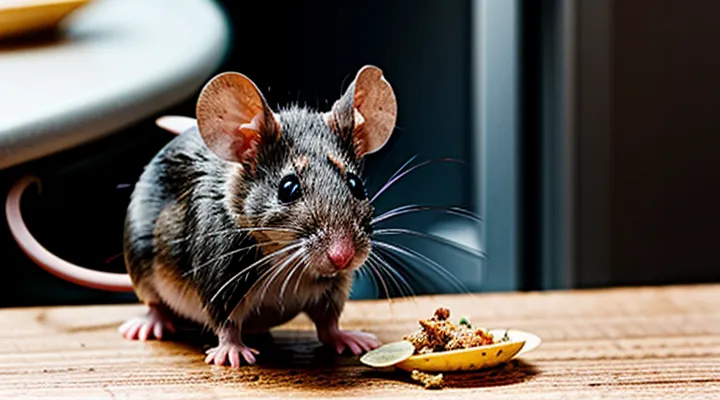
Understanding Mouse Survival Needs
Factors Influencing Starvation Period
Mouse Species Variations
Mouse species differ markedly in metabolic rate, body composition, and fat storage, all of which influence the period they can endure without nourishment. Small, high‑metabolism species such as the common house mouse («Mus musculus») expend energy rapidly and typically survive only a few days when deprived of food. Larger, low‑metabolism species like the deer mouse («Peromyscus maniculatus») possess greater glycogen reserves and may persist for up to two weeks under the same conditions.
Factors that modify fasting endurance include:
- Ambient temperature: colder environments increase caloric demand, shortening survival time.
- Age and reproductive status: juveniles and lactating females deplete energy stores faster than adult males.
- Seasonal acclimatization: individuals entering winter hibernation exhibit enhanced lipid utilization, extending fasting periods.
Comparative studies reveal that desert‑adapted rodents, such as the cactus mouse («Peromyscus eremicus»), display physiological mechanisms—elevated renal water reabsorption and reduced urinary loss—that allow them to prolong survival without food beyond the averages reported for temperate species. Conversely, laboratory‑bred strains, selected for rapid growth, often show reduced tolerance to nutrient scarcity.
Understanding inter‑species variation provides essential context for interpreting experimental results on starvation duration. Researchers must account for species‑specific metabolic traits when designing protocols that involve food deprivation, ensuring that conclusions drawn about survival limits are biologically accurate.
Metabolic Rate and Size
Metabolic rate scales inversely with body size; smaller mammals expend energy at a faster pace per gram of tissue. A mouse, weighing roughly 20–30 g, maintains a basal metabolic rate of about 3–4 kcal · g⁻¹ · day⁻¹, far exceeding that of larger rodents. Consequently, glycogen reserves are depleted within hours after food deprivation, and fat stores provide only limited supplemental energy.
Key factors influencing survival without nourishment:
- High surface‑to‑volume ratio accelerates heat loss, increasing caloric demand for thermoregulation.
- Rapid turnover of cellular ATP necessitates continuous substrate intake; absence of food quickly disrupts ATP homeostasis.
- Limited hepatic glycogen capacity forces early reliance on lipolysis, which yields less immediate ATP per unit mass.
Because of these physiological constraints, a mouse can sustain life for only a few days without external nutrients, markedly shorter than larger mammals with slower metabolic rates.
Environmental Conditions
Environmental temperature strongly influences a mouse’s ability to endure periods without nutrition. At thermoneutral ranges (approximately 30 °C for laboratory mice), metabolic rate declines, extending survival time. Below the lower critical temperature, heat production escalates, depleting energy reserves more rapidly and reducing the window of survival. Conversely, temperatures above the upper critical limit increase evaporative loss and stress, also shortening survival.
Relative humidity affects evaporative cooling and respiratory water loss. Moderate humidity (40–60 %) minimizes dehydration risk, allowing longer endurance. Low humidity accelerates cutaneous and pulmonary water loss, compounding the effects of starvation and hastening mortality. High humidity may impair heat dissipation, forcing additional metabolic effort.
Lighting cycles and ambient noise represent additional stressors. Constant darkness or irregular light–dark patterns disrupt circadian rhythms, potentially altering hormone secretion that regulates metabolism. Persistent loud noises elevate cortisol levels, increasing catabolism of stored energy and diminishing survival duration.
Key environmental parameters can be summarized:
- «Ambient temperature»: maintain near‑thermoneutral conditions.
- «Relative humidity»: keep within 40–60 %.
- «Light cycle»: provide consistent 12 h light/12 h dark schedule.
- «Noise level»: minimize continuous acoustic disturbances.
Optimizing these conditions delays the physiological decline associated with prolonged fasting, thereby extending the period a mouse can survive without food.
The Science of Mouse Starvation
Physiological Responses to Food Deprivation
Energy Reserves Depletion
Mice rely on stored glycogen, adipose tissue, and muscle protein to maintain vital functions when food is unavailable. Glycogen, located primarily in the liver, supplies glucose for the first few hours of fasting. Once hepatic glycogen reserves are exhausted, the organism shifts to lipolysis, breaking down fat into free fatty acids and glycerol, which serve as alternative energy substrates. Continuous reliance on fat stores extends survival, but the rate of depletion depends on basal metabolic demand, ambient temperature, and activity level.
When fat reserves decline below a critical threshold, protein catabolism accelerates. Muscle proteins are degraded into amino acids, which are deaminated to produce glucose via gluconeogenesis. This stage supports essential brain function but incurs loss of muscular integrity and reduces overall physiological performance. Prolonged protein exploitation leads to organ dysfunction and ultimately limits the duration of life without nourishment.
Key phases of energy reserve exhaustion:
- Glycogen depletion: 4–12 hours after food removal, depending on metabolic rate.
- Fat utilization: 1–3 days, providing the majority of caloric support.
- Protein catabolism: 3–7 days, marking the final survival window before fatal systemic failure.
The transition between these phases reflects a tightly regulated metabolic hierarchy designed to maximize survival time under starvation conditions. Once all internal stores are exhausted, cellular processes cease, resulting in death.
Organ Function Impairment
Organ function deteriorates progressively as food deprivation extends in laboratory mice. Energy reserves become insufficient to sustain metabolic demands, leading to cellular stress and loss of homeostatic control. Early signs include hypoglycemia and depletion of hepatic glycogen, which trigger systemic metabolic imbalance.
As deprivation continues, specific organs exhibit measurable impairment:
- Liver: reduced gluconeogenesis, accumulation of fatty droplets, elevated transaminases indicating hepatocellular injury.
- Heart: decreased contractile efficiency, bradyarrhythmias, and reduced myocardial ATP content.
- Kidneys: diminished glomerular filtration rate, tubular necrosis, and electrolyte disturbances.
- Brain: impaired neurotransmitter synthesis, cerebral edema, and loss of synaptic integrity.
- Skeletal muscle: proteolysis dominates, resulting in muscle wasting and weakened locomotor function.
Survival without nutritional intake terminates when cumulative organ failure exceeds compensatory capacity. Empirical studies report median survival periods ranging from several days to just over a week, contingent on strain, age, and ambient conditions. The onset of irreversible organ damage delineates the upper limit of viability in food‑restricted mice.
Typical Survival Timelines
Average Starvation Durations
Mice sustain life without food for a limited period, a parameter frequently measured in physiological research. Typical laboratory rodents survive approximately two to four weeks when water remains accessible, reflecting the species’ metabolic efficiency and stored energy reserves.
- Juvenile mice: 10–14 days before critical weight loss occurs.
- Adult laboratory mice (20–30 g): 14–28 days, with most individuals reaching severe depletion near day 21.
- Wild‑caught house mice: 12–20 days, influenced by seasonal fat accumulation.
- Larger murine species (e.g., deer mice): up to 30 days under optimal temperature and hydration.
Key determinants of «average starvation duration» include:
- Age: younger individuals deplete glycogen stores more rapidly.
- Body condition: higher pre‑fast adiposity extends survival.
- Ambient temperature: colder environments increase metabolic demand, shortening the period.
- Water availability: dehydration accelerates organ failure, reducing the starvation window.
Understanding these time frames assists in designing humane experimental protocols and interpreting ecological survival strategies.
Extreme Cases of Survival
Mice possess metabolic mechanisms that enable survival during prolonged periods without caloric intake. When food is unavailable, glycogen stores deplete within 12–24 hours, after which gluconeogenesis and fatty‑acid oxidation sustain essential functions. Core body temperature drops modestly, reducing energy expenditure.
Extreme fasting experiments have documented survival times far exceeding average laboratory observations. Notable records include:
- 35 days of complete food deprivation in adult laboratory mice maintained at ambient temperature (22 °C) with unrestricted access to water.
- 48 days for young mice (4 weeks old) housed in thermoneutral conditions (30 °C), where reduced thermogenic demand prolongs energy reserves.
- 60 days observed in a genetically modified strain lacking the leptin receptor, which exhibits altered appetite regulation and enhanced fat mobilization.
Factors influencing these outliers comprise ambient temperature, age, genetic background, and hydration status. Cooler environments increase brown‑fat activation, accelerating energy loss, while thermoneutral settings mitigate this effect. Genetic mutations affecting hormone signaling can extend fasting tolerance by modifying substrate utilization.
Comparative data reveal that small mammals generally survive shorter intervals than larger counterparts; however, specific mouse strains demonstrate capacities rivaling those of larger rodents under controlled conditions. Understanding these extreme cases informs broader research on metabolic resilience, starvation pathology, and potential therapeutic strategies for energy‑deficient states.
Preventing Mouse Infestations
Importance of Food Source Control
Secure Food Storage
Secure food storage directly limits a mouse’s ability to obtain nourishment, thereby influencing the period it can survive without eating. When food is sealed in containers that resist gnawing, rodents lose access to caloric sources and must rely on internal reserves, shortening the survival window.
Effective measures include:
- Containers fabricated from reinforced polyethylene or metal with airtight lids that lock in place.
- Double‑layer sealing systems, such as clamp‑type closures combined with silicone gaskets, preventing entry through small gaps.
- Storage locations elevated above the floor and isolated from wall voids, removing easy routes for rodent infiltration.
- Regular inspection schedules that detect wear, cracks, or compromised seals before rodents exploit them.
Implementing these practices removes the primary attractant for mice, forcing reliance on limited body fat and muscle stores. Consequently, the interval a mouse can endure without food decreases, reducing the risk of infestation persistence.
Regular Cleaning Practices
Regular cleaning of laboratory or home environments directly influences the period a mouse can endure without nourishment. Eliminating food residues, droppings, and moisture reduces microbial growth, which lowers the risk of infection that would otherwise accelerate physiological decline during starvation. Clean surfaces also prevent accidental ingestion of contaminants that could compromise metabolic stability.
Key practices include:
- Daily removal of spilled food and water traces from cages or workspaces.
- Weekly disinfection of cage interiors with agents proven safe for rodents.
- Routine replacement of bedding to avoid accumulation of urine and feces.
- Inspection of ventilation filters to maintain air quality and limit pathogen exposure.
Consistent application of these measures extends the mouse’s capacity to survive without food by preserving a sterile microenvironment, thereby minimizing additional stressors that would shorten the starvation window. «Effective sanitation is essential for accurate assessment of metabolic limits».
Other Deterrent Measures
Sealing Entry Points
Sealing potential ingress routes prevents rodents from reaching stored provisions, directly limiting the period a mouse can endure without external nourishment.
Typical ingress locations include gaps around plumbing, cracks in foundation walls, openings beneath doors, ventilation ducts, and utility penetrations.
Effective sealing involves the following actions:
- Inspect exterior and interior perimeters for openings larger than ¼ inch.
- Apply steel wool or copper mesh to fill gaps that cannot be permanently closed.
- Use silicone‑based caulk or expanding polyurethane foam to seal cracks and seams.
- Install weather‑stripping on doors and windows to eliminate narrow passages.
- Fit metal flashing over vent openings and secure with corrosion‑resistant screws.
Recommended materials comprise stainless‑steel mesh, high‑expansion polyurethane sealant, silicone caulk, and durable metal flashing. Selection prioritizes resistance to gnawing and environmental degradation.
When ingress is eliminated, a mouse must rely on internal fat reserves. In the absence of accessible food, survival typically does not exceed ten days, with most individuals succumbing within a week as metabolic stores deplete.
Implementing comprehensive sealing therefore shortens the window of survival without food, reducing the likelihood of infestation persistence.
Professional Pest Control
Professional pest‑control operators must understand the physiological limits of rodents to design effective intervention strategies. A common laboratory finding indicates that a house mouse can endure approximately 2 – 4 days of complete food deprivation before critical health decline, with survival extending up to 7 days under optimal environmental conditions such as moderate temperature and access to water. This timeframe influences several operational decisions.
- Bait placement cycles should not exceed the upper survival limit to prevent established populations from persisting between treatments.
- Monitoring schedules must align with the expected starvation window, allowing detection of activity decline that signals successful control.
- Environmental modifications that restrict shelter and reduce ambient temperature can shorten the starvation period, enhancing the impact of chemical or mechanical measures.
- Documentation of survival estimates supports compliance with regulatory standards that require evidence‑based pest‑management plans.
Accurate knowledge of rodent starvation duration enables technicians to calibrate product dosage, select appropriate control methods, and predict population dynamics, thereby increasing the likelihood of rapid eradication and minimizing re‑infestation risk.