
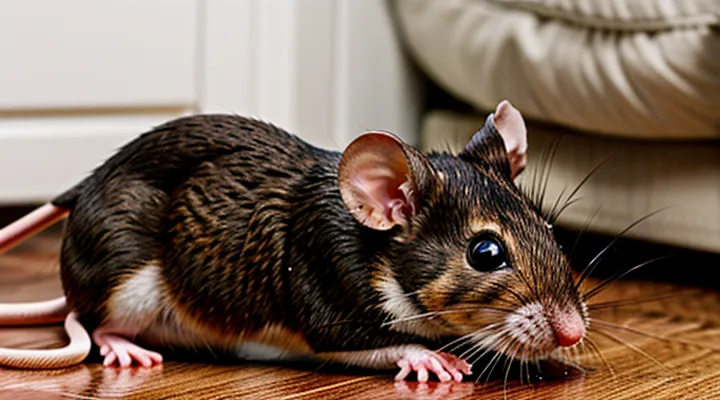
Understanding the Odor of a Deceased Mouse
What Causes the Foul Smell?
Decomposition Process and Gases
A dead mouse begins to break down immediately after death, releasing volatile compounds that generate the characteristic odor. The breakdown follows a predictable sequence:
- Fresh stage (0‑12 h): tissues soften, initial bacterial activity starts.
- Bloat stage (12‑48 h): anaerobic bacteria proliferate, gases accumulate, abdomen expands.
- Active decay (48‑96 h): rapid tissue liquefaction, peak gas emission.
- Advanced decay (4‑7 days): most soft tissue consumed, gas production declines.
- Dry/remains (>7 days): only hair, bone, and dried skin persist; residual odor may linger.
The gases responsible for the smell include:
- Putrescine and cadaverine: diamines produced by protein breakdown; emit strong, foul odor.
- Hydrogen sulfide: generated from sulfur‑containing amino acids; adds a rotten‑egg scent.
- Ammonia: released from nitrogenous waste; contributes a sharp, pungent note.
- Methane and carbon dioxide: by‑products of anaerobic fermentation; largely odorless but aid in dispersing odorous compounds.
- Short‑chain fatty acids (e.g., butyric acid): add a sour, rancid nuance.
Gas production reaches its maximum during the bloat and active decay phases, typically within the first two days. After this period, emission rates drop sharply, but trace amounts may persist for several weeks in enclosed spaces.
Persistence depends on environmental conditions:
- Temperature: higher temperatures accelerate bacterial metabolism, shortening the peak odor window.
- Humidity: moisture supports bacterial growth, enhancing gas generation.
- Ventilation: airflow removes volatile compounds, reducing concentration.
- Absorptive substrates: carpets, insulation, or wood can retain gases, prolonging the smell.
Effective mitigation focuses on eliminating the source and dispersing the gases. Immediate removal of the carcass, thorough cleaning of contaminated surfaces, and enhanced ventilation are essential. Enzymatic cleaners break down residual proteins, while activated charcoal or ozone generators adsorb or oxidize lingering volatile molecules.
Bacterial Activity and Byproducts
Bacterial colonization begins within minutes after death, converting tissue proteins into lower‑molecular compounds. Initial colonizers, such as Proteus and Pseudomonas species, release enzymes that break down amino acids, producing ammonia, sulfides, and short‑chain fatty acids. These metabolites generate the characteristic foul smell.
The activity peaks between 24 and 72 hours, when bacterial populations reach maximum density. After this period, metabolic rates decline as nutrients are exhausted, yet residual byproducts persist in surrounding materials for weeks. Moist environments accelerate both bacterial growth and odor intensity.
Key odor‑producing byproducts include:
- Ammonia (NH₃) – sharp, pungent scent
- Hydrogen sulfide (H₂S) – rotten‑egg odor
- Trimethylamine (TMA) – fishy aroma
- Cadaverine and putrescine – foul, decaying smell
Effective removal targets both the microorganisms and their volatile compounds. Recommended actions:
- Remove the carcass and any contaminated debris promptly.
- Disinfect the area with a solution containing at least 5 % hydrogen peroxide or a commercial enzymatic cleaner; these agents degrade organic residues and inhibit bacterial enzymes.
- Apply an odor‑neutralizing agent such as activated charcoal, zeolite, or a commercial odor‑absorber to absorb volatile molecules.
- Increase ventilation and reduce humidity to suppress further bacterial activity; dehumidifiers and fans are useful tools.
- Repeat cleaning after 48 hours to ensure residual byproducts are eliminated.
By eliminating bacterial sources and absorbing or chemically neutralizing the volatile byproducts, the lingering smell from a dead rodent can be reduced to undetectable levels within a few days.
Factors Influencing Odor Persistence
Size of the Mouse
The typical house mouse measures roughly 7–10 cm in body length, with a tail adding another 5–10 cm. Adult weight ranges from 15 to 30 g, and the animal’s surface area is about 0.03 m². These dimensions determine the amount of tissue that decomposes and the volume of volatile compounds released.
Smaller mice contain less organic material, resulting in a lower concentration of odor‑producing chemicals. Consequently, the scent diminishes more quickly than in larger rodents. Larger specimens generate a greater quantity of putrescine, cadaverine, and other amines, prolonging the detectable odor and increasing the effort required for elimination.
Key effects of mouse size on odor persistence and remediation:
- Odor intensity: Directly proportional to tissue mass; larger bodies emit stronger, longer‑lasting smells.
- Decomposition rate: Smaller bodies decompose faster due to higher surface‑to‑volume ratio, accelerating microbial activity.
- Cleaning workload: Larger carcasses demand more extensive cleaning, including multiple rounds of enzymatic cleaners and thorough ventilation.
- Absorption capacity: Porous materials (carpet, upholstery) retain more odor when exposed to greater quantities of decay products from larger mice.
Understanding these size‑related factors allows targeted strategies: for diminutive mice, standard ventilation and a single application of enzymatic cleaner often suffice; for larger specimens, repeated treatment, deep‑cleaning of absorbent surfaces, and extended air circulation are advisable.
Location and Ventilation
The place where a mouse carcass is found determines how quickly the smell spreads. In confined spaces—such as closets, cabinets, or wall cavities—air circulation is limited, so volatile compounds accumulate and linger for weeks. Open rooms with high ceilings allow odors to disperse more rapidly, reducing the duration of detectable scent.
Effective airflow accelerates odor elimination. Continuous fresh‑air exchange dilutes foul compounds and carries them out of the area. When natural ventilation is insufficient, mechanical solutions become necessary.
- Open windows and doors to create cross‑drafts.
- Install or run an exhaust fan near the source.
- Use a portable air purifier equipped with a HEPA filter and activated carbon.
- Position a box fan to push stale air toward an open exit.
If the dead mouse was hidden behind insulation or inside a sealed wall, remove the material or create a small opening to permit air movement. After extraction, clean the affected surface with an enzymatic cleaner; the cleaner breaks down residual organic particles, preventing re‑emission of odor.
In summary, the combination of a well‑ventilated environment and prompt removal of the source shortens the persistence of mouse‑related smells from months to a few days.
Temperature and Humidity
Temperature accelerates the breakdown of organic material, shortening the period during which a dead mouse smell remains detectable. Higher ambient heat increases microbial activity and volatilization of odor‑producing compounds, causing the scent to dissipate more quickly. Conversely, low temperatures slow decomposition, extending the odor’s presence for weeks or months.
Humidity influences the same processes by affecting moisture content in the surrounding environment. Elevated relative humidity maintains a moist substrate for bacteria and fungi, promoting faster degradation of tissue and rapid release of odor molecules. In dry conditions, moisture evaporates, limiting microbial growth and preserving the odor for a longer duration.
Effective odor control therefore relies on manipulating these two factors:
- Raise indoor temperature to 70‑75 °F (21‑24 °C) for at least 24 hours, using portable heaters if necessary.
- Increase relative humidity to 50‑60 % with a humidifier; monitor with a hygrometer to avoid excess condensation.
- After the environment is warmed and humidified, clean the affected area with enzymatic cleaners that break down odor compounds.
- Ventilate the space continuously with fans or open windows to disperse volatile substances.
- If temperature and humidity cannot be adjusted, apply ozone generators or activated‑carbon filters, recognizing that these methods address the odor but do not accelerate decomposition.
Monitoring both temperature and humidity during remediation provides a measurable framework for predicting how long the smell will linger and for confirming that conditions are optimal for its removal.
Materials Absorbing the Odor
Materials that effectively capture the scent of a deceased rodent include a range of absorbents, neutralizers, and enzymatic agents. Their performance depends on porosity, chemical reactivity, and the ability to bind volatile organic compounds (VOCs) released during decomposition.
- Activated charcoal – highly porous carbon structure adsorbs a broad spectrum of odor molecules. Place granules in open containers near the source; replace every 48 hours for sustained efficacy.
- Baking soda (sodium bicarbonate) – alkaline powder neutralizes acidic odorants. Sprinkle on carpets, upholstery, or in trash cans; allow 24 hours before vacuuming.
- Zeolite crystals – microporous aluminosilicate traps gases through ion exchange. Distribute loose crystals in confined spaces; they retain capacity for up to a week before regeneration is required.
- White vinegar – acetic acid reacts with ammonia and other basic compounds, reducing their volatility. Apply undiluted on cloths, wipe affected surfaces, and allow to air dry.
- Hydrogen peroxide (3 %) – oxidizes odor-causing molecules. Spray lightly on hard surfaces; immediate deodorizing effect, but avoid prolonged contact with fabrics.
- Enzyme-based cleaners – contain proteases and lipases that break down proteinaceous residues. Follow manufacturer directions for dilution; typically effective after a single application with a 30‑minute dwell time.
- Commercial odor absorbers – products formulated with a blend of the above agents plus fragrance-masking compounds. Use as directed, usually in sealed sachets placed in cabinets, closets, or under flooring.
Selection should consider material compatibility, exposure duration, and environmental safety. Combining two or more agents—such as activated charcoal with enzyme cleaner—accelerates odor reduction and shortens the period the smell remains detectable.
Locating the Source of the Odor
Common Hiding Spots
Walls and Ceilings
A dead mouse embedded in wall cavities or ceiling spaces releases volatile compounds that can linger for weeks to months, depending on temperature, humidity, and ventilation. Warm, damp environments accelerate bacterial breakdown, extending the odor’s presence. In sealed drywall or insulated ceilings, the scent may persist longer because airflow is limited, allowing the decay gases to accumulate within the material.
Effective elimination involves three steps:
- Locate and extract the source: cut a small access panel in the affected wall or ceiling, remove the carcass, and dispose of it securely.
- Clean and neutralize: apply an enzymatic cleaner or a solution of diluted hydrogen peroxide (3 %) to the contaminated area; allow it to penetrate the porous surface for at least 15 minutes before wiping.
- Deodorize and ventilate: place activated charcoal or baking soda in the room, run a high‑efficiency fan to circulate fresh air for several hours, and, if necessary, repaint with a sealant primer that blocks residual odors.
Repeated treatment may be required for heavily saturated drywall. In cases where the smell remains after thorough cleaning, replace the affected panels to ensure complete eradication.
Attics and Crawl Spaces
Dead rodents in attics and crawl spaces generate a strong, lingering odor that can persist for weeks to months, depending on environmental conditions. Warm, humid environments accelerate bacterial growth and odor diffusion, while cool, dry spaces slow the process. Porous materials such as insulation, wood, and drywall absorb the scent, extending its presence even after the carcass is removed.
Effective odor elimination follows a systematic approach:
- Locate and remove the carcass promptly; use protective gloves and a mask.
- Extract contaminated insulation or drywall sections; discard in sealed bags.
- Clean all surfaces with an enzymatic cleaner designed for organic stains; allow sufficient contact time.
- Apply a deodorizing agent, such as activated charcoal or a commercial odor neutralizer, to remaining porous materials.
- Increase ventilation by installing exhaust fans or opening access points; maintain airflow for several days.
- Monitor humidity levels; keep relative humidity below 50 % to inhibit microbial activity.
Prevention relies on sealing entry points, installing rodent-proof barriers, and regularly inspecting the space for signs of activity. Routine maintenance, including trap placement and periodic cleaning, reduces the likelihood of future infestations and associated odors.
Appliances and Furniture
Dead rodents can leave a potent smell that penetrates kitchen appliances, living‑room furniture, and other household items. The odor is produced by bacterial decomposition and can cling to porous surfaces, upholstery, and internal cavities for weeks if left untreated.
In appliances such as refrigerators, ovens, and microwaves, the scent may linger in crevices, door seals, and ventilation ducts. Thorough disassembly, followed by a wash with a solution of warm water and mild detergent, removes most residues. For hard‑to‑reach areas, soak a cloth in a mixture of equal parts white vinegar and water, then wipe and allow to air dry. After cleaning, run the appliance on a high‑heat setting (e.g., 200 °F for 30 minutes) to evaporate remaining moisture and volatile compounds.
Furniture absorbs the odor through fabric, foam, and wood grain. Immediate actions include:
- Vacuuming with a HEPA filter to extract debris.
- Sprinkling baking soda on upholstery, leaving it for several hours, then vacuuming.
- Applying an enzymatic cleaner specifically formulated for organic stains; follow the product’s contact time.
- For wooden pieces, wipe with a solution of 1 part vinegar to 3 parts water, then polish with a non‑oil wood finish to seal pores.
If the smell persists beyond a month despite these measures, professional ozone treatment or replacement of heavily contaminated components may be necessary. Prompt, systematic cleaning shortens the duration of the odor and restores the functional and aesthetic condition of appliances and furniture.
Using Your Senses
Following the Scent Trail
The odor left by a deceased mouse spreads through air currents, porous surfaces, and building materials. Detecting the source requires systematic tracking of the scent’s direction and intensity. Begin by noting where the smell is strongest; this point often lies nearest the carcass. Use a piece of gauze or a cotton swab to sample air in several locations, holding it a few inches from the surface and inhaling gently. Compare the strength of each sample; the highest concentration indicates the path toward the source.
Once the general direction is identified, follow these steps:
- Move a short distance (30–60 cm) toward the stronger scent, re‑sample, and confirm increased intensity.
- Repeat the process, creating a series of overlapping “scent zones” that converge on the origin.
- Inspect any materials that retain odors, such as insulation, drywall seams, or carpet padding, especially in concealed spaces like wall cavities or under floorboards.
- Use a flashlight and a flexible inspection mirror to view hidden areas without dismantling large sections of the structure.
When the carcass is located, remove it promptly, seal it in a disposable bag, and discard according to local regulations. Immediately clean the surrounding area with an enzymatic cleaner to break down residual proteins that perpetuate the smell. Follow the cleaner’s instructions for dwell time, then rinse with water and allow thorough drying. For porous materials that cannot be fully decontaminated, consider removal and replacement to prevent lingering odor.
Finally, improve ventilation by running fans or opening windows for several hours. Introduce an air purifier equipped with a HEPA filter and activated carbon to capture airborne particles and neutralize lingering compounds. Regularly monitor the area for any resurgence of the scent, repeating the tracking process if necessary.
Visual Cues (Stains, Pests)
Visual cues provide the first indication that a rodent carcass is decomposing and that odor will linger. Stains appear as dark, greasy patches on floors, walls, or countertops where the body has contacted surfaces. The discoloration may spread outward as fluids seep into porous materials, often becoming noticeable within 24–48 hours after death. Prompt removal of the source eliminates further staining, but residual pigments can persist for weeks if not treated. Effective remediation includes:
- Absorbing excess fluid with paper towels or absorbent pads.
- Applying an enzymatic cleaner to break down protein residues.
- Scrubbing the area with a diluted bleach solution (1 part bleach to 10 parts water) for non‑porous surfaces.
- Re‑sealing or replacing heavily saturated drywall, insulation, or carpet when stains penetrate beyond the surface layer.
Pest activity offers another visual signal. Flies, beetles, and maggots are attracted to decomposing tissue and may congregate near the site within a day. Their presence confirms that organic material remains accessible, extending the odor’s lifespan. Control measures involve:
- Removing all visible insects and larvae.
- Sealing entry points to prevent additional infestation.
- Using insecticidal dust or sprays labeled for household pests in cracks and crevices.
- Disposing of contaminated waste in sealed bags and cleaning the surrounding area with the same enzymatic and bleach regimen described for stains.
By addressing both the visible stains and the associated pest activity, the underlying source of the smell is eliminated, reducing the duration of the odor to the minimum possible period.
Effective Odor Removal Strategies
Initial Steps
Removing the Carcass Safely
When a mouse dies indoors, the odor can linger for weeks if the body is left to decompose. Prompt, safe removal of the carcass stops the source of the smell and prevents further contamination.
First, protect yourself. Wear disposable gloves, a face mask, and, if the area is poorly ventilated, a disposable gown or old clothing that can be discarded after use. Wash hands thoroughly after the task.
Next, locate the body. Dead rodents often hide in wall voids, behind appliances, or in insulated corners. Use a flashlight and, if necessary, a small mirror to view hard‑to‑reach spots.
Once found, follow these steps:
- Contain the carcass – Place the mouse in a sealable plastic bag. If the body is large or has begun to disintegrate, wrap it in a second bag for added security.
- Disinfect the area – Apply an EPA‑approved disinfectant spray to the surrounding surface. Allow the product to remain wet for the time specified on the label.
- Remove debris – If there is any droppings, urine, or tissue, clean it with disposable wipes soaked in the same disinfectant. Dispose of wipes in a sealed bag.
- Seal and discard – Tie the bag tightly, label it as “biological waste,” and place it in an outdoor trash container that is emptied regularly. Do not compost or recycle the material.
- Ventilate – Open windows and use fans to circulate fresh air for at least 30 minutes. This accelerates the dissipation of any residual odor.
After removal, treat the space with an odor‑neutralizing agent such as activated charcoal, baking soda, or a commercial enzymatic cleaner. Apply the product according to manufacturer instructions and allow it to act for several hours before wiping the surface clean.
Finally, inspect the area for signs of entry. Seal gaps, repair damaged insulation, and set traps or deterrents to prevent future infestations. Regular cleaning and prompt disposal of any new carcasses will keep odor levels low and maintain a hygienic environment.
Ventilation of the Affected Area
Effective ventilation reduces the concentration of volatile compounds released by decomposing rodents. Introducing fresh air dilutes the odor particles, accelerates their dispersion, and lowers the risk of re‑absorption into surrounding surfaces.
- Open all exterior windows and doors to create a cross‑draft.
- Position a high‑capacity floor fan to push stale air toward an exit.
- Use an exhaust fan in an adjacent bathroom or kitchen to remove contaminated air.
- Maintain airflow for at least 30 minutes per square foot of affected space; larger rooms require proportionally longer periods.
- Replace filters in HVAC systems after the ventilation phase to prevent recirculation of odor particles.
Continued airflow for 24–48 hours typically eliminates the strongest scent. If residual odor persists, combine ventilation with targeted cleaning methods such as enzymatic cleaners or activated charcoal placement. Monitoring the air by sniffing near the source confirms the effectiveness of the ventilation effort.
Cleaning and Disinfection
Cleaning Solutions for Organic Matter
Organic decay odors linger because bacterial activity continues until all tissue fragments are broken down. In a typical indoor environment, the smell from a deceased rodent can remain detectable for several weeks, extending to months if the carcass stays hidden and moisture is present. Prompt removal of the source, followed by thorough decontamination, shortens the odor’s lifespan dramatically.
Effective removal requires agents that dissolve proteins, fats, and cellular debris while neutralizing volatile compounds. The following solutions are proven for this purpose:
- Enzymatic cleaners – contain proteases and lipases that hydrolyze tissue residues; apply directly to the contaminated area, allow 10–15 minutes for action, then rinse with warm water.
- Oxidizing agents – hydrogen peroxide (3 % solution) or diluted bleach (1 % sodium hypochlorite) oxidize organic molecules and kill lingering bacteria; spray, let stand for 5 minutes, and ventilate the space.
- Ammonia‑based formulations – raise pH, denature proteins, and volatilize odor molecules; dilute to a 5 % solution, apply with a cloth, and rinse thoroughly to avoid residue.
- Odor‑absorbing powders – activated charcoal or zeolite bind airborne compounds; distribute over the cleaned surface and leave for several hours before vacuuming.
- Commercial bio‑remediators – products formulated with a blend of enzymes and surfactants; follow manufacturer instructions for dilution and contact time.
After applying any chemical, ensure proper ventilation and wear protective gloves and eye protection. Once the surface is clean, repeat the odor‑absorbing step to capture any remaining trace gases. Regular cleaning of adjacent fabrics and carpets with a steam cleaner further reduces the risk of re‑emission. Consistent application of these methods typically eliminates the smell within a few days, preventing long‑term persistence.
Disinfectants to Kill Bacteria
When a small rodent dies in a concealed area, bacterial activity on the carcass generates volatile compounds that create a lingering smell. The odor can persist for weeks if the source remains untreated, because bacteria continue to decompose tissue and release ammonia, sulfides, and fatty acids. Eliminating the smell requires two steps: removal of the carcass and neutralization of the microbial residues that sustain the odor.
Effective disinfectants target the bacterial colonies responsible for the foul vapors. The most reliable agents include:
- Bleach solution (sodium hypochlorite, 5‑10 %): kills a broad spectrum of bacteria, fungi, and viruses within minutes. Dilute 1 part bleach to 9 parts water, apply to the affected surface, allow a 5‑minute contact time, then rinse.
- Hydrogen peroxide (3‑6 %): oxidizes cellular components, destroying microorganisms and breaking down odor molecules. Spray directly, let sit for 10 minutes, then wipe clean.
- Quaternary ammonium compounds: provide rapid bactericidal action on hard surfaces. Follow manufacturer‑specified dilution, maintain a 2‑minute dwell period before wiping.
- Enzymatic cleaners: contain proteases and lipases that degrade organic residues, reducing the substrate for bacterial growth. Apply according to label instructions, allow sufficient soaking time, then rinse.
When selecting a disinfectant, consider material compatibility, ventilation, and personal protective equipment. Use gloves and eye protection, ensure the area is well‑ventilated, and avoid mixing bleach with ammonia‑based cleaners to prevent toxic gas formation. After treatment, allow the space to dry completely; moisture encourages recolonization and prolongs odor.
Regular inspection of hidden spaces, prompt removal of any dead animal, and immediate application of an appropriate disinfectant dramatically shorten the period during which the unpleasant smell remains. By eradicating the bacterial source, the odor dissipates within a few days rather than persisting for weeks.
Odor Neutralization
Commercial Odor Eliminators
Commercial odor eliminators provide a targeted approach to neutralize the smell left by a deceased rodent. These products differ from ordinary air fresheners by chemically binding or breaking down odor‑causing molecules rather than merely masking them.
The most common categories include:
- Oxidizing agents (e.g., hydrogen peroxide, potassium peroxymonosulfate). They convert volatile organic compounds into harmless substances through oxidation.
- Enzymatic formulations (proteases, lipases, amylases). Enzymes hydrolyze proteins, fats, and carbohydrates that constitute the source of the odor.
- Adsorbent powders (activated charcoal, zeolite). Microporous structures trap odor molecules via physical adsorption.
- Encapsulated neutralizers (cyclodextrin complexes). Cyclodextrins form inclusion compounds with malodorous volatiles, reducing their volatility.
Effectiveness depends on proper application. The recommended procedure is:
- Locate the affected area and remove any residual tissue or debris.
- Clean the surface with a mild detergent to eliminate surface grime.
- Apply the chosen commercial eliminator according to the manufacturer’s concentration guidelines; ensure complete coverage of porous materials such as insulation, carpet padding, or wood.
- Allow the product to react for the specified dwell time, typically 10–30 minutes for enzymatic solutions and 5–15 minutes for oxidizers.
- Rinse or vacuum the area if the formulation requires removal; otherwise, let it air‑dry.
Safety considerations:
- Use protective gloves and eye protection when handling oxidizing agents.
- Verify ventilation levels; some products release ozone or strong vapors.
- Check for material compatibility; acidic or highly oxidative formulas may degrade certain plastics or finishes.
Commercial brands that consistently meet industry standards include:
- Bio‑Guard Odor Eliminator – enzyme‑based, effective on protein‑rich residues.
- OdorX OxiClean – peroxide‑based, rapid oxidation of volatile compounds.
- CharClean Powder – activated charcoal, suitable for large‑area adsorption.
When applied correctly, commercial odor eliminators can reduce the lingering smell of a dead mouse to undetectable levels within hours, preventing the odor from persisting for weeks or months. Regular monitoring after treatment ensures that any residual odor is addressed promptly, maintaining a neutral indoor environment.
Natural Odor Absorbers («Baking Soda», «Activated Charcoal»)
Dead rodent odor can linger for weeks, sometimes extending to several months, depending on humidity, temperature, and the size of the carcass. Moist environments accelerate decomposition, releasing stronger ammonia and sulfur compounds that persist longer. Dry, well‑ventilated spaces reduce the intensity and duration of the smell.
Baking soda and activated charcoal are effective, non‑chemical methods for neutralizing these odors. Both substances work by adsorbing volatile compounds rather than masking them with fragrance.
-
Baking soda (sodium bicarbonate)
-
Activated charcoal
- Place loose‑fill charcoal bags (5–10 g each) in the affected area; ensure they are not sealed, allowing air contact.
- Position bags near the source, such as under cabinets, inside closets, or inside a sealed container holding the contaminated item.
- Replace the charcoal every 3–5 days until odor measurements drop to background levels.
Both absorbers are safe for indoor use, non‑toxic, and do not introduce additional volatile organic compounds. For optimal results, combine them with thorough cleaning: remove any tissue, disinfect surfaces with a diluted bleach solution (1 part bleach to 10 parts water), and improve airflow by running fans or opening windows. Continuous monitoring of the environment will indicate when the odor has been fully eliminated.
Air Purifiers and Ionizers
Air purifiers equipped with activated‑carbon filters capture volatile organic compounds that carry the scent of decomposing rodents. The carbon media adsorbs molecules such as putrescine and cadaverine, reducing the odor concentration in the room air. Units that combine HEPA filtration with a carbon layer provide dual action: particles are trapped while gases are absorbed.
Ionizers generate charged particles that attach to airborne odor molecules, causing them to cluster and settle onto surfaces or be drawn into the purifier’s collection chamber. This process accelerates removal of microscopic odor carriers that escape conventional filters.
Key considerations for selecting a device:
- Filter composition – choose models with at least 300 g of activated carbon per 100 ft³ of coverage; higher carbon weight extends adsorption capacity.
- Air exchange rate – a Clean Air Delivery Rate (CADR) of 200 cfm or more ensures sufficient circulation in typical living spaces.
- Maintenance schedule – replace carbon filters every 3–6 months, depending on exposure level, to prevent saturation and re‑release of odors.
- Ion emission strength – moderate ion output avoids excessive ozone production; devices certified to emit ≤0.05 ppm ozone comply with safety standards.
Effective deployment involves positioning the purifier centrally, away from walls, and running it continuously for at least 24 hours after discovery of a dead mouse. Supplementary strategies—such as thorough cleaning of affected surfaces and ventilation—enhance the overall elimination process, but the primary reduction of odor relies on the adsorption and ionization mechanisms described above.
Preventing Future Incidents
Pest Control Measures
Sealing Entry Points
Sealing entry points stops fresh carcass material from reaching hidden spaces, which otherwise prolongs the lingering scent. When rodents gain access through gaps, they can deposit body fluids that seep into insulation, wall cavities, and floor joists. Blocking these openings eliminates new sources of odor and prevents future infestations that could re‑introduce the problem.
Identify all potential access routes before applying any sealant. Common locations include:
- Gaps around utility pipes and cables
- Unsealed cracks in foundation walls or basement floors
- Openings around vents, exhaust fans, and HVAC ducts
- Spaces beneath doors and windows
- Holes in soffits, eaves, and roof edges
Use materials that resist chewing and weathering. Expanding polyurethane foam works for irregular cracks, while steel wool followed by caulk or cement blocks larger openings. For exterior gaps, apply a silicone‑based sealant or a cement‑based mortar that adheres to masonry and wood.
Apply sealing measures in the following order:
- Clean each opening of debris and loose material.
- Insert steel wool or mesh into the gap to create a physical barrier.
- Fill remaining space with foam or caulk, ensuring complete coverage.
- Smooth the surface and allow the sealant to cure according to manufacturer instructions.
- Inspect the sealed area after curing; reinforce any weak spots.
Regular inspection of the sealed zones, especially after seasonal temperature changes, ensures that the barriers remain intact. Maintaining a sealed environment reduces the risk of odor re‑emergence and supports overall pest‑control efforts.
Trapping and Baiting Strategies
Effective trapping and baiting reduce the likelihood of a dead rodent generating lingering odor. Prompt capture eliminates the source before decomposition progresses, thereby shortening the period during which the smell persists.
- Snap traps: quick kill, minimal residue; position along walls, behind appliances, and in concealed pathways.
- Electronic traps: humane shock, reusable; place near known activity zones, ensure power source is stable.
- Live‑catch cages: capture without killing; inspect and release or euthanize promptly to prevent decay.
- Glue boards: useful for low‑traffic areas; replace frequently to avoid prolonged exposure to trapped carcasses.
- Poison baits: fast‑acting, but require careful placement to prevent secondary poisoning; monitor for mortality and remove remains immediately.
After capture, sanitize the area with an enzymatic cleaner that breaks down organic compounds. Dispose of carcasses in sealed bags, then ventilate the space. Repeat inspections weekly for at least two weeks to confirm that no new deaths occur, thereby preventing re‑emergence of the odor.
Regular Inspections
Checking for Signs of Rodents
Detecting rodent activity early prevents prolonged foul smells caused by dead mice and simplifies remediation. Visual and sensory clues indicate presence, allowing prompt action before decomposition spreads.
- Droppings: small, dark pellets along walls, behind appliances, or in hidden corners; fresh droppings appear glossy, older ones become dry and crumbly.
- Gnaw marks: incisors leave clean, shallow cuts on wood, plastic, or insulation; repeated patterns suggest ongoing access.
- Chewed wiring or cables: exposed wires may spark or malfunction, a sign of aggressive chewing.
- Nests: shredded paper, fabric, or insulation gathered in concealed spaces such as attics, wall cavities, or under flooring.
- Tracks: faint footprints in dust, flour, or pet food residue, often aligned with walls or baseboards.
- Odor: a faint, musky scent may precede the stronger decay smell; persistent mustiness signals a concealed carcass.
Inspecting these indicators systematically—starting at entry points, then moving to concealed areas—identifies infestation sites. Once locations are confirmed, targeted removal of the source and thorough cleaning eliminates the lingering odor more efficiently than generic decontamination.
Maintaining a Clean Environment
A deceased rodent releases volatile organic compounds that can linger for several weeks, especially in porous materials such as insulation, carpet, and drywall. The odor’s longevity correlates directly with the degree of contamination and the effectiveness of cleaning procedures.
Maintaining a sanitary setting limits the absorption of these compounds and accelerates odor elimination. Regular removal of debris, prompt disposal of dead animals, and control of humidity reduce the environment’s capacity to retain smell.
- Locate and extract the carcass; wear gloves and a mask, place the body in a sealed bag, and discard according to local regulations.
- Ventilate the area for at least 30 minutes using fans or open windows; create cross‑drafts to disperse airborne molecules.
- Clean all surfaces with an enzymatic cleaner designed to break down protein‑based residues; apply to carpets, upholstery, and walls, allowing the recommended dwell time.
- Treat porous materials (insulation, drywall) with a neutralizing spray; if penetration is extensive, replace the affected sections.
- Apply an activated‑charcoal or ozone generator in the sealed space for a controlled period; follow safety guidelines to avoid overexposure.
- Perform a final inspection using a calibrated odor meter; repeat cleaning steps if readings exceed acceptable thresholds.
Consistent upkeep—frequent vacuuming, immediate spill remediation, and routine inspection for pest activity—prevents re‑contamination and ensures that any residual odor dissipates rapidly.