
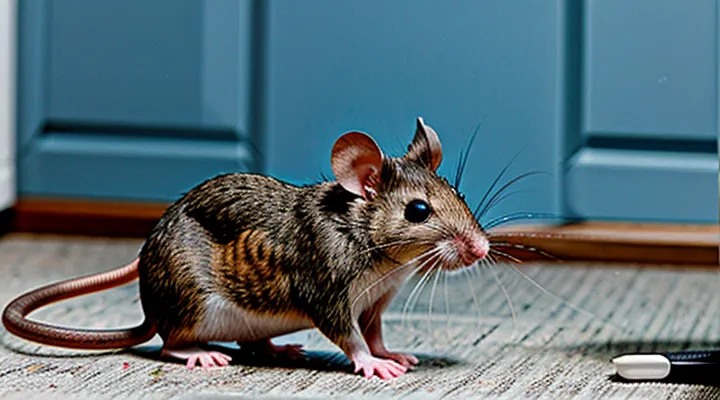
Understanding Mouse Poisons: Types and Mechanisms
Anticoagulant Rodenticides
First-Generation Anticoagulants («FGARs»)
First‑generation anticoagulants, commonly referred to as FGARs, are vitamin‑K antagonists used in rodent control. Their chemical structure typically includes a coumarin backbone with a single aromatic substituent, examples being warfarin, chlorophacinone, diphacinone and coumatetralyl. FGARs inhibit the enzyme vitamin‑K epoxide reductase, preventing the regeneration of reduced vitamin K, which is essential for the carboxylation of clotting factors II, VII, IX and X. The resulting deficiency impairs the coagulation cascade, leading to internal hemorrhage.
Onset of toxic effects in mice depends on several factors: dose, species sensitivity, metabolic rate and the presence of food. After oral ingestion, absorption occurs within minutes, but measurable coagulation impairment usually appears after 6–12 hours. Clinical signs—such as lethargy, pallor, and bleeding from mucous membranes—typically emerge between 12 and 48 hours post‑exposure. Mortality often follows within 24–72 hours, provided the dose exceeds the lethal threshold (approximately 0.2–0.5 mg kg⁻¹ for most FGARs).
Key pharmacokinetic characteristics:
- Rapid gastrointestinal absorption (peak plasma concentrations within 1–2 hours).
- Hepatic metabolism to inactive or less active metabolites.
- Elimination half‑life ranging from 8 to 24 hours, depending on the specific compound.
- Accumulation potential with repeated sub‑lethal exposures, extending the time to lethal outcome.
Safety considerations include the risk of secondary poisoning for predators and scavengers, as FGAR residues persist in carcasses for several days. Antidotal therapy with vitamin K₁ (phytonadione) can reverse coagulopathy if administered before irreversible bleeding occurs, typically within the first 24 hours after ingestion.
Second-Generation Anticoagulants («SGARs»)
Second‑generation anticoagulants, commonly abbreviated SGARs, represent a class of rodenticides designed to overcome resistance to earlier compounds. Typical agents include bromadiolone, difenacoum, brodifacoum and chlorophacinone. Their chemical structure contains a single‑ring coumarin core with additional substituents that increase lipophilicity and prolong biological half‑life.
The anticoagulant effect arises from inhibition of vitamin K epoxide reductase, an enzyme essential for recycling vitamin K. Blockade prevents γ‑carboxylation of clotting factors II, VII, IX and X, leading to progressive depletion of functional coagulation proteins. Because clotting factor synthesis is continuous, observable hemorrhagic signs appear only after existing stores are exhausted.
Onset of clinical toxicity in mice generally follows this timeline:
- 12–24 hours: initial reduction of plasma clotting factor levels.
- 24–48 hours: appearance of internal bleeding, especially in the thoracic cavity and gastrointestinal tract.
- 48–72 hours: external hemorrhage, lethargy, and eventual death if untreated.
Speed of action varies with several variables:
- Dose administered: higher concentrations accelerate depletion of clotting factors.
- Species‑specific metabolism: mice metabolize SGARs more rapidly than larger rodents, shortening the latency period.
- Formulation type: liquid baits provide quicker absorption than solid pellets.
- Environmental temperature: elevated temperatures increase metabolic rate, reducing the time to fatal outcome.
Compared with first‑generation anticoagulants such as warfarin, SGARs exhibit a markedly shorter window between ingestion and lethal hemorrhage, while maintaining a prolonged post‑mortem residue, which contributes to secondary poisoning risks. Resistance mechanisms that diminish efficacy of earlier compounds—primarily mutations in the VKORC1 gene—are less prevalent against SGARs, though emerging reports indicate adaptive changes in some mouse populations.
In practice, the rapidity of SGAR‑induced mortality supports effective control of infestations, provided that bait placement ensures sufficient uptake and that non‑target exposure is minimized. Monitoring of anticoagulant levels in rodent carcasses can confirm that the anticipated time frame aligns with observed outcomes.
Non-Anticoagulant Rodenticides
Cholecalciferol («Vitamin D3»)
Cholecalciferol, marketed as «Vitamin D3», functions as a second‑generation anticoagulant rodenticide that induces fatal hypercalcemia. After ingestion, the compound is metabolized to 1,25‑dihydroxy‑vitamin D3, which dramatically increases intestinal calcium absorption. Clinical signs typically appear within 24–48 hours, with early manifestations such as lethargy, polyuria, and muscle weakness. Mortality usually occurs between 48 and 72 hours post‑exposure; sublethal doses may extend the lethal interval to five days.
Factors that modify the speed of action include:
- Dose ingested relative to body weight
- Age and health status of the mouse
- Ambient temperature influencing metabolic rate
- Formulation type (pellet, grain, or liquid bait)
Compared with other rodenticides, Cholecalciferol produces a slower onset than neurotoxic agents (e.g., bromethalin) but a faster lethal timeline than first‑generation anticoagulants (e.g., warfarin). This intermediate speed offers a window for observation while ensuring eventual eradication of the target pest.
Effective use requires placement of bait in concealed areas, regular inspection for dead or moribund rodents, and removal of carcasses to prevent secondary poisoning. Monitoring should commence no later than 12 hours after deployment and continue through the 72‑hour lethal window.
Bromethalin
Bromethalin is a second‑generation anticoagulant rodenticide that disrupts mitochondrial oxidative phosphorylation, causing cerebral edema and fatal neurological failure. After ingestion, symptoms typically appear within 12–24 hours, progressing to death in 24–48 hours for most adult mice. The exact interval depends on dose, body weight, and metabolic rate.
Key factors influencing the rate of action:
- Dose: Higher concentrations accelerate toxic onset, reducing the latency to lethal outcomes.
- Size and age: Juvenile mice metabolize the compound more slowly, extending the period before fatal effects.
- Environmental temperature: Warm conditions increase metabolic activity, shortening the time to symptom development.
- Food availability: Presence of competing food sources can dilute bromethalin intake, delaying toxicity.
Typical timeline after a single lethal dose:
- 0–12 hours: No observable signs; bromethalin is absorbed from the gastrointestinal tract.
- 12–24 hours: Onset of neurological signs such as ataxia, tremors, and loss of coordination.
- 24–48 hours: Rapid progression to seizures, paralysis, and respiratory failure, culminating in death.
Rapid action makes bromethalin effective for controlling mouse infestations, but the delayed symptom onset may obscure immediate detection of poisoning events. Proper dosage calculation and monitoring are essential to ensure timely eradication while minimizing risk to non‑target species.
Zinc Phosphide
Zinc phosphide («Zinc Phosphide») is a widely used rodenticide that releases phosphine gas when it reacts with stomach acid. The gas interferes with cellular respiration, causing rapid systemic failure.
After a mouse consumes a bait containing zinc phosphide, phosphine production begins within minutes. Clinical signs such as respiratory distress, convulsions, and loss of motor control typically appear between 15 minutes and 2 hours post‑ingestion. Mortality often follows within 30 minutes to 4 hours, depending on dose and individual susceptibility.
Factors that modify the speed of toxic effects include:
- Amount of bait ingested; larger doses generate more phosphine faster.
- Age and size of the mouse; smaller animals experience quicker saturation of blood phosphine.
- Gastric pH; higher acidity accelerates phosphine release.
- Ambient temperature; warmer conditions increase metabolic rate and gas diffusion.
Effective deployment of zinc phosphide relies on delivering an adequate dose to ensure lethal phosphine concentrations before the animal can disperse the toxin. Monitoring bait consumption and environmental conditions enhances predictability of onset time and improves control outcomes.
Factors Influencing Poison Effectiveness
Type of Poison
Rodent control agents fall into several chemical categories, each characterized by a specific mode of action and a defined period before lethal effects become apparent.
- «Anticoagulants» – interfere with blood clotting; mortality typically occurs within 24–72 hours after ingestion, with second‑generation compounds (e.g., brodifacoum) extending the window to 48–96 hours.
- «Neurotoxins» – target the central nervous system; symptoms emerge rapidly, often within 30 minutes to 2 hours, leading to death in 2–6 hours.
- «Metal phosphides» (zinc or aluminum phosphide) – release phosphine gas upon contact with stomach acid; fatality can occur in 1–4 hours, depending on dose.
- «Bromethalin» – disrupts mitochondrial function; clinical signs appear after 12–24 hours, with death usually within 48 hours.
- «Cholecalciferol» (vitamin D3) – induces hypercalcemia; onset is slower, ranging from 48 hours to several days before lethal outcomes.
Understanding the chemical class of a rodenticide provides a reliable estimate of how quickly it will incapacitate a target, enabling selection of the appropriate product for specific control scenarios.
Dosage and Consumption
Mouse poison effectiveness depends on precise dosing and method of ingestion. Over‑dosing accelerates toxic onset but raises risk of secondary poisoning; under‑dosing delays mortality and may allow survivors to develop resistance.
Typical oral rodenticide formulations contain anticoagulant concentrations of 0.005 % to 0.025 % active ingredient. Recommended single‑dose quantities for adult mice range from 0.1 mg to 0.3 mg of active compound, delivered in bait blocks or pellets sized to encourage complete consumption. Juvenile rodents require proportionally lower amounts, generally 0.05 mg to 0.15 mg per individual.
Common delivery formats include:
- Hardened bait blocks, designed for gradual chew and full ingestion.
- Pelletized bait, dispersed in feed stations to limit non‑target exposure.
- Liquid formulations, applied to surfaces where rodents travel, ensuring contact and oral uptake.
The speed of toxic action correlates with dose magnitude. A minimum effective dose (≈0.1 mg) produces observable signs of internal hemorrhage within 12–24 hours, leading to death by 48 hours. Doubling the dose shortens this window to 6–12 hours. Absorption rate is influenced by the animal’s feeding behavior; complete consumption of a bait block ensures rapid gastrointestinal uptake, whereas partial nibbling extends the interval before lethal effects manifest.
Accurate measurement of active ingredient, consistent bait placement, and monitoring of consumption patterns are essential to achieve the intended rapid mortality while minimizing unintended risks.
Rodent Species and Metabolism
Rodent physiology determines the speed at which anticoagulant or neurotoxic baits produce lethal effects. Species differ in basal metabolic rate, liver enzyme activity, and body mass, all of which influence absorption, distribution, and elimination of toxic compounds.
- House mouse (Mus musculus): high basal metabolic rate, rapid gastrointestinal transit, lethal onset often observed within 6‑12 hours after ingestion.
- Norway rat (Rattus norvegicus): lower metabolic rate than mice, slower gastric emptying, typical lethal interval 12‑24 hours.
- Deer mouse (Peromyscus maniculatus): intermediate metabolic rate, variable enzyme expression, onset range 8‑18 hours.
- Wood mouse (Apodemus sylvaticus): modest metabolic activity, slightly prolonged lethal period, 10‑20 hours.
- Field vole (Microtus agrestis): low body mass, high relative metabolic demand, rapid onset comparable to house mouse, 5‑10 hours.
Metabolic enzymes such as cytochrome P450 isoforms catalyze detoxification; species with elevated enzyme levels process anticoagulants more efficiently, extending the time to fatal outcome. Conversely, high respiration and heart rates accelerate systemic distribution, shortening the interval between ingestion and symptom manifestation.
Understanding these physiological distinctions informs dosage calculations and risk assessments. Accurate species identification ensures appropriate bait concentrations, reducing sub‑lethal exposure and limiting non‑target mortality.
Rodent Health and Size
Rodent health directly influences the speed at which anticoagulant or neurotoxic baits produce lethal effects. Healthy individuals with robust metabolic function process toxins more rapidly, leading to earlier onset of symptoms. Conversely, rodents suffering from chronic illness, malnutrition, or parasitic load exhibit slower absorption and delayed physiological response, extending the period before mortality.
Size determines the dosage required to achieve a fatal concentration. Small mice, weighing 15–25 g, reach lethal blood levels after a single low‑dose exposure, often within 24 hours. Larger rats, exceeding 300 g, require multiple feedings or higher concentrations to attain comparable toxicity, which can prolong the time to death to several days. The relationship between body mass and dose is approximately linear: doubling weight roughly doubles the amount of active ingredient needed for a lethal effect.
Key factors affecting time to lethality:
- Metabolic rate: higher rates accelerate toxin distribution.
- Age: juveniles process chemicals faster than seniors.
- Disease state: infections or organ dysfunction slow clearance.
- Body mass: larger rodents need proportionally greater exposure.
Understanding these variables enables accurate prediction of how quickly rodent control agents will act, optimizing bait formulation and application schedules.
Onset of Symptoms and Time to Death
Anticoagulant Poisons: Delayed Action
Internal Bleeding
Mouse poison containing anticoagulant compounds induces hemorrhage by disrupting the vitamin K cycle. The blockage prevents synthesis of clotting factors II, VII, IX and X, leading to progressive loss of blood within tissues. Once ingested, the toxin is absorbed through the gastrointestinal tract and distributed via the bloodstream, where it begins to impair coagulation within minutes.
Typical manifestations of internal bleeding appear in the following order:
- Small‑area bruising or petechiae on the ventral abdomen and hind limbs
- Swelling of the thoracic cavity due to fluid accumulation
- Respiratory distress caused by blood in the pleural space
- Sudden collapse when critical blood volume is lost
The onset of these signs varies with the dose and the specific anticoagulant used, but observable internal hemorrhage commonly emerges within 30 minutes to two hours after consumption. Rapid progression underscores the necessity for immediate veterinary intervention to counteract the coagulopathy and to support circulatory function.
Behavioral Changes Before Death
After a rodent consumes an anticoagulant or neurotoxic bait, physiological disruption triggers observable alterations prior to fatality.
Typical manifestations include:
- Reduced locomotion, often expressed as sluggish movement or prolonged periods of immobility.
- Abnormal grooming, ranging from excessive licking of the fur to neglect of normal grooming routines.
- Disorientation, evident through circling, loss of balance, or failure to navigate familiar pathways.
- Respiratory irregularities, such as shallow breathing, audible wheezing, or sudden cessation of airflow.
- Seizure‑like activity, characterized by rapid muscle contractions, tremors, or convulsive episodes.
The onset of these signs correlates with the poison’s absorption rate and the administered dose. Low‑dose exposure may delay observable changes by several hours, whereas higher concentrations can produce rapid symptom emergence within minutes. Progression follows a predictable sequence: initial lethargy, escalating neurological impairment, and culminating in respiratory collapse.
Monitoring these behavioral cues enables timely identification of poisoning events, facilitating appropriate intervention before the irreversible terminal stage.
Non-Anticoagulant Poisons: Faster Action
Nervous System Effects
Mouse poisons that target the nervous system act by disrupting neurotransmission, leading to rapid physiological collapse. The toxicants interfere with acetylcholine receptors or inhibit enzymes that regulate synaptic signaling, causing uncontrolled muscle contraction, paralysis, and respiratory failure.
Onset of neurological symptoms typically follows a predictable timeline:
- Within seconds to a few minutes: twitching, tremors, and excessive salivation appear as acetylcholine accumulates at synaptic junctions.
- After 5–10 minutes: loss of coordination, convulsions, and loss of posture develop due to sustained depolarization of motor neurons.
- Within 10–30 minutes: complete paralysis of diaphragm and intercostal muscles results in respiratory arrest, often the immediate cause of death.
The speed of these effects depends on the chemical class of the poison, dosage, and route of exposure. Anticoagulant compounds produce delayed neurological signs, whereas organophosphates and bromethalin generate symptoms in the first few minutes after ingestion. Rapid absorption through the gastrointestinal tract accelerates toxin delivery to the central nervous system, shortening the interval between ingestion and fatal outcome.
Organ Failure
Mouse poison, typically anticoagulant compounds such as bromadiolone or difenacoum, induces organ failure through disruption of the blood coagulation cascade. After ingestion, the toxin is absorbed in the gastrointestinal tract and enters the bloodstream within minutes. Peak plasma concentrations are reached in approximately 30‑60 minutes, initiating inhibition of vitamin K‑dependent clotting factors.
The resulting coagulopathy compromises hepatic function first, as the liver synthesizes the affected clotting proteins. Elevated transaminases and bilirubin appear within two to three hours, indicating hepatocellular stress. Simultaneously, impaired clotting leads to microhemorrhages in renal glomeruli, causing acute kidney injury. Serum creatinine rises detectably after four to six hours, reflecting loss of filtration capacity.
If untreated, systemic bleeding progresses to cardiovascular collapse. Hemorrhagic shock manifests between six and twelve hours post‑exposure, with hypotension and tachycardia signaling circulatory failure. Neurological impairment follows, as cerebral microbleeds produce altered consciousness and seizures within the same time frame.
Timely administration of vitamin K₁ antagonizes the toxin’s effect, restoring clotting factor synthesis. Effective treatment must begin before irreversible organ damage, ideally within the first two hours after ingestion. Delayed intervention increases the probability of permanent hepatic, renal, or cardiac failure, reducing survival prospects dramatically.
Safety Precautions and Emergency Response
Safe Handling and Placement
Safe handling of rodenticide begins with protective equipment. Gloves, goggles, and disposable clothing prevent skin contact and accidental ingestion. Store the product in its original container, tightly sealed, and label it clearly with hazard warnings. Keep the container away from food preparation areas, pet feeding stations, and children’s play zones.
Placement of bait demands strategic positioning to maximize effectiveness while minimizing risk. Choose locations inaccessible to non‑target species: behind appliances, in concealed corners, or within dedicated bait stations that feature one‑way entry. Ensure bait stations are anchored securely to prevent displacement by wind or cleaning activities. Position stations near known rodent pathways, such as along walls, behind cabinets, or adjacent to utility lines, to reduce the time required for rodents to encounter the poison.
Key safety practices:
- Verify that the bait’s active ingredient matches the intended rodent control plan.
- Replace bait only after confirming consumption of the previous dose.
- Record placement dates, locations, and product batch numbers for traceability.
- Dispose of empty containers according to local hazardous waste regulations.
Regular inspection of bait stations confirms continued efficacy and identifies potential exposure hazards. Promptly remove any damaged or tampered stations, and replenish bait only when necessary. Consistent adherence to these protocols ensures rapid rodent control while safeguarding humans, pets, and wildlife.
Symptoms of Accidental Poisoning in Pets and Humans
Accidental ingestion of rodenticide can produce rapid, life‑threatening effects in both companion animals and humans. Early signs often appear within minutes to a few hours after exposure and progress quickly if untreated.
In pets, typical manifestations include:
- Lethargy or sudden collapse
- Respiratory distress, rapid breathing, or coughing
- Vomiting, sometimes with blood
- Bleeding from gums, nose, or rectum
- Seizures or uncontrolled muscle twitching
In humans, symptoms generally follow a similar pattern but may be less pronounced initially:
- Nausea, abdominal pain, and vomiting
- Diarrhea, occasionally bloody
- Headache, dizziness, and confusion
- Uncontrolled bleeding from any mucosal surface
- Convulsions or loss of consciousness in severe cases
Both groups may develop internal hemorrhage, leading to shock and organ failure. Prompt medical or veterinary intervention, including administration of specific antidotes and supportive care, is essential to improve survival chances.
What to Do in Case of Exposure
Exposure to rodent toxin demands swift, decisive action to minimize absorption and prevent severe toxicity.
- Remove the victim from the contaminated area immediately.
- If skin contact occurred, discard contaminated clothing and wash the exposed area with plenty of water and mild soap for at least 15 minutes.
- For eye exposure, flush the eyes with clean water or saline solution for a minimum of 15 minutes, keeping the eyelids open.
- If ingestion is suspected, do not induce vomiting. Offer a small amount of water or milk only if the person is conscious and able to swallow safely.
Contact emergency medical services or the local poison‑control center without delay. Provide details about the product name, active ingredient, estimated amount ingested or contacted, and the time elapsed since exposure.
If professional help is en route, keep the victim calm, monitor breathing and consciousness, and be prepared to perform cardiopulmonary resuscitation if necessary.
After acute care, follow up with a healthcare provider for possible laboratory testing and observation, even if symptoms appear mild.
Prevent future incidents by storing rodent control products in locked containers, labeling them clearly, and keeping them out of reach of children and pets.