
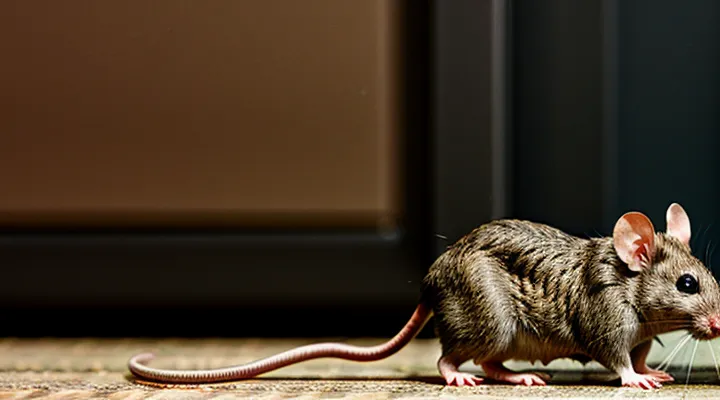
Physical Characteristics
Size and Weight
Body Length
Rats possess a considerably longer torso than mice. Adult Norway rats (Rattus norvegicus) exhibit a body length ranging from 20 to 25 centimetres, with some individuals reaching 30 centimetres. In contrast, the common house mouse (Mus musculus) maintains a body length of 7 to 10 centimetres, rarely exceeding 12 centimetres.
Key dimensions:
Sexual dimorphism slightly influences size; male rats tend to be marginally longer than females, while male and female mice show minimal length disparity. Juvenile measurements follow a proportional growth pattern, with rat pups surpassing mouse pups in absolute length after the first two weeks of development.
These measurements provide a reliable metric for distinguishing the two rodent species in field observations and laboratory settings.
Tail Length
Rats possess tails that are markedly longer in absolute length than those of mice. A typical adult Norway rat (Rattus norvegicus) exhibits a tail measuring 9 – 12 cm, while its body length ranges from 20 – 25 cm. The tail accounts for roughly 40 %–50 % of the animal’s total length, is thick, sparsely furred, and covered with overlapping scales that provide structural rigidity.
Mice, such as the common house mouse (Mus musculus), have tails that are shorter in absolute terms but proportionally longer relative to body size. An adult mouse’s tail measures 6 – 10 cm, with a body length of 7 – 10 cm, representing 70 %–80 % of total length. The mouse tail is slender, densely covered with fine hair, and more flexible than the rat’s.
Key distinctions in tail morphology:
- Thickness: rat tail – robust; mouse tail – slender.
- Surface covering: rat – scales with sparse hair; mouse – dense hair over a thin epidermis.
- Proportional length: rat – ~45 % of total length; mouse – ~75 % of total length.
- Functionality: rat tail provides balance for larger body mass; mouse tail enhances agility and thermoregulation.
These anatomical differences reflect adaptation to distinct ecological niches and locomotive demands.
Head and Facial Features
Snout Shape
Rats possess a relatively broad, blunt snout that tapers only slightly toward the tip. The nasal bones are short, creating a squat profile that supports strong incisors and robust musculature. In contrast, mice exhibit a slender, sharply pointed snout. The nasal region extends further forward, giving a more elongated appearance that facilitates precise manipulation of small food items.
Key morphological distinctions:
- Length: rat snout is shorter relative to skull size; mouse snout is proportionally longer.
- Width: rat snout is wider at the base; mouse snout remains narrow throughout.
- Taper: rat snout tapers gently; mouse snout tapers sharply to a fine point.
- Bone structure: rat nasal bones are robust; mouse nasal bones are delicate and elongated.
These variations affect feeding behavior. The stout rat snout accommodates larger bites and greater bite force, suitable for chewing tougher material. The pointed mouse snout enables delicate probing of narrow crevices and precise handling of minute seeds. Sensory input also differs; the extended mouse snout houses a higher density of olfactory receptors, enhancing detection of faint odors, whereas the rat’s broader snout supports a broader field of tactile perception.
Ear Size and Shape
Rats possess relatively large, rounded ears that extend noticeably beyond the skull’s lateral margins. The pinna typically measures 15–20 mm in length, with a broad, flat surface that enhances sound capture in low‑frequency environments. In contrast, mice display small, triangular ears averaging 10–12 mm, tightly pressed against the head. The reduced size limits auditory sensitivity to higher frequencies, reflecting the species’ ecological niche.
Key morphological distinctions:
- Size: rat ears are up to twice the length of mouse ears.
- Shape: rat pinna is broad and rounded; mouse pinna is narrow and pointed.
- Position: rat ears sit more laterally, providing a wider auditory field; mouse ears are positioned slightly higher on the skull, offering a narrower field.
These differences influence each animal’s ability to detect predators and communicate within their respective habitats.
Eye Size
Rats possess noticeably larger eyes than mice, a distinction evident in both absolute dimensions and relative proportions. In laboratory strains, adult rat eye diameters average 5–6 mm, whereas adult mouse eye diameters range from 3 to 4 mm. When expressed as a fraction of skull length, rat eyes occupy roughly 12 % of cranial width, compared with about 9 % for mice.
Larger ocular size in rats correlates with enhanced visual acuity and broader field of view, supporting nocturnal foraging and predator detection. Mice, with smaller eyes, rely more heavily on olfactory and tactile cues, reflecting an evolutionary trade‑off between visual capacity and other sensory modalities.
Fur and Coloration
Fur and coloration provide clear visual distinctions between rats and mice. Rats possess a dense, coarse pelage that protects against harsh environments; the coat typically exhibits uniform shades of brown, gray, or black, with occasional patches of lighter fur on the ventral side. Mice display a finer, softer coat; dorsal coloration ranges from light gray to brown, frequently accompanied by a distinct, darker stripe running along the back, while the ventral surface remains pale.
- Guard hairs in rats are longer and stiffer, contributing to a rugged texture; mouse guard hairs are shorter and more pliable.
- Rat fur shows minimal patterning, generally maintaining a solid hue across the body; mouse fur often includes contrasting markings such as a dorsal stripe or spotted patches.
- Color variation in rats is limited to a narrow palette, whereas mice exhibit broader chromatic diversity, including albino and agouti forms.
These characteristics enable rapid identification of each species in field and laboratory settings.
Feet and Paws
Rats possess larger hind feet than mice, with a length that can reach up to 30 mm in adult specimens. The plantar surface contains more extensive fur coverage, providing increased insulation and tactile sensitivity. Mice exhibit hind feet typically under 15 mm, with a denser arrangement of hair follicles that enhances grip on fine surfaces.
Both species share a pentadactyl foot structure, yet the relative proportions of the digits differ. In rats, the second and third digits are elongated, supporting powerful leaping and climbing. Mice display a more uniform digit length, favoring rapid scurrying across narrow ledges.
Key morphological distinctions include:
- Pad thickness: rats have thicker, more robust pads; mice have thinner, softer pads.
- Claw curvature: rat claws are slightly more curved, aiding in burrowing; mouse claws are relatively straight, optimized for grasping.
- Toe spread: rats exhibit a wider toe spread, increasing stability on larger substrates; mice maintain a narrower spread, enhancing maneuverability in confined spaces.
These anatomical variations influence locomotor performance, habitat exploitation, and foraging behavior across the two rodent groups.
Behavioral Differences
Habitat and Nesting
Rats and mice occupy distinct ecological niches, which influences the structure and location of their nests. Rats favor environments with abundant water sources, such as sewers, riverbanks, and agricultural fields. Their nests are typically constructed in deep burrows, abandoned structures, or concealed spaces beneath debris, providing protection from predators and extreme weather. Mice prefer drier, less conspicuous settings, including grain stores, residential interiors, and open fields. Their nests consist of shallow tunnels or compacted clusters of soft materials placed in corners, wall voids, or beneath vegetation.
Key differences in habitat and nesting:
- Water proximity: rats associate with moist habitats; mice select dry locations.
- Nest depth: rats create deep, extensive burrows; mice build shallow, compact nests.
- Material use: rats incorporate larger debris and vegetation; mice rely on fine fibers, paper, and upholstery.
- Site selection: rats adapt to both urban and rural infrastructure; mice are more common in indoor storage areas and field margins.
These variations reflect each species’ adaptation to available resources and predation pressures, shaping their respective roles within ecosystems.
Diet and Feeding Habits
Rats exhibit a broader dietary range than mice, consuming larger quantities of grains, fruits, vegetables, meat, and carrion. Their larger size allows ingestion of tougher food items and higher caloric intake per feeding session. Rats also display opportunistic scavenging behavior, readily exploiting human‑generated waste and stored food supplies.
Mice favor a more restricted diet, primarily consisting of seeds, grains, and soft plant material. Their smaller jaws limit the size of particles they can process, leading to a preference for finely milled or broken food. Mice are less inclined to scavenge large carcasses, focusing instead on readily available plant matter.
Key distinctions in feeding habits:
- Rats: omnivorous, high caloric consumption, frequent foraging in urban and rural waste, capable of chewing hard materials.
- Mice: granivorous to herbivorous, lower caloric intake, preference for seed stores, limited to softer foods.
Social Structure
Rats and mice exhibit distinct social organization that reflects differences in colony size, hierarchy, and communication.
Rats form large, stable groups that can include dozens of individuals. Within these groups a clear dominance hierarchy develops, often established through aggressive encounters and scent marking. High‑ranking individuals gain preferential access to food and nesting sites, while subordinate members display submissive postures and reduced activity. Cooperative behaviors such as allogrooming and nest construction reinforce group cohesion and reduce stress. Parental care extends beyond the immediate litter; mothers frequently assist each other in pup rearing, and older offspring contribute to nest maintenance.
Mice maintain smaller, more fluid assemblages, typically comprising a few individuals that share a limited territory. Hierarchical structures are less pronounced; competition for resources is resolved through brief aggressive bouts rather than sustained dominance. Social interactions center on brief affiliative contacts, such as nose‑to‑nose sniffing, without the extensive grooming observed in rats. Female mice preferentially rear their own litters, and paternal involvement is rare. Group composition changes frequently as individuals disperse to establish new territories.
Key contrasts in social structure:
- Colony size: rats – large, long‑term groups; mice – small, transient clusters.
- Hierarchy: rats – pronounced, stable dominance; mice – minimal, fluid ranking.
- Cooperative care: rats – shared nesting and pup‑rearing; mice – primarily maternal.
- Communication: rats – extensive scent marking and grooming; mice – brief tactile and olfactory exchanges.
These differences influence disease transmission, resource exploitation, and adaptability to urban environments, underscoring the importance of species‑specific social dynamics.
Reproductive Patterns
Rats and mice exhibit distinct reproductive strategies despite belonging to the same family. Understanding these differences clarifies laboratory breeding protocols and pest‑control measures.
Gestation periods differ markedly. A typical brown rat (Rattus norvegicus) carries embryos for 21–23 days, whereas a common house mouse (Mus musculus) requires only 19–21 days. The shorter gestation in mice accelerates generational turnover.
Litter characteristics also diverge. Rats produce 6–12 pups per litter, with occasional extremes up to 20. Mice generate smaller litters, usually 4–8 offspring, rarely exceeding 12. Larger rat litters increase overall reproductive output per breeding event.
Breeding frequency reflects physiological constraints. Female rats reach sexual maturity at 5–6 weeks and can become pregnant within 48 hours after parturition, enabling up to five litters per year under optimal conditions. Female mice mature slightly earlier, at 4–5 weeks, but their estrous cycle lasts only 4–5 days, permitting a potential of 6–8 litters annually.
Key hormonal cycles influence timing. The rat estrous cycle spans 4–5 days, with proestrus and estrus phases each lasting approximately 12 hours. The mouse estrous cycle is similarly brief but features a more condensed luteal phase, resulting in faster return to fertility after weaning.
Reproductive longevity varies. Female rats maintain fertility for up to 18 months, whereas mouse fertility declines noticeably after 12 months. Male rats remain fertile for a comparable duration, while male mice exhibit a slight reduction in sperm quality after one year.
Summarized differences:
- Gestation: rat ≈ 22 days; mouse ≈ 20 days.
- Litter size: rat 6–12; mouse 4–8.
- Sexual maturity: rat 5–6 weeks; mouse 4–5 weeks.
- Potential litters per year: rat ≤ 5; mouse 6–8.
- Fertile lifespan: rat ≤ 18 months; mouse ≤ 12 months.
These parameters shape population dynamics, experimental design, and control strategies for each species.
Health and Disease Implications
Disease Transmission
Rats and mice serve as reservoirs for distinct sets of pathogens, influencing the epidemiology of zoonotic diseases. Their differing habitats, social structures, and physiological traits shape transmission dynamics.
• Rats commonly transmit: – Plague (Yersinia pestis) via flea vectors. – Leptospirosis (Leptospira spp.) through contaminated urine. – Hantavirus pulmonary syndrome (Hantaan virus) by aerosolized rodent excreta. – Salmonellosis (Salmonella enterica) via food contamination.
• Mice more frequently convey: – Hantavirus hemorrhagic fever with renal syndrome (Sin Nombre virus) through inhaled droppings. – Lymphocytic choriomeningitis (LCMV) by direct contact with bodily fluids. – Murine typhus (Rickettsia typhi) transmitted by fleas. – Various enteric infections (e.g., Campylobacter) through fecal shedding.
Transmission routes reflect ecological preferences: rats thrive in sewers and urban waste, facilitating contact with humans and domestic animals; mice inhabit indoor environments and grain stores, increasing exposure to inhalation hazards. Consequently, disease surveillance must differentiate between these rodent species to target control measures effectively.
Pest Control Strategies
Rats and mice present distinct challenges for pest management due to variations in size, behavior, and habitat preferences. Effective control programs must address these differences to reduce damage and health risks.
Key distinctions influencing strategy selection:
- Size and strength – Rats, larger and more robust, can breach heavier construction materials; control devices require reinforced placement and larger bait stations.
- Foraging patterns – Mice explore confined spaces and travel along walls; traps and bait must be positioned in narrow pathways and near concealed entry points.
- Reproductive rate – Mice reproduce more rapidly; early‑season interventions, such as pre‑emptive baiting, prevent exponential population growth.
- Habitat range – Rats frequent sewers, basements, and outdoor burrows, while mice remain primarily indoors; outdoor rodenticides and habitat modification target rat colonies, whereas indoor glue boards and snap traps address mouse infestations.
Recommended integrated pest‑management actions:
- Conduct thorough inspection to identify species‑specific activity signs.
- Seal structural gaps larger than ¼ inch for mice and larger than ½ inch for rats.
- Deploy species‑appropriate traps: heavy‑duty snap traps or electric devices for rats; lightweight snap or glue traps for mice.
- Use bait formulations with anticoagulant rodenticides calibrated to target size; monitor consumption to avoid non‑target exposure.
- Implement sanitation measures that eliminate food sources: store waste in sealed containers, clean spills promptly, and manage compost piles.
- Schedule regular follow‑up assessments to verify reduction in activity and adjust control measures accordingly.
By aligning tactics with the biological and behavioral traits of each rodent, pest control programs achieve higher efficacy and minimize collateral impact.
Cultural Perceptions and Symbolism
Rats and mice occupy distinct positions in cultural narratives, religious folklore, and popular symbolism. Their differing sizes, behaviors, and habitats shape the meanings attributed to each animal across societies.
In many Eastern traditions, rats are linked to prosperity and resourcefulness. They appear in zodiac cycles as symbols of abundance and cleverness. In contrast, mice often embody modesty, timidity, and vulnerability, featuring in stories that emphasize caution and survival.
Western literature frequently portrays rats as agents of decay, disease, and cunning trickery. They serve as metaphors for corruption and urban neglect. Mice, however, are commonly cast as gentle, innocent creatures, exemplified by characters that inspire empathy and moral lessons.
Key symbolic associations:
- Rats: wealth, adaptability, subversion, pestilence
- Mice: humility, fragility, domesticity, innocence
These divergent connotations influence artistic representation, advertising, and public perception, reinforcing the broader distinction between the two rodents.
Key Distinguishing Features «At a Glance»
Rats and mice share a common rodent lineage yet exhibit distinct physical, behavioral, and ecological characteristics that facilitate rapid identification.
• Size: Rats typically measure 20–25 cm in body length, excluding the tail, while mice range from 6–10 cm. Tail proportion mirrors this disparity, with rat tails approaching body length and mouse tails often longer relative to the body.
• Fur coloration: Rats display coarse, often brown or black fur with a relatively uniform hue; mice possess finer, lighter‑colored coats, frequently gray or brown with a pronounced dorsal stripe.
• Cranial structure: Rat skulls feature a robust, square‑shaped cranium and pronounced zygomatic arches; mouse skulls are slender, triangular, and exhibit larger auditory bullae relative to skull size.
• Dental pattern: Both species have continuously growing incisors, yet rat incisors are thicker and exhibit a more pronounced orange‑red enamel band; mouse incisors are thinner with a subtler coloration.
• Reproductive output: Rats produce litters of 6–12 offspring after a gestation of approximately 21 days; mice generate 5–8 pups following a 19‑day gestation, reflecting a slightly higher reproductive frequency.
• Habitat preference: Rats favor sewers, basements, and outdoor burrows with abundant water sources; mice occupy indoor cracks, grain stores, and open fields, showing greater adaptability to confined spaces.
These attributes, presented «at a glance», enable reliable differentiation between the two species in field observations, laboratory settings, and pest‑management scenarios.