
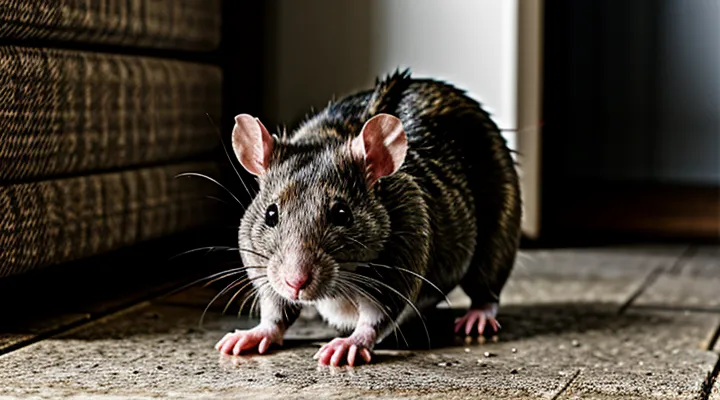
The Natural Lifespan of a Rat
Average Lifespan in Different Environments
Wild Rats vs. Domesticated Rats
Rats experience senescence through physiological decline, organ failure, and cumulative cellular damage. In wild populations, external pressures truncate the natural aging trajectory, whereas captive rats often reach the full lifespan permitted by their biology.
- Wild rats encounter predators, climate extremes, and limited food quality; these factors cause mortality long before intrinsic aging signs appear. Average lifespan in the field rarely exceeds two years, with most deaths attributed to trauma or infection rather than organ deterioration.
- Domesticated rats live in controlled environments, receive balanced nutrition, and are protected from predators. Their median lifespan extends to three‑four years, allowing age‑related pathologies such as neoplasia, renal insufficiency, and cardiac fibrosis to become primary causes of death.
The distinction stems from differential exposure to stressors:
- Nutrition – Wild rats consume variable, often deficient diets that accelerate metabolic wear. Laboratory rats receive formulated feeds that sustain tissue maintenance.
- Disease burden – High parasite loads and opportunistic infections dominate mortality in the wild. In captivity, veterinary care reduces infectious threats, shifting the disease profile toward chronic, non‑communicable conditions.
- Physical activity – Constant foraging and escape behavior in the wild increase wear on musculoskeletal and cardiovascular systems, whereas sedentary cage life reduces acute strain but may promote obesity‑related disorders.
Genetic studies reveal that captive breeding selects for traits favoring longevity, such as enhanced DNA repair capacity. Conversely, wild populations maintain alleles supporting rapid reproduction and stress resilience, which do not extend lifespan.
Consequently, the endpoint of old‑age death manifests differently: wild rats seldom die from intrinsic organ failure, while domesticated rats commonly succumb to age‑related diseases after surpassing the natural survival ceiling imposed by environmental hazards.
Factors Influencing Longevity
Rats reach the end of their lifespan through a combination of intrinsic and extrinsic influences that shape the trajectory of senescence. Genetic makeup determines baseline life expectancy, while accumulated cellular damage, metabolic rate, and organ function dictate the timing of physiological failure.
Genetic factors include telomere length, DNA repair efficiency, and allelic variations in aging‑related pathways such as insulin/IGF‑1 signaling. Strains with longer telomeres or enhanced repair mechanisms typically survive longer, whereas mutations that compromise protein homeostasis accelerate tissue degeneration.
Environmental and physiological contributors encompass diet composition, caloric intake, housing conditions, and exposure to pathogens. Caloric restriction consistently extends lifespan by reducing oxidative stress and improving mitochondrial efficiency. Conversely, high‑fat diets increase adiposity, inflammation, and the incidence of neoplastic lesions, shortening survival.
Key determinants of rat longevity:
- Genetic profile: telomere dynamics, DNA repair genes, metabolic signaling variants.
- Dietary regimen: caloric restriction, macronutrient balance, micronutrient adequacy.
- Metabolic rate: basal energy expenditure, oxidative stress levels.
- Immune competence: resistance to infections, chronic inflammation status.
- Housing environment: temperature stability, cage density, enrichment.
- Exposure to toxins: pollutants, laboratory chemicals, accidental ingestion.
- Reproductive history: number of litters, hormonal fluctuations.
Understanding how these variables interact clarifies the mechanisms by which a rat ultimately succumbs to age‑related organ failure, providing a framework for comparative studies of mammalian aging.
Common Health Issues in Aging Rats
Respiratory Diseases
In senescent rats, the decline of pulmonary function frequently accelerates the transition from chronic disease to fatal outcome. Age‑related structural changes—loss of alveolar elasticity, reduced surfactant production, and diminished mucociliary clearance—create a vulnerable environment for respiratory pathology.
Common respiratory conditions observed in elderly laboratory rats include:
- Chronic bronchitis – persistent inflammation of the bronchial mucosa leads to mucus hypersecretion, airway obstruction, and hypoxemia.
- Pulmonary fibrosis – excessive collagen deposition stiffens lung tissue, impairing gas exchange and increasing respiratory effort.
- Aspiration pneumonia – weakened swallowing reflexes allow oral bacteria to enter the lower airways, provoking acute infection and systemic sepsis.
- Emphysema‑like lesions – alveolar wall destruction reduces surface area for oxygen diffusion, resulting in chronic hypoxia.
These diseases interact with systemic aging processes. Inflammation promotes endothelial dysfunction, while reduced cardiovascular reserve limits compensatory tachypnea. Consequently, even modest respiratory compromise can precipitate rapid decompensation, leading to death without external intervention.
Preventive measures in research colonies—regular health monitoring, optimized housing humidity, and dietary supplementation with antioxidants—reduce the incidence and severity of pulmonary disorders, thereby extending the natural lifespan of aged rats.
Tumors and Cancers
Tumor formation becomes a predominant factor in the mortality of senescent laboratory rats. Incidence rises sharply after the third month of life, reaching near‑universal prevalence in individuals older than 24 months.
Common neoplasms observed in aged rats include:
- Mammary adenocarcinomas
- Hepatocellular carcinomas
- Pulmonary adenomas
- Lymphomas (B‑cell and T‑cell)
- Schwannomas of peripheral nerves
These cancers arise from accumulated genetic alterations, epigenetic drift, and diminished DNA repair capacity. Mutations in oncogenes (e.g., Ras, Myc) and tumor‑suppressor genes (e.g., p53, Rb) drive unchecked proliferation, while senescent stromal environments provide pro‑growth cytokines that accelerate tumor expansion.
The physiological burden of malignant growths shortens lifespan by compromising organ function, inducing cachexia, and provoking systemic inflammation. Autopsy records indicate that tumors account for over 70 % of deaths in rats beyond 30 months, often in combination with cardiovascular decline and renal failure.
Experimental protocols routinely employ palpation, imaging (MRI, PET), and histopathological examination to identify neoplasia before overt clinical signs appear. Quantitative scoring systems (e.g., tumor burden index) enable correlation of tumor load with survival curves, informing translational studies of age‑related cancer in humans.
Understanding the tumor spectrum in aged rats clarifies the biological limits of rodent longevity and provides a controlled model for investigating interventions that may mitigate cancer‑driven mortality in the elderly.
Kidney and Heart Conditions
Rats reach the end of their lifespan when cumulative damage to the kidneys and heart overwhelms compensatory mechanisms. Renal tissue loses nephrons through progressive sclerosis, reducing glomerular filtration capacity. The decline in filtration pressure leads to chronic azotemia, electrolyte imbalance, and fluid overload, which in turn stresses cardiovascular function.
Cardiac aging manifests as myocardial fibrosis, reduced contractility, and altered autonomic regulation. Fibrotic deposition stiffens the ventricular walls, limiting diastolic filling and increasing afterload. Concomitant hypertension, common in aged rodents, further accelerates ventricular hypertrophy and eventual heart failure.
Typical age‑related lesions include:
- Glomerular basement membrane thickening
- Tubular atrophy and interstitial fibrosis
- Left ventricular hypertrophy
- Myocardial interstitial collagen accumulation
- Conduction system degeneration
The interaction between renal insufficiency and cardiac dysfunction creates a feedback loop: reduced renal clearance elevates circulating volume and neurohormonal activation, while impaired cardiac output diminishes renal perfusion. When this loop collapses, systemic homeostasis fails, leading to death in the oldest rats.
Arthritis and Mobility Issues
Arthritis emerges as a common degenerative condition in senior rats, characterized by progressive wear of joint cartilage and inflammation of synovial membranes. The deterioration reduces joint flexibility, limits stride length, and increases the frequency of limping. As locomotion becomes painful, rats expend additional energy to maintain basic movement, accelerating overall metabolic strain.
Reduced mobility interferes with essential behaviors. Access to food and water declines because rats struggle to reach cages, feeders, or water bottles. Inadequate nutrition leads to weight loss, muscle atrophy, and weakened immune function. Impaired grooming diminishes coat condition, increasing susceptibility to skin infections and parasite infestations.
Secondary complications arise from prolonged inactivity. Joint stiffness promotes the development of pressure ulcers on bony prominences. Limited exercise diminishes cardiovascular conditioning, contributing to heart rhythm irregularities and reduced cardiac output. Chronic pain activates stress pathways, elevating circulating cortisol, which suppresses adrenal and thyroid activity.
The cascade of physiological disturbances culminates in organ failure. Malnutrition impairs liver detoxification, while reduced cardiac performance compromises blood flow to kidneys, accelerating renal insufficiency. Combined with systemic inflammation, these factors shorten lifespan in aged rats.
Key consequences of arthritis‑related mobility loss include:
- Decreased food and water intake
- Muscle wasting and frailty
- Elevated infection risk
- Cardiovascular decline
- Hormonal dysregulation
- Accelerated organ deterioration
Collectively, joint degeneration and the ensuing immobility constitute a primary driver of mortality in elderly rats, linking musculoskeletal decline directly to the final stages of senescence.
The Process of Natural Decline
Gradual Weakening of Organ Systems
Immune System Compromise
Aging rats experience a progressive decline in immune competence that directly contributes to mortality. The thymus involutes, reducing naïve T‑cell output and narrowing the repertoire of antigen receptors. Simultaneously, peripheral lymphoid organs accumulate senescent cells that secrete pro‑inflammatory mediators, a condition termed “inflammaging.” This chronic low‑grade inflammation accelerates tissue damage and impairs wound healing.
Key aspects of immune deterioration in geriatric rodents include:
- Decreased production of interleukin‑2 and interferon‑γ, limiting cytotoxic responses.
- Reduced phagocytic activity of macrophages and neutrophils, weakening clearance of bacteria and debris.
- Impaired antibody affinity maturation, leading to less effective humoral immunity.
- Expansion of regulatory T cells that suppress immune activation, further compromising pathogen defense.
The cumulative effect of these changes leaves older rats vulnerable to opportunistic infections, neoplastic growth, and systemic organ failure. Mortality often follows a cascade wherein a minor infection triggers uncontrolled inflammation, organ dysfunction, and ultimately death.
Digestive System Changes
Aging rats experience progressive deterioration of the gastrointestinal tract that compromises nutrient absorption, immune defense, and overall metabolic balance. Epithelial turnover slows, resulting in thinner mucosal layers and reduced regenerative capacity. Tight junction integrity weakens, allowing bacterial translocation and chronic low‑grade inflammation. Gastric acid secretion declines, impairing protein digestion and altering gut microbiota composition. Intestinal motility diminishes, leading to slower transit, increased fermentation, and accumulation of toxic metabolites. Pancreatic exocrine output falls, decreasing enzyme availability for carbohydrate, fat, and protein breakdown. Together, these changes produce malnutrition, systemic inflammation, and organ failure that commonly culminate in mortality during senescence.
Behavioral and Physical Changes
Decreased Activity Levels
Rats experience a marked reduction in voluntary movement as they approach senescence. Muscle fibers lose contractile efficiency, and neuromuscular junctions deteriorate, leading to slower gait and diminished ability to climb or explore. Energy expenditure drops because mitochondrial output declines, causing a shift toward conserving calories rather than supporting sustained activity.
The decline in activity has several downstream effects:
- Reduced stimulation of cardiovascular and respiratory systems, which can accelerate age‑related organ decline.
- Lowered exposure to novel stimuli, decreasing cognitive engagement and increasing the risk of sensory deprivation.
- Decreased grooming and nest‑building behaviors, resulting in poorer hygiene and heightened susceptibility to skin infections.
- Diminished foraging effort, leading to reliance on easily accessible food and a diet less varied in nutrients.
Collectively, these changes compromise physiological resilience, making aged rats more vulnerable to systemic failures that ultimately culminate in death.
Weight Loss or Gain
Rats reaching the end of their natural lifespan commonly exhibit a pronounced decline in body mass. The reduction results from several interrelated processes:
- Decreased food intake due to diminished olfactory sensitivity and reduced appetite regulation.
- Impaired nutrient absorption caused by age‑related changes in intestinal mucosa and enzyme activity.
- Loss of lean muscle tissue (sarcopenia) driven by declining anabolic hormone levels and chronic low‑grade inflammation.
- Increased catabolism of fat stores as energy reserves become insufficient for basal metabolic demands.
Conversely, a minority of aged rats display weight gain, typically linked to:
- Reduced physical activity leading to lower energy expenditure.
- Hyperphagia associated with hypothalamic dysregulation.
- Accumulation of adipose tissue in visceral depots, which can exacerbate insulin resistance and cardiovascular strain.
Both trajectories influence mortality. Severe weight loss correlates with frailty, impaired immune function, and heightened susceptibility to organ failure. Excessive weight gain predisposes to metabolic disorders, hepatic steatosis, and cardiac overload, accelerating decline. Monitoring body weight trends therefore provides a practical indicator of physiological deterioration in geriatric rodents.
Changes in Grooming Habits
Rats enter a distinct phase of reduced self‑maintenance as they approach senescence. Motor decline limits the reach of forepaws, while diminished tactile sensitivity slows the detection of dirt and parasites. Skin elasticity decreases, producing coarser fur that is harder to smooth.
Typical alterations include:
- Decreased grooming frequency, often dropping from several sessions per day to occasional bouts.
- Shorter grooming bouts, with fewer cycles of licking, nibbling, and scratching.
- Neglect of hard‑to‑reach areas such as the ventral surface and hindquarters.
- Increased fur matting and loss of the glossy coat.
- Delayed or absent cleaning of minor wounds, leading to prolonged exposure.
These behavioral shifts impair thermoregulation, elevate parasite infestations, and raise the risk of dermal infections. Compromised skin integrity and persistent irritation place additional stress on the immune system, accelerating the decline that culminates in natural death of aged rats.
Altered Sleep Patterns
In aged laboratory rats, sleep architecture undergoes measurable deterioration. Total sleep time declines, while periods of wakefulness become more frequent during the dark phase when rodents normally exhibit maximal activity. The proportion of rapid eye movement (REM) sleep drops markedly, often falling below 10 % of total sleep compared with 20–25 % in young adults. Non‑REM slow‑wave activity loses amplitude, indicating weakened cortical synchrony.
These alterations intersect with physiological systems that deteriorate during senescence. Disrupted circadian rhythms reduce the robustness of the suprachiasmatic nucleus output, impairing hormonal release patterns such as melatonin and corticosterone. The resulting hormonal imbalance accelerates metabolic dysregulation, compromises immune surveillance, and heightens oxidative stress in neuronal tissue.
Consequences for longevity include:
- Increased susceptibility to infections due to impaired sleep‑dependent immune modulation.
- Exacerbated cardiovascular strain from elevated sympathetic activity during fragmented sleep.
- Accelerated neurodegeneration linked to reduced REM-associated synaptic plasticity.
- Impaired glucose regulation, contributing to age‑related metabolic disorders.
Collectively, the progressive breakdown of normal sleep structure imposes systemic burdens that diminish resilience and hasten mortality in geriatric rats.
Signs of Approaching End-of-Life
Reduced Appetite and Thirst
Reduced appetite and decreased water intake are common terminal signs in aging rats. As metabolic demand declines, the hypothalamic centers that regulate hunger and thirst become less responsive. Neurotransmitter levels, particularly dopamine and serotonin, diminish, weakening the drive to seek food and fluids. Gastrointestinal motility slows, leading to delayed gastric emptying and early satiety, which further suppresses intake.
The physiological consequences of these changes accelerate organ failure:
- Lower caloric consumption depletes glycogen stores, forcing reliance on muscle protein for energy; this results in rapid sarcopenia and weakened respiratory muscles.
- Diminished hydration reduces plasma volume, compromising cardiac output and impairing renal filtration; waste products accumulate, causing systemic toxicity.
- Electrolyte imbalances arise from inadequate sodium and potassium intake, disrupting neuronal excitability and cardiac rhythm.
Collectively, the loss of appetite and thirst undermines energy balance, fluid homeostasis, and cellular function, hastening mortality in senescent rodents.
Increased Lethargy
Increased lethargy marks the terminal phase of senescence in laboratory rats. Energy expenditure declines sharply, resulting in prolonged periods of inactivity and reduced response to stimuli. Muscular strength diminishes, and the animal spends most of its time resting in a supine or curled position.
The condition reflects multiple systemic deteriorations:
- Reduced mitochondrial efficiency lowers ATP production, limiting muscular work.
- Hormonal imbalances, particularly decreased thyroid hormone levels, suppress metabolic rate.
- Neurotransmitter alterations diminish motivation and locomotor drive.
- Cardiovascular decline limits oxygen delivery, accelerating fatigue.
Consequences include impaired feeding, weakened immune defenses, and heightened susceptibility to infections. As lethargy intensifies, the rat’s ability to maintain homeostasis collapses, culminating in death from age‑related organ failure.
Difficulty Breathing
Rats experience a progressive decline in respiratory function as they age. Alveolar elasticity diminishes, reducing the lung’s capacity to expand during inhalation. The diaphragm and intercostal muscles lose strength, limiting tidal volume and increasing the work of breathing.
Key physiological changes that produce breathing difficulty include:
- Decreased surfactant production, leading to higher surface tension in alveoli and reduced gas exchange efficiency.
- Accumulation of senescent cells in airway epithelium, causing thickened mucosal layers and narrowed airways.
- Reduced capillary density in pulmonary tissue, impairing oxygen diffusion.
- Impaired neural control of respiration, resulting in irregular breathing patterns and occasional apnea.
Observable signs in geriatric rats are rapid, shallow breaths; audible wheezing; reduced activity; and a tendency to adopt a hunched posture to alleviate thoracic pressure. Blood gas analysis typically reveals hypoxemia and mild hypercapnia, reflecting inadequate ventilation.
When respiratory insufficiency reaches a critical threshold, oxygen delivery to vital organs falls below survival levels. The resulting systemic hypoxia triggers organ failure, ultimately leading to death in the final stages of the rat’s lifespan.
Social Withdrawal
Social withdrawal emerges as a measurable indicator of physiological decline in laboratory rats approaching senescence. As age advances, rats reduce time spent interacting with conspecifics, display fewer exploratory bouts, and spend prolonged periods isolated in corners of the cage. These behavioral changes correlate with alterations in neuroendocrine pathways, notably increased circulating corticosterone and diminished oxytocin signaling, which together suppress motivation for social engagement.
Neurobiological studies reveal that aging rats exhibit loss of synaptic density in the medial prefrontal cortex and the nucleus accumbens, regions governing social reward processing. Reduced dopaminergic activity within these circuits diminishes the reinforcing value of peer contact, reinforcing the tendency to withdraw. Concurrently, age‑related neuroinflammation, marked by elevated cytokines such as IL‑1β and TNF‑α, impairs neuronal plasticity and further attenuates social responsiveness.
The progression of social isolation accelerates systemic deterioration. Chronically withdrawn rats show:
- Decreased body weight and lean muscle mass due to reduced activity.
- Impaired immune function, reflected in lower lymphocyte proliferation.
- Dysregulated glucose metabolism, increasing susceptibility to hyperglycemia.
- Heightened vulnerability to opportunistic infections, a common terminal event in geriatric rodents.
Experimental interventions that restore social interaction—pair housing, enrichment, or scheduled tactile stimulation—mitigate these adverse outcomes. Rats reintroduced to a social environment display partial recovery of corticosterone balance, improved locomotor activity, and extended median lifespan relative to persistently isolated counterparts.
In summary, social withdrawal constitutes both a symptom and a driver of the terminal cascade in aging rats. Its presence signals neuroendocrine dysregulation, while sustained isolation exacerbates physiological decline, contributing directly to mortality in senescent rodents.
Providing Comfort in Old Age
Nutritional Support for Senior Rats
Specialized Diets
Specialized diets significantly modify the trajectory of senescence in laboratory rats, thereby influencing the mechanisms that culminate in death. Caloric restriction (CR) consistently extends median and maximal lifespan by reducing oxidative stress, preserving mitochondrial function, and delaying age‑related pathologies such as neoplasia and cardiac hypertrophy. In contrast, ad libitum feeding accelerates weight gain, insulin resistance, and incidence of spontaneous tumors, shortening the period before organ failure.
Key dietary interventions include:
- Protein‑restricted regimens (5–8 % of calories): lower circulating IGF‑1, suppress tumorigenesis, and improve renal health.
- Methionine‑deficient diets (0.17 % methionine): decrease oxidative damage, delay onset of hepatic steatosis, and enhance survival.
- Omega‑3 enriched feeds (≥2 % fish oil): modulate inflammatory pathways, protect neuronal integrity, and reduce incidence of age‑associated cognitive decline.
- Antioxidant‑supplemented chow (vitamins E, C, Selenium): mitigate lipid peroxidation, preserve vascular elasticity, and postpone mortality from cardiovascular dysfunction.
The ultimate cause of death in aged rats under these regimens typically reflects the dominant pathology that escapes dietary mitigation. Under CR, death is often due to late‑stage neoplasia that has escaped suppression, whereas protein restriction may lead to eventual renal insufficiency. Diets enriched with anti‑inflammatory nutrients tend to shift mortality toward neurodegenerative decline.
Thus, manipulation of macronutrient composition, caloric load, and micronutrient supplementation directs the physiological aging cascade, determining which organ systems fail and when the animal succumbs to senescence.
Hydration Strategies
Rats maintain fluid balance through a combination of behavioral and physiological mechanisms that become less efficient with age. Reduced thirst perception, diminished renal concentrating ability, and altered electrolyte handling contribute to chronic dehydration, a common factor in age‑related mortality.
Key components of effective hydration management in aging rats include:
- Water availability – continuous access to fresh, palatable water prevents intermittent intake gaps that older animals are prone to develop.
- Electrolyte supplementation – low‑concentration saline or potassium‑enriched solutions offset declines in renal reabsorption and reduce hypernatremia risk.
- Moist food incorporation – diets with high moisture content (e.g., gelatinous pellets or fresh produce) supply additional fluid without relying solely on drinking behavior.
- Environmental humidity control – maintaining moderate ambient humidity (45‑55 %) limits evaporative water loss, especially during periods of reduced activity.
Physiological monitoring should focus on plasma osmolality, urine specific gravity, and vasopressin levels to detect early signs of water deficit. Interventions that stabilize these parameters extend lifespan by mitigating organ failure linked to severe dehydration.
Managing Pain and Discomfort
Veterinary Consultations
Veterinarians are consulted when a pet rat shows signs of physiological decline that suggest the end of its natural lifespan. Owners seek professional assessment to distinguish age‑related deterioration from treatable disease, to manage discomfort, and to plan humane end‑of‑life decisions.
Common indicators prompting a veterinary visit include:
- Progressive weight loss despite adequate nutrition
- Diminished activity, reluctance to explore or climb
- Labored breathing or irregular respiratory patterns
- Visible skin changes such as hair loss, ulceration, or discoloration
- Altered grooming behavior and reduced self‑care
During the consultation, clinicians employ specific diagnostic tools:
- Physical examination focusing on musculoskeletal integrity, cardiovascular function, and neurologic status
- Radiography to evaluate skeletal degeneration and organ size
- Blood sampling for complete blood count and biochemistry, identifying organ failure or metabolic imbalance
- Urinalysis to detect renal insufficiency or infection
Based on findings, veterinarians provide management strategies:
- Nutritional adjustments with easily digestible, high‑calorie diets to counteract cachexia
- Analgesic protocols using low‑dose NSAIDs or opioid alternatives appropriate for rodents
- Environmental modifications such as softened bedding, reduced height barriers, and temperature control to ease mobility
- Palliative care plans that outline monitoring frequency, humane endpoints, and, when necessary, euthanasia procedures performed with approved agents and techniques
Veterinary records document each assessment, treatment, and owner decision, enabling longitudinal tracking of the rat’s condition. Follow‑up appointments are scheduled at intervals matching the animal’s declining health, ensuring timely intervention and support for both pet and owner.
Environmental Modifications
Environmental factors shape the physiological trajectory of laboratory rats and determine the proximate causes of mortality in advanced age. Consistent exposure to suboptimal temperature accelerates metabolic decline, leading to cardiac insufficiency and renal failure. Maintaining ambient temperature within the species‑specific thermoneutral zone reduces stress on thermoregulatory mechanisms, thereby prolonging functional organ capacity.
Housing conditions influence musculoskeletal health. Cages that restrict movement precipitate sarcopenia and osteopenia, which predispose aged rats to fractures and immobility‑related complications. Providing ample floor space and regular opportunities for voluntary exercise sustains muscle mass and bone density, delaying these terminal events.
Social environment modulates immune competence. Isolation increases circulating glucocorticoids, suppressing adaptive immunity and facilitating opportunistic infections that become lethal in senescence. Cohabitation with compatible conspecifics mitigates stress hormones and preserves immune surveillance.
Nutritional environment determines the rate of cellular senescence. Diets high in saturated fats and low in antioxidants promote oxidative damage, accelerating neurodegeneration and hepatic failure. Formulating feeds rich in polyunsaturated fatty acids, vitamins E and C, and moderate protein content attenuates oxidative stress and supports organ function.
Light cycles regulate circadian rhythms, which affect hormone release and metabolic homeostasis. Irregular lighting disrupts melatonin production, impairing sleep architecture and exacerbating age‑related neuroendocrine decline. Implementing a consistent 12‑hour light/12‑hour dark schedule stabilizes circadian signaling and reduces neurodegenerative risk.
Key environmental modifications that extend lifespan and alter the pattern of age‑related death in rats include:
- Precise temperature control within 28–30 °C.
- Spacious cages with enrichment objects for voluntary activity.
- Group housing with compatible peers.
- Antioxidant‑rich, balanced diet.
- Stable light/dark cycles.
By optimizing these parameters, researchers can shift mortality from acute organ failure toward a more gradual decline, providing clearer insight into the natural aging process.
Creating a Safe and Supportive Environment
Soft Bedding and Easy Access to Resources
Soft bedding provides a stable, low‑impact surface that protects aging rats from joint degeneration and pressure‑induced ulceration. The cushioning effect reduces the incidence of osteoarthritis and skin lesions, conditions that commonly accelerate morbidity in senior rodents. By minimizing chronic pain, soft bedding indirectly lowers stress‑related hormone levels, which are linked to immune suppression and shortened lifespan.
Easy access to food, water, and enrichment items eliminates the need for excessive locomotion or climbing, activities that become increasingly taxing as muscular strength declines. Constant availability of nutritionally balanced feed prevents malnutrition and weight loss, while uninterrupted water supply averts dehydration‑induced renal failure. Placement of enrichment objects within reach encourages mental stimulation without imposing physical strain, thereby reducing the risk of age‑related cognitive decline and associated neurodegeneration.
Key outcomes of providing soft bedding and unrestricted resources:
- Decreased prevalence of musculoskeletal disorders
- Lowered incidence of skin ulceration and infection
- Stabilized body weight and nutrient intake
- Reduced dehydration‑related organ failure
- Sustained cognitive engagement with minimal physical demand
Collectively, these environmental optimizations extend the functional period of geriatric rats, delaying the onset of fatal pathologies commonly observed in late‑stage senescence.
Minimizing Stressors
Reducing environmental and physiological stressors extends the functional lifespan of laboratory rats and influences the pattern of age‑related mortality. Chronic exposure to noise, temperature fluctuations, and overcrowding activates the hypothalamic‑pituitary‑adrenal axis, elevating corticosterone and accelerating cellular senescence. Minimizing these variables stabilizes endocrine function and delays organ failure.
Key stressors and practical mitigation strategies:
- Noise and vibration: Install sound‑absorbing panels, keep equipment at a distance, schedule maintenance during off‑hours.
- Temperature and humidity: Maintain a constant ambient temperature (22 ± 2 °C) and relative humidity (45–55 %). Use automated climate control with alarms for excursions.
- Social density: House rats in groups that reflect natural social structures (3–5 per cage) to prevent aggressive encounters and chronic stress.
- Handling frequency: Limit handling to essential procedures, employ gentle restraint techniques, and provide acclimation periods before invasive sampling.
- Dietary inconsistencies: Provide a balanced, sterilized diet with consistent nutrient composition; avoid abrupt changes in formula or feeding schedule.
- Pathogen exposure: Implement strict barrier housing, regular health monitoring, and quarantine of new arrivals to prevent subclinical infections that exacerbate inflammatory pathways.
By systematically controlling these factors, researchers observe a slower decline in immune competence, reduced incidence of neoplastic lesions, and a postponement of cardiovascular deterioration. Consequently, rats reach an advanced age with a mortality profile more reflective of intrinsic senescence rather than extrinsic stress‑induced pathology.
Recognizing When to Seek Veterinary Assistance
Quality of Life Assessment
Assessing the quality of life in senior laboratory rats provides essential data for interpreting the physiological cascade that culminates in natural mortality. Researchers monitor several objective parameters:
- Body weight trends: gradual loss signals declining metabolic efficiency.
- Locomotor activity: reduced exploration in open‑field tests correlates with musculoskeletal deterioration.
- Grooming behavior: diminished self‑care reflects neurological and dermatological decline.
- Feeding patterns: decreased intake and altered circadian rhythm indicate digestive and hormonal dysregulation.
- Pain indicators: heightened sensitivity to tactile or thermal stimuli suggests chronic discomfort.
Physiological measurements complement behavioral observations. Blood analyses reveal elevated inflammatory markers (e.g., IL‑6, TNF‑α) and reduced renal function (creatinine clearance). Cardiac echocardiography documents decreased ejection fraction, while pulmonary function tests show reduced tidal volume. Imaging modalities detect sarcopenia and osteopenia, confirming systemic degeneration.
Integrating these data into a composite scoring system enables longitudinal tracking of welfare. Scores that cross predefined thresholds trigger humane endpoints, ensuring that the animal’s remaining days are not marked by undue suffering. Moreover, detailed quality‑of‑life profiles help differentiate death caused by progressive senescence from mortality driven by acute pathology, refining our understanding of the natural aging trajectory in rodents.
Euthanasia Considerations
When a laboratory rat reaches the terminal phase of senescence, researchers must evaluate whether humane termination is justified. Decision criteria include persistent pain, severe weight loss exceeding 20 % of baseline, inability to access food or water, and progressive organ failure. Observable markers—such as hind‑limb weakness, unresponsive grooming, and chronic respiratory distress—signal diminished quality of life.
Ethical oversight bodies require documented humane endpoints. Protocols must align with the 3Rs (Replacement, Reduction, Refinement) and institutional animal care guidelines. A clear justification for euthanasia should reference specific clinical signs and a predetermined schedule for assessment, typically weekly after the age of 18 months for common strains.
Approved methods for terminating aged rats prioritize rapid loss of consciousness and minimal distress. Acceptable techniques include:
- Inhalation of a calibrated carbon dioxide flow, verified by a gradual displacement rate of 30 % chamber volume per minute.
- Intraperitoneal injection of a barbiturate overdose, ensuring a dose sufficient to induce irreversible apnea.
- Use of an approved anesthetic agent followed by a secondary lethal injection, providing a double‑guarantee of unconsciousness.
Implementation steps:
- Record baseline health parameters at the start of the aging study.
- Conduct systematic observations, noting deviations from normal behavior and physiology.
- Apply the humane endpoint criteria to determine eligibility for euthanasia.
- Perform the selected euthanasia method under trained supervision, documenting the procedure and outcome.
Compliance with regulatory standards and meticulous record‑keeping protect animal welfare while preserving scientific integrity in studies of rat longevity.