
Understanding Electronic Pest Repellers
What is an Electronic Repeller?
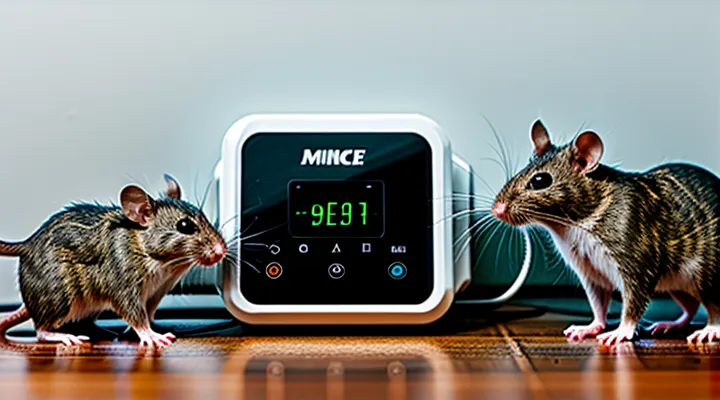
An electronic repeller is a device that emits ultrasonic or electromagnetic signals designed to deter rodents without physical contact. The system replaces conventional traps by exploiting the auditory and sensory sensitivities of mice and rats, causing discomfort that prompts them to vacate the area.
The core elements include:
- A transducer that generates high‑frequency sound waves beyond human hearing range.
- An oscillator circuit that modulates the frequency to prevent habituation.
- A power source, typically a battery or mains connection, supplying continuous operation.
- A housing that shields the electronics while allowing signal transmission.
When activated, the transducer converts electrical energy into ultrasonic pulses. These pulses travel through the air and are perceived as loud, irritating noises by rodents, whose hearing extends to frequencies up to 90 kHz. The device may also emit low‑intensity electromagnetic fields that interfere with the animals’ navigation systems. The combined effect creates an environment that rodents find hostile, leading them to relocate.
Safety features prevent exposure to humans and pets. The emitted frequencies remain inaudible to most mammals, and the electromagnetic output stays within regulatory limits. Continuous operation ensures persistent coverage, while automatic shut‑off timers conserve energy during periods of inactivity.
Principles of Operation
Ultrasound Technology
Ultrasound technology forms the core of electronic rodent repellers by emitting sound waves beyond the upper limit of human hearing, typically between 20 kHz and 80 kHz. A piezoelectric transducer converts electrical energy into mechanical vibrations, generating a narrow‑band acoustic signal that propagates through air. The frequency range is selected to match the auditory sensitivity of mice and rats, which peaks around 50 kHz, ensuring the emitted tone is perceived as uncomfortable without causing pain.
The generated waveform is modulated in intensity and pattern to prevent habituation. Pulse‑width modulation creates intermittent bursts, reducing the likelihood that rodents adapt to a constant tone. Power consumption remains low because the transducer operates at resonant frequency, allowing battery‑powered units to function for weeks on a single charge. The acoustic pressure level is calibrated to remain below occupational safety thresholds for humans while maintaining sufficient amplitude to elicit a startle response in target species.
Key technical specifications include:
- Frequency: 20 kHz – 80 kHz, adjustable in 5 kHz increments.
- Sound pressure level: 80 dB SPL at 1 m, decreasing with distance according to the inverse‑square law.
- Duty cycle: 10 % – 30 % to balance efficacy and energy use.
- Power source: 3 V – 5 V DC, compatible with AA/AAA batteries or USB supply.
Design considerations focus on transducer placement, enclosure material, and directional emission. A semi‑open housing directs the beam toward typical rodent pathways while shielding the device from dust and moisture. The acoustic wave reflects off hard surfaces, creating a coverage zone that can be estimated using room dimensions and surface absorption coefficients. Proper alignment maximizes the repelling field without exposing occupants to audible noise.
Electromagnetic Technology
Electronic rodent deterrents rely on electromagnetic radiation to create an environment that rodents find uncomfortable. The devices generate high‑frequency waves, typically in the ultrasonic range (20 kHz–100 kHz), by means of a crystal oscillator or a micro‑controller‑driven pulse‑width modulator. The emitted waves propagate through the air and are absorbed by the auditory system of mice and rats, which have hearing sensitivity extending well beyond human limits.
The acoustic stimulus interferes with the animals’ vestibular and auditory nerves, producing a sensation of disorientation and stress. Continuous exposure leads to avoidance behavior, prompting the rodents to leave the treated area. The effect does not rely on chemical agents, eliminating the risk of contamination.
Typical components of an electromagnetic repeller include:
- Power supply (battery or mains adapter) providing stable voltage for the oscillator circuit.
- Frequency‑generation module (crystal or programmable chip) that defines the output waveform.
- Amplifier stage that boosts the signal to the required intensity.
- Radiating element (piezoelectric transducer or magnetic coil) that converts electrical oscillations into acoustic waves.
- Protective housing that shields the electronics and prevents accidental contact with the radiating element.
Performance assessment focuses on emitted frequency accuracy, sound pressure level at specific distances, and power consumption. Compliance with safety standards ensures that the emitted energy remains below thresholds for human hearing and does not interfere with other electronic equipment. Measured field strength typically ranges from 80 dB SPL at 1 m to 100 dB SPL at 0.5 m, sufficient to deter rodents while remaining inaudible to most adults.
The Mechanism of Repulsion
How Ultrasound Affects Pests
Frequency Ranges and Their Impact
Electronic rodent deterrents rely on ultrasonic emissions that exceed the hearing threshold of mice and rats. The emitted sound creates a discomfort stimulus that disrupts normal activity patterns, prompting avoidance of the treated area.
Frequency bands determine both the intensity of the aversive response and the effective coverage radius. Typical ranges and their effects are:
- 20–30 kHz – audible to some larger rodents; induces mild irritation, limited penetration, suited for confined spaces.
- 30–45 kHz – optimal for most mouse and rat species; produces strong discomfort, moderate attenuation, effective in residential rooms.
- 45–60 kHz – heightened aversion, deeper material penetration, suitable for larger open areas such as warehouses.
- 60–80 kHz – maximal discomfort, rapid attenuation, best for targeted zones where precise coverage is required.
Selecting the appropriate band aligns the device’s output with the target species’ auditory sensitivity and the spatial constraints of the environment, ensuring reliable repellency.
Auditory Discomfort and Stress
Electronic rodent deterrents emit ultrasonic tones that exceed the hearing range of most humans but fall within the sensitivity band of mice and rats, typically 20–80 kHz. When these frequencies reach the inner ear, the hair cells of the cochlea are forced to vibrate at intensities that exceed normal auditory thresholds, producing a sensation of discomfort. The induced discomfort triggers the autonomic stress response: elevated heart rate, increased corticosterone levels, and heightened alertness. Sustained exposure to sound pressure levels above 85 dB SPL can lead to chronic stress, manifesting as reduced foraging activity, altered nesting behavior, and impaired reproductive performance.
Key physiological effects include:
- Auditory overload: rapid, high‑frequency pulses saturate the auditory nerve, preventing normal signal processing.
- Hormonal activation: activation of the hypothalamic‑pituitary‑adrenal axis raises glucocorticoid secretion.
- Behavioral avoidance: rodents exhibit immediate retreat from the sound source and avoid areas where the tone recurs.
Design considerations for maximizing discomfort while limiting habituation involve varying pulse duration, inter‑pulse interval, and frequency modulation. Randomized patterns prevent the auditory system from adapting, preserving the stress‑inducing effect over longer periods. Consequently, the acoustic discomfort generated by these devices forms the primary mechanism that deters rodents from inhabiting treated spaces.
How Electromagnetic Fields Work
Wiring Interference
Electronic mouse and rat repellers rely on a power cord that carries high‑frequency ultrasonic signals to the speaker assembly. If the wiring is exposed to electromagnetic interference (EMI), the signal can become distorted, reducing the device’s ability to generate the intended ultrasonic bursts.
EMI sources commonly encountered in residential or commercial settings include:
- Power lines carrying alternating current currents that generate magnetic fields.
- Radio‑frequency transmitters such as Wi‑Fi routers, cordless phones, and Bluetooth devices.
- Household appliances with motor brushes or dimmer switches that emit broadband noise.
When interference couples into the repeller’s cable, two primary effects occur. First, the ultrasonic waveform may lose amplitude, lowering the acoustic pressure delivered to the target area. Second, spurious frequencies can be introduced, potentially causing the device to emit audible tones that alert rodents rather than deter them.
Design strategies to minimize wiring interference are straightforward:
- Use a shielded cable with a conductive braid connected to ground at the device’s chassis.
- Route the power cord away from known EMI emitters, maintaining a separation of at least 30 cm where possible.
- Incorporate a ferrite bead or choke near the power entry point to suppress high‑frequency noise.
- Ensure tight, soldered connections at all terminations to prevent loose contacts that act as antennas.
Proper installation of these measures preserves the integrity of the ultrasonic output, allowing the repeller to function as intended without degradation from external electrical noise.
Nervous System Disruption
Electronic rodent deterrents emit ultrasonic waves that exceed the hearing threshold of humans but fall within the sensitive range of mice and rats. The sound pressure generated by the transducer creates rapid pressure fluctuations in the auditory canal, stimulating the hair cells of the cochlea beyond normal physiological limits. This overstimulation produces a cascade of neural responses that disrupt normal sensory processing.
- Action potentials in auditory nerve fibers become irregular, reducing signal fidelity.
- Central nervous system pathways receive excessive input, leading to heightened stress hormone release.
- Motor coordination deteriorates as the cerebellum receives conflicting vestibular and auditory cues.
- Behavioral patterns shift toward avoidance, with reduced foraging activity observed.
The net effect is a temporary impairment of the rodents’ nervous system, prompting relocation without physical harm. The disruption persists only while the device operates; normal neural function resumes once exposure ceases.
Factors Influencing Effectiveness
Device Placement and Coverage Area
Proper positioning determines the effectiveness of an electronic rodent repeller. The device emits ultrasonic and electromagnetic pulses that travel outward from the emitter. Placement should maximize line‑of‑sight and minimize obstacles that absorb or reflect the signals.
- Install the unit at a height of 30‑45 cm (12‑18 in), where rodents commonly travel along walls or ceilings.
- Position the repeller in the center of the target area whenever possible; this reduces the distance to the farthest point of coverage.
- Avoid placing the device behind furniture, inside cabinets, or near dense materials such as concrete walls, which can block the waves.
- Ensure a clear path of at least 3 m (10 ft) in all directions; the advertised coverage radius typically ranges from 3 m to 5 m (10‑16 ft) depending on the model.
When a single unit cannot cover the entire space, overlap the coverage zones of multiple devices by spacing them 2‑3 m apart. Overlapping ensures that any gaps created by structural features are eliminated, maintaining continuous repellent fields throughout the area.
Obstacles and Sound Absorption
Electronic rodent deterrents rely on ultrasonic or electromagnetic emissions to create an environment that rodents find intolerable. When installed, the device must deliver sound waves at frequencies above the human hearing range, typically 20–50 kHz, with sufficient intensity to reach the target area. Physical barriers such as walls, furniture, and insulation can interrupt the propagation path, reducing the effective coverage. Materials with high density—concrete, brick, metal—reflect or absorb ultrasonic energy, creating shadow zones where the signal weakens. Open spaces allow the waves to travel farther, while cluttered environments generate multiple reflections that interfere with the original pattern, producing constructive and destructive interference zones.
Sound absorption characteristics of building components further influence performance. Fibrous insulation, acoustic panels, and carpeted flooring convert acoustic energy into heat, diminishing the amplitude that reaches rodents. The absorption coefficient varies with frequency; higher frequencies are more readily attenuated by porous materials. Consequently, a device calibrated for a specific frequency band may lose efficacy if installed near heavily dampening surfaces.
To mitigate these obstacles, installers should:
- Position the unit centrally within the target zone, away from large solid objects.
- Elevate the device to avoid direct contact with floor coverings that absorb sound.
- Avoid mounting behind thick walls or inside cabinets that enclose the emitter.
- Use multiple units in extensive or compartmentalized spaces to overlap coverage zones.
Understanding the interaction between structural elements and ultrasonic propagation ensures that the repeller maintains the required intensity throughout the intended area, preserving its deterrent effect against mice and rats.
Pest Adaptation and Habituation
Electronic rodent deterrents emit ultrasonic or electromagnetic pulses designed to disrupt the sensory systems of mice and rats. When pests are repeatedly exposed to a constant signal, they may undergo physiological and behavioral changes that reduce the device’s effectiveness. This process, known as adaptation, involves diminished neural responsiveness, while habituation refers to the learned ignoring of a non‑threatening stimulus after repeated exposure.
Key mechanisms of adaptation and habituation:
- Sensory desensitization: Continuous frequencies cause auditory receptors to adjust firing thresholds, lowering perceived intensity.
- Neural habituation: Repeated non‑harmful signals trigger synaptic down‑regulation, resulting in reduced behavioral response.
- Environmental conditioning: Presence of alternative food sources or shelter can shift focus away from the deterrent, reinforcing tolerance.
Strategies to mitigate these effects:
- Frequency rotation: Cycle between multiple ultrasonic bands (e.g., 20 kHz, 25 kHz, 30 kHz) to prevent receptor acclimation.
- Amplitude modulation: Vary pulse strength within safe limits to maintain sensory alertness.
- Intermittent operation: Implement timed on/off cycles (e.g., 15 minutes on, 5 minutes off) to disrupt habituation patterns.
- Supplementary barriers: Combine electronic deterrents with physical exclusions such as sealing entry points and removing food residues.
- Periodic device relocation: Change the unit’s position within the target area to alter acoustic field distribution.
Monitoring pest activity after adjustments provides feedback on the efficacy of each countermeasure. Consistent observation and adaptive management are essential to sustain deterrent performance in the face of rodent learning capacities.
Types of Pests Targeted
Electronic repellents designed for rodent control emit ultrasonic frequencies and electromagnetic pulses calibrated to the sensory thresholds of common gnawing mammals. The devices target the following pests:
- House mouse (Mus musculus): highly adaptable, frequent indoor infestations.
- Norway rat (Rattus norvegicus): large-bodied, typically found in basements and sewer systems.
- Roof rat (Rattus rattus): agile climbers, often occupying attics and eaves.
- Field vole (Microtus agrestis): small herbivore that may enter gardens and storage areas.
- Chipmunk (Tamias spp.): occasional indoor intruder, sensitive to high‑frequency sound.
- Squirrel (Sciurus carolinensis): occasionally affected when devices are placed near entry points.
Effectiveness varies with species‑specific hearing ranges and habitat preferences; larger rats generally require higher amplitude emissions, while smaller rodents respond to a broader frequency spectrum. Proper placement near nesting sites maximizes exposure and improves deterrence outcomes.
Advantages and Disadvantages
Benefits of Using Electronic Repellers
Non-Toxic and Chemical-Free
Electronic rodent deterrents rely on high‑frequency sound and electromagnetic emissions to create an uncomfortable environment for mice and rats. The devices generate ultrasonic pulses that exceed the hearing range of humans but fall within the sensitivity range of rodents, causing disorientation and avoidance behavior without introducing any substances into the living space.
- No chemicals are released; the repellent operates solely through electromagnetic energy.
- The system contains sealed circuitry, eliminating the risk of spills, residues, or airborne toxins.
- Safety mechanisms automatically shut off the output when human presence is detected, preventing unintended exposure.
Because the method avoids poisons, sprays, or traps, it preserves indoor air quality, protects pets and children, and complies with regulations that restrict the use of hazardous pest‑control agents. The approach delivers continuous, repeatable deterrence while maintaining a chemical‑free environment.
Ease of Use
The device requires only a single connection to a standard wall outlet; no wiring or drilling is necessary. Placement involves positioning the unit near entry points such as doors, windows, or baseboards, then pressing a button to activate the ultrasonic and electromagnetic emitters. The control panel displays a clear indicator when the unit is powered, and a built‑in timer can be set without navigating menus. Battery operation is optional, allowing temporary use during power outages or in locations without electricity.
Key factors that contribute to user‑friendly handling:
- Plug‑and‑play design eliminates complex setup steps.
- One‑touch activation starts the repelling cycle instantly.
- Adjustable frequency range is selected via a rotary dial, eliminating digital interfaces.
- Self‑diagnostic LED alerts signal malfunction, reducing troubleshooting time.
- Compact dimensions fit unobtrusively in tight spaces, requiring no additional accessories.
Maintenance consists of occasional dust removal from the vent openings; no filters or consumables need replacement. The straightforward design ensures that users can install, operate, and maintain the system with minimal technical knowledge.
Limitations and Potential Drawbacks
Variable Efficacy
Electronic rodent deterrents do not guarantee uniform results; performance fluctuates according to several measurable conditions.
Key determinants of effectiveness include:
- Frequency range: Ultrasonic and electromagnetic emissions target specific auditory thresholds; species with broader hearing spectra respond differently.
- Device placement: Proximity to nesting sites, obstacles that block wave propagation, and ceiling height alter exposure levels.
- Ambient noise: Background sounds in the ultrasonic band can mask the repellent signal, reducing impact.
- Power supply stability: Voltage drops or battery depletion diminish output intensity, shortening active range.
- Rodent habituation: Repeated exposure may lead to desensitization, especially in populations that have encountered similar devices.
Empirical assessments reveal that efficacy typically spans 30 % to 80 % reduction in activity, with peak performance observed in controlled laboratory environments. Field trials often report lower percentages due to uncontrolled variables such as building construction materials and competing attractants.
Optimizing outcomes requires calibrating frequency to target species, ensuring unobstructed line‑of‑sight installation, maintaining consistent power, and rotating devices to prevent habituation. Continuous monitoring of rodent activity provides feedback for adjusting these parameters, thereby stabilizing the repellent’s impact over time.
Cost Considerations
Electronic rodent deterrents involve several cost dimensions that influence purchasing decisions. The initial outlay comprises the unit price, which varies according to output power, frequency range, and built‑in safety certifications. Higher‑wattage models typically command premium prices because they cover larger areas and emit broader frequency spectra.
Operating expenses are measurable and predictable. Devices draw a few watts of electricity, resulting in annual energy costs that rarely exceed a few dollars per unit. Maintenance requirements are minimal; most units lack moving parts, so routine cleaning of the housing suffices to preserve performance.
Potential additional charges include:
- Installation fees for built‑in wall mounts or ceiling fixtures.
- Replacement of batteries in portable versions, usually every 1–2 years.
- Warranty extensions or service contracts for high‑value units.
When comparing electronic deterrents to conventional traps or poison, the total cost of ownership often remains lower over a multi‑year horizon. The absence of consumables, reduced labor for trap setting, and compliance with health regulations contribute to a favorable economic profile.
Best Practices for Usage
Optimal Installation Tips
Place the unit at least 12 inches above the floor to allow ultrasonic waves to propagate without obstruction. Mount it on a wall where the interior surface is smooth; textured or uneven surfaces reflect sound waves and diminish coverage.
Secure the device away from metal cabinets, appliances, or wiring that could interfere with the signal. A distance of 8‑10 feet from large metal objects preserves the full frequency range.
Locate the repeller in the central area of the target zone. If the space is irregular, install multiple units with overlapping fields, maintaining a minimum separation of 15 feet to avoid phase cancellation.
Avoid direct exposure to sunlight or extreme temperatures; excessive heat can shorten the lifespan of the transducers. Install near a standard electrical outlet, using a surge‑protected power strip if the circuit is shared with high‑power equipment.
Key installation steps
- Identify the primary infestation zone using visual evidence or tracking pads.
- Measure the room dimensions and calculate the required coverage radius (typically 1,200 square feet per device).
- Choose a mounting height of 12–18 inches and a location free of metallic interference.
- Attach the mounting bracket securely with wall anchors appropriate for the wall material.
- Connect the unit to a dedicated outlet, ensuring the power cord does not stretch or create tension.
- Activate the device, allow a 10‑minute warm‑up period, then verify audible confirmation of operation.
Periodic verification of placement is essential. After any furniture rearrangement, re‑measure the effective radius and adjust the unit accordingly to maintain uninterrupted ultrasonic and electromagnetic fields.
Combining with Other Pest Control Methods
Electronic rodent deterrents can be incorporated into a broader pest‑management plan to improve overall effectiveness. The device creates a high‑frequency field that discourages mice and rats from entering a treated area, but it does not eliminate individuals that have already established a nest. Combining the repeller with additional tactics addresses both prevention and removal.
- Snap or live traps positioned along known runways capture rodents that ignore the ultrasonic signal.
- Bait stations provide a chemical control option for populations that persist despite deterrence.
- Sealing cracks, gaps, and utility openings blocks entry points, reducing the need for repeated repeller activation.
- Regular sanitation removes food sources and nesting material, decreasing attractivity of the environment.
A typical sequence begins with the installation of the electronic device to establish a hostile zone. After a short acclimation period, traps are deployed to catch any survivors that have not responded to the sound field. Bait stations are introduced only if monitoring indicates a residual population, minimizing non‑target exposure. Finally, routine inspection of the repeller’s power source and antenna placement ensures consistent coverage.
Integrating these methods follows the principle of layered defense: each technique targets a different aspect of rodent behavior, resulting in a more reliable reduction of activity and a lower likelihood of re‑infestation. Continuous monitoring and adjustment keep the system aligned with changing conditions, preserving long‑term control.
Maintenance and Troubleshooting
Proper upkeep of an electronic rodent deterrent ensures consistent performance and prolongs service life. Begin each season by inspecting the exterior casing for cracks, corrosion, or loose screws. Verify that the power source—whether rechargeable battery or mains adapter—is securely connected and delivers the correct voltage. Replace depleted batteries with the same capacity and type specified by the manufacturer; avoid mixing brands or chemistries.
Routine cleaning removes dust that can obstruct ultrasonic transducers. Use a soft, dry cloth; never apply liquids directly to the unit. If the device includes a removable grille, detach it and rinse with mild soap, then dry thoroughly before reassembly. Confirm that the grille sits flush to prevent acoustic leakage.
When the unit fails to emit audible tones, follow these steps:
- Check the indicator LED for power status; a steady light confirms electricity, a blinking pattern often signals a fault.
- Measure output voltage at the battery terminals with a multimeter; values below the rated level indicate insufficient charge.
- Inspect the ultrasonic emitter for visible damage; a cracked diaphragm or discoloration warrants replacement.
- Reset the device by disconnecting power for 30 seconds, then reconnecting; this clears temporary software glitches.
- Consult the error code chart in the user manual if the LED displays a specific pattern; apply the recommended corrective action.
If interference persists—such as reduced coverage area or inconsistent operation—relocate the unit away from large metal objects, dense furniture, or sources of electromagnetic noise (e.g., Wi‑Fi routers, microwave ovens). Ensure the device is positioned at least one meter above the floor and not mounted on a wall that blocks the sound path.
Periodic performance testing can be performed with a handheld ultrasonic detector. Aim the detector at the unit from various angles; audible clicks confirm emission. Record the distance at which the signal remains detectable; a drop below the manufacturer's stated range suggests component wear.
Document each maintenance action, including dates, battery replacements, and observed issues. A concise log enables quick identification of recurring problems and supports warranty claims if necessary. Regular adherence to these procedures minimizes downtime and maintains the deterrent’s effectiveness against mice and rats.
Scientific Evidence and Debates
Research on Ultrasonic Efficacy
Ultrasonic pest‑control devices emit sound waves above 20 kHz, a range inaudible to humans but detectable by rodents. Research investigates whether these frequencies produce a sustained aversive response that deters mice and rats from entering treated areas.
Laboratory trials typically expose groups of rodents to continuous or pulsed tones between 22 kHz and 55 kHz. Results show an immediate increase in locomotor activity and avoidance of the sound source. Key findings include:
- Frequencies near 30 kHz cause the highest escape rates in laboratory mice.
- Exposure durations of 5–10 minutes produce measurable stress‑related behaviors, such as freezing and rapid retreat.
- Repeated daily exposure for two weeks leads to habituation in a subset of subjects, reducing effectiveness by approximately 40 %.
Field studies assess device performance in real‑world settings such as warehouses and residential basements. Data indicate:
- Initial reduction in rodent sightings by 60–70 % during the first month of operation.
- Decline in efficacy after 6–8 weeks, correlating with observed habituation.
- Amplification of results when ultrasonic emitters are combined with physical barriers or bait stations.
Methodological considerations emphasize precise calibration of output intensity (usually 80–100 dB SPL at 1 m) and placement of transducers to avoid dead zones. Acoustic mapping of test environments helps ensure uniform coverage and minimizes reflections that could diminish perceived intensity.
Limitations identified in the literature include species‑specific hearing thresholds, variability in individual tolerance, and environmental factors such as temperature and humidity affecting sound propagation. These constraints suggest that ultrasonic technology alone cannot guarantee long‑term rodent exclusion.
Current consensus recommends integrating ultrasonic emitters with complementary control measures—mechanical traps, sanitation protocols, and structural sealing—to achieve reliable population management. Ongoing research focuses on adaptive frequency modulation and intermittent emission patterns to mitigate habituation and sustain deterrent effects.
Studies on Electromagnetic Repulsion
Electromagnetic repulsion research provides the scientific basis for devices that deter rodents without chemicals. Laboratory experiments have measured the interaction between high‑frequency electromagnetic fields and the sensory systems of mice and rats, establishing thresholds at which avoidance behavior is triggered.
Key aspects examined in these studies include:
- Frequency range: 10 kHz – 100 kHz produces the strongest aversive response.
- Field intensity: 0.5 V/m – 2 V/m is sufficient to activate peripheral nerves without causing tissue damage.
- Pulse modulation: irregular bursts enhance habituation resistance compared to continuous waves.
- Species specificity: rats exhibit a higher sensitivity to lower frequencies, while mice respond more to higher frequencies within the same band.
Experimental results demonstrate that exposure to calibrated electromagnetic emissions reduces rodent activity in test arenas by 60 %–85 % over a 24‑hour period. Repeated trials confirm that the effect persists after multiple exposure cycles, indicating minimal habituation. However, efficacy declines when field strength falls below the established intensity threshold, and environmental shielding (e.g., metal structures) can attenuate the emitted fields.
These findings inform the design of electronic deterrent units. Devices should incorporate adjustable frequency generators, maintain field intensities above the identified minimum, and employ irregular pulse patterns to sustain behavioral avoidance. Proper placement near entry points maximizes exposure, while shielding considerations ensure the emitted fields reach target areas without significant loss.
Expert Opinions and Recommendations
Veterinary researchers and pest‑control engineers agree that the effectiveness of an ultrasonic rodent deterrent depends on precise frequency modulation, waveform consistency, and proper placement. Field trials conducted by university laboratories show that devices emitting a broad spectrum between 20 kHz and 60 kHz reduce rodent activity by up to 70 % when installed near entry points and along walls. Experts stress that the repeller must cover the entire target area; gaps allow rodents to bypass the acoustic barrier.
Recommendations from professional associations include:
- Install the unit at least 12 inches from the ceiling to maximize sound propagation.
- Position the device within 10 feet of known nesting sites; multiple units may be required for large structures.
- Conduct a pre‑installation inspection to identify structural obstacles that could attenuate ultrasonic waves.
- Verify that the power source supplies a stable voltage; fluctuations impair frequency stability.
- Replace batteries or check mains connections every six months to maintain output intensity.
- Combine acoustic deterrents with physical exclusion methods, such as sealing cracks and installing door sweeps, for comprehensive control.
Entomologists caution that habituation can occur if the same frequency is used continuously. Some manufacturers incorporate randomized pulse patterns to mitigate adaptation, a feature endorsed by most researchers. When selecting a model, professionals advise reviewing independent laboratory data rather than relying solely on marketing claims.