
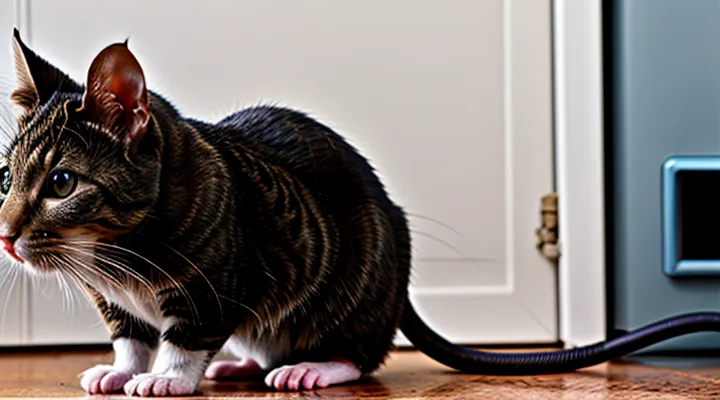
Understanding the «Electric Cat» Concept
What is an «Electric Cat»?
An Electric Cat is a self‑contained, battery‑powered unit designed to attract, detect, and eliminate rodents without the use of chemicals or traps. The device mimics the appearance of a domestic cat, employing motion sensors, infrared emitters, and a high‑voltage discharge circuit to deliver a lethal shock to mice and rats that make contact with its conductive surface.
Key components include:
- A durable plastic housing shaped like a feline silhouette.
- Infrared motion detectors that activate the system when an animal approaches.
- A low‑current power source, typically a rechargeable lithium‑ion battery.
- A high‑voltage capacitor bank capable of generating a brief, controlled electric pulse.
- Safety interlocks that prevent discharge when the unit is handled or when non‑target objects are detected.
The operational cycle begins when a rodent triggers the motion sensor. The system powers up the capacitor bank, charges it to a predetermined voltage, and releases the stored energy through metal contact points positioned on the cat’s paws and tail. The resulting electric shock is sufficient to cause immediate incapacitation, ensuring rapid removal of the pest.
Installation requires placement in areas of known rodent activity, such as along walls, behind appliances, or in storage rooms. The unit is mounted on a flat surface, secured with adhesive pads or screws, and positioned at ground level to maximize contact probability. After each activation, the device automatically resets, allowing continuous protection throughout the battery’s operational life.
Safety measures encompass:
- Insulated housing to protect humans and pets from accidental contact.
- Automatic shut‑off if the unit is lifted or tilted beyond a safe angle.
- A low‑energy standby mode that conserves battery charge when no movement is detected.
- Periodic self‑diagnostic checks that alert the user via LED indicator when maintenance or battery replacement is required.
How Does it Differ from Traditional Pest Control?
The electric cat device eliminates rodents by delivering a rapid, low‑voltage shock when the animal contacts its conductive pads. The system activates only upon detection of a live rodent, ensuring targeted action without affecting non‑target species.
Differences from conventional methods include:
- Mechanism: Traditional traps rely on mechanical capture or poison; the electric cat uses an electrical pulse to instantly incapacitate the pest.
- Safety: Poison baits pose risks to children, pets, and wildlife, whereas the electric system isolates the shock to the contact area and deactivates after each event.
- Maintenance: Mechanical traps require frequent checking, resetting, and disposal of dead rodents; the electric device signals each activation and can be emptied without direct handling.
- Humane considerations: Lethal traps often cause prolonged suffering; the electrical shock induces immediate loss of consciousness, reducing animal distress.
- Environmental impact: Chemical rodenticides contaminate soil and water; the electric approach leaves no residues and eliminates the need for hazardous substances.
Overall, the electrified feline solution provides precise, rapid, and low‑risk rodent control, contrasting sharply with the broader, less selective tactics of conventional pest management.
Mechanisms of Action
Sonic and Ultrasonic Frequencies
The Auditory Impact on Rodents
The ultrasonic emitters integrated into an electric cat produce sound frequencies typically ranging from 18 to 30 kHz, a spectrum beyond human hearing but well within the auditory sensitivity of mice and rats. These frequencies trigger the startle reflex, causing immediate cessation of foraging activity and prompting rapid retreat from the vicinity of the device.
Behavioral observations reveal several consistent responses:
- Sudden freezing or immobilization lasting 2–5 seconds upon exposure.
- Accelerated locomotion away from the sound source, often exceeding 0.5 m s⁻¹.
- Disruption of social communication, as the emitted tones mask conspecific vocalizations and interfere with pheromone‑mediated signaling.
Physiological measurements indicate that prolonged exposure elevates cortisol levels and induces temporary auditory fatigue, reducing the rodents’ ability to detect natural predator cues. Consequently, the acoustic component of the electric cat significantly diminishes rodent activity and habitat utilization within treated areas.
Human and Pet Safety Considerations
The electric cat system delivers a low‑voltage shock that deters mice and rats without lethal force. Its design incorporates safeguards to protect occupants of the household and other animals.
- The device operates on a voltage range below 12 V, insufficient to cause permanent injury to humans or pets that may accidentally touch the unit.
- Insulated housing prevents direct contact with the electrified surface; only the targeted rodent can trigger the circuit by biting the conductive pad.
- A built‑in timeout disables the shock after a brief activation, limiting exposure time and reducing the risk of prolonged stimulation.
- A safety latch secures the unit to a stable surface, preventing tipping that could expose the electrified element.
- The power source is a sealed, rechargeable battery compartment, eliminating exposed wiring and reducing fire hazards.
Human safety protocols require that the unit be installed out of reach of children and non‑target animals. Regular inspection of the housing for cracks or wear ensures the insulation remains intact. Pet owners should monitor cats, dogs, and other domestic animals for curiosity toward the device; any signs of tampering warrant immediate removal from the environment.
Compliance with electrical standards (e.g., IEC 60335‑2‑76) guarantees that the product meets rigorous testing for shock protection and mechanical robustness. Documentation accompanying the device includes clear warnings, installation diagrams, and emergency shutdown instructions, facilitating correct usage and rapid response if an unintended activation occurs.
Electromagnetic Fields
Disrupting Rodent Navigation
The electric cat is a self‑contained unit that emits a combination of high‑frequency sound, low‑level electric fields and subtle vibrations. These outputs target the sensory channels rodents use to maintain spatial awareness, causing immediate disruption of their internal maps.
Rodents depend on several cues for navigation:
- Auditory detection of low‑intensity ultrasonic tones
- Electrosensory perception of ambient electric fields
- Tactile feedback from surface vibrations
- Olfactory gradients and visual landmarks
The device interferes with each cue as follows:
- Ultrasonic tones exceed the hearing threshold of mice and rats, masking ambient sounds that indicate obstacles and escape routes.
- Pulsed electric fields generate a false polarity gradient, confusing the animals’ magnetoreceptive sense and leading to misorientation.
- Micro‑vibrations transmit through flooring and walls, overriding tactile signals that rodents rely on to gauge surface texture and distance.
The combined effect forces rodents to abandon established pathways, wander erratically, and avoid the protected zone altogether. Continuous exposure reduces exploratory behavior, limits access to food sources, and lowers population density in the treated area.
Effective deployment requires positioning the unit near entry points, ensuring unobstructed transmission of sound and fields, and maintaining power supply for uninterrupted operation. Safety mechanisms prevent activation levels that could affect non‑target species or humans.
Impact on Rodent Physiology
The electric‑cat device delivers brief, high‑frequency pulses to rodents that contact its conductive surface. These pulses interfere with the nervous system, causing immediate muscle contraction and a sudden loss of motor control. The abrupt neuromuscular response prevents the animal from maintaining balance, leading to a rapid retreat from the area.
Physiological effects include:
- Disruption of peripheral nerve signaling, which temporarily blocks the transmission of reflex arcs.
- Activation of sensory receptors that trigger a startle response, elevating adrenaline and heart rate.
- Induction of a brief, reversible tetanic contraction in skeletal muscles, rendering the rodent incapable of further movement for a few seconds.
The electrical stimulus does not cause tissue damage; the current is limited to a level that induces a non‑lethal shock. Repeated exposure can condition the animal to associate the environment with an aversive stimulus, reinforcing avoidance behavior without altering long‑term health parameters.
Vibrational Elements
Ground-Borne Transmissions
Ground‑borne transmission refers to the propagation of electrical and mechanical signals through the building’s structural elements. In a rodent‑deterrent system that mimics a cat, the device injects low‑frequency pulses into the floor, creating vibrations that travel across concrete, wood, or metal substrates. These vibrations are detected by the sensitive whisker‑like sensors of mice and rats, triggering an instinctive avoidance response.
The transmission pathway consists of three stages. First, the controller generates a waveform with a frequency range of 30–80 Hz, optimized for maximal displacement in typical building materials. Second, the waveform is coupled to a ground‑plane electrode that contacts the substrate, ensuring direct energy transfer without reliance on airborne propagation. Third, the induced vibration attenuates with distance according to the material’s damping coefficient, allowing the system to cover a defined radius while minimizing power consumption.
Key performance factors include:
- Substrate conductivity: Metal and concrete provide low‑impedance paths, enhancing signal strength; wood and composite panels introduce higher resistance, requiring increased pulse amplitude.
- Damping characteristics: Materials with high internal friction reduce vibration range, necessitating strategic placement of additional ground electrodes.
- Frequency tuning: Adjusting the pulse frequency aligns with the resonant frequencies of the specific flooring, improving detection by rodents.
By exploiting ground‑borne transmission, the electric cat delivers a discreet, non‑chemical deterrent that operates continuously without emitting audible noise or visible light. The approach leverages fundamental principles of vibration mechanics to achieve reliable, area‑wide rodent control.
How Vibrations Affect Rodent Behavior
Vibrations generated by an electric cat device create a low‑frequency acoustic field that penetrates the substrate on which rodents move. The oscillations induce rapid, periodic displacements of air molecules and solid surfaces, producing a tactile stimulus detectable by the whisker and footpad mechanoreceptors of mice and rats.
Mechanoreceptor activation triggers a cascade of neural responses in the somatosensory cortex, leading to heightened alertness and avoidance behavior. Laboratory observations show that exposure to continuous vibration at 20–30 Hz reduces time spent in the proximity of the source by up to 70 % within ten minutes.
Key behavioral effects include:
- Immediate cessation of foraging activity
- Increased locomotor speed away from the vibration origin
- Reduced nesting and burrowing in the affected zone
These responses stem from the rodents’ innate sensitivity to substrate disturbances, which historically signal predator movement. By exploiting this sensory bias, the electric cat’s vibration module deters rodent presence without reliance on chemical or lethal methods.
Effectiveness and Limitations
Factors Influencing Performance
Device Placement and Coverage Area
Proper placement determines the effectiveness of an electric cat deterrent. Install the unit near known rodent pathways—along walls, behind appliances, and under cabinets—where mice and rats travel. Position the device at a height of 12–18 inches from the floor to align with the typical movement plane of small rodents.
Ensure an unobstructed line of sight within the advertised coverage radius, usually 30 ft for a single unit. Objects such as furniture, clutter, and thick walls attenuate the electric field, reducing detection range. When walls are constructed of metal or concrete, consider supplementary units to bridge gaps.
Multiple devices create overlapping zones that eliminate blind spots. Arrange units so that their coverage circles intersect by 10–15 ft, providing continuous protection across larger spaces such as warehouses or multi‑room residences.
Key placement considerations:
- Proximity to entry points (doors, vents, cracks)
- Clearance of at least 3 ft on all sides of the device
- Avoidance of direct sunlight or moisture that may impair circuitry
- Secure mounting to prevent displacement by pets or cleaning activities
Power supply should be stable; connect the device to a dedicated outlet with surge protection. Verify that the unit’s indicator confirms active status before final placement. Regular inspection of coverage integrity—checking for dead zones after furniture rearrangement—maintains optimal performance.
Rodent Infestation Severity
Rodent infestation severity determines the urgency and scale of control measures. Low‑level presence typically involves occasional sightings, limited damage to stored goods, and minimal health risk. Medium severity includes frequent activity, noticeable gnawing on wiring or packaging, and increased contamination of food sources. High severity is characterized by large colonies, extensive structural damage, rapid population growth, and significant disease transmission potential.
An electric cat device targets rodents by delivering a swift, humane electric shock upon contact. The device’s effectiveness correlates directly with infestation severity:
- Low severity: Single units placed near entry points can eliminate occasional intruders and prevent population expansion.
- Medium severity: Multiple units distributed across affected zones increase encounter probability, reducing overall activity within weeks.
- High severity: Strategic deployment of several devices, combined with sealing of entryways and sanitation improvements, is required to suppress large colonies and limit rebound.
Assessing severity involves quantifying droppings, gnaw marks, and sighting frequency. Accurate assessment guides the number and placement of electric deterrents, ensuring resource efficiency and rapid reduction of rodent pressure.
Potential Drawbacks and Considerations
Rodent Adaptation and Tolerance
The electric cat device delivers a high‑frequency pulse that triggers an acute startle response in rodents. This response exploits the animals’ innate sensitivity to sudden electrical stimuli, causing immediate immobilization and subsequent avoidance of the treated area. The system’s efficacy depends on the precise calibration of voltage and pulse duration to overcome the physiological thresholds typical of mice and rats.
Rodents have evolved several mechanisms that mitigate exposure to hostile environments, including:
- Thickened skin and fur that reduce surface conductance.
- Behavioral habituation to non‑lethal disturbances, leading to diminished reaction over time.
- Genetic variations influencing nerve excitability, which can alter susceptibility to electrical shock.
Tolerance develops when exposure frequency falls below the threshold required to sustain a consistent aversive reaction. Continuous low‑intensity activation may allow adaptation, whereas intermittent high‑intensity pulses maintain a robust deterrent effect. Proper scheduling of the device’s activation cycles prevents desensitization and preserves long‑term control of rodent populations.
Interference with Other Electronics
The electromagnetic field generated by a rodent‑deterrent device can induce voltage spikes in nearby circuitry. These spikes may cause data corruption, unexpected resets, or reduced performance in sensitive equipment such as wireless routers, Bluetooth peripherals, and medical monitoring devices.
The source of interference is twofold: high‑frequency ultrasonic transducers and low‑frequency pulsed electric fields. Ultrasonic transducers emit sound waves above 20 kHz, which can be picked up by microphones and convert to electrical signals in audio equipment. Pulsed electric fields create rapid changes in magnetic flux, capable of coupling into unshielded cables and inducing currents in adjacent conductors.
Mitigation strategies include:
- Maintaining a minimum clearance of 1 meter between the deterrent unit and critical electronics.
- Using shielded cabling for devices located within the effective range of the field.
- Installing ferrite beads on power and data lines to suppress induced high‑frequency currents.
- Selecting models that comply with FCC Part 15 Class B emission limits, which reduce the likelihood of cross‑device disruption.
Routine testing with a spectrum analyzer can verify that emissions remain within acceptable limits. Adjusting the device’s power setting or repositioning it away from high‑sensitivity zones further minimizes the risk of interference.
Optimal Use and Best Practices
Strategic Deployment Techniques
Placement in High-Activity Zones
Effective deployment of an electric cat device hinges on positioning it where rodent activity peaks. Accurate placement maximizes shock delivery, reduces pest population, and limits collateral impacts.
- Identify corridors linking food storage, waste bins, and shelter areas; rodents travel these paths repeatedly.
- Install units at wall junctions, under cabinets, and near entry points such as doorways or ventilation openings.
- Ensure a minimum of 12 inches of clearance on all sides to allow unobstructed movement and proper contact with the animal’s body.
- Mount devices at a height of 6–12 inches above the floor, matching the typical running level of mice and rats.
- Avoid locations with excessive moisture, direct sunlight, or heavy foot traffic that could trigger false activations or damage the unit.
- Use multiple units in large facilities, spacing them 15–20 feet apart to create overlapping coverage zones.
Strategic placement in these high‑activity zones ensures the electric cat operates continuously where rodents are most likely to encounter it, delivering reliable control with minimal waste of power and resources.
Combining with Other Deterrents
The electric cat can be integrated with additional control measures to increase overall efficacy against rodent populations. Pairing devices creates overlapping zones of disruption, reduces the chance of habituation, and targets multiple behavioral cues.
- Ultrasonic emitters: Position speakers near the electric cat’s coverage area. Ultrasonic frequencies deter rodents that avoid high‑frequency sounds, while the cat delivers a physical shock upon contact. Synchronizing activation times ensures continuous pressure without gaps.
- Mechanical traps: Install snap or live‑catch traps at entry points that the electric cat cannot reach, such as narrow ducts. The cat’s presence discourages exploration, driving rodents toward the traps where they are captured.
- Chemical repellents: Apply non‑toxic, scent‑based repellents on surfaces surrounding the cat’s range. The repellent’s odor repels rodents that are wary of strong smells, complementing the cat’s shock deterrence.
- Environmental modifications: Seal cracks, remove food sources, and maintain low humidity. These changes reduce attractants, allowing the electric cat to focus on the remaining individuals rather than a constant influx.
When combining methods, maintain safe distances between electrical components and other devices to prevent interference. Test each addition individually before full deployment to verify that the electric cat’s shock circuit remains functional. Regular monitoring of rodent activity guides adjustments, ensuring the integrated system remains effective over time.
Maintenance and Troubleshooting
Power Supply and Battery Life
The device relies on a compact power system that balances immediate performance with extended operation. A rechargeable lithium‑ion cell typically provides 3.7 V nominal voltage and a capacity of 1500‑2000 mAh, sufficient to drive the high‑frequency ultrasonic transducer and the low‑voltage motor that simulates a cat’s tail movement. The circuit incorporates a step‑up converter to reach the 12‑V level required by the motor, while the ultrasonic module operates directly from the battery voltage, minimizing conversion losses.
Battery life depends on duty cycle and environmental conditions. Continuous use at maximum output drains the cell in approximately 8‑10 hours. Reducing the activation interval to 30 seconds per minute extends runtime to 20‑24 hours. Ambient temperature influences discharge rate; colder environments can shorten effective capacity by up to 15 %. The built‑in protection board monitors voltage, halting operation below 3.0 V to prevent deep discharge and preserve long‑term health.
Maintenance procedures are straightforward. After each full discharge, the battery should be recharged to 100 % using the supplied 5 V USB‑C charger. A monthly calibration check ensures the motor and ultrasonic emitter receive the correct voltage, preventing premature wear. Users can replace the battery module with a higher‑capacity 2500 mAh pack, increasing maximum continuous operation to roughly 14 hours without altering the device’s form factor.
Addressing Device Malfunctions
The electric cat device is designed to deter rodents through high‑frequency sound and, in some models, mild electric pulses. Reliable performance depends on consistent power delivery, proper sensor alignment, and intact circuitry. When the unit stops functioning, systematic diagnosis prevents unnecessary replacement.
Common malfunction categories include:
- Power loss – depleted batteries, loose charger connections, or faulty power adapters.
- Sensor failure – obstructed motion detectors, misaligned ultrasonic emitters, or damaged infrared modules.
- Circuit interruption – corroded terminals, broken wires, or shorted components.
- Software glitches – firmware corruption or outdated firmware versions.
Steps to resolve issues:
- Verify the power source. Replace batteries with fresh cells, inspect charger cables for wear, and confirm that the outlet supplies correct voltage.
- Examine the sensor housing. Remove debris, ensure the emitter lens is clean, and reposition the unit so that the detection field is unobstructed.
- Inspect internal wiring. Look for signs of frayed insulation, loose connectors, or burnt traces; reseat or replace compromised parts.
- Reinstall firmware. Download the latest version from the manufacturer’s website, follow the provided flashing procedure, and reset the device after installation.
- Conduct a functional test. Activate the unit in a controlled environment, observe the sound emission and, if applicable, the electric discharge indicator. Confirm that the device responds to simulated rodent movement.
If the problem persists after these actions, contact technical support with a detailed description of the symptoms, the steps already taken, and the device’s serial number. This information expedites advanced troubleshooting or warranty service.
Comparing with Other Deterrent Methods
«Electric Cat» vs. Traps
The electric cat device delivers a low‑voltage shock to rodents that enter its detection zone, causing immediate incapacitation without lethal force. Sensors detect body heat and movement; once a mouse or rat triggers the circuit, a brief pulse disrupts the animal’s nervous system, prompting rapid retreat. The system resets within seconds, allowing continuous operation.
Traditional rodent traps—snap, glue, and live‑capture models—rely on mechanical action or adhesive surfaces. Their effectiveness depends on precise placement, bait attractiveness, and periodic inspection. Failure to reset or replace a trap can result in multiple escapes or prolonged suffering.
Key differences include:
- Activation speed: Electric cat responds within milliseconds; traps may require several seconds to close.
- Reset time: Automatic after each event for the electric cat; manual resetting needed for most traps.
- Human safety: The shock level is below harmful thresholds for people; traps pose pinch or cut hazards.
- Maintenance: Electric cat requires periodic battery or power‑source checks; traps need regular cleaning and disposal of captured rodents.
- Longevity: Electronic unit operates for months with minimal parts wear; traps degrade quickly due to rust or adhesive loss.
Implementation guidelines recommend positioning the electric cat along established rodent pathways, near walls or entry points, and ensuring unobstructed sensor fields. Power supply should be reliable, with backup options for uninterrupted coverage. Regular inspection of the unit’s circuitry confirms consistent performance and detects any sensor drift.
Overall, the electric cat offers faster response, reduced labor, and higher safety standards compared with conventional trapping methods, making it a viable alternative for sustained rodent management.
«Electric Cat» vs. Chemical Repellents
The electric cat device delivers a low‑voltage shock to rodents that contact its conductive pads, causing immediate immobilization and deterring further entry. Its operation relies on a simple circuit: a power source energizes the pads, and a sensor detects the animal’s touch, completing the circuit. The result is a rapid, humane incapacitation without chemicals.
Chemical repellents function through volatile compounds that irritate the olfactory or respiratory systems of mice and rats. Application typically involves spraying, dusting, or placing bait stations. Effectiveness depends on concentration, environmental conditions, and the target species’ tolerance levels.
Comparison
- Mechanism – Electric cat: physical shock; Chemical repellent: sensory irritation.
- Immediate impact – Electric cat: instant incapacitation; Chemical repellent: delayed, often requiring repeated exposure.
- Safety for non‑target species – Electric cat: limited to contact; Chemical repellent: risk of accidental ingestion or inhalation by pets and humans.
- Environmental footprint – Electric cat: minimal waste, no residues; Chemical repellent: potential soil and water contamination.
- Maintenance – Electric cat: periodic battery replacement and pad cleaning; Chemical repellent: regular re‑application and monitoring of concentration.
- Cost – Electric cat: higher upfront price, low recurring cost; Chemical repellent: low initial expense, ongoing purchase of consumables.
Overall, the electric cat offers a direct, controllable method with reduced ecological impact, while chemical repellents provide a broader coverage area but entail higher health and environmental risks.