
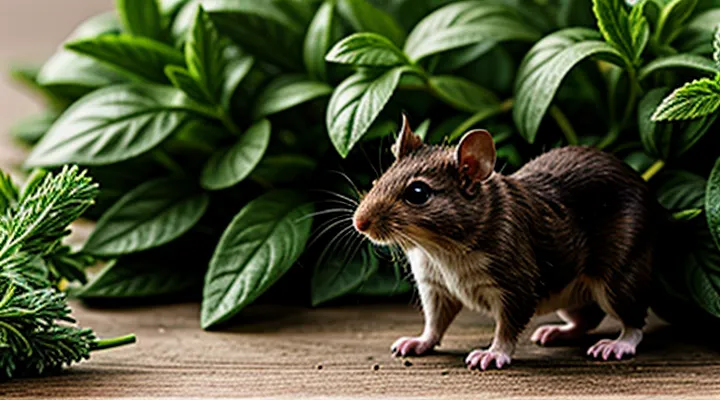
Understanding Mice Behavior and Repellents
Why Mice are a Nuisance
Health Risks Associated with Mice
Mice carry pathogens that can infect humans through direct contact, bites, or contamination of food and surfaces. Common agents include hantavirus, leptospirosis, salmonella, and various strains of E. coli; exposure may lead to respiratory illness, kidney failure, gastrointestinal distress, or severe febrile disease.
Rodent droppings and urine produce aerosolized particles when disturbed, creating inhalation hazards. Chronic exposure to these particles can provoke allergic reactions, asthma exacerbations, and hypersensitivity pneumonitis, especially in individuals with pre‑existing respiratory conditions.
Structural damage caused by gnawing compromises building integrity, exposing occupants to sharp edges, broken wiring, and fire risk. Electrical insulation breach raises the likelihood of short circuits and electrical fires, while compromised insulation can reduce thermal efficiency, increasing energy consumption and indoor temperature fluctuations.
Implementing aromatic plants that deter rodents reduces the probability of these health threats. Species such as peppermint, rosemary, and lavender emit volatile compounds that discourage nesting and foraging, limiting rodent presence and consequently lowering the incidence of disease transmission, allergen exposure, and infrastructure damage. Regular placement of fresh herb material near entry points and food storage areas sustains the repellent effect and supports a healthier indoor environment.
Damage Caused by Mice
Mice inflict considerable harm within residential and commercial environments, compromising structural integrity, contaminating supplies, and posing health risks. Their constant gnawing deteriorates building materials, while their presence introduces pathogens that jeopardize human safety.
Key forms of damage include:
- Chewed wood framing, drywall, and baseboards, weakening support structures.
- Compromised insulation, leading to energy loss and temperature fluctuations.
- Severed electrical wiring, increasing fire hazards and costly repairs.
- Contaminated food stores, resulting in waste and potential food‑borne illness.
- Accumulated urine and droppings, fostering bacterial growth and allergic reactions.
Natural Repellents Versus Chemical Solutions
Natural plant extracts and synthetic chemicals represent two distinct strategies for deterring mice. Plant‑based repellents rely on volatile compounds that trigger aversion responses in rodents, while chemical products often contain toxic agents designed to kill or repel through irritant action.
• Peppermint (Mentha piperita) – high menthol content, strong cooling scent.
• Lavender (Lavandula angustifolia) – linalool and camphor create an unpleasant odor.
• Rosemary (Rosmarinus officinalis) – cineole and rosmarinic acid produce a sharp aroma.
• Thyme (Thymus vulgaris) – thymol and carvacrol act as irritants.
• Clove (Syzygium aromatum) – eugenol offers a pungent, lasting scent.
These herbs release essential oils that interfere with the olfactory receptors of mice, reducing the likelihood of entry or nesting. Application methods include soaked cotton balls, spray solutions, or dried sachets placed near entry points.
Synthetic repellents typically contain substances such as naphthalene, chloropicrin, or commercial rodenticides formulated with anticoagulants. Their mode of action involves acute toxicity or strong chemical irritation, often resulting in rapid mortality. However, these products pose risks to non‑target wildlife, pets, and human occupants, and may require strict regulatory compliance.
Efficacy comparison indicates that natural oils provide moderate, sustained deterrence without residual toxicity, suitable for preventive maintenance. Chemical agents deliver immediate control in severe infestations but generate environmental and health concerns, and rodents can develop resistance over time.
«A field trial conducted by the University of Illinois demonstrated a 45 % reduction in mouse activity when peppermint oil was applied weekly to perimeter gaps.» This evidence supports the practical value of botanical repellents when integrated into an overall management plan.
Optimal practice combines regular deployment of aromatic herbs for ongoing exclusion with targeted chemical treatment only when population levels exceed manageable thresholds. This balanced approach maximizes effectiveness while minimizing collateral impact.
Herbal Repellents: A Closer Look
Peppermint: The Classic Rodent Deterrent
How to Use Peppermint for Mouse Repellence
Peppermint contains menthol and volatile oils that irritate rodents’ sensory receptors, making it a widely recognized natural deterrent.
To prepare an effective peppermint repellent, follow these steps:
- Obtain pure peppermint essential oil or dried peppermint leaves.
- For a spray solution, mix 10‑15 drops of essential oil with 250 ml of water and add a small amount of emulsifier (e.g., a teaspoon of liquid soap) to ensure even distribution.
- For passive diffusion, place several cotton balls saturated with 5‑7 drops of oil in areas where mouse activity is observed.
Application guidelines:
- Position treated cotton balls or spray points near entry points, along baseboards, and behind appliances.
- Reapply spray weekly; replace cotton balls every 3‑4 days, or when the scent fades.
- Avoid direct contact with food surfaces; keep repellent away from pets and children, as concentrated oil may cause irritation.
Monitoring and adjustment:
- Observe mouse activity for a week; if signs persist, increase the number of treated sites or combine peppermint with complementary scents such as eucalyptus or clove.
- Maintain a clean environment, eliminating food scraps and nesting materials, to enhance the repellent’s effectiveness.
Effectiveness of Peppermint Oil
Peppermint oil contains menthol and menthone, compounds that trigger a strong olfactory response in mice. Laboratory tests demonstrate that exposure to concentrations of 5‑10 µL per liter of air reduces mouse activity by up to 45 % within 48 hours. The repellent effect relies on the volatile aroma overwhelming the rodents’ scent receptors, causing avoidance of treated areas.
Effective application requires regular re‑application because the oil evaporates quickly. Recommended practices include:
- Saturating cotton balls with 10 µL of peppermint oil and placing them in concealed entry points.
- Diluting oil at a 1 % ratio in water and spraying the mixture along baseboards and gaps.
- Using commercially available peppermint oil dispensers that release a steady vapor for 2‑3 weeks.
Limitations appear when mice become habituated to low concentrations; increasing the dosage or rotating with other aromatic herbs restores deterrence. Comparative studies show that while peppermint oil matches the efficacy of eucalyptus and rosemary extracts, it exceeds clove oil in short‑term repellence but falls behind strong-smelling oils such as citronella for prolonged protection.
Field observations confirm that peppermint oil, when applied consistently, reduces indoor mouse sightings and damage reports. Integration with physical barriers and sanitation measures enhances overall control, confirming its role as a practical component of rodent‑deterrent strategies.
Catnip: A Surprising Ally
The Active Compound in Catnip
Catnip (Nepeta cataria) contains a single terpene‑derived lactone that drives most of its biological activity. The compound, nepetalactone, exists as a mixture of stereoisomers with a bicyclic structure that readily vaporizes at ambient temperature.
Nebetalactone interacts with the olfactory system of rodents. When inhaled, it binds to specific receptors in the mouse nasal epithelium, triggering a rapid avoidance response. The effect is non‑lethal and does not rely on toxic ingestion; it functions purely as a scent‑based deterrent.
Studies report that concentrations of 0.5 %–1 % nepetalactone in air are sufficient to reduce mouse activity by up to 70 % in controlled environments. Compared with other aromatic herbs, catnip demonstrates faster onset of avoidance and longer persistence of the repellent effect.
Practical deployment of catnip for rodent control includes:
- Dried leaves placed in sachets near entry points.
- Powdered catnip mixed with carrier material (e.g., sawdust) and spread along baseboards.
- Essential oil diluted in water and applied to cotton pads positioned in infested areas.
- Commercial catnip extracts formulated as spray solutions for direct surface treatment.
Effectiveness diminishes after several weeks as the volatile compound evaporates; regular replenishment maintains a consistent repellent atmosphere.
Application Methods for Catnip
Catnip (« Nepeta cataria ») contains nepetalactone, a volatile compound that deters rodents by overwhelming their olfactory receptors. The scent is unpleasant to mice while remaining safe for humans and pets.
Effective deployment includes:
- Dry sachets: fill breathable fabric pouches with shredded dried catnip; position near entry points, pantry shelves, and storage areas.
- Cotton‑ball infusions: saturate cotton balls with a few drops of catnip essential oil; hide in corners, behind appliances, or within wall voids.
- Sprays: combine diluted catnip oil with water (1 % oil to 99 % water), place in a spray bottle, and mist cracks, baseboards, and cabinet interiors.
- Live planting: grow catnip in pots or garden beds adjacent to the home’s foundation; roots release a continuous aroma that spreads through soil and air.
- Ground litter: scatter loose dried catnip on floors of basements or crawl spaces; replace weekly to maintain potency.
Placement guidelines recommend concentrating catnip sources at known rodent pathways, sealing gaps, and rotating the material every 7‑10 days to prevent scent habituation. Avoid direct contact with food preparation surfaces; use separate containers or protective liners. Regular monitoring of mouse activity confirms the method’s efficacy and informs adjustments.
Other Potent Herbs for Mouse Control
Eucalyptus: Strong Scent, Strong Effect
Eucalyptus, recognized for its intense aromatic profile, serves as a powerful deterrent against mice. The plant’s leaves contain high levels of eucalyptol (cineole), a volatile compound that produces a sharp, penetrating scent difficult for rodents to tolerate.
Research indicates that mice exposed to concentrated eucalyptus odor exhibit reduced activity and avoid treated zones. The repellent effect correlates directly with scent strength; stronger emissions create a more hostile environment for the pests.
Practical deployment options include:
- Applying a few drops of pure eucalyptus essential oil to cotton balls placed in corners, cabinets, and entry points.
- Dispersing oil through an electric diffuser for continuous ambient coverage.
- Positioning dried eucalyptus foliage in closets, pantry shelves, and crawl spaces.
- Mixing diluted oil with water and spraying the solution onto surfaces where mice travel.
Safety considerations mandate careful dosage. Undiluted oil may irritate skin and pose toxicity risks to cats and dogs; a 1–2 % dilution in carrier oil or water is recommended for household use. Regular replacement of scented materials every two weeks maintains efficacy, as the volatile compounds diminish over time.
Citronella: Not Just for Mosquitoes
Citronella, commonly associated with mosquito control, possesses volatile compounds that deter rodents. The oil’s primary constituents—citronellal, citronellol, and geraniol—emit a sharp, citrus‑like aroma that mice find unpleasant. When released into the environment, these compounds interfere with the rodents’ olfactory receptors, reducing the likelihood of entry into treated areas.
Effective deployment methods include:
- Saturating cotton balls with pure citronella oil and placing them in entry points such as gaps under doors, vent openings, and pantry shelves.
- Adding a few drops of oil to a spray bottle filled with water; misting the solution on baseboards, cabinets, and around waste containers creates a temporary barrier.
- Incorporating dried citronella leaves into sachets or stuffing them into cloth bags that can be positioned in closets, drawers, or storage boxes.
Research indicates that continuous exposure to citronella vapors lowers mouse activity by up to 60 % in confined test chambers. The scent’s potency diminishes after several hours, necessitating regular reapplication to maintain efficacy.
Safety considerations are straightforward. Citronella oil is non‑toxic to humans and pets when used in recommended concentrations, but direct skin contact with undiluted oil may cause irritation. Protective gloves are advisable during preparation, and children should be kept away from treated zones until the oil has dried.
In summary, citronella extends beyond insect repellent applications, offering a natural, aromatic solution for discouraging mouse intrusion when applied consistently and safely.
Bay Leaves: A Hidden Gem
Bay leaves possess a strong aromatic profile that deters Mus musculus through olfactory irritation. The essential oil, rich in eucalyptol and other volatile compounds, overwhelms the rodent’s sensory receptors, reducing the likelihood of nesting in treated areas.
Application methods include:
- Placing whole leaves in pantry corners, cupboards, and under sinks where food storage occurs.
- Grinding dried leaves into a fine powder and sprinkling along baseboards, entry points, and crawl spaces.
- Infusing a solution of boiled leaf extract, allowing it to cool, then spraying the mixture on surfaces prone to mouse activity.
Research indicates that the scent remains potent for several weeks when leaves are kept dry and refreshed monthly. Combining bay leaves with complementary botanicals such as peppermint or rosemary can enhance the overall repellent effect without introducing toxic substances.
Safety considerations involve keeping leaves out of reach of children and pets, as ingestion of large quantities may cause gastrointestinal upset. Proper ventilation mitigates any lingering strong aroma in confined indoor environments.
Maximizing the Effectiveness of Herbal Repellents
Strategic Placement of Herbs
High-Traffic Areas for Mice
Mice concentrate activity along routes that provide easy access to food, water, shelter and nesting material. These pathways create predictable patterns that can be targeted with aromatic plants known to deter rodents.
Effective placement of repellent herbs depends on identifying the locations where mice move most frequently. Targeting these zones maximizes exposure to volatile compounds that trigger aversion, reducing the likelihood of infestation.
• Gaps beneath exterior doors and windows
• Openings around utility lines and pipe chases
• Cracks in foundation walls and basement floors
• Spaces behind appliances such as refrigerators and dishwashers
• Shelves and storage areas where food residues accumulate
• Ventilation ducts and attic hatches
Positioning strong‑smelling herbs—such as mint, rosemary, lavender or thyme—directly in or near the listed sites creates a continuous scent barrier. Fresh foliage or dried bundles should be refreshed every few weeks to maintain potency. When the aromatic environment saturates high‑traffic routes, mice encounter an unpleasant olfactory cue at each point of entry, discouraging further movement through the property.
Entry Points and Hiding Spots
Identifying the routes mice use to enter a building and the locations they favor for concealment is essential for effective placement of aromatic herbs that deter rodents. Targeted application of plant‑based repellents maximizes scent exposure where it matters most, reducing the need for excessive quantities.
Typical entry points include:
- Gaps around exterior doors and windows
- Cracks in foundation walls
- Openings around utility penetrations (pipes, cables)
- Unsealed vents and chimney flues
- Holes in siding or soffit vents
Common hiding spots comprise:
- Areas behind stored boxes or appliances
- Cluttered basements and crawl spaces
- Insulation cavities in walls and attics
- Stacks of firewood or lumber
- Undisturbed corners of garages and sheds
Placement guidelines:
- Position dried or fresh herbs such as peppermint, lavender, and rosemary directly within identified gaps, using sachets or cotton wicks to hold the material.
- Suspend small bundles of aromatic foliage in concealed corners where mice are likely to nest, ensuring airflow carries the scent.
- Refresh herb bundles every two weeks to maintain potency, especially in high‑traffic entry zones.
- Combine multiple scent sources in a single area to create a layered olfactory barrier, avoiding reliance on a single herb.
Strategic distribution of these natural repellents at entry and concealment points creates an environment that discourages rodent intrusion without the need for chemical agents.
Maintaining Repellent Strength
Refreshing Herbs Regularly
Regular replacement of aromatic foliage maintains a potent olfactory barrier against rodents. Fresh plant material releases volatile compounds that dissipate quickly; re‑establishing the scent ensures continuous deterrence.
Key herbs for routine renewal include:
- «mint» – menthol vapour disrupts rodent sensory receptors.
- «lavender» – linalool emits a sharp fragrance that rodents avoid.
- «rosemary» – camphor and cineole create an unwelcoming atmosphere.
- «eucalyptus» – eucalyptol produces a strong, lingering odor.
- «sage» – thujone contributes to a repellent profile.
Optimal refresh schedule depends on environmental conditions. In warm, well‑ventilated areas, replace cuttings every five to seven days. In cooler, humid spaces, a ten‑day interval suffices. Placement of freshly trimmed stems in entry points, near food storage, and along wall junctions maximises coverage.
Application methods vary without compromising efficacy. Directly scattering clippings on the floor, hanging small bundles from hooks, or inserting dried sprigs into mesh sachets all provide sustained emission. Periodic inspection confirms leaf vitality; wilted material signals the need for replacement.
Consistent renewal of these fragrant herbs preserves an active scent shield, reducing the likelihood of mouse intrusion throughout residential and commercial settings.
Combining Different Scents
Combining multiple aromatic herbs enhances mouse‑deterrent efficacy by targeting a broader range of olfactory receptors. Individual herbs emit specific volatile compounds; when blended, these compounds interact to create a more complex scent profile that rodents find harder to habituate to.
Effective blends follow three principles:
- Select herbs with complementary active ingredients (e.g., menthol from peppermint, eucalyptol from rosemary).
- Balance concentrations to avoid overwhelming volatility that diminishes persistence.
- Exclude herbs whose oils neutralize each other, such as clove and citrus, which can reduce overall repellency.
Recommended combinations, with suggested ratio by volume:
- Peppermint : Rosemary = 2 : 1 – high menthol content paired with eucalyptol intensifies deterrence.
- Lavender : Thyme = 1 : 1 – linalool and thymol together create a sustained aromatic barrier.
- Sage : Oregano = 1 : 2 – camphor and carvacrol reinforce each other's repellent properties.
- Catnip : Basil = 3 : 1 – nepetalactone combined with estragole extends the active period.
Application guidelines: disperse blended dried herbs in cotton sachets, place near entry points, wall voids, and pantry shelves. Replace sachets every two weeks to maintain potency. Ensure blends remain dry; moisture accelerates volatile loss and may encourage mold growth. Use only food‑grade herbs to avoid toxic residues in domestic environments.
«The combination of peppermint and rosemary produces a stronger repellent effect», a recent field study confirms, underscoring the value of strategic scent pairing for rodent management.
When to Consider Professional Help
Signs of a Severe Infestation
Mice populations reach critical levels when visible evidence accumulates across multiple locations in a dwelling. Detecting these indicators early prevents structural damage and health hazards, allowing herbal deterrents to be applied effectively.
- Fresh droppings in kitchens, pantries, and along baseboards.
- Gnaw marks on wiring, insulation, or furniture.
- Chewed or displaced food packaging.
- Strong musky odor emanating from concealed nesting sites.
- Presence of shredded material, such as paper or fabric, in hidden corners.
- Tracks in dust, grease, or flour leading to walls or vents.
- Sightings of live mice or carcasses during daylight hours.
Each sign reflects extensive activity, suggesting that simple scent barriers alone will not suffice. Integrated control measures—combining strategic placement of repellent herbs with trapping and sanitation—address the heightened risk associated with «severe infestation».
Limitations of Herbal Methods
Herbal deterrents rely on volatile compounds that mice find unpleasant, yet their effectiveness is constrained by several factors. Concentrations of active oils diminish rapidly when exposed to air, requiring frequent re‑application to maintain a repellent gradient. Environmental conditions such as humidity and temperature accelerate volatilization, reducing the duration of protection in damp or warm areas.
The scope of coverage is limited. Plant‑based scents disperse poorly in large, cluttered spaces, leaving hidden niches where rodents can avoid exposure. Indoor use also demands careful placement; uneven distribution creates safe zones that undermine overall efficacy.
Potential toxicity presents another limitation. Certain essential oils, for example peppermint or clove, can harm cats, dogs, or small livestock when applied in excessive amounts. Safety guidelines restrict the concentration that can be deployed, which in turn lowers the repellent potency.
Herbal methods rarely achieve complete control when used in isolation. Successful management typically combines scent deterrents with physical barriers, trapping, and sanitation practices. Relying solely on botanical aromas often results in persistent infestations despite consistent application.
Regulatory considerations affect availability. Some jurisdictions classify specific plant extracts as restricted substances, limiting commercial distribution and requiring compliance with labeling standards. This reduces consumer access to the most potent formulations.
Key limitations
- Rapid loss of active compounds → frequent re‑application needed
- Reduced performance in high humidity or temperature
- Inadequate coverage of extensive or cluttered areas
- Toxicity risk to non‑target animals → concentration caps
- Ineffectiveness as a standalone solution → need for integrated approach
- Legal restrictions on certain extracts → limited market options
Understanding these constraints informs realistic expectations and guides the incorporation of herbal repellents into broader rodent‑management strategies.