
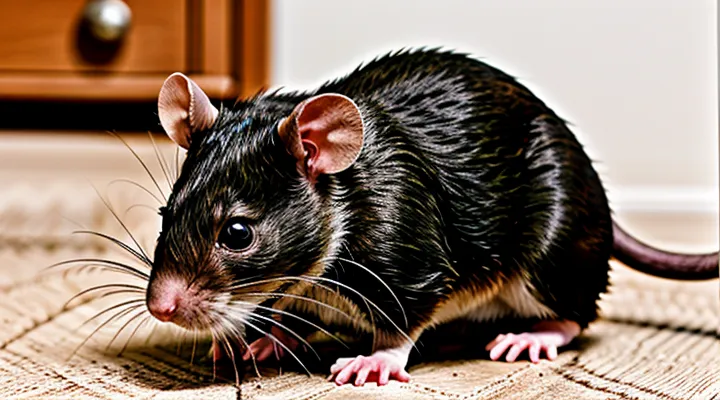
Why Tail Hygiene Matters for Rats
Tail hygiene is essential for a rat’s overall health. Poor grooming can lead to skin infections, parasitic infestations, and systemic disease. The tail, being a primary thermoregulation organ, is especially vulnerable to damage when contaminated.
- Accumulated debris blocks sweat glands, impairing temperature control.
- Moisture trapped in fur encourages bacterial growth, causing dermatitis.
- Injuries from rough surfaces become infected more readily without regular cleaning.
- Parasites such as mites and ticks often colonize the tail, spreading to the rest of the body.
Maintaining a clean tail also supports normal circulation. Excess waste or swelling compresses blood vessels, reducing nutrient flow and hindering tissue repair. Regular inspection and gentle cleaning prevent these complications, promoting longevity and well‑being in pet rats.
Preparing for the Cleaning Process
Gathering Your Supplies
Approved Cleaning Solutions
Maintaining proper hygiene of a rodent’s tail requires solutions that are safe, effective, and endorsed by veterinary standards. Only products specifically formulated for small mammals should be employed to avoid skin irritation, systemic toxicity, or damage to delicate fur.
- « Warm distilled water » – ideal for routine rinses; temperature should not exceed 38 °C to prevent burns.
- « Mild, unscented liquid soap » – diluted to a 0.5 % concentration; ensures removal of debris without disrupting the natural oil barrier.
- « Isotonic saline solution » – 0.9 % sodium chloride; useful for cleaning minor abrasions and flushing out contaminants.
- « Diluted chlorhexidine (0.05 % – 0.1 %) » – approved for short‑term use on small‑animal skin; provides antiseptic action while remaining non‑cytotoxic at recommended dilution.
- « Veterinary‑grade enzymatic cleanser » – formulated to break down organic buildup; apply according to manufacturer instructions and rinse thoroughly.
Application guidelines: apply the chosen solution with a soft, lint‑free gauze; gently wipe along the length of the tail, avoiding excessive pressure. Rinse with distilled water when soap or enzymatic agents are used, then pat dry with a clean towel. Inspect the tail after each cleaning session for signs of redness, swelling, or hair loss; consult a veterinarian promptly if abnormalities appear. Consistent use of the listed approved solutions supports tail health and reduces the risk of infection.
Appropriate Tools and Towels
Cleaning a rat’s tail requires equipment that minimizes stress and prevents injury. Selecting the correct implements ensures a safe, efficient process.
The essential implements include:
- Small, rounded‑edge scissors for trimming debris without cutting skin.
- Soft‑bristled toothbrush or interdental brush to dislodge dirt gently.
- Sterile saline solution for rinsing, avoiding harsh chemicals.
- Non‑toxic, fragrance‑free antiseptic wipes for final disinfection.
- Disposable latex or nitrile gloves to maintain hygiene and protect the handler.
The selection of towels influences both comfort and cleanliness. Preferred options are:
- Clean, low‑pile cotton washcloths that absorb moisture without shedding fibers.
- Paper towels with a smooth surface, discarded after each use to prevent cross‑contamination.
- Microfiber cloths pre‑moistened with sterile saline, providing a gentle, damp environment for the tail.
When applying towels, wrap the tail loosely to avoid constriction, then dab gently to remove excess liquid. Replace the towel immediately if it becomes soiled, ensuring a consistently dry surface before proceeding to the next step. The combination of these tools and towels, referenced as «Appropriate Tools and Towels», forms the foundation for a hygienic, humane cleaning routine.
Creating a Safe and Comfortable Environment
Minimizing Stress
Minimizing stress during tail cleaning preserves the animal’s physiological balance and prevents adverse reactions that could compromise hygiene. A calm environment reduces the release of adrenaline, which can cause vasoconstriction and hinder effective cleaning.
- Prepare a quiet, temperature‑controlled area free of sudden noises.
- Use gentle handling techniques: support the body, avoid gripping the tail directly, and employ soft, damp gauze rather than abrasive materials.
- Limit the duration of the procedure to the shortest time necessary for thorough cleaning.
- Offer a familiar scent, such as a piece of bedding, to provide reassurance.
- Allow a recovery period after cleaning, during which the rat can retreat to a safe enclosure.
Consistent application of these practices establishes a predictable routine, reinforcing the animal’s sense of security. Reduced stress levels facilitate smoother cleaning, lower the risk of injury, and support overall health.
Proper Handling Techniques
Proper handling of a rat’s tail is essential for effective cleaning and for preventing injury. The tail’s delicate skin and underlying blood vessels require gentle, controlled manipulation. Use a clean, soft cloth or gauze moistened with lukewarm saline solution; avoid abrasive materials that could tear tissue.
Key techniques include:
- Secure the animal gently but firmly by wrapping the body in a soft towel, leaving the tail exposed. This prevents sudden movements while allowing easy access.
- Support the tail with the thumb and forefinger, applying minimal pressure. Hold the tail near the base, not at the tip, to distribute force evenly.
- Perform cleaning motions with a light, sweeping motion from the base toward the tip. Replace the cloth frequently to maintain cleanliness.
- Inspect the tail for signs of damage, swelling, or discoloration after each pass. Address any abnormalities immediately with appropriate veterinary care.
- Release the tail gradually, allowing the rat to adjust before removing the towel restraint.
Maintain a calm environment, keep tools sterile, and limit handling time to reduce stress. Consistent application of these techniques ensures thorough cleaning while preserving the tail’s integrity.
Step-by-Step Tail Cleaning Guide
Initial Inspection and Assessment
Before any cleaning, a thorough visual and tactile examination of the rat’s tail is essential. The assessment determines the presence of wounds, swelling, discoloration, or foreign material that could affect the cleaning method.
Key points of inspection:
- Look for cuts, abrasions, or ulcerations; note size, depth, and location.
- Observe skin tone; pale or bluish areas may indicate circulatory problems.
- Feel for lumps, hardening, or fluid accumulation beneath the skin.
- Identify debris such as bedding fibers, feces, or urine residues clinging to the fur.
- Check for signs of infection, including redness, heat, or foul odor.
Based on the findings, decide whether a simple rinse suffices or if veterinary intervention is required. Clean only intact, healthy skin; damaged sections should be treated with appropriate wound care before any cleaning attempt.
Gentle Washing Techniques
Addressing Minor Dirt
Minor soil on a rat’s tail can be removed safely without compromising the delicate skin. The fur on the tail is thin, and excessive moisture or harsh chemicals may cause irritation or infection.
Procedure
- Prepare a shallow basin with warm (not hot) water; temperature should not exceed body heat.
- Add a few drops of mild, unscented pet shampoo; avoid products containing alcohol or fragrances.
- Submerge only the tail for no longer than 30 seconds. Gently agitate the water to loosen debris.
- Use a soft, damp cloth or a cotton swab to lift particles. Do not scrub; a light brushing motion is sufficient.
- Rinse the tail under running lukewarm water until all soap residues disappear.
- Pat dry with a clean, lint‑free towel. Allow the tail to air‑dry for several minutes before returning the animal to its cage.
Aftercare
Inspect the tail for redness or swelling after cleaning. If irritation appears, apply a thin layer of veterinary‑approved antiseptic ointment and monitor for improvement. Regular brief cleaning, performed weekly, prevents accumulation of minor dirt and supports overall tail health.
Handling Stubborn Grime
Stubborn grime on a rat’s tail often resists ordinary rinses, requiring targeted techniques to achieve thorough cleanliness.
- Soak the tail in warm water mixed with a mild enzymatic cleaner for 5–10 minutes; the enzyme action breaks down organic buildup.
- Apply a soft, natural‑fiber brush, moving from the base toward the tip, to dislodge residual particles without damaging delicate scales.
- Rinse with lukewarm water, ensuring no soap residue remains, then pat dry with a lint‑free cloth.
If grime persists after the initial cycle, repeat the soak with a diluted hydrogen peroxide solution (1 % concentration) for no longer than 2 minutes; peroxide oxidizes remaining debris while posing minimal risk to healthy tissue.
Avoid abrasive tools, excessive force, and hot water above 40 °C, as these can cause skin irritation or scale loss. After cleaning, apply a thin layer of veterinary‑approved barrier ointment to protect against future buildup.
Consistent maintenance, involving weekly inspection and gentle cleaning, prevents the accumulation of tenacious dirt and supports overall tail health.
Rinsing Thoroughly
Rinsing the tail must remove all debris, soap, and potential pathogens. Water temperature should be lukewarm, approximately 30‑35 °C, to prevent vasoconstriction while facilitating solubilization of contaminants. Hold the tail gently but securely, allowing continuous flow from the tip toward the base; this direction prevents residue from re‑entering cleaned sections.
- Direct a steady stream of lukewarm water over the entire length of the tail.
- Apply gentle pressure with fingertips to dislodge particles, avoiding excessive force that could damage delicate skin.
- Continue until the runoff appears clear, indicating removal of soap and foreign matter.
- Pat dry with a soft, lint‑free cloth; do not rub, as friction may irritate the skin.
After rinsing, inspect the tail for residual moisture. Persistent wetness encourages bacterial growth; therefore, ensure complete drying before any further handling. If a disinfectant is required, apply it after the tail is fully dry, following product instructions precisely. « Rinse until water runs clear » serves as a reliable visual cue for successful thoroughness.
Drying the Tail
After washing the tail with a mild saline solution, remove excess liquid immediately. Use a soft, lint‑free paper towel to blot the surface without rubbing.
- Place the rat on a clean, flat surface.
- Position a clean, dry cloth beneath the tail to absorb any dripping moisture.
- Allow the tail to air‑dry for three to five minutes, ensuring the area remains free of drafts that could cause rapid cooling.
If faster drying is required, apply a low‑heat hair dryer set to the coolest setting. Hold the dryer at least fifteen centimeters from the tail and move it continuously to prevent localized heating.
Maintain a dry environment for at least twelve hours before re‑introducing the animal to a cage with bedding. Regularly inspect the tail for signs of dampness or irritation; address any moisture retention promptly to reduce the risk of infection.
Post-Cleaning Care and Observation
After the tail‑washing routine, the animal requires a period of careful monitoring and supportive care. Immediate drying with a soft, lint‑free cloth prevents moisture‑related skin irritation. Apply a thin layer of veterinary‑approved ointment to maintain barrier integrity and reduce the risk of infection.
Observe the tail for at least 24 hours, noting any changes in color, swelling, or discharge. Record observations twice daily, focusing on the following indicators:
- Redness extending beyond the cleaned area
- Persistent warmth or heat sensation when touched
- Unusual odor or fluid leakage
- Signs of discomfort such as excessive grooming or reluctance to move
If any indicator persists beyond the observation window, consult a veterinarian promptly. Continue to keep the enclosure dry and clean, replacing bedding regularly to minimize bacterial growth. Provide a balanced diet rich in vitamins A and E to support skin regeneration. Regular check‑ups, even after apparent recovery, ensure long‑term tail health.
Addressing Common Tail Issues
Recognizing Signs of Infection or Injury
When performing tail hygiene on a rodent, constant visual assessment prevents complications.
Typical indicators of infection include:
- Redness extending beyond the immediate wound area
- Swelling that feels warm to the touch
- Discharge that is cloudy, yellow, or foul‑smelling
- Excessive licking or grooming of the tail
Signs that suggest physical injury are:
- Abrasions or cuts with irregular edges
- Visible fractures or bending that alters normal tail curvature
- Sudden loss of fur or patches of skin discoloration
- Persistent pain response when the tail is gently manipulated
Immediate veterinary consultation is warranted if any of the above symptoms appear, especially when swelling, discharge, or deformity progresses rapidly. Prompt professional intervention reduces the risk of systemic illness and supports full recovery.
When to Consult a Veterinarian
When the tail shows signs of injury or disease, prompt veterinary evaluation is essential. Persistent swelling, discoloration, or open wounds indicate infection that may spread rapidly if untreated. A foul odor emanating from the tail suggests necrotic tissue or severe bacterial involvement. Sudden loss of fur, severe itching, or excessive licking can signal underlying skin disorders or parasites requiring professional diagnosis.
If the rat exhibits any of the following conditions, immediate consultation is advised:
- Bleeding that does not stop within a few minutes
- Rapidly expanding swelling or heat in the tail region
- Ulceration or crusted lesions resistant to routine cleaning
- Unexplained limping or reluctance to move, implying pain
- Fever, lethargy, or loss of appetite accompanying tail abnormalities
Delayed intervention increases the risk of systemic infection and may compromise circulation, leading to tissue death. A veterinarian can perform diagnostic tests, prescribe appropriate antibiotics or anti‑parasitic treatments, and provide guidance on wound care techniques that exceed home‑based cleaning methods. Regular health checks, especially after any tail injury, ensure early detection of complications and support the animal’s overall wellbeing.
Preventing Future Tail Soiling
Maintaining a clean tail after washing requires proactive measures that limit re‑contamination.
- Keep the cage floor dry; replace absorbent bedding daily and choose low‑dust materials.
- Provide a shallow water dish that encourages drinking without splashing; remove excess moisture promptly.
- Offer chewable enrichment items made of untreated wood or safe plastics to reduce saliva transfer onto the tail.
- Trim excessive fur around the tail base to improve airflow and reduce moisture buildup.
Regular inspection detects early signs of soil accumulation. Gently pat the tail dry with a lint‑free cloth after any exposure to liquids. Apply a thin layer of non‑toxic, veterinary‑approved barrier ointment if the skin appears prone to irritation.
Control the environment by maintaining ambient humidity between 40 % and 60 % and ensuring adequate ventilation. Clean food and water containers daily to prevent spills that may reach the tail.
Implementing these practices creates a consistent hygiene routine, minimizing future tail soiling and supporting overall rodent health.
Frequency of Cleaning and Maintenance
Establishing a Regular Routine
Establishing a consistent schedule for tail hygiene prevents skin irritation, reduces the risk of infection, and supports overall health. The caretaker should designate a specific time each day, preferably after the animal’s feeding period, when the environment is calm and the rat is less likely to be stressed. Recording the chosen time in a logbook or digital reminder reinforces adherence and facilitates adjustments based on observed conditions.
Key components of a routine include:
- Preparing a shallow basin with warm (not hot) water and a mild, fragrance‑free cleanser formulated for small mammals.
- Gently restraining the rat using a soft cloth or a specialized holder to minimize movement while avoiding pressure on the tail.
- Submerging only the tail for 30–60 seconds, allowing the solution to loosen debris without soaking the entire body.
- Rinsing the tail with clean water, then patting dry with a lint‑free towel; immediate drying prevents moisture‑related skin problems.
- Inspecting the tail for cuts, swelling, or discoloration; documenting any abnormalities for veterinary consultation.
Consistency in execution, combined with precise documentation, creates a feedback loop that highlights trends such as increased shedding or recurring irritation. Adjustments—such as modifying water temperature, cleansing frequency, or handling technique—should be made promptly based on recorded observations.
A regular regimen also simplifies supply management. By noting the amount of cleanser and towels used per session, the caretaker can forecast inventory needs, preventing shortages that could interrupt the cleaning schedule. Maintaining this disciplined approach ensures the rat’s tail remains clean, healthy, and free from preventable complications.
Factors Influencing Cleaning Frequency
Maintaining a rat’s tail hygiene requires adapting cleaning intervals to specific conditions. Several variables dictate how often the tail should be washed, each influencing the risk of infection, odor, and skin integrity.
- Living environment – High‑density cages, frequent litter changes, and elevated humidity accelerate bacterial growth, necessitating more frequent cleaning. Low‑traffic enclosures with dry bedding allow longer intervals.
- Dietary composition – Foods rich in fats and sugars increase secretion of oily residues on the tail surface. Rats consuming such diets may develop buildup faster than those on a balanced, low‑fat regimen.
- Health status – Presence of dermatitis, wounds, or parasites creates immediate need for cleaning to prevent secondary infection. Healthy individuals without skin issues tolerate extended periods between washes.
- Tail condition – Longer, hairless tails retain moisture and debris more readily than shorter or partially furred tails, prompting shorter cleaning cycles.
- Bedding material – Absorbent substrates such as paper pulp reduce moisture on the tail, while wood shavings can trap particles, influencing cleaning frequency.
- Temperature – Warm ambient temperatures elevate sweat and gland activity, increasing residue accumulation; cooler climates slow these processes.
Balancing these factors optimizes cleaning schedules, reduces stress for the animal, and supports overall welfare. Adjustments should be made promptly when any variable shifts, ensuring consistent tail cleanliness without excessive handling.