
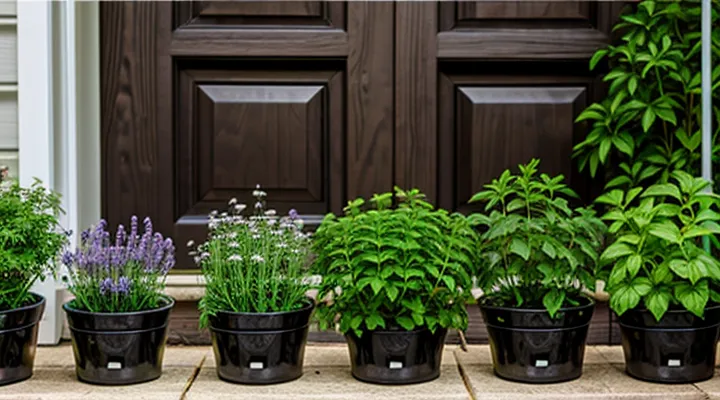
Understanding Mouse Behavior and Repellents
Why Mice Invade Homes
Mice enter private residences primarily to satisfy basic survival needs. Access to abundant food sources, such as stored grains, pantry items, and food scraps, provides a strong attractant. Warm, dry shelter protects them from predators and harsh weather, while structural gaps—cracks in foundations, gaps around pipes, and unsealed doors—offer easy entry. Reliable water supplies from leaky faucets, pet bowls, or condensation further encourage occupancy.
- Food availability in kitchens and pantries
- Warm, insulated spaces in walls, attics, or basements
- Unsealed openings in the building envelope
- Consistent water sources
- Absence of natural predators inside the home
These factors combine to create an environment where mice can thrive, reproduce rapidly, and establish permanent colonies. Understanding the motivations behind intrusion informs the selection of effective botanical deterrents, allowing homeowners to target the specific attractants that drive mouse activity.
Limitations of Chemical Repellents
Chemical repellents present several practical constraints when used to deter rodents in a residential setting.
- Toxicity limits safe application around children, pets, and food preparation areas; many products contain compounds that require ventilation and protective equipment.
- Efficacy diminishes rapidly; most formulations lose potency after a few weeks, demanding frequent re‑application to maintain a deterrent effect.
- Rodents can develop behavioral tolerance, rendering repeated exposure ineffective and prompting a shift to alternative attractants.
- Strong odors associated with many synthetic agents may be unpleasant for occupants and can interfere with indoor air quality standards.
- Regulatory restrictions vary by jurisdiction, with some chemicals prohibited for indoor use, complicating compliance for homeowners.
- Cost accumulation is notable; continuous purchase of replaceable cartridges or sprays can exceed the expense of natural alternatives over time.
- Application methods often require precise placement and coverage; gaps in treatment zones create safe pathways for mice, undermining overall control.
These factors collectively reduce the reliability of chemical solutions for rodent management in private dwellings, highlighting the need for complementary or alternative strategies.
Effective Herbs for Mouse Repellence
Peppermint
How Peppermint Deters Mice
Peppermint oil contains menthol and other volatile compounds that create an odor mice find intolerable. When applied to entry points, baseboards, and interior corners, the scent overwhelms the rodents’ sensitive olfactory receptors, prompting them to avoid treated areas.
The repellent effect operates through several mechanisms:
- Sensory overload – high‑concentration vapors mask food cues, disrupting foraging behavior.
- Irritation – menthol irritates the nasal passages and respiratory system, causing discomfort.
- Habituation avoidance – mice quickly learn to associate peppermint‑scented zones with an unsafe environment and steer clear of them.
Effective application requires:
- Diluting pure peppermint oil with water or a carrier (e.g., a few drops per cup of water).
- Spraying the solution on cracks, gaps, and near potential nesting sites at least once daily.
- Refreshing the treatment weekly, or sooner if the scent weakens.
Studies show that continuous exposure reduces mouse activity by up to 70 % in residential settings. Peppermint does not kill rodents, but it provides a non‑toxic barrier that deters intrusion without compromising indoor air quality.
Placement Strategies for Peppermint
Peppermint oil and dried leaves create a strong scent that mice avoid. Effective placement maximizes exposure while preventing rapid dissipation.
- Apply a few drops of peppermint essential oil to cotton balls; position them in concealed entry points such as behind baseboards, under kitchen cabinets, and inside wall voids.
- Place sachets of dried peppermint foliage on the interior side of door thresholds, especially where doors open to the garden or garage.
- Distribute small peppermint-infused cloth strips in the corners of pantry shelves, near food storage containers, and inside garbage bins with lids.
- Hang peppermint oil‑saturated felt pads from the underside of bathroom cabinets and laundry room closets, areas prone to moisture that attract rodents.
- Insert peppermint oil capsules into vent covers and air return grills, allowing scent to circulate through the house’s airflow system.
Refresh oil‑treated items every one to two weeks; replace dried herb sachets when fragrance fades. Combine placement with regular sealing of gaps to sustain an inhospitable environment for mice.
Spearmint
Spearmint’s Repellent Properties
Spearmint (Mentha spicata) emits a strong, menthol‑rich aroma that mice find intolerable. The plant’s essential oil contains carvone and limonene, compounds that interfere with the rodents’ olfactory receptors, prompting avoidance of treated areas.
Research indicates that continuous exposure to spearmint vapor reduces mouse activity by up to 70 % in residential settings. The effect persists while the scent remains potent; degradation occurs as the oil evaporates, necessitating regular replenishment.
Practical application:
- Place fresh spearmint sprigs in corners, behind appliances, and near entry points; replace every 3–4 days.
- Prepare a spearmint infusion (1 cup water, 2 tbsp dried leaves); soak cotton balls, then position them in concealed locations.
- Use a commercial spearmint oil spray (diluted 1 % in water) to mist baseboards, crawl spaces, and garage shelves; reapply weekly.
Safety considerations: spearmint is non‑toxic to humans and pets when used externally. Avoid direct contact with eyes and keep concentrations below 5 % to prevent skin irritation.
Combined with other aromatic herbs, spearmint enhances a multi‑herb barrier, creating an environment that discourages mouse intrusion without chemicals.
Application Methods for Spearmint
Spearmint (Mentha spicata) is a potent deterrent against house mice when applied correctly. Its strong, mentholated scent disrupts the rodents’ scent trails, discouraging entry and habitation.
Effective application methods include:
- Essential‑oil spray: Mix 10–15 drops of spearmint oil with 250 ml of water and a teaspoon of liquid soap. Transfer to a spray bottle and treat entry points, baseboards, and interior corners twice weekly. Reapply after cleaning or when the scent fades.
- Dried leaf sachets: Fill breathable fabric pouches with 2 cups of dried spearmint leaves. Place sachets in closets, cupboards, and under sinks. Replace every month to maintain potency.
- Cotton‑ball infusion: Soak cotton balls in undiluted spearmint oil and position them in hidden crevices, behind appliances, and near utility pipes. Rotate balls weekly.
- Live planting: Establish spearmint plants in containers near exterior doors, windowsills, and garden borders. Trim regularly to prevent spreading, and harvest foliage for additional indoor use.
- Ground‑level mulch: Scatter a thin layer of fresh spearmint cuttings around the perimeter of the house. Refresh quarterly to sustain aroma.
When using concentrated oil, wear gloves and avoid direct skin contact. Keep applications away from food preparation surfaces and pets. Regular maintenance of each method ensures continuous repellency without the need for chemical pesticides.
Catnip
The Dual Nature of Catnip
Catnip (Nepeta cataria) contains nepetalactone, a volatile compound that deters Mus musculus while simultaneously stimulating Felis catus. When dispersed as dried leaves, sachets, or essential‑oil sprays, the scent creates an environment mice avoid, reducing entry points and nesting activity in residential settings.
The same nepetalactone triggers a euphoric response in domestic cats, leading to increased activity and marking behavior. Consequently, placing catnip near mouse‑prone zones may attract feline visitors, which can be advantageous when a pet cat is part of the pest‑control strategy, but problematic in cat‑free homes.
Practical considerations:
- Use catnip in sealed containers or apply diluted oil to cotton balls; this limits cat exposure while preserving mouse‑repellent vapor.
- Position sachets behind appliances, under cabinets, or in crawl spaces where mice travel, avoiding areas frequented by cats.
- Rotate catnip sources every two weeks to maintain potency, as nepetalactone degrades with exposure to air and light.
- Combine catnip with complementary repellents (e.g., peppermint oil, dried lavender) for broader efficacy and to mitigate the risk of attracting cats.
Understanding catnip’s dual action enables homeowners to exploit its mouse‑repelling properties while managing the potential draw for feline companions.
Safe Usage of Catnip as a Repellent
Catnip (Nepeta cataria) emits volatile oils that deter Mus musculus without harming the structure of a residence. The plant’s iridoid compounds create an odor profile mice avoid, making it a viable component of an integrated rodent‑control strategy.
Effective deployment relies on proper preparation. Dried catnip leaves or flowers should be broken into small pieces, placed in breathable fabric pouches, and positioned near known entry points, wall voids, and pantry corners. Fresh catnip can be steeped in hot water, cooled, and sprayed on surfaces, but the solution must be used within 24 hours to retain potency. Replace sachets every two weeks, as the aromatic strength diminishes with exposure to air.
Safety guidelines
- Keep catnip out of reach of children and pets; ingestion may cause mild gastrointestinal upset.
- Do not apply catnip directly to food‑preparation surfaces; use separate, labeled containers.
- Store bulk catnip in airtight containers away from moisture to prevent mold growth.
- Avoid using catnip in households with cats that are overly stimulated, as it may attract them and create a distraction.
- Test a small area before widespread application to ensure no allergic skin reactions in occupants.
Regular inspection of sachets and monitoring of rodent activity will indicate whether the repellent remains effective. Adjust placement and replace material promptly to maintain a consistent deterrent environment.
Other Potent Herbs
Lavender
Lavender (Lavandula angustifolia) contains volatile oils, primarily linalool and linalyl acetate, that create a scent mice find unpleasant. The compounds interfere with the rodents’ olfactory receptors, reducing their willingness to enter treated areas.
Effective deployment in a private residence includes:
- Spraying a diluted lavender essential‑oil solution (5 ml oil per litre of water) around entry points, baseboards, and storage closets.
- Placing sachets of dried lavender buds in pantry shelves, cupboards, and under sinks.
- Soaking cotton balls with undiluted oil and positioning them in corners of rooms where mouse activity has been observed.
Studies indicate that consistent reapplication every 7–10 days maintains a deterrent concentration. Lavender’s low toxicity makes it safe for households with children and pets, provided that oil concentrations do not exceed recommended levels.
When combined with other aromatic herbs—such as peppermint, rosemary, or thyme—lavender enhances a multi‑herb strategy, widening the range of repellent odors and lowering the likelihood of rodents adapting to a single scent. Regular monitoring of mouse signs and prompt replenishment of lavender treatments sustain the protective effect.
Rosemary
Rosemary (Rosmarinus officinalis) emits a strong, aromatic oil that mice find unpleasant. The plant’s volatile compounds, primarily cineole and camphor, interfere with the rodents’ scent receptors, discouraging them from entering treated areas.
Application methods:
- Place fresh sprigs in kitchen cabinets, pantry corners, and entry points. Replace every two weeks to maintain potency.
- Create a spray by steeping a handful of rosemary leaves in hot water for ten minutes, cooling, and transferring the infusion to a spray bottle. Apply to baseboards, behind appliances, and along walls. Reapply every three days.
- Use dried rosemary in sachets or cotton bags, positioning them under sinks, near trash bins, and in attic spaces. Refresh the material monthly.
Effectiveness is supported by laboratory studies showing reduced mouse activity in environments treated with rosemary oil concentrations of 0.5–1 %. Field observations confirm decreased gnawing signs when rosemary is combined with other aromatic herbs such as mint and lavender.
Safety considerations:
- Rosemary is non‑toxic to humans and pets at the concentrations used for rodent deterrence.
- Essential oil should not be applied directly to surfaces that contact food without dilution, to avoid flavor contamination.
- Individuals with asthma may experience irritation from strong fumes; ensure adequate ventilation during application.
Rosemary’s durability, low cost, and dual function as a culinary herb make it a practical component of an integrated mouse‑repellent strategy for private residences.
Bay Leaves
Bay leaves are aromatic foliage commonly employed as a natural deterrent against rodents in residential settings. The essential oil in the leaves contains eugenol and other phenolic compounds that create an odor mice find unpleasant, prompting them to avoid areas where the scent is concentrated.
To use bay leaves effectively, follow these steps:
- Place whole, dried leaves in small cloth bags or breathable containers.
- Distribute the bags in potential entry points such as gaps under doors, along baseboards, and in pantry corners.
- Refresh the leaves every two to three weeks to maintain a strong fragrance.
- Combine with other rodent‑repelling herbs for broader coverage, ensuring each herb is placed in a separate pouch.
Bay leaves are non‑toxic to humans and pets, making them safe for indoor application. However, they should be kept out of reach of children who might ingest them, and the leaves should be removed before cleaning to prevent staining of surfaces. Regular monitoring of rodent activity will confirm the efficacy of the treatment and indicate when replacement is necessary.
Best Practices for Herbal Pest Control
Preparing Herbal Repellents
Using Fresh Herbs
Fresh herbs provide a reliable, non‑toxic method for discouraging mice from entering living spaces. Their strong aromatic compounds interfere with the rodents’ scent trails, making the environment unattractive.
- Mint (peppermint, spearmint) – high menthol content, strong odor.
- Lavender – volatile oils mask food odors.
- Rosemary – piney scent repels.
- Sage – earthy aroma disrupts navigation.
- Thyme – thymol creates an unpleasant atmosphere.
To apply, crush leaves lightly to release essential oils, then place the material in small breathable sachets or folded cloth pouches. Position each pouch near entry points, such as door thresholds, window sills, and behind appliances. For maximum effect, distribute bundles along baseboards and in pantry corners where crumbs may accumulate.
Replace the herbs every two weeks, or sooner if the scent fades. Store unused portions in a sealed container in the refrigerator to preserve potency. Refresh sachets by re‑crushing the foliage before redeployment.
Combine herb deployment with standard sanitation: seal food containers, eliminate standing water, and repair gaps in walls or flooring. These steps reinforce the deterrent effect and reduce the likelihood of infestation.
Essential Oils for Enhanced Potency
Essential oils amplify the effectiveness of botanical mouse deterrents when applied correctly. Their concentrated volatile compounds penetrate cracks, crevices, and upholstery, creating an environment that rodents find hostile.
Key oils with proven rodent‑repellent properties include:
- Peppermint oil – high menthol content disrupts scent tracking.
- Eucalyptus oil – cineole interferes with mouse olfactory receptors.
- Citronella oil – citronellal masks food odors and triggers aversion.
- Tea tree oil – terpinen‑4‑ol adds a broad‑spectrum irritant effect.
- Clove oil – eugenol acts as a potent sensory irritant.
Combining these oils can produce synergistic results. A typical potency‑enhancing blend uses equal parts peppermint and eucalyptus, supplemented with a smaller proportion of clove (e.g., 4 ml peppermint, 4 ml eucalyptus, 1 ml clove). Dilute the mixture in a carrier such as water or alcohol at a 5 % concentration before diffusion.
Application methods that maximize coverage:
- Soak cotton balls, place them behind baseboard trim, under sinks, and inside wall voids.
- Use a spray bottle to mist door frames, window sills, and pantry shelves.
- Install passive diffusers in closets and storage rooms for continuous emission.
Safety considerations require limiting exposure to pets and children. Conduct a patch test on fabric to confirm that the oil does not cause discoloration. Store sealed bottles in a cool, dark location to prevent oxidation, which reduces repellent potency.
Empirical observations indicate that regular replenishment—every 48 hours for cotton balls and weekly for sprays—maintains a concentration threshold that discourages mouse activity without resorting to chemical pesticides.
Creating Herbal Sachets and Sprays
Herbal sachets and sprays provide a natural, non‑toxic barrier against rodents in residential settings. The method relies on volatile compounds that rodents find unpleasant, dispersing them through fabric packets or aerosol applications.
To prepare a sachet, combine dried plant material in a breathable pouch. Recommended herbs include peppermint, lavender, rosemary, and eucalyptus, each possessing strong aromatic oils. Use equal parts of each herb, or adjust the blend to favor the most potent scent for the target area. Fill a muslin bag with approximately 30 g of the mixture, seal the opening, and place the sachet in corners, under appliances, and near entry points. Refresh the contents every two weeks to maintain efficacy.
For a spray, follow these steps:
- Measure 1 cup of distilled water.
- Add 2 tablespoons of white vinegar.
- Introduce 10 drops of peppermint essential oil, 5 drops of eucalyptus oil, and 5 drops of rosemary oil.
- Stir the solution, transfer to a spray bottle, and shake before each use.
- Apply generously to baseboards, window frames, and the exterior of cabinets. Reapply after cleaning or heavy rain.
Safety considerations: keep sachets out of reach of children and pets; avoid spraying directly on food surfaces. Store the spray in a cool, dark place to preserve oil potency. Regular rotation of scent sources and strategic placement creates a persistent deterrent without chemical residues.
Strategic Placement in the Home
Entry Points and Cracks
Mice locate a residence through openings that compromise the building envelope. The most frequent ingress sites include:
- Gaps around plumbing and electrical penetrations
- Cracks in the foundation or slab
- Spaces beneath door thresholds and sliding‑door tracks
- Unsealed window frames and sash joints
- Openings around ventilation ducts, exhaust fans, and chimney flues
- Gaps surrounding utility lines entering the structure
Each aperture creates a pathway for rodents and simultaneously offers a strategic location for botanical deterrents. Dried or fresh herb material—such as peppermint, lavender, rosemary, or thyme—can be confined in breathable sachets, cotton balls, or mesh pouches and positioned directly within the opening. The concentrated volatile oils released by these plants interfere with the rodents’ olfactory receptors, reducing the likelihood of entry.
For optimal effectiveness, follow these steps:
- Identify all potential entry points during a thorough visual inspection.
- Clean each opening to remove debris that could mask herb scent.
- Insert a measured amount of herb (approximately one tablespoon of dried leaves or a few drops of essential oil on a cotton pad) into a small, resealable pouch.
- Place the pouch snugly within the gap, ensuring contact with the surrounding material.
- Replace the herb material every two to three weeks, or sooner if the scent diminishes.
Sealing the cracks after herb placement—using caulk, steel wool, or expandable foam—adds a physical barrier while maintaining the deterrent effect. Regular monitoring of the treated sites confirms that the herb barrier remains active and that no new openings have developed.
Kitchen and Pantry Areas
Herbal deterrents are a practical option for protecting kitchen counters, cabinets, and pantry shelves from rodent intrusion. Effective species emit strong aromas that mice avoid, while remaining safe for food preparation areas.
- Peppermint (Mentha piperita) – Place cotton balls soaked in diluted essential oil (10 % peppermint in water) on the interior of pantry doors and under sink cabinets. Replace every 48 hours for continuous effect.
- Lavender (Lavandula angustifolia) – Dry sprigs can be tucked into the seams of pantry shelving or stored in small breathable sachets near food containers. Fresh buds should be refreshed weekly.
- Clove (Syzygium aromaticum) – Whole cloves positioned in a shallow dish on the countertop create a localized scent barrier. Use a non‑metallic container to avoid flavor transfer to food.
- Bay leaves (Laurus nobilis) – Layer a few leaves at the bottom of pantry bins and in the drawers of kitchen cabinets. Replace when leaves wilt.
- Rosemary (Rosmarinus officinalis) – Hang small bundles of dried rosemary from cabinet handles or affix them to the underside of pantry shelves. Maintain dryness to prevent mold.
Application guidelines:
- Position deterrents where mice are likely to travel: gaps under appliances, corners of cabinets, and the interior of pantry doors.
- Avoid direct contact between herbs and food items; use breathable barriers such as muslin bags or perforated containers.
- Monitor herb potency; aromatic strength diminishes after 1–2 weeks, requiring renewal.
- Combine multiple herbs to broaden the scent spectrum, enhancing repellent efficiency.
Safety considerations:
- Essential oils should be diluted to prevent irritation of skin or respiratory passages.
- Dried herbs must remain dry; moisture can attract mold and compromise food safety.
- Store fresh herbs in sealed containers away from food to prevent accidental flavor contamination.
Regular inspection of kitchen and pantry spaces, coupled with strategic placement of these botanical repellents, significantly reduces the likelihood of mouse activity without resorting to chemical poisons.
Basements and Attics
Mice often seek shelter in the low‑temperature, low‑light zones of a home, making basements and attics prime locations for infestation. Incorporating aromatic plants with natural rodent‑deterring properties can reduce activity without chemicals.
In basements, moisture and stored items create an inviting environment. Effective herbs include:
- Lavender – strong scent interferes with mouse olfactory cues; hang dried bundles from ceiling beams or place sachets on shelving.
- Mint (peppermint or spearmint) – volatile oils repel rodents; soak cotton balls in diluted essential oil and distribute near entry points and storage boxes.
- Eucalyptus – sharp aroma discourages nesting; lay shredded leaves in corners or use oil‑infused pads.
- Rosemary – woody fragrance unsettles mice; place sprigs in wooden crates or attach small pouches to pipework.
For attics, limited airflow and insulation material attract mice seeking warmth. Herbs that maintain potency in dry air are preferable:
- Catnip – high nepetalactone concentration; scatter dried leaves among insulation layers or place in mesh bags attached to rafters.
- Thyme – strong herbaceous odor; create sachets with dried thyme and fasten to joists.
- Clove – pungent scent; insert whole cloves into small fabric pockets and tuck them behind insulation panels.
- Bay leaves – persistent aroma; slip whole leaves into gaps between roof decking.
Application guidelines:
- Replace herbal materials every 2–3 weeks to sustain scent strength.
- Ensure herbs do not contact open flames or heat sources; store away from electrical wiring.
- Combine herbal deterrents with structural measures: seal cracks, install door sweeps, and maintain low humidity to limit attractants.
Monitoring:
- Conduct visual inspections monthly; note any gnaw marks or droppings near herbal placements.
- Adjust herb selection if mice appear indifferent; individual species may respond differently to specific aromas.
By strategically positioning these aromatic botanicals in the subterranean and uppermost sections of a residence, homeowners can create an environment that discourages rodent presence while avoiding toxic pesticides.
Combining Herbal Methods with Other Preventative Measures
Sealing Entry Points
Sealing entry points is a critical step when using aromatic plants to discourage rodents in a residence. Identify all potential openings by inspecting the building envelope, including gaps around pipes, vents, utility lines, and foundation cracks. Close each opening with appropriate materials: steel wool combined with caulk for small holes, hardware cloth or metal flashing for larger gaps, and expanding foam for irregular spaces. Install door sweeps and weatherstripping on exterior doors to prevent mice from slipping under thresholds. Repair damaged screens and ensure attic vents are fitted with mesh that resists chewing.
Maintain the barrier by conducting quarterly checks. Look for signs of new wear, such as frayed sealant or displaced wire mesh, and repair immediately. Keep vegetation trimmed away from the foundation to reduce concealed pathways. When entry points are securely sealed, the effectiveness of repellent herbs—such as mint, lavender, or rosemary—improves, as rodents encounter fewer routes to the interior and are more likely to be deterred by the scent.
Maintaining Cleanliness
Keeping a home free of food residues, crumbs, and standing water reduces the attraction that draws rodents to a dwelling. When herbal deterrents are placed strategically—such as sachets of peppermint, rosemary, or dried lavender—clean surfaces ensure the scents remain potent and unmasked by competing odors.
- Remove food waste daily; store leftovers in sealed containers.
- Sweep and vacuum floors each evening, paying special attention to corners and under appliances.
- Clean countertops and tabletops with a mild detergent after meals.
- Empty trash bins nightly; use lids that close tightly.
- Wash pet feeding dishes after each use and keep feeding areas away from sleeping quarters.
- Wipe down pantry shelves regularly; discard expired items and keep dry goods in airtight jars.
A clutter‑free environment prevents mice from finding concealed pathways and nesting sites. Regular sanitation also prolongs the effectiveness of herb‑based repellents, allowing the volatile oils to disperse evenly throughout the living space. Combining rigorous cleanliness with consistent placement of aromatic herbs creates a reliable barrier against rodent intrusion in a private residence.
Regular Monitoring
Regular monitoring is essential when employing aromatic plants to keep rodents out of a residence. Systematic observation confirms that the chosen herbs remain effective and identifies any breach in the barrier before an infestation escalates.
Key elements of a monitoring routine include:
- Weekly inspection of herb placement sites (e.g., kitchen corners, pantry shelves, entry gaps). Verify that foliage is healthy, not wilted, and that the scent remains strong.
- Visual scan for mouse activity: droppings, gnaw marks, shredded material, and fresh pathways. Record findings on a simple log sheet.
- Soil moisture check for potted herbs. Maintain adequate hydration to preserve volatile oils that repel rodents; over‑watering can weaken the plant’s defensive properties.
- Replacement schedule. When a plant shows signs of decline or the scent diminishes, substitute with a fresh specimen or rotate to a different repellent herb.
Documenting observations creates a data set that reveals trends, such as seasonal variations in rodent pressure or the comparative performance of individual herbs. This information guides adjustments in herb selection, placement density, and supplemental measures, ensuring a sustained, herb‑based deterrent system for the private home.