
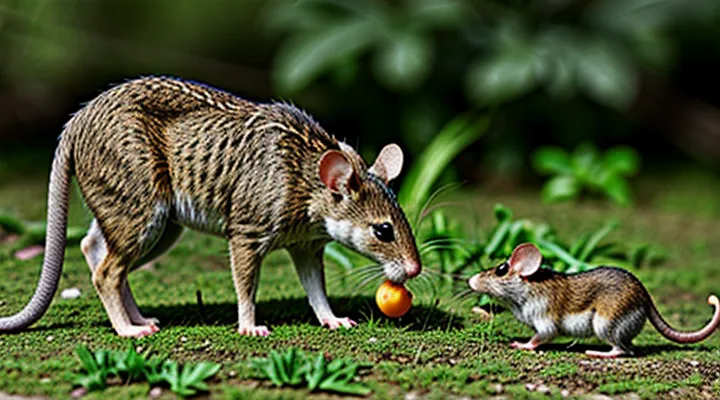
Understanding Mouse Diet
General Overview of Mouse Feeding Habits
Nutritional Needs of Mice
Mice require a diet that supplies sufficient energy, growth factors, and physiological maintenance. Their small body size and high metabolic rate demand continuous intake of nutrients.
Key macronutrients include:
- Protein — essential for tissue repair and enzyme synthesis; sources such as soy, wheat gluten, or insect larvae meet requirements.
- Carbohydrates — provide immediate energy; grains and starches are typical components.
- Fats — contribute dense caloric content and support absorption of fat‑soluble vitamins; vegetable oils or animal fats are appropriate.
- Water — critical for all metabolic processes; mice consume water daily in proportion to food intake.
Micronutrients must be present in adequate amounts to prevent deficiencies:
- Vitamin A, D, E, K — support vision, bone health, antioxidant protection, and coagulation.
- B‑complex vitamins — facilitate carbohydrate metabolism and nervous system function.
- Minerals such as calcium, phosphorus, magnesium, zinc, and iron — maintain skeletal integrity, enzymatic activity, and oxygen transport.
Although often classified as herbivores, mice display omnivorous feeding patterns. Plant material forms the bulk of natural consumption, yet opportunistic ingestion of insects, eggs, or carrion supplies additional protein and essential fatty acids. This flexible diet aligns with their physiological need for both carbohydrate‑rich and protein‑rich sources.
In managed environments, diets should replicate this balance. Commercial rodent pellets combine grain‑based carbohydrates with animal‑derived proteins and fortified vitamins and minerals. Supplementary fresh produce and occasional insect treats enhance dietary diversity and meet the full spectrum of nutritional requirements.
Factors Influencing Mouse Diet
Mice adjust their intake according to physiological demands, environmental conditions, and resource accessibility. Their classification as primarily herbivorous mammals does not preclude opportunistic consumption of animal matter when circumstances favor protein enrichment.
Key determinants of mouse feeding patterns include:
- Species‑specific digestive morphology, which limits or expands the range of digestible plant fibers and insect exoskeletons.
- Habitat type, influencing the spectrum of seeds, fruits, detritus, and arthropods available.
- Seasonal fluctuations, altering the abundance of vegetative matter and insect prey.
- Population density, affecting intraspecific competition and prompting dietary diversification.
- Predation pressure, encouraging nocturnal foraging in concealed microhabitats that may bias food choice toward less exposed items.
- Human activity, such as agricultural practices or waste deposition, introducing novel food sources and altering natural foraging routes.
- Metabolic rate, linked to body size and reproductive state, dictating caloric and protein requirements.
These variables interact to shape the spectrum of items consumed, ranging from grains and plant seeds to occasional insects and carrion. Understanding the relative influence of each factor enables accurate predictions of mouse nutritional behavior across diverse ecosystems.
Are Mice Herbivores or Carnivores?
The Omnivorous Nature of Mice
Evidence for Herbivorous Tendencies
Mice display several characteristics that align with herbivorous feeding strategies. Dental structure, gastrointestinal physiology, and observed foraging behavior collectively support a plant‑based inclination.
The incisors of mice are continuously growing and feature sharp, chisel‑like edges suited for gnawing fibrous material. Molars possess low, rounded cusps that efficiently grind seeds, grains, and soft vegetative tissues. Such morphology contrasts with the sharp, shearing carnassial teeth typical of strict carnivores.
Digestive enzymes in mice emphasize carbohydrate breakdown. High concentrations of amylase and cellulase activity are documented in pancreatic secretions and the small intestine, facilitating starch and cellulose digestion. Microbial analysis of the cecum reveals a predominance of cellulolytic bacteria, indicating adaptation to ferment plant polysaccharides.
Field observations record a preference for seeds, grains, and tender shoots when both animal and plant options are available. Laboratory feeding trials consistently show higher consumption rates of corn kernels, wheat flour, and leafy greens compared with insects or meat fragments. Preference indices derived from these studies exceed 0.70 for plant items, indicating strong selection.
Key evidence includes:
- Continuous‑growth incisors with chisel morphology;
- Rounded molar cusps optimized for grinding;
- Elevated amylase and cellulase activity in digestive secretions;
- Cecal microbiota dominated by cellulolytic species;
- Quantitative preference for seeds and greens in controlled experiments;
- Field data demonstrating predominant plant material in stomach contents.
Collectively, these data substantiate a pronounced herbivorous tendency within the dietary profile of mice.
Evidence for Carnivorous Tendencies
Mice exhibit dietary behaviors that extend beyond strict herbivory. Field observations record individuals capturing small arthropods, such as beetles and moth larvae, when these prey are abundant. Laboratory analyses of stomach contents frequently reveal fragments of insects, confirming opportunistic predation. Nutritional studies demonstrate that mice increase protein intake during growth phases, and protein‑rich animal matter improves weight gain more effectively than plant material alone. Behavioral experiments show a rapid response to moving prey items, indicating an innate predatory drive. Genetic research identifies expression of taste receptors tuned to umami compounds, which are typically associated with animal proteins. Together, these findings support the presence of carnivorous tendencies in a species traditionally classified as a herbivore.
Common Food Sources for Wild Mice
Plant-Based Foods
Seeds and Grains
Mice classified as primarily herbivorous obtain most of their nutrition from plant-derived resources. Among these, seeds and grains represent a concentrated source of carbohydrates, proteins, and essential fatty acids, supporting rapid growth and high metabolic rates.
Seeds supply readily digestible starches and a balanced amino acid profile. Commonly consumed varieties include:
- Wheat kernels
- Barley grains
- Oats
- Sunflower seeds
- Millet
Grains complement seed intake by providing fiber that promotes gastrointestinal motility and mineral content such as phosphorus and magnesium. Regular consumption of these items contributes to energy storage, immune function, and reproductive success.
Research indicates that mice preferentially select seeds with higher lipid content when available, reflecting an adaptive strategy to maximize caloric intake. Seasonal fluctuations in seed availability drive foraging behavior, prompting storage of surplus grains for periods of scarcity.
Overall, seeds and grains constitute a pivotal component of the mouse diet, delivering the macronutrients required for sustained activity and physiological development. «Seeds are a primary energy source for small rodents», a statement supported by multiple dietary analyses.
Fruits and Vegetables
Mice classify as primarily herbivorous mammals, yet occasional opportunistic ingestion of animal protein occurs. Their natural foraging emphasizes plant matter, particularly fruits and vegetables that supply carbohydrates, vitamins, and fiber essential for rapid metabolism.
Commonly consumed fruits include:
- Apples, sliced or diced
- Berries such as strawberries, blueberries, and raspberries
- Grapes, removed of seeds
- Bananas, offered in small portions
- Pears, without core
Typical vegetables favored by mice are:
- Carrots, grated or softened
- Leafy greens like lettuce, spinach, and kale
- Peas, shelled
- Broccoli florets, lightly steamed
- Sweet potatoes, cooked and mashed
These items provide readily digestible sugars and nutrients that support growth and reproductive cycles. Laboratory studies demonstrate that diets enriched with the listed produce improve weight gain and reduce stress markers compared to grain‑only regimens. Wild populations similarly exploit seasonal fruiting trees and herbaceous plants, adjusting intake according to availability.
Nutritional balance remains critical; excessive fruit can lead to obesity, while insufficient fiber may cause gastrointestinal disturbances. Optimal feeding protocols combine moderate fruit portions with a steady supply of low‑calorie vegetables, complemented by a modest protein source when necessary.
Plant Stems and Roots
Mice are classified as omnivores, incorporating both plant and animal matter into their diet. Their ability to process a wide range of foods enables adaptation to fluctuating resource availability.
Plant stems and roots represent a core component of the vegetal portion of the diet. These tissues supply carbohydrates, dietary fiber, and essential minerals that sustain metabolic functions.
- Starch and soluble sugars provide rapid energy.
- Cellulose and hemicellulose contribute fiber that aids digestion.
- Potassium, calcium, and magnesium support electrolyte balance.
- Vitamin C and certain B‑vitamins are present in young growth.
Mice preferentially target tender sections of stems and the apical zones of roots, where cell walls are less lignified and nutrient concentrations are highest. This selective feeding maximizes caloric intake while minimizing mechanical effort.
During periods when seeds and insects are scarce, reliance on stems and roots increases, ensuring continuous energy supply and supporting reproductive output.
Animal-Based Foods
Insects and Other Invertebrates
Mice regularly incorporate small arthropods into their diet. Consumption of insects and other invertebrates supplements the nutritional profile of a primarily plant‑based intake, providing protein, lipids, and micronutrients that are scarce in seeds and grasses.
Typical invertebrate prey includes:
- Beetle larvae such as mealworms and grubs
- Fly larvae (maggots) found in decaying organic matter
- Small spiders and their egg sacs
- Crickets and grasshoppers captured on the ground
- Earthworms encountered in moist soil
- Soft‑bodied insects like aphids and caterpillars
The selection of prey depends on availability, size, and the mouse’s foraging behavior. Night‑active species tend to exploit nocturnal insects, while diurnal foragers target daytime arthropods. Ingestion of invertebrates contributes essential amino acids and chitin, which can influence gut microbiota composition and digestive efficiency.
Research indicates that occasional invertebrate consumption does not shift the overall classification of mice toward strict carnivory; rather, it represents opportunistic omnivory that enhances survival in variable environments.
Scavenged Meat and Carrion
Mice are classified as opportunistic omnivores; their diet extends beyond seeds and vegetation to include animal tissue when it becomes accessible. Scavenged meat and carrion represent a supplemental protein source that mice exploit in environments where plant resources are limited or seasonal.
Field observations document mouse activity on dead insects, small vertebrates, and the remnants of larger carcasses. Laboratory trials confirm that individuals will ingest fresh or partially decomposed flesh without prior conditioning, demonstrating an innate capacity to process animal protein.
Key nutritional contributions of scavenged meat include:
- High‑quality protein essential for growth and reproduction
- Concentrated lipids supporting energy demands
- Minerals such as iron and zinc that are scarce in plant material
Potential drawbacks accompany this feeding behavior. Exposure to pathogenic bacteria, parasites, and toxins present in decaying tissue can increase mortality risk. Competition with other scavengers, notably insects and larger rodents, may limit access to carrion resources.
Ecologically, mouse consumption of carrion accelerates decomposition, redistributing nutrients back into the soil and influencing microbial communities. This activity integrates mice into the broader detrital food web, linking primary producers with higher trophic levels through their flexible foraging strategy.
What Pet Mice Eat
Commercial Mouse Food
Pellets and Blocks
Pellets and blocks represent the two principal forms of commercial mouse diet. Both formats supply the nutrients required for growth, reproduction and maintenance, yet they differ in physical structure and feeding dynamics.
Pellets consist of compressed granules with a uniform composition of protein, carbohydrate, fiber, vitamins and minerals. The standardized size facilitates precise measurement of daily intake and minimizes spillage. Their dry texture reduces the risk of mold development when stored correctly.
Blocks are dense, compact masses often enriched with additional calories or specific supplements. Their durability allows prolonged placement in the cage, decreasing the frequency of refilling. Blocks serve as a supplemental source for animals with high energy demands or for colonies where continuous access to food is preferred.
Advantages
- Pellets: accurate dosing, low waste, easy handling.
- Blocks: long‑term availability, reduced labor, suitable for high‑energy formulations.
Limitations
- Pellets: require regular replenishment, may be consumed unevenly by dominant individuals.
- Blocks: potential for over‑consumption, may encourage gnawing behavior that damages cage components, necessitates careful monitoring of intake.
Selection should align with the specific objectives of the study or husbandry program. Small research groups often favor pellets for their measurement precision, whereas large breeding colonies may benefit from the convenience of blocks. In all cases, fresh water must accompany the diet to prevent dehydration.
Seed Mixes (with caution)
Mice predominantly consume plant material, yet occasional ingestion of animal protein occurs. «seed mixes» represent a popular component of their diet, especially in captive environments.
Typical formulations combine grains such as wheat, barley, and oats with legumes like soybeans or peas. Supplemental items may include dried fruits, nuts, and occasional insects. The blend supplies carbohydrates, essential amino acids, and trace minerals required for growth and reproduction.
Energy density of these mixes supports high metabolic rates, while fiber content promotes gastrointestinal health. However, excessive fat from nuts or oil‑rich seeds can predispose rodents to obesity and hepatic stress.
Cautionary considerations:
- Verify absence of mold, mycotoxins, or pesticide residues.
- Limit inclusion of high‑fat seeds to prevent weight gain.
- Ensure balanced proportion of protein to avoid nutritional imbalances.
- Store in airtight containers to maintain freshness and prevent rodent‑borne contamination.
Appropriate selection and management of «seed mixes» contribute to a nutritionally adequate regimen without compromising health.
Safe Human Foods for Pet Mice
Approved Fruits and Vegetables
Mice thrive on a diet that includes a variety of fresh fruits and vegetables. These plant foods supply essential vitamins, minerals, and fiber, supporting healthy digestion and immune function.
Approved options include:
- Apples (core removed, no seeds)
- Blueberries
- Strawberries (cut into small pieces)
- Carrots (peeled, diced)
- Broccoli florets
- Spinach (lightly rinsed)
- Peas (fresh or frozen, thawed)
- Sweet potatoes (cooked, unseasoned)
- Zucchini (raw or lightly steamed)
Selection criteria emphasize low sugar concentration, absence of toxic compounds, and suitability for small bite sizes. Preparation guidelines require thorough washing, removal of pits, stems, and any bitter skins. Serve portions sized to fit comfortably in a mouse’s mouth; excess amounts may cause gastrointestinal upset.
Storage recommendations advise keeping produce refrigerated, wrapped in breathable material, and discarding leftovers after 24 hours to prevent spoilage. Regular rotation of items maintains nutrient freshness and reduces the risk of mold growth.
Occasional Protein Sources
Mice require protein for growth, reproduction and immune function, yet their regular diet consists primarily of plant material. Small amounts of animal‑derived protein can supplement this base, providing essential amino acids that are scarce in seeds and grasses.
• Insects such as beetles, crickets and moth larvae
• Mealworms and waxworms, often offered as live or dried treats
• Soft‑bodied arthropods including earthworms and springtails
• Boiled eggs, finely chopped, supplying high‑quality protein and fat
• Small pieces of cooked fish or lean meat, presented without seasoning
These items should be introduced sporadically, not exceeding 5 % of total caloric intake. Overreliance can shift gut microflora, increase the risk of obesity and reduce consumption of fibrous plant matter. Nutrient balance remains optimal when occasional animal protein complements a predominantly herbivorous regimen.
Foods to Avoid for Pet Mice
Toxic Plants
Mice are predominantly herbivorous, relying on seeds, grains, and vegetation for nutrition. Their foraging behavior includes exploration of diverse plant parts, which can expose them to compounds that interfere with metabolic pathways or cause acute toxicity. Understanding the toxic flora encountered in typical habitats informs pest‑management strategies and safeguards laboratory colonies.
- « Aconitum napellus » (monkshood) – contains aconitine alkaloids that disrupt cardiac conduction and can be lethal at low doses.
- « Digitalis purpurea » (foxglove) – cardiac glycosides inhibit Na⁺/K⁺‑ATPase, leading to arrhythmias.
- « Ricinus communis » (castor bean) – ricin protein blocks protein synthesis, causing organ failure.
- « Nerium oleander » – oleandrin interferes with ion channels, producing severe cardiac effects.
- « Solanum dulcamara » (bittersweet nightshade) – solanine glycoalkaloids impair gastrointestinal function and nervous system activity.
Exposure to these plants results in symptoms ranging from reduced feed intake and weight loss to rapid onset of neurological or cardiovascular collapse. Preventive measures include habitat modification, exclusion of known toxic species, and regular monitoring of feed sources for contamination.
Sugary and Processed Foods
Mice exhibit an omnivorous feeding pattern, yet their natural inclination leans toward plant matter. When presented with high‑sugar and industrially processed items, they readily consume them due to innate sweet‑taste receptors. Such foods provide rapid energy but lack essential nutrients, leading to metabolic disturbances and altered gut microbiota.
Typical sugary and processed products encountered in laboratory or urban settings include:
- Refined sugars (sucrose, glucose solutions)
- Sweetened cereals
- Flavored biscuits and crackers
- Processed fruit snacks with added preservatives
- Commercial rodent chow enriched with palatable sweeteners
Regular intake of these items can shift dietary balance, promoting weight gain and increasing susceptibility to diabetes‑like conditions. Nutritional assessments of mouse populations should therefore account for the proportion of refined carbohydrates relative to natural plant sources to evaluate health outcomes accurately.
Impact of Diet on Mouse Behavior and Health
Dietary Influence on Reproduction
Mice exhibit two principal feeding strategies that directly affect reproductive performance. A plant‑based regimen supplies carbohydrates, fiber, and limited protein, which sustains baseline energy requirements but often results in smaller litter sizes and prolonged intervals between breeding cycles. Elevated intake of leafy greens and seeds correlates with reduced gonadal mass and lower circulating estradiol levels, limiting ovulatory frequency.
A diet rich in animal tissue delivers high‑quality protein, essential fatty acids, and micronutrients such as zinc and vitamin B12. These components enhance gamete development, increase uterine vascularization, and accelerate embryonic growth. Studies show that mice receiving insect or meat extracts produce larger litters, achieve earlier parturition, and display higher pup survival rates.
Key reproductive outcomes linked to dietary composition:
- Litter size: plant‑dominant diet ≈ 3–4 pups; animal‑rich diet ≈ 6–8 pups.
- Gestation length: plant diet ≈ 21 days; animal diet ≈ 19 days.
- Offspring weight at birth: plant diet ≈ 1.2 g; animal diet ≈ 1.8 g.
- Estrous cycle regularity: irregular on plant diet; regular on animal diet.
The relationship between nutrient profile and reproductive physiology underscores the necessity of precise dietary formulation when managing mouse colonies for research or breeding purposes.
Diet and Lifespan
Mice exhibit a dietary spectrum that ranges from primarily plant‑based consumption to opportunistic ingestion of animal matter. Species classified as herbivorous focus on seeds, grains, and vegetative material, while omnivorous variants supplement their intake with insects, carrion, or stored protein sources. The proportion of protein and fat in the diet directly influences growth rate, reproductive output, and overall health metrics.
Key dietary effects on lifespan include:
- High‑quality plant diets rich in carbohydrates and low in excess fat correlate with extended median longevity in laboratory strains.
- Inclusion of animal protein can accelerate growth but may shorten lifespan due to increased metabolic stress and oxidative damage.
- Nutrient deficiencies, particularly in essential amino acids or vitamins, lead to early mortality and heightened disease susceptibility.
Metabolic adaptation mechanisms enable mice to adjust energy utilization based on food availability. When caloric intake is reduced without malnutrition, cellular pathways such as autophagy and insulin signaling are up‑regulated, often resulting in lifespan extension. Conversely, chronic overfeeding, especially with high‑fat animal products, promotes obesity, insulin resistance, and reduced survival.
Management of captive populations should therefore prioritize balanced plant‑derived feeds supplemented with limited, controlled animal protein to optimize both reproductive performance and longevity.
Health Issues from Poor Diet
Mice classified as herbivores primarily consume plant material, while those exhibiting carnivorous tendencies ingest insects or small vertebrates. A diet lacking essential nutrients or containing excessive amounts of particular food groups can trigger several physiological problems.
Common health issues linked to an inadequate diet include:
- Nutrient deficiencies that impair bone development and reduce immune competence.
- Obesity resulting from high‑calorie, low‑fiber feed, which predisposes mice to insulin resistance and cardiovascular strain.
- Gastrointestinal disturbances such as dysbiosis, caused by an imbalance of fiber and protein, leading to malabsorption and chronic diarrhea.
- Dental abnormalities, including overgrowth of incisors, when chewable fiber is insufficient.
- Reduced reproductive performance, manifested by lower litter sizes and decreased offspring viability, due to suboptimal protein and vitamin intake.
Preventive measures focus on providing balanced feed that matches the species‑specific digestive capacity. Inclusion of appropriate fiber sources supports gut motility and dental wear, while controlled protein levels avoid excess nitrogen load. Regular monitoring of body weight and coat condition offers early detection of dietary‑related disorders.