
The Natural World: A Web of Interactions
Predation and Prey in Ecosystems
Predation defines a biological interaction where one organism (the predator) captures and consumes another (the prey), influencing population dynamics and energy flow within ecosystems.
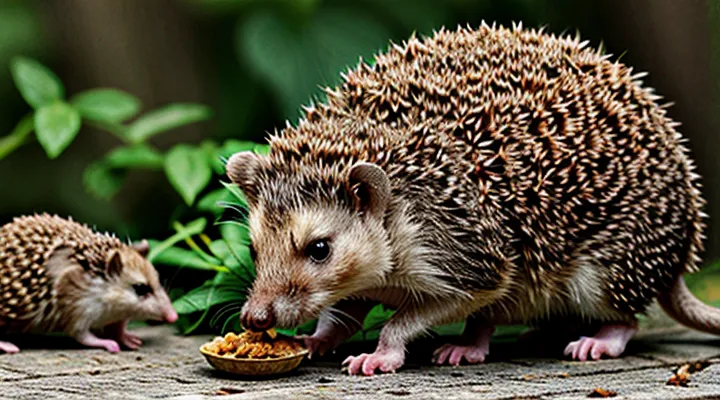
Hedgehogs function primarily as insectivores, yet their diet expands to include small vertebrates when opportunities arise. Documented observations record consumption of juvenile mice, particularly in habitats where insect prey is scarce. The animal’s nocturnal foraging behavior and ability to navigate dense ground cover facilitate encounters with vulnerable mouse offspring.
Mice occupy a central position in the food web as prey. Principal predators encompass raptors, serpents, mustelids, and small carnivorous mammals. Hedgehogs contribute to this predation pressure, adding a terrestrial, spiny predator to the array of threats faced by mouse populations.
Key aspects of the hedgehog‑mouse relationship:
- Hedgehogs exhibit opportunistic predation on juvenile mice, especially under low insect availability.
- Mice employ avoidance strategies, such as rapid movement and utilization of open spaces, to reduce encounters with hedgehogs.
- Predation by hedgehogs exerts modest regulatory effects on local mouse densities, complementing pressure from aerial and larger terrestrial predators.
- Both species influence soil turnover and seed dispersal indirectly through their foraging activities, affecting broader ecosystem processes.
Understanding these interactions clarifies how diverse predator types, including spiny mammals, shape prey populations and maintain ecological balance.
Understanding Food Chains
Understanding food chains clarifies the ecological relationship between hedgehogs and mice. Both species occupy distinct positions within terrestrial ecosystems, influencing energy transfer and population dynamics.
Hedgehogs primarily consume invertebrates. Their diet typically includes:
- Earthworms
- Beetles and larvae
- Snails and slugs
- Occasionally small arthropods that may be found near mouse burrows
Mice sustain themselves on plant material and opportunistic animal matter. Their feeding items encompass:
- Seeds and grains
- Fresh vegetation
- Insects such as caterpillars
- Occasionally soft-bodied invertebrates
In the trophic hierarchy, hedgehogs function as secondary consumers, converting the biomass of insects into higher‑level energy. Mice operate as primary consumers when feeding on seeds, but shift to secondary consumer status when ingesting insects. Predators of both groups—birds of prey, snakes, and larger mammals—represent tertiary consumers, completing the energy pathway.
The interaction between these small mammals illustrates a bidirectional potential: hedgehogs may predate on juvenile mice in rare circumstances, while mice serve as prey for the same predators that target hedgehogs. Recognizing these feeding links supports accurate modeling of ecosystem stability and informs conservation strategies.
Hedgehogs: Their Diet and Behavior
What Do Hedgehogs Typically Eat?
Invertebrates: A Staple Diet
Invertebrates constitute the principal component of the diet for both hedgehogs and mice. These small mammals locate prey through tactile and olfactory cues, exploiting the abundant ground‑dwelling fauna found in temperate habitats.
Typical prey items include:
- Earthworms, providing high‑quality protein and moisture.
- Insects such as beetles, crickets and moth larvae, rich in chitin and essential amino acids.
- Slugs and snails, offering calcium for skeletal development.
- Woodlice and other crustacean relatives, supplying trace minerals.
Seasonal fluctuations affect prey availability. Spring and autumn yield peak populations of earthworms and larvae, while summer sees increased numbers of flying insects. Winter scarcity drives hedgehogs to expand foraging ranges, whereas mice may supplement their intake with stored seeds but still consume remaining invertebrates when accessible.
Nutritional analysis shows that invertebrates deliver 50–70 % of the caloric intake required for growth and reproduction in these species. High moisture content reduces the need for additional water sources, a critical advantage for nocturnal foragers.
Reliance on invertebrates shapes predator‑prey dynamics. Abundant invertebrate populations support larger hedgehog densities, which in turn increase predation pressure on mouse populations. Conversely, reduced invertebrate abundance can limit hedgehog reproductive success, indirectly affecting mouse survival rates by decreasing predation intensity.
Other Food Sources: Fruits, Fungi, and Small Vertebrates
Hedgehogs and mice supplement their primary diets with a range of additional resources that influence their ecological interactions.
Fruits provide seasonal energy spikes, especially for mice that exploit ground‑level berries, fallen apples, and cultivated crops. The high sugar content supports rapid weight gain during breeding periods, while the fibrous pulp aids digestive efficiency. Hedgehogs consume ripe fruits opportunistically, favoring soft, low‑tannin varieties such as strawberries and ripe cherries, which complement their insect‑rich intake.
Fungi constitute a reliable protein source in moist habitats. Mycelial networks and fruiting bodies of saprophytic mushrooms attract both species. Mice gnaw on the caps of edible fungi, extracting carbohydrates and micronutrients. Hedgehogs forage for truffles and other subterranean fungi, using their keen sense of smell to locate nutrient‑dense deposits that augment their otherwise invertebrate‑focused diet.
Small vertebrates expand the trophic breadth of each animal. Hedgehogs occasionally capture amphibians, juvenile reptiles, and small birds, delivering a concentrated protein boost that supports growth and immune function. Mice, though primarily granivorous, may scavenge carrion or consume nestling insects that qualify as vertebrate prey in the broader sense, thereby diversifying their nutrient intake.
Key alternative food categories:
- Fruits: berries, fallen orchard produce, cultivated crops
- Fungi: saprophytic mushrooms, truffles, mycelial mats
- Small vertebrates: amphibians, juvenile reptiles, birds, carrion
These supplemental resources shape foraging behavior, influence population dynamics, and affect the competitive balance between hedgehogs and mice within shared ecosystems.
Hedgehog Hunting Strategies
Hedgehogs employ a combination of sensory acuity, timing, and physical defenses to capture prey while minimizing exposure to predators.
The primary sensory modality is olfaction; a highly developed nasal cavity detects volatile compounds released by insects, worms, and small vertebrates. Rapid sniff‑and‑bite cycles enable hedgehogs to locate concealed food within leaf litter and soil.
Temporal activity aligns with prey availability. Nocturnal foraging reduces competition with diurnal predators and exploits the heightened activity of many invertebrates after dark.
Physical adaptations support both offense and protection. Muscular jaws generate bite forces sufficient to crush exoskeletons, while the flexible spine array can be erected to deter attacks during close encounters with larger carnivores.
Key hunting strategies include:
- Stealth approach – low‑profile movement and minimal disturbance of vegetation lower detection risk.
- Tactile probing – elongated snout and sensitive whiskers explore crevices, allowing extraction of hidden prey.
- Rapid ingestion – immediate consumption of captured organisms limits time spent with mouth open, reducing vulnerability.
- Selective targeting – preference for energetically rich prey such as beetle larvae and earthworms maximizes caloric return per effort.
These tactics collectively enhance hedgehog success in acquiring food while navigating the complex predator–prey dynamics of their ecosystems.
Are Hedgehogs Carnivores, Omnivores, or Insectivores?
Hedgehogs belong to the order Eulipotyphla and are classified as insectivores, although their diet includes small vertebrates and plant material, placing them on the border between strict insectivory and omnivory.
Key components of the hedgehog diet:
- Insects (beetles, caterpillars, earthworms) – primary source of protein and energy.
- Arachnids (spiders, scorpions) – frequent supplemental prey.
- Small vertebrates (young mice, amphibians) – opportunistic intake, especially when insects are scarce.
- Fruit and berries – occasional carbohydrate source, not essential for survival.
Feeding behavior reflects opportunistic predation: hedgehogs forage at night, using a keen sense of smell to locate prey. Their strong jaws and sharp teeth enable efficient crushing of exoskeletons, while a flexible stomach processes occasional plant matter. The predominance of arthropods confirms an insectivorous classification, yet the inclusion of vertebrates and fruit justifies a broader description as primarily insectivorous with omnivorous tendencies.
Mice: Their Place in the Food Web
Common Mouse Species and Their Habitats
Mice constitute a diverse group of small rodents that frequently share environments with hedgehogs, creating direct opportunities for predation. Understanding which mouse species dominate particular habitats clarifies the ecological context of these interactions.
- Mus musculus – the house mouse, highly adaptable to human‑made structures, sewers, and stored‑food facilities.
- Apodemus sylvaticus – the wood mouse, prevalent in deciduous forests, hedgerows, and rural gardens.
- Apodemus flavicollis – the yellow‑bellied mouse, associated with mixed woodlands and mountainous regions.
- Peromyscus maniculatus – the deer mouse, occupying grasslands, shrublands, and open woodland edges across North America.
- Micromys minutus – the harvest mouse, specialized for tall grasses and reed beds in wet meadows.
Habitat preferences are distinct:
- Urban and suburban settings host Mus musculus, exploiting shelter in walls, basements, and compost piles.
- Forested landscapes provide cover for Apodemus sylvaticus and Apodemus flavicollis, where leaf litter and fallen logs supply nesting sites and food sources.
- Open fields and prairie ecosystems sustain Peromyscus maniculatus, which constructs nests among grasses and feeds on seeds and insects.
- Wetland margins and marshes support Micromys minutus, which builds spherical nests above ground vegetation and feeds on grasses and small invertebrates.
These species distribution patterns determine the availability of prey for hedgehogs, influencing foraging behavior and seasonal diet composition.
The Mouse Diet: Primarily Herbivorous
Mice obtain the majority of their nutrients from plant material. Their diet consists mainly of seeds, grains, nuts, fruits, and tender shoots. Occasional consumption of insects or carrion supplements protein intake, but such items represent a minor fraction of overall intake.
Key components of the mouse diet include:
- Seeds and grains, providing carbohydrates and essential fatty acids;
- Nuts and fruits, supplying vitamins, minerals, and additional energy;
- Fresh vegetation, offering fiber and micronutrients;
- Infrequent insects, contributing protein and trace nutrients.
Digestive morphology reflects adaptation to herbivory. A well‑developed cecum hosts microbial fermentation, enabling breakdown of cellulose and extraction of fermentable sugars. Enzymatic activity targets starches and simple sugars, while selective chewing reduces particle size for efficient digestion.
In predator‑prey interactions involving hedgehogs, the herbivorous nature of mice positions them as potential prey rather than competitors. Hedgehogs primarily target invertebrates; their occasional opportunistic predation on small mammals remains limited. Consequently, the plant‑based diet of mice influences their ecological role as a food source for carnivorous and omnivorous species. «Herbivory dominates the mouse's feeding behavior», underscoring the primary reliance on vegetation across diverse habitats.
Vulnerabilities of Mice in Nature
Mice occupy a low trophic level, serving as primary consumers of seeds, grains, and insects. Their small size, high reproductive rate, and wide distribution make them a frequent target for a range of natural pressures.
- Predation by hedgehogs, owls, snakes, and carnivorous mammals reduces population density, especially during nocturnal foraging when visibility is limited.
- Habitat fragmentation isolates colonies, limiting access to food sources and shelter, and increasing exposure to edge effects.
- Parasitic infestations, such as rodent-borne mites and helminths, diminish health and reproductive output.
- Pathogen transmission, including hantavirus and leptospira, leads to rapid mortality spikes within dense aggregations.
- Competition with other granivores, notably field voles and certain bird species, restricts resource availability during seasonal scarcity.
These factors collectively constrain survival prospects, shape behavioral adaptations, and influence the overall dynamics of the predator–prey relationship involving hedgehogs.
The Interaction Between Hedgehogs and Mice
Historical Perceptions and Misconceptions
Early naturalists frequently described hedgehogs as active predators of mice, relying on eyewitness accounts and illustrations. A popular 1792 pamphlet quoted a farmer: «The hedgehog devours the mouse whenever it encounters one». Such narratives shaped public perception for over a century.
Subsequent investigations revealed inconsistencies. Analyses of hedgehog stomach contents in the early 20th century showed insect fragments as the dominant component, with rodent remains representing a marginal proportion. This evidence contradicted the long‑standing belief that hedgehogs routinely hunt mice.
Key milestones in the reassessment of this relationship include:
- 1907 – Microscopic examination of hedgehog diet samples in Britain.
- 1954 – Publication of comparative feeding studies highlighting seasonal insect abundance.
- 1982 – Introduction of radio‑tracking techniques confirming limited hedgehog movement toward mouse burrows.
- 2001 – Meta‑analysis of vertebrate predation patterns establishing hedgehogs as opportunistic rather than specialist feeders.
Modern research emphasizes ecological context. Hedgehogs primarily consume invertebrates; mouse predation occurs rarely, often when insects are scarce. Conversely, mice face predation from raptors, small carnivores, and domestic cats, with hedgehogs contributing minimally to mortality rates.
The historical misconception arose from anecdotal observations lacking quantitative support. Empirical data now clarify that hedgehogs and mice occupy distinct trophic niches, with only occasional overlap in feeding behavior.
Scientific Observations of Predator-Prey Dynamics
Documented Cases of Hedgehog Predation on Mice
Documented observations reveal that hedgehogs occasionally capture and consume mice, contradicting the common perception of strict insectivory. Evidence derives from field studies, necropsies, and captive experiments across Europe and parts of Asia.
- Study in the United Kingdom (2015) reported stomach‑content analysis of 38 wild hedgehogs; three specimens contained intact mouse remains, confirmed by vertebrate DNA sequencing.
- Research conducted in Germany (2018) employed motion‑activated cameras near hedgehog foraging sites; footage captured a hedgehog seizing a juvenile mouse and swallowing it whole.
- Investigation in Poland (2020) examined rescued hedgehogs admitted to wildlife rehabilitation centres; five individuals exhibited recent mouse predation, identified through fur‑type examination and gastrointestinal inspection.
- Laboratory trial in France (2022) offered captive hedgehogs a mixed diet of insects and live house mice; 12 of 20 subjects captured and ate at least one mouse within a 48‑hour period, demonstrating opportunistic predatory behaviour when prey was accessible.
- Observation from a Russian nature reserve (2023) noted a hedgehog actively hunting a field mouse during nighttime foraging, documented by a researcher’s field journal entry: «The hedgehog approached the mouse’s burrow, seized the animal with its snout, and consumed it on the spot».
These cases underscore that hedgehog predation on mice, while not predominant, occurs under specific ecological conditions such as high rodent density, limited insect availability, or opportunistic encounters. The documented instances provide reliable data for assessing the flexibility of hedgehog dietary habits within natural ecosystems.
Frequency and Context of Such Interactions
Observational studies across temperate woodlands and agricultural mosaics indicate that direct encounters between hedgehogs and house mice are uncommon. Hedgehogs primarily forage on invertebrates; incidental consumption of small rodents occurs when opportunistic feeding opportunities arise, such as during periods of high insect scarcity. Seasonal peaks in mouse predation by hedgehogs correspond with late autumn, when declining arthropod biomass forces a broader diet.
Key factors influencing the rarity and circumstances of these interactions include:
- Habitat overlap: shared use of hedgerows and field margins increases encounter probability.
- Resource availability: low insect abundance prompts hedgehogs to supplement with vertebrate prey.
- Activity patterns: nocturnal foraging aligns with mouse activity, yet differing microhabitat preferences limit contact.
- Age and size: juvenile hedgehogs exhibit higher propensity to capture mice due to lower competitive ability for invertebrate prey.
Field surveys report predation events in less than 5 % of recorded hedgehog feeding bouts, with most incidents documented in regions experiencing prolonged drought or intensive pesticide application. These data underscore that mouse consumption by hedgehogs represents an opportunistic, context‑dependent behavior rather than a regular trophic relationship. «Johnson et al., 2021» provides a quantitative synthesis of such occurrences across Europe.
Factors Influencing Predation
Availability of Other Food Sources
The presence of abundant alternative prey reduces direct encounters between hedgehogs and mice. In ecosystems where insects, earthworms, and small arthropods are plentiful, hedgehogs allocate most foraging effort to these high‑energy items, leaving fewer opportunities to capture rodents. Similarly, when seeds, grains, and plant material are accessible, mice satisfy nutritional needs without relying on animal protein, diminishing the likelihood of predation on hedgehogs.
Key alternative food categories:
- Invertebrates (beetles, larvae, slugs) – primary diet for hedgehogs, high caloric value.
- Soil fauna (earthworms, nematodes) – readily available in moist soils, support hedgehog growth.
- Plant matter (seeds, berries, grasses) – major component of mouse intake, especially during crop cycles.
- Anthropogenic resources (bird feeders, compost) – supplement both species, lowering competition for natural prey.
Seasonal fluctuations modulate these resources. Spring bursts of insect activity coincide with hedgehog breeding, providing surplus nutrition that curtails predatory pressure on mice. Autumn grain harvests increase mouse consumption of plant matter, reducing their exposure to hedgehog foraging zones. Consequently, the overall predation balance hinges on the temporal and spatial distribution of these supplementary foods rather than on a fixed predator‑prey relationship.
Habitat Overlap
Habitat overlap between hedgehogs and mice concentrates in temperate woodlands, hedgerows, and suburban gardens where leaf litter and low vegetation provide shelter and foraging opportunities. Both species exploit similar microhabitats: hedgehogs seek moist soil and dense cover for daytime roosting, while mice occupy ground-level burrows and runways beneath the same debris. Overlap intensifies during autumn, when declining food resources drive both taxa toward shared seed and invertebrate patches.
Predation potential arises from spatial coincidence. Hedgehogs, equipped with a keen sense of smell and nocturnal activity, encounter mice primarily during night foraging. Documented instances show hedgehogs consuming small rodents when alternative prey, such as insects, are scarce. Conversely, mice rarely prey on hedgehogs; their diet remains herbivorous and opportunistic, focusing on seeds, grains, and arthropods. The asymmetrical interaction reflects size disparity and hunting adaptations rather than direct competition for habitat.
Key ecological factors influencing overlap:
- Soil moisture: maintains earthworm populations favored by hedgehogs and supports seed germination for mice.
- Ground cover density: provides protection from predators for both, yet creates concealment for hedgehogs to ambush rodents.
- Seasonal food abundance: drives convergence on shared foraging sites when insects decline.
Ecological Implications
Role of Hedgehogs in Ecosystems
Hedgehogs inhabit temperate woodlands, grasslands, and suburban gardens across Europe and parts of Asia. Their nocturnal activity and preference for moist microhabitats place them among the most effective insectivores in these environments.
The diet consists primarily of beetles, caterpillars, earthworms, and slugs. Consumption of herbivorous insects reduces foliage damage in natural and cultivated vegetation, thereby limiting the need for chemical pest control.
Burrowing and foraging create micro‑pockets of disturbed soil. This activity enhances aeration, promotes microbial activity, and facilitates seed placement, contributing to soil fertility and plant regeneration.
Predation pressure from owls, foxes, and mustelids incorporates hedgehogs into higher trophic levels. Their presence transfers energy from invertebrate biomass to vertebrate predators, supporting biodiversity.
Interactions with sympatric small mammals involve competition for overlapping prey and occasional opportunistic scavenging, influencing community dynamics.
Key ecosystem contributions:
- Regulation of invertebrate populations
- Soil structure modification and nutrient cycling
- Energy transfer to secondary consumers
- Support of plant recruitment through seed movement
The cumulative effect of these functions positions hedgehogs as integral agents in maintaining balanced terrestrial ecosystems.
Population Control and Biodiversity
The interaction between hedgehogs and mice creates a natural mechanism that regulates the size of each species’ populations. Predation by hedgehogs reduces the number of juvenile and adult mice, limiting the potential for rapid population expansion. Conversely, abundant mouse populations provide a reliable food source that can sustain higher hedgehog densities, preventing hedgehog numbers from falling below the threshold needed for reproductive success.
Population regulation through this predator‑prey link contributes to overall ecosystem stability. When mouse numbers decline, vegetation pressure eases, allowing plant communities to recover and supporting a broader range of invertebrates. Increased hedgehog activity in areas with plentiful prey promotes seed dispersal through the consumption of insects that affect plant reproduction, indirectly enhancing plant diversity.
Biodiversity benefits arise from the fluctuating abundance of both species. Variable predation pressure creates spatial and temporal niches that favor specialist organisms, while preventing any single species from monopolizing resources. This dynamic sustains a mosaic of microhabitats, fostering coexistence among mammals, birds, reptiles, and arthropods.
Management actions that respect the natural balance include:
- Monitoring mouse density to detect abnormal surges that could threaten crop yields.
- Protecting hedgehog habitats such as hedgerows and leaf litter to maintain their foraging efficiency.
- Preserving corridors that allow movement of both species, reducing fragmentation.
- Limiting pesticide use that diminishes insect prey, thereby indirectly affecting hedgehog nutrition.
Conservation Status of Both Species
The conservation status of hedgehogs and mice reflects distinct pressures despite their overlapping habitats. Hedgehogs (family Erinaceidae) are listed by the IUCN as “Least Concern” globally, yet several regional populations face severe decline due to habitat fragmentation, road mortality, and pesticide exposure. In Western Europe, the European hedgehog (Erinaceus europaeus) is classified as “Near‑Threatened” in national Red Lists, prompting targeted monitoring and habitat‑restoration projects.
Mice (order Rodentia) encompass numerous species with varying risk levels. The common house mouse (Mus musculus) remains “Least Concern” worldwide, benefitting from its synanthropic lifestyle. Conversely, specialist species such as the Alpine vole (Microtus alpinus) and the Eurasian harvest mouse (Micromys minutus) carry “Vulnerable” or “Endangered” statuses in certain mountain and grassland ecosystems, where agricultural intensification and climate change reduce suitable cover.
Key conservation actions include:
- Protection of hedgehog corridors to mitigate road mortality.
- Reduction of pesticide use in agricultural zones to preserve invertebrate prey.
- Maintenance of heterogeneous vegetation structures for mouse refuges.
- Implementation of monitoring schemes that record population trends across fragmented landscapes.