
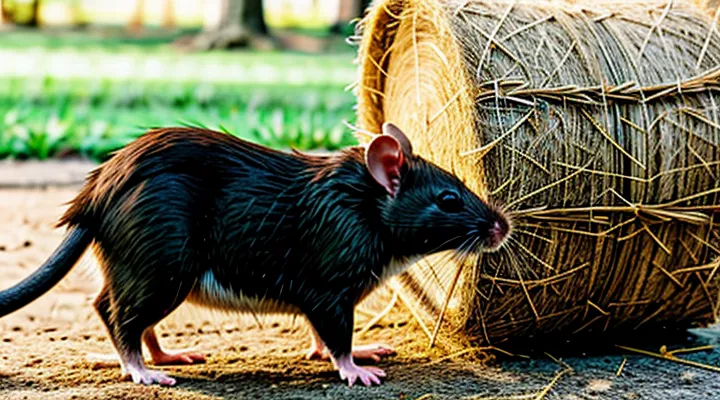
Why Hay is Beneficial for Rats
Digestive Health Benefits
Promoting Gut Motility
Hay inclusion in a rat’s diet supports intestinal movement by adding bulk and stimulating peristalsis. The fibrous structure of hay resists digestion, creating a gentle mechanical effect that encourages the smooth muscle of the gastrointestinal tract to contract rhythmically.
Key mechanisms include:
- Fiber-induced stretch: Insoluble fibers expand in the colon, activating stretch receptors that trigger coordinated muscular contractions.
- Water retention: Hay absorbs water, increasing stool moisture and reducing resistance to passage.
- Microbial fermentation: Fermentable fibers provide substrates for beneficial gut bacteria, producing short‑chain fatty acids that enhance motility signals.
Practical recommendations for enhancing gut motility with hay:
- Offer a small, fresh bundle (approximately 2–3 g) daily, ensuring the material remains dry to prevent mold growth.
- Combine hay with a balanced pellet or fresh vegetable mix to maintain overall nutrient adequacy while preserving fiber benefits.
- Monitor fecal consistency; adjust the amount of hay upward if stools appear hard or downward if they become overly loose.
- Rotate hay varieties (e.g., timothy, orchard grass) to prevent selective over‑consumption and to provide a broader fiber profile.
Consistent provision of appropriate hay quantities contributes to regular bowel movements, reduces the risk of constipation, and supports overall digestive health in pet rats.
Preventing Gastrointestinal Stasis
Hay is a primary source of insoluble fiber for laboratory and pet rats, and adequate fiber intake reduces the incidence of gastrointestinal stasis by promoting peristaltic activity. Fiber absorbs water within the intestinal lumen, expands the stool mass, and triggers stretch receptors that signal smooth‑muscle contraction. Without sufficient roughage, rats may experience delayed gastric emptying, leading to severe complications.
Incorporating high‑quality hay into a rat’s daily regimen supplies the necessary bulk and moisture to maintain regular bowel movements. The fibrous structure also encourages chewing, which stimulates saliva production and further enhances digestive motility. Consistent access to fresh hay therefore supports the physiological mechanisms that prevent intestinal slowdown.
- Offer a minimum of 1 – 2 grams of timothy, orchard, or meadow hay per 100 g of body weight each day.
- Replace uneaten hay every 24 hours to preserve palatability and prevent mold growth.
- Position hay in multiple locations within the cage to encourage frequent consumption.
- Combine hay with a balanced pellet diet that provides adequate protein and vitamins, avoiding excessive sugary treats that can alter gut flora.
Additional preventive actions include ensuring constant access to clean water, monitoring fecal consistency for signs of hardness or reduced output, and scheduling regular veterinary examinations to detect early signs of motility disorders. Implementing these measures creates a dietary environment that actively mitigates the risk of gastrointestinal stasis in rats.
Dental Health Benefits
Natural Tooth Wear
Hay is a primary abrasive component in a rodent’s diet, providing continuous mechanical stimulation that promotes natural tooth wear. Rats’ incisors grow continuously; without sufficient wear, overgrowth leads to malocclusion, difficulty eating, and potential health complications. The fibrous structure of hay creates a self‑regulating filing action, encouraging even attrition along the enamel edge.
Research indicates that daily access to quality hay reduces the incidence of dental abnormalities by up to 40 % compared with grain‑only regimens. The rough texture of hay also encourages gnawing behavior, which distributes wear evenly across the incisors and prevents one‑sided grinding that can cause uneven shortening.
Recommendations for incorporating hay to support natural tooth wear:
- Provide fresh, clean hay daily; replace any damp or soiled portions within 24 hours.
- Offer a minimum of 2 g of hay per 100 g of body weight to ensure adequate mechanical load.
- Rotate hay varieties (e.g., timothy, orchard, meadow) to maintain palate interest and varied fiber composition.
- Combine hay with a balanced pellet diet; avoid exclusive reliance on soft foods that lack abrasive properties.
- Monitor incisors weekly; adjust hay quantity if signs of over‑ or under‑wear appear.
Implementing these practices sustains healthy dental morphology, enhances chewing efficiency, and contributes to overall well‑being in pet rats.
Reducing Malocclusion Risks
Hay offers a natural abrasive surface that encourages continuous tooth grinding in rats. Continuous wear prevents the overgrowth of incisors, a primary cause of malocclusion, and maintains proper alignment of the dental arcade.
The fibrous structure of hay forces the animal to perform repetitive chewing motions. This activity stimulates the mandibular muscles, promotes balanced occlusion, and reduces the likelihood of uneven tooth growth that can lead to bite problems.
Practical measures for integrating hay into a rat’s diet:
- Select timothy, orchard, or oat hay; avoid moldy or dust‑laden material.
- Provide a fresh bundle of 1–2 inches in length, replaced daily to ensure cleanliness.
- Offer hay alongside a balanced pellet diet; do not rely on hay as the sole food source.
- Monitor consumption; a rat that ignores hay may require enrichment toys that encourage gnawing.
- Conduct regular oral examinations; early detection of tooth misalignment allows timely intervention.
Consistent access to quality hay, combined with routine dental checks, markedly lowers the incidence of malocclusion in pet rats.
Environmental Enrichment
Chewing and Foraging Behavior
Hay introduced into a rat’s diet stimulates natural chewing motions, which promote dental health by wearing down continuously growing incisors. The fibrous texture of hay requires sustained bite force, reducing the risk of overgrown teeth and associated oral injuries.
Foraging activity increases when hay is available. Rats manipulate and move stems, encouraging exploratory behavior that mirrors wild feeding patterns. This mental engagement lowers stress indicators and supports cognitive function, as the animals must locate and extract edible portions from a bulk substrate.
Providing hay also contributes to gastrointestinal health. The indigestible fiber accelerates gut motility, preventing constipation and fostering a balanced microbiome. Regular consumption of hay therefore complements a nutritionally complete pellet regimen.
Practical guidelines for incorporating hay:
- Offer a small bundle (5–10 cm) of fresh, pesticide‑free hay each day.
- Replace the bundle every 24 hours to maintain freshness and limit mold growth.
- Position the hay in a corner of the cage where the rat can easily access it without obstruction.
- Observe the rat’s interaction; if the animal avoids the hay, try a different grass species (e.g., timothy, oat) to match preference.
Nesting Material
Hay provides rats with a natural, fibrous material that serves simultaneously as food and nesting substrate. The coarse texture encourages chewing, which maintains dental health, while the soft strands create a comfortable environment for building nests. When rats ingest hay, the fiber promotes gastrointestinal motility, reducing the risk of constipation and supporting a balanced microbiome.
Effective nesting material selection should consider safety, absorbency, and availability. Recommended practices include:
- Choose untreated, pesticide‑free hay; avoid varieties treated with chemicals or preservatives.
- Provide a fresh supply daily to prevent mold growth and maintain hygiene.
- Offer a variety of stem lengths (short and long) to accommodate different nesting preferences.
- Combine hay with supplemental bedding such as paper strips for added softness without compromising fiber intake.
Monitoring nest integrity helps assess health. Well‑structured nests indicate adequate material and satisfactory chewing activity. If nests appear sparse or rats show reduced interaction with hay, increase the quantity or introduce alternative fibrous options like timothy or orchard grass. Regular cleaning of the enclosure, coupled with consistent hay provision, sustains both nutritional and environmental benefits for pet rats.
Types of Hay and Their Suitability for Rats
Timothy Hay
Nutritional Profile
Hay intended for laboratory or pet rats supplies a balanced mixture of fiber, protein, carbohydrates, vitamins, and minerals that supports digestive health and metabolic stability. The typical composition includes 70–80 % neutral or alfalfa‑based fiber, 10–15 % crude protein, 5–10 % digestible carbohydrates, and trace amounts of essential micronutrients.
Key nutritional components:
- Crude fiber: 70–80 g per 100 g; promotes intestinal motility and prevents cecal dysbiosis.
- Crude protein: 10–15 g per 100 g; supplies amino acids for tissue growth and repair.
- Digestible carbohydrates: 5–10 g per 100 g; provides a modest energy source without encouraging obesity.
- Calcium: 0.2–0.4 g per 100 g; maintains skeletal integrity when balanced with phosphorus.
- Phosphorus: 0.15–0.25 g per 100 g; works with calcium to prevent metabolic bone disease.
- Vitamin A: 3000–5000 IU per 100 g; essential for visual function and immune competence.
- Vitamin D3: 200–400 IU per 100 g; facilitates calcium absorption.
- Vitamin E: 30–50 mg per 100 g; acts as an antioxidant protecting cellular membranes.
Energy density averages 1.8–2.2 kcal per gram, aligning with the modest caloric requirements of adult rats when hay constitutes the primary bulk of the diet. The high fiber ratio dilutes excess calories, reducing the risk of adiposity while supplying fermentable substrates for cecal microbiota. Adequate calcium‑phosphorus ratios (approximately 1.2 : 1) prevent renal and skeletal complications. Regular analysis of hay batches ensures consistency of these parameters, allowing precise formulation of complementary feed components.
Recommendations for Use
Hay provides essential fiber that supports gastrointestinal health and encourages natural chewing behavior in pet rodents. Incorporating hay into a rat’s diet requires careful selection, portion control, and regular observation.
- Offer a small amount (approximately one teaspoon per 100 g of body weight) once or twice daily.
- Choose timothy, orchard, or oat hay; avoid aromatic or chemically treated varieties.
- Introduce hay gradually, mixing with familiar foods to reduce refusal.
- Replace uneaten hay each day to prevent mold growth.
- Monitor fecal consistency; firm, well‑formed droppings indicate adequate fiber intake.
Store hay in a cool, dry container with a tight seal. Inspect for dust, insects, or discoloration before each feeding. Adjust quantities if rats exhibit weight loss, digestive upset, or excessive chewing of cage bars, indicating insufficient fiber. Regular assessment ensures the diet remains balanced and the animals stay healthy.
Orchard Grass Hay
Nutritional Profile
Hay provides rats with a high‑fiber, low‑energy base that supports gastrointestinal motility and dental wear. The typical nutritional composition includes:
- Crude fiber: 30–45 % of dry matter, primarily insoluble cellulose and hemicellulose.
- Crude protein: 6–12 % of dry matter, varying with species and harvest stage.
- Calcium: 0.5–1.5 % of dry matter; phosphorus: 0.2–0.5 % of dry matter, yielding a calcium‑to‑phosphorus ratio close to 2:1, suitable for rodent bone health.
- Vitamin A precursors (β‑carotene) and vitamin E: present in modest amounts, contributing to antioxidant protection.
- Trace minerals (magnesium, potassium, manganese, zinc) in quantities that meet the minimal requirements for laboratory and pet rats.
Energy density remains low, averaging 1.5–2.0 kcal g⁻¹ dry matter, which prevents excessive caloric intake when hay is offered alongside higher‑energy pellets or fresh foods. Different hay varieties affect the profile:
- Timothy hay: higher protein (8–12 %) and lower calcium, ideal for adult maintenance.
- Orchard grass: moderate protein (7–10 %) with a balanced calcium‑phosphorus ratio, suitable for breeding females.
- Meadow hay: greater fiber (up to 45 %) and lower protein, useful for weight‑management programs.
Nutrient stability declines after exposure to moisture and sunlight; storage in a cool, dry environment preserves the profile for up to six months. Regular analysis of bulk hay batches ensures consistency with the values listed above and helps adjust supplemental feeding regimes.
Recommendations for Use
Providing hay to pet rats can improve dental health, stimulate natural foraging behavior, and increase dietary fiber intake. Effective implementation requires clear guidelines.
- Offer fresh, pesticide‑free hay daily; replace any soiled portions within 24 hours.
- Limit the amount to 1–2 grams per 100 g of body weight, adjusting based on individual consumption and stool consistency.
- Present hay in a low‑profile holder or loosely in the cage floor to encourage gnawing without obstructing movement.
- Rotate among timothy, oat, and orchard grass varieties to prevent monotony and supply a broader nutrient profile.
- Store hay in airtight containers in a cool, dry environment to preserve nutritional value and prevent mold growth.
- Monitor each rat for signs of over‑consumption, such as weight gain or loose stools, and adjust portions accordingly.
Introduce hay gradually, mixing small quantities with the existing diet for the first three days to allow adaptation. After habituation, observe feeding patterns; a healthy rat will spend 5–10 minutes per session chewing hay. If a rat shows disinterest, reassess freshness, type, or presentation method.
Regular veterinary check‑ups should include assessment of dental wear and gastrointestinal health, confirming that hay remains a beneficial component of the overall diet.
Alfalfa Hay
Considerations for Adult Rats
Hay can serve as a functional fiber source for mature rats, contributing to gastrointestinal motility and dental wear. Inclusion of appropriate hay varieties aligns with the natural foraging behavior of adult rodents and supports overall health.
Fiber density in hay promotes regular bowel movements, reduces the risk of impaction, and assists in maintaining optimal body condition. The abrasive texture encourages continuous tooth grinding, which helps prevent overgrowth of incisors. Nutrient profiles of common hay types—such as timothy, orchard, and meadow—provide modest amounts of protein, vitamins, and minerals without excessive caloric load.
When integrating hay into the diet of adult rats, observe the following considerations:
- Select hay that is fresh, green, and free of mold or dust; low‑quality material can introduce pathogens or respiratory irritants.
- Offer a limited daily portion (approximately 5–10 g per 100 g of body weight) to avoid overconsumption of fiber, which may lead to diarrhea.
- Introduce hay gradually, monitoring stool consistency and weight to ensure tolerance.
- Provide hay alongside a balanced pellet or mash diet; it should complement, not replace, the primary nutritional regimen.
- Store hay in a cool, dry environment, using airtight containers to preserve freshness and prevent spoilage.
Regular assessment of dental condition, fecal output, and body condition score will confirm that hay contributes positively to the health of adult rats. Adjustments to type or quantity should be made based on individual response and veterinary guidance.
Suitability for Young and Pregnant Rats
Hay provides a source of insoluble fiber that encourages gastrointestinal motility in rats. Young rats, which are still developing their digestive systems, benefit from the bulk that prevents constipation and supports the establishment of a healthy gut microbiota. The low caloric density of hay ensures that it does not displace the higher‑energy feed required for growth, allowing breeders to supplement without risking nutrient deficiencies.
Pregnant rats experience increased gastrointestinal transit time and a heightened risk of impaction. Inclusion of hay in the cage bedding and diet supplies mechanical stimulation that mitigates these risks. The fiber also contributes to the formation of softer stool, reducing strain during late gestation and facilitating smoother parturition.
Key considerations for implementation:
- Offer fresh, pesticide‑free hay daily; replace soiled portions to maintain palatability.
- Provide a limited amount (approximately 2–3 g per 100 g of body weight) to avoid excessive bulk that could limit intake of protein‑rich feeds.
- Monitor individual consumption; young or pregnant individuals may require encouragement through placement near nesting material.
- Combine hay with a balanced pelleted diet that supplies adequate protein, calcium, and essential vitamins for fetal development.
When these guidelines are followed, hay serves as a safe, non‑nutritive supplement that supports digestive health without compromising the nutritional requirements of growing or gestating rats.
Other Hay Varieties
Meadow Hay
Meadow hay provides a natural source of fiber, protein, and essential minerals that support the digestive health of pet rats. The plant species typically found in meadow hay—such as timothy, orchard grass, and fescue—contain a balanced ratio of soluble and insoluble fiber, which promotes regular gut motility and reduces the risk of constipation. Protein levels range from 8 % to 12 % of dry matter, supplying a modest contribution to the animal’s overall amino acid requirements without excess nitrogen that could burden the kidneys.
Key nutritional attributes of meadow hay include:
- High cellulose content for chewing activity, which helps wear down continuously growing incisors.
- Low fat and sugar concentrations, minimizing the potential for obesity and metabolic disturbances.
- Presence of trace minerals (calcium, phosphorus, magnesium) that assist in bone development and neuromuscular function.
- Absence of added preservatives or artificial flavors, reducing exposure to chemical contaminants.
Practical recommendations for incorporating meadow hay into a rat’s diet:
- Offer a fresh, dry portion of hay daily; a quantity equivalent to 5–10 % of the animal’s body weight is sufficient for most adults.
- Place hay in a clean, well‑ventilated enclosure to prevent mold growth; discard any wet or scented material promptly.
- Rotate hay supplies regularly, ensuring the oldest batch is used first to maintain optimal freshness.
- Verify that the hay is certified for small‑animal use, free from pesticide residues and foreign seeds that could be toxic.
- Combine hay with a balanced pellet or seed mix to meet complete nutritional needs; hay should not replace primary feed sources.
Storage guidelines:
- Keep hay in airtight containers or sealed bags, stored in a cool, dry location.
- Maintain a temperature below 20 °C and relative humidity under 60 % to inhibit microbial proliferation.
- Inspect the product before each use for discoloration, foul odor, or insect infestation; any compromised material must be removed from the diet.
By adhering to these standards, meadow hay serves as an effective supplemental component that enhances dental health, promotes natural foraging behavior, and contributes to overall well‑being in captive rats.
Oat Hay
Oat hay offers a balanced source of fiber, protein, and micronutrients that support digestive health and dental wear in pet rats. Its coarse texture encourages natural chewing behavior, reducing the risk of overgrown incisors, while the high cellulose content promotes regular gut motility. Compared with timothy or meadow hay, oat hay contains slightly higher protein levels (approximately 8 % dry matter) and modest amounts of essential vitamins such as thiamine and riboflavin, which contribute to energy metabolism.
Key advantages include:
- Sustained release of soluble and insoluble fibers that maintain stool consistency.
- Natural abrasive surface that facilitates enamel polishing during mastication.
- Moderate protein content that complements commercial rodent pellets without excess nitrogen.
- Low calcium‑phosphorus ratio, aligning with the mineral balance required for healthy bone development.
When incorporating oat hay into a rat’s diet, follow these guidelines:
- Offer fresh, dry bundles in quantities sufficient for daily nibbling, typically 2–3 grams per 100 g of body weight.
- Rotate with other hay types to provide variety and prevent selective feeding.
- Store in a cool, dry environment; airtight containers extend shelf life and prevent mold formation.
- Inspect each bundle for dust, foreign material, or signs of infestation before placement in the cage.
Sourcing reputable suppliers that guarantee pesticide‑free, certified organic oat hay reduces exposure to contaminants. Regularly monitor the animal’s weight, fecal output, and tooth length to assess the effectiveness of the hay regimen and adjust portions accordingly.
How to Incorporate Hay into a Rat's Diet
Hay as a Supplement
Daily Quantity Recommendations
Rats require a modest portion of hay each day to support dental health and digestive function. The exact amount depends on age, body weight, activity level, and the presence of other fiber sources in the diet.
- Juvenile rats (under 8 weeks, 40–60 g): 1 – 2 g fresh hay per day, supplemented with high‑quality pellet or mash.
- Adult rats (8 weeks and older, 80–120 g): 2 – 4 g fresh hay daily, divided into two feedings to encourage chewing.
- Large or highly active rats (over 150 g): up to 5 g fresh hay per day, ensuring continuous access to prevent over‑consumption of low‑fiber foods.
When using dried hay, increase the weight by approximately 2.5‑3 times to account for moisture loss. For example, 3 g of fresh hay corresponds to about 8 g of dried hay.
Monitor the rat’s fecal consistency and dental wear. Soft, well‑formed pellets and a slight increase in hay intake indicate adequate fiber, while hard stools or overgrown incisors suggest a need for additional hay. Adjust the quantity gradually, observing changes over a 3‑day period before making further modifications.
Placement Within the Enclosure
Hay should be positioned where rats can reach it without compromising cage hygiene. Place bundles near the chewing zone, typically close to the nest box or climbing structures, to encourage natural foraging. Avoid locations that collect droppings or moisture, as damp hay quickly becomes a breeding ground for mold.
Key considerations for optimal placement:
- Accessibility: Ensure at least one entry point per side of the enclosure, allowing all individuals to access the hay without crowding.
- Separation from bedding: Keep hay on a platform, wire mesh, or suspended holder to prevent it from mixing with wood shavings, which reduces spoilage and maintains dry bedding.
- Rotation: Replace or reposition hay every 2–3 days to preserve freshness and stimulate exploratory behavior.
- Safety: Secure hay bundles to prevent them from falling into water dishes or wiring, eliminating choking hazards and electrical risks.
- Enrichment integration: Align hay placement with tunnels, ladders, or hideouts, creating a continuous pathway that mimics natural forage routes.
Regular inspection confirms that hay remains dry, intact, and free of contaminants. Adjust positioning based on observed usage patterns to sustain engagement and nutritional benefits.
Preventing Contamination
Sourcing High-Quality Hay
High-quality hay is essential for rat dental health, digestive function, and enrichment. Selecting appropriate material requires attention to species‑specific characteristics and safety standards.
Key criteria for evaluating hay include:
- Species: Timothy, orchard, or meadow hay provide the appropriate fiber profile; avoid alfalfa, which can be too protein‑dense for adult rats.
- Moisture content: Target 10‑12 % to prevent mold growth; dry, crisp strands indicate proper curing.
- Purity: Verify the absence of weeds, seeds, or pesticide residues; certified organic batches offer the highest assurance.
- Texture: Fine, flexible stems facilitate chewing without causing dental injury; coarse or brittle pieces increase the risk of splintering.
Reliable acquisition channels consist of:
- Established agricultural cooperatives that publish batch testing results.
- Specialty pet‑food distributors that list provenance and third‑party certifications.
- Direct relationships with local hay farms, provided they adhere to documented drying and storage protocols.
- Reputable online marketplaces offering transparent supplier histories and customer feedback.
After purchase, store hay in airtight containers at 50‑60 °F (10‑15 °C) to maintain dryness. Inspect regularly for discoloration or odor; discard any compromised material immediately to safeguard rat health.
Storage Best Practices
Proper storage safeguards the nutritional integrity of hay intended for rodent diets and prevents health hazards. Moisture, temperature fluctuations, and exposure to light accelerate microbial growth and nutrient degradation, reducing the feed’s value and increasing the risk of respiratory issues in rats.
- Store hay in airtight containers made of plastic or metal; seal lids after each use.
- Place containers in a cool, dry area where ambient temperature stays below 20 °C (68 °F).
- Keep storage units away from direct sunlight and sources of heat, such as radiators or ovens.
- Use a first‑in, first‑out system: label batches with the acquisition date and rotate stock accordingly.
- Inspect hay weekly for signs of mold, dust, or insect infestation; discard any compromised material immediately.
- Maintain a relative humidity below 60 % in the storage environment; employ desiccant packs or dehumidifiers if necessary.
Consistent adherence to these practices prolongs the hay’s shelf life, preserves fiber content, and ensures a safe, palatable supplement for pet rats.
Monitoring for Adverse Reactions
Signs of Digestive Upset
Hay offers fiber and enrichment for pet rats, supporting normal gut motility and chewing behavior. When the digestive system reacts negatively, observable changes appear quickly.
Typical indicators of gastrointestinal disturbance include:
- Loose or watery stools, sometimes with visible mucus
- Reduced stool frequency or complete absence of defecation
- Sudden loss of appetite or selective refusal of hay
- Noticeable weight loss over a short period
- Lethargy, diminished activity, or reluctance to explore
- Abdominal swelling or a tense belly that feels firm to the touch
- Excessive grooming of the anal region, indicating irritation
- Unusual vocalizations or signs of discomfort when handling the abdomen
If these symptoms emerge, first verify the hay’s freshness, moisture content, and storage conditions. Decrease the amount offered and reintroduce a small, measured portion after 24 hours. Ensure constant access to clean water and consider adding a probiotic supplement formulated for rodents. Persistent or severe signs—especially prolonged diarrhea, rapid weight loss, or marked abdominal distension—require prompt veterinary assessment to rule out infections, parasites, or obstructive conditions.
When to Consult a Veterinarian
Providing hay as a dietary component for pet rats can improve digestive health and dental wear. However, certain conditions require immediate veterinary assessment.
Signs that indicate professional evaluation include:
- Persistent diarrhea or loose stools lasting more than 24 hours.
- Blood or mucus in feces.
- Sudden weight loss despite regular hay consumption.
- Excessive chewing of hay leading to broken teeth or oral lesions.
- Lack of interest in hay combined with reduced overall appetite.
- Swelling, redness, or discharge around the mouth or nose after hay intake.
- Recurrent respiratory symptoms such as sneezing or wheezing following exposure to dusty hay.
If any of these symptoms appear, schedule a veterinarian visit promptly. The clinician will perform physical examination, fecal analysis, and, if necessary, imaging to identify underlying issues such as gastrointestinal infection, dental malocclusion, or allergic reactions to the hay source.
Preventive consultation is advisable during:
- Initial introduction of a new hay variety.
- Transition from one hay type to another.
- Periodic health check‑ups for rats with a history of digestive or dental problems.
Timely veterinary intervention minimizes risk of complications, ensures appropriate dietary adjustments, and supports overall well‑being of the rat.
Common Misconceptions and Precautions
Hay Allergies in Rats
Identifying Symptoms
Hay, as a grass‑based fiber supplement for rats, can influence health in measurable ways. Recognizing physiological and behavioral changes allows owners to evaluate whether the diet is appropriate or requires adjustment.
Typical indicators of an adverse response include:
- Weight loss or failure to gain weight despite adequate feeding.
- Diarrhea or soft stools that persist beyond a brief adjustment period.
- Dry, brittle, or patchy fur suggesting insufficient moisture or nutrient imbalance.
- Reduced activity or lethargy that deviates from normal exploratory behavior.
- Excessive grooming or hair loss around the tail and hindquarters.
- Respiratory irritation such as sneezing or nasal discharge, potentially linked to dust in low‑quality hay.
- Dental wear or overgrowth that appears abnormal for the animal’s age.
Monitoring these signs on a daily basis provides early detection of dietary issues. If multiple symptoms appear, reduce hay proportion, verify freshness, and consider alternative fiber sources. Regular weigh‑ins, stool examinations, and coat assessments form a practical protocol for maintaining optimal nutrition. Continuous observation ensures that the fiber supplement supports digestive health without compromising overall well‑being.
Alternative Enrichment Options
Hay provides rats with natural foraging behavior, fiber, and mental stimulation. When hay alone does not satisfy all enrichment needs, integrating complementary items maintains dietary balance while expanding sensory experiences.
Alternative enrichment options include:
- Paper tubes and cardboard tunnels – encourage exploration and chewing, reducing dental overgrowth.
- Wooden chew blocks – supply safe gnawing material, supporting tooth wear and preventing boredom.
- Puzzle feeders – hide small portions of hay or treats, prompting problem‑solving and extending feeding time.
- Live plant cuttings (e.g., basil, parsley) – add aromatic variety, deliver additional micronutrients, and stimulate natural herbivory.
- Nest-building materials (e.g., shredded tissue, fleece strips) – enable nest construction, fostering instinctual behavior and temperature regulation.
Each option should be introduced gradually, monitored for safety, and rotated to prevent habituation. Combining these alternatives with a measured amount of hay creates a comprehensive enrichment strategy that promotes physical health, cognitive engagement, and overall welfare.
Overconsumption Concerns
Balancing Hay with Other Dietary Components
Hay provides essential fiber for rats, supporting gastrointestinal motility and dental wear. When incorporated into a diet, it must be complemented by sources of protein, vitamins, and minerals to meet the animal’s complete nutritional requirements.
A balanced regimen typically includes:
- 15‑25 % hay by volume, offered daily in fresh, dust‑free form.
- 45‑55 % high‑quality rodent pellets or formulated mash, delivering protein (15‑20 % of the diet), essential amino acids, and micronutrients.
- 10‑15 % fresh vegetables, such as leafy greens, carrots, and bell peppers, supplying vitamins A, C, and K.
- 5‑10 % occasional fruit or treat items, limited to low‑sugar varieties to avoid metabolic disturbances.
- Constant access to clean water.
Adjustments depend on life stage and health status. Juvenile rats require higher protein (up to 20 % of total intake) and reduced hay proportion, while adult and senior animals benefit from increased fiber to prevent constipation. Illnesses affecting the digestive tract may necessitate a temporary reduction in hay and an increase in easily digestible pellets.
Monitoring body condition and fecal consistency provides feedback on the balance. Soft, well‑formed droppings indicate adequate fiber, whereas hard, dry feces suggest insufficient hay. Weight gain or loss beyond normal fluctuations signals the need to revise the component ratios. Regular veterinary assessment ensures that the diet remains appropriate for the individual rat’s physiological demands.
Potential for Nutrient Imbalance
Hay can provide rats with fiber and chewing enrichment, yet excessive reliance on it may disrupt the balance of essential nutrients. The high cellulose content dilutes the proportion of protein, fat, vitamins, and minerals that rodents require for growth, reproduction, and immune function. When hay supplies more than 30 % of a rat’s daily dry matter intake, the following imbalances become likely:
- Reduced intake of high‑quality protein, leading to muscle loss and slower wound healing.
- Lower absorption of fat‑soluble vitamins (A, D, E, K) because cellulose interferes with micelle formation.
- Decreased availability of calcium and phosphorus, increasing the risk of skeletal deformities.
- Excessive fiber accelerating gastrointestinal transit, which can limit the time for nutrient absorption.
To mitigate these risks, incorporate hay as a supplemental component rather than a staple. Pair it with a nutritionally complete pellet or mash that supplies:
- Minimum 18 % protein from animal or plant sources.
- Balanced calcium‑phosphorus ratio (approximately 1.2 : 1).
- Adequate levels of vitamins A, D3, E, and K.
- Sufficient essential fatty acids.
Regularly monitor body condition, coat quality, and fecal consistency. Adjust hay quantity if rats exhibit weight loss, dull fur, or loose stools, indicating that the fiber load may be outweighing its benefits.
Hay as a Primary Food Source
Emphasizing the Need for a Balanced Diet
Hay provides essential fiber for laboratory and pet rodents, supporting gastrointestinal motility and preventing impaction. However, fiber alone does not satisfy the nutritional requirements of rats; a balanced diet must integrate protein, fats, vitamins, and minerals alongside hay to maintain optimal health.
A well‑rounded feeding plan should include:
- High‑quality hay as the primary source of roughage, refreshed daily to preserve palatability.
- Commercial rodent pellets formulated to deliver adequate levels of protein (18‑20 % of diet) and essential amino acids.
- Small portions of fresh vegetables (e.g., carrot, broccoli) for vitamins A, C, and K, and for additional moisture.
- Limited fruit treats for natural sugars, offered no more than 5 % of total intake.
- Clean water available at all times to prevent dehydration and aid digestion.
Neglecting any component disrupts nutrient equilibrium, leading to weight loss, dental wear, or metabolic disorders. Monitoring body condition scores and fecal consistency allows early detection of imbalances. Adjustments should be made promptly, increasing or decreasing specific food groups to restore homeostasis.
In practice, the diet’s composition must be tailored to the rat’s age, activity level, and health status. Juvenile rodents require higher protein percentages, while seniors benefit from increased fiber and reduced caloric density. Consistency in feeding schedules, combined with the above nutrient framework, ensures that hay contributes effectively to a comprehensive, balanced dietary regimen.
Dangers of Hay-Only Feeding
Hay alone cannot meet the complete nutritional requirements of pet rats. A diet consisting exclusively of hay leads to protein deficiency, because most hays contain less than 5 % crude protein, while adult rats need 14–20 % for tissue maintenance and growth. Insufficient protein results in muscle wasting, reduced immune function, and impaired reproduction.
Fiber levels in hay are high, which can overwhelm the gastrointestinal tract when not balanced with other nutrients. Excessive bulk may cause impaction, slowed transit, and diarrhea. The lack of readily digestible carbohydrates reduces available energy, leading to lethargy and weight loss despite abundant feed intake.
Dental health suffers without appropriate chew items that provide varying textures. While hay promotes wear, the absence of harder foods such as pellets or nuts fails to stimulate the full range of gnawing motions, increasing the risk of overgrown incisors and malocclusion.
Mineral imbalances arise because hay supplies calcium in a ratio far above the optimal 1.2–1.5 : 1 calcium‑to‑phosphorus balance required by rats. Chronic excess calcium can precipitate urinary stones, whereas low phosphorus impairs bone development and metabolic processes.
Vitamin deficiencies are inevitable. Most hays lack adequate levels of vitamins A, D, and E, essential for vision, calcium metabolism, and antioxidant protection. Deficits manifest as skin lesions, poor coat condition, and skeletal abnormalities.
Key risks of exclusive hay feeding
- Protein shortfall → muscle loss, immune suppression
- Energy deficit → lethargy, weight reduction
- Fiber overload → gastrointestinal impaction, diarrhea
- Dental neglect → incisor overgrowth, malocclusion
- Calcium‑phosphorus imbalance → urinary calculi, bone disorders
- Vitamin insufficiency → skin, coat, and skeletal problems
To prevent these outcomes, combine hay with a balanced commercial pellet formulated for rats, supplement with fresh vegetables for vitamins and minerals, and provide occasional protein sources such as boiled egg or cooked lean meat. Regular health monitoring and weight checks ensure the diet remains appropriate.