
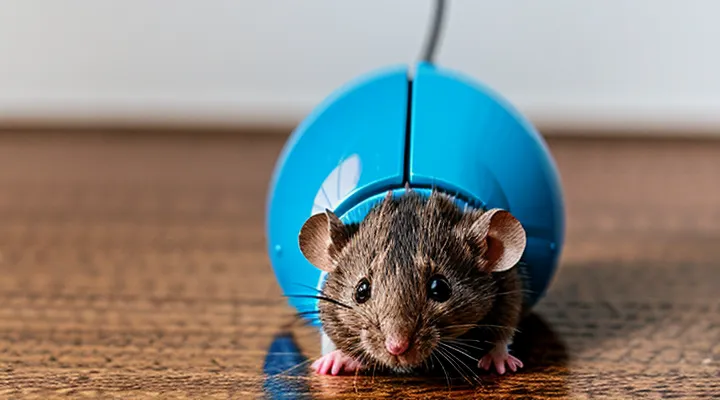
How Ultrasonic Deterrents Work
The Science Behind Ultrasonic Frequencies
Ultrasonic deterrent devices operate by emitting sound waves at frequencies above the upper limit of human hearing, typically ranging from 20 kHz to 65 kHz. Rodents such as mice possess auditory receptors tuned to this higher spectrum, allowing them to detect and respond to signals that remain inaudible to people.
The physics of ultrasonic propagation involves rapid pressure oscillations in the air medium. Energy concentration depends on frequency, amplitude, and directional focus of the transducer. Higher frequencies experience greater attenuation, limiting effective range to a few meters, while lower ultrasonic bands travel farther but may overlap with audible ranges for some species.
Key acoustic parameters influencing device performance:
- Frequency selection – aligns with peak hearing sensitivity of target rodents (approximately 30–50 kHz).
- Sound pressure level (SPL) – measured in decibels; typical devices deliver 80–100 dB SPL at source, decreasing with distance.
- Beam pattern – narrow beams concentrate energy, broad patterns cover larger areas but reduce intensity per unit area.
- Modulation – intermittent or varying frequencies prevent habituation and maintain aversive effect.
Generation of ultrasonic waves relies on piezoelectric or electrostatic transducers. An alternating voltage causes the crystal lattice to expand and contract, producing rapid pressure cycles. Efficient circuitry ensures stable output, minimal harmonic distortion, and protection against overheating.
Safety considerations focus on exposure limits for humans and pets. Although frequencies are beyond human perception, prolonged high SPL may cause discomfort or affect sensitive animals. Compliance with regulatory standards (e.g., OSHA, IEC) mandates maximum permissible exposure levels and proper labeling.
Understanding these scientific principles enables precise configuration of deterrent units, ensuring optimal coverage, sustained efficacy, and adherence to health guidelines.
Target Pests and Effectiveness
Ultrasonic deterrents are calibrated to emit frequencies that rodents cannot tolerate. The devices are most effective against the following species:
- House mouse (Mus musculus): high sensitivity to 20‑30 kHz range; typical reduction in indoor activity of 70‑85 % after 48 hours of continuous operation.
- Norway rat (Rattus norvegicus): moderate sensitivity; observable decline in surface foraging of 45‑60 % after one week of exposure.
- Roof rat (Rattus rattus): lower sensitivity; activity decrease of 30‑45 % after two weeks, often requiring supplemental bait stations for full control.
Effectiveness depends on several variables that must be managed for optimal results:
- Placement – devices should be positioned at a height of 6‑12 inches, away from walls and large metal objects that can reflect or absorb sound.
- Coverage area – each unit reliably protects 500‑800 sq ft; larger spaces need overlapping zones to prevent blind spots.
- Environmental factors – open doors, windows, and high humidity can diminish ultrasonic propagation, reducing efficacy.
- Duration of exposure – continuous operation is required; intermittent use allows rodents to acclimate and resume activity.
Field studies indicate that, when installed according to these guidelines, ultrasonic deterrents achieve a sustained reduction in mouse presence comparable to conventional trapping methods, while eliminating the need for poisons or physical barriers.
Choosing the Right Ultrasonic Deterrent
Factors to Consider Before Purchase
When evaluating an ultrasonic device designed to deter rodents, focus on specifications that directly affect performance and suitability for your environment.
- Frequency range: Choose a model that emits sound within 20–65 kHz, covering the hearing spectrum of common mouse species while remaining inaudible to humans.
- Coverage area: Verify the advertised square footage and compare it with the size of the target space; larger rooms may require multiple units or a higher‑power model.
- Power source: Determine whether the unit operates on batteries, AC adapters, or solar panels, and assess the impact on placement flexibility and long‑term operating costs.
- Timer and scheduling: Models with programmable intervals allow intermittent operation, conserving energy and preventing habituation.
- Durability and warranty: Look for robust housing, especially for outdoor or industrial use, and confirm the length of the manufacturer’s warranty for reliable support.
Additional considerations include compliance with local regulations on ultrasonic emissions, the presence of safety certifications (e.g., CE, FCC), and the availability of customer service for troubleshooting. Selecting a device that aligns with these criteria ensures effective rodent control while minimizing unnecessary expenditure.
Types of Devices and Features
Ultrasonic mouse deterrents fall into three primary categories: handheld units, plug‑in emitters, and integrated home‑automation modules. Handheld devices deliver focused sound bursts when manually activated, allowing precise targeting of a specific area. Plug‑in models emit continuous or intermittent ultrasonic pulses from an outlet, covering larger zones without user intervention. Integrated modules connect to smart‑home hubs, enabling remote scheduling, intensity adjustment, and automated activation based on motion sensors.
Key features differentiate the products within each category. Frequency range typically spans 20–30 kHz, a spectrum audible only to rodents; higher frequencies increase perceived discomfort but may reduce effective range. Adjustable intensity settings permit tailoring of sound strength to the size of the space and the target species. Timer functions allow users to program active periods, conserving energy and minimizing unnecessary exposure. Motion detection adds responsiveness, triggering the emitter only when movement is sensed, which conserves battery life in handheld units and reduces habituation in stationary devices.
Additional specifications often include battery type (rechargeable lithium‑ion versus disposable alkaline), waterproof rating for outdoor use, and compatibility with voice assistants or mobile apps. Some models incorporate dual‑frequency emitters, alternating between frequencies to prevent rodents from adapting to a single tone. Warranty length and certification (e.g., CE, FCC) provide assurance of product safety and reliability.
Installation and Placement
Optimal Locations for Deterrents
Place ultrasonic deterrents where mice are most likely to travel or congregate. Install units near entry points such as gaps under doors, cracks in foundation walls, and openings around utility pipes. Position devices at the base of kitchen cabinets, pantry shelves, and behind appliances where food residues attract rodents.
Ensure coverage of interior pathways. Mount a unit on each wall segment that connects known activity zones, spacing devices no more than 12 feet apart to maintain overlapping ultrasonic fields. Elevate the emitters 6–12 inches above the floor to prevent signal obstruction by furniture or clutter.
Recommended locations:
- Exterior wall voids and vent openings
- Underneath sink cabinets and dishwasher units
- Inside or adjacent to trash containers
- Along baseboard trim in storage closets
- Near the rear of refrigerator and freezer compartments
Adjust placement after initial testing; relocate any unit that produces audible noise or fails to deter activity. Maintain a clear line of sight between emitters and target areas for optimal performance.
Coverage Area and Obstacles
The ultrasonic device projects sound waves within a defined radius, typically ranging from 10 to 25 feet depending on model specifications. Effective protection requires positioning the unit so the entire target zone is encompassed without exceeding the manufacturer’s maximum output distance. Excessive distance reduces signal strength, diminishing deterrent efficacy.
Obstructions alter wave propagation and can create dead zones where mice are not exposed to sufficient frequencies. Common barriers include:
- Solid walls and partitions made of concrete, brick, or dense wood
- Large furniture such as bookshelves, wardrobes, and cabinets
- Appliances with metal enclosures, for example refrigerators or washing machines
- Stacked storage items that block line‑of‑sight between the emitter and the floor area
To maintain optimal coverage, place the emitter at an elevated central location, clear of the listed obstacles, and adjust the height to align with the typical travel paths of rodents. If the environment contains multiple rooms, consider additional units or a networked system to bridge gaps created by interior walls. Regularly verify coverage by testing for audible ultrasound leakage at the perimeter; absence of detectable signal indicates a potential obstruction that must be addressed.
Maximizing Effectiveness
Best Practices for Usage
Effective operation of an ultrasonic mouse deterrent depends on consistent placement, timing, and maintenance. Position the device at least 12 inches off the floor and 6 inches from walls to allow sound waves to propagate without obstruction. Avoid placing furniture or decorative items directly in front of the emitter, as solid objects reflect ultrasonic energy and reduce coverage.
Set the unit to run continuously during periods when rodents are most active, typically from dusk until dawn. If the model includes a timer, program a 12‑hour cycle that aligns with local sunrise and sunset times. For environments with fluctuating temperatures, verify that the device’s operating temperature range is not exceeded, because extreme heat or cold can impair ultrasonic output.
Maintain performance through regular cleaning and inspection. Follow these steps:
- Disconnect power before cleaning.
- Wipe the emitter surface with a dry, lint‑free cloth; do not use liquids or solvents.
- Check for dust accumulation in ventilation slots and remove it gently.
- Inspect the power cord for wear; replace if damage is evident.
- Test the unit weekly by listening for a faint high‑frequency hum (use a smartphone ultrasonic detector app if needed).
Document the installation location, start date, and any adjustments made. Record observations of rodent activity to assess efficacy and modify placement or duration as required. Consistent record‑keeping supports long‑term success and facilitates troubleshooting if the deterrent’s impact declines.
Common Mistakes to Avoid
Improper placement is the most frequent error. Position the emitter too close to walls or furniture; the sound waves will reflect, creating dead zones where mice remain undisturbed. Install the unit at the recommended height and maintain a clear line of sight across the target area.
Selecting an unsuitable frequency compromises effectiveness. Many users rely on the default setting without confirming that the emitted ultrasonic range matches the species present. Verify the device’s specifications and adjust the frequency if the model permits, especially when dealing with larger rodents.
Neglecting power management leads to intermittent operation. Relying on batteries without monitoring charge levels results in reduced output power, diminishing deterrent impact. Use a reliable power source and replace or recharge batteries promptly.
Assuming immediate results creates unrealistic expectations. Ultrasonic deterrents require a habituation period; rodents may initially ignore the sound before learning to avoid the area. Track activity over several days before judging efficacy.
Combining the ultrasonic system with conflicting devices, such as traditional traps or chemical repellents, can desensitize rodents to the sound. Maintain a single deterrent method to preserve the acoustic signal’s integrity.
Overlooking safety considerations for pets and small children is a critical oversight. Some ultrasonic frequencies can cause discomfort to animals not targeted by the device. Review manufacturer warnings and adjust placement to avoid exposure to non‑target species.
Failure to maintain a clean environment reduces the device’s performance. Dust and debris can obstruct the speaker, weakening the emitted signal. Clean the unit regularly according to the manufacturer’s instructions.
Addressing Common Questions
Safety Concerns for Humans and Pets
Ultrasonic rodent repellents emit high‑frequency sound waves that are inaudible to most humans but can affect hearing and behavior when exposure exceeds safe limits. Direct exposure to levels above 85 dB SPL may cause temporary or permanent auditory damage in sensitive individuals. Prolonged operation in confined spaces can increase sound pressure, raising the risk of discomfort, headaches, or nausea. Users should verify that the device’s output complies with occupational safety standards and keep the unit away from workstations, sleeping areas, and places where prolonged human presence is expected.
Pets, particularly dogs, cats, and small mammals, perceive ultrasonic frequencies more readily than adults. Excessive exposure may lead to stress, anxiety, or altered vocalization patterns. Some species exhibit avoidance behavior that can result in disorientation or injury if the deterrent is placed near feeding stations or escape routes. Animals with pre‑existing ear conditions are especially vulnerable to hearing loss. Owners should monitor pet reactions during initial use and discontinue the device if signs of distress appear.
To mitigate risks, follow these precautions:
- Install the unit at a minimum distance of 3 feet from human work surfaces and 6 feet from pet resting areas.
- Operate the deterrent only when occupancy is low; schedule activation during night hours or when rooms are unoccupied.
- Choose models with adjustable frequency and volume controls; set the lowest effective level to achieve rodent deterrence.
- Conduct a brief trial period of no more than 30 minutes; observe both human and animal responses before extending usage.
- Ensure the device is secured to prevent accidental displacement that could direct sound toward occupants or pets.
- Refer to the manufacturer’s safety data sheet for specific exposure limits and compliance certifications.
Regular inspection of the device for malfunction, such as unintended frequency spikes, is essential. Replace units that show signs of wear or produce inconsistent sound output. Maintaining a documented log of operating times and observed animal behavior supports responsible use and compliance with health guidelines.
Longevity and Maintenance of Devices
Ultrasonic mouse deterrents can retain full effectiveness for several years when owners follow a disciplined maintenance routine. Device longevity depends on power source management, environmental conditions, and regular system checks.
- Replace rechargeable batteries before capacity falls below 80 % of the original rating; store spare cells in a cool, dry place.
- Clean the transducer surface weekly with a soft, lint‑free cloth; avoid solvents that could degrade the acoustic membrane.
- Inspect mounting brackets for corrosion or loosening; tighten screws to manufacturer torque specifications.
- Verify firmware version quarterly; apply updates released by the manufacturer to address acoustic drift and safety safeguards.
- Keep the unit away from direct sunlight, extreme temperatures, and high humidity, which accelerate component wear.
Preventive actions extend operational life and maintain the ultrasonic field’s consistency. Failure to address battery health or acoustic surface contamination typically reduces output intensity, leading to diminished rodent deterrence and premature device replacement.
Alternatives and Complementary Methods
Other Pest Control Options
When ultrasonic devices are unsuitable, consider mechanical, chemical, and biological alternatives. Mechanical traps—snap, live‑catch, and glue boards—provide immediate reduction of rodent populations and allow precise placement near activity zones. Chemical baits, formulated with anticoagulants or acute toxins, require proper labeling, secure stations, and adherence to safety regulations to prevent accidental exposure of non‑target species. Biological controls, such as encouraging natural predators (e.g., barn owls, feral cats) or deploying rodent‑specific viruses, can suppress infestations over longer periods without direct human intervention.
Supplementary measures improve overall effectiveness:
- Seal entry points: Install steel mesh, caulking, or metal flashing around gaps larger than ¼ inch.
- Maintain sanitation: Store food in airtight containers, remove spilled grains, and manage waste to eliminate attractants.
- Landscape management: Trim vegetation away from building foundations, eliminate debris piles, and keep lawns mowed to reduce shelter.
Integrating these strategies with ultrasonic repellers creates a layered defense, enhancing durability of pest‑management programs and reducing reliance on any single method.
Integrated Pest Management Strategies
Integrated pest management (IPM) provides a systematic framework for reducing mouse activity while minimizing reliance on chemicals. When an ultrasonic deterrent is incorporated, it becomes one element of a broader control program that emphasizes prevention, monitoring, and targeted action.
Effective IPM implementation begins with accurate detection. Place snap traps, motion‑activated cameras, or adhesive boards in suspected pathways to establish infestation levels. Data from these tools guide the placement and intensity of ultrasonic devices, ensuring they operate where rodent traffic is highest.
Sanitation reduces food and shelter availability. Store grains, pet food, and waste in sealed containers; remove debris, clutter, and standing water. These measures diminish the attractants that draw mice into a building, allowing ultrasonic emitters to focus on deterrence rather than compensation for poor hygiene.
Exclusion reinforces the deterrent effect. Seal gaps around pipes, vents, and foundation cracks with steel wool, caulk, or metal flashing. Install door sweeps and weatherstripping to block entry points. When structural barriers are in place, the acoustic signal can discourage rodents that have already entered from venturing deeper into the interior.
Mechanical tactics complement ultrasonic technology. Deploy snap traps or live‑capture devices in conjunction with the sound emitters. Position traps near the device’s coverage zone to increase capture rates while the ultrasonic field discourages escape.
Biological options remain limited for indoor environments, but external perimeter control using predatory birds or barn owls can reduce the overall mouse population that may seek indoor refuge. This external pressure enhances the efficacy of indoor ultrasonic units.
Chemical interventions serve as a last resort. Apply rodenticides only in sealed bait stations placed outside the ultrasonic field to avoid interference and to protect non‑target organisms. Document all applications for regulatory compliance.
The integration process follows a logical sequence:
- Conduct initial monitoring to quantify infestation.
- Implement sanitation and exclusion measures.
- Install ultrasonic emitters in identified hotspots.
- Add mechanical traps to reinforce deterrence.
- Evaluate results after two weeks; adjust device placement or intensity as needed.
- Resort to chemical control only if population reduction stalls.
By aligning ultrasonic mouse deterrents with these IPM components, operators achieve sustained suppression, reduced chemical exposure, and compliance with best‑practice pest management standards.