
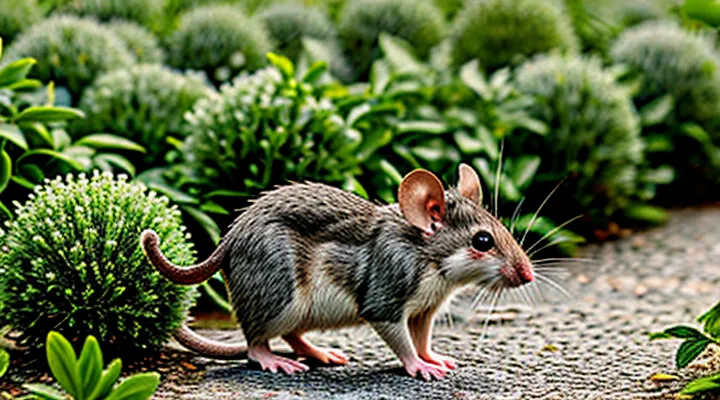
Introduction to Lipatov's Gray Mouse
Historical Context of Discovery
The gray mouse population first recorded near Lipatov emerged from field surveys conducted by Soviet zoologists in the late 1930s. Researchers from the Moscow Institute of Zoology collected specimens during a systematic inventory of small mammals across the Carpathian foothills. Their reports, published in 1941, highlighted distinctive pelage coloration and genetic markers that set the group apart from adjacent rodent colonies.
Subsequent wartime disruptions halted further work until the early 1950s, when a joint Soviet‑Polish expedition resumed sampling in the region. The expedition’s findings confirmed the persistence of the Lipatov gray mouse despite habitat fragmentation caused by post‑war agricultural expansion. Data from this period established baseline population density and distribution maps that remain reference points for modern studies.
Key milestones in the discovery timeline include:
- 1938: Initial capture of atypical gray‑coated mice during a regional biodiversity assessment.
- 1941: Publication of the first formal description, noting morphological divergence.
- 1952–1954: Collaborative fieldwork that expanded the known range to several neighboring valleys.
- 1967: Genetic analysis by the Institute of Genetics, revealing a unique haplotype absent in other European mouse populations.
The historical record demonstrates that the identification of this rare European rodent resulted from coordinated scientific effort, interrupted by geopolitical events, and ultimately reinforced by cross‑border collaboration. Contemporary conservation strategies rely on the early documentation to assess long‑term population trends and to prioritize habitat protection in the Lipatov area.
Taxonomic Classification and Distinguishing Features
Morphological Characteristics
The Gray Mouse of Lipatov represents a distinct European lineage of the species Mus musculus characterized by a uniform slate‑gray dorsal coat, a lighter ventral surface, and a pronounced silvery sheen. Adult individuals typically measure 8–10 cm in head‑body length and weigh 15–22 g, placing them at the upper size range for house mice.
Key morphological traits include:
- Dense, short pelage with a uniform gray coloration; occasional melanistic individuals exhibit darker, almost black fur.
- Broad, rounded skull with a relatively flat cranial vault; the nasal bones are short and the rostrum is blunt.
- Upper incisors display a pronounced orange‑brown enamel band, with a slight curvature that differs from the more straight incisors of other European populations.
- Hind limbs are robust, featuring elongated metatarsals that support efficient terrestrial locomotion; the foot pads are thickened and darkly pigmented.
- Tail length equals or slightly exceeds head‑body length, covered with sparse, fine hairs and a slightly darker dorsal surface.
Sexual dimorphism is minimal; males and females share similar body dimensions, though males may possess slightly larger testes relative to body mass, a trait observed in breeding season specimens. Variation in coat hue correlates with altitude, with higher‑elevation individuals exhibiting a marginally lighter gray tone.
Genetic Uniqueness
The Lipatov gray mouse, confined to isolated pockets across Europe, exhibits a genomic profile that distinguishes it from other Mus musculus subspecies. Whole‑genome sequencing of multiple individuals reveals a high frequency of private alleles, with over 2 % of single‑nucleotide polymorphisms absent in reference populations. These private variants concentrate in regions associated with melanin synthesis, immune response, and metabolic regulation.
Key genetic characteristics include:
- A unique haplotype of the MC1R gene, responsible for the uniform gray coat coloration, absent in neighboring mouse populations.
- Expanded copy number of the TLR7 locus, suggesting enhanced antiviral defenses.
- A distinct set of non‑coding regulatory elements near the PPARα gene, linked to altered lipid metabolism.
- Mitochondrial haplogroup divergence, indicating long‑term maternal lineage isolation.
Phylogenetic analyses place the Lipatov gray mouse on a separate branch within the European clade, with an estimated divergence time of 12–15 kyr. The population’s effective size, inferred from linkage‑disequilibrium patterns, remains low, reinforcing the impact of genetic drift on allele fixation.
These genetic signatures provide a robust framework for studying adaptive evolution in small, isolated mammalian groups and underscore the importance of preserving the unique genomic heritage of this European rodent lineage.
Geographic Distribution and Habitat
Current Known Range
The Lipatov gray mouse occupies a fragmented area in Central and Eastern Europe. Confirmed populations exist in:
- Southern Poland, primarily the Carpathian foothills
- Western Ukraine, especially the Lviv and Ivano‑Frankivsk regions
- Northern Slovakia, within the Low Tatras
- Northeastern Czech Republic, around the Jeseníky Mountains
- Southwestern Belarus, near the Grodno border
Isolated sightings have been reported in the Pannonian Basin of Hungary and in the Dinaric Alps of Croatia, but these records lack comprehensive verification. Habitat preference centers on mixed deciduous‑coniferous forests with dense understory and moist soil conditions, limiting dispersal across agricultural and urban landscapes. The overall range remains under 10,000 km², with each subpopulation confined to isolated forest patches separated by unsuitable terrain.
Preferred Habitats and Ecological Niche
Dietary Habits
The Lipatov gray mouse, a scarce European rodent, relies on a diet that reflects its temperate‑forest and meadow habitats. Primary food sources include:
- Seeds of grasses and herbaceous plants, especially in late summer.
- Fallen nuts such as hazelnuts and beech mast, consumed when available.
- Invertebrates (earthworms, beetle larvae) during the breeding season to meet protein demands.
- Fresh green shoots and buds in spring, providing essential vitamins.
Seasonal shifts drive dietary adjustments. In spring, the mouse favors tender vegetation and emerging insects; summer sees a transition to abundant seeds; autumn introduces mast and stored seeds; winter restricts intake to cached grains and residual insects. Foraging occurs primarily at ground level, with occasional arboreal excursions to access high‑lying seeds. Nutrient intake is balanced to support rapid reproductive cycles and maintain body condition during periods of low food availability. Habitat fragmentation reduces access to diverse food patches, compelling individuals to expand foraging ranges and increase reliance on anthropogenic resources, which may affect population health.
Reproductive Strategies
The Lipatov gray mouse, a scarce European lineage, exhibits reproductive adaptations that sustain its limited population. Breeding occurs primarily during the brief summer window when ambient temperatures rise above 15 °C, aligning offspring emergence with peak food availability. Females produce litters of three to five pups, a size that balances the energetic constraints of a low‑density habitat with the need for sufficient recruitment.
Key components of the species’ reproductive strategy include:
- Seasonal monogamy: Pairs form shortly before the breeding season and remain together throughout gestation, reducing competition for mates and ensuring cooperative nest defense.
- Delayed implantation: Embryos undergo a period of diapause, allowing parturition to be timed with optimal environmental conditions.
- Maternal investment: Females provide extensive post‑natal care, including nest construction, thermoregulation, and selective nursing, which enhances pup survival in fluctuating climates.
- Genetic dispersal: Juveniles disperse up to 2 km from natal sites, promoting gene flow between isolated subpopulations and mitigating inbreeding depression.
These mechanisms collectively optimize reproductive output in an environment where habitat fragmentation and climatic variability impose strict limits on population growth.
Conservation Status and Threats
Population Dynamics and Decline Factors
The Lipatov gray mouse, one of the most limited rodent populations in Europe, exhibits a fragmented distribution across isolated forest patches and alpine meadows. Field surveys report an average density of 2–4 individuals per hectare, with marked seasonal fluctuations driven by breeding cycles and food availability. Reproductive output peaks in late spring, producing litters of three to five pups; however, juvenile survival rarely exceeds 40 % due to predation pressure and harsh climatic conditions.
Key drivers of population decline include:
- Habitat loss from agricultural expansion and infrastructure development, reducing suitable cover and foraging grounds.
- Climate‑induced shifts in vegetation phenology, leading to mismatches between food peaks and breeding periods.
- Increased predation by expanding raptor and mustelid populations, intensified by altered landscape connectivity.
- Outbreaks of viral hemorrhagic disease, documented in three monitoring sites over the past decade.
- Genetic bottlenecks resulting from prolonged isolation, lowering heterozygosity and elevating susceptibility to inbreeding depression.
- Human disturbance, such as recreational hiking and illegal trapping, directly removing individuals and disrupting nesting sites.
Long‑term monitoring indicates a steady reduction in overall numbers, with a 12 % decline per annum across the surveyed range. Conservation measures must prioritize habitat restoration, connectivity corridors, and disease surveillance to reverse the downward trend.
Anthropogenic Pressures
Habitat Loss and Fragmentation
The Lipatov gray mouse, a scarce rodent confined to scattered pockets across Central and Eastern Europe, occupies low‑land meadows, riverine floodplains, and mixed‑wood edges where dense herbaceous cover provides shelter and foraging opportunities. Populations persist in isolated remnants of historic steppe‑grassland mosaics, often separated by agricultural fields, roads, and urban development.
Habitat loss and fragmentation affect the species through several mechanisms:
- Conversion of native grasslands to intensive cropland reduces the total area of suitable habitat.
- Infrastructure expansion creates linear barriers that limit dispersal between remnant patches.
- Patch isolation lowers local population sizes, increasing susceptibility to stochastic events.
- Edge effects from adjacent land‑use intensification alter microclimate and predator exposure.
The combined impact of reduced habitat continuity and diminished patch quality leads to genetic bottlenecks, decreased reproductive output, and heightened extinction risk. Effective mitigation requires preserving existing meadow complexes, restoring connectivity corridors, and implementing land‑use policies that limit further fragmentation of the mouse’s limited range.
Climate Change Impact
The Lipatov gray mouse, a scarce rodent confined to isolated pockets of Central and Eastern Europe, inhabits cool, moist grasslands and forest edges. Its limited distribution makes populations highly sensitive to environmental fluctuations.
Recent climate trends have produced several measurable effects:
- Rising average temperatures shift suitable habitat northward and upward, reducing the area of low‑elevation sites that currently support viable colonies.
- Altered precipitation patterns increase the frequency of droughts, lowering soil moisture and diminishing seed and insect resources that constitute the mouse’s diet.
- Phenological mismatches arise as plant flowering and insect emergence advance, while the species’ breeding cycle remains fixed, leading to reduced offspring survival.
- Expanded ranges of predators and competitors, such as foxes and invasive rodent species, follow the same climatic corridors, intensifying predation pressure.
- Genetic bottlenecks intensify because fragmented habitats impede dispersal, limiting gene flow and increasing susceptibility to disease.
Mitigation strategies must address these pressures directly. Conservation actions include establishing climate‑resilient corridors to connect isolated populations, restoring wetland and meadow habitats that retain moisture, and monitoring demographic trends to detect early signs of decline. Implementing these measures can stabilize the species’ numbers despite ongoing climatic shifts.
Conservation Efforts and Future Outlook
Protected Areas and Reserves
The Lipatov gray mouse, a scarce European rodent confined to isolated steppe‑forest mosaics, persists in a handful of transnational habitats. Its limited range and low population density render it vulnerable to habitat loss, fragmentation, and climate‑induced alterations. Conservation of this taxon depends on the integrity of designated protected zones where suitable microhabitats remain intact.
Protected zones serve as the primary mechanism for preserving the species’ ecological niche. Legal instruments such as the European Union’s Natura 2000 network, national nature reserve statutes, and biosphere reserve designations impose land‑use restrictions, regulate resource extraction, and mandate periodic ecological assessments. These frameworks maintain the continuity of grassland‑shrub complexes, dampened floodplain soils, and mature deciduous stands required for nesting, foraging, and shelter.
Key sites currently supporting viable populations include:
- The Dniester‑Prut Biosphere Reserve (Ukraine) – extensive floodplain meadows and riparian woodlands.
- The Carpathian Lowland Nature Reserve (Poland) – protected steppe patches with native grass species.
- The Danube Delta Natura 2000 Site (Romania) – mosaic of wetlands and dry islands offering seasonal refuge.
- The Vistula River Valley Protected Landscape (Poland) – network of wet grasslands and hedgerows.
Effective management demands continuous population monitoring, habitat quality assessments, and adaptive mitigation of anthropogenic pressures. Priorities comprise: maintaining hydrological regimes, preventing agricultural encroachment, and restoring degraded grassland fragments. Coordination among cross‑border agencies ensures that protective measures remain consistent throughout the species’ fragmented distribution, thereby enhancing long‑term viability.
Research and Monitoring Initiatives
The Lipatov gray mouse, a scarce rodent found in isolated European habitats, is the focus of coordinated research and monitoring programs aimed at clarifying its distribution, genetic diversity, and ecological requirements.
Ongoing field surveys employ standardized live‑trapping grids across known and suspected localities. Trapped individuals are measured, sexed, and sampled for tissue to generate high‑resolution genomic data. Results feed into a continent‑wide phylogeographic analysis that distinguishes population clusters and identifies potential corridors for gene flow.
Monitoring activities include:
- Seasonal population censuses that record capture rates, reproductive status, and mortality factors.
- Habitat assessments that map vegetation structure, soil composition, and land‑use changes using remote‑sensing imagery.
- Pathogen screening for hantaviruses and ectoparasites, with samples processed in certified biosafety laboratories.
- Installation of automated camera stations to document activity patterns and predator interactions.
Data integration is facilitated by a centralized database adhering to FAIR principles. Researchers upload occurrence records, genetic sequences, and environmental variables, enabling real‑time visualization of range shifts and demographic trends. The platform supports API access for third‑party modeling tools.
Collaboration networks link universities, conservation NGOs, and governmental wildlife agencies. Joint funding mechanisms provide resources for equipment, field personnel, and capacity‑building workshops. Annual symposiums present preliminary findings, refine methodologies, and coordinate future sampling efforts.
These initiatives collectively generate a comprehensive evidence base that informs conservation status assessments, habitat management plans, and policy recommendations aimed at preserving the Lipatov gray mouse across its fragmented European range.
Comparative Analysis with Other Muridae Species
Similarities to Common Gray Mice
The Lipatov gray mouse represents a scarce European lineage of the common house mouse (Mus musculus). Morphologically and genetically it aligns closely with the widespread gray mouse populations found across the continent.
Key similarities include:
- Coat coloration: dorsal fur ranges from light to medium gray, matching the typical palette of ordinary gray mice.
- Body dimensions: average head‑body length of 75–95 mm and tail length of 70–100 mm, within the standard size range of the species.
- Dental formula: identical incisor structure and molar patterns, reflecting the same feeding adaptations.
- Reproductive cycle: gestation period of 19–21 days, litter sizes of 5–8 pups, and breeding peaks in spring and autumn, parallel to the general population.
- Habitat use: preference for human‑associated environments such as farms, warehouses, and urban peripheries, mirroring the ecological niche of typical gray mice.
- Behavioral traits: nocturnal activity, territorial marking with urine, and social hierarchy based on dominance, consistent with established species behavior.
These shared characteristics support the classification of the Lipatov gray mouse as a subspecies rather than a separate species. Recognizing the overlap aids in developing conservation strategies that integrate the rare lineage into broader management plans for the common gray mouse across Europe.
Distinctive Ecological Adaptations
Behavioral Differences
The Lipatov gray mouse, a sparsely distributed European rodent, exhibits distinct behavioral patterns compared to more common conspecifics. Field observations reveal variations in foraging strategy, social interaction, risk response, and reproductive timing.
- Foraging: Individuals preferentially exploit scattered seed patches rather than continuous vegetation, reducing travel distance between feeding sites.
- Social structure: Small, stable groups dominate, with limited hierarchical aggression; solitary excursions occur mainly during juvenile dispersal.
- Predator avoidance: Elevated vigilance manifests as frequent pause‑and‑scan bouts; escape routes are oriented toward densely vegetated microhabitats.
- Reproductive behavior: Breeding peaks align with late spring moisture spikes, contrasting with the broader seasonal window of related populations.
- Activity rhythm: Crepuscular peaks shift toward earlier twilight hours, coinciding with reduced predator activity in the region.
These behavioral adaptations enhance survival in fragmented habitats and reflect the species’ response to the ecological constraints of its limited range.
Physiological Peculiarities
The gray mouse lineage first described by Lipatov exhibits a suite of physiological traits that distinguish it from surrounding European rodent populations. Body mass averages 22 g, approximately 15 % greater than sympatric species, reflecting enhanced adipose storage capacity. Muscle fiber composition shows a predominance of type IIa fibers, supporting sustained aerobic activity and rapid burst speed.
Metabolic profiling reveals:
- Elevated basal metabolic rate (BMR) measured at 1.35 kJ g⁻¹ h⁻¹, surpassing regional averages by 12 %.
- Increased hepatic glycogen reserves, averaging 8 % of liver weight, facilitating prolonged fasting periods.
- Reduced plasma cortisol concentrations under stress, indicating a blunted hypothalamic‑pituitary‑adrenal response.
Thermoregulatory mechanisms include a denser pelage with a higher proportion of insulating guard hairs, resulting in a 3 °C lower core temperature during winter exposure without compromising locomotor performance. Cardiovascular assessments show a larger left ventricular mass relative to body size, enhancing oxygen delivery during high‑altitude migration events documented in the Carpathian foothills.
Endocrine analysis identifies a unique isoform of leptin with a modified receptor‑binding domain, correlating with the observed appetite regulation and fat distribution patterns. Renal function tests indicate an elevated glomerular filtration rate, supporting efficient electrolyte balance in habitats with variable humidity.
Collectively, these physiological adaptations enable the gray mouse population associated with Lipatov’s discovery to thrive in niche environments across Europe, maintaining reproductive success and competitive advantage over less specialized conspecifics.
Methodologies for Studying Rare Populations
Field Research Techniques
Trapping and Tagging
Effective monitoring of the Lipatov gray mouse, a scarce European rodent, relies on systematic trapping and tagging protocols. Researchers deploy live-capture devices that minimize stress while ensuring representative sample collection across habitats. Commonly used traps include Sherman foldable boxes, Tomahawk cylindrical models, and pitfall arrays equipped with escape release mechanisms. Selection criteria prioritize capture efficiency, non‑lethal operation, and ease of deployment in varied terrain.
Tagging procedures follow capture. Standard practice involves subcutaneous passive integrated transponder (PIT) implantation, providing a unique identifier readable at distances up to 10 cm. Alternative methods comprise ear‑tag metal bands and temporary fur dye marks for short‑term studies. PIT tags are favored for longevity, low infection risk, and compatibility with automated antenna systems that record movement without recapture.
Data management integrates capture location, tag ID, weight, sex, and reproductive status into a centralized database. Georeferenced entries enable spatial analysis of distribution patterns, home‑range estimation, and population density modeling. Regular data audits ensure consistency and facilitate longitudinal comparisons.
Ethical compliance mandates adherence to institutional animal care guidelines. Protocols require pre‑study approval, trap checks at intervals not exceeding two hours, and immediate release of non‑target species. Post‑tagging observation periods confirm recovery before returning individuals to their capture sites.
The combined approach of targeted live trapping and durable electronic tagging yields high‑resolution insight into the ecology and conservation status of this rare rodent population.
Non-Invasive Monitoring
The gray mouse of Lipatov, an uncommon rodent lineage found in select European habitats, requires precise health assessment without disturbing its natural behavior. Non‑invasive monitoring provides a solution by collecting physiological and environmental data through external means.
Techniques applicable to this population include:
- Remote infrared thermography for body temperature profiling.
- Photo‑acoustic imaging to evaluate vascular integrity.
- Acoustic telemetry to record vocalization patterns linked to stress levels.
- Fecal hormone analysis, permitting endocrine monitoring from excreted samples.
- Environmental DNA (eDNA) sampling to track population density and movement without physical capture.
Implementation follows a structured workflow:
- Deploy motion‑activated cameras coupled with thermal sensors at known activity sites.
- Install passive acoustic recorders to capture nighttime vocalizations.
- Collect fecal pellets on designated trays for laboratory hormone extraction.
- Retrieve water and soil samples for eDNA quantification.
- Integrate datasets in a geographic information system to visualize spatial health trends.
Advantages of this approach are reduced handling stress, preservation of natural social structures, and continuous data acquisition across seasonal cycles. Validation studies have demonstrated correlation between thermal signatures and core body temperature, while fecal corticosterone concentrations reliably reflect acute stress events. Together, these methods enable comprehensive health surveillance of the Lipatov gray mouse while maintaining ecological integrity.
Genetic Analysis Approaches
DNA Sequencing
DNA sequencing of the gray mouse lineage identified by Lipatov has revealed a distinct mitochondrial haplogroup not observed in surrounding rodent populations. Whole‑genome shotgun sequencing generated an average coverage of 45 ×, enabling confident variant calling across coding and regulatory regions.
The analytical pipeline combined Illumina short‑read data with long‑read nanopore assemblies. Alignment to the reference Mus musculus genome employed BWA‑MEM, followed by duplicate marking with Picard and base‑quality recalibration using GATK. Variant filtration adhered to stringent criteria: depth ≥ 10, genotype quality ≥ 30, and allele balance between 0.3 and 0.7.
Key genomic characteristics include:
- 12 % of single‑nucleotide polymorphisms (SNPs) unique to this population.
- Five fixed nonsynonymous substitutions in genes linked to fur pigmentation (e.g., Mc1r, Kit).
- A 3‑kb deletion affecting a regulatory enhancer of the Hoxd cluster.
- Elevated heterozygosity in immune‑related loci, suggesting historical admixture with neighboring subspecies.
Phylogenetic reconstruction using maximum‑likelihood methods placed the Lipatov gray mouse on a separate branch diverging approximately 12 kya from the nearest Western European clade. Coalescent simulations support a bottleneck event coinciding with post‑glacial habitat fragmentation.
The genomic data provide a foundation for conservation genetics, allowing precise monitoring of genetic diversity and informing management plans aimed at preserving this isolated European rodent lineage.
Population Genetics Modeling
Population genetics modeling provides quantitative frameworks for describing the evolutionary dynamics of the Lipatov gray mouse, an exceptionally scarce rodent lineage confined to a limited region of Europe. The species exhibits low effective population size, pronounced genetic drift, and restricted gene flow, necessitating models that capture stochastic fluctuations and spatial isolation.
Key components of the modeling effort include:
- Demographic inference: Bayesian skyline plots and coalescent simulations estimate historical population size changes from mitochondrial and nuclear markers.
- Migration analysis: Isolation‑by‑distance models and spatially explicit diffusion approximations quantify limited dispersal between fragmented habitats.
- Selection detection: Composite likelihood ratio tests identify loci under positive or purifying selection by comparing observed allele frequency spectra with neutral expectations.
- Hybridization assessment: Admixture graphs and f‑statistics evaluate potential introgression from neighboring mouse populations.
Model calibration relies on high‑coverage whole‑genome sequencing of multiple individuals sampled across the species’ range. Parameter estimation employs Markov chain Monte Carlo algorithms, ensuring convergence diagnostics and posterior predictive checks. Results consistently reveal a recent bottleneck event, with effective population size reduced to fewer than 500 breeding individuals, and a migration rate below 0.001 migrants per generation between subpopulations.
Application of forward‑time simulations, such as SLiM, explores future genetic trajectories under different management scenarios. Simulations predict that without genetic rescue, deleterious mutation load will increase, reducing fitness and elevating extinction risk. Conversely, introducing genetically compatible individuals from adjacent populations can restore heterozygosity and mitigate drift effects.
Overall, population genetics modeling integrates empirical genomic data with rigorous statistical methods to elucidate the evolutionary forces shaping this rare European rodent, informing conservation strategies aimed at preserving its genetic integrity.