
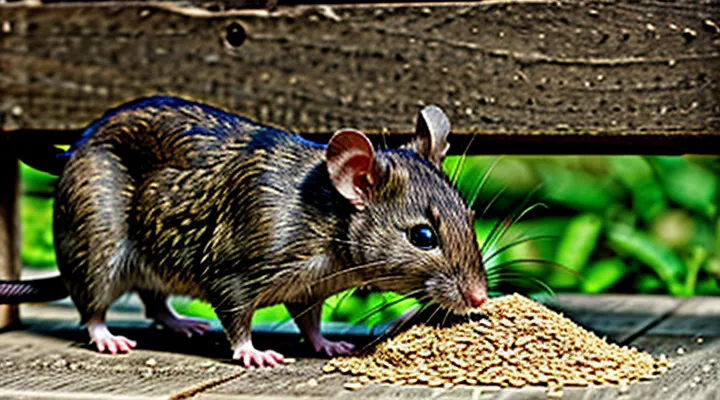
Understanding Grain Bait
What is Grain Bait?
Active Ingredients in Grain Bait
Active ingredients in rodent grain bait are selected for rapid toxicity, palatability, and low non‑target impact. Common compounds fall into three categories: anticoagulants, phosphides, and vitamin‑D derivatives.
- Second‑generation anticoagulants (e.g., bromadiolone, brodifacoum, difethialone) inhibit vitamin K recycling, causing uncontrolled hemorrhage after a single feeding. Their high potency reduces the amount of bait required but increases secondary‑poisoning risk.
- Zinc phosphide reacts with stomach acid to generate phosphine gas, a potent cellular poison that collapses respiratory function within minutes. It remains inactive in the bait matrix, enhancing safety during handling.
- Cholecalciferol (vitamin D₃) induces hypercalcemia, leading to renal failure and cardiac arrest. Its mode of action differs from anticoagulants, providing an alternative for populations with known resistance.
- First‑generation anticoagulants such as warfarin require multiple feedings to achieve lethal effects and are less effective against resistant strains.
Formulation considerations include the concentration of each active ingredient, grain type, and attractants that encourage consumption. Resistance monitoring guides the rotation of compounds, while bait stations limit exposure to non‑target species.
Effective grain bait relies on the precise combination of these actives, ensuring rapid rodent mortality while mitigating environmental and secondary‑hazard concerns.
Grain Bait Formulations
Grain‑based rodent baits combine a cereal matrix with a toxicant to deliver lethal doses when gnawed. The matrix supplies carbohydrates, proteins, and fiber that mimic natural food sources, ensuring rapid acceptance by rats and mice. Formulations typically contain:
- Base grain – wheat, barley, corn, or oat flour, ground to a fine consistency for easy ingestion.
- Active ingredient – anticoagulants (warfarin, bromadiolone), neurotoxins (bromethalin), or zinc phosphide, incorporated at concentrations calibrated to species‑specific LD50 values.
- Attractants – powdered cheese, peanut butter, or soy hydrolysate, added in 1‑5 % proportions to heighten palatability.
- Binding agents – starch or gelatin, used at 2‑4 % to maintain structural integrity and prevent crumb loss during handling.
- Moisture regulators – glycerol or propylene glycol, limited to 0.5‑1 % to extend shelf life without compromising dry texture.
Formulation stability depends on low water activity; moisture content is kept below 12 % to inhibit mold growth. Particle size influences delivery: granules between 1 and 3 mm are optimal for both species, allowing easy transport into burrows and nesting chambers.
Dosage calculations consider bait consumption rates of 5‑10 g per day for a typical adult rat and 2‑4 g for a mouse. Manufacturers adjust toxicant load so that a single bite delivers a full lethal dose, reducing the risk of sub‑lethal exposure and resistance development.
Safety measures include bittering agents on non‑target surfaces, packaging that limits accidental access, and clear labeling of active ingredient concentrations. Regulatory compliance requires testing for acute toxicity, environmental impact, and residue levels in stored grain.
Overall, grain bait formulations rely on a precisely balanced combination of edible substrate, potent toxicant, and attractant to achieve rapid, reliable control of rodent populations while minimizing collateral hazards.
How Rodenticides Work
Anticoagulants
Anticoagulant compounds are the active agents that cause lethal hemorrhage in rodents after ingestion of grain‑based baits. The chemicals interfere with the vitamin K cycle, preventing the synthesis of clotting factors II, VII, IX and X. As blood cannot clot, internal bleeding leads to death within 24–72 hours, depending on the dose and the specific anticoagulant used.
Typical anticoagulants employed in grain formulations include:
- Warfarin – first‑generation, low potency, rapid resistance development.
- Brodifacoum – second‑generation, high potency, long residual activity.
- Diphacinone – intermediate potency, moderate persistence.
- Bromadiolone – second‑generation, high potency, slower resistance onset.
Efficacy depends on several factors:
- Palatability of the grain matrix ensures rodents consume a lethal amount.
- Concentration of the anticoagulant must exceed the minimum effective dose for the target species.
- Environmental stability of the active ingredient maintains potency until consumption.
- Resistance levels in local rodent populations dictate the choice of compound.
Safety considerations require strict adherence to label specifications. Non‑target species risk is minimized by:
- Using bait stations that restrict access to rodents.
- Selecting grain types unattractive to birds and pets.
- Applying the minimum effective concentration to reduce secondary poisoning.
Regulatory agencies mandate that anticoagulant baits meet toxicity thresholds, labeling requirements, and disposal protocols. Monitoring programs track resistance trends and bait performance, allowing adjustments to the active ingredient or formulation as needed.
In practice, grain bait containing anticoagulants delivers a delayed, systemic effect that reduces bait shyness, provides a measurable control outcome, and integrates into comprehensive rodent‑management strategies.
Non-Anticoagulants
Non‑anticoagulant grain baits rely on active ingredients that disrupt physiological processes other than blood clotting. These formulations typically contain substances such as cholecalciferol (vitamin D₃), bromethalin, or zinc phosphide, each delivering a lethal dose after ingestion. The grain matrix serves as an attractant, ensuring rodents consume a sufficient quantity of the toxin.
The mode of action for each compound differs markedly:
- Cholecalciferol triggers hypercalcemia, leading to kidney failure and cardiac arrest within 2–5 days.
- Bromethalin interferes with mitochondrial ATP production, causing paralysis and death after 24–48 hours.
- Zinc phosphide reacts with stomach acids to release phosphine gas, producing rapid respiratory failure.
Advantages of non‑anticoagulant baits include reduced risk of secondary poisoning, effectiveness against anticoagulant‑resistant populations, and compliance with regulatory limits on anticoagulant residues. Formulations are engineered to resist moisture and degradation, preserving potency in varied environmental conditions.
Safety protocols mandate placement in tamper‑resistant stations, labeling according to EPA guidelines, and monitoring of non‑target species exposure. Integrated pest management programs incorporate these baits alongside exclusion, sanitation, and habitat modification to achieve long‑term control while minimizing ecological impact.
Mechanisms of Action
Ingestion and Absorption
Rodents encounter grain-based bait while foraging, chew it, and swallow the particles. The oral cavity delivers the material to the esophagus, and the stomach provides an acidic environment that begins chemical breakdown. This process releases the active toxicant from the grain matrix, allowing it to dissolve in gastric fluids.
- Stomach dissolution: Acidic pH (≈1.5–3.5) solubilizes the poison, creating a bioavailable solution.
- Intestinal absorption: The dissolved toxin passes through the mucosal lining of the small intestine via passive diffusion and, where applicable, carrier-mediated transport.
- Systemic distribution: Once in the bloodstream, the compound circulates to target organs, most commonly the liver and blood‑clotting system.
- Metabolic activation: Hepatic enzymes may convert the substance into a more potent metabolite, enhancing efficacy.
- Physiological effect: Interference with clotting factors or neuro‑receptors leads to rapid incapacitation and death.
Effective bait design ensures rapid dissolution, high permeability across the intestinal wall, and resistance to premature degradation. The combination of swift gastric release and efficient intestinal uptake maximizes lethal impact while minimizing the amount of material required.
Systemic Effects
Internal Hemorrhage
Internal hemorrhage is the primary lethal outcome produced by grain‑based rodenticides that contain anticoagulant agents. These agents block the recycling of vitamin K, preventing the synthesis of clotting factors II, VII, IX and X. The resulting coagulopathy allows blood to escape from damaged vessels without forming stable clots, leading to accumulation of blood within body cavities and tissues.
The condition manifests in several organ systems:
- Gastrointestinal tract: hemorrhagic ulceration, melena, peritoneal blood.
- Respiratory system: pulmonary hemorrhage, hemoptysis.
- Musculoskeletal system: joint effusion with blood, muscle hematomas.
- Central nervous system: subdural or intracerebral bleeding, seizures.
After a rodent ingests the bait, a latency period of 24–72 hours typically passes before clinical signs appear. During this interval, clotting factor levels decline below functional thresholds. Subsequent internal bleeding progresses rapidly; mortality often occurs within 2–4 days if untreated.
Detection relies on post‑mortem examination. Visual identification of blood‑filled cavities, organ discoloration, and pericardial or pleural effusion confirms the diagnosis. Laboratory analysis of coagulation parameters—prothrombin time and activated partial thromboplastin time—provides quantitative evidence of anticoagulant effect.
Risk management requires strict control of bait placement to avoid exposure of non‑target wildlife and pets. Protective equipment for handlers minimizes accidental ingestion or dermal absorption. Prompt removal of dead rodents prevents secondary poisoning of scavengers that might ingest contaminated carcasses.
Organ Failure
Grain‑based rodent poisons contain anticoagulant compounds that disrupt the synthesis of vitamin K–dependent clotting factors. The resulting deficiency impairs blood coagulation, leading to uncontrolled internal bleeding. Persistent hemorrhage places excessive strain on vital organs, eventually causing their functional collapse.
- Liver: loss of clotting factor production accelerates hepatic insufficiency.
- Kidneys: blood loss reduces perfusion, inducing acute renal failure.
- Heart: anemia and hypovolemia diminish oxygen delivery, precipitating cardiac arrest.
- Lungs: hemorrhagic infiltration compromises gas exchange, resulting in respiratory failure.
The toxicant’s delayed action allows rodents to ingest multiple doses before symptoms appear. Accumulated anticoagulant levels progressively weaken vascular integrity, and organ systems fail in a predictable sequence: circulatory collapse precedes hepatic and renal shutdown, followed by cardiac and pulmonary cessation. This cascade ensures mortality without immediate detection, increasing bait effectiveness while minimizing premature avoidance behavior.
Time to Efficacy
Single-Dose vs. Multi-Dose Baits
Rodent grain‑based bait formulations are delivered either as a single lethal exposure or as a series of consumable doses. Single‑dose products contain a high concentration of anticoagulant or acute toxin that kills the target after one bite. The rapid action reduces the window for bait avoidance and limits the amount of bait required in a treatment area. However, high toxicity can increase risk to non‑target wildlife and may accelerate the development of resistance if sub‑lethal amounts are ingested.
Multi‑dose baits incorporate a lower toxin level that must be consumed repeatedly over several days to reach a lethal threshold. This approach provides a prolonged attractive period, allowing rodents to feed naturally and increasing overall consumption. Repeated exposure improves efficacy against wary populations and can reduce the likelihood of resistance by maintaining sub‑lethal concentrations that do not select strongly for tolerant individuals. The trade‑off is a greater quantity of bait and the need for longer monitoring to confirm mortality.
Key differences:
- Toxin concentration: high (single) vs. low (multi)
- Required intake: one bite vs. multiple bites over days
- Risk to non‑targets: higher with single‑dose, lower with multi‑dose
- Resistance pressure: stronger with single, mitigated with multi
- Operational considerations: fewer placements needed for single; extended bait stations required for multi
Effective rodent control programs select the regimen that matches the infestation severity, environmental constraints, and regulatory limits on toxicant use. Continuous observation of bait uptake and mortality rates ensures timely adjustment of the strategy.
Factors Influencing Efficacy
Rodent Behavior
Bait Shyness
Bait shyness occurs when rats or mice develop an aversion to a specific type of grain bait after a single sub‑lethal exposure. The animal associates the taste, odor, or texture of the bait with an unpleasant physiological reaction, leading to refusal of that bait in future encounters.
The phenomenon arises from several mechanisms:
- Rapid learning from nausea or mild poisoning after ingesting a contaminated piece.
- Sensory discrimination that allows rodents to detect subtle differences in formulation.
- Social transmission, where untreated individuals observe the avoidance behavior of peers.
Consequences include reduced efficacy of control programs and the need for frequent bait rotation. To mitigate bait shyness, practitioners should:
- Use a diversified bait portfolio, alternating between wheat, barley, and corn bases.
- Incorporate low‑dose anticoagulants that minimize immediate illness while still delivering a lethal dose over time.
- Apply attractants such as peanut butter or soy protein to mask the primary grain flavor.
- Rotate active ingredients every 2–3 weeks to prevent learned avoidance.
- Monitor bait stations daily for signs of refusal and adjust placement accordingly.
Understanding and addressing bait shyness ensures sustained impact of grain‑based rodent control measures.
Competitive Food Sources
Grain baits rely on the rodents’ natural preference for seeds and cereals. When alternative foods are abundant, the bait’s attractiveness declines, reducing consumption and control efficacy.
Competitive foods include:
- Fresh produce such as fruits and vegetables that offer higher moisture content.
- High‑protein sources like insects, meat scraps, or pet food.
- Processed human foods rich in fats, sugars, or salts.
- Natural foraging options such as nuts, beans, and wild grains.
Each alternative presents a specific challenge. Fresh produce often supersedes dry bait because rodents prioritize hydration. Protein‑rich items satisfy nutritional needs that grain alone cannot meet, prompting selective feeding. Fat‑laden snacks deliver more calories per gram, leading to reduced bait intake. Wild seeds and legumes, when present in large quantities, create a diversified diet that diminishes the bait’s relative value.
Effective management requires monitoring the availability of these foods and adjusting bait placement, concentration, or formulation accordingly. Reducing access to competitive sources—through sanitation, storage control, or habitat modification—enhances the likelihood that rodents will choose the grain bait over alternatives.
Environmental Conditions
Moisture and Temperature
Moisture content directly affects the stability and attractiveness of grain-based rodent bait. Low moisture preserves seed integrity, preventing premature germination and mold development. Excessive humidity accelerates fungal growth, reduces palatability, and can cause clumping that hinders delivery by bait stations. Maintaining moisture levels between 10 % and 14 % by weight ensures the bait remains dry enough for long‑term storage while retaining sufficient softness for rodent consumption.
Temperature influences both the chemical stability of the active ingredient and the physiological activity of target rodents. Storage temperatures above 30 °C promote oxidation of the rodenticide, diminishing potency. Below 5 °C, enzymatic processes slow, extending shelf life but also reducing bait softness, which may deter feeding. Field temperatures dictate rodent foraging behavior; activity peaks between 15 °C and 25 °C, aligning with optimal bait acceptance.
Key environmental parameters for effective grain bait:
- Moisture: 10 %–14 % (dry weight)
- Storage temperature: 5 °C–25 °C
- Field temperature for peak consumption: 15 °C–25 °C
- Maximum relative humidity during storage: 60 %
Adhering to these ranges maximizes bait longevity, preserves toxicant efficacy, and aligns with the periods of highest rodent activity, thereby enhancing overall control outcomes.
Bait Contamination
Bait contamination occurs when foreign substances infiltrate grain formulations intended for rodent control, reducing efficacy and posing health risks. Common sources include moisture ingress, mold growth, insect infestation, and cross‑contact with non‑target food residues during storage or transport. These contaminants can alter the bait’s palatability, degrade active ingredients, and generate toxic by‑products that may affect both target and non‑target species.
When moisture accumulates, fungal spores proliferate, producing mycotoxins that neutralize anticoagulant compounds and render the bait unpalatable. Insect activity introduces debris and digestive enzymes that break down grain particles, creating uneven distribution of the toxic agent. Improper segregation from other agricultural products leads to accidental mixing of inert fillers, diluting the concentration of the active compound below lethal thresholds.
Effective management of contamination relies on systematic controls:
- Store bait in sealed, climate‑controlled containers maintaining relative humidity below 60 %.
- Implement regular visual inspections for mold, discoloration, or insect damage at least weekly.
- Use first‑in, first‑out inventory rotation to minimize prolonged exposure.
- Separate bait storage areas from other feedstocks with physical barriers and dedicated handling equipment.
- Conduct laboratory testing for mycotoxin presence and active ingredient potency on a quarterly basis.
Rapid identification of compromised bait prevents distribution of ineffective products and safeguards non‑target wildlife. Routine documentation of storage conditions, inspection results, and test outcomes creates a traceable record that supports corrective actions and regulatory compliance.
Safety Considerations
Non-Target Organisms
Primary Poisoning
Primary poisoning refers to the immediate lethal action of a toxic grain formulation when a rodent ingests a lethal dose. The active ingredient, typically an anticoagulant or neurotoxin, disrupts physiological processes within minutes to hours, leading to death. The grain matrix serves as an attractant, ensuring rapid consumption and efficient delivery of the poison.
The mechanism of action depends on the class of toxin:
- Anticoagulants block vitamin K recycling, preventing blood clotting and causing internal hemorrhage.
- Neurotoxins interfere with nerve transmission, resulting in paralysis and respiratory failure.
- Metabolic poisons inhibit essential enzymes, halting energy production and causing organ failure.
Effective primary poisoning requires precise dosage. Formulations are calibrated so that a single grain unit contains enough active compound to exceed the lethal threshold for a typical adult rat or mouse, while remaining below levels that pose a risk to non‑target wildlife when used according to label instructions.
Application guidelines include:
- Placement of bait in tamper‑resistant stations to limit access by pets and children.
- Distribution along established runways, near burrow entrances, and in areas of recent activity.
- Monitoring of bait consumption and replacement of depleted units to maintain constant exposure.
Safety considerations mandate the use of personal protective equipment during handling, proper storage in locked containers, and adherence to local regulatory limits on active ingredient concentrations. Disposal of uneaten bait follows hazardous waste protocols to prevent environmental contamination.
Primary poisoning delivers rapid population reduction when integrated into a comprehensive rodent management program, leveraging the grain carrier’s palatability and the toxin’s swift lethal effect.
Secondary Poisoning
Grain-based rodent baits contain anticoagulant compounds that act after the target animal ingests a lethal dose. When a poisoned rat or mouse is consumed by a predator, scavenger, or pet, the toxin can transfer through the digestive tract, producing secondary poisoning. The amount transferred depends on the concentration of the active ingredient in the bait, the time elapsed since the rodent’s last meal, and the metabolism of the consuming species.
Symptoms in secondary victims mirror those observed in primary exposure: uncontrolled bleeding, weakness, and eventual death if untreated. Species with rapid clotting systems, such as certain birds of prey, may tolerate higher toxin loads, whereas mammals with slower clotting processes are more vulnerable. The risk escalates in environments where bait stations are accessible to non‑target wildlife.
Mitigation strategies include:
- Placing baits in tamper‑proof, enclosed stations that exclude larger animals.
- Selecting anticoagulants with lower secondary toxicity profiles for the specific ecosystem.
- Monitoring predator and scavenger activity around bait sites and adjusting placement accordingly.
- Implementing alternative control methods, such as mechanical traps, in areas with high non‑target presence.
Regulatory guidelines often require documentation of secondary poisoning incidents and mandate reporting to wildlife authorities. Compliance with these standards helps limit unintended ecological impacts while maintaining effective rodent management.
Safe Handling and Placement
Protective Measures
When using grain-based rodent attractants, safety begins with secure storage. Keep the product in a locked, ventilated cabinet away from direct sunlight and moisture. Containers should be clearly labeled with hazard symbols and expiration dates, and access should be limited to trained personnel only.
Personal protection is essential during handling. Wear disposable gloves, eye protection, and a respirator rated for particulate matter. Wash hands thoroughly after each use and avoid eating, drinking, or smoking in the work area.
Placement of the bait must prevent unintended exposure. Position stations on elevated platforms or behind tamper‑resistant barriers, out of reach of children, pets, and non‑target wildlife. Use bait stations that close automatically after a rodent removes the lure, reducing the risk of spillage.
Environmental controls reduce secondary poisoning. Install bait stations in locations with minimal runoff potential, and cover surrounding soil with a protective layer to prevent leaching. Regularly inspect stations for damage or contamination and replace compromised units promptly.
Disposal procedures protect both people and the ecosystem. Collect used bait and empty containers in sealed, labeled bags. Follow local regulations for hazardous waste disposal, and never discard material in regular trash or drainage systems.
Key protective measures:
- Locked, ventilated storage with clear labeling
- Mandatory PPE: gloves, eye shield, respirator
- Elevated, tamper‑resistant bait stations
- Restricted access for non‑target species
- Soil and runoff protection around stations
- Routine inspection and prompt replacement of damaged units
- Certified hazardous waste disposal for spent bait and containers
Secure Bait Stations
Secure bait stations are enclosed units designed to contain grain‑based rodent attractants while preventing access by non‑target animals and children. The enclosure typically features a tamper‑resistant lock, a sealed entry slot sized for rats and mice, and a durable housing that withstands weather and vandalism.
The mechanism of action relies on a controlled release of bait. The grain lure is placed on a removable tray inside the station; rodents enter through the narrow opening, retrieve the bait, and exit. The lock prevents accidental spillage and reduces the risk of secondary poisoning.
Key advantages of secure stations include:
- Isolation of toxic or anticoagulant bait from pets and wildlife.
- Compliance with regulatory requirements for rodent control in residential, commercial, and industrial settings.
- Ability to monitor consumption by inspecting the tray without exposing the bait.
- Extended service life due to weather‑proof construction and UV‑resistant materials.
Installation considerations:
- Position stations along established rodent pathways, near walls, or close to food sources.
- Mount units at a height of 4–6 inches above ground to align with mouse and rat movement.
- Ensure the lock is engaged after each refill to maintain security.
- Conduct regular checks every 3–5 days for bait depletion and signs of tampering.
Maintenance procedures involve removing the tray, disposing of unused bait according to local regulations, cleaning the interior with a mild detergent, and resecuring the lock before redeployment. Proper use of secure bait stations maximizes the efficacy of grain attractants while minimizing unintended exposure.
Regulatory Aspects
Regulatory oversight of grain‑based rodent bait focuses on product classification, active‑ingredient limits, labeling requirements, and compliance monitoring.
-
Federal registration – The Environmental Protection Agency (EPA) classifies rodent baits as pesticide products. Manufacturers must submit a registration dossier that includes toxicology data, efficacy studies, and environmental impact assessments. Approval is granted only after the EPA determines that risks to non‑target species and humans are acceptable under prescribed use patterns.
-
Active‑ingredient restrictions – Federal guidelines specify maximum concentrations for anticoagulant compounds, such as diphacinone or brodifacoum, when incorporated into grain matrices. Restrictions aim to prevent secondary poisoning of predators and reduce residue accumulation in the food chain.
-
Labeling standards – Labels must list the active ingredient, concentration, target species, application rate, and mandatory safety statements. Warning symbols, first‑aid instructions, and disposal directions are required by law. Mislabeling or omission of any mandated element constitutes a violation subject to enforcement action.
-
State and local variances – Several jurisdictions impose additional limits on bait composition, restrict commercial distribution to licensed applicators, or mandate public notification before deployment in residential areas. Compliance with these ordinances is obligatory regardless of federal approval.
-
Record‑keeping and reporting – Users must retain documentation of purchase, application dates, locations, and quantities for a minimum of three years. Adverse event reports, including incidents of accidental ingestion by children or pets, must be submitted to the EPA within 24 hours of discovery.
-
Disposal and decontamination – Unused bait and contaminated containers are classified as hazardous waste. Regulations require sealed containment, labeling as “pesticide waste,” and disposal through authorized hazardous‑waste facilities.
Adherence to these regulatory components ensures that grain‑based rodent control products achieve intended efficacy while minimizing ecological and public‑health risks.