
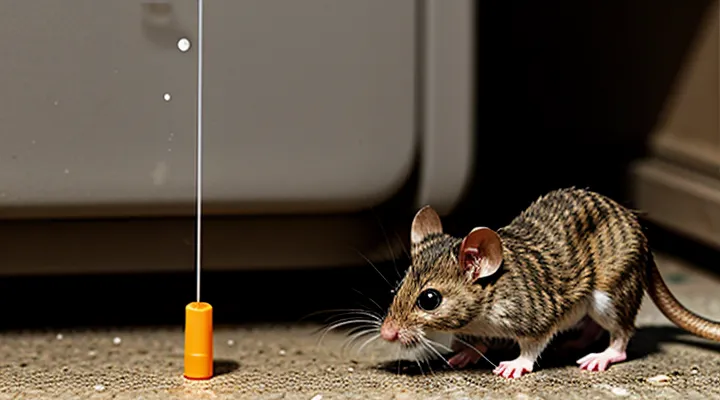
Understanding Mouse Behavior and Bait Preferences
Why Bait is Crucial for Glue Traps
The Role of Scent in Attracting Mice
Scent determines mouse attraction by directly stimulating the olfactory system, guiding rodents toward potential food sources. Chemical compounds released from bait interact with specific receptors, creating a perceptible gradient that mice follow. The effectiveness of a scent depends on volatility, concentration, and persistence in the target environment.
Key factors influencing scent performance:
- Volatile organic compounds (VOCs) – low‑molecular‑weight molecules that disperse quickly, useful for short‑range attraction.
- Fatty acid derivatives – such as cheese or meat extracts, provide moderate volatility and longer lingering effect.
- Synthetic pheromones – mimic natural mouse communication signals, can enhance trap response when combined with food odors.
- Concentration level – overly strong scent may cause aversion, while insufficient intensity fails to create a detectable gradient.
Environmental conditions modify scent behavior. High humidity reduces volatility, extending scent life but diminishing immediate detection distance. Warm temperatures increase diffusion speed, expanding the attraction radius but accelerating decay. Surface absorption, especially on porous materials, can trap odor molecules, decreasing availability to mice.
Optimal bait formulation balances rapid dispersion for initial lure with sustained release to maintain attraction over time. Combining a volatile attractant with a slower‑release component often yields the most reliable results. Regular monitoring of bait potency ensures that scent degradation does not compromise trap efficiency.
Common Mouse Food Sources
Effective adhesive traps depend on attractants that match the typical diet of house mice. Selecting baits that reflect natural food preferences increases capture rates and reduces the time required for placement.
Common mouse food sources include:
- Grains such as wheat, barley, and oats
- Seeds from cereals and grasses
- Nuts, especially peanuts and almonds
- Fresh fruits like apples, berries, and grapes
- Vegetables, particularly carrots, corn, and leafy greens
- Pet food, especially dry kibble and canned meat products
- Sweets, including chocolate, candy, and sugary cereal pieces
- Dried fruits and raisins
Seasonal availability influences preferences; grains dominate in winter, while fruits and vegetables become more attractive in warmer months. Incorporating a combination of these items into the bait matrix aligns with the rodent’s opportunistic feeding behavior and improves the efficacy of «glue traps».
Best Baits for Glue Traps
Sweet Baits
Peanut Butter: The Classic Choice
Peanut butter remains the most common lure for mouse adhesive traps. Its strong aromatic profile and high fat content generate rapid detection by rodents, encouraging swift contact with the sticky surface.
The bait’s viscosity ensures secure attachment to the trap, reducing the chance of displacement by the mouse’s movements. Low moisture levels prevent premature drying, maintaining attractiveness over extended periods.
Effective application includes:
- Applying a pea‑size dollop directly onto the trap’s central area.
- Distributing a thin line along the edge for larger infestations.
- Replacing the bait after 48 hours in high‑temperature environments.
When used with standard glue boards, peanut butter consistently yields high capture rates while simplifying trap maintenance.
Chocolate Spreads and Candy
Chocolate spreads and candy represent highly palatable options for enticing rodents to adhesive traps. Their strong sweet aroma and sugary composition stimulate the innate preference of mice for carbohydrate‑rich foods. When applied to the surface of a trap, a thin layer of spread or a few small candy pieces create a concentrated scent source that draws mice from a distance of up to several meters.
Key considerations for using these baits include:
- Viscosity – Chocolate spreads remain semi‑fluid at room temperature, allowing easy smearing across the adhesive surface without compromising the trap’s stickiness. Excessive thickness can create a barrier that reduces contact; a uniform coating of approximately 1 mm is optimal.
- Melting point – Most spreads soften above 30 °C. In warm environments, apply the bait shortly before placement to prevent runoff. Refrigerated storage preserves texture and potency.
- Odor retention – Candy with strong flavorings (e.g., caramel, fruit) retains volatile compounds longer than plain sugar, extending the effective attraction period to 24–48 hours.
- Safety – Non‑toxic ingredients eliminate risk of secondary poisoning for pets that may encounter the traps. Avoid baits containing nuts or dairy if allergen exposure is a concern.
- Placement – Position baited traps along established mouse pathways, near walls or behind appliances. Ensure the bait does not touch surrounding surfaces, which could diminish the lure’s focus.
Empirical observations indicate that chocolate‑based baits achieve capture rates 15–20 % higher than generic grain mixtures under comparable conditions. When combined with strategic positioning, these sweet attractants enhance the overall efficacy of adhesive trapping systems.
Jams and Jellies
Jams and jellies provide a potent attractant for mouse adhesive traps because of their high sugar concentration and aromatic profile. The viscosity of these spreads ensures that a small amount remains attached to the board, preventing premature loss of bait.
Key properties influencing effectiveness include:
- Strong fruit or berry fragrance that activates mouse olfactory receptors.
- Moderate moisture content that sustains scent without dissolving the glue.
- Low protein content, reducing the risk of attracting non‑target species.
Selection criteria focus on aroma intensity, consistency, and shelf stability. Fruit‑based preserves such as strawberry, raspberry, apricot, and grape deliver the most reliable response. Avoid varieties with added preservatives that may interfere with adhesive performance.
Application guidelines:
- Apply a thin, uniform layer (approximately 2 mm) to the central area of the trap.
- Allow the spread to set for a few minutes before placement to reduce surface wetness.
- Position traps along established mouse pathways, near walls or concealed routes.
- Store unused jam in a cool, dry environment to preserve fragrance and prevent spoilage.
Safety considerations mandate the use of food‑grade products and proper disposal of captured rodents according to local regulations. The combination of sweet scent and appropriate consistency makes jams and jellies a practical choice for enhancing mouse glue trap success.
Savory Baits
Cheese: A Misconception?
Cheese is frequently cited as a preferred lure for rodents, yet scientific observations reveal limited attraction to adhesive traps. Mice exhibit selective olfactory responses, favoring protein‑rich or high‑fat substances that emit volatile compounds detectable at low concentrations. Cheese, particularly low‑moisture varieties, releases a comparatively weak scent profile, reducing detection distance and capture probability. Additionally, the texture of many cheeses adheres poorly to the sticky surface, allowing escaped individuals to recover quickly.
Effective alternatives demonstrate stronger olfactory cues and superior adhesion. Recommended options include:
- Peanut butter – high fat content, strong aroma, viscous consistency.
- Sunflower seed paste – rich in oils, aromatic, readily adheres.
- Commercial rodent attractant gels – formulated with synthetic pheromones, designed for maximum cling.
When selecting a lure, prioritize substances that combine potent odor emission with a tacky texture. Testing multiple baits under controlled conditions can verify optimal performance for specific environments.
Meat-Based Options: Bacon and Hot Dogs
Meat-derived attractants generate strong olfactory cues that encourage rodent contact with adhesive surfaces. Bacon releases a combination of rendered fat and smoky aroma, which remains potent after brief refrigeration. When placed in small, folded pieces, bacon adheres to trap surfaces without excessive moisture, reducing the risk of premature glue degradation. Hot dogs, composed of seasoned pork or beef, emit a salty, umami profile that persists for several days at room temperature. Cutting hot dogs into ½‑inch cubes creates uniform bait that fits securely on glue squares, limiting movement that could dislodge the trap.
Key considerations for these baits include:
- Scent longevity: Bacon retains a high volatile compound concentration for up to 48 hours; hot dogs maintain detectable aroma for approximately 72 hours.
- Moisture content: Both items possess moderate water levels; excess moisture can be mitigated by patting pieces dry before placement.
- Handling safety: Use gloves to prevent cross‑contamination; store unused portions in sealed containers to avoid attracting non‑target species.
Proper deployment involves positioning a single piece of bacon or a small hot‑dog cube directly on the adhesive zone, ensuring full contact with the glue. Replace bait when odor diminishes or after successful captures. These meat‑based options provide reliable sensory stimulation while preserving trap integrity.
Nuts and Seeds
Nuts and seeds provide strong olfactory cues that attract mice to adhesive traps. Their high fat content and natural aroma stimulate feeding behavior, increasing the likelihood of contact with the glue surface.
Common options include:
- Peanuts, preferably unsalted and unroasted, because the scent remains potent after brief exposure.
- Almonds, sliced thinly to expose interior oils.
- Sunflower seeds, hulled to reduce size and prevent accidental ingestion without trap interaction.
- Pumpkin seeds, slightly toasted to amplify aroma while preserving structural integrity.
- Hazelnuts, crushed to release volatile compounds.
Preparation guidelines:
- Grind or slice each item to a size comparable to a mouse’s bite, ensuring easy handling.
- Place a small amount (approximately 0.5 g) on the center of each trap to concentrate the scent.
- Secure the bait with a minimal amount of non‑sticky adhesive, such as a dab of wax, to prevent displacement.
- Position traps along established mouse pathways, near walls or behind objects where foraging activity is observed.
Using these nut and seed varieties enhances trap effectiveness while maintaining safety for non‑target species.
Other Effective Baits
Cereal and Oats
Cereal grains and oats serve as effective attractants for adhesive mouse traps. Their natural sweetness and high carbohydrate content stimulate rodent foraging behavior, prompting swift contact with the glue surface. The fine texture of rolled oats adheres well to the trap, preventing displacement when a mouse gnaws at the bait.
Key characteristics of cereal‑based bait:
- High palatability for house mice and field mice alike.
- Low risk of moisture‑induced glue degradation compared to fresh fruit.
- Easy storage; dry product retains potency for several months.
Application guidelines enhance performance. Sprinkle a thin layer of oats directly onto the adhesive area, ensuring even coverage without clumping. For mixed‑grain bait, combine equal parts of cornflakes, wheat cereal, and oats; blend thoroughly before placement. Position traps along walls, near known gnawing sites, and at least 10 cm from each other to maximize capture probability.
Compatibility with different glue formulations varies. Standard petroleum‑based adhesives maintain strength when exposed to dry grains, while newer polymer‑based glues may lose tackiness if excessive powder accumulates. In such cases, limit the bait amount to a light dusting, allowing the mouse to ingest the grain while preserving adhesive integrity.
Pet Food
Pet food presents a potential hazard when adhesive mouse traps are deployed. Food particles, spilled kibble, or improperly stored bags can attract rodents, increasing the likelihood that the glue will be applied to areas where pets feed. Consequently, the placement of adhesive traps must consider the proximity to pet feeding stations to prevent accidental contact with domestic animals.
Key considerations for safe use include:
- Store all pet food in sealed containers away from trap zones.
- Clean feeding areas regularly to eliminate crumbs that may lure mice.
- Position traps along walls or behind appliances, not on surfaces frequented by pets.
- Choose bait formulations that do not contain pet‑food ingredients, reducing the risk of pets mistaking traps for treats.
When selecting bait, avoid products derived from common pet food components such as chicken, beef, or fish. Opt for rodent‑specific attractants, for example, grain‑based or peanut‑oil lures, which are less appealing to dogs and cats. This approach minimizes the chance of unintended exposure while maintaining trap effectiveness.
Cotton or Nesting Materials
Cotton and nesting materials serve as effective attractants for adhesive traps targeting rodents. Mice naturally seek soft, absorbent substances to construct nests, making these items suitable for luring individuals onto sticky surfaces.
The attraction derives from tactile comfort and the faint scent of natural fibers. When placed near established pathways, the materials encourage exploratory behavior, increasing the likelihood of contact with the trap.
Practical guidelines include:
- Position a small bundle of «cotton» or shredded «nesting material» directly on the adhesive surface.
- Use a quantity sufficient to be noticeable but not so large that it obscures the trap’s stickiness.
- Combine with a secondary bait, such as grain or peanut butter, to enhance olfactory appeal.
- Replace materials regularly to maintain freshness and prevent desiccation.
Advantages and disadvantages:
-
Advantages
- Low cost and readily available.
- Non-toxic, reducing risk of secondary poisoning.
- Acceptable for indoor environments due to minimal odor.
-
Disadvantages
- Limited draw for highly food‑motivated mice compared with strong-smelling baits.
- Potential to become saturated with moisture, diminishing adhesive efficiency.
Selecting cotton or nesting material aligns with the behavioral tendencies of mice, offering a simple, safe option for increasing trap success.
Optimizing Bait Placement and Trap Effectiveness
How Much Bait to Use
When applying adhesive traps to control rodents, the quantity of attractant placed on each device determines capture efficiency. Excessive bait creates a slick surface that reduces the glue’s ability to hold a mouse, while insufficient bait fails to lure the animal into contact.
Key variables influencing the appropriate amount include trap surface area, bait viscosity, mouse activity level, and ambient temperature. Adjustments should be made according to these factors to maintain optimal adhesion.
Recommendations:
- Small‑to‑medium traps (approximately 10 cm × 10 cm): apply 0.5 ml of liquid attractant or a pea‑size portion of solid bait.
- Large traps (15 cm × 15 cm or larger): apply 1 ml of liquid attractant or a walnut‑size piece of solid bait.
- In low‑temperature environments, increase the amount by 25 % to counter reduced scent diffusion.
- In high‑activity settings, maintain the lower end of the range to prevent bait saturation and preserve glue integrity.
Measure bait with a calibrated syringe or weigh solid portions to ensure consistency across multiple devices. Uniform application reduces variability in capture rates and maximizes the effectiveness of adhesive control methods.
Strategic Bait Positioning on the Trap
Strategic placement of bait on a glue trap determines capture efficiency. Position the attractant near the center of the adhesive surface to maximize contact area when a mouse explores the trap. Avoid placing bait at the edge, where the animal may detect the glue and retreat before full engagement.
Key considerations for optimal positioning:
- Use a small amount of highly scented bait, such as peanut butter or dried fruit, to concentrate the odor source.
- Apply the bait directly onto the glue, ensuring it does not spread beyond the intended spot.
- Position the trap along established mouse pathways, typically close to walls, behind appliances, or near entry points.
When multiple traps are deployed, stagger bait placement to create a gradient of attraction, encouraging movement from one trap to the next. Regularly inspect traps and replace bait that has dried or become less aromatic, preserving lure potency throughout the control period.
Environmental Factors Affecting Bait Lure
Environmental temperature directly influences bait volatility. Higher temperatures increase the release rate of attractants, making the lure more detectable to rodents. Conversely, low temperatures slow evaporation, reducing scent intensity and potentially decreasing trap efficacy.
Humidity affects both the adhesive quality of glue and the persistence of odor molecules. Elevated moisture can dampen bait aroma, while excessive dryness may cause the glue to harden prematurely, limiting the window for successful capture.
Airflow patterns modify scent dispersion. Strong drafts or ventilation systems disperse attractants away from the trap, lowering the concentration that reaches target pests. In confined spaces, limited airflow concentrates odors, enhancing lure effectiveness.
Lighting conditions alter rodent activity cycles. Dim or nocturnal environments encourage foraging behavior, increasing interaction with baited traps. Bright illumination may deter activity, reducing capture rates.
Seasonal food availability creates competition for bait. Abundant natural resources in spring and summer diminish the relative attractiveness of artificial lures, whereas scarcity in autumn and winter heightens reliance on supplemental attractants.
Location-specific factors, such as indoor versus outdoor placement, determine exposure to weather elements and predator presence. Outdoor traps must contend with rain, wind, and temperature fluctuations, while indoor devices benefit from stable conditions but may encounter alternative food sources.
Typical environmental variables can be summarized:
- Temperature: high → increased scent release; low → reduced release.
- Humidity: moderate → optimal glue performance; extreme → odor dampening or glue hardening.
- Airflow: minimal → concentrated lure; strong → dispersed lure.
- Light level: low → heightened rodent activity; high → reduced activity.
- Seasonal food supply: low → stronger bait attraction; high → weaker attraction.
- Placement context: indoor → stable conditions; outdoor → weather exposure.