
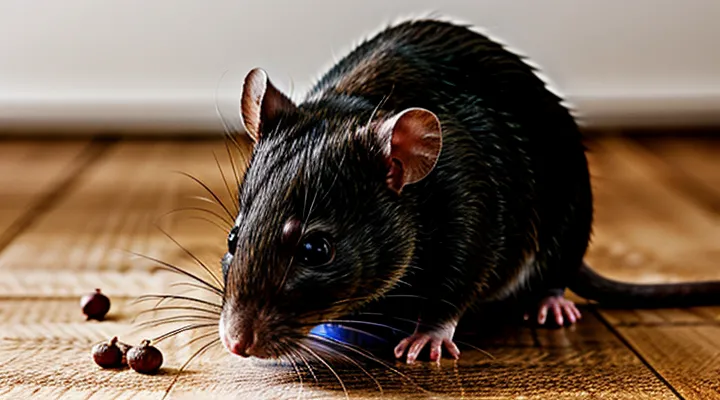
Understanding Rat Nutrition
Basic Dietary Needs
Macronutrients for Rats
Rats require three primary macronutrients—protein, fat, and carbohydrate—to sustain growth, reproduction, and immune function. Adequate protein supplies essential amino acids for tissue repair, while dietary fat delivers concentrated energy and supports absorption of fat‑soluble vitamins. Carbohydrates provide a readily available energy source and contribute to gastrointestinal health.
Typical laboratory and pet‑grade diets deliver these nutrients in balanced proportions: approximately 18–22 % protein, 5–10 % fat, and 45–55 % carbohydrate on a dry‑matter basis. Commercial rat pellets are formulated to meet these ratios, reducing the need for supplemental sources.
Dangerous ingredients interfere with macronutrient balance by introducing excess or deficient components. High‑fat human snacks can overwhelm the rat’s metabolic capacity, leading to obesity and hepatic stress. Foods rich in simple sugars, such as candy or sweetened beverages, cause rapid spikes in blood glucose and may displace essential protein intake. Low‑protein items like leafy greens without complementary protein sources fail to meet amino‑acid requirements, resulting in muscle wasting over time.
Key macronutrient considerations for safe rat nutrition:
- Protein: 18–22 % of diet; sources include soy, fish meal, and egg‑based formulations.
- Fat: 5–10 % of diet; sources include vegetable oils and animal fats in controlled amounts.
- Carbohydrate: 45–55 % of diet; sources include whole grains, oats, and wheat bran.
Avoidance of hazardous foods preserves the intended macronutrient profile and prevents health complications associated with nutrient imbalance.
Micronutrients and Vitamins
Micronutrients and vitamins are essential for rodent health, yet excessive amounts become toxic. Certain minerals and vitamins present in human foods exceed the metabolic capacity of rats and should be excluded from their diet.
- Iron: concentrations above 200 mg kg⁻¹ cause oxidative damage to liver tissue; chronic exposure leads to anemia‑like symptoms.
- Copper: intake exceeding 30 mg kg⁻¹ triggers hepatic necrosis and hemolytic anemia.
- Selenium: doses above 0.5 mg kg⁻¹ result in respiratory distress and neurological impairment.
- Zinc: levels surpassing 500 mg kg⁻¹ produce gastrointestinal ulceration and kidney dysfunction.
Vitamins also present acute risks when ingested in fortified or concentrated forms.
- Vitamin D₃: doses greater than 5 µg kg⁻¹ cause hypercalcemia, calcification of soft tissues, and renal failure.
- Vitamin A (retinol): intake above 10 µg kg⁻¹ leads to liver enlargement, bone fragility, and teratogenic effects in pregnant females.
- Vitamin K₃ (menadione): doses exceeding 0.5 mg kg⁻¹ produce hemolytic anemia and hepatic lesions.
Veterinary nutrition guidelines advise monitoring ingredient labels for fortified supplements, multivitamin powders, and mineral‑rich additives. When feeding commercial human products, verify that micronutrient and vitamin concentrations remain within established rodent tolerances. If uncertainty persists, provide a plain, unfortified diet and supplement only under professional supervision.
General Principles of Safe Feeding
Rats require a diet that meets their specific nutritional needs while eliminating items that can cause illness or death. Safe feeding rests on several core principles.
A balanced regimen includes high‑quality rat pellets, limited fresh vegetables, and occasional protein sources. Pellets supply essential vitamins, minerals, and fiber; vegetables add variety and antioxidants; protein should come from cooked eggs, lean meat, or insects in modest amounts.
Avoid foods that contain any of the following hazardous categories:
- Processed snacks with added salt, sugar, or artificial flavorings
- Citrus fruits, raw potatoes, and unripe tomatoes, which contain toxic compounds
- Chocolate, caffeine, and nicotine products, known for severe cardiotoxic effects
- Nuts high in fat, especially peanuts that may be salted or flavored
- Dairy items that many rats cannot digest, leading to gastrointestinal distress
Examine ingredient lists for preservatives, colorants, and sweeteners such as xylitol, all of which pose health risks. Choose fresh, unseasoned produce and store it in airtight containers to prevent mold growth.
Food should be offered in small, fresh portions. Discard leftovers after a few hours to reduce bacterial contamination. Rotate new items gradually, observing the animal for signs of discomfort, diarrhea, or changes in behavior.
Consult a veterinarian experienced with rodents for diet adjustments, especially when introducing novel foods or addressing health concerns.
Highly Toxic Foods
Foods Causing Immediate Danger
Avocado
Avocado is frequently offered as a treat for pets, yet it poses a serious health risk to rats. The fruit’s flesh and skin contain persin, a fatty acid derivative that is toxic to many mammals, including rodents. Persin interferes with cellular respiration, leading to rapid onset of gastrointestinal distress and potential cardiac complications.
Key effects of persin ingestion in rats include:
- Vomiting and diarrhea
- Loss of appetite and weight loss
- Lethargy or sudden collapse
- Abnormal heart rhythms, which may progress to cardiac failure
Even small quantities can trigger symptoms because rats have a low tolerance for the toxin. The pit and skin concentrate persin, making them especially hazardous; the pulp, while less concentrated, still presents a risk.
To protect rats, avoid offering any part of the avocado. Store the fruit out of reach, clean surfaces that may have come into contact with avocado residue, and educate household members about the danger. Substitute safe vegetables such as carrots, cucumber, or bell pepper for occasional treats.
Chocolate
Chocolate is a popular human confection that poses a serious health risk to rats. The primary hazard derives from the methylxanthine compounds theobromine and caffeine, both of which rats metabolize far more slowly than humans. Toxicity thresholds are low: ingestion of 100 mg of theobromine per kilogram of body weight can produce lethal effects, while 30 mg/kg may trigger severe physiological distress.
Theobromine and caffeine interfere with cardiac rhythm, elevate blood pressure, and stimulate the central nervous system. Additional concerns include high sugar content, which can exacerbate obesity and dental decay, and saturated fats that burden the rat’s liver and pancreas.
Typical signs of chocolate poisoning in rats:
- Rapid breathing or panting
- Irregular heartbeat or arrhythmia
- Tremors, seizures, or muscle rigidity
- Vomiting and diarrhea
- Lethargy progressing to collapse
Preventive measures recommend eliminating all chocolate products from environments where rats are housed. If accidental exposure occurs, immediate veterinary assessment is essential; treatment may involve activated charcoal, intravenous fluids, and medications to control cardiac abnormalities. Safer treats for rats consist of plain grains, fresh vegetables, or specially formulated rodent snacks that lack methylxanthines.
Onion and Garlic
Onions and garlic contain organosulfur compounds that cause hemolytic anemia in rodents. When a rat ingests these vegetables, the compounds oxidize red blood cell membranes, leading to premature rupture and reduced oxygen transport.
Key toxic effects include:
- Destruction of erythrocytes, resulting in pallor, weakness, and possible fatality.
- Irritation of the gastrointestinal lining, causing vomiting and diarrhea.
- Potential kidney damage due to hemoglobin breakdown products.
Even small quantities can trigger symptoms; therefore, onion and garlic must be excluded from any diet intended for pet or laboratory rats.
Foods Causing Long-Term Health Issues
Raw Beans
Raw beans represent a serious health risk for pet rats. Uncooked legumes contain high concentrations of phytohemagglutinin, a lectin that binds to intestinal cells and disrupts nutrient absorption. Ingestion can trigger severe gastrointestinal irritation, vomiting, diarrhea, and abdominal cramping. The toxin also interferes with red‑blood‑cell membranes, potentially leading to hemolysis and anemia. Acute exposure may result in rapid dehydration and, in extreme cases, death.
Key hazards of feeding uncooked beans to rats:
- Lectin toxicity – phytohemagglutinin remains active until heated above 100 °C for at least 10 minutes.
- Digestive upset – raw beans are indigestible, causing bloating and intestinal blockage.
- Nutrient inhibition – antinutrients such as trypsin inhibitors reduce protein utilization.
- Potential for chronic damage – repeated low‑level exposure can impair liver and kidney function.
Safe handling requires thorough cooking. Boil beans for a minimum of 20 minutes, discard the cooking water, and allow the beans to cool before offering small portions. Even when cooked, limit the quantity to avoid excess carbohydrate load. For optimal nutrition, prioritize rat‑specific diets and supplement with safe vegetables, fruits, and protein sources.
Green Potatoes
Green potatoes contain solanine, a glycoalkaloid that is toxic to rodents. Even a small amount can disrupt nerve function, leading to vomiting, diarrhea, lethargy, and in severe cases, respiratory failure. Rats that ingest green‑tinged tubers may experience rapid loss of appetite and reduced weight gain.
Key risks of green potatoes for rats:
- High solanine concentration (up to 200 mg per 100 g of green flesh)
- Potential for cumulative toxicity with repeated exposure
- Unpredictable solanine levels across different potato varieties
Safe handling guidelines:
- Discard any potato that shows green skin, green flesh, or sprouting
- Store potatoes in a cool, dark environment to minimize greening
- Offer only fresh, non‑green vegetables as part of a balanced rodent diet
Monitoring rats after accidental consumption should focus on gastrointestinal distress, abnormal behavior, and signs of respiratory compromise. Immediate veterinary assessment is required if symptoms appear.
Wild Mushrooms
Wild mushrooms represent a significant hazard for laboratory and pet rats because many species contain potent toxins that rodents cannot metabolize safely. Consumption of these fungi can lead to rapid organ failure, neurological impairment, and death, even at low intake levels.
Common toxic wild mushrooms affecting rats include:
- Amanita phalloides (death cap) – contains amatoxins that cause irreversible liver damage.
- Galerina marginata (deadly galerina) – also rich in amatoxins with similar hepatotoxic effects.
- Inocybe spp. – produce orellanine, leading to renal failure after delayed onset.
- Gyromitra esculenta (false morel) – contains gyromitrin, which converts to monomethylhydrazine, producing seizures and respiratory distress.
- Cortinarius rubellus – another orellanine source, causing progressive kidney dysfunction.
Toxic mechanisms vary: amatoxins inhibit RNA polymerase II, halting protein synthesis; orellanine interferes with oxidative phosphorylation in kidney cells; gyromitrin releases volatile hydrazine compounds that disrupt the central nervous system. Clinical signs in rats typically appear within hours to days and may include lethargy, loss of appetite, jaundice, tremors, convulsions, and reduced urine output.
Preventive measures require strict control of the cage environment. Remove vegetation that hosts wild fungi, inspect bedding and foraging material for mushroom fragments, and avoid introducing outdoor debris. If accidental ingestion is suspected, immediate veterinary intervention with activated charcoal and supportive care improves survival odds.
Foods to Avoid with Caution
Foods That Are Poorly Digested
Citrus Fruits
Citrus fruits present a measurable health risk for laboratory and pet rats because their biochemical composition interferes with rodent physiology. High concentrations of citric acid lower gastric pH beyond the tolerance range of the rat digestive system, leading to mucosal irritation and ulcer formation. Essential oils extracted from the peel, such as limonene, linalool, and bergamotene, act as neurotoxic agents that can disrupt the central nervous system. Elevated natural sugars increase the likelihood of obesity and insulin resistance when consumed in excess.
- Citric acid: excessive acidity, gastric erosion, electrolyte imbalance.
- Limonene and related terpenes: neuroexcitatory effect, potential seizures.
- Ascorbic acid (Vitamin C) in large doses: renal overload, stone formation.
- Flavonoid glycosides: interference with iron absorption, anemia risk.
- High fructose content: rapid blood‑glucose spikes, metabolic stress.
Observed clinical signs after citrus exposure include vomiting, diarrhoea, reduced food intake, lethargy, and tremors. Persistent ingestion may result in chronic gastritis, weight loss, and altered behavior due to neurotoxic impact.
Preventive measures require complete exclusion of citrus fruits from the diet, secure storage of any citrus‑containing products, and regular inspection of cages for accidental contamination. Immediate veterinary assessment is advised if any of the listed symptoms appear after suspected ingestion.
Seeds and Pits (of certain fruits)
Seeds and pits from many fruits pose serious risks to pet rodents. Their toxicity, size, or indigestible composition can cause acute poisoning, internal injury, or fatal obstruction.
- Apple seeds – contain amygdalin, which releases cyanide when metabolized.
- Cherry pits – high cyanogenic glycoside content; ingestion can lead to respiratory failure.
- Apricot kernels – concentrated amygdalin; even a few kernels can be lethal.
- Peach, plum, and nectarine pits – similar cyanogenic compounds; hard shells may fracture the gastrointestinal tract.
- Mango pit – large, hard, and sharp; can become lodged in the esophagus or cause perforation.
- Avocado pit – not toxic but too large to pass; risk of choking and obstruction.
- Sunflower seed shells (unshelled) – fibrous husks can cause impaction; salted varieties add excess sodium, leading to electrolyte imbalance.
In addition to chemical toxicity, the physical dimensions of many pits exceed the safe swallowing capacity of rats, creating a choking hazard. Even when the seed’s toxin is low, the indigestible hull may remain in the gut, resulting in constipation, bacterial overgrowth, or intestinal blockage. Provide only safe, rodent‑approved foods and avoid any whole seeds or pits in a rat’s diet.
Foods That Can Cause Choking Hazards
Sticky Foods
Sticky foods pose a significant health risk to pet rats because their viscous texture adheres to the oral cavity and gastrointestinal lining, increasing the chance of blockage and bacterial growth. When a rat ingests a gummy or syrupy substance, the material can solidify in the stomach, leading to reduced food intake, weight loss, and, in severe cases, fatal obstruction.
Common sticky items that should be excluded from a rat’s diet include:
- Gummy candies (e.g., bears, worms) – high sugar content and gelatinous base.
- Marshmallows – airy structure absorbs moisture, expanding after ingestion.
- Peanut butter (unprocessed, thick) – dense consistency can cling to teeth and esophagus.
- Fruit preserves and jam – sugar‑rich, clings to mucosal surfaces.
- Molasses‑based treats – thick syrup encourages bacterial colonization.
- Chewy pet treats designed for dogs or cats – often contain artificial binders.
These foods also tend to contain additives such as artificial sweeteners, preservatives, and high levels of fructose, which can disrupt a rat’s digestive flora and contribute to liver strain. Additionally, the adhesive nature of these items makes dental hygiene difficult; residue can foster plaque buildup and increase the risk of periodontal disease.
To prevent complications, provide rats with dry, fiber‑rich staples such as whole grains, fresh vegetables, and specially formulated rodent pellets. If a sticky substance is accidentally offered, monitor the animal for signs of reduced activity, abnormal droppings, or abdominal swelling, and seek veterinary assistance promptly.
Small, Hard Items
Small, hard items present immediate threats to pet rats. Their size allows easy entry into the mouth, while rigidity prevents safe passage through the digestive tract. The result is a high likelihood of choking, dental injury, or intestinal blockage.
- Popcorn kernels: dense structure can lodge in the throat or cause perforation of the intestines.
- Unpopped rice or grain seeds: size and hardness increase risk of obstruction and tooth wear.
- Hard candy or sugar shells: sugary coating promotes decay, while the solid core can become a choking hazard.
- Small bone fragments (e.g., chicken or fish bones): sharp edges may puncture the esophagus or stomach lining.
- Metal beads or jewelry parts: indigestible material can cause perforation or severe blockage.
- Plastic pellets or toy fragments: non‑digestible, may cause chronic gastrointestinal irritation.
- Ice cubes: extremely cold and solid, can damage teeth and create a sudden blockage.
Rats cannot efficiently chew through these items, leading to stress on the jaw and potential long‑term dental problems. Immediate removal of any small, hard object from a rat’s environment reduces the chance of emergency veterinary intervention.
Processed and Human Foods
Sugary and Salty Snacks
Candies and Sweets
Candies and sweets often contain substances that pose serious health risks to rats. High concentrations of sugar can lead to rapid spikes in blood glucose, overwhelming the rat’s limited insulin response and causing metabolic distress. Excessive sweetness also encourages dental decay, as rodents lack the enamel thickness found in larger mammals.
Ingredients that render confectionery unsafe for rats
- Xylitol – a sugar alcohol that triggers a rapid release of insulin, resulting in hypoglycemia and potential liver failure.
- Chocolate – contains theobromine and caffeine, both of which are toxic to rodents and can cause cardiac arrhythmia, seizures, and death.
- Artificial sweeteners (e.g., sucralose, aspartame) – may disrupt gut microbiota and produce toxic metabolites in the rat’s digestive system.
- High‑intensity artificial colors (Red 40, Yellow 5, etc.) – linked to liver strain and possible carcinogenic effects in laboratory studies.
- Molasses and corn syrup – extremely high fructose content that can induce fatty liver disease and obesity.
- Nutmeg – contains myristicin, a compound that can cause neurotoxicity and hallucinations at relatively low doses.
Rats should receive only natural, low‑sugar treats such as small pieces of fresh fruit or vegetables. If a confection must be offered, it should be free of the listed compounds, contain minimal sugar, and be presented in the smallest possible portion to avoid overconsumption. Monitoring for signs of lethargy, vomiting, or abnormal behavior after any sweet exposure is essential for early intervention.
Chips and Pretzels
Chips and pretzels are common snack items that often contain ingredients hazardous to rodent health. High levels of sodium, artificial flavor enhancers, and certain preservatives can lead to dehydration, electrolyte imbalance, and gastrointestinal distress in rats.
Key risk components found in these snacks include:
- Salt (sodium chloride) exceeding safe dietary limits
- Monosodium glutamate (MSG) and other flavor enhancers
- Trans fats produced by partially hydrogenated oils
- Artificial colorants such as Yellow 5 and Red 40
- Preservatives like BHT, BHA, and sodium benzoate
Feeding rats these products may cause acute symptoms such as excessive thirst, vomiting, and diarrhea, and can contribute to long‑term organ damage. Provide alternative treats formulated specifically for rodents to avoid these dangers.
Dairy Products
Lactose Intolerance in Rats
Rats lack sufficient lactase enzyme activity, resulting in an inability to break down lactose efficiently. The enzyme deficiency leads to accumulation of undigested lactose in the gastrointestinal tract, creating an environment conducive to bacterial fermentation.
Undigested lactose draws water into the intestinal lumen, producing osmotic diarrhea and disrupting normal nutrient absorption. Persistent exposure to lactose‑containing foods can exacerbate gut inflammation, reduce body weight, and impair growth rates in laboratory and pet rats.
Typical clinical signs include:
- Watery or loose stools
- Abdominal bloating
- Reduced appetite
- Weight loss
These manifestations indicate that lactose functions as a harmful component in a rat’s diet and should be excluded from feed formulations.
To prevent lactose‑induced complications, remove all dairy products from the rat’s environment. Items to avoid are:
- Milk and cream
- Cheese (including soft and hard varieties)
- Yogurt and kefir
- Butter and margarine
- Ice cream and frozen desserts
Replace dairy with rat‑appropriate protein sources (e.g., soy, fish, or lean meat) and carbohydrate options such as grains, fruits, and vegetables that contain negligible lactose levels. Continuous monitoring of stool consistency and body condition will confirm the effectiveness of dietary adjustments.
Exceptions and Moderation
Rats can tolerate trace amounts of certain substances that are otherwise listed as harmful, provided exposure remains strictly limited. Small quantities of natural sugars, such as honey or fruit juice, may be offered occasionally without causing toxicity, but each serving should not exceed a few milliliters per week. Similarly, low‑level exposure to cooked eggs—only the white, fully set and free of seasoning—can be used as a protein supplement, but the yolk must be avoided altogether.
When considering items that contain potentially dangerous compounds, moderation hinges on two factors: concentration and frequency. For example:
- Citrus peel – contains oils that can irritate the digestive tract; a tiny fragment (no larger than a pea) once a month is acceptable.
- Unsalted nuts – high in fat, which can lead to obesity if overfed; a single almond or walnut piece weekly is permissible.
- Plain popcorn – low in additives but high in fiber; a handful (approximately 10 kernels) once every two weeks poses no risk.
Any ingredient that includes artificial sweeteners, preservatives, or high levels of sodium must be excluded entirely, regardless of portion size. The only viable exception is when a product is explicitly labeled as “rat‑safe” by a reputable manufacturer and the ingredient list confirms the absence of known toxins.
Monitoring the animal’s response after each introduction is essential. Immediate signs such as vomiting, diarrhea, or lethargy indicate that even a minimal amount exceeds the safe threshold and should be discontinued. Consistent observation and strict portion control ensure that occasional, low‑risk foods do not compromise overall health.
Alcoholic and Caffeinated Products
Extreme Toxicity
Rats exposed to substances with extreme toxicity can suffer rapid organ failure, severe neurological damage, or death within hours. The following ingredients are classified as highly lethal for rodents due to their potent mechanisms of action:
- Aflatoxin B1 – a mycotoxin that destroys liver cells, leading to acute hepatic necrosis.
- Sodium azide – interferes with cellular respiration, causing immediate cardiovascular collapse.
- Mercury(II) chloride – penetrates the blood‑brain barrier, resulting in irreversible neurotoxicity.
- Thallium sulfate – blocks potassium channels, producing systemic paralysis and renal failure.
- Brominated vegetable oil (high concentrations) – disrupts membrane integrity, causing widespread cell lysis.
- Chlorinated phenols – induce oxidative stress and severe hemolysis.
Exposure to any of these compounds, even in minute quantities, triggers irreversible physiological disruption. Immediate removal of the contaminant and veterinary intervention are essential to prevent fatal outcomes.
Risk of Accidental Ingestion
Accidental consumption of toxic foods poses a serious health threat to pet rodents. Many household items resemble safe treats, yet contain compounds that can damage the liver, kidneys, or nervous system. Owners often mistake common ingredients for harmless because they are present in human meals.
- Chocolate, especially dark varieties, contains theobromine; even small amounts can trigger seizures or cardiac arrhythmia.
- Caffeine‑laden beverages or desserts introduce stimulants that accelerate heart rate and cause hyperactivity followed by collapse.
- Grapes and raisins may induce acute kidney failure; the exact toxin remains unidentified, but the risk is documented across rodent studies.
- Onions, garlic, and related alliums contain thiosulfates that lead to hemolytic anemia, manifested by pale gums and lethargy.
- Alcohol, even in diluted form, depresses the central nervous system, resulting in respiratory distress and possible death.
- Xylitol, a sugar substitute found in chewing gum and some baked goods, triggers rapid insulin release, causing hypoglycemia and liver toxicity.
- High‑fat processed foods (e.g., fried snacks, bacon) can precipitate pancreatitis and obesity‑related complications.
Symptoms of unintended exposure often appear within hours: vomiting, diarrhea, tremors, loss of coordination, or sudden collapse. Prompt veterinary intervention improves survival chances; treatment may involve activated charcoal, fluid therapy, and supportive care.
Preventive measures include securing food storage, reading ingredient labels, and restricting access to countertops. Providing a balanced rodent diet eliminates the temptation to share human leftovers. Regularly inspecting the environment for stray crumbs reduces the likelihood of accidental ingestion.
Common Misconceptions and Best Practices
Debunking Old Wives« Tales
«Cheese is Good for Rats»
Cheese is often presented as a beneficial treat for pet rats, yet its nutritional profile and potential health effects merit careful examination. While rats can digest lactose in small amounts, many commercial cheeses contain high levels of fat, sodium, and additives that exceed the dietary requirements of rodents. Excessive fat may lead to obesity, liver strain, and reduced lifespan; elevated sodium can cause hypertension and kidney stress; preservatives and flavor enhancers may provoke digestive upset or allergic reactions.
Key considerations for evaluating cheese as a rat food:
- Fat content: Most cheeses contain 20‑30 % fat, far above the optimal 5‑10 % recommended for rodents.
- Sodium level: Typical cheddar provides 600‑800 mg sodium per 28 g serving, approaching the upper safe limit for a 200‑gram rat.
- Lactose tolerance: Adult rats possess limited lactase activity; persistent consumption can result in diarrhea or malabsorption.
- Additives: Processed varieties often include emulsifiers, colorings, and preservatives that lack safety data for rodents.
Occasional, minimal portions of low‑fat, low‑salt, plain cheese may serve as a sensory enrichment without significant risk. Regular feeding, especially of aged or flavored cheeses, introduces unnecessary caloric load and mineral imbalances, contradicting the goal of a balanced rodent diet.
«Rats Can Eat Anything»
Rats possess a versatile digestive system, yet the notion that they can ingest any substance without consequence is inaccurate. Certain compounds interfere with metabolic pathways, damage organ tissue, or trigger acute toxicity. Recognizing these hazards prevents illness, reduces mortality, and supports responsible rodent care.
Dangerous ingredients include:
- Chocolate and cocoa products – contain theobromine, which rats metabolize slowly, leading to cardiac arrhythmia and seizures.
- Citrus peels and essential oils – high concentrations of limonene and linalool cause liver irritation and respiratory distress.
- Raw or undercooked beans (especially kidney beans) – contain phytohemagglutinin, a potent toxin that induces vomiting and gastrointestinal hemorrhage.
- Processed meats with nitrates or nitrites – promote methemoglobinemia, reducing oxygen transport in the bloodstream.
- Alcoholic beverages – depress central nervous function, precipitating hypothermia and coma.
- Avocado flesh and pits – rich in persin, which can cause myocardial damage and respiratory failure.
- Onion, garlic, and related Allium species – produce thiosulfate compounds that damage red blood cells, leading to hemolytic anemia.
- Xylitol‑sweetened products – trigger rapid insulin release, causing hypoglycemia and hepatic failure.
- High‑salt snacks – overload renal capacity, resulting in dehydration and electrolyte imbalance.
- Mold‑contaminated grains – contain mycotoxins such as aflatoxin, which are hepatotoxic and carcinogenic.
Providing a diet free of these substances aligns with veterinary guidelines and ensures the health and longevity of pet and laboratory rats.
Creating a Safe Feeding Environment
Proper Food Storage
Proper storage of food items eliminates opportunities for rodents to ingest substances that can cause severe health issues. Secure containers, airtight seals, and placement away from walls and floor gaps create physical barriers that rats cannot breach.
All consumables should be kept in containers made of rigid plastic, glass, or metal with locking lids. Temperature‑sensitive products require refrigeration or freezing in sealed bins; dry goods belong in dry, dark cupboards equipped with pest‑proof hinges. Label each container with a date and content description to prevent accidental mixing.
- Store chocolate, caffeine‑containing products, and alcoholic beverages in locked refrigerators.
- Keep raw meat, fish, and poultry in sealed trays on the lowest shelf of the fridge.
- Place nuts, seeds, and dried fruit in airtight jars; inspect for cracks before refilling.
- Use dedicated bins for pet food and treat leftovers; clean them weekly.
- Dispose of spoiled or expired items in sealed bags and remove them from the premises promptly.
Routine checks reinforce the storage system. Inspect seals for wear, verify that doors close fully, and sweep behind appliances to eliminate crumbs. Replace damaged containers immediately. Maintaining these practices reduces the likelihood that dangerous ingredients become accessible to rats, safeguarding both animal health and household hygiene.
Monitoring for Adverse Reactions
Monitoring adverse reactions in laboratory or pet rats requires systematic observation and documentation. Immediate signs such as lethargy, tremors, excessive salivation, or abnormal respiration should be recorded with timestamps. Continuous video surveillance or periodic checks every 30‑60 minutes during the first 24 hours after exposure improve detection accuracy.
Effective monitoring combines physiological measurements and behavioral assessment. Recommended practices include:
- Body temperature checks every 4‑6 hours using a rectal probe.
- Heart rate and blood pressure monitoring with a non‑invasive cuff or telemetry device.
- Food and water intake logs to identify sudden decreases or refusals.
- Fecal and urine analysis for blood, toxins, or abnormal pH levels.
Data collection must follow a predefined protocol, assigning each observation to a specific rat identifier. Results should be entered into a secure database, allowing trend analysis and rapid escalation to veterinary staff when thresholds—such as a temperature rise above 40 °C or a 20 % drop in food consumption—are exceeded. Consistent record‑keeping ensures reliable identification of toxic effects from prohibited ingredients and supports timely intervention.