
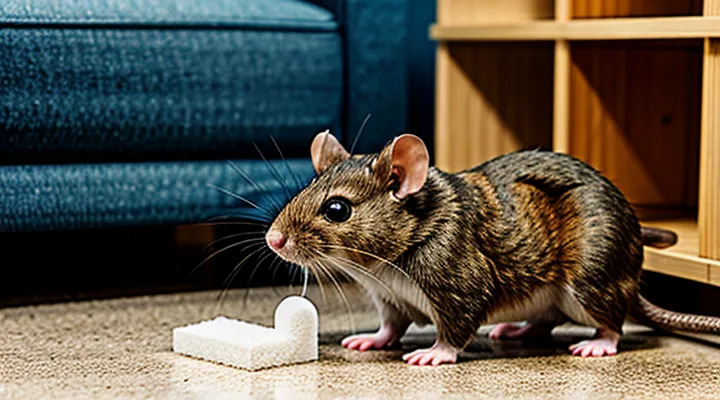
The Rodent Challenge in Structures
Understanding Rodent Behavior and Entry Points
Common Entry Routes for Mice
Mice exploit structural weaknesses to gain access to buildings, and their preferred pathways determine the effectiveness of any barrier material. Understanding these routes is essential for selecting and applying foam products that seal openings and prevent infestation.
- Gaps around pipe penetrations, typically ¼‑inch to ½‑inch wide
- Openings at the top of wall cavities, especially where insulation meets the exterior sheathing
- Cracks in foundation walls, often caused by settling or moisture movement
- Unsealed vent openings, including dryer, bathroom, and attic vents
- Small holes around electrical conduit and wiring sleeves
- Gaps beneath doors and windows, especially where weatherstripping is absent or damaged
Foam sealants should be injected directly into each identified opening, expanding to fill irregular shapes and creating an airtight barrier. Application must follow manufacturer specifications for depth and curing time to ensure durability. Regular inspection of the listed entry points, combined with timely foam maintenance, reduces the likelihood of mouse intrusion and supports long‑term pest management.
Behavioral Patterns of Rodents in Buildings
Rodents occupying residential and commercial structures exhibit distinct spatial and temporal habits that directly influence the effectiveness of control measures. They preferentially select warm, insulated zones near utility lines, plumbing, and structural joints, where temperature gradients and moisture levels support nesting and food storage. Movement corridors often follow concealed pathways such as wall voids, ceiling spaces, and gaps around pipe penetrations, allowing rapid access between rooms without exposure to open areas.
Material composition of these concealed spaces modifies rodent behavior. Foam sealants that expand to fill cavities create barriers that interrupt preferred travel routes, forcing rodents to seek alternative passages or concentrate activity around unsealed openings. The rigidity and durability of closed-cell foams discourage gnawing, while softer, open-cell varieties may be chewed through, providing limited deterrence. Consequently, the selection of foam type determines the degree to which rodents alter their routing patterns within a building.
Key behavioral patterns observed in infested structures include:
- Preference for elevated nesting sites near heat sources.
- Seasonal shift toward deeper wall cavities during colder months.
- Increased foraging activity along edges of food storage areas.
- Repeated use of the same entry points until physical obstruction is introduced.
Understanding these patterns allows practitioners to target foam applications precisely, eliminating high‑traffic routes and reducing the likelihood of re‑infestation. Strategic placement of durable foam barriers, combined with regular inspection of potential breach points, aligns material properties with rodent movement tendencies, enhancing overall control outcomes.
Foam as a Rodent Control Solution
Types of Foam Used in Pest Control
Expanding Foams and Their Properties
Expanding foams are polymeric materials that undergo rapid volumetric increase when mixed with a catalyst or exposed to moisture. The reaction produces a cellular matrix whose density, rigidity, and adhesion are controllable through formulation adjustments. Common variants include polyurethane, which offers high expansion ratios and moderate flexibility, and silicone, which provides superior temperature resistance and low toxicity.
The physical characteristics of foam dictate its performance in rodent management. Low‑density formulations penetrate narrow cavities, sealing entry points that mice exploit. High‑density variants solidify quickly, forming durable barriers that prevent re‑entry. Adhesive strength ensures the material remains attached to structural surfaces, while the exothermic curing process can denature insect and rodent tissues upon contact.
- Expansion ratio: volume increase relative to initial mix, determines cavity coverage.
- Density: influences load‑bearing capacity and resistance to chewing.
- Cure time: controls the window for placement before solidification.
- Adhesion: affects long‑term attachment to wood, concrete, or metal.
- Thermal insulation: reduces temperature gradients that attract rodents seeking warmth.
Selection criteria prioritize a balance between rapid expansion for gap filling and sufficient hardness to resist gnawing. Safety considerations include low volatile organic compound (VOC) emissions and compliance with indoor air quality standards. Environmental impact is minimized by choosing foams with biodegradable components or recyclable waste streams.
Non-Expanding Foams: Advantages and Disadvantages
Non‑expanding foams are solidified polymers applied directly to cavities, gaps, or burrows where rodents seek shelter. Their rigidity prevents re‑entry, and the adhesive properties create a lasting barrier that resists chewing and gnawing.
Advantages
- Immediate structural closure of entry points
- High resistance to moisture and temperature fluctuations
- Minimal odor, reducing attraction to pests
- Compatibility with a range of substrates, including wood, concrete, and insulation
Disadvantages
- Inflexibility can lead to cracking under movement of building elements
- Application requires precise preparation; contaminated surfaces diminish adhesion
- Removal or re‑application is labor‑intensive, often necessitating mechanical tools
- Higher material cost compared with expanding alternatives
When integrated into a comprehensive rodent management plan, non‑expanding foams provide durable exclusion but demand careful installation and periodic inspection to maintain effectiveness.
Application Techniques for Foam Barriers
Sealing Gaps and Cracks with Foam
Sealing gaps and cracks with expanding foam creates a physical barrier that prevents mice from entering structures. The material expands to fill irregular spaces, hardening into a durable seal that resists chewing.
Key considerations for effective application:
- Selection of foam type – Choose low‑expansion, rodent‑resistant polyurethane formulated for interior use. High‑expansion variants may create excess pressure, damaging surrounding materials.
- Preparation of openings – Clean debris, dry surfaces, and remove loose insulation. Small gaps (1‑4 mm) require a fine‑tip nozzle; larger voids (up to 2 in.) benefit from a wider nozzle to ensure complete coverage.
- Application technique – Insert the nozzle into the opening, dispense foam slowly, and allow the material to expand fully. Avoid over‑filling; excess can be trimmed after curing.
- Curing and trimming – Allow 15‑30 minutes for the foam to set, then cut any protruding material flush with the surrounding surface using a utility knife.
- Safety measures – Wear gloves and eye protection, work in a well‑ventilated area, and avoid direct skin contact, as uncured foam adheres strongly and generates heat.
Benefits of foam sealing for rodent control:
- Continuous barrier – Eliminates narrow entry points that rodents exploit.
- Insulation improvement – Reduces drafts, contributing to energy efficiency.
- Longevity – Hardened foam resists degradation for years under normal indoor conditions.
Regular inspection of sealed areas is essential. Cracks that reappear due to structural movement or moisture damage should be recoated promptly to maintain the integrity of the barrier.
Strategic Placement for Maximum Effectiveness
Effective rodent control using foam‑based products depends on precise positioning. Placement determines exposure to mouse pathways, moisture levels, and material durability, directly influencing capture rates and deterrence.
Key considerations for optimal deployment:
- Identify high‑traffic zones such as wall voids, baseboard gaps, and near food storage. Install foam blocks or inserts where mice routinely travel.
- Align foam pieces with structural seams to prevent bypass. Overlap sections by 2–3 cm to eliminate gaps.
- Position units at a height of 5–10 cm above floor level, matching the typical mouse run height and minimizing interference from debris.
- Secure foam in corners and behind appliances where rodents seek shelter; use adhesive or mechanical fasteners to maintain contact with the substrate.
- Replace or refresh foam after 30 days in humid environments, as moisture reduces efficacy and encourages mold growth.
Strategic distribution enhances coverage. Deploy a grid pattern with spacing of 0.5–1 m in infested areas, ensuring each mouse encounter meets at least one foam barrier. In multi‑room settings, prioritize zones adjacent to entry points, then expand outward based on activity signs.
Monitoring and adjustment are essential. Conduct weekly inspections for displacement, degradation, or signs of evasion. Relocate or augment foam installations promptly to sustain maximum effectiveness.
The Science Behind Foam's Efficacy
Physical Barriers and Material Density
How Foam Prevents Gnawing and Passage
Foam barriers impede rodents by combining physical hardness with flexible deformation. The polymer matrix resists incisors, while the cellular structure distributes bite forces, preventing teeth from penetrating or creating holes. This dual action eliminates the primary pathway rodents use to breach conventional traps or sealing materials.
Key mechanisms include:
- High compressive strength that exceeds typical gnawing pressure.
- Micro‑cavities that collapse under bite, absorbing energy and blunting teeth.
- Self‑sealing edges that close after attempted puncture, maintaining an intact barrier.
When applied to entry points, foam forms a continuous, non‑porous layer that blocks both chewing and passage. The material’s durability allows long‑term protection without frequent replacement, reducing maintenance in residential or commercial settings.
Thermal and Acoustic Insulation Benefits
Foam products used in rodent management provide measurable thermal and acoustic advantages that directly influence mouse activity and building performance.
The insulating layer creates a temperature gradient that discourages mice from nesting in cold, damp areas. By maintaining stable interior temperatures, foam reduces the need for rodents to seek shelter, limiting population growth.
Acoustic damping limits the transmission of sounds generated by rodent movement and gnawing. Lower noise levels decrease stress signals that attract additional individuals, contributing to a quieter environment and reducing the likelihood of infestation spread.
Key benefits:
- Temperature regulation – consistent warmth deters nesting, lowers condensation, and prevents structural damage caused by moisture.
- Noise attenuation – muffles squeaks and scratching, reducing auditory cues that signal a viable habitat to other rodents.
- Energy efficiency – improved thermal envelope cuts heating and cooling costs, indirectly supporting pest‑management budgets.
- Structural integrity – insulation prevents wood rot and material fatigue, eliminating decay sites favored by mice.
Chemical Considerations in Foam Formulations
Repellents and Deterrents in Foam
Foam formulations designed for rodent control incorporate chemical and physical deterrents that act directly on mice when the foam expands in target areas. Active ingredients such as essential oil extracts (peppermint, clove) or synthetic repellents (piperidine derivatives) disperse throughout the foam matrix, creating a volatile environment that mice avoid. Physical deterrents include abrasive particles (silica, fine sand) that embed in the foam structure, producing an uncomfortable surface that discourages nesting and movement.
Key characteristics of effective foam repellents:
- Rapid release of odorants upon expansion, maintaining concentration for 24–48 hours.
- Uniform distribution of deterrent particles to prevent gaps where mice could establish burrows.
- Biodegradable carrier polymers (polyurethane‑based, protein‑based) that degrade without leaving toxic residues.
- Compatibility with standard spray equipment, allowing precise application in concealed spaces.
Deterrent strategies rely on two mechanisms. Chemical repellents trigger olfactory aversion, causing mice to vacate treated zones. Physical components create an inhospitable substrate, reducing the likelihood of foam adhesion and subsequent gnawing. Combining both approaches yields synergistic effects, extending the period of protection and decreasing the need for repeated treatments.
Implementation guidelines emphasize thorough surface preparation, ensuring that cracks and voids are free of debris before foam deployment. Application volume should match cavity dimensions, typically 0.5 L per square meter of interior surface, to achieve optimal coverage. Post‑application monitoring confirms reduced rodent activity and informs any necessary re‑treatment schedules.
Safety Aspects of Foam for Occupants and Pets
Foam formulations employed for rodent deterrence contain surfactants, propellants, and biocidal agents that can affect human occupants and domestic animals. Toxicity levels vary with chemical class; isocyanates, for example, provoke respiratory irritation, while certain rodenticides pose ingestion risks. Direct skin contact may cause dermatitis, and aerosolized particles can trigger asthma attacks in sensitive individuals.
Potential exposure routes include inhalation during application, dermal contact with residual foam, and accidental ingestion of contaminated surfaces. Protective measures reduce these risks:
- Wear respiratory protection (N95 or higher) and chemical‑resistant gloves while spraying.
- Ventilate the treated area for at least 30 minutes after application; use fans to accelerate air exchange.
- Restrict access to pets and children until the foam has cured and excess material is removed.
- Store foam containers in locked, child‑proof cabinets away from food preparation zones.
Application protocols demand precise dosage and targeted placement to avoid overspray. Follow manufacturer‑specified pressure settings and no‑zzle distances to limit aerosol generation. In the event of accidental contact, rinse skin with copious water, irrigate eyes for 15 minutes, and seek medical attention if symptoms persist. For pets, administer veterinary care immediately if ingestion or inhalation is suspected.
Regular inspection of treated zones identifies foam degradation, which can release volatile compounds over time. Replace or remove compromised foam to maintain a safe environment for both residents and animals.
Limitations and Challenges of Foam Applications
Common Mistakes in Foam Installation
Inadequate Sealing and Gaps
Inadequate sealing and gaps provide rodents with direct pathways into structures, undermining the effectiveness of any foaming material used for pest control. Small openings around pipes, vents, and foundation joints allow mice to bypass barriers, leading to repeated infestations despite surface treatments. Persistent entry points also diminish the longevity of sealants, as rodents gnaw and displace compromised sections, creating new breaches.
Key consequences of poor sealing include:
- Immediate access for rodents to interior spaces, increasing contamination risk.
- Accelerated wear of foam products caused by chewing and moisture infiltration.
- Higher maintenance costs due to repeated re‑application of sealants and pest‑control measures.
Effective mitigation requires comprehensive inspection of all potential ingress sites, selection of foam formulations with high tensile strength, and installation of secondary barriers such as steel mesh or metal flashing where chewing is likely. Regular monitoring and prompt repair of identified gaps sustain the integrity of the rodent‑exclusion system.
Improper Foam Selection for Specific Situations
Choosing a foam that does not match the target environment often compromises rodent control efforts. Dense, closed‑cell foams resist moisture but may prevent effective placement of bait stations, leading to reduced contact with mice. Conversely, low‑density, open‑cell foams absorb water, deteriorate quickly, and create pathways for rodents to bypass barriers.
Improper foam selection can also create safety hazards. Flammable foams placed near heat sources increase fire risk, while chemically reactive foams may release toxic fumes when exposed to rodent urine or cleaning agents. These hazards jeopardize both personnel and non‑target wildlife.
Cost efficiency suffers when foam performance declines. Premature degradation forces frequent replacement, inflating maintenance budgets. Additionally, mismatched foam may require auxiliary sealing products, further raising expenses.
Common errors in foam selection include:
- Using waterproof foam in dry storage areas where breathability is needed for bait ventilation.
- Selecting fire‑resistant foam for low‑temperature zones where thermal insulation is unnecessary, adding unnecessary expense.
- Applying a single foam type across varied microhabitats, ignoring differences in humidity, temperature, and rodent activity levels.
- Ignoring compatibility with adhesive or sealant systems, resulting in poor attachment and gaps.
Correcting these mistakes involves evaluating site conditions, matching foam properties to environmental factors, and confirming chemical compatibility with pest‑control formulations. Aligning foam choice with specific situational requirements maximizes efficacy and minimizes unintended consequences.
Environmental Factors Affecting Foam Durability
Exposure to UV Radiation and Moisture
UV radiation degrades polymeric foams by breaking molecular bonds, leading to loss of elasticity and reduced structural integrity. In rodent‑control applications, weakened foam can develop cracks that allow mice to bypass barriers or create nesting sites. Prolonged sunlight exposure also accelerates surface oxidation, diminishing the material’s resistance to chewing.
Moisture infiltrates foam cells through capillary action or condensation, especially in humid environments. Water absorption causes swelling, loss of compressive strength, and promotes microbial growth. Mold and bacteria can compromise the foam’s durability and create odors that attract rodents rather than deter them.
Key implications for rodent‑control products:
- Mechanical weakening: UV‑induced brittleness and moisture‑induced swelling reduce load‑bearing capacity.
- Barrier integrity: Cracks and gaps formed under UV stress create entry points for mice.
- Chemical stability: Oxidation alters surface chemistry, potentially affecting any incorporated repellents.
- Biological contamination: Moisture‑related microbial colonization can undermine the product’s effectiveness and hygiene.
Mitigation strategies focus on material selection and protective measures. UV‑stabilized polymers, reflective coatings, and additives such as carbon black can slow photodegradation. Incorporating closed‑cell foam structures and hydrophobic sealants limits water uptake. Regular inspection and replacement of exposed components maintain performance over time.
Degradation Over Time and Maintenance Needs
Foam products applied in rodent control experience chemical and physical changes that reduce effectiveness. UV exposure breaks down polymer chains, causing brittleness and loss of expansion capacity. Moisture ingress accelerates hydrolysis, leading to surface cracking and diminished sealing ability. Temperature fluctuations induce repeated expansion‑contraction cycles, which can cause material fatigue and eventual disintegration.
Maintenance strategies must address these degradation pathways:
- Regular inspection: Examine foam seams and barriers quarterly for cracks, loss of adhesion, or discoloration.
- Surface cleaning: Remove dust, debris, and biological growth monthly to prevent moisture retention and microbial attack.
- Re‑application schedule: Replace foam sections every 12–18 months in outdoor installations; indoor environments may allow intervals of 24 months if humidity is controlled.
- Protective coatings: Apply UV‑resistant sealants to exposed surfaces after each installation to extend polymer life.
- Environmental control: Maintain indoor humidity below 60 % and temperature within manufacturer‑specified limits to slow hydrolytic breakdown.
Documentation of inspection results and replacement dates ensures traceability and facilitates timely interventions, preserving the integrity of the rodent‑exclusion system.
Integrated Pest Management with Foam
Combining Foam with Other Control Methods
Trapping and Baiting in Conjunction with Foam
Foam‑based trapping systems combine physical capture mechanisms with chemical attractants to increase efficacy against mouse populations. The foam matrix serves three functions: it creates a stable platform for traps, it retains bait in a moist environment that slows degradation, and it limits escape routes by filling gaps around the device.
When bait is embedded in foam, rodents encounter a familiar texture that mimics natural nesting material, encouraging prolonged investigation. This extended contact time raises the probability of trigger activation. Additionally, foam can be formulated to release scent cues gradually, maintaining a consistent olfactory gradient that draws mice from surrounding areas.
Key considerations for implementing foam‑enhanced traps:
- Material composition – Use polyurethane or biodegradable polymer foams with open‑cell structures to allow airflow while holding bait securely.
- Bait integration – Mix powdered or liquid attractants uniformly into the foam before curing; avoid surface‑only application to prevent rapid desiccation.
- Trap placement – Position foam‑filled devices along established rodent pathways, near walls, and at points of entry where mice are likely to investigate.
- Environmental durability – Select foams resistant to temperature fluctuations and humidity to ensure consistent performance over weeks of deployment.
Field studies indicate that foam‑augmented traps reduce the time to capture the first mouse by up to 30 % compared with conventional snap traps lacking foam. The combined approach also lowers bait consumption, as the foam’s controlled release minimizes waste. Proper selection of foam density and bait concentration tailors the system to specific infestation levels, providing a scalable solution for residential and commercial settings.
Exclusion Strategies for Long-Term Control
Effective exclusion relies on selecting materials that prevent rodents from entering structures and maintain that barrier over time. Foam products with closed‑cell composition create airtight seals, eliminating gaps that mice exploit. When combined with rigid barriers, the result is a durable, low‑maintenance defense.
- Apply expanding closed‑cell foam in wall cavities, attic hatches, and beneath flooring to fill irregular spaces.
- Install metal flashing or stainless‑steel mesh over foam seams in high‑traffic zones to resist chewing.
- Use rigid foam panels with pre‑drilled access points for utilities, ensuring tight-fitting covers after installation.
- Seal foundation cracks with polymer‑based foam backer rods followed by silicone caulk for long‑term elasticity.
- Integrate foam‑filled door sweeps on exterior and interior doors to block entry while allowing smooth operation.
Implementation demands precise surface preparation: clean debris, dry the area, and verify temperature ranges recommended by the foam manufacturer. Apply foam in controlled increments to avoid over‑expansion, which can compromise structural integrity. After curing, trim excess material flush with surrounding surfaces and secure flashing with corrosion‑resistant fasteners.
Regular inspection schedules protect the exclusion system. Quarterly visual checks identify new gaps, foam degradation, or mesh damage. Prompt repair with compatible foam and reinforcement restores barrier performance without extensive downtime. This systematic approach sustains rodent exclusion, reduces population rebound, and minimizes reliance on chemical controls.
Assessing the Long-Term Effectiveness of Foam
Monitoring for Re-Infestation
Effective monitoring after foam-based rodent mitigation requires systematic data collection, timely analysis, and proactive response. Baseline activity levels should be recorded before treatment to establish a reference point. Sensors, trap counts, and visual inspections provide quantifiable metrics for subsequent comparison.
Key components of a re‑infestation surveillance program include:
- Regular inspection intervals – conduct visual and instrumented checks at least weekly for the first month, then bi‑weekly for the following two months.
- Trap and sensor data integration – compile capture numbers and motion‑detector alerts into a central database to identify trends.
- Threshold definition – set explicit activity limits (e.g., three captures per week) that trigger remedial action.
- Environmental assessment – evaluate moisture, food sources, and structural gaps that may encourage return.
Rapid identification of rising activity permits immediate reinforcement of barriers, targeted bait placement, or re‑application of foam formulations, thereby limiting population resurgence and preserving long‑term control efficacy.
Periodic Inspections and Re-application
Regular monitoring of foam barriers and bait matrices is essential for sustained efficacy against rodent populations. Inspection identifies material breakdown, displacement, or loss of potency, allowing timely corrective action before infestations expand.
Effective inspection schedules typically include:
- Weekly visual checks in high‑traffic zones.
- Bi‑monthly tactile assessments of foam integrity (hardness, adhesion).
- Quarterly laboratory sampling of active ingredients for residual concentration.
When inspections reveal compromised performance, re‑application must follow precise protocols. Re‑application steps include:
- Remove degraded foam and clean the substrate to eliminate residue.
- Prepare fresh foam mixture according to manufacturer specifications, ensuring correct ratios of polymer and active agent.
- Apply a uniform layer, maintaining recommended thickness to prevent gaps.
- Allow curing time as indicated, then verify coverage before resuming normal operations.
Adhering to these inspection and re‑application cycles preserves the deterrent properties of foam treatments, reduces the likelihood of rodent resurgence, and maximizes long‑term control outcomes.