
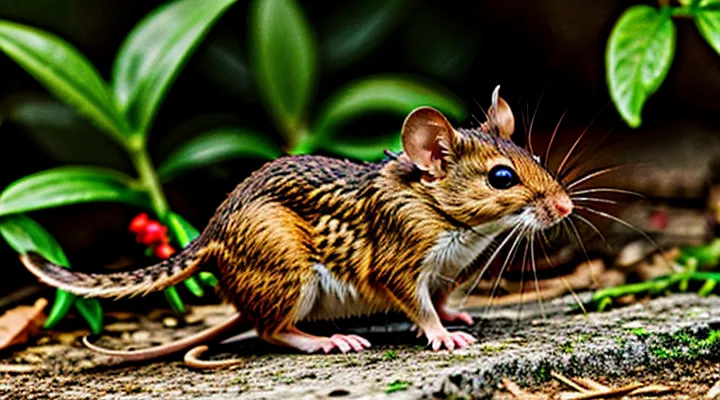
What is a Field Mouse?
Basic Characteristics
Field mice captured in photographs of their natural environment display a consistent set of morphological and ecological traits. Observations reveal a small rodent with a body length of 6–10 cm and a tail roughly equal to the body length. The fur ranges from brown to gray, often with a lighter belly, providing camouflage among grasses and leaf litter. Ears are proportionally large, naked, and highly mobile, while whiskers extend several centimeters, enhancing tactile perception.
- Weight: 10–25 g, varying with season and food availability.
- Head shape: Rounded with a short snout; eyes are relatively large, supporting crepuscular activity.
- Diet: Omnivorous; consumes seeds, grains, insects, and occasional plant material.
- Habitat preference: Open fields, meadow edges, and low vegetation; nests constructed in shallow burrows or concealed under debris.
- Reproductive cycle: Breeding occurs from spring to autumn; litters average 4–6 offspring, with a gestation period of about 21 days.
- Lifespan: Typically 6–12 months in the wild; mortality influenced by predation and environmental conditions.
Behavioral observations show field mice active primarily at dawn and dusk, employing rapid, erratic movements to evade predators. Their vocalizations consist of high‑frequency squeaks used for alarm signaling and territorial communication. The combination of physical adaptations and flexible foraging strategies enables the species to thrive across a wide range of temperate habitats captured in photographic records.
Species and Subspecies
Photographs of field mice captured in their natural environments provide clear visual evidence of taxonomic diversity within the group. The most frequently documented species belongs to the genus Apodemus, which includes several distinct forms that can be differentiated by morphology, geographic range, and genetic markers.
- Apodemus sylvaticus (European field mouse) – widespread across Europe and western Asia.
- A. s. sylvaticus – typical form found in lowland woodlands and agricultural margins.
- A. s. hirtensis – isolated population on the island of Hirtsholm, characterized by denser fur and larger cranial dimensions.
- Apodemus agrarius (Striped field mouse) – occupies eastern Europe and parts of Siberia.
- A. a. agrarius – nominal subspecies inhabiting riverine meadows and floodplains.
- A. a. griseus – northern variant with a greyer dorsal pelage, recorded in boreal forests.
- Apodemus flavicollis (Yellow-necked mouse) – ranges from the Balkans through the Caucasus to the Urals.
- A. f. flavicollis – primary subspecies occupying deciduous forest edges.
- A. f. subsp. (regional forms) – exhibit minor variations in tail length and ear size, often correlated with altitude.
Additional field‑mouse taxa appear in North America under the genus Peromyscus, where species such as Peromyscus maniculatus (deer mouse) are sometimes misidentified in photographs. Accurate identification relies on coat pattern, ear morphology, and tail scaling, all of which are discernible in high‑resolution images taken within the animals’ habitats.
The Natural Habitat: Where Field Mice Thrive
Geographical Distribution
The field mouse (Apodemus sylvaticus) occupies a broad range across the Palearctic realm, extending from the Atlantic coasts of western Europe to the steppes of Central Asia. Its presence is documented in diverse climatic zones, from temperate deciduous forests to Mediterranean scrublands, indicating adaptability to varying ecological conditions.
Key regions of occurrence include:
- Western Europe: United Kingdom, France, Spain, Portugal, Belgium, Netherlands.
- Central Europe: Germany, Austria, Switzerland, Czech Republic, Poland.
- Southern Europe: Italy, Greece, Balkans, Turkey (European part).
- Eastern Europe: Belarus, Ukraine, Russia (western and southern districts).
- Central Asia: Kazakhstan, Uzbekistan, Turkmenistan, northern Iran.
Within these areas the species favors habitats offering dense ground cover, such as grasslands, hedgerows, and the understory of mixed woodlands. Agricultural mosaics and riparian corridors also support viable populations, providing both foraging opportunities and shelter. Seasonal movements are limited; individuals typically remain within a home range of 0.1–0.5 ha, adjusting micro‑habitat use in response to local resource availability.
Preferred Environments
Field mice thrive in habitats that offer dense ground cover, abundant seed sources, and protection from predators. Their preferred settings include:
- Open grasslands with a mix of native herbs and low vegetation.
- Hedgerows and field margins that provide shelter and nesting material.
- Agricultural fields after harvest, when residual grains are plentiful.
- Woodland edges where sunlight reaches the forest floor, supporting a rich seed bank.
- Shrub thickets and young coppice stands offering both cover and foraging opportunities.
- Riparian zones with moist soil and diverse plant life, supporting higher insect activity.
Microhabitat selection emphasizes loose, well‑drained soil for burrowing, ample leaf litter for concealment, and proximity to water sources during dry periods. Seasonal shifts affect occupancy: summer favors open fields with high seed availability, while autumn and winter drive mice toward denser vegetation and sheltered banks to conserve heat and evade increased predation.
These environmental preferences explain the recurring patterns observed in photographic records of the species, highlighting the link between habitat structure and mouse distribution.
Burrow Systems and Nests
The field mouse constructs a complex underground network that provides shelter, food storage, and protection from predators. Primary tunnels extend horizontally from the entrance, typically 30‑50 cm deep, and branch into secondary passages that lead to specialized chambers.
Nesting chambers are situated deeper, often 40‑70 cm below the surface, where soil moisture remains stable. The mouse lines the floor with shredded grasses, dried leaves, and fine plant fibers, creating a compact, insulated mattress. Soft, dry material is layered beneath a surface of coarser debris, which facilitates drainage and reduces fungal growth.
Key features of the burrow system include:
- Entrance tunnel: Straight, reinforced with compacted soil; may have a short, sloping ramp to deter flooding.
- Escape routes: Secondary shafts positioned at oblique angles, allowing rapid exit when threatened.
- Food storage cells: Small side chambers filled with collected seeds, grains, and insects; walls are lined with dry foliage to preserve freshness.
- Ventilation shafts: Narrow vertical openings that connect to the surface, promoting airflow and regulating temperature.
- Nest chamber: Centralized, spacious enough for a breeding pair and their litter; lined with the finest available material for thermal insulation.
Seasonal variations affect burrow architecture. In autumn, mice expand storage cells to accommodate increased seed intake, while winter prompts deeper nesting chambers to maintain warmth. Spring activity often includes repairs of collapsed tunnels and reinforcement of entrance structures using fresh soil.
The burrow’s structural integrity relies on the mouse’s continuous excavation and compaction behavior. Soil type influences tunnel stability; loamy or sandy substrates allow easier digging but require more frequent reinforcement, whereas clayey soils provide natural rigidity but increase the effort needed for excavation.
Overall, the burrow system represents a highly adaptable engineering solution that balances the demands of shelter, food security, and predator avoidance within the field mouse’s natural environment.
Diet and Foraging Behavior
Food Sources
Field mice rely on a varied diet that reflects the resources available in their typical grass‑land and edge habitats. Their foraging patterns, frequently captured in wildlife photography, illustrate the following primary food categories:
- Seeds and grains – wheat, barley, oat kernels, and grass seed heads provide high‑energy carbohydrates.
- Green plant material – young shoots, leaves, and herbaceous stems supply fiber and moisture.
- Invertebrates – beetles, larvae, and earthworms contribute protein, especially during the breeding season.
- Fungi and spores – mushroom caps and mycelial fragments add essential micronutrients.
- Stored pantry items – when human structures are nearby, field mice may exploit spilled grain, cornmeal, or pet food.
Seasonal shifts alter the proportion of each category: spring emphasizes fresh vegetation and insects, summer favors seeds, autumn increases reliance on nuts and fallen fruit, while winter forces a greater intake of stored seeds and fungal material. Photographic evidence often shows individuals selecting specific items, indicating adaptive foraging strategies that maximize caloric intake and nutrient balance throughout the year.
Seasonal Variations
Photographic records of the field mouse reveal distinct changes in its habitat across the year.
In spring, images capture dense ground cover of emerging grasses and herbaceous seedlings. Moist soil supports abundant invertebrate prey, while the mouse constructs shallow burrows beneath the fresh vegetation.
Summer photographs display a transition to taller, drier grasses and occasional bare patches. Elevated temperatures increase the mouse’s activity during cooler dusk hours, and the burrow entrances are often shaded by standing stalks to mitigate heat exposure.
Autumn scenes show the accumulation of fallen leaves and seed heads. The mouse gathers stored seeds within its nest, and the litter layer offers concealment from predators. Photographs frequently depict the animal foraging among the rust‑colored debris.
Winter images are characterized by reduced plant cover, snow or frost on the ground, and deeper, insulated burrows. The mouse relies on stored food reserves, and its movements become limited to the immediate vicinity of the nest.
Key seasonal indicators observable in the photographs:
- Vegetation height and density
- Soil moisture level
- Presence of leaf litter or snow cover
- Burrow depth and entrance orientation
- Visible food stores (seeds, insects)
These visual cues allow precise assessment of how seasonal dynamics shape the field mouse’s natural environment.
Predation and Survival Strategies
Field mice captured in photographic records reveal a habitat of grasslands, hedgerows, and low shrub layers where predators are abundant. Survival depends on a combination of behavioral, physiological, and morphological adaptations.
- Cryptic coloration: Fur tones match dry grasses and leaf litter, reducing detection by avian and mammalian hunters.
- Nocturnal activity: Peak foraging occurs after dusk, when visual predators are less effective and insect prey is plentiful.
- Rapid escape response: Muscular hind limbs enable bursts of speed and erratic zig‑zag runs that outmaneuver pursuit predators.
- Burrow utilization: Complex tunnel networks provide refuge, temperature regulation, and a platform for early warning signals via foot‑tremors.
- Scent masking: Urine and glandular secretions contain compounds that obscure the mouse’s odor trail, limiting detection by scent‑oriented carnivores.
- Reproductive timing: Multiple litters are produced during periods of high food availability, offsetting losses from predation through numerical compensation.
These strategies collectively enhance field mouse persistence in environments where raptors, foxes, and mustelids exert constant pressure. Photographic evidence of concealed individuals, alert postures, and occupied burrows illustrates the effectiveness of these defenses in situ.
Reproduction and Life Cycle
Breeding Season
The breeding season of the European field mouse typically begins in early spring, when temperatures rise above 5 °C and daylight extends beyond twelve hours. Males increase territorial patrols, marking boundaries with scent glands, while females enter estrus cycles synchronized with peak food availability. Nest construction intensifies; females gather dry grasses, moss, and shredded plant material to line underground burrows or concealed surface nests.
Key characteristics of the breeding period observable in photographs include:
- Enlarged abdominal profiles in females indicating pregnancy.
- Prominent scent-marking glands on males, visible as small dark patches near the tail base.
- Increased activity near seed-rich microhabitats such as meadow edges and hedgerows.
- Presence of multiple juveniles sharing a single nest, often clustered in a tight formation.
Successful reproduction depends on habitat features that provide cover from predators and abundant seed or insect resources. Moist soil layers support burrow stability, while dense vegetation offers concealment for nesting and rearing young. Variations in local climate can shift the onset by several weeks, but the overall pattern remains linked to spring temperature thresholds and photoperiod length.
Litter Size and Development
Field mice captured in photographic surveys of their habitats typically produce litters ranging from three to eight offspring, with an average of five. The exact number depends on resource abundance, seasonal temperature, and predator pressure within the specific environment.
Gestation lasts approximately 19–21 days. Neonates emerge hairless, eyes closed, and weigh about 1 g. During the first ten days, mothers provide exclusive nursing while keeping nests concealed under dense ground cover. By day 12, whiskers and fur develop, and the young begin to explore the immediate nest cavity. At three weeks, they achieve full fur coverage, open eyes, and can be weaned. By the fourth week, juveniles display coordinated locomotion and begin foraging under maternal supervision.
Key developmental milestones:
- Birth to day 5: reliance on milk, limited movement, nest temperature regulation.
- Day 6–10: rapid growth, onset of thermoregulation, increased vocal communication.
- Day 11–21: fur emergence, eye opening, initial nest exploration.
- Day 22–28: weaning, development of independent foraging skills, preparation for dispersal.
Survival rates correlate strongly with habitat features captured in the images: dense vegetation, abundant ground litter, and minimal exposure to open predators raise juvenile viability. Conversely, fragmented ground cover and high predator visibility reduce litter success.
Lifespan
Field mice captured in natural‑habitat photographs typically live between 12 and 18 months in the wild. Survival rates peak during the first few weeks after birth, then decline sharply as individuals age.
- Average lifespan: 12–18 months.
- Maximum recorded age: up to 24 months under optimal conditions.
- Seasonal influence: individuals born in spring often survive longer than those born in late summer, due to higher food availability and milder weather.
- Predation pressure: high predator density can reduce average lifespan by 30–40 %.
- Habitat quality: dense ground cover and abundant seed sources extend life expectancy; open fields with frequent disturbances shorten it.
Mortality causes are dominated by predation, climatic extremes, and disease. In stable, resource‑rich environments, a minority of individuals reach the upper age limit, while most succumb before the end of their first year.
Field Mice and the Ecosystem
Role as Prey
Photographic records of field mice reveal their position within the food web of grassland and meadow ecosystems. The small rodent’s size, abundance, and ground‑dwelling habits make it a frequent target for a range of carnivores and omnivores.
Predators rely on field mice for energy and protein, influencing population dynamics of both prey and predator species. Consumption rates affect reproductive success, territorial behavior, and seasonal movements of the hunters.
Typical predators include:
- Red foxes (Vulpes vulpes)
- European badgers (Meles meles)
- Common buzzards (Buteo buteo)
- Barn owls (Tyto alba)
- Raccoon dogs (Nyctereutes procyonoides)
- Stoats (Mustela erminea)
The presence of field mice in visual surveys therefore provides indirect data on predator distribution and habitat health. Their visibility in photographs assists researchers in mapping predator–prey interactions across heterogeneous landscapes.
Impact on Vegetation
Photographs of the field mouse’s natural setting reveal a small mammal whose foraging and burrowing activities reshape plant communities. Direct consumption of shoots and seeds lowers the density of preferred species while allowing less palatable plants to expand.
- Selective grazing removes young seedlings of dominant grasses, reducing their competitive edge.
- Transport and burial of seeds during food caching promote germination of dispersed herbaceous species.
- Burrow excavation loosens compacted soil, improving aeration and water infiltration, which favors root growth of opportunistic plants.
- Consumption of foliage modifies the balance of plant competition, often leading to increased species diversity in the immediate vicinity.
These processes generate measurable shifts in vegetation structure: reduced cover of high‑productivity grasses, greater prevalence of pioneer herbs, and altered soil‑plant interactions that influence long‑term successional trajectories. The cumulative effect is a dynamic mosaic of plant assemblages directly linked to the mouse’s ecological behavior.
Interactions with Other Species
The field mouse frequently appears in visual records of meadow and woodland edges, where it engages in a network of interspecific relationships that shape ecosystem dynamics. Predatory birds such as sparrowhawks and owls locate the rodent through its movement patterns, relying on its abundance as a predictable food source. In turn, the mouse’s foraging activity influences seed dispersal; grains carried to storage burrows are later released, facilitating plant regeneration.
Other mammals interact with the mouse through competition and commensalism. Small carnivores, including weasels and stoats, contest the same microhabitats, leading to spatial partitioning that reduces direct encounters. Larger herbivores, such as rabbits, modify vegetation structure, creating cover that the mouse exploits for concealment without direct resource overlap.
Key interspecific interactions observable in photographs include:
- Predator‑prey encounters captured during dawn hunting sequences.
- Mutualistic seed movement visible when the mouse transports husked kernels to nesting sites.
- Competitive displacement illustrated by overlapping burrow entrances shared with shrews.
These relationships underscore the mouse’s role as both consumer and facilitator within its native environments, with each interaction leaving a distinct visual imprint on the habitat’s photographic documentation.
Observing Field Mice in Their Natural Habitat
Ethical Considerations for Observation
Photographing field mice within their native surroundings demands careful attention to the animals’ welfare and the preservation of the ecosystem. Direct interference, such as handling or baiting, can cause stress, alter natural behavior, and jeopardize population stability. Observers must maintain a distance that prevents disturbance while still allowing clear documentation of the subject.
Data collection should respect legal protections for wildlife and adhere to institutional guidelines. Permission from landowners or managing authorities is required before entering habitats, and any recorded images must be stored securely to prevent misuse. When publishing photographs, identifiers that could expose vulnerable populations to predation or human exploitation must be omitted.
Key ethical practices include:
- Using non‑invasive equipment, such as telephoto lenses, to avoid approaching the animal.
- Limiting the number of visits to a single location to reduce habitat impact.
- Recording only the information necessary for scientific or educational purposes.
- Providing attribution to the source of the habitat and acknowledging any conservation measures in place.
Continuous monitoring of the effects of photographic activity helps ensure that observation remains a tool for awareness rather than a source of harm. Adjustments to methodology should be made promptly if evidence of disturbance emerges.
Photography Tips
Photographing field mice requires careful attention to lighting, composition, and the environment in which the animals live. Natural habitats—grasslands, hedgerows, and low vegetation—provide both camouflage and context, making it essential to position the camera at a low angle to match the mouse’s eye level. This perspective emphasizes detail and reduces background distraction.
Key considerations include:
- Use a fast shutter speed (1/500 s or faster) to freeze movement and prevent blur caused by sudden bursts of activity.
- Select a wide‑aperture lens (f/2.8–f/4) to isolate the subject from surrounding foliage while maintaining sufficient depth of field for the mouse’s features.
- Employ a high ISO setting only when ambient light is limited; modern sensors handle noise well up to ISO 1600, preserving image quality without excessive grain.
- Apply a shallow focus on the animal’s eyes, the most expressive element, ensuring sharpness where viewers naturally look.
Patience and stealth are critical. Approach the site quietly, use natural cover, and allow the mouse to become accustomed to your presence before attempting a shot. Avoid flash; instead, rely on diffused daylight or a reflector to fill shadows without startling the subject.
Post‑capture, assess exposure and color balance. Adjust white balance to reflect the warm tones of early morning or the cooler hues of late afternoon, preserving the authenticity of the habitat. Crop minimally to retain contextual elements such as surrounding grasses, which convey the ecological setting and enhance the narrative of the image.
Signs of Presence
Photographic evidence of the field mouse’s habitat often includes indirect indicators that confirm the animal’s activity without requiring a direct capture.
- Tracks: Fine, paired prints with a distinctive four-toed front and five-toed rear pattern appear in soft soil, leaf litter, or snow. The spacing and stride length help estimate the mouse’s size and speed.
- Droppings: Small, dark pellets, roughly 3–5 mm long, are commonly found near feeding sites, nest entrances, or along runways. Their concentration can reveal preferred foraging routes.
- Gnaw marks: Freshly chewed seed husks, bark strips, or plastic debris display uniform bite holes, typically 1–2 mm in diameter, reflecting the mouse’s incisors.
- Burrow entrances: Rounded openings, 2–3 cm in diameter, often rimmed with displaced soil or shredded vegetation. The presence of a clean, unobstructed tunnel suggests recent occupation.
- Nest material: Clumps of dried grasses, shredded leaves, and shredded paper, sometimes bound with silk-like fibers, indicate a constructed nest. Their location under dense cover or within a burrow entrance confirms active habitation.
- Disturbed vegetation: Flattened grass blades, uprooted seedlings, or scattered seed caches point to foraging behavior. Patterns of disturbance align with the mouse’s nocturnal activity cycle.
These signs, when documented in photographs, allow researchers to infer the field mouse’s presence, assess population density, and evaluate the health of its natural environment.