
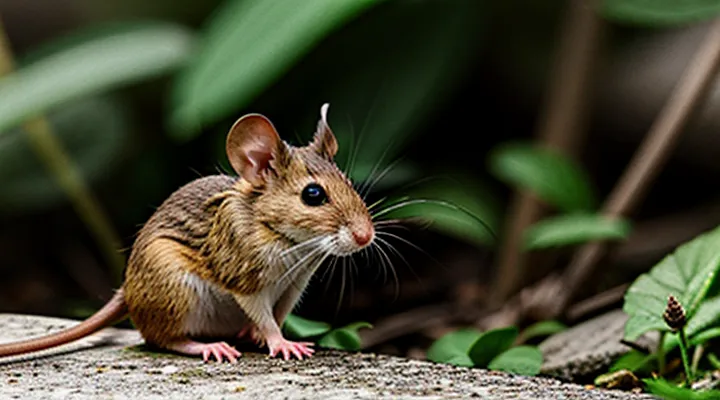
Understanding Field Mouse Bites
Identifying a Field Mouse Bite
Signs and Symptoms
A bite from a field mouse typically produces localized pain that appears within minutes. Redness and swelling develop around the puncture site, often accompanied by a warm sensation. The skin may exhibit a small, raised welt or blister if the animal’s saliva caused an allergic reaction.
Systemic signs can emerge if infection sets in. Fever exceeding 38 °C indicates bacterial involvement. Chills, fatigue, and muscle aches may accompany the fever. Enlarged lymph nodes near the bite suggest the immune system’s response to pathogens.
Potential complications manifest as:
- Rapidly spreading redness or pus, signaling cellulitis or abscess formation.
- Persistent throbbing pain that intensifies rather than diminishes.
- Joint stiffness or swelling if the bite transmits tetanus‑related toxins.
Observation of any of these symptoms warrants prompt medical evaluation. Early treatment reduces the risk of severe infection and promotes faster recovery.
Distinguishing from Other Bites
A field mouse bite presents specific signs that separate it from bites inflicted by larger rodents, insects, or domestic pets. Recognizing these differences guides appropriate medical response and reduces unnecessary treatment.
- Puncture pattern: two closely spaced punctures, each approximately 2–3 mm in diameter, reflect the mouse’s paired incisors. Larger rodents produce wider, often irregular wounds; insect stings lack true punctures.
- Depth of wound: mouse bites penetrate shallowly, rarely exceeding 5 mm. Bites from rats or feral cats reach deeper tissue layers, sometimes exposing muscle.
- Bleeding: minimal, capillary-level oozing is typical. More substantial bleeding suggests larger animal involvement.
- Surrounding tissue reaction: mild erythema and limited swelling develop within the first hour. Pronounced inflammation, necrosis, or rapid spreading edema often accompany bites from venomous insects or infected cat scratches.
- Presence of teeth marks: mouse incisors leave parallel grooves visible on the wound edges. Bite marks from animals with multiple teeth rows, such as dogs or cats, display a series of staggered punctures.
When evaluating a bite, compare observed characteristics with the list above. Alignment with mouse-specific features indicates a field mouse origin; deviation points to an alternative source and may require different clinical management.
Risks Associated with Field Mouse Bites
Potential Diseases
A bite from a field mouse can introduce a range of pathogens. Prompt medical assessment reduces the risk of severe outcomes.
-
Bacterial infections
• Pasteurella multocida – rapid swelling, pain, purulent discharge.
• Streptococcus spp. – cellulitis, fever, possible necrotizing fasciitis.
• Staphylococcus aureus – abscess formation, systemic signs.
• Bartonella henselae – regional lymphadenopathy, prolonged fever.
• Clostridium tetani – tetanus, muscle rigidity, spasm. -
Viral infections
• Hantavirus – flu‑like symptoms, renal failure, hemorrhagic manifestations.
• Lymphocytic choriomeningitis virus – headache, meningitis, encephalitis.
• Rabies – rare in field mice, but fatal if untreated; neurological decline. -
Zoonotic parasitic disease
• Leptospira interrogans – fever, jaundice, renal impairment.
Each pathogen may present with distinct early signs; overlapping symptoms demand thorough clinical evaluation. Laboratory testing, including culture, PCR, and serology, guides targeted therapy. Empiric antibiotics covering common bacterial agents are recommended pending results. Tetanus prophylaxis should be administered according to immunization status. If exposure to rabies‑endemic wildlife is possible, initiate post‑exposure prophylaxis immediately.
Early intervention, appropriate antimicrobial selection, and vaccination updates constitute the core response to prevent complications from field mouse bites.
Rabies Risk Assessment
A bite from a field mouse raises a specific set of questions regarding rabies exposure. The animal’s taxonomic group, typical behavior, and geographic distribution determine the probability that the bite involved a rabid carrier. Field mice belong to the rodent order, a group in which natural rabies infection is exceedingly rare. Nevertheless, assessment must consider any unusual circumstances that could increase risk, such as contact with a wildlife reservoir in an area where rabies is endemic.
Key elements of the risk evaluation include:
- Verification of the bite source: identification of the species, observation of the animal’s health status, and determination of whether the mouse was wild or captive.
- Geographic context: confirmation that the incident occurred in a region with documented rabies cases in wildlife, especially in carnivores that could have transmitted the virus to the rodent.
- Wound characteristics: depth, location, and presence of bleeding, which influence the likelihood of viral entry.
- Immunization history of the patient: documentation of prior rabies vaccination or recent booster doses.
If the assessment concludes that the probability of rabies transmission is negligible, standard wound care and tetanus prophylaxis suffice. When any factor suggests potential exposure—such as a bite in a rabies‑endemic zone or an unobserved animal health status—post‑exposure prophylaxis (PEP) should be initiated promptly, following national guidelines for rabies immunoglobulin administration and vaccine schedule. Continuous monitoring of the bite site and patient symptoms remains essential until the risk is unequivocally ruled out.
Other Infections
A bite from a field mouse can introduce a variety of pathogens beyond the well‑known risk of bacterial infection at the wound site. Recognizing and addressing these secondary infections is essential for preventing complications.
Common bacterial agents include Staphylococcus aureus, Streptococcus pyogenes, and Pasteurella species. These organisms may cause cellulitis, abscess formation, or systemic illness. Prompt initiation of appropriate antimicrobial therapy, guided by local resistance patterns, reduces tissue damage and the likelihood of sepsis.
Viral hazards, although less frequent, merit attention. Hantavirus can be transmitted through rodent saliva or urine that contaminates the bite. Early symptoms—fever, myalgia, and respiratory distress—require immediate medical evaluation, as specific antiviral treatment is limited.
Fungal pathogens such as Candida or Aspergillus may colonize an open wound, especially in immunocompromised individuals. Signs include persistent erythema, unusual discharge, or delayed healing. Antifungal agents should be considered when bacterial coverage fails to produce improvement.
Preventive measures focus on wound management and vaccination status:
- Irrigate the bite thoroughly with sterile saline or clean water.
- Apply a broad‑spectrum antiseptic solution.
- Cover with a sterile dressing and monitor for redness, swelling, or drainage.
- Verify tetanus immunization; administer a booster if the last dose exceeds ten years or if the wound is contaminated.
- Seek professional care promptly if systemic signs develop, such as fever, chills, or malaise.
Awareness of these additional infectious risks enables timely intervention, minimizes morbidity, and supports full recovery after a rodent bite.
Immediate Actions After a Bite
First Aid Steps
Cleaning the Wound
When a field mouse punctures the skin, immediate wound care reduces infection risk and promotes healing.
First, stop any bleeding by applying gentle pressure with a clean gauze pad for several minutes. If bleeding persists, seek professional medical attention.
Next, cleanse the area thoroughly. Use sterile saline solution or clean running water; avoid harsh antiseptics that may irritate tissue. Rinse for at least 30 seconds, ensuring removal of saliva, debris, and potential contaminants.
After rinsing, disinfect the wound. Apply a thin layer of an approved antiseptic such as povidone‑iodine or chlorhexidine. Allow the solution to air‑dry before covering.
Cover the cleaned wound with a sterile non‑adhesive dressing. Secure with a breathable bandage, changing it daily or whenever it becomes wet or soiled.
Monitor the site for signs of infection: increasing redness, swelling, warmth, pus, or escalating pain. If any of these symptoms appear, contact a healthcare provider promptly.
Vaccination status should be reviewed. Ensure tetanus prophylaxis is up‑to‑date; a booster may be required if the bite occurred more than five years after the last dose.
Proper wound cleaning, combined with vigilant observation, constitutes the essential response to a field mouse bite.
Disinfection Methods
A bite from a field mouse introduces bacteria and parasites that can cause serious infection. Prompt cleansing reduces the risk of complications and prepares the wound for further medical evaluation.
The wound should be irrigated with clean water for at least one minute to remove visible debris. After rinsing, apply an antiseptic solution to eliminate residual microorganisms. Recommended antiseptics include:
- 70 % isopropyl alcohol applied with a sterile gauze pad.
- 0.5 % povidone‑iodine solution, ensuring coverage of the entire wound surface.
- Chlorhexidine gluconate (2 % solution) for broad‑spectrum activity, especially when alcohol or iodine are contraindicated.
Following antiseptic application, cover the area with a sterile, non‑adhesive dressing to maintain a moist environment and prevent external contamination. Monitor the site for signs of redness, swelling, or discharge, and seek professional medical care if these symptoms develop.
Bandaging the Wound
When a field mouse bite occurs, prompt bandaging reduces infection risk and stabilizes the wound.
- Clean the area with mild soap and running water for at least 30 seconds.
- Apply an antiseptic solution such as povidone‑iodine or chlorhexidine.
- Choose a sterile, non‑adhesive dressing that fully covers the puncture site.
- Secure the dressing with a flexible, elastic bandage, ensuring gentle pressure without restricting circulation.
- Tie the bandage with a knot that can be easily released for re‑inspection.
After the initial bandage, inspect the site every 4–6 hours. Replace the dressing if it becomes wet, dirty, or loose. Seek veterinary attention if swelling, redness, or discharge develop.
When to Seek Medical Attention
Severe Bites
Severe bites from field mice present deep puncture wounds, extensive tissue damage, or rapid swelling. The injury often involves torn skin, visible muscle exposure, or uncontrolled bleeding.
Signs indicating a severe bite include:
- Deep, narrow puncture track exceeding 5 mm in length
- Profuse or pulsating bleeding that does not stop with pressure
- Marked swelling, bruising, or discoloration spreading beyond the bite site
- Numbness, tingling, or loss of sensation in the affected area
- Fever, chills, or rapid heart rate within hours of the incident
Immediate response must focus on controlling hemorrhage and reducing infection risk. Steps are:
- Apply direct pressure with a clean cloth or sterile dressing for at least 10 minutes.
- Elevate the injured limb above heart level if feasible.
- Irrigate the wound with copious amounts of sterile saline or clean water; avoid harsh chemicals.
- Cover the area with a sterile, non‑adhesive bandage.
- Seek professional medical care without delay; severe bites can transmit pathogens such as Streptobacillus moniliformis or cause tetanus.
Medical evaluation typically involves:
- Thorough cleaning and debridement of the wound under sterile conditions
- Administration of tetanus prophylaxis if immunization status is uncertain
- Empiric antibiotic therapy targeting gram‑negative and anaerobic organisms, adjusted per culture results
- Possible imaging (e.g., X‑ray) to assess deeper tissue involvement or foreign material
Prevention strategies reduce the likelihood of serious injuries:
- Store food in sealed containers to avoid attracting rodents.
- Seal entry points in buildings, including gaps around pipes and vents.
- Use traps or humane deterrents away from living spaces.
- Wear thick gloves when handling trap‑caught mice or cleaning contaminated areas.
Prompt, decisive action after a severe mouse bite mitigates complications and promotes rapid recovery.
Signs of Infection
A bite from a field mouse can introduce bacteria into the skin, leading to infection if not addressed promptly. Recognizing early signs prevents complications and guides appropriate treatment.
Typical indicators of infection include:
- Redness spreading beyond the bite margins
- Swelling that intensifies rather than subsides
- Warmth felt around the wound
- Persistent or worsening pain
- Pus or other discharge from the site
- Fever, chills, or general malaise
If any of these symptoms appear, medical evaluation is warranted. Laboratory testing may identify the responsible pathogen, and antibiotic therapy should be initiated based on susceptibility results. In severe cases, incision and drainage of an abscess may be required. Prompt attention to these clinical cues reduces the risk of systemic involvement and promotes rapid recovery.
Rabies Exposure Concerns
A bite from a field mouse can raise concerns about rabies exposure, especially in regions where the virus circulates among wildlife. Assessing risk requires knowledge of the animal’s species, the local epidemiology of rabies, and the circumstances of the encounter.
Key risk determinants include:
- Presence of rabies in local rodent populations; although rodents are rarely rabies vectors, spill‑over from infected carnivores is possible.
- The mouse’s behavior before the bite; aggression or abnormal activity may indicate illness.
- Geographic location; areas with documented rabies outbreaks present higher probability of transmission.
Immediate actions after a bite are critical:
- Wash the wound thoroughly with soap and running water for at least 15 minutes.
- Apply an antiseptic solution to reduce bacterial contamination.
- Seek professional medical evaluation without delay.
- Provide details about the incident, including location, time, and any observed animal behavior.
Medical assessment focuses on determining the need for post‑exposure prophylaxis (PEP). Standard protocol advises PEP when:
- The bite occurred in a rabies‑endemic zone.
- The animal cannot be captured for observation or testing.
- The wound is deep, puncturing, or located on highly innervated areas such as the face or hands.
PEP typically consists of a series of rabies immunoglobulin injections at the wound site, followed by a vaccine schedule administered on days 0, 3, 7, and 14. Documentation of the bite and treatment should be retained for future reference.
Medical Treatment and Prevention
Professional Medical Care
Antibiotics
A bite from a field mouse introduces oral flora and environmental bacteria into the wound, creating a risk of bacterial infection that often requires antimicrobial treatment.
Antibiotic therapy is indicated when any of the following conditions are present: puncture depth exceeding 0.5 cm, signs of inflammation such as erythema, swelling, warmth, or purulent discharge, delayed healing beyond 48 hours, or patient factors that increase infection risk (immunosuppression, diabetes, advanced age).
Effective antimicrobial agents include:
- Amoxicillin‑clavulanate, 875 mg/125 mg orally twice daily for 5–7 days; covers common aerobic and anaerobic organisms, including Pasteurella spp.
- Doxycycline, 100 mg orally twice daily for 7 days; appropriate for patients allergic to β‑lactams, provides coverage against Staphylococcus and Bartonella.
- Trimethoprim‑sulfamethoxazole, 160/800 mg orally twice daily for 7 days; alternative for β‑lactam allergy when doxycycline is contraindicated.
- Intravenous cefazolin, 1 g every 8 hours, reserved for severe infections requiring hospital care.
Selection must account for documented drug allergies, renal or hepatic impairment, and pregnancy status. Dosage adjustments are required for reduced renal function (creatinine clearance <30 ml/min).
Monitoring includes reassessment of wound appearance at 48‑hour intervals, documentation of temperature trends, and evaluation for systemic signs such as malaise, lymphadenopathy, or spreading erythema. Persistent or worsening symptoms warrant culture and sensitivity testing, possible escalation to broader‑spectrum agents, and consultation with a specialist.
Timely initiation of appropriate antibiotics, combined with thorough wound cleaning and tetanus prophylaxis when indicated, reduces the likelihood of complications and promotes rapid recovery.
Tetanus Shot
A bite from a field mouse can introduce Clostridium tetani spores into the wound. Prompt tetanus prophylaxis reduces the risk of developing tetanus, a serious neurotoxic disease.
Evaluation of tetanus immunization status guides the appropriate action:
- If the patient has completed a primary tetanus series and received a booster within the past five years, administer a tetanus toxoid booster (Td or Tdap) intramuscularly.
- If the primary series is incomplete or unknown, provide a full tetanus-diphtheria‑pertussis (Tdap) series, beginning with the first dose as soon as possible.
- If the last booster was given more than five years ago, give a tetanus toxoid booster and consider tetanus immune globulin for deep or contaminated wounds.
The injection should be given in the deltoid muscle using aseptic technique. Observe the injection site for adverse reactions, such as redness, swelling, or systemic symptoms, and report any severe response to a healthcare professional.
Rabies Prophylaxis
A bite from a field mouse can introduce the virus that causes rabies, a fatal encephalitis. Immediate wound care reduces viral load and the risk of infection.
- Irrigate the wound with running water for at least 15 minutes; use soap if available.
- Apply a broad‑spectrum antiseptic such as povidone‑iodine.
- Seek medical evaluation without delay.
Medical assessment determines the need for «post‑exposure prophylaxis». The regimen consists of passive immunisation with human rabies immune globulin (HRIG) and active immunisation with a cell‑culture vaccine.
- HRIG: 20 IU per kilogram of body weight, infiltrated around the wound site; any remaining volume injected intramuscularly.
- Vaccine: three doses on days 0, 3, and 7 (or a four‑dose schedule extending to day 14 for immunocompromised patients).
- Intradermal protocols may be employed where resources are limited, adhering to WHO‑approved dosing.
Follow‑up includes observation of the animal when feasible and monitoring for adverse reactions to immunoglobulin or vaccine. Documentation of the bite, treatment dates, and lot numbers of administered products is essential for traceability.
Preventing Field Mouse Bites
Habitat Control
Effective management of rodent‑related injury risk begins with controlling the environment where the animals thrive. Reducing shelter, food, and water sources interrupts the life cycle and lowers the probability of bites.
Key actions for habitat control:
- Eliminate dense ground cover such as tall grasses, weeds, and leaf litter; maintain a trimmed lawn and clear debris around structures.
- Secure all waste containers with tight‑fitting lids; remove spilled grain, pet food, and compost that attract rodents.
- Seal entry points by inspecting foundations, vents, and utility openings; install metal mesh or concrete plugs where gaps exist.
- Store firewood off the ground and away from walls; keep stacks elevated on pallets and covered.
- Manage irrigation to prevent standing water; fix leaks and direct runoff away from building perimeters.
Regular inspection reinforces these measures. Conduct a quarterly sweep of the property, noting signs of activity such as droppings, gnaw marks, or nesting material. Promptly address identified issues to maintain a hostile environment for the «field mouse» and reduce bite incidents.
Personal Protective Measures
When a field mouse bite occurs, immediate protective actions reduce infection risk and prevent further injury. Personal protective measures focus on barrier methods, hygiene practices, and safe handling techniques.
- Wear thick, puncture‑resistant gloves made of leather or reinforced nitrile before any contact with the animal.
- Use long‑sleeved shirts and sturdy trousers to shield exposed skin; consider disposable protective coveralls in high‑risk settings.
- Apply a protective barrier such as a disposable sleeve or a sealed bag when transporting the mouse.
- Disinfect hands and any contacted surfaces with an EPA‑registered antiseptic after removal of gloves.
- Store all protective equipment in a sealed container to avoid cross‑contamination.
- If a bite is sustained, rinse the wound with clean water, apply an antiseptic solution, and seek medical evaluation promptly.
Adhering to these steps creates a controlled environment, minimizes pathogen transmission, and supports effective medical response.
Educating Children and Pets
Field mice can deliver bites that transmit diseases and cause infection; children and domestic animals are especially vulnerable because of curiosity and proximity. Preventing incidents requires clear, age‑appropriate instruction for youngsters and consistent training for pets.
- Teach children to recognize mouse habitats such as tall grass, woodpiles, and garden sheds.
- Instruct them to keep hands away from nests and to report sightings to an adult.
- Emphasize washing hands with soap after any outdoor play, especially before meals.
- Provide visual cues, such as pictures of mice, to reinforce identification skills.
Pet owners must address the same risk through controlled exposure and behavior modification.
- Train dogs and cats to avoid chasing or attacking small rodents; use commands like “leave it” and reward compliance.
- Keep pet food and water bowls away from areas where mice are likely to forage.
- Inspect yards regularly for mouse activity and seal entry points to limit access.
- If a pet displays interest in a mouse, intervene promptly and redirect attention to approved toys.
Combined education for children and pets reduces bite incidents, limits disease transmission, and supports a safer environment for all household members.