
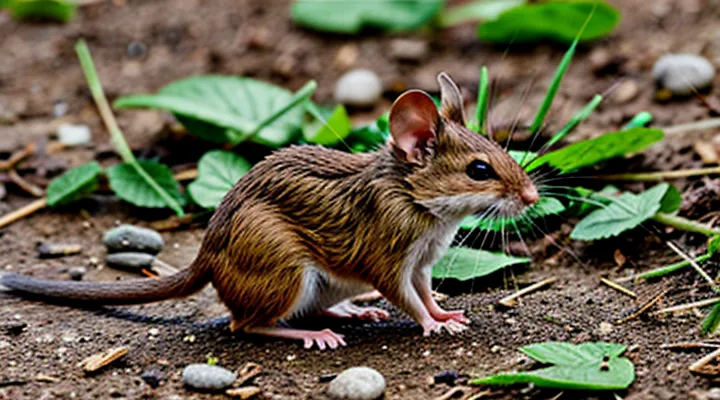
Understanding Field Mouse Bites
Identifying a Field Mouse Bite
When a field mouse punctures the skin, the wound often appears as a small, deep puncture surrounded by a thin ring of redness. The entry point may be irregular, sometimes showing a slight tear in the epidermis rather than a clean cut.
- Diameter typically ranges from 2 mm to 5 mm.
- Surrounding erythema may be faint or pronounced, depending on the individual's reaction.
- A thin line of serous fluid may be visible at the tip of the puncture.
- Swelling can develop within minutes, concentrating around the bite site.
Additional indicators include localized pain that intensifies with pressure, a tingling sensation that precedes the sting, and occasional bruising if the mouse’s incisors scrape deeper tissue. In some cases, a faint, darkened spot may appear as the blood clot forms within the puncture tract.
To differentiate a mouse bite from insect stings or scratches, note the following characteristics:
- Puncture shape: mouse bites create a narrow, elongated opening, whereas insect stings often produce a broader, more superficial mark.
- Presence of a bite mark: a pair of parallel lines or a single groove suggests a rodent’s incisors.
- Absence of a central punctum typical of spider bites.
- Lack of venom‑related symptoms such as rapid swelling, hives, or systemic allergic reactions.
Recognition of these features enables prompt first‑aid measures: cleanse the area with mild antiseptic, apply gentle pressure to control bleeding, and monitor for signs of infection, including increasing redness, warmth, or pus formation. Early identification reduces the risk of complications and supports effective preventive strategies.
Risks Associated with Field Mouse Bites
Potential Diseases Transmitted by Field Mice
Field mice carry a range of pathogens that can be introduced directly through a bite or indirectly via contaminated wounds. Immediate medical evaluation is essential because several infections progress rapidly and may require targeted antimicrobial therapy.
- Hantavirus – transmitted by aerosolized rodent excreta; bite exposure can also introduce the virus, leading to hemorrhagic fever with renal syndrome or hantavirus pulmonary syndrome. Early antiviral treatment is limited; supportive care and intensive monitoring are critical.
- Leptospira spp. – spirochetes causing leptospirosis; entry through broken skin can result in fever, jaundice, renal failure, or meningitis. Doxycycline or penicillin regimens reduce morbidity when administered promptly.
- Salmonella enterica – gastrointestinal pathogen; wound contamination may cause localized infection or systemic sepsis. Broad‑spectrum antibiotics such as ceftriaxone are standard until susceptibility results are available.
- Bartonella henselae – agent of cat‑scratch disease, also reported in rodent bites; produces lymphadenitis and fever. Azithromycin therapy shortens disease course.
- Streptobacillus moniliformis – causative organism of rat‑bite fever, occasionally identified in field mouse bites; symptoms include fever, rash, polyarthralgia. Penicillin G remains first‑line treatment.
- Clostridium tetani – spore‑forming bacterium causing tetanus; risk escalates with deep puncture wounds. Tetanus toxoid booster and tetanus immune globulin are required if immunization status is uncertain.
Effective management combines thorough wound cleansing, appropriate antibiotic prophylaxis, and verification of tetanus immunization. Awareness of these specific agents guides clinicians in selecting empirical therapy and informs public‑health messaging aimed at reducing exposure to infected rodent populations.
Symptoms Requiring Medical Attention
A bite from a field mouse can introduce bacteria and trigger an immune response. Certain signs indicate that professional medical evaluation is necessary.
- Rapid swelling that expands beyond the immediate puncture site
- Persistent or worsening pain after initial relief
- Redness spreading outward, forming a streaked pattern (lymphangitis)
- Fever of 100.4 °F (38 °C) or higher, especially if accompanied by chills
- Nausea, vomiting, or dizziness not explained by the bite alone
- Development of pus, foul odor, or a foul‑smelling discharge from the wound
- Signs of an allergic reaction, such as hives, swelling of the face or throat, or difficulty breathing
- Rapid heart rate or low blood pressure suggesting systemic infection (sepsis)
When any of these symptoms appear, immediate medical attention is required. Prompt assessment allows for appropriate wound cleaning, possible antibiotic therapy, tetanus prophylaxis, and monitoring for complications such as cellulitis or rabies exposure. Delay increases the risk of severe infection and systemic illness.
Immediate First Aid for Field Mouse Bites
Wound Cleaning and Disinfection
When a field mouse bites, immediate cleaning of the wound reduces the risk of infection and promotes faster healing. Begin by washing hands thoroughly with soap and water before touching the injury. Remove any visible debris with sterile tweezers; avoid probing deeper than necessary.
Rinse the bite site under running clean water for at least 30 seconds. Use mild, non‑irritating soap if available, but do not scrub aggressively, as this can damage tissue. Pat the area dry with a sterile gauze pad; do not rub.
Apply an antiseptic solution to the wound. Acceptable agents include:
- 70 % isopropyl alcohol (apply with a sterile swab, allow to air‑dry);
- Povidone‑iodine solution (dilute to 1 % if concentrated, then cover the entire wound surface);
- Chlorhexidine gluconate (use a 0.05 % solution, apply with a clean gauze).
After antiseptic application, cover the bite with a sterile, non‑adhesive dressing. Secure the dressing with medical tape, ensuring it remains snug but not restrictive. Change the dressing at least once daily, or sooner if it becomes wet or contaminated.
Monitor the wound for signs of worsening infection: increasing redness, swelling, pus, fever, or escalating pain. If any of these symptoms appear, seek medical evaluation promptly.
Controlling Bleeding
When a field mouse punctures skin, the wound may bleed enough to require immediate attention. Direct pressure is the most reliable method to halt blood loss. Place a sterile gauze pad over the puncture, press firmly for at least five minutes, and maintain pressure without interruption. If bleeding persists, add a second layer of gauze and continue pressure.
Elevating the affected limb above heart level reduces hydrostatic pressure, aiding clot formation. Secure the gauze with a clean bandage, ensuring the wrap is snug but not so tight as to impede circulation. Verify distal pulse and skin color before releasing pressure.
If a tourniquet becomes necessary—rare for small animal bites—it must be applied proximal to the wound, tightened only enough to stop arterial flow, and monitored continuously. Release the tourniquet after ten minutes to restore perfusion and prevent tissue damage.
After bleeding is controlled, cleanse the area with mild antiseptic solution, re‑apply a sterile dressing, and seek medical evaluation for possible infection or rabies exposure. Monitoring for increased swelling, redness, or discharge is essential; any sign of worsening condition warrants prompt professional care.
When to Seek Professional Medical Help
A field mouse bite can introduce bacteria, cause tissue damage, or trigger an allergic response. Immediate medical evaluation is required under the following conditions:
- Rapid swelling, redness, or warmth extending beyond the bite margins
- Persistent pain that intensifies after the first hour
- Visible pus, foul odor, or necrotic tissue at the wound site
- Fever of 38 °C (100.4 °F) or higher, chills, or malaise
- Signs of systemic allergic reaction: hives, difficulty breathing, throat tightness, or rapid heartbeat
- Deep puncture that penetrates muscle or joint spaces
- Bleeding that does not stop after applying firm pressure for 10 minutes
- Known exposure to rodents carrying rabies or other zoonotic diseases, especially if the animal is unavailable for observation
If any of these indicators appear, contact a healthcare provider promptly. For severe allergic manifestations or uncontrolled bleeding, call emergency services without delay. Early professional intervention reduces the risk of infection, minimizes tissue loss, and ensures appropriate wound management, including tetanus prophylaxis, antibiotics, or antivenom when indicated.
Preventing Field Mouse Bites
Mouse Control in and Around Your Home
Sealing Entry Points
Sealing potential entry points eliminates the most common route by which field mice access indoor spaces, thereby reducing the risk of bites and associated infections. Identify all gaps larger than a quarter‑inch in walls, foundations, doors, windows, and utility penetrations. Apply durable, rodent‑proof materials such as steel wool, metal flashing, or high‑density expanding foam, followed by a weather‑resistant sealant to prevent future compromise.
Key actions for effective exclusion:
- Inspect exterior perimeters and interior crawl spaces for cracks, holes, and torn screens.
- Install door sweeps and weatherstripping on all exterior doors.
- Fit metal mesh (minimum ¼‑inch gauge) over ventilation openings, then seal edges with silicone caulk.
- Repair damaged siding, siding joints, and roof eaves with appropriate filler and flashing.
- Maintain vegetation at least two feet from the building foundation to discourage rodent climbing.
Regular maintenance reinforces the barrier. Schedule quarterly checks to verify the integrity of seals, replace worn materials, and address new structural changes promptly. A consistently sealed environment markedly lowers the likelihood of rodent bites, supporting overall health safety.
Eliminating Food Sources
Securing potential food supplies removes the primary attraction that draws field mice into human environments, thereby reducing the risk of bite incidents. Store grains, seeds, and pet food in airtight containers; metal or heavy‑duty plastic bins with tight lids prevent rodents from accessing these items. Clean up any spilled feed immediately, wiping surfaces and sweeping floors to eliminate crumbs.
Maintain outdoor areas by removing fallen fruit, nuts, and vegetable waste. Compost piles should be kept in sealed bins with a secure lid, and compost material should be turned regularly to discourage nesting. Bird feeders can be a steady food source—place feeders on sturdy poles, use baffles to block climbing, and clean spillage daily or consider feeder designs that limit access to squirrels and mice.
Garbage receptacles must have solid lids that close tightly. Position trash cans away from building entrances and empty them frequently, especially in warm weather when odors attract rodents. Inspect and repair any cracks or gaps in walls, foundations, and utility openings; seal them with steel wool, caulk, or hardware cloth to block entry points that also serve as food routes.
Implement routine inspections of storage rooms, garages, and sheds. Remove packaging materials such as cardboard boxes, paper bags, and fabric that can hold food residues. Dispose of waste promptly in sealed containers rather than leaving it in open piles.
By systematically eliminating all accessible food sources, the likelihood of field mouse encounters that lead to bites is markedly reduced, supporting effective prevention alongside proper first‑aid measures.
Trapping and Removal
Effective control of field mouse populations reduces the risk of bites and associated infections. Prompt trapping and proper removal are essential components of a comprehensive safety plan.
Before setting traps, inspect the affected area for signs of activity such as droppings, gnaw marks, or nesting material. Seal entry points, remove food sources, and wear disposable gloves when handling equipment to prevent contamination.
- Snap traps with a spring‑loaded mechanism: place perpendicular to walls, bait with peanut butter or seeds, check twice daily.
- Live‑catch traps: use a multi‑chamber design, line with soft bedding, bait similarly, release captured rodents at least 1 mile from the property.
- Electronic traps: insert a low‑voltage pulse, position in high‑traffic zones, empty after each activation.
When a trap is triggered, handle it with gloves, place the captured animal in a sealed container, and either euthanize humanely or relocate according to local wildlife regulations. Disinfect the trap with a bleach solution (1 part bleach to 9 parts water) before reuse.
After removal, clean the area with an EPA‑approved disinfectant, wash hands thoroughly, and monitor for further signs of activity. Repeat trapping cycles until no new evidence appears, then reassess preventive measures to maintain a bite‑free environment.
Personal Precautions in Mouse-Prone Areas
Wearing Protective Clothing
Protective clothing forms the primary barrier against bites from field mice when working in outdoor or agricultural environments. Selecting garments that resist penetration and limit exposure reduces the likelihood of injury and subsequent infection.
Recommended items include:
- Thick, tightly woven gloves extending past the wrist;
- Long‑sleeved shirts made of denim or canvas, without gaps at the cuffs;
- Full‑length trousers with reinforced knees and reinforced seams;
- Sturdy boots that cover the ankle and provide a secure fit;
- A hat with a brim and a mesh net to protect the face and neck.
Each piece must be inspected before use, ensuring no tears, holes, or worn areas compromise effectiveness. After exposure to rodents, clothing should be laundered at high temperature or disinfected with an appropriate solution to eliminate pathogens. Replacing damaged items promptly maintains the integrity of the protective barrier.
Avoiding Direct Contact with Mice
Direct contact with field mice significantly raises the probability of bite injuries and subsequent infection. Preventing such encounters requires strict control of the environment and disciplined handling practices.
- Seal all gaps in foundations, walls, and roofs; use steel wool or caulking to block rodent entry.
- Store food in airtight containers; remove crumbs and spills promptly.
- Maintain clean waste areas; dispose of garbage in sealed bins and avoid leaving organic matter outdoors.
- Install snap traps or live‑catch devices away from high‑traffic zones; check and reset them regularly.
- Keep cluttered storage spaces organized; eliminate nesting materials such as insulation, fabric, or paper.
When interaction with mice is unavoidable, adopt protective measures: wear thick‑walled gloves, long sleeves, and closed footwear; use tongs or traps to handle captured animals; disinfect surfaces after any suspected contact. Do not attempt to capture or kill mice with bare hands.
Regular inspection of buildings, especially basements, attics, and sheds, identifies intrusion points before populations establish. Professional pest‑control services can provide targeted rodent‑exclusion solutions and advise on chemical barriers when necessary.
By eliminating access routes, managing food sources, and employing personal protective equipment, direct encounters with field mice are minimized, thereby reducing bite incidents and the need for medical intervention.