
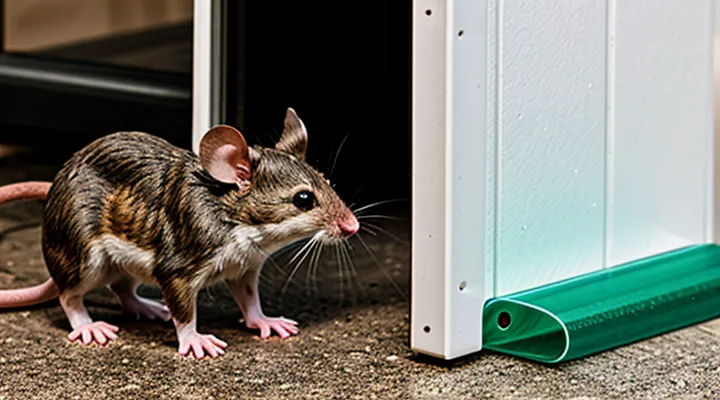
Understanding Fiberglass and Its Properties
What is Fiberglass?
Composition and Manufacturing Process
Fiberglass products designed to discourage rodents consist of a tightly woven network of glass filaments embedded in a polymer matrix. The filament network provides a physical barrier that rodents cannot easily traverse, while the matrix supplies structural integrity and resistance to environmental degradation.
The material composition typically includes:
- E‑glass or S‑glass fibers – high‑tensile strength silicate fibers, selected for durability and thermal stability.
- Thermosetting resin – polyester, vinyl ester, or epoxy resin that binds the fibers, cured to form a rigid composite.
- Additives – UV stabilizers, fire retardants, and pigments that enhance performance and allow customization of color for visual deterrence.
Manufacturing proceeds through a sequence of controlled operations:
- Raw material preparation – fibers are drawn from molten glass, sized, and collected in continuous roving. Resin components and additives are measured and mixed under inert conditions.
- Fiber placement – roving is layered onto a moving conveyor or placed in a molding cavity, forming the desired thickness and density.
- Resin impregnation – resin mixture is applied by spray, dip, or resin transfer molding, ensuring complete wetting of the glass network.
- Curing – the laminate is heated or allowed to polymerize at ambient temperature, solidifying the matrix and locking the fibers in place.
- Machining and finishing – cured panels are cut to size, edges are beveled, and surfaces may be sanded or coated to improve durability and aesthetic uniformity.
The resulting composite exhibits high mechanical strength, resistance to chewing, and longevity, making it an effective, low‑maintenance solution for rodent exclusion.
Types of Fiberglass Relevant to Pest Control
Fiberglass employed to discourage rodents relies on specific material forms that maximize physical discomfort and barrier integrity. Selecting the appropriate type determines effectiveness, longevity, and ease of installation in typical pest‑control scenarios.
- Chopped‑strand mat (CSM) – thin, flexible sheet composed of randomly oriented fibers; conforms to irregular surfaces, creates a rough texture that irritates rodent paws and whiskers. Suitable for sealing gaps around pipes and vents.
- Woven roving fabric – tightly interlaced fibers forming a sturdy, low‑stretch sheet; resists tearing when rodents attempt to gnaw through. Ideal for reinforcing door sweeps and baseboard installations.
- Fiberglass rope (scrim) – cylindrical bundle of fibers bound together; offers a dense, abrasive surface that can be wrapped around structural members or used as a deterrent loop around entry points.
- Coated fiberglass panels – fiberglass core covered with a polymer or epoxy layer; provides a smooth exterior while retaining internal abrasive properties. Useful for exposed wall sections where visual appearance matters.
- Fiberglass mesh with adhesive backing – self‑adhesive strip that adheres directly to surfaces; delivers immediate barrier without additional fasteners. Effective for quick sealing of small cracks and seams.
Each type contributes distinct mechanical characteristics: abrasive texture, resistance to chewing, and structural rigidity. Integration of these materials into building envelopes creates physical obstacles that discourage mice from entering or traversing treated areas. Proper installation—ensuring full coverage, overlap at seams, and secure fastening—enhances deterrent performance and reduces maintenance requirements.
How Fiberglass Deters Mice
Physical Deterrence Mechanisms
Fiberglass creates a physical barrier that discourages rodent intrusion through several measurable properties. Its abrasive surface, high thermal conductivity, and inherent rigidity combine to produce an environment that mice find difficult to navigate or inhabit.
- Abrasion: Fine glass fibers generate a rough texture that irritates whiskers and paws, prompting avoidance.
- Heat transfer: Fiberglass conducts ambient temperature changes quickly, exposing mice to uncomfortable thermal fluctuations.
- Acoustic damping: The material absorbs and reflects high‑frequency sounds, disrupting the auditory cues mice rely on for safe movement.
- Structural strength: Rigid panels resist gnawing and chewing, maintaining integrity under repeated stress.
Effective deployment requires placement of fiberglass sheets or mats along pathways, entry points, and interior corners where mice commonly travel. Panels should be secured with corrosion‑resistant fasteners, overlapping seams by at least 2 inches to eliminate gaps. Thickness between 0.25 in and 0.5 in provides optimal balance between durability and ease of installation.
Long‑term performance depends on material stability; fiberglass resists moisture, rot, and chemical degradation, reducing the need for replacement. Periodic inspection for torn edges or displaced sections ensures the barrier remains continuous and functional.
Irritant Properties of Fiberglass
Fiberglass consists of fine glass fibers with diameters ranging from 1 to 10 µm. The fibers possess sharp edges and a high surface area, which generate mechanical irritation upon contact with skin or mucous membranes. When a mouse brushes against or gnaws fiberglass, the fibers embed in the fur and penetrate the epidermis, causing localized inflammation and discomfort.
The irritant effect extends to respiratory exposure. Inhaled fibers lodge in the nasal passages and lungs, triggering a cough reflex and mild bronchial irritation. The physiological response includes increased mucus production and sneezing, which disrupts normal breathing patterns and discourages further activity in the treated area.
Key characteristics that contribute to deterrence:
- Abrasive texture that damages soft tissue on contact.
- Ability to fragment into microscopic particles that remain active in the environment.
- Persistent irritation without reliance on chemical toxins.
Application should involve placement of short fiberglass strands in entry points, along baseboards, and within nesting cavities. Protective equipment is recommended for installers to prevent human skin or respiratory irritation. Regular inspection ensures fibers remain intact and effective over time.
Perceived Threats to Rodents
Fiberglass installations create a visual environment that mice interpret as hazardous. The fine, reflective strands resemble natural obstacles such as spider webs or dense vegetation, triggering innate avoidance mechanisms.
Rodents rely on sight, touch, and sound to evaluate potential threats. Fiberglass surfaces present:
- High‑contrast patterns that disrupt familiar pathways.
- Irregular textures that impede forward movement when contacted.
- Subtle rustling noises generated by airflow through the fibers.
These cues generate three primary perceived threats:
- Obstruction – The dense mesh appears impassable, prompting rodents to seek alternative routes.
- Entanglement risk – Visual similarity to sticky or tangled material suggests a danger of becoming trapped.
- Predator mimicry – Reflections and movement of fibers can simulate the presence of a predator’s whiskers or foliage, heightening vigilance.
Behavioral studies show that mice encountering fiberglass reduce exploratory activity by up to 70 % and relocate to adjacent, unobstructed zones within minutes. The avoidance response persists despite repeated exposure, indicating that the perceived threats remain salient over time.
Practical Application of Fiberglass for Mouse Control
Safe Handling and Installation of Fiberglass
Personal Protective Equipment
When fiberglass is applied to block rodent entry, workers must shield themselves from airborne fibers and direct contact. Protective measures prevent skin irritation, respiratory distress, and ocular damage.
Essential equipment includes:
- Nitrile or cut‑resistant gloves that fully cover the hands and wrists.
- Disposable coveralls or a Tyvek suit with sealed seams to limit fiber migration onto clothing.
- A half‑face or full‑face respirator equipped with a P100 filter, providing at least 99.97 % particle capture.
- Safety goggles or a face shield that meets ANSI Z87.1 standards, preventing fiber deposition on the eyes.
- Foot protection such as steel‑toe boots with impermeable uppers, coupled with shoe covers for added barrier integrity.
Selection of PPE should align with OSHA standard 1910.134 for respiratory protection and ANSI/ISEA Z87.1 for eye and face protection. Inspect gear before each use; replace damaged gloves, filters, or seals immediately. Decontaminate reusable items according to manufacturer instructions, and dispose of single‑use components in sealed, labeled containers to avoid secondary exposure.
Training programs must cover proper donning and doffing techniques, fit testing for respirators, and emergency procedures for accidental fiber release. Documentation of PPE compliance supports both worker safety and regulatory audits.
Proper Placement Techniques
Fiberglass strips create a physical barrier that discourages rodents from entering structures. Their effectiveness depends on precise installation in locations where mice are most likely to travel.
Identify all potential ingress points before installation. Inspect the building envelope for gaps around doors, windows, utility penetrations, and foundation cracks. Measure each opening to determine the length of fiberglass needed and to verify that the material will fully cover the gap without leaving exposed edges.
- Cut strips to a length that exceeds the opening by at least 2 inches on each side.
- Secure the strip with stainless‑steel staples or corrosion‑resistant screws, spacing fasteners no more than 4 inches apart.
- Overlap adjacent pieces by a minimum of 1 inch to eliminate seams.
- Position the barrier at a minimum height of 3 feet above the floor to match typical mouse travel paths.
- Ensure the strip contacts the surrounding surface continuously; use a sealant compatible with fiberglass to fill any minor gaps.
After placement, verify that no protruding edges remain that could allow a mouse to bypass the barrier. Periodically inspect the installation for damage caused by weather, pests, or structural movement, and replace compromised sections promptly. Maintaining a seamless, well‑anchored fiberglass barrier preserves its deterrent function over the long term.
Avoiding Exposure Risks
Fiberglass products are often employed to prevent rodent intrusion because the sharp fibers irritate mice and discourage nesting. The material, however, can release airborne particles that pose respiratory and dermal hazards to humans and pets.
Exposure occurs primarily through inhalation of fine glass fibers during installation, cutting, or removal, and through skin contact with loose fragments. Prolonged or repeated contact may lead to irritation, coughing, or allergic reactions.
To minimize health risks, follow these practices:
- Wear a certified N‑95 respirator or higher‑efficiency mask whenever cutting, sanding, or handling fiberglass.
- Use chemical‑resistant gloves and long sleeves to prevent skin contact.
- Contain work areas with plastic sheeting and seal off ventilation ducts to limit fiber dispersion.
- Employ a HEPA‑rated vacuum for cleanup; avoid dry sweeping or compressed‑air blowing.
- Dispose of waste in sealed, labeled containers according to local hazardous‑material regulations.
After installation, conduct a visual inspection for loose fibers and perform air‑quality checks if the space is occupied. Document safety measures and train personnel to recognize exposure symptoms, ensuring prompt medical evaluation if needed.
Areas Where Fiberglass Can Be Effective
Attics and Crawl Spaces
Fiberglass insulation installed in attics and crawl spaces creates a physical barrier that mice cannot easily penetrate. The dense fibers fill gaps around joists, rafters, and vent openings, reducing the number of viable entry points. When properly packed, the material blocks small rodents while allowing airflow for ventilation.
Key advantages include:
- Immediate reduction of rodent activity after installation.
- Low cost compared to chemical or electronic deterrents.
- Compatibility with standard framing members, eliminating the need for specialized hardware.
Effective deployment requires:
- Inspection of all accessible seams, cracks, and openings.
- Sealing larger gaps with steel mesh or caulk before applying fiberglass.
- Cutting insulation to fit snugly around structural components, avoiding compression that could create gaps.
- Securing the material with staples or wire ties to prevent displacement by wind or settling.
- Periodic visual checks to ensure integrity and replace any damaged sections.
Safety considerations involve wearing gloves, eye protection, and a dust mask to prevent irritation from fiberglass particles. In confined crawl spaces, ensure adequate lighting and ventilation to minimize inhalation risks.
Compared with alternative methods, fiberglass does not rely on chemicals that may affect pets or indoor air quality, and it does not require power sources or regular maintenance like ultrasonic devices. Properly installed, it serves as a durable, passive deterrent that integrates seamlessly into the building envelope of attics and crawl spaces.
Wall Voids and Entry Points
Wall voids provide concealed pathways that allow rodents to travel behind drywall, between studs, and into ceiling cavities without detection. These spaces often contain gaps around electrical boxes, plumbing penetrations, and structural joints, creating continuous routes from exterior walls to interior living areas.
Common entry points include:
- Unsealed gaps around pipe sleeves and conduit openings.
- Openings around HVAC ducts and vent flues.
- Spaces behind trim, baseboards, and door frames.
- Cracks in foundation walls or slab edges that intersect wall cavities.
Applying fiberglass as a barrier addresses each vulnerability. Cut fiberglass batts to fit around penetrations, then compress the material to fill gaps tightly, preventing rodents from squeezing through. For larger openings, install fiberglass mesh sheeting, secure it with construction adhesive, and seal edges with expanding foam or caulk. Reinforce vulnerable zones by wrapping studs and joists with fiberglass wrap, ensuring overlap at seams to maintain an uninterrupted deterrent layer. Regular inspection of wall voids and prompt repair of newly formed gaps preserve the integrity of the fiberglass barrier and sustain long‑term rodent exclusion.
Around Pipes and Conduits
Rodents frequently travel along plumbing, electrical and communication lines, exploiting gaps around pipes and conduits to reach interior spaces. These openings provide a direct, concealed route that bypasses typical building barriers, making them a primary target for mouse intrusion.
Fiberglass insulation, when installed correctly, creates a physical and sensory obstacle that mice cannot easily penetrate. The abrasive texture damages whiskers and paws, while the dense fibers impede movement and discourage repeated attempts. Unlike metal or plastic sleeves, fiberglass does not generate heat or sharp edges that could damage pipe integrity, yet it maintains sufficient rigidity to block small mammals.
Effective implementation around pipes and conduits involves several precise steps:
- Select insulation with a minimum density of 2.5 lb/ft³ and a thickness of at least ½ inch to ensure structural resistance.
- Cut the material to length, allowing a 1‑inch overlap at each joint to prevent seams.
- Wrap the fiberglass tightly around the pipe, securing it with stainless‑steel tape or heat‑resistant wire to avoid slippage.
- Seal all seams and entry points with a rodent‑grade caulk that adheres to both insulation and pipe surfaces.
- Verify that the wrapped section does not interfere with pipe clearance requirements or heat dissipation specifications.
Regular inspection of the insulated sections is essential. Look for signs of fiber displacement, moisture accumulation, or gnaw marks. Replace compromised sections promptly to maintain an uninterrupted barrier.
By integrating dense fiberglass around vulnerable conduit pathways, property owners establish a durable deterrent that limits mouse access without compromising system functionality.
Alternatives and Complementary Deterrent Methods
Other Physical Barriers
Physical barriers remain a primary method for preventing rodent ingress when fiberglass installations are unavailable or impractical. Effective alternatives include:
- Stainless‑steel mesh – aperture sizes of ¼ inch or smaller block mouse passage while resisting corrosion.
- Hardware cloth – woven wire with consistent openings; suitable for sealing vents, crawl spaces, and exterior walls.
- Copper or aluminum tape – adhesive strips applied around pipe penetrations; metal surface deters chewing.
- Steel wool – densely packed fibers fill gaps around cables and conduits; must be sealed with caulk to prevent displacement.
- Concrete or mortar – fills larger openings in foundations and floor slabs; creates an impermeable barrier.
- Stone or brick masonry – used in foundation repairs; eliminates voids that rodents could exploit.
Installation guidelines:
- Identify all potential entry points by inspecting the building envelope, focusing on gaps larger than ¼ inch.
- Clean each opening to remove debris and ensure adhesion of barrier materials.
- Apply the chosen barrier material, overlapping seams by at least 2 inches to avoid weak spots.
- Secure edges with appropriate fasteners or sealants to maintain long‑term integrity.
- Conduct a post‑installation inspection to verify complete coverage and address any residual openings.
Combining multiple barrier types enhances protection. For instance, steel wool can fill irregular cracks, while hardware cloth covers larger structural openings. Properly executed physical barriers reduce reliance on chemical controls and provide a durable, low‑maintenance solution for mouse exclusion.
Repellents and Traps
Fiberglass possesses a rough, abrasive surface that mice avoid when seeking nesting or travel routes. The material’s texture and rigidity create a physical barrier that discourages entry into protected areas.
-
Surface repellents:
- Fiberglass mesh applied to gaps around pipes and vents.
- Fiberglass-coated panels installed on walls near known rodent pathways.
- Fiberglass tape wrapped around cable bundles to prevent chewing.
-
Trap integration:
- Snap traps mounted on fiberglass strips to increase grip and reduce escape.
- Live‑catch cages lined with fiberglass pads, discouraging escape through smooth surfaces.
- Glue boards backed with fiberglass sheets to prevent removal and improve adherence.
Installation requires secure fastening to prevent displacement, ensuring that no exposed fibers contact humans or pets. Regular inspection confirms integrity; damaged sections should be replaced promptly to maintain effectiveness.
Integrated Pest Management Strategies
Fiberglass‑based barriers fit within Integrated Pest Management (IPM) as a non‑chemical, physical exclusion method. Their smooth, abrasive surface discourages rodents from climbing or gnawing, while the material’s durability resists weathering and damage.
Key attributes that support rodent deterrence include:
- High tensile strength prevents tearing under pressure.
- Low thermal conductivity reduces condensation that could attract pests.
- Non‑porous composition eliminates crevices for nesting.
When incorporated into an IPM program, fiberglass barriers complement other control tactics:
- Conduct thorough inspection to locate entry points.
- Install fiberglass strips or panels over gaps in walls, vents, and utility openings.
- Seal surrounding joints with rodent‑proof sealant.
- Maintain sanitation to remove food sources that could override physical deterrence.
- Monitor activity with traps or motion‑sensitive devices to verify barrier effectiveness.
Effective deployment requires regular inspection for damage, prompt repair of compromised sections, and coordination with habitat modification and monitoring to sustain long‑term rodent control.
Potential Risks and Limitations
Health and Safety Concerns for Humans and Pets
Inhalation Hazards
Fiberglass deployed as a rodent‑deterrent material releases fine glass fibers when cut, handled, or disturbed. Inhalation of these fibers can irritate the mucous membranes of the nose, throat, and lungs. Acute exposure typically produces coughing, wheezing, and a sensation of tightness in the chest; symptoms usually subside after removal from the source and adequate ventilation.
Chronic exposure carries a risk of persistent respiratory inflammation. Epidemiological data link prolonged inhalation of glass fibers to increased incidence of bronchial hyperreactivity and, in rare cases, interstitial lung disease. Occupational exposure limits set by agencies such as OSHA and ACGIH cap airborne fiber concentrations at 1 mg/m³ (time‑weighted average). Exceeding these limits without protective equipment raises the likelihood of long‑term health effects.
Risk mitigation for homeowners and pest‑control operators includes:
- Wearing N‑95 or higher‑efficiency respirators during installation, cutting, or removal of fiberglass panels.
- Using disposable coveralls and gloves to prevent fiber transfer to clothing.
- Ensuring adequate ventilation by opening windows and employing exhaust fans.
- Wetting the material before manipulation to reduce airborne particles.
- Disposing of waste in sealed containers to avoid secondary aerosolization.
Adherence to these controls limits inhalation hazards while maintaining the efficacy of fiberglass as a mouse deterrent.
Skin and Eye Irritation
Fiberglass fibers are sharp, lightweight particles that can embed in the outer layer of the skin or make contact with the ocular surface. Direct handling of loose strands, installation of fiberglass barriers, or accidental displacement during cleaning releases microscopic fragments that penetrate the epidermis or irritate the conjunctiva. The resulting lesions are typically erythematous, pruritic, or painful, and may develop into small abrasions if the material is not removed promptly.
Common manifestations include:
- Redness and swelling of the eyelids or surrounding skin
- Burning or itching sensation on exposed areas
- Small, punctate abrasions that may bleed slightly
- Watery discharge from the eyes when fibers contact the cornea
Immediate decontamination reduces severity. Rinse affected skin with copious amounts of lukewarm water for at least 15 minutes, using gentle soap to dislodge particles. For ocular exposure, flush the eye with sterile saline or clean water for a minimum of 20 minutes, keeping the eyelids open to allow thorough irrigation. After rinsing, inspect the area for remaining fragments; if irritation persists, seek medical evaluation.
Preventive measures focus on minimizing direct contact:
- Wear nitrile gloves and safety goggles when installing or maintaining fiberglass deterrent systems.
- Seal edges of fiberglass panels to prevent fiber shedding.
- Use vacuum equipment equipped with HEPA filters to remove stray particles.
- Store fiberglass rolls in sealed containers away from high‑traffic zones.
Proper handling protocols and rapid response to accidental exposure protect both skin integrity and ocular health while maintaining the effectiveness of fiberglass as a rodent deterrent.
Long-Term Health Effects
Fiberglass is frequently installed in attics, walls, and crawl spaces to create a physical barrier that discourages mouse entry. Long‑term exposure to the material raises specific health concerns that persist beyond the initial installation phase.
Repeated inhalation of airborne fiberglass fragments can provoke chronic respiratory conditions. The fine particles irritate mucous membranes, leading to persistent cough, wheezing, and, in some cases, development of pulmonary fibrosis. Epidemiological data link prolonged occupational exposure to increased rates of bronchial hyperresponsiveness and reduced lung function measured by spirometry.
Direct skin contact with loose fiberglass may cause ongoing dermatological irritation. Fibers embed in the epidermis, producing pruritic papules, erythema, and, with repeated exposure, sensitization that manifests as chronic dermatitis. The condition often requires topical corticosteroids or antihistamines for symptom control.
Accidental ingestion of fiberglass, while rare for adults, poses a risk for children and household pets. Ingested fibers can cause gastrointestinal abrasion, ulceration, and, over time, lead to strictures or perforation if not promptly identified. Endoscopic evaluation may be necessary for persistent abdominal pain or bleeding.
Regulatory agencies classify fiberglass as a potential occupational hazard. Long‑term safety recommendations include:
- Installing containment barriers to prevent fiber migration into living spaces.
- Using personal protective equipment (respirators, gloves, long sleeves) during installation and maintenance.
- Conducting periodic air quality assessments to verify that fiber concentrations remain below permissible exposure limits (PEL).
- Implementing routine cleaning protocols that minimize disturbance of settled fibers.
Adhering to these measures mitigates the cumulative health effects associated with prolonged fiberglass use for rodent exclusion.
Environmental Impact Considerations
Disposal of Fiberglass Materials
Fiberglass used for rodent control creates waste that must be handled as a non‑organic, potentially hazardous material. The fibers can irritate skin, eyes, and respiratory passages, so protective equipment is required during removal and packaging.
Safe disposal proceeds as follows:
- Wear gloves, goggles, and a particulate‑filter respirator before handling any residue.
- Collect all cuttings, scrap panels, and contaminated packaging in a sealed, heavy‑duty plastic bag.
- Label the container with “fiberglass waste – irritant” and include a brief description of the source.
- Consult local waste‑management regulations to determine whether the material is classified as non‑hazardous solid waste or requires submission to a hazardous‑waste facility.
- If accepted by a municipal landfill, place the sealed bag in a designated container for non‑hazardous construction debris.
- If classified as hazardous, arrange transport with a licensed hazardous‑waste carrier and ensure delivery to an authorized treatment, storage, or disposal (TSDF) site.
Recycling options are limited, but some specialized facilities accept clean fiberglass composites for repurposing into insulation or reinforcement products. Verify the facility’s acceptance criteria before shipping.
Documentation of the disposal process, including dates, quantities, and carrier information, should be retained for compliance audits and future reference.
Impact on Non-Target Animals
Fiberglass deterrent systems are deployed to prevent rodent intrusion by creating a physical barrier that mice cannot traverse. While effective against the target species, the material introduces risks for other wildlife that may encounter it inadvertently.
Physical hazards arise when non‑target animals come into contact with fiberglass. Birds can suffer skin abrasions or eye injuries from sharp fibers. Small mammals, such as shrews or voles, may become entangled, leading to restricted movement or fatal strangulation. Insects that land on or crawl over the surface can experience cuticular damage, reducing survival rates.
Indirect effects stem from the persistence of fiberglass in the environment. Fragments shed from installations accumulate in soil and litter, potentially altering microhabitats. Decomposition rates are low, so the material remains available for accidental contact over extended periods. Habitat modification may discourage colonization by beneficial species, such as pollinators, that avoid areas with visible debris.
Key impacts on non‑target fauna:
- Dermal injury: abrasions, lacerations, and ocular damage.
- Entanglement: restriction of movement, respiratory distress, mortality.
- Habitat contamination: long‑lasting debris, reduced suitability for sensitive organisms.
- Population pressure: increased mortality may affect local biodiversity and ecosystem services.
Efficacy and Durability of Fiberglass as a Deterrent
Factors Affecting Deterrent Effectiveness
Fiberglass barriers deter rodents by creating an uncomfortable surface that mice avoid. Effectiveness depends on physical characteristics, installation quality, and environmental variables.
Key factors include:
- Fiber density and diameter – higher density and finer fibers increase tactile irritation, reducing the likelihood of contact.
- Length and flexibility of strands – longer, more flexible fibers amplify the sensation of movement, enhancing the repellent effect.
- Placement precision – gaps, overlaps, or misaligned sections allow mice to bypass the barrier; continuous coverage is essential.
- Surface texture of adjacent materials – smooth surfaces adjacent to fiberglass may diminish the perceived threat, while rough textures reinforce deterrence.
- Moisture and temperature – excessive humidity can cause fibers to clump, lowering effectiveness; extreme cold may make fibers brittle and less irritating.
- Maintenance schedule – accumulated dust, debris, or wear reduces tactile feedback; regular cleaning preserves deterrent properties.
Empirical data show that optimal fiber diameter (0.2–0.5 mm) combined with a minimum coverage area of 90 % yields the highest avoidance rates. Deviations from these parameters correlate with measurable increases in mouse activity. Adjusting installation techniques to eliminate seams and ensuring environmental conditions remain within specified limits maintain the barrier’s performance over time.
Lifespan of Fiberglass as a Barrier
Fiberglass panels, mesh, or strips are employed as a physical barrier to prevent rodent entry. The material’s resistance to chewing and its rigidity make it a reliable component in exclusion systems.
Under optimal conditions—dry, shaded, and protected from direct sunlight—standard 6‑mm fiberglass sheeting retains structural integrity for 8 to 12 years. Thicker panels and those with UV‑stabilized resin formulations can extend service life to 15 years or more.
Factors that accelerate degradation:
- Prolonged exposure to ultraviolet radiation
- Persistent moisture or high humidity levels
- Contact with chemical agents such as solvents or acids
- Mechanical impact that creates cracks or fractures
Regular maintenance mitigates these effects. Recommended practices include:
- Visual inspection every six months for surface damage
- Cleaning to remove dust, mold, or debris that retain moisture
- Prompt repair of cracks using compatible resin filler
- Application of a protective coating when panels are exposed to sunlight
In environments where UV exposure and moisture are unavoidable, expected lifespan shortens to 3–5 years. When installed indoors or within sealed enclosures, the barrier can reliably function for a decade or longer, provided routine inspections and repairs are performed.
Maintenance and Reapplication Needs
Fiberglass barriers lose effectiveness when surface integrity deteriorates, so regular upkeep is essential for sustained rodent deterrence.
Inspect installations at least quarterly. Look for cracks, chips, or loosening of the material. Record any damage and prioritize repair before mice can exploit gaps.
Maintain cleanliness to prevent debris accumulation that can mask wear. Use a soft brush or low‑pressure air to remove dust, then wipe with a mild detergent solution. Rinse thoroughly and allow complete drying before further handling.
Reapplication guidelines:
- Recoat damaged sections with a compatible resin‑based fiberglass patch within 48 hours of detection.
- Apply a fresh outer layer every 12–18 months in high‑traffic areas, or annually in humid environments.
- Follow manufacturer‑specified cure times; typically 24 hours at ambient temperature before exposure to rodents.
- Verify adhesion by gentle pressure testing; any lift indicates insufficient bonding and requires repeat application.
Observe safety protocols: wear gloves, eye protection, and a respirator rated for fine fibers. Ensure ventilation meets occupational standards during application and curing. Proper documentation of inspection dates, repairs, and recoat cycles supports compliance and prolongs barrier performance.