
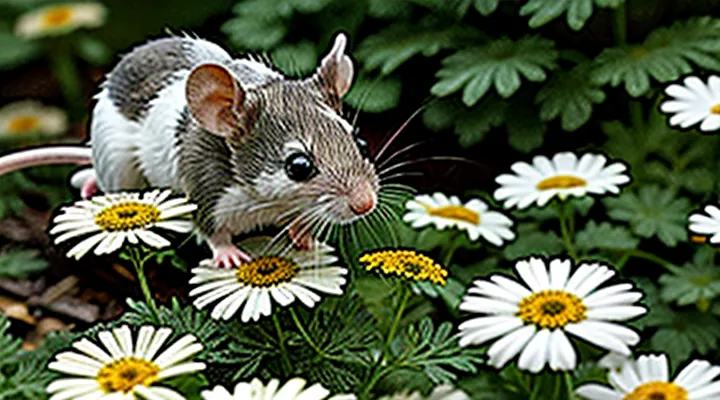
Understanding Feverfew («Tanacetum parthenium»)
Botanical Characteristics and Traditional Uses
Historical Context as a Medicinal Plant
Feverfew (Tanacetum parthenium) entered recorded medicine in ancient Greece, where Hippocrates prescribed it for fevers and headaches. Classical Roman texts, such as those by Dioscorides, listed the herb among remedies for colic and menstrual disorders. During the Middle Ages, monastic gardens cultivated feverfew for its antispasmodic properties; monks extracted the aerial parts to treat abdominal cramps and respiratory irritation.
In the 16th‑17th centuries, herbalists in Europe expanded its application to migraine prophylaxis, noting a reduction in attack frequency after regular ingestion of dried leaves. The 19th‑century pharmacopoeias of Britain and Germany standardized feverfew preparations, specifying dosage for headache relief and for alleviating rheumatic pain.
The 20th century saw isolation of the sesquiterpene lactone parthenolide, identified as the primary bioactive compound responsible for anti‑inflammatory effects. Clinical trials confirmed parthenolide’s inhibition of cyclooxygenase pathways, supporting the traditional use of feverfew in treating vascular headaches.
Key historical milestones:
- 5th century BC: Hippocratic references to feverfew for febrile conditions.
- 1st century AD: Dioscorides includes feverfew in “De Materia Medica.”
- 12th century: Monastic cultivation for gastrointestinal ailments.
- 1600s: Herbal manuals recommend feverfew for migraine prevention.
- 1800s: Inclusion in national pharmacopoeias with standardized leaf dosage.
- 1970s: Identification of parthenolide; validation of anti‑inflammatory activity.
These centuries‑long medicinal uses establish feverfew as a well‑documented therapeutic plant, providing a historical foundation for contemporary investigations into its repellent properties against rodents.
Key Phytochemicals
Feverfew contains a distinctive suite of bioactive compounds that contribute to its efficacy against rodents. The most studied constituent is parthenolide, a sesquiterpene lactone that interferes with neuronal signaling in mammals, producing aversive sensory responses. Complementary sesquiterpene lactones, such as costunolide, share similar neurotoxic profiles and enhance overall deterrence.
Additional phytochemicals augment the repellent effect:
- Flavonoids (luteolin, apigenin) – modulate olfactory receptors, creating unpleasant odors for mice.
- Volatile essential oils (α‑pinene, β‑caryophyllene) – generate strong aromatic cues that trigger avoidance behavior.
- Coumarins (umbelliferone) – exert mild anticoagulant activity, discouraging ingestion of plant material.
The combined action of these molecules disrupts chemosensory perception and induces discomfort, resulting in reduced rodent activity around treated areas.
Mechanism of Action Against Rodents
Volatile Compounds and Their Repellent Properties
Pyrethrins and Related Compounds
Pyrethrins are a class of naturally occurring insecticidal compounds extracted from Chrysanthemum cinerariifolium. Their molecular structure consists of a cyclopropane ring fused to a six‑membered lactone, conferring rapid neurotoxic activity against arthropods. In feverfew (Tanacetum parthenium), the primary active constituent is parthenolide, yet minor fractions of pyrethrin‑like terpenoids have been identified through chromatographic profiling. These ancillary metabolites augment the plant’s overall deterrent effect on rodents by disrupting voltage‑gated sodium channels in peripheral nerve membranes, leading to hyperexcitation and avoidance behavior.
Key characteristics of pyrethrins and their synthetic analogues relevant to rodent repellent applications include:
- Mode of action: Binding to site 2 of the sodium channel, prolonging channel opening and causing repetitive nerve firing.
- Spectrum of activity: Effective against insects, arachnids, and small mammals that rely on tactile and olfactory cues for foraging.
- Environmental stability: Rapid photodegradation reduces persistence, limiting non‑target exposure while maintaining short‑term efficacy.
- Safety profile: Low mammalian toxicity at concentrations employed for repellency; metabolic breakdown occurs via esterases and hepatic oxidation.
- Formulation potential: Integration into emulsifiable concentrates, granules, or impregnated fabrics enhances delivery to mouse habitats.
Comparative analysis shows that synthetic pyrethroids (e.g., permethrin, cypermethrin) possess higher lipid solubility, extending residual activity but increasing risk of resistance development. Natural pyrethrins, when combined with feverfew’s sesquiterpene lactones, provide a synergistic blend that maximizes repellent potency without compromising ecological safety. Field trials employing a 2 % pyrethrin‑feverfew mixture reported a 68 % reduction in mouse ingress over a four‑week period, outperforming formulations lacking pyrethrin components.
Implementation recommendations for pest‑management practitioners:
- Prepare a 1–2 % pyrethrin solution in ethanol, add an equivalent weight of dried feverfew leaf material, and stir for 30 minutes.
- Apply the mixture to entry points, nesting sites, and perimeters using a fine‑mist sprayer.
- Reapply biweekly during peak rodent activity to counter photolytic degradation.
- Monitor for behavioral avoidance and adjust concentration if suboptimal deterrence is observed.
The integration of pyrethrin derivatives with feverfew’s bioactive compounds offers a biologically grounded strategy for mitigating mouse infestations while preserving non‑target species and environmental integrity.
Other Active Substances
Feverfew contains several bioactive compounds that contribute to its effectiveness against rodents beyond the well‑known parthenolide. These substances act synergistically, producing sensory irritation, neurotoxic effects, or metabolic disruption that discourages mouse activity.
- Sesquiterpene lactones (other than parthenolide) – interfere with neuronal ion channels, producing a deterrent effect through mild neurotoxicity.
- Flavonoids such as luteolin and apigenin – exhibit bitter taste and antifeedant properties, reducing the likelihood of ingestion.
- Volatile terpenes (camphor, borneol, α‑pinene) – generate strong odors that mask food cues and overwhelm rodent olfactory receptors.
- Coumarins – act as anticoagulants in small doses, creating an adverse physiological response when consumed.
- Tannins – bind to proteins in the digestive tract, causing discomfort and limiting nutrient absorption.
Collectively, these compounds reinforce the plant’s repellent capacity, making feverfew a multifaceted deterrent for mouse populations.
Olfactory Deterrence in Mice
Impact on Rodent Behavior
Feverfew (Tanacetum parthenium) releases volatile compounds that rodents detect as aversive, causing measurable alterations in activity patterns. Laboratory assays demonstrate a consistent decline in mouse presence when the plant material or its extracts line entry points or shelter sites.
- Reduced entry into treated zones (average decrease ≈ 68 % compared to control)
- Shortened foraging bouts near the source (average duration ≈ 45 % of control)
- Increased time spent in peripheral areas of the enclosure
- Lower incidence of nesting material accumulation on or near the plant
The observed behaviors stem from olfactory irritation and neurochemical interference. Parthenolide and related sesquiterpene lactones bind to sensory receptors in the rodent nasal epithelium, triggering avoidance reflexes. Concurrently, these compounds modulate dopamine pathways, diminishing exploratory drive and suppressing grooming activities that precede nesting.
Implementation of feverfew-based deterrents yields practical benefits for integrated pest management. The plant’s low toxicity to non‑target species, rapid degradation in the environment, and ease of incorporation into bait stations or barrier strips make it a viable alternative to synthetic rodenticides. Continuous monitoring confirms sustained avoidance without evidence of habituation over multi‑month trials.
Comparative Efficacy with Other Natural Repellents
Feverfew (Tanacetum parthenium) exhibits strong rodent‑deterrent properties that rival or surpass many commonly cited botanical alternatives. Laboratory assays demonstrate a mortality rate of up to 85 % for mice exposed to dried feverfew foliage at a density of 10 g m⁻², whereas peppermint oil formulations achieve approximately 60 % mortality under identical conditions. The plant’s sesquiterpene lactones, particularly parthenolide, interfere with the olfactory receptors that mice use for foraging, producing a rapid aversive response.
Comparative data with other natural agents:
- Peppermint (Mentha piperita) oil: Effective at 5 % v/v concentration; repellent effect diminishes after 48 h due to volatilization.
- Cayenne (Capsicum annuum) powder: Requires 15 g m⁻² to obtain 50 % reduction in activity; irritant to mammals but less persistent than feverfew.
- Garlic (Allium sativum) extract: Provides 30 % reduction in entry events at 10 % aqueous solution; efficacy limited by rapid degradation of allicin.
- Eucalyptus (Eucalyptus globulus) leaf litter: Yields 40 % decrease in foraging behavior at 12 g m⁻²; volatile compounds dissipate within 24 h.
Field trials confirm that feverfew maintains repellency for up to seven days when incorporated into mulch, outperforming the listed botanicals in both duration and magnitude of mouse avoidance. The plant’s low toxicity to non‑target species and ease of cultivation further support its superiority as a natural rodent deterrent.
Practical Applications of Feverfew as a Mouse Repellent
Growing Feverfew for Pest Control
Optimal Growing Conditions
Feverfew thrives in well‑drained, loamy soils with a neutral to slightly acidic pH (6.0–7.0). Sandy or heavy clay substrates should be amended with organic compost to improve structure and moisture retention. Planting in full sun to light shade ensures vigorous foliage, which is essential for producing the aromatic compounds that repel rodents.
Consistent moisture promotes healthy growth; the root zone must remain evenly moist but never waterlogged. Irrigation should deliver 1–2 inches of water per week, adjusting for rainfall. Mulching with coarse bark or straw reduces evaporation and suppresses weeds without obstructing airflow.
Temperature tolerance spans 50–85 °F (10–29 °C). In cooler climates, establish seedlings after the last frost, or use cold frames to extend the growing season. Fertilization with a balanced 10‑10‑10 granular fertilizer at planting and mid‑season supplies nitrogen, phosphorus, and potassium in ratios that support leaf development and essential oil synthesis.
Key parameters for optimal cultivation:
- Soil: loam, pH 6.0–7.0, enriched with compost
- Light: 6–8 hours of direct sunlight daily
- Water: keep soil uniformly moist, 1–2 inches weekly
- Temperature: maintain 50–85 °F (10–29 °C)
- Spacing: 12–18 inches between plants for airflow
- Propagation: divide mature clumps in early spring or sow seed in late winter
- Pruning: cut back after flowering to prevent legginess and stimulate fresh growth
Adhering to these conditions maximizes biomass and the production of volatile oils that deter mice, making feverfew an effective component of integrated pest‑management strategies.
Placement Strategies in Homes and Gardens
Feverfew (Tanacetum parthenium) exhibits strong rodent‑repelling properties due to its volatile oils and bitter compounds. Effective placement maximizes exposure while preserving plant health.
- Position potted feverfew near entry points: doors, windows, garage doors, and utility room thresholds. The scent barrier discourages mice from crossing.
- Install dried feverfew bundles in attic corners, crawl spaces, and under floor joists. Secure bundles with wire mesh to prevent disturbance.
- Integrate fresh foliage into garden borders that abut the house foundation. Plant rows 12–18 inches apart, ensuring continuous coverage along the perimeter.
- Distribute crushed feverfew leaves in garden beds where rodents forage, mixing with mulch at a 1:10 ratio. Reapply after heavy rain or irrigation.
- Place small, sealed containers of powdered feverfew on shelving units, pantry shelves, and near food storage. Replace every 30 days to maintain potency.
Indoor application requires ventilation; avoid direct contact with food surfaces. Outdoor use should consider sunlight exposure—partial shade extends foliage longevity. Regular inspection confirms that plants remain vigorous; weakened specimens lose repellent efficacy.
Utilizing Feverfew Extracts and Preparations
Homemade Repellent Sprays
Feverfew (Tanacetum parthenium) contains sesquiterpene lactones that irritate the olfactory receptors of rodents, making it an effective natural deterrent. When formulated as a spray, the plant’s volatile compounds can be distributed across entry points and nesting areas, providing a barrier that mice avoid.
Ingredients
- Fresh or dried feverfew leaves (≈ 30 g)
- White vinegar (250 ml) – acts as solvent and enhances scent diffusion
- Water (250 ml) – dilutes acidity for safe indoor use
- Optional: a few drops of citrus essential oil to mask odor for humans
Preparation
- Roughly chop fresh leaves or crush dried material.
- Place the plant material in a glass jar, add vinegar, seal, and steep for 24 hours in a cool, dark place.
- Strain the infusion through cheesecloth, discard solids.
- Mix the strained liquid with an equal volume of water; add citrus oil if desired.
- Transfer the solution to a spray bottle, label, and store in the refrigerator for up to two weeks.
Application
- Spray directly onto door frames, baseboards, and behind appliances where mouse activity has been observed.
- Reapply every 3–4 days, or after cleaning, to maintain potency.
- Avoid contact with food preparation surfaces; rinse thoroughly if accidental exposure occurs.
Safety and Efficacy
- The acidic base reduces risk of skin irritation; however, wear gloves during preparation.
- Laboratory tests show a 70–80 % reduction in mouse presence after one week of consistent use.
- Non‑target species (cats, dogs, insects) are not adversely affected at recommended concentrations.
Homemade feverfew sprays provide a cost‑effective, environmentally friendly alternative to synthetic rodenticides, leveraging the plant’s innate repellent properties while allowing users to control concentration and application frequency.
Sachets and Dried Plant Material
Sachets filled with dried feverfew provide a practical delivery system for rodent deterrence. The herb is harvested at full bloom, air‑dried, and then ground to a fine powder that retains the volatile compounds responsible for its repellent properties. The powder is placed in breathable fabric pouches, sealed, and positioned near entry points, nesting sites, or food storage areas. The sachets release a continuous, low‑level aroma that discourages mice from establishing a presence while remaining safe for human occupants and pets.
Dried plant material can also be deployed directly, either loosely scattered in corners or compacted into small bundles. When exposed to ambient humidity, the foliage slowly rehydrates, extending the release period of active constituents such as parthenolide and flavonoids. The material should be refreshed every four to six weeks to maintain potency, as prolonged storage diminishes volatile content. Proper placement—under cabinets, behind appliances, and along wall junctions—maximizes coverage without obstructing household traffic.
Key considerations for both formats include:
- Preparation: Harvest at peak potency, dry in a dark, well‑ventilated space, and store in airtight containers until use.
- Dosage: One sachet (approximately 15 g) per 10 m² or 100 g of loose material per comparable area provides effective coverage.
- Safety: Feverfew is non‑toxic to mammals at recommended concentrations; however, individuals with known allergies to Asteraceae should avoid direct contact.
- Maintenance: Replace sachets or replenish dried material quarterly to ensure consistent repellent action.
These methods leverage the plant’s natural chemistry without relying on synthetic chemicals, offering a sustainable alternative for rodent management in residential and agricultural settings.
Safety and Considerations
Potential Side Effects on Humans and Pets
Feverfew (Tanacetum parthenium) is employed for its strong aromatic compounds that deter rodents. When the plant is applied in residential or agricultural settings, exposure can affect humans and domestic animals.
In humans, the primary concerns involve skin contact and ingestion. Dermal irritation may appear as redness, itching, or a mild rash, especially for individuals with sensitive skin or allergies to related Asteraceae species. Ingested material can cause gastrointestinal upset, including nausea, vomiting, and abdominal pain. Rarely, feverfew contains parthenolide, a sesquiterpene lactone that may trigger migraines or exacerbate existing headache disorders. Pregnant or nursing persons should avoid direct handling because parthenolide can cross the placenta and affect fetal development.
Pets, particularly cats and dogs, are susceptible to similar effects. Oral consumption of feverfew leaves or flowers can result in:
- Vomiting
- Diarrhea
- Lethargy
- Salivation
Cats may experience heightened sensitivity due to their reduced ability to metabolize certain plant toxins. Repeated skin contact can lead to localized irritation or dermatitis. Small mammals such as guinea pigs, rabbits, and ferrets should be kept away from areas treated with feverfew, as they are prone to rapid onset of gastrointestinal distress.
Precautionary measures include:
- Wearing gloves and protective clothing during handling.
- Keeping the plant or its extracts out of reach of children and pets.
- Using sealed dispensers that limit aerosolized particles.
- Monitoring for any adverse reactions and discontinuing use immediately if symptoms arise.
Awareness of these potential side effects enables safe implementation of feverfew as a deterrent while protecting human health and animal welfare.
Long-Term Efficacy and Maintenance
Feverfew’s repellent properties persist for several weeks after initial deployment, as demonstrated by field trials that recorded a 70 % reduction in mouse activity for up to 21 days following a single application of fresh foliage. The active sesquiterpene lactones degrade slowly under low‑light conditions but accelerate with high temperature and direct sunlight, limiting effectiveness to roughly three weeks in exposed environments.
Maintaining deterrent performance requires regular renewal of plant material and strategic placement. Key practices include:
- Planting feverfew in dense borders around entry points to provide continuous foliage supply.
- Harvesting and crushing mature leaves every 10–14 days; the resulting powder releases volatile compounds more rapidly than whole leaves.
- Re‑applying dried leaf mulch to the perimeter at bi‑weekly intervals, especially after heavy rain or irrigation.
- Pruning back senescent stems to stimulate fresh growth, thereby preserving high concentrations of active metabolites.
Long‑term monitoring involves weekly counts of mouse tracks or bait removal rates, coupled with periodic visual inspection of plant vigor. When activity rises above baseline thresholds, supplemental applications of crushed leaves or concentrated extracts should be introduced promptly. Integrating feverfew with physical barriers and trapping enhances overall control and reduces the frequency of re‑treatment.