
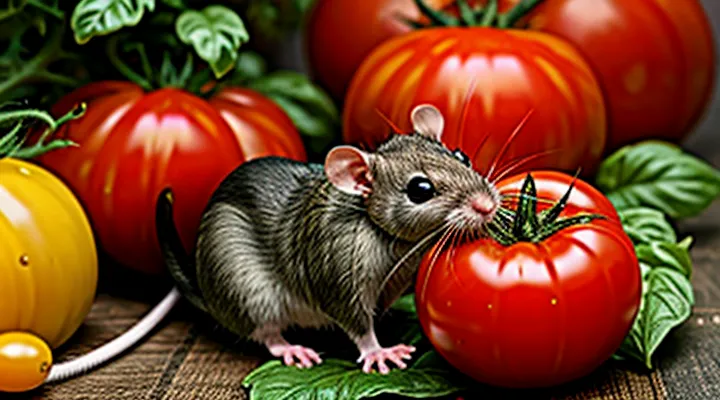
The Nutritional Profile of Tomatoes
Vitamins and Minerals in Tomatoes
Tomatoes supply a range of micronutrients that can complement the diet of pet rats when offered in moderation.
- Vitamin C – approximately 13 mg per 100 g; supports antioxidant defense and collagen synthesis. Rats synthesize vitamin C endogenously, so dietary sources are not essential but can aid during stress or illness.
- Vitamin A (as β‑carotene) – about 833 µg RAE per 100 g; contributes to vision, immune function, and epithelial health. Excess intake may lead to hypervitaminosis A, which can cause liver damage in rodents.
- Vitamin K1 – roughly 7.9 µg per 100 g; necessary for blood clotting. Deficiency is rare; overdosing is unlikely from typical tomato portions.
- B‑vitamins – modest amounts of thiamine, riboflavin, niacin, and folate; assist in energy metabolism. No toxicity concerns at normal feeding levels.
Key minerals include:
- Potassium – 237 mg per 100 g; regulates fluid balance and nerve transmission. High potassium intake can strain renal function in rats with pre‑existing kidney issues.
- Magnesium – 11 mg per 100 g; involved in enzymatic reactions and bone health. Overconsumption may cause gastrointestinal upset.
- Iron – 0.5 mg per 100 g; required for hemoglobin synthesis. Iron overload is uncommon from tomatoes alone but should be monitored if combined with iron‑rich supplements.
- Phosphorus – 24 mg per 100 g; works with calcium for skeletal development. Balance with calcium is important to avoid mineral imbalances.
Safety considerations:
- Serve only ripe, skinless, seed‑free portions; skins and seeds contain solanine, a glycoalkaloid that can be toxic at high concentrations.
- Limit servings to 10–15 g per 100 g body weight per week to prevent excess vitamin A and potassium intake.
- Observe rats for signs of digestive distress, such as soft stool or reduced appetite, after introducing tomatoes.
Incorporating tomatoes as an occasional treat can enrich the micronutrient profile of a rat’s diet, provided the quantities remain within the recommended limits and the fruit is prepared properly.
Antioxidants and Other Beneficial Compounds
Tomatoes contain a range of phytochemicals that can benefit the health of pet rats when offered in moderation. The most studied compounds are carotenoids, flavonoids, and vitamin C, each contributing distinct physiological effects.
Carotenoids such as lycopene and beta‑carotene act as free‑radical scavengers, supporting cellular integrity and reducing oxidative stress. Lycopene, abundant in red flesh, is particularly effective at neutralising singlet oxygen, while beta‑carotene serves as a provitamin A source, essential for vision and immune function.
Flavonoids, including quercetin and kaempferol, exhibit anti‑inflammatory properties and modulate enzyme activity involved in metabolism. Their presence in the skin and seeds adds to the antioxidant capacity of the fruit.
Vitamin C, water‑soluble and readily absorbed, contributes to collagen synthesis and enhances the activity of other antioxidants. The concentration declines with prolonged storage, so fresh, ripe fruit provides the highest levels.
Key considerations for safe inclusion in a rat’s diet:
- Offer only seed‑free, skin‑on portions; seeds contain low levels of solanine, which can be harmful in large quantities.
- Limit intake to 5–10 g of tomato flesh per 100 g of body weight per week to avoid excess sugar and potential gastrointestinal upset.
- Remove stems and any green areas, as they contain higher concentrations of alkaloids.
- Introduce gradually, monitoring for signs of digestive disturbance or allergic reaction.
- Store at 4 °C and use within three days to preserve antioxidant potency.
When integrated with a balanced rodent diet, tomatoes supply antioxidants that may improve immune resilience and reduce age‑related cellular damage. Regular assessment of the animal’s overall health ensures that the benefits outweigh any risks associated with occasional fruit supplementation.
Are Tomatoes Safe for Fancy Rats?
The Importance of Ripeness
When offering tomatoes to pet rats, the stage of ripeness directly influences safety. Unripe fruit contains higher levels of acidic compounds and solanine, which can irritate the gastrointestinal tract and cause neurological symptoms. Fully ripe tomatoes provide a balanced sugar-to-acid ratio, reducing the risk of stomach upset and making the flesh easier to chew and digest.
Key considerations for assessing ripeness:
- Color: Deep red or appropriate orange hue indicates maximum lycopene development and lower solanine.
- Firmness: Slight give under gentle pressure suggests optimal texture; hard fruit may still be underripe, while overly soft fruit could be overripe and prone to mold.
- Aroma: A sweet, fragrant scent signals full maturation; absence of smell often correlates with immaturity.
- Stem condition: A dry, brittle stem typically detaches easily from ripe fruit; a moist or green stem suggests incomplete ripening.
Providing only ripe tomatoes minimizes exposure to harmful substances, supports nutrient absorption, and aligns with the dietary requirements of fancy rats. Regularly inspect each tomato before feeding to maintain a safe, balanced diet.
Understanding Solanine and Its Risks
Solanine Levels in Green Tomatoes
Solanine, a glycoalkaloid present in unripe (green) tomatoes, can reach concentrations of 5–30 mg per 100 g of fruit. Levels rise sharply when tomatoes remain on the plant past the typical ripening window and decline as the fruit turns red.
Rats are particularly sensitive to glycoalkaloids; the estimated lethal dose for laboratory rats is approximately 150 mg kg⁻¹ body weight. For a standard fancy rat weighing 250 g, ingestion of roughly 38 mg of solanine could be fatal. A single green tomato slice (≈20 g) may contain up to 6 mg of solanine, representing a non‑lethal but potentially harmful dose if consumed repeatedly.
Practical guidelines for owners:
- Avoid offering any visibly green portions of tomatoes.
- If a tomato is partially green, remove the green skin and any surrounding tissue before feeding.
- Limit total tomato intake to less than 5 g of ripe fruit per 100 g of body weight per week.
- Observe rats for signs of gastrointestinal upset, lethargy, or neurological disturbances after any tomato exposure.
By eliminating green tomato material and adhering to the intake limits, owners can minimize the risk of solanine toxicity while still providing the nutritional benefits of ripe tomatoes.
Solanine Levels in Leaves and Stems
Tomato foliage contains solanine, a glycoalkaloid toxic to mammals at sufficient concentrations. Leaves and stems typically hold higher solanine levels than ripe fruit, often exceeding 200 mg kg⁻¹, a dose that can cause gastrointestinal distress, neurological symptoms, or lethality in small rodents.
When offering tomatoes to pet rats, remove all non‑fruit parts. Inspect the fruit for green patches; any attached stem or leaf tissue must be discarded. Do not feed tomatoes that have begun to rot, as tissue breakdown can increase solanine release.
Key safety actions:
- Cut fruit away from stem; discard the stem entirely.
- Peel the tomato if the skin appears unusually green or waxy.
- Serve only fully ripened, red fruit; avoid green or partially ripe pieces.
- Limit servings to 10–15 g per 100 g body weight per day to stay well below toxic thresholds.
Monitoring rat behavior after introduction of tomato treats helps detect adverse reactions early. If symptoms such as vomiting, lethargy, or tremors appear, cease feeding and seek veterinary care.
Potential Benefits of Ripe Tomatoes
Ripe tomatoes provide several nutrients that can enhance the health of domesticated rats. The fruit supplies vitamin A, which supports vision and epithelial tissue maintenance, and vitamin C, an antioxidant that aids immune function. Lycopene, a potent antioxidant, may reduce oxidative stress and contribute to cellular protection. Dietary fiber from the flesh promotes regular gastrointestinal motility, while the high water content assists hydration.
- Skin and coat health: beta‑carotene conversion to vitamin A can improve fur sheen and skin integrity.
- Weight management: low caloric density allows inclusion in a balanced diet without excessive energy intake.
- Mineral contribution: potassium and magnesium support nerve transmission and muscle contraction.
Benefits materialize only when tomatoes are offered in moderation. Excessive acidity may irritate the digestive tract, and the plant’s stems and leaves contain solanine, a toxic alkaloid. Seeds are generally safe but should be removed to avoid choking hazards. Introducing small portions and monitoring for adverse reactions ensures the advantages are realized without compromising safety.
Risks Associated with Unripe Tomatoes
Feeding tomatoes to fancy rats may seem harmless, yet unripe fruit introduces specific hazards. The green skin and flesh contain elevated levels of solanine, a glycoalkaloid that interferes with neuronal signaling and can trigger vomiting, diarrhea, and lethargy. Rats lack the metabolic pathways to efficiently detoxify solanine, making them especially vulnerable.
Additional concerns include:
- Acidity: Unripe tomatoes have higher citric and malic acid concentrations, which can irritate the gastrointestinal lining and disrupt the balance of gut flora.
- Allergenic proteins: Immature fruit expresses certain protein isoforms that can provoke allergic reactions, manifesting as skin lesions or respiratory distress.
- Digestive obstruction: The firm texture of green tomatoes may not break down fully in a rat’s small stomach, increasing the risk of impaction.
Long‑term exposure to these factors may compromise immune function and reduce overall lifespan. To ensure safe dietary supplementation, only fully ripened tomatoes—characterized by a deep red hue, soft flesh, and sweet aroma—should be offered, and even then in limited quantities. Monitoring for any signs of distress after introduction remains essential.
How to Safely Feed Tomatoes to Fancy Rats
Preparation Guidelines
Washing Tomatoes
Washing tomatoes before offering them to pet rats eliminates surface contaminants that could cause gastrointestinal upset. Rinse under running water to remove dust, pesticide residues, and microbial load. Do not use soap or detergents, as residues may be toxic to rodents.
- Hold each tomato firmly.
- Direct a steady stream of cool, clean water over the surface.
- Gently rub with clean fingertips or a soft brush to dislodge stubborn particles.
- Inspect for bruises or mold; discard any damaged portions.
- Pat dry with a paper towel or let air‑dry before cutting into bite‑size pieces.
If a vegetable wash solution is preferred, use a dilute mixture of one part white vinegar to three parts water. Soak for one minute, then rinse thoroughly under running water to remove any acidic residue.
After washing, store cut tomato pieces in a sealed container in the refrigerator and use within 24 hours to maintain freshness and prevent bacterial growth.
Removing Stems and Leaves
Tomatoes can be a tasty supplement for pet rats, but only the edible portion should be offered. Stems and leaves contain solanine, a glycoalkaloid toxic to rodents at low concentrations. Removing these parts eliminates the primary source of risk and prevents gastrointestinal irritation.
Steps to prepare tomatoes for rats
- Rinse the fruit under cool running water to remove surface residues.
- Cut the tomato in half and use a sharp knife to separate the flesh from the stem and leaf attachment.
- Discard the stem, calyx, and any green or yellowish tissue surrounding the fruit.
- Remove any seeds if they appear large; small seeds are generally safe but may be omitted for picky eaters.
- Cut the flesh into bite‑size pieces appropriate for the rat’s size, then serve immediately or store refrigerated for no more than 24 hours.
Safety considerations
- Verify that the tomato is fully ripe; unripe fruit contains higher levels of solanine.
- Limit tomato intake to no more than 10 % of the rat’s daily caloric intake to avoid excess sugar.
- Observe the animal for signs of distress—reduced activity, vomiting, or diarrhea—and discontinue feeding if symptoms appear.
Properly prepared tomato flesh offers vitamins A and C without the hazards associated with stems and leaves.
Cutting and Portioning
Tomatoes can be a nutritious treat for fancy rats when prepared correctly. Proper cutting eliminates choking hazards and reduces exposure to potentially irritating compounds.
Wash each tomato thoroughly under running water to remove surface residues. Remove the stem and discard any bruised areas. Slice the fruit into uniform pieces no larger than a quarter‑inch (approximately 0.6 cm) to accommodate a rat’s small jaws. For maximum safety, separate the seeds from the flesh; seeds may contain higher concentrations of solanine, which can cause digestive upset.
Portion control prevents overconsumption of natural sugars and acids. A single serving should not exceed one to two small cubes (about 5 g). Offer this amount no more than two times per week. Observe the rat after the first feeding; any signs of diarrhea or oral irritation warrant immediate cessation and veterinary consultation.
Preparation checklist
- Rinse tomato under cold water.
- Trim stem and discard damaged skin.
- Remove seeds, if possible.
- Cut into 0.6 cm cubes.
- Weigh 5 g portion.
- Serve on a clean dish, monitor intake.
Following these steps ensures that tomatoes remain a safe, occasional addition to a fancy rat’s diet.
Moderation is Key
Tomatoes can be a healthy addition to a fancy rat’s diet, but only when offered in limited amounts. Excessive tomato consumption introduces risks such as digestive upset, high acidity, and exposure to solanine, a compound concentrated in green parts of the fruit.
- Serve only ripe, red flesh; discard stems, leaves, and any green patches.
- Limit portions to no more than one tablespoon of chopped tomato per week for an adult rat.
- Introduce the fruit gradually, observing the animal for signs of diarrhea or reduced appetite.
- Wash the tomato thoroughly to remove pesticides or contaminants before feeding.
- Balance the diet with a staple of high‑quality rodent pellets, fresh vegetables, and occasional protein sources.
Monitoring intake ensures that the nutritional benefits of vitamins A and C are realized without compromising gastrointestinal health. If any adverse reaction occurs, discontinue tomatoes and consult a veterinarian.
Frequency of Feeding
Tomatoes can be a nutritious occasional treat for pet rats, but the amount and timing must be controlled to avoid digestive upset and excess sugar.
Adult fancy rats typically receive a tomato slice no more than twice per week, limited to 5–10 g per feeding. Juvenile rats, whose metabolism is faster, should receive half that quantity and no more than once weekly.
Frequency should be reduced or discontinued if a rat shows signs of diarrhea, weight loss, or reduced appetite. Rats already receiving high‑carbohydrate fruits or vegetables require stricter limits to maintain balanced nutrition.
Practical guidelines
- Offer fresh, seed‑free tomato flesh only; remove skin if the rat is prone to constipation.
- Serve the treat in the evening, allowing the animal to process the food overnight.
- Record each feeding in a log to track tolerance and adjust intervals as needed.
- Rotate tomatoes with other low‑sugar vegetables (e.g., cucumber, bell pepper) to provide variety without increasing overall fruit load.
Adhering to these intervals helps preserve gut health while allowing rats to enjoy the flavor and vitamin content of tomatoes.
Observing Your Rat’s Reaction
When a tomato is introduced into a fancy rat’s diet, close observation determines whether the fruit is tolerated safely.
First, note the animal’s initial response. Acceptance appears as immediate sniffing, gentle nibbling, and steady chewing. Rejection manifests as avoidance, rapid retreat, or refusal to touch the piece.
Next, monitor short‑term physiological indicators. Look for:
- Soft or watery stools, which may signal digestive upset.
- Unusual vomiting or regurgitation.
- Sudden lethargy or reduced activity levels.
- Excessive grooming of the mouth or facial area, suggesting irritation.
Observe longer‑term effects over several days. Track changes in body weight, coat quality, and urinary output. A decline in weight, dull fur, or irregular urination may indicate an adverse reaction to the tomato.
Document all observations systematically. If any sign of distress persists beyond a few hours, reduce or eliminate tomato from the diet and consult a veterinarian. Consistent records enable accurate assessment of the fruit’s suitability for the individual rat.
Alternatives to Tomatoes for Rat Treats
Safe Fruits for Rats
Tomatoes can be part of a balanced diet for fancy rats when introduced gradually and in moderation. Alongside tomatoes, several fruits provide nutritional benefits without posing health risks.
- Apples (core removed, skin thinly sliced).
- Blueberries (fresh, washed).
- Strawberries (hull removed, quartered).
- Bananas (small slice, low‑sugar serving).
- Pears (seedless, thinly sliced).
- Melon (cantaloupe or honeydew, seedless, bite‑size pieces).
Each fruit should meet the following criteria: pesticide‑free, no pits or large seeds, and portion size limited to 1–2 teaspoons per rat per day. High‑sugar fruits, such as grapes or dried fruit, are excluded due to the risk of obesity and digestive upset. Introduce any new fruit individually, observe for signs of diarrhea or allergic reaction, and discontinue if adverse effects appear.
Veterinary nutrition guidelines recommend rotating fruit choices to prevent nutrient imbalances and to maintain palate diversity. Combining safe fruits with a staple diet of high‑quality pellets, fresh vegetables, and occasional protein sources supports overall health for fancy rats.
Safe Vegetables for Rats
Rats thrive on a varied vegetable diet when items are fresh, clean, and offered in appropriate portions.
Safe options include:
- Carrots, raw or lightly steamed
- Bell peppers, any color, seeded and diced
- Cucumbers, peeled if waxed, sliced thin
- Zucchini, raw or steamed briefly
- Spinach, fresh, offered sparingly due to oxalates
- Broccoli florets, raw or lightly cooked
- Kale, chopped, limited to prevent thyroid issues
- Tomatoes, ripe, seed‑free, and given in small pieces
Preparation guidelines: wash vegetables thoroughly, remove pesticides, cut into bite‑size pieces, and introduce new foods gradually to monitor tolerance.
Vegetables to avoid: raw potatoes, onions, garlic, rhubarb, and nightshades such as raw eggplant. These can cause digestive distress or toxicity.
Providing a balanced mix of the listed safe vegetables supports digestive health, vitamin intake, and enrichment for pet rats.
When to Avoid Feeding Tomatoes
Rats with Pre-existing Health Conditions
Tomatoes can be a nutritious addition to the diet of fancy rats, but animals with existing health issues require careful assessment before introducing this fruit.
Rats with chronic kidney disease, diabetes, gastrointestinal disorders, respiratory conditions, or known food sensitivities may react adversely to the acid and sugar content of tomatoes. The risk of exacerbating renal workload, destabilizing blood glucose, or triggering digestive upset increases when the fruit is offered without proper precautions.
Guidelines for safe inclusion:
- Obtain veterinary approval specific to the rat’s diagnosis.
- Introduce only the ripe flesh; exclude stems, leaves, and seeds, which contain solanine and other potentially toxic compounds.
- Begin with a single ¼‑inch cube, observe the animal for 24 hours, and record any changes in appetite, stool consistency, or respiratory effort.
- If the rat tolerates the initial portion, increase the serving gradually, never exceeding 5 % of total daily caloric intake.
- Maintain a balanced diet that supplies adequate protein, fiber, and vitamins; tomatoes should complement, not replace, staple foods.
- Discontinue feeding immediately if signs of vomiting, diarrhea, lethargy, or labored breathing appear, and consult a veterinarian promptly.
Regular monitoring of weight, blood parameters, and overall behavior ensures that tomato supplementation does not compromise the management of pre‑existing conditions. By adhering to these practices, owners can provide the nutritional benefits of tomatoes while protecting the health of vulnerable rats.
Signs of Tomato Intolerance or Allergy
Tomatoes may be offered to pet rats as an occasional treat, but intolerance or allergic reactions can occur. Recognizing early symptoms prevents prolonged discomfort and possible health complications.
Typical indicators of tomato intolerance or allergy include:
- Reduced appetite or refusal to eat
- Diarrhea or soft, watery stools
- Vomiting or regurgitation
- Excessive scratching, rubbing of the face, or skin redness
- Swelling around the eyes, muzzle, or paws
- Labored breathing, wheezing, or sudden collapse
- Lethargy, tremors, or unsteady gait
If any of these signs appear after tomato exposure, remove the food immediately and observe the rat for improvement. Persistent symptoms warrant veterinary evaluation, preferably with a focus on allergic testing and supportive care. Limit future tomato offerings to a minimal amount or eliminate them entirely based on the animal’s response. Regular monitoring of diet changes ensures safe inclusion of new foods in a rat’s regimen.