
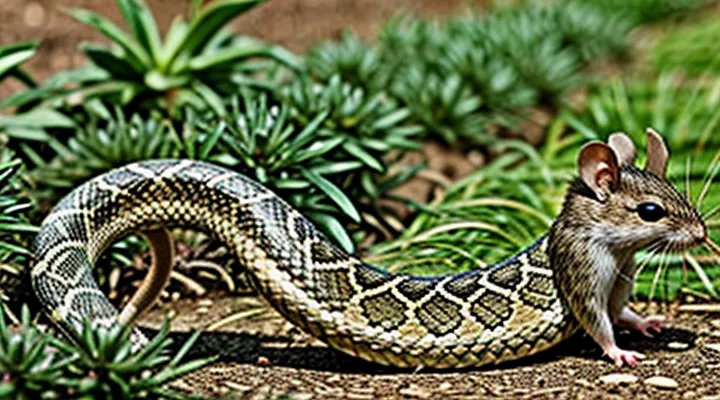
Understanding Feeder Mice
Why Use Feeder Mice?
Nutritional Value for Snakes
Mice provide a balanced source of protein, fat, and essential micronutrients that meet the dietary requirements of most captive snakes. The average adult mouse contains approximately 60 % lean muscle, delivering 20–25 g of high‑quality protein per 100 g of body weight. This protein supplies the amino acids necessary for growth, skin shedding, and muscle maintenance.
Key nutritional components delivered by a typical mouse include:
- Protein: 20–25 g per 100 g, rich in essential amino acids.
- Fat: 5–10 g per 100 g, supplying energy and supporting hormone synthesis.
- Calcium: 0.5–0.8 % of body weight, critical for bone health and egg production in females.
- Phosphorus: 0.3–0.5 % of body weight, maintaining the calcium‑phosphorus ratio essential for metabolic balance.
- Vitamins A, D, E, K: Present in trace amounts, supporting vision, immune function, and calcium metabolism.
- Minerals (iron, zinc, magnesium): Contribute to enzymatic activity and overall physiological stability.
When acquiring mice for serpentine diets, select suppliers that guarantee humane breeding and consistent nutritional profiles. Frozen–thawed rodents preserve most nutrients while eliminating parasites; rapid thawing in a refrigerator minimizes protein denaturation. Feeding whole prey maintains natural calcium‑phosphorus ratios, whereas gut‑loaded mice can augment vitamin and mineral intake for species with specific requirements.
Convenience and Accessibility
Purchasing mice for snake feeding has become straightforward thanks to a range of distribution channels that prioritize speed and ease of access. Online retailers dominate the market, offering extensive catalogs, detailed product descriptions, and filtered searches that match mouse size to snake species. Most platforms provide same‑day processing, tracked shipping, and insulated packaging that preserves the prey’s condition during transit. Prices are transparent, with bulk discounts displayed clearly on product pages.
Physical pet stores complement e‑commerce by stocking live, frozen, and pre‑killed mice in various sizes. Store locations in urban and suburban areas reduce travel time, while in‑store staff can advise on appropriate prey dimensions and handling techniques. Specialty reptile expos and local breeders add further options, often supplying freshly hatched rodents and allowing direct negotiation of supply schedules.
Key factors that enhance convenience and accessibility include:
- Multiple payment methods (credit cards, digital wallets, store credit)
- Subscription services that automatically replenish stock at set intervals
- Mobile apps that send push notifications for restock alerts and order tracking
- Flexible delivery choices, such as standard shipping, express courier, or local pickup
- Clear return policies for damaged or unsuitable shipments
Using the purchased mice efficiently depends on proper storage and preparation. Frozen rodents should be kept in a dedicated freezer at –18 °C or lower; thawing in a refrigerator for 24 hours prevents temperature shock. Live mice require secure, ventilated containers with bedding and a temperature range matching the prey’s natural habitat. Feeding instructions, including recommended prey size relative to the snake’s girth, are typically included on packaging or product pages, eliminating the need for external references.
Types of Feeder Mice
Live vs. Frozen-Thawed
Feeding rodents to serpents involves choosing between live and frozen‑thawed prey. Each option presents distinct considerations for health, handling, and logistics.
Live mice provide movement that stimulates natural hunting instincts. They can encourage exercise and mental engagement, especially for species that rely on strike response. However, live prey carries a risk of injury; aggressive rodents may bite or stress the snake, potentially causing wounds or infections. Maintaining a live supply demands continuous breeding or reliable vendors, increasing cost and space requirements. Temperature control is critical to prevent overheating or premature death, which can compromise nutritional quality.
Frozen‑thawed mice eliminate most injury hazards. Once thawed, they can be offered without the possibility of biting, reducing stress for both animal and keeper. Freezing preserves nutrients when performed promptly after euthanasia; proper thawing retains protein, fat, and vitamin content. Storage in a deep‑freeze unit allows bulk purchasing, lowering per‑unit expense. Drawbacks include the need for a freezer, thawing schedule, and occasional loss of scent cues that trigger feeding in some snakes. Improper thawing—using microwaves or leaving at room temperature too long—may degrade texture and increase bacterial growth.
When deciding, evaluate the following factors:
- Species‑specific feeding response
- Availability of reputable live‑rodent breeders versus frozen‑rodent suppliers
- Facility capacity for live‑animal housing or deep‑freeze storage
- Budget constraints and frequency of feeding
- Risk tolerance for injury or stress
For snakes that readily accept motionless prey, frozen‑thawed mice generally provide a safer, more economical, and nutritionally reliable solution. Species that exhibit strong strike drives or require live movement for successful feeding may benefit from occasional live offerings, provided that proper handling protocols are in place. Balancing these elements ensures optimal health and consistent feeding outcomes.
Sizes and Age Stages
When selecting feeder mice, match the animal’s size and developmental stage to the snake’s dimensions and feeding habits.
-
Newborn (pinkie) mice: Length 1–1.5 in (2.5–3.8 cm), weight 1–2 g. Suitable for hatchlings, small juveniles, and species with a maximum prey width of 0.5 in. Offer 1–2 pinkies per feeding; prey is quickly consumed, reducing waste.
-
Juvenile mice: Length 1.5–2.5 in (3.8–6.4 cm), weight 3–5 g. Appropriate for snakes that have outgrown pinkies but are still under 12 in in total length. Provide 1–2 juveniles per meal; larger snakes may take multiple individuals.
-
Adult mice: Length 2.5–3.5 in (6.4–9 cm), weight 6–12 g. Intended for medium‑to‑large snakes with a gape of 0.8 in or more. Feed 1–2 adults, or a single mouse for larger constrictors.
-
Large or “big” mice: Length 3.5–4.5 in (9–11.5 cm), weight 13–20 g. Reserved for substantial species such as boas, pythons, and large colubrids. One mouse per feeding generally suffices; larger specimens may require two.
Key considerations:
- Gape measurement: The prey’s widest point should not exceed 75 % of the snake’s head width.
- Growth rate: Younger snakes need more frequent, smaller meals; mature individuals can be fed less often but larger prey.
- Availability: Reputable breeders and pet‑store suppliers label mice by age stage; verify size before purchase to avoid mismatches.
- Storage: Frozen–thawed mice retain nutritional value; maintain a stock of each size to accommodate growth spurts.
By aligning mouse size and age with the snake’s developmental stage, owners ensure efficient digestion, minimize injury risk, and support optimal growth.
Pinkies
Pinkies are newborn mice that have not yet developed fur. Their soft bodies make them ideal for feeding small or newly acquired snakes, reducing the risk of injury to the predator’s mouth and digestive tract.
When selecting a supplier, consider the following criteria:
- Certified breeding facilities that guarantee disease‑free stock.
- Availability of live pinkies in the desired quantity.
- Reliable shipping methods that maintain appropriate temperature.
- Transparent pricing and clear return policies.
Common purchase channels include:
- Specialty reptile retailers with online catalogs.
- Local herpetology clubs that coordinate group orders.
- Direct contracts with licensed rodent farms.
Proper handling and presentation are essential for successful feeding:
- Keep pinkies in a secure, ventilated container separate from adult rodents.
- Warm the enclosure to 28–30 °C (82–86 °F) to mimic natural conditions.
- Offer the mouse to the snake using tweezers or a feeding hook, positioning it at a slight angle to encourage a strike.
- Observe the snake for a complete ingestion; if the mouse is rejected, do not force it.
Storage guidelines:
- Use pinkies within 24 hours of arrival to preserve vitality.
- If a delay is unavoidable, keep them in a cool, dark incubator at 20–22 °C (68–72 °F) and provide a small water source.
- Discard any mouse that shows signs of illness or lethargy.
Feeding frequency depends on the snake’s size and metabolism. Juvenile species typically require pinkies every 5–7 days, while larger specimens transition to weanlings or adult rodents as they grow. Monitoring weight gain and shedding patterns helps adjust the schedule.
By sourcing healthy pinkies from reputable vendors and following precise handling protocols, snake owners ensure optimal nutrition and minimize stress for both predator and prey.
Fuzzies
Fuzzies are neonate rodents, typically 2–4 days old, that serve as the smallest prey option for newly acquired or juvenile serpents. Their diminutive size and soft bodies reduce the risk of injury to the snake’s oral cavity while delivering essential protein and moisture.
Breeders and specialty reptile retailers supply fuzzies in sealed containers that maintain temperature and humidity. Reliable sources include:
- Certified rodent farms that ship live neonates under USDA‑approved conditions.
- Local reptile expos where vendors display live colonies for immediate purchase.
- Online platforms dedicated to reptile nutrition, offering scheduled deliveries and bulk discounts.
When acquiring fuzzies, verify the following criteria:
- Temperature range of 85–90 °F (29–32 °C) inside the transport box.
- Absence of visible illness, such as discharge or lethargy.
- Confirmation that the colony is free of parasites through a health certificate.
Handling procedures minimize stress for both predator and prey. Place the container in a quiet area, allow the neonates to acclimate for 10–15 minutes, then use a pair of tweezers to transfer a single fuzzie into the snake’s enclosure. Observe the strike; if the snake rejects the prey, remove it promptly to prevent unnecessary suffering.
Feeding frequency depends on the snake’s age and species. For hatchlings, offer one fuzzie every 5–7 days; larger juveniles may accept two to three per feeding. Monitor growth rates and adjust portions accordingly. After the meal, clean the enclosure of any uneaten prey to maintain hygiene.
Storing surplus fuzzies requires a secondary incubator set at 85 °F with 70 % relative humidity. Rotate the stock every 48 hours to ensure freshness, discarding any individuals that exhibit signs of illness. This practice sustains a ready supply of appropriately sized prey for ongoing snake development.
Hoppers
Hoppers are the primary containers for storing and dispensing live or frozen rodents intended for reptile diets. Their design combines durability, ventilation, and secure locking mechanisms to prevent escape while maintaining a stable environment.
When selecting a hopper, consider the following factors:
- Material: High‑density polyethylene or reinforced glass provides resistance to bite marks and chemical exposure.
- Size: Choose a volume that accommodates the expected number of rodents plus a margin for growth; a 10‑liter model suits most household setups.
- Ventilation: Mesh panels or drilled holes ensure adequate airflow, reducing humidity and odor buildup.
- Accessibility: Removable trays or hinged lids simplify cleaning and allow quick removal of prey.
Purchasing options include specialized reptile supply retailers, online marketplaces, and bulk distributors. Compare unit price, shipping costs, and return policies; bulk purchases often lower per‑unit expense but require storage space.
Proper use of a hopper involves a consistent routine:
- Place the hopper in a location free from direct sunlight and temperature extremes.
- Add a substrate of paper towels or reptile‑safe sand to absorb moisture and waste.
- Introduce rodents in small batches, observing for signs of stress or injury.
- Monitor temperature using a digital probe; ideal ranges are 70–80 °F for most species.
- Clean the hopper weekly: remove dead prey, replace substrate, and disinfect with a reptile‑safe sanitizer.
Integrating a well‑chosen hopper into the feeding workflow minimizes loss of prey, reduces handling time, and supports the health of serpentine pets.
Adults
Adult mice serve as primary prey for many medium‑ to large‑bodied snakes. Their body mass closely matches the natural diet of species such as corn snakes, ball pythons, and king boas, allowing efficient energy transfer and minimizing the risk of injury during ingestion.
Typical sources for acquiring adult rodents include:
- Local pet supply chains that stock frozen or live mice in the appropriate size range.
- Dedicated reptile‑focused retailers, both brick‑and‑mortar and e‑commerce platforms, offering guaranteed health certifications.
- Established breeding facilities that raise mice specifically for feeding purposes; these often provide bulk pricing and consistent quality.
- Community marketplaces where hobbyists sell surplus stock; verify quarantine status before purchase.
Preparation and feeding guidelines:
- Store frozen mice at –18 °C or lower; maintain a separate freezer for reptile food to avoid cross‑contamination.
- Thaw individual portions in a sealed bag placed in a refrigerator for 12–24 hours, or use a controlled water bath set to 30 °C for rapid thawing.
- Inspect each mouse for signs of disease, excessive fur loss, or deformities before offering it to the snake.
- Present the mouse whole, allowing the snake to strike naturally; avoid pre‑cutting or forcing the prey, which can cause stress.
- Match prey size to the snake’s girth: the mouse should be no wider than the snake’s mid‑body to ensure safe swallowing.
- Adjust feeding frequency based on the snake’s age, species, and health status; adult snakes typically require one mouse every 10–14 days.
Adhering to these procurement and handling practices ensures reliable nutrition, supports growth, and reduces health complications for captive serpents.
Sourcing Feeder Mice
Reputable Suppliers
Online Retailers
When sourcing feeder rodents for serpents, reputable e‑commerce platforms provide the most reliable access to a variety of sizes and species. Established sites maintain strict quality controls, guarantee live‑delivery integrity, and often include detailed care instructions alongside each product listing.
Key considerations for selecting an online supplier:
- Live‑delivery guarantee – Assurance that mice arrive alive and unharmed, typically backed by a refund or replacement policy.
- Size range – Availability of neonates, juveniles, and adult rodents to match the snake’s growth stage.
- Health certification – Documentation confirming disease‑free status and appropriate breeding conditions.
- Shipping speed and packaging – Rapid, temperature‑controlled transport with secure containment to minimize stress.
- Customer reviews – Aggregated feedback indicating consistent performance and responsive support.
Prominent retailers meeting these criteria include:
- Backyard Reptiles – Nationwide distribution, live‑delivery option, extensive size catalog.
- Snake‑Supplies.com – Specialized in reptile nutrition, offers bulk discounts and health guarantees.
- Amazon’s pet section – Multiple vetted vendors, fast shipping, detailed product metrics.
- Petco Online – Brick‑and‑mortar integration ensures in‑store pickup if preferred, consistent quality checks.
- Chewy – Subscription service for regular feeder rodent shipments, transparent health documentation.
Effective use of purchased mice requires proper acclimation before feeding. Allow a minimum of one hour for the rodent to recover from transport, verify activity levels, and ensure it is free of visible injuries. Store surplus rodents in a secure, ventilated container with appropriate bedding, and maintain a temperature range of 70–80 °F to preserve health. Feed the snake using a calibrated pair of tongs to prevent accidental bites, and monitor the prey’s movement to confirm successful ingestion.
By adhering to these guidelines and selecting a vetted online retailer, snake owners can maintain a steady supply of suitable feeder mice while minimizing risk to both predator and prey.
Local Pet Stores
Local pet stores remain a reliable option for acquiring live or frozen rodents suitable for snake nutrition. Most establishments stock a variety of mouse sizes—fry, juvenile, and adult—allowing owners to match prey size to the snake’s girth and age. When selecting live mice, verify that the animals appear active, have clean fur, and show no signs of illness. For frozen options, choose products sealed in airtight packaging and labeled with a clear “thawed before feeding” instruction.
Key considerations when purchasing from a neighborhood retailer:
- Confirm that the store adheres to local health regulations and maintains a pest‑free environment.
- Ask staff about the source of the rodents; reputable suppliers use breeding colonies free of parasites.
- Inquire about the availability of pre‑gut‑loaded mice, which contain nutrients that supplement the snake’s diet.
- Request information on the store’s return policy in case of compromised stock.
Storage and preparation guidelines:
- Transfer frozen mice to a dedicated freezer; keep them at –18 °C or lower to preserve nutritional value.
- Thaw mice in a refrigerator for 12–24 hours before use; avoid room‑temperature thawing to prevent bacterial growth.
- Rinse thawed rodents with cool water and pat dry to eliminate excess moisture that could cause regurgitation.
- Offer the mouse to the snake in a clean, escape‑proof container; monitor the feeding session for successful ingestion.
Local pet shops also provide immediate assistance. Employees can advise on appropriate prey size, recommend feeding frequencies based on species, and supply supplemental items such as feeding tongs and containment boxes. Building a relationship with a trusted retailer ensures consistent access to high‑quality rodents and reduces the risk of supply interruptions.
Breeders and Hobbyists
Breeders and hobbyists represent the most reliable sources for live or frozen rodents intended for snake nutrition. They maintain colonies specifically for reptile feeding, ensuring consistent availability of appropriately sized prey.
To locate reputable suppliers, consider the following channels:
- Dedicated reptile forums where members share contact information for local breeders.
- Regional herpetology clubs that organize monthly meet‑ups and maintain member directories.
- Specialty expos and trade shows featuring vendors with on‑site rodent colonies.
- Online marketplaces that specialize in reptile supplies, provided they display health certifications and customer reviews.
When evaluating a potential vendor, verify these criteria:
- Health status of the rodents—absence of parasites, clear eyes, and normal activity.
- Size grading aligned with the snake’s head width to prevent injury.
- Age range appropriate for the species being fed, typically neonates for small snakes and juveniles for larger specimens.
- Documentation of breeding practices, including diet and housing conditions.
Proper use of purchased mice includes a brief quarantine period of 24–48 hours to observe for signs of disease. For live feeding, introduce the mouse into a secure container and allow the snake to strike naturally; avoid handling the prey to reduce stress. If using frozen-thawed rodents, follow these steps:
- Thaw in a refrigerator overnight to maintain tissue integrity.
- Rinse briefly with lukewarm water to remove excess ice.
- Warm to ambient temperature before offering, ensuring the snake does not ingest cold meat.
Adhering to these guidelines maximizes the nutritional benefit of feeder mice while minimizing health risks for both predator and prey.
Ethical Considerations
Humane Sourcing Practices
Feeder mice must originate from operations that prioritize animal welfare to ensure safe, nutritious prey for reptiles. Certified breeders adhere to strict protocols: animals are raised in spacious cages, provided with enrichment, and monitored for health throughout development.
Key components of humane sourcing include:
- Traceable supply chains – each batch is documented from birth to delivery, allowing owners to verify origin and breeding conditions.
- Veterinary oversight – regular health assessments detect parasites, diseases, and genetic abnormalities before mice enter the market.
- Humane euthanasia – approved methods, such as CO₂ exposure followed by immediate secondary killing, prevent distress and preserve tissue quality.
- Avoidance of wild capture – reliance on captive‑bred stock eliminates ecological impact and reduces exposure to pathogens carried by wild rodents.
Reputable suppliers provide certificates of health and breeding practices upon request. Selecting vendors that publish these records demonstrates commitment to ethical standards and supports consistent prey quality for snake nutrition.
Quality Control and Health Standards
When purchasing live or frozen rodents for reptile diets, strict quality control safeguards both the prey and the predator. Suppliers must verify species identification, age, and weight to match the snake’s nutritional requirements. Documentation should include batch numbers, source farm certifications, and expiration dates for frozen products.
Key health standards include:
- Pathogen screening – routine testing for salmonella, leptospira, and parasites; results attached to each lot.
- Hygiene protocols – cage sanitation, pest‑free environments, and use of disposable bedding to prevent cross‑contamination.
- Nutrient consistency – guaranteed protein, fat, and calcium levels; optional enrichment with gut‑loaded insects or vitamin‑D supplements.
- Traceability – complete chain‑of‑custody records from breeder to retailer, enabling swift recalls if abnormalities arise.
Compliance with USDA‑APHIS guidelines, ISO 9001 quality‑management systems, and local veterinary regulations ensures that the prey meets safety criteria, reduces the risk of disease transmission, and supports optimal growth and health in captive snakes.
Storing Feeder Mice
Live Mouse Care
Live mice destined for snake feeding require conditions that preserve their health and prevent stress. Adequate housing includes a secure cage with ventilation, a solid floor, and a temperature range of 20‑25 °C. Provide a nesting material such as shredded paper to allow natural behavior while avoiding excessive bedding that can cause entanglement.
Nutrition must remain consistent. Feed mice a balanced grain‑based diet supplemented with occasional protein sources; avoid sudden dietary changes that could disrupt gut flora. Fresh water should be available at all times, delivered in a shallow dish to prevent drowning.
Health monitoring is essential. Inspect each mouse daily for signs of illness: lethargy, abnormal discharge, or respiratory sounds. Isolate any animal exhibiting symptoms to protect the colony. Perform routine cleaning of the enclosure, replacing bedding and sanitizing surfaces weekly with a mild disinfectant that does not leave residue.
Handling procedures reduce injury risk. Use gentle, swift movements; grasp the mouse at the base of the tail with a gloved hand, supporting the body to prevent spinal stress. Release the animal into the snake’s enclosure promptly to limit exposure time.
Key care practices
- Secure, ventilated cage with solid floor
- Temperature maintained at 20‑25 °C
- Minimal, non‑entangling bedding
- Consistent grain‑based diet, occasional protein supplement
- Fresh water in shallow container
- Daily health checks; isolate sick individuals
- Weekly full cleaning and disinfection
- Gentle, tail‑base handling with gloves
Adhering to these protocols ensures that live rodents remain viable, nutritious prey for reptile feeding programs.
Frozen-Thawed Mouse Storage
Proper storage of frozen‑thawed mice is essential for maintaining nutritional value and preventing contamination when feeding serpents. Store mice in a dedicated freezer set to –20 °C (–4 °F) or lower; temperatures above this range accelerate lipid oxidation and bacterial growth. Use airtight, food‑grade containers or heavy‑duty freezer bags, removing as much air as possible to minimize freezer burn. Label each package with species, weight, and date of freezing; retain records for at least six months to track inventory and ensure rotation.
When ready to feed, transfer the required number of mice to a refrigerator (2–4 °C) for 12–24 hours, allowing gradual thawing. Avoid direct exposure to room temperature, which can cause uneven thawing and bacterial proliferation. After thawing, inspect each mouse for discoloration, foul odor, or excess moisture; discard any compromised specimens. Keep thawed mice on a clean, refrigerated tray and use within 24 hours. If feeding is delayed beyond this period, refreeze promptly, noting the additional freeze‑thaw cycle on the label.
Key practices for safe frozen‑thawed mouse handling:
- Maintain freezer temperature at or below –20 °C continuously.
- Employ vacuum‑sealed or zip‑lock bags with excess air removed.
- Record species, weight, freeze date, and batch number on each package.
- Thaw in a refrigerator, not at ambient temperature.
- Use thawed mice within 24 hours; discard any showing signs of spoilage.
- Limit total freeze‑thaw cycles to two per specimen to preserve nutrient integrity.
Adhering to these protocols ensures that each mouse retains its nutritional profile and remains free from pathogens, supporting the health and growth of captive snakes.
Freezer Requirements
When storing feeder rodents for reptile nutrition, the freezer must meet specific standards to preserve animal quality and prevent health risks.
A reliable freezer should maintain a constant temperature at or below ‑18 °C (0 °F). Temperatures above this threshold accelerate tissue degradation and increase bacterial growth, compromising the safety of the prey.
Temperature stability is as critical as the set point. Fluctuations of more than 2 °C can cause partial thawing, leading to moisture accumulation and freezer burn. Choose a model with a digital thermostat and an alarm that signals deviations.
Capacity considerations depend on the volume of rodents purchased. Overcrowding reduces air circulation, causing uneven cooling. Arrange packages on separate shelves, leaving at least 5 cm of space between items.
Sanitation practices include:
- Cleaning the interior with a food‑grade sanitizer before the first use.
- Removing spills immediately to avoid cross‑contamination.
- Using sealed, airtight containers or heavy‑duty freezer bags to limit exposure to air.
Defrosting procedures for frozen rodents should be performed in a refrigerator set to 4 °C (40 °F) for 12–24 hours, ensuring a gradual thaw that preserves tissue integrity. Rapid thawing in warm water can cause bacterial proliferation.
Power reliability is essential. Connect the unit to an uninterruptible power supply (UPS) or install a backup generator if frequent outages occur. A temperature data logger can document conditions, providing evidence of compliance with handling protocols.
By adhering to these requirements, the freezer becomes a dependable component of a safe and efficient feeding system for snakes.
Shelf Life
Feeder mice remain viable for a limited period once they leave the breeding facility. Fresh‑killed rodents retain nutritional value for 24–48 hours at room temperature; beyond this window bacterial growth accelerates and vitamin degradation becomes measurable.
Proper storage extends usability:
- Refrigeration (2–4 °C): 3–5 days for freshly killed mice; 7 days for frozen‑thawed specimens.
- Freezing (‑18 °C or lower): 6 months for whole mice, 12 months for pre‑cut portions. Thaw in a refrigerator, not at ambient temperature, to prevent rapid spoilage.
- Vacuum‑sealed packaging: adds 1–2 months to refrigerated life and up to 3 months to frozen life by limiting oxygen exposure.
Visible discoloration, odor, slime, or a soft texture indicate loss of freshness and potential health risk. Feeding compromised rodents can introduce pathogens to snakes and diminish digestive efficiency.
When ordering, calculate required quantity against the longest realistic storage interval. For example, a weekly feeding schedule using one mouse per day should not exceed a three‑day refrigerated supply; otherwise, purchase in bulk, freeze, and thaw incrementally. Selecting suppliers that ship frozen mice in insulated containers ensures the product arrives within the optimal temperature range, preserving shelf life from point of sale to the end user.
Preparing and Feeding
Thawing Frozen Mice
Safe Thawing Methods
When frozen rodents are required for reptile nutrition, they must be brought to a safe temperature before offering them to a snake. The thawing process should preserve the prey’s structural integrity, prevent bacterial contamination, and avoid overheating that could damage the animal’s tissues.
- Transfer the sealed package from the freezer to a refrigerator set at 2–4 °C (35–39 °F). Allow 12–24 hours for gradual thawing; this method maintains low temperatures and limits microbial growth.
- For quicker results, place the sealed bag in a bowl of cold tap water. Change the water every 10 minutes and monitor the prey until it is pliable but still cool to the touch; the process typically takes 30–45 minutes.
- Use a microwave only as a last resort. Set the device to the lowest power level, heat in 5‑second bursts, and rotate the prey between bursts. Stop as soon as the mouse is just above freezing; excessive heat can cause tissue rupture and create hot spots.
After thawing, inspect the mouse for any signs of discoloration or odor. Pat the surface dry with a paper towel, then keep the prey refrigerated if it will not be fed within two hours. Discard any portion that remains at room temperature for longer than 30 minutes to prevent bacterial proliferation. Following these steps ensures that the prey is safe, nutritious, and ready for immediate use.
Temperature Considerations
When supplying rodents to a reptile, the temperature of the prey directly influences digestion and safety. Live feeder mice should be kept at a temperature that mirrors their natural environment, typically between 68 °F and 78 °F (20 °C–26 °C). This range prevents stress‑induced aggression while maintaining the mouse’s metabolic activity, ensuring the snake receives a nutritionally viable meal.
For frozen or refrigerated rodents, temperature control during storage and thawing is critical. Recommended practices include:
- Store frozen mice at –20 °F (–29 °C) or lower to preserve tissue integrity.
- Keep refrigerated mice at 35 °F–40 °F (2 °C–4 °C) for short‑term use, never exceeding 45 °F (7 °C).
- Thaw frozen prey in a sealed container placed in a refrigerator (35 °F–40 °F) for several hours, then bring to room temperature (68 °F–72 °F) before offering.
Feeding temperature also affects the snake’s body heat regulation. Present the mouse on a surface that matches the enclosure’s basking zone, usually 85 °F–95 °F (29 °C–35 °C). A cooler surface can cause the snake to reject the prey, while an excessively hot environment risks burns and rapid digestion complications.
Consistent monitoring of both prey and enclosure temperatures ensures optimal feeding performance and minimizes health risks for the reptile.
Feeding Techniques
Tongs vs. Hand-Feeding
When offering live prey to a reptile, the choice between using feeding tongs and presenting the mouse by hand influences both safety and efficiency.
Tongs provide a physical barrier between the handler and the animal. They allow precise placement of the mouse at the snake’s strike zone, reduce the risk of accidental bites, and keep the handler’s hands clean of saliva or blood. Stainless‑steel or nylon‑coated tongs are durable, easy to sterilize, and compatible with various prey sizes. The main drawback is reduced tactile feedback; the snake may be less inclined to strike if the prey appears unnatural, requiring practice to mimic natural movement.
Hand‑feeding eliminates the visual obstruction of a tool, often encouraging a more vigorous strike. Direct contact can be advantageous for small or reluctant snakes that respond better to the warmth and scent of a human hand. The technique demands steady grip, protective gloves, and awareness of the snake’s defensive posture. Improper handling may result in bites, exposure to pathogens, or stress for the animal.
Key considerations for deciding between the methods:
- Species temperament: aggressive or large specimens favor tongs; docile, small snakes may accept hand‑feeding.
- Prey size: larger mice are cumbersome to hold, making tongs safer.
- Handler experience: beginners benefit from the extra safety margin tongs provide.
- Hygiene requirements: tongs simplify cleaning after feeding sessions.
Both approaches can coexist in a feeding regimen. Rotating between tongs and hand‑feeding can prevent prey aversion and maintain the snake’s hunting instincts while preserving handler safety.
Encouraging a Feeding Response
Feeding response describes a snake’s immediate strike toward a perceived prey item. Successful feeding hinges on presenting the mouse in a manner that triggers the snake’s natural predatory instincts.
Key variables include prey temperature, size relative to the snake, and movement pattern. A mouse warmed to the snake’s optimal body temperature (approximately 28–30 °C) mimics a live target, while a size that fits comfortably within the snake’s gape prevents hesitation. Subtle, erratic motions generated with feeding tongs or a small rod reinforce the illusion of life.
Practical steps to elicit a strike:
- Warm frozen‑thawed mice for 15–20 minutes in a water bath set to 30 °C.
- Attach the mouse to a feeding tongs; swing gently to create side‑to‑side motion.
- Position the prey at the snake’s head level, avoiding direct eye contact that may cause stress.
- Allow the snake a brief pause before presenting the mouse; sudden exposure can suppress the response.
- Observe for a strike within 30 seconds; if none occurs, repeat the motion once before considering a live feed.
Reliable sources for appropriately sized mice include certified reptile breeders, specialty pet retailers, and accredited online vendors. Verify that suppliers maintain health certifications and offer size grading to match the snake’s dimensions.
Safety measures demand supervision during each feeding session, immediate removal of uneaten prey to prevent injury, and regular assessment of the snake’s weight and condition to adjust prey size and frequency accordingly.
Handling Refusal
Snakes that decline offered rodents often signal stress, health concerns, or unsuitable prey. Identifying the underlying cause prevents prolonged hunger and reduces the risk of regurgitation.
Common factors include temperature below optimal range, recent shedding, recent relocation, and incorrect prey size. Verify enclosure heat gradients, ensure humidity is appropriate, and confirm the snake has completed ecdysis before presenting new mice.
To encourage feeding after a refusal, follow these steps:
- Adjust ambient temperature by 2–3 °C above the species‑specific target.
- Offer a freshly thawed mouse rather than a frozen one; the scent of a live prey item increases interest.
- Reduce the mouse’s size to no more than one‑third of the snake’s girth.
- Present the mouse using tongs to simulate natural movement.
- Limit the feeding window to 15–20 minutes; remove the prey if the snake shows no interest.
- Monitor for signs of illness (lethargy, respiratory discharge) and consult a veterinarian if symptoms persist.
When sourcing rodents, prioritize reputable breeders, local reptile supply stores, or certified online vendors that guarantee disease‑free mice. Choose suppliers that provide size classifications and allow bulk orders for consistency.
Prepare the mouse by thawing in a refrigerator for 12–24 hours, then warming briefly in a sealed bag at room temperature. Remove any excess moisture, then present the prey whole to preserve natural scent cues. Consistent handling of the prey and adherence to temperature guidelines reduce the likelihood of future refusals.
Feeding Frequency and Quantity
Snake Species-Specific Needs
Feeding rodents to serpents requires matching prey size, developmental stage, and feeding frequency to each species’ biology. Inadequate sizing leads to regurgitation, while oversized prey increases stress and injury risk.
- Corn snake (Pantherophis guttatus): 1‑inch pinkie for hatchlings, 2‑inch mouse for juveniles, 3‑inch mouse for adults. Feed every 5‑7 days.
- Ball python (Python regius): 1‑inch pinkie for neonates, 2‑inch mouse for juveniles, 3‑inch mouse for adults. Feed every 7‑10 days.
- King snake (Lampropeltis spp.): 1‑inch pinkie for hatchlings, 2‑inch mouse for sub‑adults, 4‑inch mouse for large adults. Feed every 5‑7 days.
- Garter snake (Thamnophis spp.): 1‑inch pinkie for young, 2‑inch mouse for mature individuals. Feed every 3‑5 days.
Prey condition matters. Frozen‑thawed mice retain essential nutrients and eliminate pathogen risk when properly thawed in a refrigerator for 12‑24 hours and rinsed with warm water before offering. Live rodents are reserved for species that demonstrate natural hunting behavior; however, they increase injury potential and should be supervised.
Select suppliers that label mice by weight and age, provide consistent grading, and guarantee humane handling. Verify that frozen stock originates from USDA‑approved facilities and includes a guarantee of no added hormones or antibiotics.
Implement a feeding schedule that aligns with the snake’s metabolic rate: younger snakes require more frequent meals, while adults sustain longer intervals. Record prey size, date, and acceptance in a log to detect shifts in appetite that may signal health issues.
Adhering to species‑specific prey guidelines optimizes growth, minimizes digestive complications, and supports long‑term vitality.
Monitoring Weight and Growth
Monitoring the weight and growth of mice designated for reptile feeding ensures that snakes receive appropriately sized prey and that the rodents remain healthy until consumption. Accurate data support efficient procurement, reduce waste, and prevent nutritional imbalances for the predator.
- Weigh each mouse at the time of acquisition using a digital scale with at least 0.1 g precision. Record the initial mass in a logbook or spreadsheet.
- Measure body length (nose‑to‑tail) with a flexible ruler. Combine length and weight to assess condition factor.
- Re‑weigh and re‑measure weekly for juvenile batches; bi‑weekly for adult stock. Consistent intervals reveal growth trends and detect stagnation early.
- Calculate daily weight gain: (current weight – initial weight) ÷ days elapsed. Positive values indicate healthy development; negative values signal health issues or inadequate diet.
- Compare growth rates against species‑specific benchmarks (e.g., house mouse average 0.5 g/day for 4‑week‑old individuals). Deviations prompt adjustments in feed composition or environmental conditions.
- Maintain temperature and humidity within optimal ranges (20‑25 °C, 40‑60 % RH) to promote normal metabolism. Log environmental parameters alongside weight data.
- Cull or segregate mice that exceed the size appropriate for the target snake species. Oversized prey can cause injury or refusal to feed.
Documenting these metrics in a centralized system allows quick retrieval for ordering decisions, ensuring that suppliers provide mice that meet the recorded size specifications. Regular review of the dataset facilitates predictive ordering, minimizing the risk of shortages or excess inventory.
Potential Issues and Solutions
Regurgitation
Regurgitation occurs when a snake expels a recently ingested mouse before digestion is complete. It signals a physiological mismatch between prey size, temperature, or handling stress and can lead to loss of nutrition and potential injury to the animal.
Undersized or oversized rodents increase the likelihood of this response. A mouse that is too large stretches the esophagus, while a mouse that is too small may be rejected if the snake does not recognize it as a suitable meal. Maintaining the prey‑to‑snake weight ratio between 5 % and 10 % prevents most incidents.
Purchasing live or frozen mice from reputable breeders or specialized reptile suppliers ensures consistent size, health status, and appropriate species. Select vendors that:
- Provide weight specifications for each batch.
- Guarantee disease‑free rodents.
- Offer frozen‑thawed options for temperature control.
Before offering the mouse, warm it to the snake’s optimal feeding temperature (typically 28–30 °C). Hold the prey gently, allowing the snake to strike naturally, and avoid excessive manipulation that could trigger stress‑induced vomiting.
If regurgitation occurs, assess the snake’s temperature, prey size, and handling method. Adjust future feedings by reducing prey weight, increasing ambient temperature, and minimizing handling time. Consistent adherence to these practices reduces the frequency of premature expulsion and supports effective nutrition.
Refusal to Eat
Snakes may reject offered mice for several physiological and environmental reasons. Stress from recent handling, inappropriate temperature gradients, or a mismatch between prey size and the snake’s current metabolic state often triggers refusal. Illness, dehydration, or a recent shedding cycle can also suppress appetite. Identifying the underlying cause before adjusting feeding practices prevents unnecessary stress and potential health decline.
When a snake consistently declines rodents, follow a systematic approach:
- Verify enclosure temperature: maintain a basking spot 5–10 °F above the ambient zone appropriate for the species.
- Check humidity levels: avoid excess moisture that may impede respiratory function.
- Assess prey size: offer mice no larger than one‑third of the snake’s girth.
- Ensure prey freshness: frozen‑thawed mice should be fully defrosted and warmed to the snake’s body temperature.
- Limit handling: reduce human interaction for 24–48 hours prior to feeding.
If environmental parameters are optimal and the snake still refuses, consider alternative prey types such as chicks, rats, or appropriately sized feeder insects, depending on the species’ natural diet. Gradual substitution, beginning with a familiar scent or a small live mouse, can re‑stimulate predatory response.
Acquiring suitable rodents involves selecting reputable suppliers that guarantee disease‑free stock and consistent size grading. Bulk orders from established reptile‑specialty distributors often reduce cost per unit and ensure regular availability. Verify that the supplier adheres to humane euthanasia methods, as stress‑free prey improves acceptance rates.
Preparing the mouse for presentation includes:
- Thawing frozen specimens in a sealed container at ambient temperature for 30–45 minutes.
- Placing the thawed mouse in a warm water bath (approximately 95 °F) for 2–3 minutes to raise its surface temperature.
- Removing excess moisture with a paper towel to prevent soggy skin that may deter the snake.
Implementing these measures addresses most common causes of feeding refusal, supports the snake’s nutritional needs, and maximizes the efficacy of purchased rodents as a reliable food source.
Overfeeding and Underfeeding
Overfeeding and underfeeding are critical variables when providing rodent prey to serpents. Excessive portions increase the risk of digestive complications, such as regurgitation and impaction, while insufficient meals lead to weight loss, slowed metabolism, and weakened immune response.
Guidelines to maintain proper nutrition:
- Determine prey size: the mouse should not exceed 10‑15 % of the snake’s body length or 1 % of its weight.
- Adjust frequency by species and age: juveniles typically require prey every 5‑7 days, adults every 10‑14 days, and large specimens may be fed monthly.
- Monitor body condition: a visible dorsal ridge indicates adequate condition; a pronounced spine or sunken ribs signals underfeeding, whereas a bloated abdomen suggests overfeeding.
- Record intake: log each feeding date, prey type, and observed digestion time to detect trends early.
Implementing these practices ensures that each feeding supports healthy growth without exposing the animal to preventable health issues.