
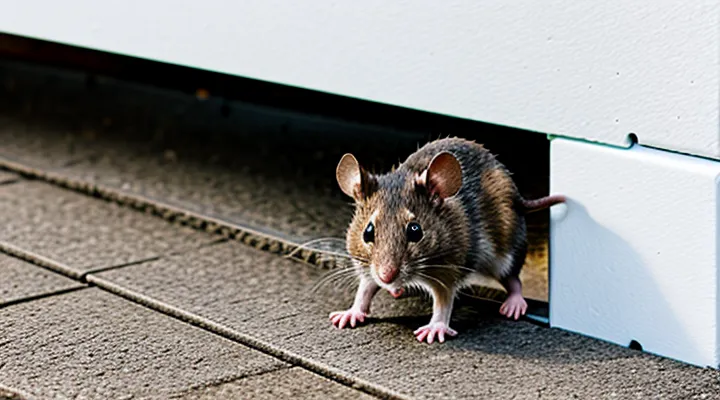
Understanding the Challenge of Mice Between Walls
Why Mice Choose Walls as Hiding Spots
Mice select wall cavities because these spaces provide shelter, food access, and protection from predators. The structural characteristics of walls create an environment that meets several biological needs:
- Temperature stability – interior walls maintain a relatively constant temperature, shielding mice from extreme outdoor heat or cold.
- Concealment – gaps, insulation, and wiring channels hide movement and nests from visual detection.
- Proximity to food sources – walls often border kitchens, pantries, or utility lines, allowing easy foraging without exposing the animal.
- Limited disturbance – human activity within walls is infrequent, reducing the likelihood of interruption.
Understanding these motivations informs the selection of rapid and efficient strategies for removing rodents from wall voids.
Identifying Signs of Mice Infestation in Walls
Sounds of Movement and Scratching
Mice generate audible cues while navigating narrow spaces. The rustle of bedding, the scrape of claws against drywall, and faint squeaks reveal activity within wall cavities. Identifying these sounds confirms the presence of rodents and pinpoints the zones that require intervention.
Artificial noise can disrupt normal foraging behavior. Recordings of predator calls, such as owls or cats, broadcast at intervals create a hostile auditory environment. When the sound reaches the hidden passage, mice interpret it as a threat and retreat toward exposed areas.
Ultrasonic emitters produce frequencies above human hearing range but within the auditory sensitivity of mice. Continuous emission saturates the acoustic field, causing disorientation and reducing the desire to remain in the space. Placement of several units along the length of the wall ensures coverage of the entire cavity.
Mechanical vibration devices generate low‑frequency thuds that mimic the impact of footsteps or construction activity. The resulting tremor travels through the structure, prompting mice to abandon the area to avoid perceived disturbance.
Sound‑based tactics for expelling rodents from wall voids
- Playback of predator vocalizations on a timed loop
- Installation of ultrasonic generators at regular intervals
- Deployment of vibration modules near known entry points
- Use of motion‑activated speakers that emit sudden scrapes when activity is detected
Each method relies on the mouse’s heightened auditory perception. By flooding the concealed environment with unsettling sounds, the rodents are compelled to seek alternative routes, ultimately leaving the wall space.
Odors and Droppings
Odors and droppings are primary indicators of rodent activity within wall cavities. Their presence signals food sources, nesting sites, and potential health hazards, all of which attract additional mice and complicate removal efforts. Recognizing these signs allows for targeted intervention and prevents the spread of contamination.
Effective management includes:
- Immediate removal of droppings with disposable gloves and a HEPA‑rated vacuum or damp cloth; dispose of waste in sealed bags.
- Application of enzymatic cleaners to break down urine residues and eliminate lingering smells that draw rodents.
- Installation of odor‑neutralizing agents, such as activated charcoal or commercially available rodent deterrent sprays, directly into affected gaps.
- Sealing entry points after cleaning to block re‑infestation and reduce the scent trail that mice follow.
Consistent monitoring for new deposits and prompt cleaning maintain an environment hostile to rodents, supporting broader strategies to expel them from wall spaces.
Preparation and Safety Measures
Assessing the Severity of the Infestation
Assessing the severity of a mouse intrusion between walls begins with a systematic inspection. Look for gnaw marks on insulation, droppings in concealed spaces, and audible scratching during nighttime hours. Document each finding, noting location, quantity, and apparent age of evidence. Combine these observations to estimate the size of the colony and the potential for structural damage.
Key indicators for severity evaluation:
- Evidence density – high concentration of droppings or gnaw marks suggests a large population.
- Material compromise – chewed wiring, insulation thinning, or damaged plaster indicates immediate risk to safety and energy efficiency.
- Access points – multiple entry holes or gaps increase the likelihood of rapid reinfestation.
- Health concerns – presence of urine stains or contaminated food sources raises the urgency for intervention.
Summarize the assessment in a concise report that assigns a risk level (low, moderate, high) based on the combined data. Prioritize actions according to this rating, ensuring that rapid and efficient mouse removal strategies are deployed where the threat is greatest.
Essential Tools and Materials
Essential tools for eliminating rodents from wall voids include:
- Snap or electronic traps designed for confined spaces; steel‑shotted models fit narrow gaps.
- Live‑capture cages with smooth interiors to prevent injury during removal.
- Ultrasonic emitters calibrated for wall cavities; frequency range 20–30 kHz disrupts rodent activity.
- Natural repellents such as peppermint oil on cotton pads; replace every 48 hours for sustained effect.
- Steel wool or copper mesh for sealing entry points; compress tightly before insertion.
- Expanding polyurethane foam; apply in small quantities to fill cracks while maintaining structural integrity.
- Sealant caulk resistant to moisture; use for joints and conduit openings.
- Inspection equipment: high‑lumens flashlight, borescope camera, and flexible probe to locate burrows.
- Personal protective equipment: nitrile gloves, safety goggles, and a half‑mask respirator with P100 filter to guard against droppings and insulation fibers.
Additional materials support long‑term prevention:
- Weather‑proof exterior flashing to block roof and eave ingress.
- Sheet metal flashing for vent openings; secure with stainless‑steel screws.
- Concrete‑based mortar for repairing foundation cracks where rodents may nest.
- Rodent‑proof conduit sleeves for electrical and plumbing penetrations.
Selecting the appropriate combination of traps, deterrents, and sealing agents ensures rapid removal and lasting exclusion of mice from concealed wall spaces.
Prioritizing Safety During Eradication
Protecting Pets and Children
When mice occupy the space between walls, the primary concern for families is preventing harm to children and pets while eliminating the infestation.
Physical barriers provide the safest control method. Seal all openings larger than ¼ inch with steel wool, copper mesh, or silicone caulk. Install metal flashing around vents and utility penetrations to block re‑entry. These materials are non‑toxic and cannot be chewed through by rodents, eliminating the need for chemical agents.
Traps should be selected for humane, child‑ and pet‑proof operation. Use snap traps enclosed in a plastic cage or electronic devices that deliver a quick, lethal shock. Place traps behind appliances, inside cabinets, or along wall edges where children cannot reach them. Avoid glue boards, which can cause severe injury if a pet or child contacts them.
If bait is required, choose low‑risk options. Peanut butter or dried fruit can attract mice without posing a poisoning hazard. Position baited traps inside sealed containers that open only when a mouse triggers the mechanism. Never use anticoagulant rodenticides; they present a lethal risk to non‑target animals and require professional handling.
Maintain a clean environment to reduce attraction. Store food in airtight containers, clean crumbs promptly, and manage garbage with sealed lids. Regularly inspect insulation, drywall seams, and pipe openings for signs of gnawing and repair any damage immediately.
Safety checklist
- Seal entry points with metal‑based materials.
- Deploy enclosed snap or electronic traps, out of reach of children and pets.
- Use non‑poisonous bait inside tamper‑proof containers.
- Eliminate food sources and clutter that invite rodents.
- Conduct weekly inspections of wall cavities and repair breaches.
By applying these measures, families can remove mice efficiently while ensuring the well‑being of children and pets.
Personal Protective Equipment
When rodents occupy the space between walls, the removal process often involves direct contact with contaminated debris, chemical repellents, and confined environments. Protective gear shields the operator from zoonotic agents, irritant dust, and accidental exposure to pesticides. Selecting appropriate equipment reduces health risks and ensures compliance with occupational safety standards.
Essential items include:
- Nitrile or latex gloves resistant to chemicals and punctures.
- N95 or higher‑rated respirator with replaceable filters to block dust, droppings, and aerosolized pathogens.
- Safety goggles or full‑face shield to prevent eye irritation from debris and spray applications.
- Disposable coveralls or Tyvek suits that limit skin contact and can be discarded after use.
- Slip‑resistant boots with steel toe caps for protection against falling objects and heavy tools.
Proper use involves donning each piece before entering the cavity, performing a seal check on respirators, and maintaining a clean removal zone to avoid cross‑contamination. After the operation, all disposable items should be sealed in biohazard bags, and reusable gear must be decontaminated according to manufacturer instructions. This systematic approach safeguards personnel while facilitating rapid and effective rodent eviction from wall voids.
Non-Lethal Exclusion and Repellent Strategies
Sealing Entry Points to Walls
Identifying and Repairing Cracks and Holes
Cracks and openings in wall cavities provide direct pathways for mice, allowing them to enter, nest, and travel unseen. Sealing these gaps removes the primary means of access, making exclusion efforts far more effective.
Identify vulnerabilities
- Conduct a visual sweep of interior and exterior walls, focusing on corners, baseboards, and around utility penetrations.
- Use a bright flashlight or a handheld inspection camera to reveal hidden fissures behind trim and cabinets.
- Run a thin piece of white paper or a smoke stick along suspected seams; movement indicates airflow through a gap.
- Mark each discovery with a piece of masking tape for later reference.
Repair techniques
- For small hairline cracks, apply a high‑quality acrylic or latex caulk, smoothing it with a putty knife to ensure full contact.
- Larger fissures or holes up to ¼ inch require a two‑part epoxy filler, pressed into the void and sanded flush once cured.
- Gaps around pipes, vents, and wiring should be sealed with steel wool backed by expanding foam, preventing rodents from gnawing through soft material.
- Gaps exceeding ½ inch are best closed with rigid materials such as sheet metal or cement board, secured with screws and sealed with silicone.
Maintain integrity
- Re‑inspect repaired areas after seasonal temperature changes, as expansion can reopen seams.
- Keep exterior landscaping trimmed away from the foundation to reduce pressure on wall joints.
- Schedule a quarterly walkthrough to verify that no new openings have formed as the building settles.
Using Steel Wool and Caulk Effectively
Steel wool and caulk provide a rapid, reliable barrier against rodents that have entered wall cavities. The combination exploits the physical discomfort of steel fibers and the sealing capability of caulk, preventing further ingress and encouraging mice to seek alternative routes.
Before application, identify all visible entry points, cracks, and gaps along the interior and exterior of the wall structure. Remove loose debris, trim any protruding insulation, and dry the surface to ensure adhesion. Use a medium‑grade steel wool that fits snugly within each opening; avoid overly coarse material that may break apart under pressure.
Application steps
- Insert steel wool – Pack the steel wool tightly into the gap, filling the space completely. The dense fibers create a hostile environment that rodents cannot chew through without injury.
- Seal with caulk – Apply a bead of high‑quality silicone or acrylic caulk over the steel wool, covering the entire opening. Smooth the caulk with a gloved finger or a caulking tool to eliminate air pockets.
- Cure – Allow the caulk to cure according to the manufacturer’s specifications, typically 24 hours, before exposing the area to moisture or temperature fluctuations.
- Inspect – After curing, verify that the seal is continuous and that no gaps remain. Reinforce any weak spots with additional steel wool and caulk as needed.
Regular inspection of sealed areas is essential. Look for signs of new gnaw marks, displacement of steel wool, or cracked caulk. Promptly repair any deterioration to maintain an effective barrier. This method eliminates the need for chemical repellents and provides a durable, low‑maintenance solution for removing mice from wall spaces.
Natural Repellents for Mice
Peppermint Oil and Other Essential Oils
Peppermint oil possesses a strong menthol scent that mice find intolerable. When applied to cotton balls or cloth strips and placed in wall cavities, the vapor creates an environment that discourages entry and encourages existing rodents to vacate. Concentrated peppermint oil should be diluted with a carrier such as water or a neutral oil at a ratio of 1 % to 2 % for safe indoor use. Replace the material every 3–5 days to maintain potency.
Other essential oils also demonstrate repellent properties:
- Clove oil: Contains eugenol, which irritates mouse sensory receptors. Apply 5–10 drops to a cotton pad and position near potential entry points.
- Eucalyptus oil: Emits a camphoraceous aroma that disrupts mouse navigation. Use a spray mixture of 10 ml oil in 500 ml water for periodic misting.
- Citronella oil: Produces a sharp citrus odor that masks food scents. Soak a rag with 15 ml oil and tuck it into wall gaps.
- Lemon oil: Provides a fresh, acidic vapor that mice avoid. Combine with peppermint for a synergistic effect.
Effective deployment follows a consistent routine. Insert treated materials into all accessible openings, seal gaps with steel wool or caulk after placement, and monitor for signs of activity. Essential oils complement physical barriers and traps but should not replace them; integrated pest management yields the most reliable results. Safety considerations include avoiding direct skin contact, keeping oils out of reach of children and pets, and ensuring adequate ventilation during application.
Ultrasonic Devices and Their Efficacy
Ultrasonic emitters are a common mechanical option for eliminating rodents that inhabit wall cavities. The devices generate sound waves above 20 kHz, a range inaudible to humans but disruptive to mouse communication and navigation. Exposure to these frequencies interferes with mating calls and foraging signals, prompting the animals to vacate the area.
Field trials report average reduction rates of 60‑85 % in mouse activity after continuous operation for 48 hours. Success correlates with proper placement, adequate coverage, and uninterrupted power supply. Devices that emit a broad spectrum (20‑30 kHz) tend to affect a wider range of rodent species.
Factors that affect performance:
- Frequency band: higher frequencies penetrate shorter distances; lower frequencies travel farther but may be less irritating.
- Power output: wattage determines intensity and radius of effective zone.
- Installation height: positioning near the midpoint of the cavity maximizes exposure.
- Ambient noise: background sounds above 15 kHz can mask ultrasonic output.
Best practice checklist:
- Select a model offering adjustable frequency and at least 30 dB SPL at 1 m.
- Mount the unit centrally within the wall void, avoiding direct contact with insulation.
- Connect to an uninterruptible power source to prevent gaps in emission.
- Monitor activity with motion sensors or visual inspection to confirm reduction.
- Replace batteries or service the unit every six months.
Limitations include habituation—rodents may acclimate after several days—and reduced efficacy in heavily insulated or cluttered spaces where sound attenuation occurs. Ultrasonic devices do not address entry points; gaps and cracks must be sealed to prevent re‑infestation.
Combining ultrasonic emitters with physical barriers, targeted traps, and rigorous sanitation yields the most rapid and lasting elimination of mice from wall cavities.
Trapping and Removal Methods
Strategic Placement of Traps
Types of Traps: Snap, Live, and Electronic
Effective mouse control in wall cavities relies on selecting the appropriate trap. Three primary trap categories dominate the market: snap, live‑catch, and electronic devices. Each offers distinct mechanisms, advantages, and considerations for rapid removal of rodents from concealed spaces.
-
Snap traps employ a spring‑loaded bar that delivers an instantaneous kill when triggered by a mouse’s movement. They are inexpensive, reusable, and require minimal maintenance. Placement near known entry points or along established runways maximizes strike probability. Disadvantages include the need for careful handling of dead rodents and potential exposure to non‑target species if not positioned precisely.
-
Live‑catch traps consist of a cage with a trigger mechanism that closes the door once a mouse enters. They allow for humane removal and subsequent release far from the property. These traps are reusable and eliminate the risk of bloodborne pathogens inside the wall. Limitations involve longer capture times, the necessity of regular checking to prevent stress or death, and the requirement for proper relocation distances to avoid re‑infestation.
-
Electronic traps use a high‑voltage pulse to deliver a lethal shock within milliseconds. They provide an instant, humane kill while containing the carcass inside a removable tray, simplifying disposal. Electronic models often feature motion sensors that reduce false triggers and can operate continuously without bait. Higher upfront cost and reliance on a power source are the primary drawbacks.
Choosing the optimal trap type depends on factors such as budget, desired level of humane treatment, accessibility of the infestation site, and the need for rapid turnover. Combining multiple trap styles—such as deploying snap traps for immediate impact while using live‑catch units for monitoring—can enhance overall efficacy in eliminating mice from wall voids.
Best Baits for Mice Traps
Effective mouse control in wall cavities depends on selecting attractants that trigger rapid engagement with traps. Bait choice influences capture speed, trap placement success, and overall infestation reduction.
- Peanut butter – strong scent, high fat content, adheres to trap surfaces, encouraging repeated visits.
- Chocolate – sweet and aromatic, appeals to omnivorous rodents, works well in cold environments where other foods lose potency.
- Sunflower seeds – natural rodent favorite, low mess, easy to secure on snap or live traps.
- Dried fruit (e.g., raisins, apricots) – high sugar, attractive during cooler months when insects are scarce.
- Hard cheese – dense protein source, persists longer than soft varieties, suitable for long‑term deployment.
When applying bait, place a pea‑sized amount directly on the trigger mechanism to prevent leakage and maintain trap sensitivity. Position traps along known runways, near entry points, and behind insulation where mouse activity concentrates. Replace bait every 48–72 hours to preserve freshness and sustain attraction.
Combining these baits with strategic trap placement accelerates mouse removal from concealed wall spaces, minimizing damage and health risks.
Safe Disposal of Captured Mice
Releasing Live-Trapped Mice
Releasing live‑trapped mice correctly prevents re‑entry and minimizes stress on the animal. Follow these steps immediately after capture:
- Transport the trap to an outdoor area at least 100 meters from the building, preferably a field, garden, or wooded spot.
- Wear gloves to protect against bites and to avoid leaving human scent on the mouse.
- Open the trap gently, allowing the mouse to exit on its own; do not shake or force the door.
- Observe the mouse for a few seconds to ensure it has left the trap and is moving away.
- Close the trap, place it in a sealed container, and clean it with a disinfectant solution before reuse.
After release, seal entry points identified during the removal process. Use steel‑wool, caulk, or hardware cloth to block gaps, and maintain a clean environment to reduce attractants such as food crumbs or standing water. Implementing these measures sustains the initial removal effort and discourages new incursions.
Handling Deceased Mice
When rodents are expelled from wall cavities, their bodies often remain hidden. Untended carcasses emit odor, attract predators, and can spread disease; immediate removal is a mandatory component of any rodent‑exclusion program.
Safety measures precede any physical action. Wear disposable nitrile gloves, a particulate‑filter mask, and eye protection. Shut off ventilation fans, open a window for fresh air, and keep pets and children away from the work zone.
Removal procedure
- Identify the exact location using visual cues, scent, or a small inspection camera.
- Cut a minimal access opening in the drywall or paneling, avoiding damage to utility lines.
- Use long‑handled tweezers, tongs, or a flexible grabber to pull the carcass out.
- Place the specimen directly into a sealable, puncture‑resistant bag.
Disposal options
- Seal the bag, double‑bag, and discard with regular household waste if local regulations permit.
- For areas with strict wildlife rules, freeze the sealed bag for 48 hours before disposal to neutralize pathogens.
- If burial is allowed, dig a minimum 12‑inch deep pit, encase the bag in soil, and mark the site.
Post‑removal sanitation
- Clean the opening with a detergent solution, then apply an EPA‑approved disinfectant.
- Spray an enzymatic odor‑neutralizer inside the cavity to break down residual organic material.
- Seal the repaired wall with a moisture‑resistant compound to deter future ingress.
Following these steps eliminates health risks, removes unpleasant smells, and supports the overall objective of clearing rodents from wall spaces.
Post-Extermination Cleanup and Prevention
Sanitizing Affected Areas
Cleaning Droppings and Urine
Cleaning droppings and urine is a critical component of any program aimed at removing rodents from wall cavities. Residue attracts mice, provides disease vectors, and undermines the effectiveness of exclusion measures.
- Wear disposable gloves and a N‑95 respirator before contact.
- Ventilate the area by opening windows or using a fan to direct airflow outward.
- Sweep loose droppings into a disposable container; avoid creating dust clouds.
- Apply a disinfectant solution (e.g., a 1 % bleach mix) to all contaminated surfaces.
- Allow the solution to remain for at least five minutes before wiping with a disposable cloth.
- Dispose of all contaminated materials in sealed bags and discard according to local hazardous‑waste guidelines.
After decontamination, inspect the wall void for additional signs of activity, seal entry points, and set traps or bait stations. Maintaining a clean environment eliminates the scent cues that encourage mice to return, thereby supporting rapid and efficient rodent‑removal efforts.
Disinfecting Surfaces
Disinfecting surfaces in wall cavities eliminates food residues and scent trails that attract rodents, directly reducing the likelihood of mice establishing a presence. Clean, pathogen‑free environments deter foraging behavior and interrupt navigation cues that mice rely on for movement between walls.
Effective surface sanitation follows a systematic approach:
- Remove debris, droppings, and nesting material with a disposable brush or vacuum equipped with a HEPA filter.
- Apply a rodent‑safe disinfectant (e.g., diluted hydrogen peroxide, quaternary ammonium compounds, or enzyme‑based cleaners) according to manufacturer concentrations.
- Allow the solution to remain wet for the recommended contact time, typically 5–10 minutes, to ensure microbial inactivation.
- Rinse with clean water if the product requires removal, then dry the area thoroughly to prevent moisture buildup.
- Seal any openings discovered during cleaning to block future entry points.
Integrating surface disinfection with trapping, exclusion, and habitat modification creates a comprehensive strategy. Regular monitoring and re‑application of disinfectants maintain a hostile environment for mice, supporting long‑term elimination of infestations between walls.
Long-Term Prevention Strategies
Maintaining a Clean Home Environment
A clean home limits food sources and shelter, directly reducing mouse activity in wall voids. Regular removal of crumbs, spills, and waste eliminates attractants that encourage rodents to enter concealed spaces.
- Store dry goods in sealed containers; airtight lids prevent scent leakage.
- Sweep and vacuum floors daily, focusing on corners and baseboards where debris accumulates.
- Clean behind appliances and furniture; hidden crumbs provide nourishment for mice.
- Dispose of garbage in tightly closed bins; empty receptacles frequently to avoid buildup.
- Maintain dry conditions; address leaks and condensation that create moist environments favorable to rodents.
Sanitation also supports control measures. When traps or deterrents are placed, a spotless area ensures that mice encounter the devices without alternative food options, increasing capture rates. Additionally, thorough cleaning after removal eliminates scent trails that could guide surviving mice back into the same cavities.
Implementing these practices creates an inhospitable setting for rodents, complementing rapid eviction techniques and sustaining long‑term prevention.
Regular Wall Inspections and Maintenance
Regular wall inspections identify gaps, cracks, and deterioration that provide entry points for rodents. Detecting these defects early prevents mice from establishing nests between structural surfaces.
A systematic maintenance schedule includes:
- Visual examination of interior and exterior walls at least quarterly.
- Use of a flashlight to reveal hidden openings behind baseboards, closets, and utility spaces.
- Application of sealant or steel wool to seal cracks larger than 1 mm.
- Replacement of damaged drywall, insulation, or sheathing that shows signs of gnawing.
- Verification that vent covers, utility penetrations, and pipe sleeves are fitted with metal mesh or tight-fitting collars.
Consistent upkeep eliminates the conditions that attract rodents, reducing the need for reactive control measures and supporting long‑term building integrity.