
Problem-Solving Prowess
Maze Navigation
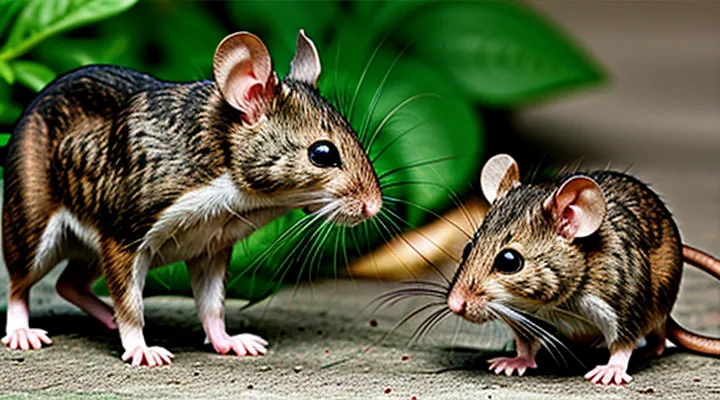
Mice demonstrate extraordinary proficiency in navigating complex mazes, a capability that has shaped countless scientific discoveries. Their small brains contain a highly efficient spatial memory system, allowing rapid learning of routes after only a few trials. Researchers routinely exploit this trait to assess cognitive function, genetic modifications, and the impact of pharmacological agents.
Key characteristics of mouse maze performance include:
- Rapid acquisition – most laboratory strains master a simple T‑maze within 5–10 attempts, reflecting strong procedural learning.
- Hippocampal reliance – lesions to the dorsal hippocampus markedly impair the ability to remember previous turns, confirming the region’s central role in spatial encoding.
- Sensory integration – whisker input, olfactory cues, and visual landmarks are combined to construct internal maps, enabling flexible navigation even when external cues change.
- Stress resilience – moderate stressors can enhance learning speed, whereas excessive stress reduces performance, providing a measurable index of emotional regulation.
Advanced maze designs, such as the Barnes and radial-arm mazes, reveal subtle differences between mouse strains and illuminate the genetic basis of exploratory behavior. Comparative studies show that wild‑derived mice outperform laboratory breeds in novel environments, suggesting that domestication has altered innate navigation strategies.
These insights underscore the value of mouse maze navigation as a precise, reproducible assay for neuroscience, genetics, and drug development, delivering data that extend far beyond simple behavioral observation.
Learning and Memory
Mice possess a highly adaptable learning system that rivals that of larger mammals. Their capacity to form and retain memories has been quantified in a variety of experimental paradigms, revealing several unexpected characteristics.
In spatial navigation tasks, mice quickly acquire the layout of a maze after only a few trials, displaying a rapid reduction in error rates. This efficiency stems from a dense network of hippocampal place cells that fire in specific locations, enabling precise mapping of the environment.
In associative learning, mice demonstrate robust conditioned responses. When a neutral tone precedes a mild foot shock, they develop a fear memory that persists for weeks. Re‑exposure to the tone alone triggers measurable physiological changes, confirming long‑term retention.
Key observations about mouse memory include:
- Pattern separation: The dentate gyrus distinguishes similar inputs, preventing interference between overlapping experiences.
- Synaptic plasticity: Long‑term potentiation in cortical circuits can be induced after a single training session, indicating that single exposures suffice for lasting change.
- Neurogenesis impact: Adult‑born hippocampal neurons enhance the flexibility of memory updating, allowing mice to adapt to altered task rules without extensive retraining.
- Sex differences: Female mice often acquire spatial tasks faster than males, a disparity linked to estrogen‑modulated synaptic remodeling.
- Age‑related decline: Even in advanced age, mice retain the ability to learn new tasks, though performance metrics shift toward slower acquisition and reduced retention intervals.
These findings underscore the sophistication of mouse cognition and provide a foundation for translational research into human learning disorders.
Social Structures and Communication
Complex Social Hierarchies
Mice organize themselves into stable dominance hierarchies that govern access to food, nesting sites, and mating opportunities. The dominant individual, often a male, asserts control through aggressive displays such as upright posture, tail flicking, and rapid lunges. Subordinate mice recognize these signals and adjust their behavior to avoid conflict, which reduces the frequency of violent encounters within the group.
Key characteristics of mouse social structure include:
- Territorial marking: Urine and scent glands convey rank information, allowing individuals to identify the status of others without direct contact.
- Grooming networks: Dominant mice receive more grooming from subordinates, reinforcing social bonds and hierarchy stability.
- Reproductive suppression: Subordinate females experience delayed estrus cycles when housed with a dominant female, limiting competition for mates.
- Resource allocation: Access to high‑quality food and shelter is prioritized for higher‑ranking individuals, while lower‑ranking mice exploit peripheral resources.
Research demonstrates that hierarchy formation occurs rapidly after group assembly, typically within 24–48 hours. Behavioral assays reveal consistent patterns: dominant mice win more than 80 % of dyadic contests, and their aggression levels correlate with elevated testosterone and vasopressin receptor expression in the brain. Subordinates exhibit increased cortisol concentrations, reflecting the physiological cost of lower status.
These social mechanisms enable mouse colonies to maintain cohesion, minimize energy expenditure on conflict, and adapt to fluctuating environmental pressures. Understanding the intricacies of mouse hierarchies provides valuable insight into the evolution of social organization across mammals.
Ultrasonic Vocalizations
Mice emit vocal sounds above the human hearing range, typically 20–100 kHz. These ultrasonic vocalizations (USVs) serve as a primary communication channel for a variety of social and physiological contexts.
- Pup distress calls peak around 40 kHz and are triggered by separation from the dam; mothers respond with rapid retrieval behavior.
- Adult males produce complex sequences during courtship, often exceeding 70 kHz, to attract estrous females and to establish dominance.
- Female mice emit short, broadband chirps when encountering novel conspecifics, facilitating group cohesion.
- Stress‑induced USVs shift toward lower frequencies and longer durations, providing a measurable indicator of anxiety levels.
Neurophysiological studies reveal that USVs originate in the periaqueductal gray and are modulated by the limbic system. Genetic mutations affecting the Foxp2 gene alter call structure, linking vocal patterns to auditory processing disorders. Electrophysiological recordings demonstrate that auditory cortex neurons are tuned to specific USV frequencies, enabling precise decoding of social signals.
Researchers employ high‑frequency microphones and automated spectrographic analysis to quantify call parameters such as peak frequency, bandwidth, and syllable rate. These metrics allow discrimination between strain‑specific vocal repertoires and assessment of pharmacological interventions on communication behavior.
Overall, ultrasonic vocalizations constitute a sophisticated acoustic language that reflects the mouse’s emotional state, reproductive status, and environmental interactions, offering valuable insight for neurobehavioral research.
Remarkable Physical Abilities
Agility and Speed
Mice exhibit extraordinary agility and speed that enable survival in diverse habitats. Their bodies combine lightweight skeletons with powerful hind limbs, allowing rapid acceleration and precise maneuvering.
- A house mouse can reach bursts of up to 8 m/s (approximately 18 mph), a velocity comparable to a human sprinting 100 m in 12 seconds.
- Muscular contractions in the gastrocnemius and soleus muscles generate a stride frequency of 10–12 steps per second during escape runs.
- Flexible spinal vertebrae permit extreme body curvature, letting mice squeeze through openings as small as 0.5 cm in diameter—far smaller than the width of their heads.
- Reflex arcs in the peripheral nervous system trigger instant directional changes; a mouse can alter its trajectory within 30 ms of detecting a threat.
- Tail balance sensors provide continuous feedback on angular momentum, supporting aerial adjustments during jumps that reach heights of 10 cm.
These physiological adaptations allow mice to evade predators, exploit narrow foraging routes, and colonize environments ranging from underground burrows to urban infrastructure. Their capacity for swift, coordinated movement remains a defining characteristic of the species.
Sensory Adaptations
Mice possess a suite of sensory adaptations that enable them to navigate complex environments, locate food, and avoid predators.
- Whiskers (vibrissae) serve as high‑resolution tactile sensors. Each whisker is anchored to a follicle rich in mechanoreceptors; minute air currents or surface textures generate nerve impulses transmitted via the trigeminal pathway within milliseconds.
- Olfactory system detects volatile compounds at concentrations as low as a few parts per trillion. The main olfactory epithelium and the vomeronasal organ together discriminate thousands of odorants, including pheromones that regulate social behavior and reproductive cycles.
- Auditory range extends to approximately 100 kHz, far beyond human hearing. Specialized cochlear hair cells respond to ultrasonic vocalizations used for alarm calls and mate attraction, allowing mice to communicate in noisy burrows.
- Vision relies on a dense population of rod photoreceptors, granting high sensitivity in dim light. Although color discrimination is limited, mice can detect movement and contrast essential for nocturnal foraging.
- Taste buds exhibit heightened sensitivity to bitter substances, a protective mechanism against toxic plants. Receptors for sweet and umami cues facilitate identification of energy‑rich foods.
These adaptations operate concurrently, creating a multimodal perception system that compensates for individual sensory limitations and supports survival in diverse habitats.
Olfactory Excellence
Mice rely on a sense of smell that rivals the most acute mammalian olfactory systems. Their nasal epithelium hosts roughly 1,200 functional olfactory receptor genes, representing about 3 % of the mouse genome, while humans possess fewer than 400. This genetic diversity translates into a broad repertoire of odorant detection.
The mouse brain devotes approximately 10 % of its total neuronal mass to olfactory processing. The olfactory bulb alone contains over 1 million mitral cells, each integrating inputs from thousands of receptor neurons. Such architecture enables mice to discriminate minute variations in chemical structures.
Detection thresholds reach the sub‑picomolar range for volatile compounds. A single mouse can identify a specific odorant at concentrations as low as 10⁻¹⁴ M, a sensitivity that exceeds human capabilities by several orders of magnitude. Mice also differentiate among enantiomers—mirror‑image molecules—using distinct receptor pathways.
Practical implications stem from this olfactory proficiency:
- Genetically engineered strains express fluorescent markers in specific olfactory neurons, facilitating real‑time mapping of odor processing.
- Laboratory mice serve as models for studying olfactory disorders, providing insight into human conditions such as anosmia.
- Trained mice detect explosives, narcotics, and disease biomarkers, including volatile metabolites linked to cancer, with reliability comparable to trained dogs.
Overall, the mouse olfactory system combines extensive receptor diversity, high neural investment, and extreme sensitivity, making it a powerful tool for both basic neuroscience and applied detection technologies.
Auditory Acuity
Mice possess an extraordinary auditory system that surpasses many other mammals. Their cochlea extends to frequencies above 100 kHz, enabling detection of ultrasonic vocalizations used for social signaling, predator avoidance, and navigation. The middle ear’s ossicular chain is lightweight, reducing inertia and allowing rapid transmission of high‑frequency vibrations. Auditory nerve fibers exhibit low thresholds, often below 5 dB SPL, granting mice the capacity to perceive faint sounds that would be inaudible to humans.
Key aspects of mouse auditory acuity include:
- Frequency range: 1 kHz – ~110 kHz, with peak sensitivity near 15–20 kHz.
- Temporal resolution: ability to discriminate inter‑click intervals as short as 1 ms, essential for processing rapid ultrasonic calls.
- Spatial hearing: binaural cues processed by the tiny interaural distance enable precise sound localization within a few centimeters.
- Plasticity: exposure to specific sound environments can remodel cortical maps, demonstrating adaptability of the auditory cortex.
These characteristics make mice valuable models for studying hearing disorders, neuroplasticity, and the genetic basis of sensory processing. Their heightened sensitivity also informs pest‑control technologies that exploit ultrasonic deterrents, leveraging the same frequency bands that dominate mouse communication.
Unsung Heroes of Science
Contributions to Medical Research
Mice have been indispensable in advancing biomedical knowledge, providing reproducible models that mirror human physiology and pathology.
- Genetic manipulation of mice produces strains that mimic hereditary disorders, enabling precise study of gene function and therapeutic targeting.
- Transgenic and knockout techniques allow researchers to deactivate or insert specific genes, revealing causal pathways in cancer, diabetes, and neurodegeneration.
- Mouse models of infectious diseases reproduce viral, bacterial, and parasitic infections, facilitating vaccine development and antiviral drug screening.
- Immunological research relies on mice to dissect cellular responses, evaluate monoclonal antibodies, and test immune‑modulating therapies.
- Pharmacological testing in mice supplies early safety and efficacy data, reducing the risk of adverse effects before human trials.
- Neurological investigations use mice to explore memory, behavior, and neuroplasticity, contributing to treatments for Alzheimer’s disease, Parkinson’s disease, and psychiatric disorders.
These applications demonstrate how the laboratory mouse serves as a bridge between basic science and clinical innovation, delivering data that directly inform medical practice and public health strategies.
Genetic Similarities to Humans
Mice share a remarkable degree of genetic overlap with humans, making them indispensable for biomedical research. Approximately 85 % of protein‑coding genes are conserved between the two species, and many of these genes maintain identical functions.
Key aspects of this genetic similarity include:
- Orthologous gene families: Over 20 000 mouse genes have direct human counterparts, allowing precise cross‑species comparisons.
- Regulatory elements: Promoters, enhancers, and silencers show conserved sequences, resulting in comparable gene expression patterns during development and disease.
- Chromosomal organization: Large syntenic blocks preserve gene order, facilitating the transfer of findings from mouse models to human genetics.
- Disease‑related mutations: Naturally occurring or engineered mouse mutations replicate human pathogenic variants, supporting the study of conditions such as cystic fibrosis, Alzheimer’s disease, and cancer.
These genetic parallels enable researchers to test therapeutic interventions, investigate gene function, and predict human responses with a high degree of confidence.
Misconceptions and Realities
Debunking Common Myths
Mice are often misunderstood, and several persistent myths obscure scientific knowledge about these rodents.
Common misconceptions include:
- Mice are blind. Vision studies show that laboratory mice possess functional eyes and can detect light, although they rely heavily on whisker‑mediated tactile cues.
- All mice carry disease. Only a small fraction of wild populations harbor pathogens such as hantavirus; laboratory strains are bred in pathogen‑free environments.
- Mice reproduce continuously without limitation. Female mice experience a postpartum estrus, but litter size, nutrition, and social stress regulate reproductive output.
- Mice avoid human contact. Research on domesticated strains demonstrates that mice can form social bonds with humans when habituated and rewarded.
Myths persist because anecdotal observations are generalized without reference to controlled experiments. Genetic analyses reveal that laboratory mice differ markedly from wild counterparts, invalidating assumptions that all mouse behavior is uniform. Additionally, advances in imaging have disproved the notion that mouse brains lack complexity; cortical layering and synaptic plasticity parallel those of larger mammals.
Accurate information reshapes pest management, biomedical research, and public perception. Recognizing that mice possess functional vision, variable disease risk, regulated reproduction, and capacity for human interaction allows policies and practices to be based on evidence rather than folklore.
Their Role in Ecosystems
Mice are among the most abundant terrestrial mammals, occupying habitats from forests to urban environments. Their high reproductive rates and adaptability generate large populations that interact continuously with other organisms.
- Serve as primary prey for owls, hawks, foxes, snakes, and many carnivorous mammals.
- Consume seeds, fruits, and invertebrates, influencing plant regeneration and insect population dynamics.
- Burrow through soil, creating channels that improve aeration, water infiltration, and microbial activity.
- Transport fungal spores and pollen on fur and through droppings, facilitating dispersal across microhabitats.
- Act as reservoirs for pathogens, affecting disease cycles that regulate host species densities.
Through these activities, mice contribute to nutrient cycling, maintain predator–prey balances, and shape vegetation patterns. Their sensitivity to environmental changes makes them reliable bioindicators; population fluctuations often signal alterations in habitat quality, climate, or pollutant levels. Consequently, understanding mouse–ecosystem interactions informs conservation strategies and agricultural management.