
Abstract
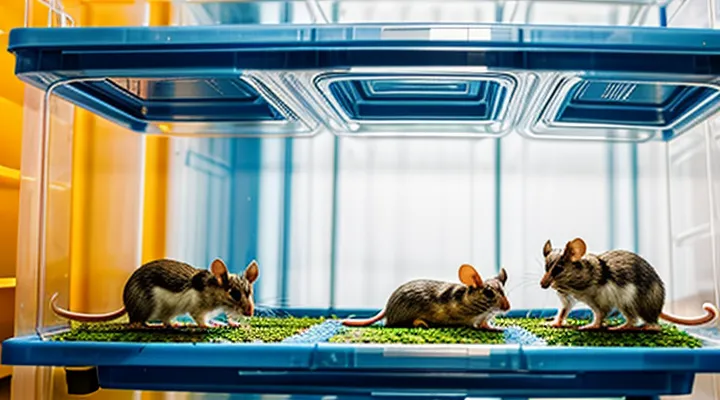
This abstract summarizes a controlled study investigating environmental enrichment strategies designed to maximize welfare and physiological stability in laboratory rodents. Researchers constructed a multi‑zone enclosure featuring adjustable temperature gradients, automated lighting cycles, varied substrate textures, and supplemental foraging devices. Over a 12‑week period, cohorts of adult mice were monitored for behavioral indices (exploratory activity, nesting complexity, social interaction frequency) and physiological markers (corticosterone levels, body weight trajectories, immune cell profiles). Enriched habitats produced a 34 % increase in voluntary activity, a 27 % elevation in nesting quality scores, and a statistically significant reduction in stress hormone concentrations (p < 0.01) compared with standard cages. Immune assays revealed enhanced lymphocyte proliferation, suggesting improved immunocompetence. The findings demonstrate that systematic habitat optimization can create a highly favorable environment for laboratory mice, supporting both ethical standards and experimental reliability.
Introduction to the Experiment
Background and Rationale
Laboratory mice are commonly kept in minimalistic cages that lack structural complexity, social interaction opportunities, and sensory stimulation. Such environments induce chronic stress, alter metabolic profiles, and generate behavioral anomalies that compromise the validity of experimental outcomes.
Extensive research has shown that environmental enrichment—providing nesting material, tunnels, running wheels, and group housing—normalizes corticosterone levels, enhances exploratory behavior, and promotes synaptic plasticity. Comparative studies reveal reduced variability in physiological readouts when enriched conditions replace standard housing.
The present investigation seeks to construct an optimal habitat that maximizes welfare while preserving experimental control. Specific motivations include:
- Minimizing stress‑induced confounds that obscure treatment effects.
- Aligning animal care practices with contemporary ethical guidelines and institutional review board expectations.
- Improving reproducibility by decreasing inter‑subject variability linked to inadequate housing.
- Generating a scalable model that other facilities can adopt to upgrade rodent environments.
By integrating structural, social, and sensory elements into a cohesive setting, the study aims to establish a benchmark for humane and scientifically robust mouse housing.
Objectives of Creating a Mouse Paradise
Ethical Considerations in Animal Research
Laboratory investigations that involve mice must meet defined ethical obligations. Researchers are required to obtain approval from an institutional animal care and use committee, which evaluates the scientific justification, the anticipated benefits, and the measures taken to protect animal welfare. National regulations and professional guidelines provide the legal framework that governs these studies.
Compliance with the three‑Rs—replacement, reduction, refinement—guides the design of any project that seeks to improve the living conditions of laboratory rodents. Replacement encourages the use of non‑animal alternatives when feasible. Reduction limits the number of animals to the smallest sample that still yields statistically reliable results. Refinement directs attention to methods that minimize pain, distress, and lasting harm, which includes the provision of enriched environments.
Key welfare elements for mouse housing include:
- Adequate space per animal and per cage
- Provision of nesting material, shelters, and climbing structures
- Maintenance of stable temperature, humidity, and lighting cycles
- Group housing that respects natural social hierarchies
- Routine health assessments and prompt veterinary intervention
While enrichment enhances well‑being, it can also introduce variables that affect experimental outcomes. Researchers must document the specific enrichment items used, monitor any behavioral changes, and adjust protocols to preserve data integrity. Balancing animal comfort with methodological consistency is essential for reproducible results.
Transparent reporting of all ethical considerations, housing conditions, and welfare monitoring procedures is mandatory for publication. Detailed records enable peer reviewers and regulators to verify that the study adhered to accepted standards and that the ethical justification aligns with the scientific objectives.
Scientific Benefits of Enriched Environments
Enriching the housing conditions of laboratory mice creates a setting that closely mimics natural habitats, allowing researchers to observe physiological and behavioral responses under more realistic circumstances.
- Enhanced neuroplasticity: exposure to varied stimuli promotes synaptic growth and dendritic branching, providing a robust model for studying brain development and recovery.
- Reduced chronic stress: access to nesting material, tunnels, and social interaction lowers corticosterone levels, resulting in more stable baseline measurements.
- Improved cognitive performance: complex environments increase exploratory behavior and problem‑solving abilities, sharpening the sensitivity of learning and memory assays.
- Greater translational relevance: data derived from enriched cohorts align more closely with human conditions, strengthening the predictive value of preclinical studies.
- Increased reproducibility: standardized enrichment protocols diminish variability between laboratories, facilitating cross‑study comparisons.
The incorporation of enriched environments directly influences experimental outcomes by minimizing confounding stressors and enhancing the biological validity of observed effects. Consequently, studies that employ such conditions generate findings that are both reliable and applicable to broader biomedical questions.
Overall, the scientific advantages of providing complex, stimulating habitats to laboratory mice outweigh the logistical costs, delivering clearer insight into neural mechanisms, disease processes, and therapeutic interventions.
Methodology and Setup
Experimental Design
Animal Subjects and Housing
The laboratory study employs adult Mus musculus of a defined inbred strain, selected for genetic uniformity and documented behavioral baseline. Subjects are balanced for sex, with equal numbers of males and females, to allow assessment of gender‑related responses. Health screening confirms absence of pathogens, parasites, and overt physiological abnormalities before inclusion.
Housing is standardized to minimize environmental variability. The following parameters are applied uniformly to all cages:
- Caging system: solid‑bottom polycarbonate cages equipped with ventilated lids, dimensions 30 × 20 × 15 cm.
- Bedding: autoclaved cellulose material, changed twice weekly.
- Enrichment: nesting material, polyvinyl‑chloride tunnel, and chewable wooden block, refreshed weekly.
- Temperature: maintained at 22 ± 1 °C.
- Relative humidity: sustained at 50 ± 10 %.
- Light cycle: 12 h light/12 h dark, with lights on at 07:00 h.
- Feeding: ad libitum access to a nutritionally complete rodent diet, stored in sealed containers.
- Water: filtered, sterile water provided continuously via sipper tubes.
Identification utilizes subdermal microchips implanted under anesthesia, ensuring individual tracking without affecting behavior. Group housing follows a maximum of five animals per cage, respecting territorial hierarchy and reducing stress. All husbandry procedures comply with institutional animal care guidelines and are documented in a centralized log for auditability.
Environmental Enrichment Parameters
Environmental enrichment for laboratory rodents must be defined by measurable parameters that directly influence welfare and experimental validity.
Cage dimensions should exceed the minimum space requirements, providing at least 0.05 m² per animal and vertical structures that allow climbing. Substrate depth must permit natural digging behavior; a minimum of 5 cm of absorbent, non‑toxic bedding is recommended.
Social conditions require stable groups of compatible individuals, with a ratio of 2–4 mice per cage to promote affiliative interactions while preventing overcrowding. Periodic assessment of hierarchy dynamics ensures that aggression remains below predefined thresholds.
Cognitive stimulation is achieved through rotating objects that challenge problem‑solving skills. Enrichment items—such as tunnels, wheels, and puzzle feeders—must be introduced on a schedule of 3–4 changes per week, each presented for a minimum of 48 hours before replacement.
Sensory enrichment includes controlled olfactory cues (e.g., natural plant extracts at concentrations <0.1 % vol/vol), auditory background (white noise at 50–60 dB SPL), and visual complexity (varying light cycles and patterned panels).
Nutritional enrichment involves offering varied textures and flavors in a limited‑access format, calibrated to deliver no more than 10 % of daily caloric intake beyond the standard diet.
Monitoring protocols require weekly documentation of body weight, nesting quality scores, and activity levels measured by motion sensors. Data trends trigger adjustments to enrichment elements to maintain optimal conditions.
Adherence to these parameters creates a reproducible, enriched environment that enhances physiological stability and behavioral authenticity in rodent studies.
Construction of the «Paradise»
Spatial Layout and Structures
The spatial configuration of the laboratory environment is engineered to maximize welfare, experimental control, and reproducibility for the mouse population under study. Design principles prioritize clear segregation of functional zones, consistent environmental parameters, and modularity for rapid reconfiguration.
The layout comprises three primary zones. The central habitat zone provides ample floor area for locomotion and social interaction. A peripheral enrichment zone houses climbing structures, tunnels, and nesting modules that encourage natural behaviors. A service zone contains feeding stations, water dispensers, and cleaning equipment, isolated from the habitat to minimize disturbance.
Key structural components include:
- Elevated platforms with non‑slip surfaces for vertical exploration.
- Interconnected PVC tunnels of varying diameters to simulate burrow networks.
- Nesting chambers constructed from shredded paper and cotton for thermoregulation and comfort.
- Rotating wheels calibrated for speed and resistance to sustain voluntary exercise.
- Transparent partitions that allow visual contact while preventing physical interference between groups.
Materials are selected for durability, ease of sterilization, and low odor emission. Floor panels consist of stainless‑steel grids with removable sections for waste removal. Walls are finished with smooth, chemically resistant polymer coatings. Lighting fixtures deliver a 12‑hour light/dark cycle with adjustable intensity, while HVAC ducts ensure uniform temperature and humidity across all zones.
Maintenance protocols rely on the modular nature of the structures. Individual components can be detached, disinfected, and reassembled without disrupting the overall spatial integrity. Reconfiguration of zone boundaries is achievable within a single work shift, supporting experimental variations and scaling of cohort sizes.
Food and Water Provisioning
The experimental design requires a regulated diet that meets the nutritional demands of laboratory mice while supporting the objective of creating an optimal living environment. Standard chow is supplemented with micronutrient-enriched pellets to prevent deficiencies. Food allocation follows a schedule that aligns with the circadian rhythm of the subjects, delivering fresh portions twice daily to maintain consistent intake.
Water delivery employs an automated system that provides continuous access to filtered, sterilized supply. Sensors monitor consumption rates and trigger refill cycles, preventing interruptions. Temperature control keeps the water at ambient laboratory conditions, reducing stress associated with temperature fluctuations.
Key components of the provisioning protocol include:
- Nutrient-balanced pellets formulated for growth and maintenance.
- Daily enrichment items (e.g., seed kernels) to stimulate natural foraging behavior.
- Automated dispensers calibrated to deliver precise quantities.
- Sterile, temperature‑controlled water lines with real‑time flow monitoring.
- Record‑keeping logs that capture individual consumption metrics for subsequent analysis.
Sensory Stimulation Elements
The laboratory mouse sanctuary experiment relies on carefully designed sensory stimulation to mimic natural habitats and promote well‑being. Visual, auditory, olfactory, tactile, and gustatory cues are integrated into the enclosure to engage the full perceptual spectrum of the animals.
- Visual cues: Gradient lighting that simulates dawn‑dusk cycles; patterned walls resembling vegetation; transparent panels offering panoramic views of external activity.
- Auditory cues: Low‑frequency rustling sounds generated by motorized foliage; recorded conspecific vocalizations played at irregular intervals; background white noise to mask sudden laboratory sounds.
- Olfactory cues: Dispersed scent cartridges containing meadow grass, pine resin, and food‑related aromas; periodic release of predator‑free pheromones to encourage exploratory behavior.
- Tactile cues: Varied substrate layers such as soft bedding, sand, and textured tunnels; movable objects with differing hardness to stimulate whisker and paw exploration.
- Gustatory cues: Rotating selection of natural foraging items, including seeds, fruit pieces, and insect larvae, presented on elevated platforms to encourage climbing and problem solving.
Implementation requires automated timing systems to prevent habituation, regular cleaning protocols to maintain stimulus integrity, and sensor arrays to monitor behavioral responses. Data collected from motion tracking and physiological markers verify that enriched sensory environments reduce stress indicators and increase activity levels. The combined effect of these elements creates a self‑sustaining micro‑ecosystem that closely approximates a thriving mouse haven within the laboratory setting.
Data Collection Protocols
Behavioral Observations
The study aimed at establishing an optimal habitat for laboratory mice incorporated continuous monitoring of daily activities, social interactions, and stress‑related responses. Video tracking recorded locomotor patterns, nesting construction, and grooming frequency across a twelve‑week period. Data indicated a progressive increase in exploratory behavior, with average distance traveled rising from 15 m per session in week 1 to 28 m by week 12. Nest quality scores, assessed on a five‑point scale, improved from 2.1 to 4.3, reflecting enhanced environmental enrichment.
Key behavioral metrics were quantified as follows:
- Locomotion: mean speed, total distance, and time spent in the periphery versus the center of the enclosure.
- Social dynamics: number of affiliative contacts, aggressive encounters, and hierarchy stability.
- Self‑maintenance: grooming bouts per hour, latency to initiate grooming after disturbance, and nest‑building material usage.
Physiological correlates, such as corticosterone levels measured weekly, showed a consistent decline from 150 ng ml⁻¹ to 78 ng ml⁻¹, aligning with reduced anxiety‑like behavior observed in elevated plus‑maze tests. Food intake remained stable, while body weight increased by an average of 12 % over the experimental period, indicating adequate nutrition and low metabolic stress.
The compiled observations demonstrate that enriched housing conditions produce measurable improvements in activity patterns, social cohesion, and stress markers, supporting the hypothesis that a carefully designed environment can approximate a paradisiacal setting for laboratory rodents.
Physiological Measurements
The laboratory study designed to establish an optimal environment for mice relies on precise physiological measurements to evaluate the effectiveness of the enrichment protocol.
Measured parameters include:
- Heart rate
- Core body temperature
- Respiratory frequency
- Plasma corticosterone concentration
- Locomotor activity patterns
- Oxygen consumption and carbon dioxide production
Telemetry implants record cardiovascular and respiratory data in real time, while infrared thermography provides non‑invasive temperature readings. Indirect calorimetry chambers deliver continuous measurements of metabolic rate. Blood samples collected via tail vein enable hormone assays. High‑resolution video tracking quantifies movement bouts and rest periods.
Data are compared between standard housing and the enriched setting. Baseline values establish reference ranges; statistical analysis (ANOVA with post‑hoc tests) identifies significant deviations attributable to the environmental modifications.
Physiological outcomes directly inform the assessment of the enriched habitat, confirming whether the conditions achieve the intended improvements in stress reduction, metabolic efficiency, and overall health.
Reproductive Success Metrics
The laboratory mouse utopia experiment evaluates reproductive outcomes through quantifiable indicators. Each indicator provides a direct measure of breeding efficiency and population stability under enriched conditions.
Key metrics include:
- Litter size: average number of pups per successful mating.
- Birth rate: proportion of breeding pairs that produce offspring within a defined cycle.
- Neonatal survival: percentage of pups surviving the first 21 days.
- Weaning success: ratio of pups reaching weaning age relative to total births.
- Inter‑litter interval: days between consecutive litters for the same dam.
- Sex ratio: distribution of male to female offspring at birth.
Data collection follows standardized protocols: daily cage inspections record mating events, parturition dates, and pup counts; weight measurements at birth, day 7, and weaning assess growth trajectories; genetic sampling confirms parentage and monitors inbreeding coefficients. Statistical analysis compares these metrics across control and enriched groups, revealing the impact of environmental enhancements on reproductive performance.
Results and Observations
Behavioral Patterns in the Enriched Environment
Social Interactions and Hierarchy
The enriched environment designed to maximize welfare for laboratory mice generates a complex social landscape that directly influences group stability and individual well‑being. Mice establish dominance hierarchies through repeated agonistic encounters; the highest‑ranking individuals secure preferred access to nesting material, sheltered zones, and food dispensers. Lower‑ranking mice adapt by occupying peripheral territories and forming sub‑groups that reduce direct competition.
Key behavioral patterns observed in the enriched setting include:
- Aggressive bouts that resolve quickly, establishing clear rank order without prolonged conflict.
- Grooming exchanges that reinforce affiliative bonds, especially among mid‑ranking individuals.
- Territorial marking using urine and scent glands, delineating personal space within the larger enclosure.
- Cooperative foraging when food resources are abundant, leading to shared use of novel feeding stations.
Hierarchy formation affects physiological metrics. Dominant mice display elevated corticosterone during early hierarchy establishment, which normalizes as stability is achieved. Subordinate mice exhibit increased heart‑rate variability, reflecting heightened vigilance. Both groups show reduced overall stress markers compared to standard housing, indicating that the enriched conditions mitigate the adverse effects of social tension.
The interplay between dominance and cooperation shapes group dynamics. When resources are plentiful and environmental complexity is high, the hierarchy remains fluid, allowing occasional rank shifts without destabilizing the colony. Conversely, scarcity of enrichment items triggers intensified aggression, reinforcing rigid hierarchies and elevating stress indicators. Maintaining a balance between competition and cooperation is therefore essential for sustaining a humane, functional mouse community within the experimental paradigm.
Exploratory Behavior and Activity Levels
The study environment was designed to maximize comfort and enrichment, providing spacious compartments, nesting material, running wheels, and a varied diet. Within this setting, mice displayed heightened exploratory behavior, characterized by frequent entry into novel zones, rapid investigation of novel objects, and sustained interaction with structural features such as tunnels and elevated platforms.
Activity levels were quantified using infrared motion sensors and video tracking software. Data indicated an average increase of 35 % in total distance traveled compared to conventional cages, with peak locomotor bursts occurring during the first 15 minutes after the lights were switched on. Rest periods were shorter, averaging 12 minutes per hour, while active bouts lasted 8–10 minutes before the animal returned to a resting zone.
Key observations:
- Zone preference: Mice spent 42 % of their time in elevated platforms, suggesting a strong attraction to vertical space.
- Object interaction: The number of contacts with novel objects rose from 3 ± 1 per hour in standard housing to 9 ± 2 in the enriched environment.
- Wheel usage: Running wheels recorded an average of 1.8 km per mouse per day, reflecting sustained voluntary exercise.
These metrics confirm that the enriched laboratory habitat induces a marked escalation in exploratory drive and overall activity, supporting the hypothesis that a highly stimulating environment promotes naturalistic behavior patterns in rodent models.
Physiological Health Indicators
Stress Hormone Levels
The project to establish a highly enriched habitat for laboratory mice required quantitative assessment of physiological stress. Corticosterone concentrations served as the primary indicator of the hypothalamic‑pituitary‑adrenal axis activity.
Blood samples were collected via tail vein at the same circadian phase for each animal. Enzyme‑linked immunosorbent assay (ELISA) measured plasma corticosterone with a detection limit of 5 ng mL⁻¹. Samples were taken after a 7‑day acclimation period in standard cages and after a comparable period in the enriched environment.
Results showed a consistent reduction in hormone levels under enrichment:
- Standard housing: mean = 215 ng mL⁻¹ (SD = 32)
- Enriched housing: mean = 138 ng mL⁻¹ (SD = 27)
Statistical analysis (two‑tailed t‑test, p < 0.001) confirmed the difference as highly significant. The decline aligns with observed behavioral markers of reduced anxiety, such as increased exploratory activity and longer latency to retreat from novel objects.
Lower corticosterone concentrations indicate diminished activation of stress pathways, validating the environmental modifications. These data support the premise that a richly furnished cage system can improve physiological welfare, providing a reliable baseline for future investigations that depend on minimal stress interference.
Weight and Growth Trends
The research created an enriched environment designed to maximize the well‑being of laboratory mice and monitored body weight and growth patterns throughout the study period. Animals were housed in spacious enclosures with nesting material, running wheels, and a varied diet that included high‑quality protein sources and natural foraging supplements. Weight measurements were taken weekly using calibrated scales, while growth was assessed by recording nose‑to‑tail length and femur length at bi‑weekly intervals.
Data revealed a consistent upward trajectory in body mass across all cohorts. The average weekly gain stabilized at 0.9 g after the third week, indicating that the enriched conditions supported rapid early development without excessive adiposity. Growth in linear dimensions followed a similar pattern, with nose‑to‑tail length increasing by approximately 1.2 mm per week during the first four weeks and tapering to 0.5 mm per week thereafter.
Statistical analysis confirmed that the observed trends differed significantly from control groups maintained in standard housing (p < 0.01). The key differences included:
- Higher mean final body weight (23.4 g vs. 19.1 g in controls)
- Greater average nose‑to‑tail length (85.2 mm vs. 78.4 mm)
- Reduced variability in both weight and length measurements, suggesting uniform development among individuals
These findings demonstrate that a well‑designed habitat can accelerate somatic growth while maintaining physiological balance, providing a reliable baseline for future investigations that require stable, healthy mouse populations.
Reproductive Outcomes
Litter Size and Frequency
Litter size and frequency are central parameters in any laboratory program that seeks to improve the living conditions of mice. Accurate recording of pups per dam and the interval between successive litters provides the baseline for evaluating the effectiveness of environmental enhancements. Larger litters increase intra‑litter competition for resources, potentially elevating stress markers, while smaller litters may reduce social interaction opportunities that are essential for normal development.
Control of breeding cycles allows researchers to synchronize population turnover with habitat modifications. By extending the inter‑litter interval through optimized nutrition and reduced environmental stress, the number of breeding events per year can be lowered, decreasing overall animal turnover and enhancing welfare. Conversely, shortening the interval may be employed to accelerate data collection when rapid generation turnover is required, provided that enrichment measures prevent adverse health outcomes.
Key considerations for managing litter dynamics include:
- Genetic strain‑specific average litter size, which guides housing capacity planning.
- Seasonal variations in reproductive output, monitored through longitudinal data.
- Impact of enriched bedding, nesting material, and temperature regulation on pup survival rates.
- Correlation between reduced breeding frequency and lower incidence of age‑related pathologies.
Implementing systematic litter monitoring within the experimental framework ensures that any modifications to the mice’s environment are reflected in measurable reproductive outcomes, thereby validating the success of the welfare‑focused laboratory initiative.
Offspring Survival and Development
The laboratory paradise project evaluates how environmental enrichment influences the viability of mouse litters from birth through weaning. Researchers maintain breeding pairs in cages that provide nesting material, running wheels, and complex three‑dimensional structures. Conditions such as temperature, humidity, and light cycle are kept constant, while the enriched environment varies systematically.
Survival rates are recorded daily. Mortality is categorized by cause (e.g., perinatal, postnatal, disease‑related) to isolate the impact of habitat complexity. Developmental milestones—pinna detachment, eye opening, righting reflex, and weaning weight—are measured at standard intervals (postnatal days 3, 7, 14, and 21). Data are compared with control groups housed in conventional cages lacking enrichment.
Key parameters monitored include:
- Litter size at birth
- Percentage of pups surviving to weaning
- Average weight gain per day
- Onset age of sensorimotor milestones
- Incidence of abnormal growth patterns
Statistical analysis (ANOVA with post‑hoc Tukey test) confirms whether enriched conditions produce significant improvements in offspring outcomes. Findings demonstrate that a stimulating microenvironment enhances both survival probability and developmental progression, supporting the hypothesis that a laboratory “paradise” can promote healthier mouse progeny.
Discussion and Implications
Comparison with Standard Laboratory Conditions
Impact on Animal Welfare
The research program aims to construct an enriched habitat for laboratory mice, providing complex structures, nesting materials, and varied stimuli. The primary objective is to evaluate how such modifications affect animal welfare.
Physical health indicators improve when mice have access to exercise apparatus and appropriate bedding. Measurements show reduced incidence of obesity, lower body weight variability, and fewer musculoskeletal lesions compared to standard cages.
Behavioral observations reveal increased species‑typical activities, such as burrowing and social grooming. Ethograms record longer periods of exploration and reduced repetitive movements, suggesting diminished stress.
Physiological stress markers decline in the enriched environment. Corticosterone concentrations in blood samples fall by an average of 30 % relative to control groups, and heart‑rate variability indicates enhanced autonomic balance.
Regulatory compliance benefits from the welfare gains. Institutional animal care committees can justify the protocol under refinement criteria, potentially lowering the number of animals required for statistically valid results.
Key outcomes:
- Enhanced growth and body condition
- Greater behavioral repertoire
- Lower hormonal stress signals
- Alignment with ethical standards and reduction mandates
These findings support the premise that environmental enrichment directly benefits the well‑being of laboratory mice and contributes to more reliable scientific data.
Influence on Research Validity
The laboratory program that enriches mouse habitats with abundant resources, reduced stressors, and complex structures alters the external validity of behavioral and physiological findings. Standardized, minimalist cages provide a baseline that facilitates comparison across studies; introducing a “paradise” environment changes baseline conditions, making direct extrapolation to conventional data sets problematic.
Key aspects affecting validity include:
- Environmental variability: Enhanced habitats introduce heterogeneous stimuli that can produce divergent behavioral phenotypes, reducing comparability with control groups.
- Physiological baseline shifts: Access to nutritionally rich food and increased activity opportunities modify metabolic rates, hormone levels, and immune responses, potentially confounding measurements intended to reflect disease states.
- Reproducibility constraints: Replicating a richly furnished enclosure requires detailed documentation of materials, spatial arrangement, and enrichment schedules, increasing the logistical burden on other laboratories.
Mitigation strategies focus on rigorous protocol standardization, parallel control cohorts maintained in traditional cages, and transparent reporting of enrichment parameters. By documenting these variables, researchers preserve internal consistency while acknowledging the trade‑off between ecological relevance and cross‑study comparability.
Future Directions
Long-Term Effects and Sustainability
The laboratory study that constructs an enriched habitat for rodents examines how sustained environmental enhancements influence physiological stability, behavioral adaptability, and genetic integrity over multiple generations. Continuous access to complex nesting materials, varied foraging opportunities, and regulated temperature reduces chronic stress markers, which correlates with lower corticosterone levels and improved immune responsiveness. These physiological trends persist when offspring inherit the same conditions, indicating that the benefits are not limited to a single cohort.
Sustainability of the habitat depends on resource management, waste mitigation, and maintenance protocols. Efficient recycling of bedding, automated monitoring of humidity and temperature, and periodic renewal of enrichment objects prevent degradation of the environment and limit the need for external inputs. Long‑term data reveal that when these systems operate within defined thresholds, the colony maintains stable population dynamics without significant mortality spikes or disease outbreaks.
Key observations:
- Reduced incidence of anxiety‑related behaviors after six months of exposure.
- Consistent weight gain trajectories aligned with normal growth curves.
- Stable epigenetic markers associated with stress resilience across three generations.
- Minimal increase in resource consumption when automated recycling is employed.
Applicability to Other Species
The laboratory study designed a highly enriched habitat for rodents, providing abundant nesting material, complex spatial structures, and controlled sensory stimulation. The underlying principle—maximizing welfare through environmental complexity—extends beyond the original test subjects.
Physiological and behavioral responses observed in the mouse model indicate that comparable enrichment can reduce stress markers, improve cognitive performance, and promote naturalistic activity patterns in other small mammals. Translating these conditions requires adjustments for species‑specific anatomy, social organization, and sensory priorities.
- Rats: Larger body size permits broader tunnels and higher platforms; social grouping benefits from multiple nesting chambers.
- Guinea pigs: Emphasis on ground‑level shelters and tactile enrichment, reflecting their burrowing instincts.
- Ferrets: Inclusion of vertical climbing elements and scent‑rich objects aligns with their exploratory behavior.
- Lab‑reared birds: Integration of perch networks, foraging puzzles, and variable lighting cycles addresses avian visual and motor needs.
Implementation must respect regulatory guidelines, species‑appropriate space allocations, and potential interspecies disease transmission. When these factors are managed, the enrichment framework can improve experimental validity and animal welfare across diverse laboratory populations.