
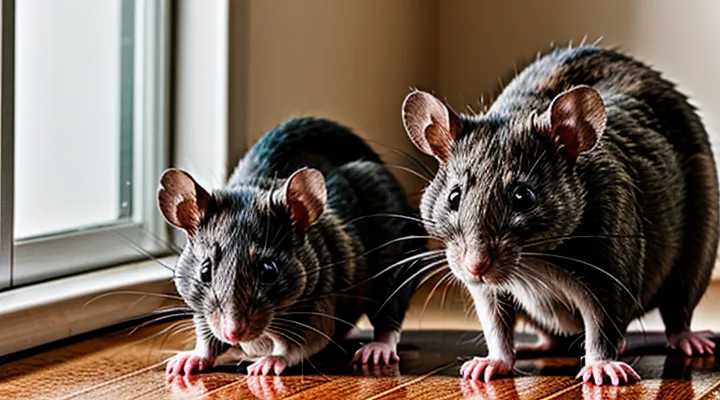
Understanding Domestic Rat Lifespan
Average Lifespan
Domestic rats commonly live between 2 and 3 years under typical household conditions. The median lifespan observed in laboratory and pet‑owner surveys is approximately 2.5 years, with a mean value near 2.7 years.
Factors that modify this average include:
- Genetic strain (e.g., Sprague‑Dawley, Wistar, fancy varieties)
- Nutrition quality and consistency
- Housing environment (temperature, ventilation, cage size)
- Preventive veterinary care and disease management
- Stress levels caused by handling, noise, or predator exposure
Studies employing longitudinal tracking of pet rat populations report that 75 % of individuals survive beyond 18 months, while only 10 % exceed 3 years. In controlled laboratory settings, where variables such as diet and health monitoring are optimized, some rats reach 4 years, raising the upper bound of the expected range.
Maximizing lifespan requires balanced high‑protein diets, regular health checks for respiratory and gastrointestinal issues, stable ambient temperature (18‑24 °C), and enrichment that reduces chronic stress. Implementing these measures aligns observed lifespans with the upper statistical limits reported in the literature.
Factors Influencing Lifespan
Genetic Predisposition
Genetic makeup determines a significant portion of a pet rat’s lifespan. Certain alleles are linked to accelerated aging, while others confer resistance to common diseases. Research on laboratory strains provides a framework for interpreting domestic populations.
Key genetic factors influencing longevity include:
- Apoe variants – specific isoforms correlate with reduced cardiovascular pathology, extending median survival.
- Mitochondrial DNA haplotypes – haplotypes with higher oxidative‑phosphorylation efficiency delay onset of age‑related decline.
- P53 polymorphisms – mutations that weaken tumor suppression increase incidence of neoplasia, shortening life expectancy.
- Inbreeding coefficients – elevated homozygosity raises susceptibility to metabolic disorders and immune deficiencies.
Breed selection also affects lifespan. For example, outbred Sprague‑Dawley descendants typically live longer than highly inbred strains such as Wistar, reflecting lower deleterious allele frequency. Cross‑breeding programs that introduce heterozygosity have demonstrated measurable gains in average longevity.
Environmental interaction with genetics remains relevant. Adequate nutrition and enrichment can mitigate some hereditary risks, yet the underlying DNA sequence sets the upper limit for potential lifespan. Consequently, breeding strategies that prioritize genetic diversity and screen for known longevity‑associated markers represent the most effective approach to maximizing the expected life expectancy of domestic rats.
Environmental Conditions
Environmental factors directly affect the longevity of pet rats. Temperature regulation, humidity control, housing design, bedding material, and lighting cycles each contribute measurable changes to health outcomes and survival rates.
- Ambient temperature: Optimal range lies between 18 °C and 24 °C (64 °F–75 °F). Temperatures below 15 °C increase metabolic stress, leading to higher incidence of respiratory infections; temperatures above 27 °C accelerate dehydration and heat‑related organ failure.
- Relative humidity: Maintain 45 %–55 % humidity. Excessive dryness predisposes to skin lesions and nasal irritation, while high humidity promotes fungal growth and respiratory pathogens.
- Cage size and ventilation: Minimum floor space of 0.5 m² per pair, with at least two air exchanges per hour. Overcrowding raises aggression, stress hormones, and susceptibility to contagious diseases, shortening life expectancy.
- Bedding substrate: Use absorbent, dust‑free material such as paper‑based bedding. Low‑dust environments reduce respiratory irritation; overly moist bedding encourages bacterial proliferation.
- Lighting schedule: Provide 12‑hour light/dark cycles consistent with natural circadian rhythms. Constant illumination disrupts melatonin production, impairing immune function and accelerating aging processes.
Consistent monitoring of these parameters, combined with prompt adjustment when deviations occur, aligns environmental conditions with the physiological needs of domestic rats, thereby extending their projected lifespan.
Care and Husbandry
Domestic rats typically reach two to three years of age when provided with optimal husbandry. Longevity correlates directly with the quality of nutrition, environment, health oversight, and social enrichment.
A balanced diet is the foundation of health.
- Offer a commercial rodent pellet formulated for laboratory or pet rats as the staple.
- Supplement with fresh vegetables such as carrots, broccoli, and leafy greens; limit fruit to occasional treats due to sugar content.
- Provide constant access to clean, filtered water; replace daily to prevent bacterial growth.
- Avoid high‑fat foods, processed snacks, and foods toxic to rodents (e.g., chocolate, onions).
Housing conditions must support physical comfort and disease prevention.
- Minimum cage floor area of 2 sq ft per rat, with multiple levels to encourage climbing.
- Use dust‑free, absorbent bedding (paper‑based or aspen) changed weekly.
- Maintain ambient temperature between 68–75 °F (20–24 °C) and relative humidity around 50 %.
- Ensure adequate ventilation without drafts; place cages away from direct sunlight and heating vents.
Health management requires routine monitoring.
- Schedule veterinary examinations at least twice yearly; conduct thorough physical checks for respiratory signs, skin lesions, and dental wear.
- Implement a parasite control program targeting mites, lice, and intestinal worms; treat promptly if infestation is detected.
- Observe behavior daily for changes in activity, grooming, or appetite that may indicate illness.
Social and mental stimulation are critical for preventing stress‑related decline.
- House rats in same‑sex pairs or small groups to satisfy inherent sociability.
- Provide chewable objects, tunnels, and climbing structures to promote natural foraging and exploration.
- Rotate enrichment items regularly to maintain novelty and reduce boredom.
Consistent application of these care standards maximizes the typical lifespan of domestic rats; deviations in any area markedly shorten their life expectancy.
Maximizing Your Rat's Lifespan
Diet and Nutrition
Recommended Foods
A well‑balanced diet directly influences the longevity of pet rats. Nutrient‑dense foods support organ function, immune health, and metabolic stability, thereby extending the average lifespan observed in well‑cared individuals.
- Fresh vegetables: kale, spinach, carrots, broccoli, bell peppers. Provide vitamins A, C, K, and fiber. Offer 1–2 teaspoons per day, finely chopped to prevent choking.
- High‑quality commercial rat pellets: formulated to meet rodents’ specific protein (15–20 %) and fat (5–7 %) requirements. Supply as the primary staple; limit to 1 ½ – 2 teaspoons per 100 g body weight.
- Fresh fruits (occasionally): apple slices, blueberries, banana. Supply antioxidants and natural sugars; restrict to ½ teaspoon per day to avoid excess calories.
- Cooked lean proteins: boiled chicken breast, scrambled egg white. Provide essential amino acids; limit to 1 teaspoon per serving, no more than twice weekly.
- Calcium sources: plain low‑fat yogurt, cottage cheese, or powdered calcium supplements. Ensure 200 mg calcium per day for adult rats; monitor to prevent urinary calculi.
Water must be clean, fresh, and available at all times. Replace daily; use stainless‑steel bottles to avoid bacterial growth.
Foods that impair health include: processed snacks, sugary treats, high‑fat nuts, and raw beans. These elevate obesity risk, disrupt gut flora, and can introduce toxins.
Consistent feeding schedules, portion control, and regular monitoring of body condition enable optimal nutrient intake, contributing to the extended lifespan typical of well‑managed domestic rats.
Foods to Avoid
A balanced diet directly influences the health span of pet rats. Certain items can cause digestive distress, organ damage, or accelerated aging, thereby shortening their lifespan.
Foods to avoid include:
- Citrus fruits (oranges, lemons, limes): high acidity irritates the stomach lining and can lead to ulceration.
- Chocolate and cocoa products: contain theobromine, a toxin that the rat’s liver cannot metabolize efficiently.
- Caffeinated beverages and foods: caffeine stimulates the heart and nervous system, increasing the risk of arrhythmias.
- Raw potatoes and green plant parts (tomato leaves, stems): contain solanine, a potent neurotoxin.
- High‑salt snacks (chips, pretzels): excess sodium strains the kidneys and may cause hypertension.
- Sugary treats (candies, sugary cereals): promote obesity, dental decay, and insulin resistance.
- Processed meats (bacon, sausage): high fat and preservatives can lead to liver stress and gastrointestinal upset.
- Dairy products (milk, cheese): many rats lack lactase, resulting in diarrhea and nutrient malabsorption.
Eliminating these items from a rat’s menu reduces the incidence of acute toxicity and chronic disease, supporting a longer, healthier life. Regular provision of fresh vegetables, high‑quality rodent pellets, and occasional protein sources such as boiled eggs or lean meat completes a nutritionally sound regimen.
Housing and Environment
Cage Size and Enrichment
Adequate cage dimensions are essential for maintaining the health of pet rats, thereby influencing their typical lifespan. Minimum floor space should be 2 sq ft per animal; larger groups benefit from 3 sq ft each. Height of at least 12 inches allows vertical movement, while solid flooring prevents foot injuries. Multi‑level setups increase usable area without enlarging the footprint, provided ramps have gentle slopes (≤15°) and non‑slip surfaces.
Enrichment directly affects physiological and psychological well‑being, which correlates with longevity. Regular exposure to novel objects stimulates foraging behavior and reduces stress‑related ailments. Effective enrichment includes:
- Nesting material (e.g., shredded paper, cotton) for building burrows.
- Chewable items (untreated wood blocks, mineral sticks) to wear down continuously growing incisors.
- Puzzle feeders that require manipulation to access food, encouraging problem‑solving.
- Tunnels and hideaways that mimic natural burrows, offering shelter and exploration zones.
- Rotating toys (e.g., cardboard tubes, plastic balls) to prevent habituation.
Consistent cleaning schedules, proper ventilation, and temperature control (18‑24 °C) complement cage size and enrichment, creating an environment that supports optimal health outcomes and extends the average life expectancy of domestic rats.
Temperature and Humidity
Temperature and humidity are primary environmental variables that directly alter the health trajectory and survival period of pet rats. Both factors interact with metabolic rate, immune competence, and susceptibility to disease, making precise control essential for extending life expectancy.
Rats thrive when ambient temperature remains within a narrow band. Temperatures below 15 °C (59 °F) suppress thermoregulatory mechanisms, leading to hypothermia, reduced appetite, and increased mortality. Temperatures above 27 °C (81 °F) accelerate metabolism, elevate stress hormones, and promote respiratory and skin infections. The optimal range lies between 20 °C and 24 °C (68 °F–75 °F), where physiological processes operate efficiently without undue energy expenditure.
Relative humidity influences mucosal health and skin integrity. Humidity below 30 % desiccates nasal passages and skin, impairing barrier function and facilitating pathogen entry. Humidity above 70 % creates a damp environment that encourages fungal growth and bacterial proliferation. Maintaining humidity between 40 % and 60 % provides a balanced microclimate that supports respiratory and dermal health.
Practical measures:
- Use a digital thermostat to keep temperature within 20 °C–24 °C.
- Employ a hygrometer; adjust with a humidifier or dehumidifier to sustain 40 %–60 % relative humidity.
- Locate cages away from drafts, direct sunlight, and heat‑producing appliances.
- Perform regular checks to detect temperature or humidity fluctuations promptly.
Consistent adherence to these parameters reduces physiological stress, lowers disease incidence, and consequently prolongs the lifespan of domestic rats.
Healthcare and Veterinary Care
Regular Check-ups
Regular veterinary examinations are a primary determinant of the life expectancy of pet rats. Consistent health assessments allow early identification of conditions that can shorten the animal’s natural lifespan.
A typical check‑up includes:
- Physical inspection of coat, eyes, and ears
- Measurement of body weight and condition score
- Dental evaluation to detect overgrowth or malocclusion
- Respiratory examination for signs of infection or tumor
- Blood sampling when indicated for metabolic screening
Recommended frequency:
- Juvenile (0‑3 months): weekly examinations to monitor growth and weaning progress.
- Young adult (3‑12 months): monthly visits for preventive care and vaccination updates.
- Mature (1‑2 years): bi‑monthly examinations to track weight stability and dental health.
- Senior (over 2 years): monthly assessments focusing on organ function and tumor detection.
Early detection of common ailments—such as chronic respiratory disease, neoplastic growths, or severe dental misalignment—enables timely intervention, which directly extends the animal’s functional years. Prompt treatment reduces systemic stress and prevents secondary complications that typically accelerate mortality.
Implementing a structured schedule of veterinary visits, combined with thorough physical and diagnostic evaluation, maximizes the probability that a domestic rat will reach the upper range of its species‑specific longevity.
Common Health Issues
Domestic rats typically reach two to three years of age; health complications are the primary factor that reduces this period.
Common ailments include:
- Respiratory infections (Mycoplasma pulmonis, viral pneumonia) that cause nasal discharge, labored breathing, and rapid weight loss.
- Gastrointestinal disturbances such as ileitis, enteritis, and cecal impaction, leading to diarrhea, dehydration, and anorexia.
- Dental malocclusion, often resulting from overgrown incisors, which impairs food intake and causes facial swelling.
- Tumors, particularly mammary adenocarcinomas and pituitary adenomas, frequently appear in middle-aged individuals and accelerate decline.
- Skin conditions like dermatitis, mange, and ulcerative pododermatitis that produce itching, hair loss, and secondary infections.
- Metabolic disorders, including obesity and diabetes, which strain cardiovascular function and predispose to organ failure.
Each condition directly shortens the rat’s lifespan by compromising vital systems. Early detection through regular observation—monitoring respiratory sounds, fecal consistency, tooth length, and skin integrity—enables timely veterinary intervention. Preventive strategies comprise balanced nutrition, environmental enrichment, adequate humidity, and routine health screenings. Implementing these measures maximizes longevity and improves overall well‑being.
Early Detection and Treatment
Early detection of health problems directly influences the projected longevity of pet rats. Regular observation uncovers subtle changes that precede serious conditions, allowing timely veterinary intervention and reducing mortality risk.
Typical indicators of emerging illness include:
- Decreased activity or reluctance to explore
- Noticeable weight loss or failure to gain weight
- Abnormal respiratory sounds or labored breathing
- Changes in fur quality, such as dullness or excessive shedding
- Altered eating or drinking habits, including reduced intake or excessive water consumption
When any of these signs appear, immediate veterinary assessment is advisable. Diagnostic procedures commonly employed are physical examination, complete blood count, serum chemistry, and imaging studies such as radiography or ultrasound. Early identification of diseases such as respiratory infections, gastrointestinal blockage, or neoplasia enables targeted treatment before systemic deterioration.
Therapeutic measures focus on eliminating the underlying cause and supporting recovery. Core actions comprise:
- Administration of appropriate antibiotics or antifungal agents for infectious processes
- Fluid therapy to correct dehydration and electrolyte imbalance
- Nutritional supplementation, including high‑calorie diets or syringe feeding when oral intake is compromised
- Surgical intervention for obstructive lesions or tumor removal when indicated
- Pain management using analgesics tailored to rodent physiology
Implementing a routine health‑monitoring schedule, combined with prompt diagnostic and therapeutic response, maximizes the expected lifespan of domesticated rats and improves overall welfare.
Socialization and Mental Stimulation
Importance of Companionship
Domestic rats are highly social mammals; isolation increases cortisol levels, suppresses immune function, and accelerates age‑related decline. Studies comparing solitary and group‑housed rats show a median lifespan extension of 15‑20 % for individuals with regular conspecific interaction.
- Social contact reduces stress‑induced hyperthermia, a known predictor of premature mortality in rodents.
- Grooming and play behavior promote cardiovascular stability, lowering incidence of arrhythmias that commonly appear after six months of age.
- Access to a companion facilitates environmental enrichment, which correlates with delayed onset of neurodegeneration and improved cognitive performance.
- Group housing enhances appetite regulation, preventing malnutrition‑related weight loss that shortens life expectancy in older rats.
In practice, providing at least one compatible cage‑mate from weaning onward yields measurable health benefits. When multiple rats share a habitat, mortality rates drop from approximately 30 % per year in solitary individuals to under 20 % in paired groups. Consequently, companionship constitutes a primary factor in achieving the species’ typical longevity of 2–3 years under domestic conditions.
Play and Interaction
Play and interaction directly influence the projected longevity of pet rats. Engaging rodents in regular, varied activities stimulates physiological systems that support health and can extend life expectancy.
- Physical exercise through climbing structures, tunnels, and wheels improves cardiovascular function and muscle tone.
- Social engagement with conspecifics or human handlers reduces stress hormones, stabilizing immune response.
- Cognitive challenges such as puzzle feeders and novel objects promote neural plasticity, decreasing age‑related decline.
- Consistent handling acclimates rats to human contact, lowering fear‑induced cortisol spikes that can accelerate disease processes.
Providing a balanced routine that incorporates these elements aligns with optimal care standards and contributes to longer, healthier lives for domestic rats.
Debunking Myths About Rat Lifespan
Common Misconceptions
Domestic rats often reach adulthood within eight weeks, yet many owners assume they die shortly after. In reality, a well‑cared pet typically lives two to three years, with some individuals surviving up to four years.
Common misconceptions include:
- Rats die within twelve months. Most healthy rats exceed one year; average longevity is 24–36 months.
- Lifespan is fixed regardless of care. Nutrition, housing, and veterinary attention significantly extend life expectancy.
- All rat breeds share identical lifespans. Larger or hybrid strains may have slightly shorter or longer averages than standard fancy rats.
- Age can be judged by size alone. Growth rate varies; a large rat may still be young, while a small one can be older.
- Frequent handling shortens life. Proper, gentle interaction reduces stress and supports longevity.
Accurate expectations help owners plan appropriate care, budget for veterinary expenses, and provide environments that maximize health and lifespan.
Scientific Evidence vs. Anecdotal Claims
Domestic rats typically live between 1.5 and 3 years under standard husbandry conditions. Controlled studies report median survival of 2.2 years for Sprague‑Dawley and 2.5 years for Wistar strains when housed with consistent diet, temperature, and enrichment. Mortality peaks occur at 12 months (often due to neoplastic disease) and after 24 months (cardiovascular decline). Longevity extensions of up to 4 years appear only with caloric restriction, selective breeding, or pharmacological interventions such as rapamycin; these protocols are rarely applied outside research facilities.
Anecdotal accounts from pet owners frequently claim lifespans of 3–5 years, attributing extended survival to “good care” or “natural diet”. Such statements lack systematic verification and often omit confounding variables (genetic background, health monitoring, environmental stressors). The following points illustrate the divergence between empirical data and personal reports:
- Sample size: scientific studies involve cohorts of 30–200 rats; anecdotal reports rely on single individuals.
- Verification: peer‑reviewed publications require necropsy or longitudinal health records; personal narratives rarely include veterinary confirmation.
- Bias control: experimental designs randomize sex, litter, and housing; owner recollections are subject to recall bias and selective reporting.
- Outcome measures: research quantifies survival curves and cause‑specific mortality; anecdotal evidence typically mentions only the final age without diagnostic detail.
When evaluating lifespan expectations, prioritize data derived from controlled experiments and veterinary records. Personal testimonies may highlight exceptional cases but do not redefine the established survival range for domesticated rats.