
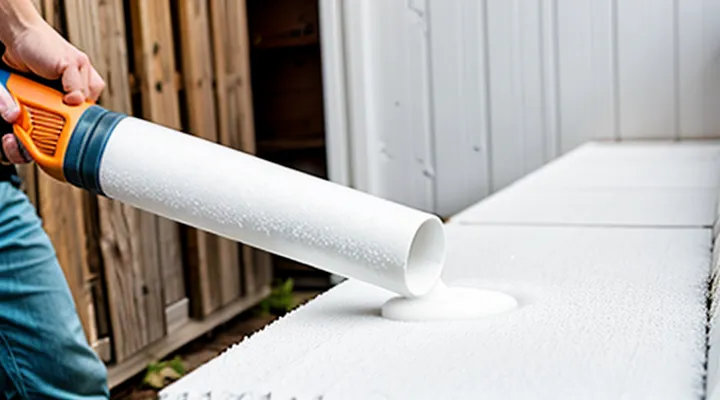
Understanding Expanding Foam
What is Expanding Foam?
Types of Expanding Foam
Expanding foam serves as a physical barrier that blocks entry points used by mice and rats, and its effectiveness depends on the specific formulation applied.
- Polyurethane two‑component foam: mixes resin and hardener on‑site, expands rapidly, creates a dense, rigid seal.
- Polyurethane single‑component foam: stored in a pressurized can, cures on exposure to moisture, suitable for smaller gaps.
- Silicone‑based foam: remains flexible after curing, resists cracking in temperature‑fluctuating environments.
- Water‑blown foam: expands with water vapor, produces low‑odor fill, ideal for indoor applications where fumes are a concern.
- Fire‑retardant foam: incorporates flame‑suppressant additives, meets building‑code requirements for hazardous areas.
- Low‑expansion (gap‑filling) foam: expands 30–50 %, fills narrow cracks without exerting pressure on surrounding structures.
- High‑expansion (void‑filling) foam: expands up to 200 %, fills large cavities and voids behind walls or floors.
Polyurethane foams provide the highest compressive strength, adhering firmly to wood, concrete, and metal; silicone foams excel in elasticity, maintaining seal integrity when structures shift; water‑blown variants offer minimal chemical odor, reducing occupant exposure; fire‑retardant options comply with safety regulations while still delivering structural blockage.
Selection criteria prioritize expansion rate, adhesion to substrate, cure time, and resistance to rodent gnawing. For narrow entry points, low‑expansion polyurethane offers quick cure and hard seal. For larger voids behind insulation, high‑expansion foam fills the space completely, eliminating hidden pathways. When the treated area requires flexibility, silicone‑based foam prevents seal failure due to movement. In environments with fire‑code constraints, fire‑retardant formulations provide both protection and rodent exclusion.
How Expanding Foam Works
Expanding foam consists of two reactive components—an isocyanate and a polyol blend. When mixed, they undergo a rapid polymerization reaction that releases carbon dioxide gas and generates heat. The gas creates bubbles within the polymer matrix, causing the mixture to inflate to several times its original volume. As the reaction proceeds, the material transitions from a liquid to a solid, low‑density cellular structure that adheres to most substrates.
The functional process can be outlined as follows:
- Dispensing initiates mixing of isocyanate and polyol.
- Chemical reaction releases CO₂, inflating the mixture.
- Heat generated accelerates polymer cross‑linking.
- Foam expands, filling available voids.
- Curing solidifies the foam, producing a durable seal.
In rodent control, the foam’s expansion and hardening properties are employed to block access points such as cracks, gaps around pipes, and openings in walls. By filling these passages, the foam creates a physical barrier that prevents mice and rats from entering structures. Additionally, the cured foam can entrap individuals that attempt to gnaw through it, as the material is resistant to chewing and provides no viable escape route. The combination of rapid expansion, strong adhesion, and long‑term rigidity makes expanding foam an effective means of sealing and obstructing pathways used by rodents.
Expanding Foam in Pest Control
Advantages of Using Expanding Foam Against Rodents
Sealing Entry Points
Expanding polyurethane foam creates a durable barrier that blocks the narrow openings rodents use to access structures. The material expands rapidly, filling gaps as small as a fraction of an inch, then hardens into a solid seal that resists chewing and weathering.
Typical locations where rodents gain entry include:
- Gaps around utility penetrations (pipes, cables, vents)
- Cracks in foundation walls and sill plates
- Openings around door and window frames
- Spaces beneath siding and around exterior trim
- Holes left by removed insulation or damaged caulking
Application proceeds by inserting the foam canister into the gap, dispensing a controlled amount, and allowing the foam to expand for 10–15 seconds before it cures. After curing, excess material can be trimmed flush with the surrounding surface, preserving the building’s appearance while maintaining protection.
Regular inspection of the building envelope identifies new gaps created by settlement or renovation. Prompt resealing with expanding foam restores the barrier and prevents re‑infestation without the need for additional mechanical traps or chemical deterrents.
Deterrent Properties
Expanding polyurethane foam creates a physical barrier that eliminates gaps commonly exploited by rodents. When applied to cracks, vents, and pipe openings, the foam hardens into a dense, irregular surface that resists gnawing and prevents entry. The rapid expansion fills voids completely, leaving no residual space for mice or rats to navigate.
The deterrent effect stems from several mechanisms:
- Structural obstruction – hardened foam blocks passageways, forcing rodents to seek alternative routes that are often more exposed.
- Surface texture – irregular, rough interior of cured foam discourages chewing, as the material is harder than typical building substrates.
- Seal integrity – foam adheres to surrounding materials, maintaining a continuous seal that does not degrade under normal indoor temperature fluctuations.
By sealing potential access points, expanding foam reduces the likelihood of infestation without relying on chemical agents. The permanent nature of the barrier limits the need for repeated applications, providing a long‑term deterrent solution for rodent management.
Disadvantages and Limitations
Toxicity Concerns
Expanding polyurethane foam applied to seal entry points can contain isocyanates, polyols, catalysts, and blowing agents. These chemicals may cause irritation of skin, eyes, and respiratory tract upon direct contact or inhalation of vapors. Acute exposure can lead to coughing, wheezing, or dermatitis; chronic exposure may increase risk of sensitization and occupational asthma.
Key toxicity considerations include:
- Isocyanate content – highly reactive; requires protective gloves, goggles, and respirators during application.
- Off‑gassing – volatile compounds released while the foam cures; adequate ventilation reduces inhalation risk.
- Residual foam – once cured, the material is relatively inert, but degraded fragments can leach additives into the environment.
- Pet and wildlife exposure – ingestion of uncured foam or contact with cured surfaces may cause gastrointestinal obstruction or oral burns.
- Disposal regulations – uncured foam is classified as hazardous waste in many jurisdictions; follow local guidelines for containment and removal.
Safe use mandates preparation in well‑ventilated areas, immediate cleaning of spills, and storage of containers away from heat sources. Personnel should be trained in emergency decontamination procedures, and any accidental ingestion or severe skin contact must be reported to medical professionals promptly.
Potential for Rodent Chewing
Expanding foam is widely employed in rodent exclusion projects because it fills gaps and hardens into a solid barrier. Rodents, however, retain a strong instinct to gnaw at foreign materials, including cured foam. When foam is applied in thin layers or without reinforcement, it can become a target for chewing, compromising the seal and allowing re‑entry.
Key factors influencing chewing susceptibility:
- Foam density – low‑expansion, soft formulations soften under heat and are easier to bite.
- Exposure – surfaces that remain visible and accessible encourage gnawing.
- Moisture – damp environments soften the cured polymer, increasing chewability.
- Rodent species – rats possess larger incisors and can exert greater bite force than mice, accelerating damage.
Mitigation strategies:
- Apply high‑expansion, high‑density foam that cures to a rigid, abrasive surface.
- Cover cured foam with metal mesh, steel wool, or rigid trim to create a physical barrier.
- Seal all entry points with a combination of foam and structural materials (e.g., steel plates) to eliminate exposed foam edges.
- Inspect installations regularly; replace any foam showing signs of bite marks or softening.
Understanding the chewing potential of rodents enables practitioners to select appropriate foam formulations and supplementary barriers, ensuring long‑term integrity of exclusion efforts.
Improper Application Risks
Improper use of expanding foam in rodent‑control efforts introduces several hazards that can compromise safety, property integrity, and regulatory compliance.
- Inhalation of aerosolized particles may cause respiratory irritation or acute toxicity for occupants and applicators.
- Contact with uncured foam can result in skin and eye irritation; immediate decontamination is required to prevent chemical burns.
- Excessive expansion within confined spaces creates pressure that can crack walls, damage wiring, or deform structural elements.
- Misapplied foam near electrical components raises the risk of short‑circuits and fire ignition.
- Residual chemicals may leach into surrounding materials, posing long‑term toxicity to pets and wildlife.
- Over‑filling gaps can block ventilation pathways, reducing airflow and fostering moisture accumulation, which encourages mold growth.
- Failure to follow label instructions may violate occupational safety regulations and result in fines or legal liability.
Correct application procedures, protective equipment, and adherence to manufacturer guidelines are essential to mitigate these risks.
Effective Application Techniques
Identifying Rodent Entry Points
Common Entry Areas
Rodents exploit gaps that provide direct access to shelter, food, and water. Identifying these points is essential before applying any sealing material.
Typical ingress locations include:
- Openings around utility penetrations (electric, plumbing, HVAC) larger than ¼ inch.
- Cracks in foundation walls, especially where soil meets concrete.
- Gaps beneath doors and windows, including weather‑stripping failures.
- Spaces around vent pipes, chimney flues, and exhaust fans.
- Unsealed openings in crawl‑space or basement walls, such as where pipes enter.
- Roof eaves and soffits with damaged or missing flashing.
- Holes in siding, especially around siding seams or damaged panels.
Expanding foam, when applied correctly, fills irregular cavities and hardens into a durable barrier. The foam’s rapid expansion allows it to conform to irregular shapes, sealing both small cracks and larger voids without the need for additional caulking. After curing, the material resists chewing, making it unsuitable for rodent penetration.
Effective application steps:
- Inspect all identified openings and remove loose debris.
- Choose a low‑expansion, pest‑resistant foam formulation.
- Insert the nozzle into the gap, dispense a controlled amount, and allow the foam to expand fully.
- Trim excess material flush with the surrounding surface once cured.
- Verify the seal by conducting a visual check and, if necessary, reinforce with steel wool or mesh in high‑traffic areas.
Properly sealed entry points eliminate the most common routes rodents use to infiltrate structures, reducing the likelihood of infestation without reliance on traps or poison.
Signs of Rodent Activity
Rodent presence becomes evident through specific indicators that signal infestation and guide intervention with expanding foam for pest mitigation.
- Gnaw marks on wood, plastic, or wiring, typically at a 45‑degree angle.
- Accumulated droppings, dark and rod‑shaped, found along runways, in corners, or within stored food containers.
- Grease or urine trails that appear as darkened pathways along walls, baseboards, or behind appliances.
- Nests constructed from shredded paper, fabric, or insulation, often hidden in concealed spaces such as wall voids, attics, or under appliances.
- Audible activity, including scratching or scurrying sounds, especially at night when rodents are most active.
- Damage to food packaging, exposed grain, or chewed packaging seams indicating direct feeding.
Identifying these signs promptly enables targeted application of expanding foam to seal entry points, block nesting sites, and create a durable barrier that deters further intrusion.
Preparing the Area
Cleaning and Sealing Gaps
Effective rodent control with polyurethane foam begins with thorough gap preparation. Identify all potential entry points—cracks around windows, door frames, utility penetrations, and foundation seams. Remove debris, insulation, and loose material from each opening. Use a vacuum or compressed air to eliminate dust that could prevent adhesion.
After cleaning, assess the size of each gap. Small cracks (under ¼ inch) can be filled directly with foam. Larger openings require a backing material, such as steel mesh or wood, to support the expanding product and prevent over‑expansion that could damage surrounding structures.
Apply the foam according to the manufacturer’s instructions:
- Attach the nozzle and cut the tip to match the gap width.
- Insert the nozzle into the void, maintaining a slight angle to ensure even distribution.
- Dispense a controlled amount; the foam will expand up to 2–3 times its original volume.
- Allow the material to cure for the recommended time, typically 10–20 minutes.
- Trim excess foam with a utility knife and sand the surface smooth if needed.
Seal the perimeter of the repaired area with a durable caulk or silicone sealant to create a continuous barrier. Inspect the work after curing; any remaining gaps compromise the integrity of the foam seal and allow rodent ingress. Regularly revisit high‑traffic zones to verify that the seal remains intact, especially after seasonal temperature fluctuations that can cause material contraction.
Applying the Foam
Best Practices for Application
Expanding polyurethane foam provides a rapid, seal‑and‑block solution for rodent intrusion. Proper application maximizes effectiveness while minimizing health and structural risks.
- Clean all entry points and surrounding surfaces; remove debris, grease, and loose material that could prevent adhesion.
- Choose a low‑expansion (approximately 1‑2 cu in per foot) formulation to avoid excessive pressure that could crack wood or drywall.
- Attach the foam canister to a long‑reach nozzle; this allows precise placement behind walls, in crawl spaces, and around pipe penetrations.
- Apply foam in short bursts, filling gaps no larger than ¼ inch; larger openings should be pre‑filled with steel wool or mesh before foaming to create a solid barrier.
- Allow the foam to cure for the manufacturer‑specified time, typically 15–30 minutes, before trimming excess with a utility knife.
- Ventilate the area during and after application; wear gloves, eye protection, and a respirator rated for organic vapors.
- Inspect the sealed zones regularly, especially after seasonal temperature changes, to detect shrinkage or new openings.
Consistent adherence to these steps ensures a durable, pest‑proof seal while preserving the integrity of the building envelope.
Safety Precautions During Application
When applying expanding polyurethane foam to seal rodent entry points, strict safety measures protect both the applicator and the surrounding environment.
Wear protective equipment: gloves resistant to chemicals, safety goggles, and a mask rated for organic vapors. Ensure proper ventilation by opening windows or using exhaust fans; confined spaces can accumulate toxic fumes.
Prepare the work area: remove flammable materials, cover nearby surfaces with drop cloths, and keep ignition sources away. Verify that the foam canister is intact, free of dents, and not past its expiration date.
Follow these procedural steps:
- Test the nozzle on a scrap surface to confirm proper spray pattern.
- Apply foam in short bursts, allowing each layer to expand before adding more; over‑application can create pressure hazards.
- Maintain a distance of at least 6 inches from the nozzle to avoid accidental discharge onto skin.
- After the foam cures, trim excess with a utility knife while wearing cut‑resistant gloves.
- Dispose of empty containers according to local hazardous‑waste regulations; do not recycle them with ordinary plastics.
In case of contact with skin or eyes, rinse immediately with plenty of water and seek medical attention if irritation persists. If inhaled, move to fresh air and consult a health professional if symptoms develop. Adhering to these precautions ensures effective rodent exclusion while minimizing health and safety risks.
Alternatives and Complementary Methods
Traditional Rodent Control Methods
Traps and Baits
Expanding foam creates a physical barrier that forces rodents into predictable pathways, allowing traps and baits to be positioned where activity is highest. By sealing cracks and gaps, the foam limits alternative routes, concentrates movement, and improves the efficiency of control devices.
- Snap traps: effective in sealed openings; install flush against foam‑filled walls to ensure a direct strike.
- Electric traps: benefit from limited escape routes; place on foam‑secured platforms to maintain contact with the rodent.
- Live‑catch traps: suitable for humane removal; position within foam‑blocked chambers to prevent re‑entry.
Bait deployment must account for foam’s adhesive properties and moisture resistance. Use high‑protein or grain‑based attractants, place them on a non‑absorbent surface inside the trap, and apply a thin foam seal around the trap entrance to protect bait from contamination while preserving scent diffusion. Avoid sugary baits that can dissolve foam or attract non‑target species.
Regular inspection confirms foam integrity, trap functionality, and bait freshness. Replace compromised foam, reset or dispose of captured rodents, and refresh bait every 48‑72 hours. Maintain a safe distance between foam application and electrical components to prevent accidental discharge.
Professional Exterminators
Professional exterminators incorporate expanding foam into rodent exclusion programs because the material can seal gaps inaccessible to conventional caulking. Their training enables precise identification of entry points, selection of appropriate foam density, and execution of applications that maintain structural integrity while blocking small mammals.
During an inspection, technicians locate openings as narrow as 1 mm, assess surrounding material compatibility, and determine optimal injection points. They then dispense foam with calibrated equipment, allowing it to expand and cure within seconds. After curing, they trim excess material to restore surfaces and verify that no residual pathways remain.
Key advantages of the method include:
- Immediate blockage of newly discovered voids, preventing re‑entry.
- Durable seal resistant to gnawing, weathering, and insect activity.
- Minimal disruption to building finishes, reducing post‑treatment restoration costs.
- Rapid execution, enabling swift transition from inspection to remediation.
Exterminators also document each application, integrate foam sealing with bait placement or trapping, and schedule follow‑up inspections to confirm long‑term efficacy. Their expertise ensures that expanding foam is employed safely, complies with local regulations, and complements broader integrated pest‑management strategies.
Integrated Pest Management
Combining Strategies for Best Results
Expanding polyurethane foam provides a rapid, durable seal for gaps that rodents exploit, but its effectiveness increases when paired with complementary measures. A coordinated approach addresses entry, attraction, and population control simultaneously.
- Apply foam to all visible openings, including cracks around pipes, vents, and foundation joints.
- Install snap or electric traps in high‑activity zones identified by droppings or gnaw marks.
- Deploy bait stations with anticoagulant or bromethalin formulations, positioned away from non‑target species.
- Conduct habitat modification: remove food sources, store waste in sealed containers, and trim vegetation that offers shelter.
- Perform regular inspections to detect new breaches; re‑apply foam promptly to maintain barrier integrity.
Integrating these tactics creates multiple barriers: foam eliminates structural access, traps reduce individual numbers, bait stations lower reproductive capacity, and sanitation removes incentives. Sequential execution—seal first, then trap and bait, followed by ongoing maintenance—maximizes rodent suppression while minimizing the likelihood of re‑infestation.
Ongoing Prevention and Monitoring
Regular inspection of all treated surfaces is essential to maintain an effective barrier against rodents. After the initial application of polyurethane foam, verify that the cured seal remains intact, especially around pipes, vents, and structural joints. Any cracks, shrinkage, or new openings must be filled promptly to prevent re‑entry.
A systematic monitoring program should include the following actions:
- Visual checks for gnaw marks, droppings, or nesting material near sealed areas.
- Installation of motion‑activated cameras or infrared sensors at high‑risk entry points.
- Placement of non‑lethal bait stations or snap traps in zones where activity is detected, to confirm presence or absence of pests.
- Documentation of inspection dates, findings, and corrective measures in a centralized log.
Environmental conditions that favor rodent activity, such as excess moisture or clutter, require corrective steps. Remove food sources, store waste in sealed containers, and keep storage areas orderly. When moisture accumulates near foam seams, dry the area and apply a moisture‑resistant coating before resealing.
Continuous data collection enables trend analysis. Compare monthly detection rates with historical baselines to assess the long‑term efficacy of the foam barrier. Adjust maintenance frequency and supplemental control methods based on observed patterns, ensuring the protective shield remains reliable over time.