
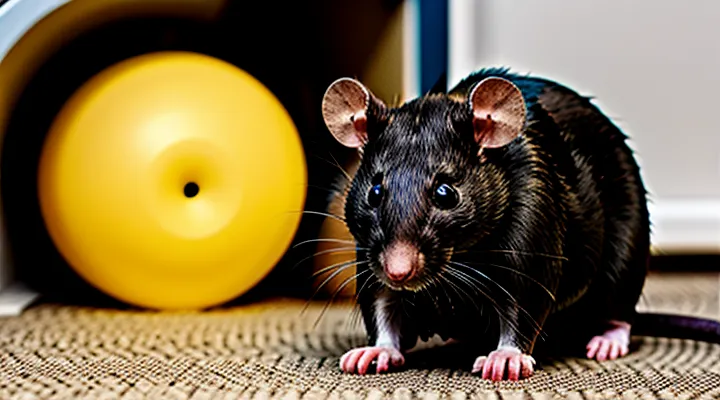
Mental Stimulation and Enrichment
Preventing Boredom and Destructive Behavior
Rats left without mental engagement quickly develop repetitive chewing, tunnel digging, or cage destruction. Providing appropriate enrichment interrupts these patterns and promotes healthy activity.
- Chew‑able blocks made of untreated wood, mineral‑based pads, or safe acrylic reduce constant gnawing on bars and cages.
- Puzzle feeders that require manipulation to release seeds or treats stimulate problem‑solving skills and extend feeding time.
- Multi‑level tunnels and climbing ladders encourage exploration, vertical movement, and social interaction.
- Interactive balls with textured surfaces offer tactile feedback and can be rolled across the cage floor for brief exercise bursts.
Rotate toys every few days to maintain novelty; remove damaged items promptly to avoid injury. Select sizes that allow full body movement without confinement, and verify that all materials are non‑toxic and free of sharp edges.
Consistent use of these enrichment tools diminishes boredom‑driven aggression, limits cage wear, and supports the rat’s natural curiosity and social behavior.
Promoting Natural Instincts
Providing rats with items that trigger innate behaviors improves health, reduces stress, and encourages active exploration. Toys that mimic natural activities—chewing, climbing, burrowing, and foraging—align with a rat’s evolutionary repertoire and sustain mental agility.
- Chew tunnels and wooden branches – hard surfaces satisfy gnawing urges, protect teeth, and stimulate tactile perception.
- Foraging boxes or hide‑away feeders – require manipulation to retrieve food, replicating the search for seeds and insects in the wild.
- Climbing frames and rope ladders – offer vertical space, engage hind‑limb strength, and mirror arboreal movement patterns.
- Nest‑building kits (shredded paper, untreated cotton) – enable construction of secure shelters, supporting burrowing instincts and providing a sense of safety.
- Puzzle feeders with rotating compartments – combine problem‑solving with food acquisition, fostering curiosity and dexterity.
Integrating these items into a rat’s enclosure creates an environment where natural drives are regularly exercised, leading to robust physical condition and sustained behavioral diversity.
Types of Essential Rat Toys
Chewing Toys
Rats require durable objects to satisfy their natural gnawing instinct and to maintain dental health. Chewing toys provide the necessary resistance, stimulate mental activity, and prevent destructive behavior.
- Hardwood blocks (e.g., apple or maple) – dense wood resists rapid wear, encourages steady chewing, and offers natural scent that appeals to rodents. Ensure the wood is untreated and free of chemicals.
- Natural mineral chews (e.g., calcium-rich rocks) – supply essential minerals while presenting a tough surface that promotes continuous gnawing. Choose products specifically labeled for small mammals.
- Nylabone® chew sticks – engineered polymer with graded hardness; designed to withstand aggressive gnawing without splintering. Select the smallest size to match a rat’s jaw.
- Paper-based tunnels with embedded chew strips – combine exploration with chewable fibers, allowing rats to alternate between gnawing and climbing. Verify that the paper is non‑toxic and securely stitched.
- Seagrass or kelp ropes – fibrous marine vegetation offers a flexible yet resilient texture; supports dental abrasion and provides a source of trace nutrients. Rinse thoroughly before offering.
When evaluating chew toys, prioritize materials that are non‑toxic, unscented, and free of splintering hazards. Size should allow the rat to grasp the object comfortably without risking entanglement. Rotate toys regularly to sustain interest and prevent habituation.
Providing a selection of these chewable items fulfills rats’ oral health requirements and enriches their environment, supporting overall well‑being.
Dental Health Benefits
Rats have continuously growing incisors; regular gnawing prevents overgrowth and maintains proper bite alignment. Chew-oriented toys supply the necessary abrasion, reduce plaque formation, and stimulate saliva flow, which together protect dental structures.
- Hardwood chew blocks – dense fibers wear down teeth evenly, limit sharp edges, and encourage natural chewing patterns.
- Natural branches (e.g., apple, willow) – varied diameters create differential wear, promoting balanced enamel removal and jaw exercise.
- Chew tunnels made of untreated pine – interior surfaces provide continuous gnawing zones, supporting enamel polishing and reducing bacterial colonization.
- Rope toys twisted from untreated cotton – flexible texture forces intermittent biting, enhancing gum health and preventing root exposure.
- Mineral chews fortified with calcium and phosphorus – supplement dietary minerals while delivering abrasive action that counters tartar buildup.
Integrating these items into a rat’s enclosure ensures consistent dental wear, lowers the risk of malocclusion, and contributes to overall oral hygiene.
Safe Materials for Chewing
Rats require chewable toys made from materials that will not splinter, release toxins, or cause dental damage. Selecting appropriate substrates protects both oral health and overall well‑being.
- Untreated hardwood (e.g., apple, maple, birch): Dense, natural, free of chemicals; resists gnawing wear while allowing steady tooth wear.
- Natural wicker or willow: Flexible fibers withstand constant chewing; no synthetic binders involved.
- Food‑grade silicone: Non‑porous, heat‑resistant, inert; easy to sterilize and safe for prolonged gnawing.
- Compressed paper pulp (paper‑based toys): Made from untreated, recycled paper; biodegradable and safe when free of inks or adhesives.
- Coconut shell: Hard exterior with a softer interior; provides varied texture without introducing harmful substances.
- Mineral‑based chew blocks (e.g., calcium carbonate): Provide dental abrasion and essential nutrients; formulated for rodent consumption.
Avoid plastics, painted wood, and treated lumber, as these can contain phthalates, lead, or other hazardous compounds. Regularly inspect toys for wear; replace any item that shows cracking or splintering. Maintaining a rotation of the listed safe materials ensures continuous dental stimulation and reduces the risk of boredom‑related behaviors.
Wood Toys
Wood toys provide rats with a natural chewing surface, encouraging dental health and reducing the risk of overgrown incisors. The texture stimulates tactile exploration, supporting mental engagement during daily activity.
Safety considerations include selecting untreated, pesticide‑free wood such as plain pine, birch, or maple. Edges should be sanded smooth to prevent injuries, and dimensions must allow the rat to climb or hide without becoming trapped.
Recommended wood toys for rats:
- Chew blocks or sticks, sized for gnawing without splintering
- Short tunnel sections, facilitating passage and hide‑out opportunities
- Elevated platforms, offering a perch for observation and rest
- Puzzle boxes with removable wooden lids, encouraging problem‑solving
- Nesting cubes, providing a secure enclosure for sleep and grooming
Regular inspection for splinters, wear, or mold ensures the toys remain functional and safe for long‑term use.
Cardboard and Paper Items
Cardboard and paper products provide inexpensive, versatile enrichment for pet rats. Their texture encourages natural gnawing, while their flexibility supports nesting and foraging activities.
- Toilet‑paper rolls, cut lengthwise, create tunnels for exploration and hide‑outs.
- Corrugated cardboard sheets, torn into strips, serve as chewable pads that help wear down continuously growing teeth.
- Paper towel rolls, emptied of inner core, act as rolling toys; rats can push them across the cage floor.
- Shredded newspaper, lightly dampened, forms a soft nesting substrate that mimics natural burrows.
- Cardboard tubes from paper towels or kitchen roll, stacked vertically, create climbing structures that promote muscle development.
When selecting these items, ensure they are free of inks, adhesives, or scented chemicals that could harm the animal. Replace worn pieces regularly to maintain hygiene and prevent splintering. Integrating a variety of cardboard and paper objects into a rat’s environment supports dental health, mental stimulation, and natural behaviors.
Foraging Toys
Foraging toys satisfy rats’ instinct to search for food, providing mental stimulation and reducing repetitive behaviors. By concealing treats within complex structures, these devices encourage problem‑solving, promote natural digging motions, and extend activity periods without continuous human interaction.
- Wooden maze tubes – interconnected hollow cylinders with multiple entry points; rats must navigate twists to locate hidden bits of kibble.
- Treat‑dispensing balls – durable plastic spheres with adjustable openings; a small amount of food exits only when the rat rolls the ball, fostering continuous movement.
- Cardboard egg cartons – repurposed containers with removable dividers; treats placed in individual cells require the rat to lift lids or push through paper walls.
- PVC pipe puzzles – sections of pipe fitted together with side openings; food inserted at one end travels through a labyrinth, demanding persistent exploration.
- DIY paper roll puzzles – empty toilet‑paper rolls folded into zig‑zag shapes, sealed with tape; rats must unroll or push the structure to access embedded snacks.
Each option combines durability with a level of difficulty that can be adjusted by altering compartment size or opening width, allowing owners to match the toy to the rat’s experience and age.
Encouraging Natural Foraging Behavior
Foraging satisfies a rat’s instinct to search for food, reduces idle time, and promotes problem‑solving skills. Toys that hide treats or require manipulation replicate this natural activity and keep the animal physically active.
Effective foraging toys incorporate multiple compartments, variable access points, and durable materials that withstand gnawing. Designs that allow the rat to push, pull, or roll objects create a sequence of actions before reaching the reward, reinforcing exploratory behavior.
- Puzzle tube with interchangeable chambers – clear sections hold small pieces of food; the rat must rotate the tube to align openings.
- Wooden block with removable slats – slats conceal seeds; the rat learns to lift or slide each piece to uncover hidden bites.
- Treat‑dispensing ball – a hollow sphere releases a few pellets each time the rat rolls it, encouraging repeated movement.
- Multi‑level foraging tower – stacked platforms with tiny doors and tunnels; the rat climbs and navigates to locate treats placed at various heights.
- Paper‑folded hideaway – crumpled, non‑toxic paper tubes filled with kibble; the rat tears and reshapes the paper to access food.
Place toys in different corners of the cage, rotate them weekly, and monitor for wear. Ensure all components are free of sharp edges and securely assembled to prevent injury. Regularly vary the type of treat used to maintain interest and reinforce the foraging routine.
DIY Foraging Ideas
DIY foraging projects give rats mental stimulation and encourage natural digging behavior. Simple, low‑cost constructions can be placed in cages alongside commercial toys, providing varied textures and scent challenges.
- Paper tube maze: Cut a cardboard tube lengthwise, insert shredded paper or dried herbs, and seal ends with tape. Rats navigate the tunnel, pulling material through the opening.
- Wooden block hideout: Drill a shallow cavity in a untreated wooden block, fill with oats or small seed mix, and cover with a removable lid. The rat must lift the lid to access the food.
- Plastic bottle puzzle: Cut a small opening near the top of a clean plastic bottle, fill with mixed nuts, and secure the cap. Rats roll the bottle to dispense treats through the opening.
- Fabric pouch feeder: Sew a tight‑stitched pouch from cotton fabric, thread a thin ribbon through the seam, and load with dried fruit pieces. The rat pulls the ribbon to expose the contents.
- Egg carton foraging tray: Separate an egg‑carton into individual cups, line each cup with a different snack, and place the tray on the cage floor. Rats explore each cup for rewards.
All items use household materials that are safe for rodents when cleaned and unscented. Rotating these DIY foraging tools weekly prevents habituation and maintains engagement.
Exercise and Climbing Toys
Rats thrive on vertical movement and vigorous activity; providing dedicated exercise and climbing toys satisfies these innate behaviors while preventing obesity and stress. Properly chosen accessories encourage natural foraging, strengthen muscles, and maintain dental health.
- Multi‑level wooden climbing frame with staggered rungs, offering varied heights and sturdy grip surfaces.
- Rope ladder made from untreated sisal, detachable for easy cleaning and adaptable to cage dimensions.
- Suspended hammock woven from natural fibers, allowing rest between bouts of climbing and stretching.
- Plastic tunnel network with angled sections, promoting rapid directional changes and speed drills.
- Exercise wheel with a solid running surface, sized at least 12 inches in diameter to prevent spinal curvature.
When selecting items, prioritize non‑toxic materials, secure anchoring, and ease of disassembly for sanitation. Rotate toys weekly to sustain interest and stimulate cognitive engagement. Regular observation of the rats’ interaction with each accessory informs adjustments for optimal enrichment.
Promoting Physical Activity
Physical activity is essential for maintaining a rat’s cardiovascular health, muscle strength, and cognitive function. Regular movement prevents obesity, reduces stress, and encourages natural foraging behaviors, leading to a longer, healthier life.
Effective stimulation comes from toys that compel a rat to run, climb, explore, and solve problems. The following items consistently encourage vigorous exercise:
- Exercise wheel (solid surface, 8‑10 in diameter) – Provides continuous running without risk of injury from wire spokes.
- Modular tunnel system – Creates a network of passages that promotes sprinting, squeezing, and territorial exploration.
- Climbing platforms and ladders – Require vertical movement, strengthening hind‑limb muscles and enhancing agility.
- Interactive chew toys with moving parts – Combine gnawing with motion, prompting both oral activity and locomotion.
- Puzzle feeders – Hide food inside compartments that must be manipulated, merging mental challenge with physical effort.
Integrating these accessories into a rat’s enclosure ensures daily bouts of activity, supporting overall wellbeing and reducing the likelihood of sedentary‑related health issues.
Types of Climbing Structures
Rats exhibit natural climbing instincts; providing vertical enrichment supports physical health and exploratory behavior. A variety of climbing structures can be incorporated into a rat habitat to encourage movement, balance, and muscular development.
- Vertical ladders – metal or wooden rungs spaced to match a rat’s stride; secure attachment prevents wobble.
- Rope bridges – braided natural fibers stretched between two points; offers suspension exercise and tactile stimulation.
- Climbing nets – flexible mesh panels that can be folded or mounted on walls; creates a three‑dimensional surface for navigation.
- Multi‑level platforms – stacked platforms of differing heights connected by ramps or steps; expands usable space without increasing floor area.
- Wooden trees – dowels and branches arranged in a tree‑like formation; mimics arboreal environments and provides chewable material.
- Acrylic tubes – clear, sturdy tubes of varying diameters; allows visual monitoring while delivering enclosed climbing routes.
- Mini jungle gyms – compact frames combining bars, platforms, and tunnels; delivers a complete climbing circuit in a single unit.
Selecting the appropriate combination depends on cage size, material safety, and the number of occupants. Each structure should be securely anchored, free of sharp edges, and constructed from non‑toxic materials to ensure long‑term durability and rat wellbeing.
Ladders and Ramps
Ladders and ramps provide vertical and inclined pathways that enable rats to explore multiple levels of a cage, reach feeding stations, and access enrichment zones without excessive jumping. Properly designed structures encourage natural climbing behavior, reduce stress, and prevent injuries caused by falls from heights.
Key characteristics for selecting effective ladders and ramps include:
- Material safety: Non‑toxic, chew‑resistant plastics, untreated hardwood, or stainless‑steel components.
- Surface texture: Fine ridges or shallow grooves that grip small paws while allowing smooth ascent.
- Angle and height: Ramps should not exceed a 30‑degree incline; ladders must have steps spaced 1–1.5 inches apart to match rat stride length.
- Secure attachment: Brackets or clips that lock the structure to the cage frame, preventing wobble.
- Ease of cleaning: Smooth surfaces and removable sections simplify disinfection and debris removal.
Installation guidelines recommend positioning ladders near nesting areas and ramps leading to food or water dispensers, creating a logical flow that mirrors a rat’s natural habitat. Regular inspection for wear, loose fittings, or gnaw marks ensures continued safety and functionality.
Ropes and Hammocks
Ropes and hammocks provide vital enrichment for pet rats, encouraging natural climbing, chewing, and nesting behaviors. High‑quality rope toys should be made from untreated cotton or sisal, offering a safe texture for gnawing while supporting the animal’s instinct to explore vertical space. Hammocks crafted from breathable fleece or soft mesh create comfortable perches that can be suspended from cage bars, enabling rats to rest above the floor and observe their environment from a safe height.
Key considerations for selecting ropes and hammocks:
- Material safety: Non‑toxic, untreated fibers; no synthetic dyes that could leach chemicals.
- Durability: Strong weave that withstands persistent gnawing without fraying.
- Size and shape: Length of rope long enough for looping; hammock dimensions suitable for one or two rats, allowing easy entry and exit.
- Installation ease: Hooks or clips compatible with standard cage designs, ensuring secure attachment without damaging the enclosure.
Regular inspection for wear and prompt replacement maintain hygiene and prevent accidental ingestion of frayed fibers. Incorporating these items into a rat’s habitat promotes physical activity, mental stimulation, and overall well‑being.
Hiding and Burrowing Toys
Rats instinctively seek concealed spaces for rest and security; providing toys that emulate tunnels, nests, and burrows satisfies this drive and promotes healthy behavior. Effective hiding and burrowing accessories combine durable construction with natural textures, allowing rodents to dig, rearrange, and retreat without damaging cages.
Key characteristics to evaluate:
- Material: Untreated wood, natural hemp, or safe silicone resist chewing wear and prevent toxic exposure.
- Design: Interconnected chambers, removable sections, and open entrances encourage exploration and nesting.
- Size: Interior volume must accommodate an adult rat’s body length plus room for movement; a minimum of 200 cm³ per chamber is advisable.
- Cleaning: Smooth surfaces and detachable parts simplify sanitation, reducing odor buildup.
Recommended options for a well‑rounded selection:
- Wooden tunnel system – solid pine tubes with removable caps; fits standard wire cages and supports chewing.
- Hemp burrow cube – compressed hemp fibers forming a compact hideout; reshapes after each use, mimicking natural substrate.
- Silicone cave – flexible dome with multiple entry holes; withstands aggressive gnawing and can be folded for storage.
- Modular maze set – plastic connectors and wooden arches that assemble into custom burrow networks; expands as the rat’s activity level grows.
Integrating at least one item from each category ensures variety, encourages natural digging, and reduces stress. Regular rotation of toys maintains interest and prevents habituation, contributing to sustained physical and mental well‑being.
Providing Security and Comfort
Rats thrive when they can retreat to secure, comfortable spaces. A well‑designed enclosure includes elements that satisfy both needs, reducing stress and encouraging natural behavior.
- Closed tunnels or PVC pipes – dark, enclosed pathways mimic burrows, offering privacy and protection from sudden movements. Secure ends prevent escape and maintain structural integrity.
- Cubes and igloos with solid lids – sturdy, opaque covers create a safe den where rats can rest undisturbed. Rounded edges reduce injury risk.
- Hammocks and fabric nests – breathable textiles provide warmth while allowing rats to curl up. Soft surfaces support joint health and promote restful sleep.
- Chewable hideaways made of untreated wood – natural material satisfies gnawing instincts and serves as a sturdy shelter. Rounded corners prevent splinters.
- Layered bedding (paper strips or aspen shavings) – thick, absorbent layers cushion the floor, maintain dry conditions, and enable nest building.
Integrating these items into a rat’s play area establishes a secure environment that also delivers physical comfort, fostering healthy activity and well‑being.
Examples of Hiding Places
Rats thrive when provided with secure retreats that mimic natural burrows, allowing them to explore, rest, and exhibit instinctive behaviors. Incorporating well‑designed hiding places into a rat’s play environment enhances mental stimulation and reduces stress.
- Small wooden log with drilled chambers, sized to accommodate a single rat.
- Ceramic tunnel with multiple interconnected sections, offering darkness and curvature.
- Fabric pouch sewn from breathable material, featuring a zippered opening for easy access.
- Stackable PVC pipe segments, cut to lengths that create a maze of concealed pathways.
- Live‑plant pot with a dense root ball, delivering a natural cover while remaining safe for chewing.
Choosing the Right Toys for Your Rat
Safety First: What to Avoid
When selecting toys for rats, safety overrides novelty. Items that appear attractive but pose hazards must be excluded.
- Toys with small detachable parts that can be swallowed or lodged in the airway.
- Products made from untreated wood, painted metal, or toxic plastics that release chemicals when chewed.
- Wire cages or accessories with sharp edges, exposed staples, or loose mesh that can cause puncture wounds.
- Toys containing adhesive residues, glitter, or sequins that rats may ingest.
- Complex mechanical devices with moving gears or springs that can become trapped in paws or teeth.
Avoiding these risks ensures that the chosen play objects support healthy chewing behavior without endangering the animal’s well‑being.
Small Parts and Choking Hazards
When selecting toys for rats, the size of each component directly influences safety. Tiny fragments can become lodged in a rat’s throat, leading to respiratory distress or fatal blockage. Manufacturers often label items as “small parts,” yet a rat’s jaw can crush objects to dimensions far smaller than human standards. Consequently, any detachable piece under ¼ inch (6 mm) should be considered a potential choking risk.
Key considerations for evaluating a toy’s suitability:
- Material integrity – Prefer solid, non‑fragmenting plastics or untreated wood; avoid toys made from brittle composites that splinter under pressure.
- Construction design – Choose items with integrated, non‑removable features; seams or snap‑fit joints that can detach pose a hazard.
- Size threshold – Verify that the smallest element exceeds the rat’s mouth opening (approximately 5 mm) and cannot be broken into smaller pieces during normal play.
- Inspection routine – Perform a visual and tactile examination before each use; discard any toy showing cracks, chips, or loosened parts.
If a toy fails any of these criteria, replace it with alternatives such as solid chew blocks, heavy-duty tunnels, or textured ropes that lack detachable sections. Regular monitoring of the rat’s interaction with toys further reduces the likelihood of accidental ingestion of hazardous fragments.
Toxic Materials
When selecting toys for rats, avoid materials that can release harmful chemicals. Rats chew extensively; any toxic component may be ingested or absorbed through the skin.
Common hazardous substances include:
- Lead – found in some painted surfaces and metal parts; causes neurological damage.
- Phthalates – plasticizers used in flexible PVC; linked to endocrine disruption.
- Formaldehyde – present in certain pressed wood products; irritates respiratory tract.
- Heavy metals (cadmium, mercury) – sometimes present in cheap metal alloys; damage kidneys and nervous system.
- BPA (bisphenol A) – used in polycarbonate plastics; interferes with hormone regulation.
These compounds can leach when the toy is chewed, broken, or exposed to moisture. Chronic exposure may lead to reduced fertility, organ failure, or behavioral changes in rats.
Safe alternatives consist of untreated natural wood, solid hardwood blocks, cotton rope, and food‑grade silicone. Verify that products are labeled “pet‑safe” or “non‑toxic” and that manufacturers provide material safety data.
Regularly inspect toys for cracks or wear that could expose hidden chemicals. Replace damaged items promptly to maintain a non‑toxic environment for your rodents.
Sharp Edges
Sharp edges present a significant safety concern in rat enrichment items. Rats’ incisors and delicate paws can be damaged by exposed metal, broken plastic, or improperly finished wood. Injuries may include lacerations, bruising, or dental fractures, leading to infection and reduced mobility.
Key factors to assess when evaluating a toy’s edge profile:
- Material composition: stainless steel, high‑density polyethylene, and untreated hardwood are less likely to develop hazardous protrusions than low‑grade plastic or soft foam.
- Manufacturing quality: seamless joins, rounded corners, and polished surfaces reduce the risk of accidental cuts.
- Durability: items that maintain structural integrity under chewing pressure prevent the emergence of new sharp points over time.
- Cleaning method: toys that can be sterilized without compromising edge smoothness retain safety after repeated washes.
When selecting toys, prioritize products that explicitly state edge‑free design or provide evidence of rounded finishing. Inspect each item before introduction; run a fingertip test to verify that no sharp points remain. Replace any toy that shows chipping, splintering, or wear that creates new edges.
Regular monitoring of the rats’ behavior can reveal early signs of discomfort, such as reduced chewing activity or avoidance of a particular item. Prompt removal of the offending toy prevents escalation to injury.
Considering Your Rat’s Personality
Rats respond best to toys that reflect their individual temperament. Matching play objects to behavior patterns reduces stress and encourages natural activity.
Active rats thrive on fast‑moving stimuli. Provide tunnels with multiple entry points, chew‑resistant wheels, and climbing ladders. Curious rats enjoy puzzle feeders, treat‑dispensing balls, and objects with hidden compartments that require manipulation. Shy or timid rats benefit from enclosed hideaways, soft fabric hammocks, and low‑profile chew sticks that do not overwhelm their field of vision. Social rats prefer group‑compatible accessories such as multi‑rat bridges, large communal platforms, and interactive toys that can be shared without competition.
- High energy: reinforced wheels, multi‑level climbing sets, rapid‑roll balls.
- Exploratory: puzzle boxes, treat tubes, detachable maze sections.
- Reserved: enclosed nests, plush tunnels, gentle chew toys.
- Sociable: wide bridges, shared platforms, collaborative puzzle feeders.
Observe each rat’s interaction style, note preferences, and rotate items weekly to maintain novelty. Adjust selections as the animal matures or as new traits emerge. This approach ensures that the chosen toys remain engaging and supportive of the rat’s well‑being.
Active vs. Reserved Rats
Rats display distinct activity patterns that influence toy effectiveness. Active individuals explore rapidly, require stimulation that accommodates high energy, while more reserved companions prefer gentle engagement that does not overwhelm their senses.
Typical toys for energetic rats include:
- Multi‑level climbing structures with sturdy rungs
- Wheels with solid running surfaces and adjustable resistance
- Puzzle feeders featuring moving parts and multiple access points
- Tubes or tunnels with branching pathways that encourage swift navigation
For rats that are less outgoing, suitable options consist of:
- Soft chew blocks with mild scent that invite gradual interaction
- Small, enclosed hideaways offering quiet retreat
- Simple ball toys that roll slowly and can be nudged gently
- Low‑profile ladders or ramps that provide modest elevation without demanding rapid movement
Selecting toys that match a rat’s behavioral tendency maximizes enrichment, reduces stress, and supports healthy activity levels.
Individual Preferences
Rats display distinct likes and dislikes that shape their engagement with enrichment items. Recognizing these individual tendencies prevents wasteful purchases and supports behavioral health.
Factors influencing a rat’s choice include:
- Texture preference – some rats favor soft fleece, others prefer rough wood.
- Activity level – active individuals seek climbing structures, while sedentary ones enjoy stationary chewables.
- Sensory attraction – bright colors or scented materials stimulate certain rodents, whereas neutral tones appeal to others.
- Previous experience – rats accustomed to tunnels may ignore open platforms, and vice versa.
Matching toys to these traits yields reliable interaction:
- Chewable wooden blocks – satisfy strong gnawing urges and provide rough texture.
- Plush tunnels with fleece lining – combine enclosed space with soft feel for timid or comfort‑seeking rats.
- Multi‑level climbing frames – offer vertical movement for energetic individuals.
- Plastic balls with textured ridges – engage tactile explorers without excessive noise.
- Scented rope toys – attract olfactory‑focused rodents while delivering safe chewing surfaces.
Observing a rat’s initial reaction—sniffing, pawing, or ignoring—offers immediate feedback. Adjusting the selection based on these cues ensures sustained use and reduces the likelihood of abandonment.
Rotation and Novelty
Rats thrive on environmental change; static setups quickly lose appeal, leading to reduced activity and increased stress. Introducing new objects or swapping existing ones prevents habituation and stimulates natural foraging and exploratory behaviors.
Implement a rotation schedule that replaces one or two items every 3–5 days. Keep a small inventory of compatible toys, store unused pieces in a sealed container to preserve scent, and reintroduce them after a brief absence. This pattern maintains novelty while avoiding excessive clutter.
- Chewable tunnels that can be flipped or reassembled
- Puzzle feeders with interchangeable compartments
- Climbing ladders or ropes that can be repositioned
- Hideaways featuring removable bedding or nesting material
- Interactive balls that can be filled with fresh treats
Consistent rotation and varied stimuli sustain engagement, promote physical health, and support mental well‑being in pet rats.
Keeping Things Interesting
Rats quickly habituate to static objects; regular changes prevent boredom and support mental health. Introduce a new item every two to three weeks, or rotate existing toys on a weekly schedule. This practice maintains novelty without increasing overall cost.
- Puzzle feeders with adjustable difficulty levels challenge problem‑solving skills.
- Chewable tunnels made from untreated wood or natural fibers satisfy gnawing urges.
- Interactive balls featuring textured surfaces stimulate tactile exploration.
- Hanging ropes or ladders provide climbing opportunities and vary vertical space.
When selecting a new piece, consider material safety, size appropriate for the cage, and ease of cleaning. Test each item for durability; replace fragmented pieces promptly to avoid injury. Combining multiple types in a single rotation cycle maximizes sensory enrichment while minimizing repetitive behavior.
Introducing New Toys
Introducing fresh play items expands a rat’s environment, stimulates natural behaviors, and prevents boredom. New toys should complement existing enrichment while offering distinct challenges.
Key categories for recent additions include:
- Chewable tunnels crafted from untreated wood or safe plastics, designed to support dental health.
- Multi‑level climbing frames featuring textured rungs and ladders that encourage vertical exploration.
- Interactive puzzle dispensers that release treats when manipulated, promoting problem‑solving skills.
- Sensory pads infused with safe scents or gentle vibrations to engage the tactile sense.
Selection criteria focus on material safety, durability, and size compatibility with standard laboratory or pet‑store cages. Toys must be free of toxic coatings, have no sharp edges, and be easy to clean. Weight and dimensions should allow rats to maneuver without obstruction.
Integrating these items into a routine involves rotating the new toys weekly, observing engagement levels, and replacing any that show signs of wear. Consistent monitoring ensures the enrichment remains effective and aligns with the overall goal of providing a stimulating habitat.
DIY Rat Toy Ideas
Simple and Cost-Effective Options
Simple, low‑cost toys satisfy rats’ need for exploration, chewing, and mental challenge while fitting modest budgets. Materials such as untreated cardboard tubes, paper towel rolls, and clean wooden dowels offer safe, chewable surfaces that promote dental health and prevent boredom. Small plastic beads or lightweight plastic rings can be threaded onto a string to create a dangling puzzle that encourages problem‑solving without expensive mechanisms.
- Cardboard tubes (e.g., from paper towels or toilet paper) – cut to appropriate length, placed horizontally or vertically for tunnel play.
- Untreated wooden blocks or dowels – sanded smooth, positioned for climbing and gnawing.
- Plastic bottle caps – cleaned, linked together to form a lightweight chain for manipulation.
- Natural twine knots – tied loosely, providing a textured rope for chewing and pulling.
- Recycled paper strips – twisted into cords, hung from cage bars for interactive play.
Each option requires minimal preparation: inspect for sharp edges, remove adhesives, and sterilize with warm water before introduction. Regular rotation of these items maintains novelty, supporting sustained engagement and overall well‑being.
Toilet Paper Rolls
Toilet paper rolls provide an inexpensive, readily available enrichment item for pet rats. Their hollow cylinder encourages exploration, chewing, and tunnel creation, which satisfy natural foraging instincts.
The cardboard material is soft enough to prevent dental injury while offering enough resistance to promote gnawing. The roll’s length fits comfortably within a cage, allowing multiple rats to interact simultaneously without overcrowding.
Safe preparation involves removing any adhesive labels, cutting the roll into manageable sections, and inspecting for loose fibers that could be ingested. Replace the roll regularly to avoid bacterial buildup and structural degradation.
- Cut the roll into 2–3 inch pieces for easy handling.
- Sterilize by briefly immersing in a diluted vinegar solution, then air‑dry.
- Position pieces near climbing structures to encourage movement.
- Monitor for excessive chewing that could lead to ingestion of large fragments.
Consistent rotation of fresh cardboard segments maintains novelty, reducing boredom and supporting overall health.
Cardboard Boxes
Cardboard boxes provide rats with a versatile environment that satisfies natural instincts to explore, hide, and gnaw. The material is inexpensive, readily available, and easy to replace when worn.
- Structural benefits: Corrugated layers create tunnels and chambers that encourage burrowing behavior. Boxes can be stacked or connected to form complex mazes.
- Chewing safety: Uncoated cardboard lacks toxic chemicals, allowing rats to gnaw without risk of ingestion. Regular replacement prevents splinter formation.
- Sensory enrichment: The texture stimulates tactile receptors, while the hollow space amplifies subtle sounds, enhancing auditory engagement.
- Maintenance: Boxes can be discarded after a few weeks of use, reducing bacterial buildup. Cleaning requires only a quick wipe or replacement.
To integrate cardboard boxes effectively, position them near the cage’s feeding area, anchor them to prevent collapse, and rotate different configurations weekly. This routine maintains novelty, supports dental health, and reinforces natural foraging patterns.
Creative Projects for Enrichment
Creative enrichment projects extend the functionality of any high‑quality rat toy collection, providing mental stimulation and physical activity that mirror natural foraging behaviors.
- Construct a maze from untreated cardboard tubes, arranging branches to create multiple pathways and hidden chambers.
- Assemble a foraging wheel by attaching small fabric pouches to a rotating disc; fill each pouch with seed mixes or shredded vegetables.
- Build a climbing tower using wooden dowels and cork bark, securing each element with non‑toxic glue to form a three‑dimensional obstacle course.
- Create a scent trail using diluted essential oils (safe for rodents) applied to cotton swabs hidden beneath bedding, encouraging investigative sniffing.
Select materials that are non‑hazardous, free of treated wood, and easy to sanitize. Verify that all connections are secure to prevent accidental ingestion. Rotate projects weekly to maintain novelty and reduce habituation.
Regular engagement with these projects improves problem‑solving abilities, promotes healthy exercise, and reduces stress‑related behaviors, thereby maximizing the overall value of the rat’s play environment.
Homemade Puzzle Toys
Homemade puzzle toys provide rats with mental stimulation and opportunities to practice natural foraging behaviors while keeping costs low. Constructing these items from safe, readily available materials allows owners to tailor difficulty levels to individual skill sets and to rotate challenges regularly, preventing habituation.
Materials should be non‑toxic, chew‑resistant, and easy to clean. Suitable options include untreated wood blocks, cardboard tubes, PVC pipe sections, and natural fibers such as sisal rope. Avoid painted surfaces, adhesives containing solvents, and any plastic that can splinter.
Effective designs share three core elements: a concealed reward, a mechanism that requires manipulation, and a durable structure. Below are proven configurations:
- Treat‑filled cardboard maze – Cut a series of interconnected tunnels in a cardboard roll, insert a small piece of fruit or seed, and seal ends with tape. Rats must navigate bends to locate the treat.
- Wooden bead dispenser – Drill a shallow groove across a wooden block, insert a handful of small beads, then cover with a removable cap. The rat must lift the cap and roll beads out one by one.
- PVC pipe puzzle – Assemble a short length of PVC with a side opening covered by a sliding wooden slat. Place a treat inside the pipe; the rat must slide the slat to retrieve the reward.
- Sisal rope knot – Tie a series of tight knots in a length of sisal rope, thread a treat through the central knot, and secure the ends. The rat must untangle the knots to access the treat.
Safety checks are essential before each use. Inspect for sharp edges, loose parts, or frayed fibers; replace any compromised component immediately. Clean surfaces with warm water and mild soap, then dry thoroughly to prevent mold growth.
Integrating homemade puzzle toys into a rat’s daily routine supplies cognitive enrichment that complements other essential selections, fostering healthier, more engaged pets.
Tunnels and Mazes
Tunnels and mazes deliver essential environmental enrichment for pet rats, encouraging exploration, problem‑solving, and physical activity.
- Mental stimulation through navigation challenges.
- Muscular development from climbing and crawling.
- Reinforcement of natural foraging instincts.
- Opportunities for social interaction when multiple rats share the structure.
Safe construction materials include high‑density polyethylene, untreated hardwood, and powder‑coated metal. Avoid products with lead‑based paints, PVC softening agents, or splinter‑prone wood. Materials should be non‑porous for easy disinfection.
Design specifications: interior diameter of 2–3 inches accommodates adult rats without restriction; tunnel length should exceed 12 inches to promote continuous movement. Modular sections allow gradual increase in complexity, while transparent sections enable visual monitoring. Incorporate bends, junctions, and dead‑ends to vary difficulty levels.
Maintenance practices consist of weekly washing with mild detergent, thorough drying, and inspection for sharp edges or loose fittings. Replace damaged components promptly to prevent injury.
Recommended options:
- Modular plastic maze set with interchangeable pieces, UV‑stable, dishwasher‑safe.
- Solid hardwood tunnel system, sanded smooth, untreated, with removable caps for cleaning.
- Metal maze framework with acrylic panels, rust‑resistant coating, collapsible for storage.