
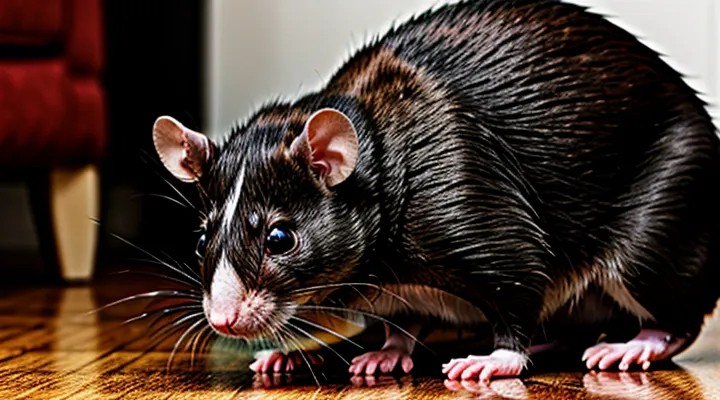
Housing Essentials
Cage Selection
Size and Bar Spacing
Rats require a cage that allows unrestricted movement and safe navigation. Minimum floor space should be 2 sq ft (approximately 0.19 m²) per adult, with larger enclosures preferred for groups. Height must accommodate climbing; a minimum of 12 in (30 cm) is advisable, though taller structures encourage natural behavior.
Bar spacing directly affects injury risk. Gaps larger than ½ in (12 mm) permit paw or tail entrapment, while spacing under ¼ in (6 mm) may restrict breathing. Optimal distance falls between ¼ in and ½ in, balancing ventilation with safety.
Key dimensions and spacing guidelines:
- Floor area: ≥ 2 sq ft per rat; larger for multiple animals.
- Height: ≥ 12 in; higher for active or tall breeds.
- Bar gap: ¼ – ½ in (6 – 12 mm) measured from inside of cage.
- Wire gauge: 18‑20 AWG to prevent bending under weight.
Selecting cages that meet these specifications minimizes stress, prevents injuries, and supports healthy activity levels.
Cage Type Considerations
Choosing an appropriate cage is a fundamental requirement for healthy rat husbandry. The enclosure must accommodate the animal’s natural behaviors while ensuring safety, hygiene, and durability.
- Minimum floor area: at least 2 sq ft per rat; larger space promotes exercise and reduces stress.
- Height: 12–18 inches, allowing vertical climbing without risking escape.
- Material: solid plastic or coated metal eliminates rust and resists chewing; wire floors are unacceptable because they cause foot injuries.
- Ventilation: multiple openings or mesh panels provide fresh air without creating drafts that could lower body temperature.
- Security: latch mechanisms must be chew‑proof and lock securely to prevent accidental releases.
- Accessibility: doors large enough for cleaning tools and hand‑feeding enable routine maintenance without excessive handling.
- Modularity: removable sections or stackable units facilitate expansion as the rat population grows.
Adhering to these specifications ensures a stable environment that supports the rat’s physical and psychological well‑being.
Bedding and Substrate
Safe Bedding Options
Choosing appropriate bedding is a critical component of a healthy rat environment. Safe bedding must be absorbent, dust‑free, and non‑toxic to prevent respiratory irritation and digestive issues.
- Paper‑based bedding (e.g., shredded kraft, blotting paper) – high absorbency, low dust, easy to replace.
- Aspen shavings – low aromatic oils, minimal dust, suitable for burrowing.
- Coconut fiber (coir) – natural, biodegradable, moderate absorbency; ensure it is untreated and free of mold.
- Hemp bedding – sturdy, low dust, good for nest building; verify it is free of chemical additives.
- Unbleached cotton batting – soft, low dust, excellent for nest material; avoid scented or dyed varieties.
Avoid cedar, pine, or aromatic wood shavings because volatile compounds can cause respiratory distress. Replace bedding regularly to maintain hygiene and control odor. Monitor rats for signs of irritation after introducing a new substrate and adjust accordingly.
Unsafe Bedding to Avoid
Choosing the right substrate is a critical component of responsible rat husbandry. Certain materials pose health hazards and should never be placed in a cage.
- Softwood shavings (pine, cedar): Contain aromatic oils that irritate respiratory passages and can cause liver damage.
- Dust‑heavy paper products (newspaper, shredded paper): Generate fine particles that settle in the lungs, leading to chronic bronchitis.
- Corncob bedding: Retains moisture, creates a breeding ground for mold, and may cause gastrointestinal upset if ingested.
- Straw or hay: High dust content and propensity to harbor parasites; rats may chew and ingest it, risking intestinal blockage.
- Sawdust from treated lumber: Chemical preservatives leach into the environment, producing toxic exposure.
Replace unsafe substrates with low‑dust, absorbent options such as paper‑based pellets, fleece liners, or specially formulated rodent bedding. These alternatives maintain hygiene, minimize respiratory risk, and provide a safe surface for nesting and exploration.
Enrichment and Entertainment
Toys and Playthings
Chew Toys
Chew toys satisfy a rat’s natural gnawing instinct, preventing overgrowth of incisors and reducing stress‑induced behaviors. Selecting appropriate items requires attention to material safety, size, and durability.
- Safe materials: untreated hardwood, natural sisal, untreated wicker, and food‑grade silicone. Avoid painted, dyed, or chemically treated products that may release toxins.
- Size and shape: Toys should be large enough to discourage swallowing but small enough for the rat to manipulate comfortably. Rounded edges reduce the risk of oral injury.
- Durability: Durable toys endure constant gnawing and can be rotated to maintain novelty. Replace any item showing splintering, cracks, or excessive wear.
Regular inspection and cleaning extend the lifespan of chew toys. Disinfect with a mild, pet‑safe solution and rinse thoroughly before returning to the cage. Providing a variety of textures—hard, semi‑soft, and pliable—encourages natural foraging and keeps the animal mentally engaged.
Foraging Toys
Foraging toys provide rats with opportunities to engage in natural food‑searching behavior, which promotes mental engagement and physical activity.
Benefits include reduced stereotypic movements, enhanced problem‑solving skills, and increased caloric expenditure through active foraging. Regular use also supports dental health by encouraging gnawing on textured surfaces.
Common foraging toy categories are:
- Puzzle boxes with removable lids or sliding doors that conceal treats.
- Tubular dispensers that release small pieces of food when rotated or tipped.
- Multi‑compartment hideouts that require rats to explore several chambers to locate rewards.
- DIY constructions using safe materials such as untreated wood, cardboard, or PVC pipe, modified to create concealed food chambers.
When selecting toys, prioritize:
- Non‑toxic, chew‑safe materials.
- Dimensions that allow a rat to manipulate parts without becoming trapped.
- Smooth edges to prevent injury.
- Easy disassembly for thorough cleaning.
- Durability sufficient to withstand frequent gnawing.
Introduce toys gradually, beginning with simple mechanisms and progressing to more complex puzzles as the rat demonstrates competence. Rotate items weekly to maintain novelty and monitor each toy for cracks, splintering, or loose components; replace compromised pieces immediately.
Maintain hygiene by washing toys in warm, mild soap solution weekly, rinsing thoroughly, and drying before reuse. Regular inspection and timely replacement ensure that foraging toys remain a safe, effective component of a rat’s enrichment program.
Ladders and Ramps
Ladders and ramps enable rats to move between cage levels, enrichment platforms, and nesting areas without stress. Properly designed connectors reduce the risk of injury and support natural climbing behavior, which promotes muscle development and mental stimulation.
When selecting or building these accessories, consider the following criteria:
- Material: Non‑toxic, sturdy plastic, untreated wood, or metal with smooth edges; avoid painted or varnished surfaces that may leach chemicals.
- Diameter or width: Minimum 1 inch (2.5 cm) for adult rats; larger dimensions accommodate groups and prevent bottlenecks.
- Incline: Angle between 30° and 45° provides comfortable ascent; steeper slopes increase slip risk.
- Attachment: Securely fastened to cage bars or walls using bolts, zip ties, or purpose‑made brackets; ensure no gaps where rats could become trapped.
- Surface texture: Slightly roughened or textured finish improves traction without damaging pads.
Installation should position ladders and ramps near food, water, and hideouts to encourage use. Provide multiple routes in larger enclosures to distribute traffic and prevent dominance hierarchies from limiting access.
Routine maintenance includes weekly cleaning with mild detergent and thorough rinsing, followed by inspection for wear, loose fittings, or sharp edges. Replace any component showing signs of damage promptly to maintain a safe environment.
Exercise Wheels
Proper Wheel Size
A running wheel provides the primary outlet for a rat’s natural urge to run, preventing obesity and stress. Selecting the correct wheel size directly influences the animal’s comfort and safety.
- Minimum diameter: 12 inches (30 cm) for adult rats.
- Preferred range: 12–14 inches (30–35 cm) for mature individuals.
- Juvenile rats: 10 inches (25 cm) minimum, with quick transition to larger wheels as they grow.
A wheel smaller than the recommended dimensions forces the rat to arch its back, leading to spinal strain and reduced willingness to use the equipment. Wheels that are too large may be difficult for the rat to reach, decreasing activity levels.
Safety considerations include a solid running surface without spaced rungs, which eliminates the risk of foot injuries. The wheel’s rim should rotate freely on a low‑friction bearing, ensuring smooth motion and minimizing wear on the animal’s paws.
Durable materials such as untreated hardwood or reinforced plastic resist gnawing and are easy to clean. Regular inspection for cracks, loose parts, or excessive noise prevents accidents and extends the wheel’s lifespan.
Solid Surface Wheels
Solid surface wheels provide a durable, low‑maintenance solution for the exercise and enrichment of pet rats. Constructed from a non‑porous polymer, they resist chewing, moisture, and bacterial buildup, ensuring a hygienic environment for the animal. The smooth, friction‑reduced surface encourages natural running behavior while minimizing the risk of injury.
Key characteristics to consider when selecting solid surface wheels include:
- Diameter: 8–10 inches, large enough for comfortable gait without arching the back.
- Width: 2–3 inches, offering stability and sufficient grip.
- Material: high‑density polyethylene or acrylic, both chew‑resistant and easy to clean.
- Mounting: snap‑fit or screw‑in options compatible with standard cage frames.
- Noise level: design that limits rattling, preserving a quiet habitat.
Installation involves securing the wheel to the cage sidewall using the provided brackets, then regularly wiping the surface with a mild disinfectant. Replace the wheel if cracks or excessive wear appear, as compromised integrity can lead to entrapment hazards. Reliable sources include specialty rodent supply stores and reputable online retailers that list product dimensions and material certifications.
Hideaways and Nests
Hammocks and Tunnels
Hammocks and tunnels provide rats with essential opportunities for climbing, hiding, and exercising, which support musculoskeletal health and reduce stress. Both accessories should be made from non‑toxic, chew‑safe materials and fit the cage dimensions to prevent entanglement.
-
Hammock material: fleece, cotton, or untreated natural fibers; avoid synthetic fabrics that shed fibers.
-
Size: accommodate the rat’s body length with at least 2 inches of clearance on each side.
-
Placement: suspend near the cage top to encourage vertical movement, ensuring secure attachment points.
-
Maintenance: wash weekly in warm water, rinse thoroughly, and dry completely before reuse.
-
Tunnel material: solid wood, acrylic, or thick PVC; avoid thin plastic that can collapse under weight.
-
Diameter: minimum 2 inches internal clearance to allow comfortable passage.
-
Length: combine multiple short sections to create a network rather than a single straight tube.
-
Safety: smooth interior surfaces, no sharp edges, and secure connections to prevent escape.
-
Cleaning: scrub with mild detergent, rinse, and dry; inspect regularly for wear that could cause injury.
Igloos and Huts
Igloos and huts serve as essential shelter options for pet rats, providing protection from drafts, temperature fluctuations, and excessive exposure. Constructed from chew‑safe materials such as untreated wood, solid‑core cardboard, or high‑density plastic, they allow gnawing without risking injury. Proper ventilation is achieved through small drilled holes or mesh panels, preventing humidity buildup while maintaining a warm interior.
Key considerations for selecting or building an igloo or hut:
- Dimensions: interior space should accommodate the rat’s size with at least 2–3 inches of clearance on all sides.
- Material safety: avoid painted, laminated, or chemically treated surfaces; natural fibers and food‑grade plastics are acceptable.
- Stability: weight the structure to prevent tipping; secure to the cage floor or attach to the back wall.
- Cleaning: design with removable tops or panels to allow thorough washing and disinfecting without dismantling the entire cage.
Placement within the enclosure influences effectiveness. Position shelters near the rear or side walls, away from direct airflow of ventilation fans, and close to enrichment items such as tunnels or climbing structures. This arrangement encourages natural exploration while offering a quiet retreat.
Maintenance routine includes weekly inspection for wear, removal of soiled bedding, and replacement of damaged components. Regular sanitation, using mild detergent and hot water, eliminates odor and bacterial growth, preserving a healthy environment for the rat.
Food and Water
Food Bowls and Dispensers
Ceramic Bowls
Ceramic bowls provide a durable, non‑reactive surface for feeding and watering rats, meeting hygiene standards required for small‑animal care.
- Non‑porous material prevents bacterial growth.
- Heavy weight eliminates tipping during active feeding.
- Easy to sterilize in hot water or dishwasher without degrading.
- Resistant to gnawing, extending service life compared to plastic.
Select bowls with a diameter of 3–4 inches and a shallow depth to accommodate a rat’s small mouth. Provide at least one bowl for dry food and a separate one for water; a second set allows rotation while cleaning. Position bowls on a stable surface away from bedding to keep food dry and reduce contamination.
Clean bowls daily with warm, mild detergent, rinse thoroughly, and sterilize weekly at 70 °C or in a dishwasher’s sanitize cycle. Inspect for chips or cracks before each use; replace damaged bowls immediately to avoid injury.
Automatic Feeders
Automatic feeders provide precise portion control, reducing waste and ensuring consistent nutrition for pet rats. By delivering measured amounts at scheduled intervals, they help maintain stable body weight and prevent over‑eating, which can lead to health problems.
Key characteristics to evaluate:
- Portion accuracy – device should dispense food in gram increments as small as 0.5 g.
- Timer flexibility – programmable intervals ranging from 2 hours to 24 hours accommodate varied feeding schedules.
- Power source – battery‑operated units offer mobility; mains‑powered models prevent interruptions during extended absences.
- Material safety – food‑grade plastics or stainless steel avoid contamination.
- Noise level – quiet mechanisms minimize stress in the cage environment.
Routine maintenance includes cleaning the dispensing chamber after each refill, inspecting the motor for debris, and verifying timer settings before each use. Replace worn seals promptly to prevent moisture ingress, which can spoil dry feed.
Recommended models for small‑rodent owners combine compact size with reliable electronics: the PetSafe 5‑Meal Feeder, the SureFeed MicroTimer, and the Arf Pets Mini Dispenser. Each satisfies the criteria listed above and receives positive feedback from experienced rat keepers.
Water Bottles
No-Drip Spouts
No‑drip spouts are a practical solution for providing fresh water to pet rats while preventing spills that can soil cages and create hygiene hazards. The design incorporates a sealed valve that releases water only when the rat applies pressure with its snout, eliminating the constant flow typical of open bottles.
Key advantages include:
- Reduced mess: Water only exits the spout when the animal drinks, keeping bedding dry and preventing mold growth.
- Improved hygiene: The sealed system blocks contaminants and limits bacterial proliferation inside the water reservoir.
- Ease of cleaning: Detachable components allow thorough sterilization with hot water or mild disinfectants.
- Durability: Construction from BPA‑free plastic or stainless steel resists chewing and breakage.
When selecting a no‑drip spout, consider the following criteria:
- Valve reliability: Test the mechanism to ensure it closes completely after each sip.
- Capacity: Choose a bottle size that matches the cage’s water consumption, typically 250 ml to 500 ml for a small group of rats.
- Mounting compatibility: Verify that the spout fits the existing cage bars or can be secured with a universal holder.
- Material safety: Prioritize FDA‑approved, non‑toxic materials to avoid leaching.
- Ease of refill: Look for wide‑mouth bottles that allow quick topping‑up without disassembly.
Installation is straightforward: attach the spout to a cage bar using the supplied clip, fill the bottle with filtered water, and check the valve operation before introducing the rats. Routine maintenance involves emptying the bottle weekly, scrubbing the interior with a brush, and rinsing thoroughly to remove residue.
Integrating a reliable no‑drip spout into a rat‑keeping setup minimizes water‑related accidents, supports a clean environment, and contributes to the overall health of the animals.
Regular Cleaning
Regular cleaning is a non‑negotiable component of responsible rat husbandry. A clean environment prevents respiratory infections, skin conditions, and digestive disturbances that arise from ammonia buildup, bacterial colonies, and mold growth.
- Replace bedding weekly; use absorbent, dust‑free material and discard soiled portions promptly.
- Scrub the cage interior with warm water and a mild, non‑toxic detergent at least once every two weeks; rinse thoroughly to eliminate residue.
- Clean food and water containers daily; sanitize with a diluted bleach solution (1 % concentration) and rinse well before refilling.
- Inspect and vacuum hidden corners, tunnels, and chew toys weekly to remove droppings and hair.
- Monitor the cage’s ventilation system; wipe vents monthly to maintain airflow and reduce humidity.
Consistent adherence to these procedures sustains a hygienic habitat, supports the rat’s immune health, and extends the lifespan of accessories. Neglecting any step increases the risk of disease outbreaks and may compromise the overall welfare of the animal.
Rat-Specific Food
Pellets vs. Mixes
Choosing the right food format influences a rat’s health, growth, and behavior. Two common options are solid pellets and grain‑based mixes; each presents distinct advantages and drawbacks.
Pellets are uniformly compressed blocks formulated to deliver balanced nutrition in a single serving. Their composition typically includes protein, fiber, vitamins, and minerals in predetermined ratios, reducing the risk of nutrient deficiencies. The dense shape limits waste and spoilage, making storage straightforward. Because portions are measured by weight, pellets simplify daily ration calculation and help maintain a stable caloric intake.
Mixes combine seeds, grains, dried fruits, and occasional protein sources. The varied texture encourages natural foraging, promoting dental wear and mental stimulation. Mixes allow owners to adjust ingredient ratios to accommodate specific health needs or preferences. However, the heterogeneous composition can lead to uneven nutrient distribution; some components may be high in fat or sugar, increasing the chance of obesity if not carefully monitored. Exposure to humidity accelerates mold growth, requiring frequent replenishment.
- Nutrient consistency: pellets > mixes
- Dental health support: mixes > pellets (due to hard seeds)
- Storage longevity: pellets > mixes
- Cost per kilogram: pellets ≈ mixes (varies by brand)
- Feeding flexibility: mixes > pellets
For most pet rats, a baseline diet of high‑quality pellets ensures reliable nutrition. Supplementing with a limited amount of mix provides enrichment and additional fiber. Adjust the proportion based on the animal’s weight, activity level, and any medical conditions, and monitor intake to prevent excess calories. Regularly refresh fresh water and fresh produce to complement the chosen staple.
Nutritional Requirements
Rats require a balanced diet that supplies adequate protein, fat, carbohydrates, fiber, vitamins, and minerals to support rapid growth, high metabolic rate, and reproductive health. A commercial rodent pellet formulated for laboratory or pet rats fulfills the majority of these needs and should constitute the staple of the diet.
- Protein: 14‑20 % of total calories, sourced from soy, wheat, or animal proteins.
- Fat: 4‑6 % of calories, primarily from vegetable oils.
- Carbohydrates: 55‑65 % of calories, provided by grains and starches.
- Fiber: 3‑5 % of diet, essential for gastrointestinal motility.
- Vitamins: A, D, E, K, B‑complex, and C in amounts meeting the National Research Council recommendations.
- Minerals: Calcium, phosphorus, magnesium, potassium, sodium, and trace elements (zinc, copper, iodine, selenium) within established ratios to prevent metabolic bone disease and other deficiencies.
Fresh, clean water must be available at all times; a sipper bottle reduces spillage and contamination. Daily water intake averages 10‑15 ml per 100 g body weight, increasing with ambient temperature and activity level. Feeding frequency should be twice daily, with portions adjusted to maintain a stable body condition score; excess calories lead to obesity, while insufficient intake precipitates weight loss.
Safe supplemental foods include small quantities of fresh vegetables (broccoli, carrots, kale), fruits (apple, banana, berries), and cooked lean proteins (egg, chicken). These items provide additional phytonutrients and enrichment but must not exceed 10 % of total caloric intake. Foods to avoid are raw beans, citrus peels, chocolate, caffeine, and high‑fat snacks, as they can cause toxicity or digestive upset. Treats should be offered no more than three times per week, and any uneaten portions must be removed promptly to prevent spoilage.
Regular monitoring of body weight, coat condition, and fecal consistency enables early detection of nutritional imbalances. Adjustments to the diet should be made under veterinary guidance, especially during growth, pregnancy, or illness.
Health and Hygiene
Grooming Supplies
Soft Brushes
Soft brushes are a practical tool for maintaining a rat’s coat health. Regular gentle brushing removes loose fur, reduces matting, and helps detect skin irritations early, contributing to overall well‑being.
When choosing a brush, consider the following criteria:
- Bristle material: silicone or soft synthetic fibers prevent skin abrasion.
- Size: a brush head no larger than 2 cm fits the small body without causing stress.
- Handle design: lightweight, ergonomic grips allow precise control during short grooming sessions.
Proper use enhances effectiveness. Hold the rat securely but calmly, stroke in the direction of hair growth, and limit each session to 2–3 minutes to avoid fatigue. After grooming, clean the brush with warm, mild soap and rinse thoroughly; allow it to air‑dry before the next use.
Consistent grooming with an appropriate soft brush supports coat condition, reduces shedding in the enclosure, and promotes a healthier environment for both the animal and its caretaker.
Nail Clippers
Nail clippers are a required tool for maintaining a pet rat’s health. Rats’ nails grow continuously; excessive length can impede movement, cause skin tears, or lead to infection.
Suitable clippers are those designed for small mammals. Options include:
- Straight‑blade steel clippers, 1‑inch tip, ideal for precise cuts.
- Curved‑blade spring‑loaded clippers, 1‑inch tip, useful for quick trimming.
- Plastic‑coated models, reducing slip risk on wet paws.
Trimming should occur every two to four weeks, depending on growth rate. Hold the rat gently but securely, support the paw with a finger, and locate the transparent “quick” near the nail base. Cut only the opaque tip, leaving a margin of at least 1 mm. If bleeding occurs, apply a small amount of styptic powder or cornstarch.
After each session, clean clippers with hot, soapy water, rinse, and disinfect with isopropyl alcohol. Dry completely before storage to prevent rust. Replace blades when they become dull, as dull edges increase the chance of crushing the nail rather than cutting it cleanly.
First Aid Kit
Basic Medications
Providing rats with appropriate medical supplies is a fundamental component of responsible care. Veterinary professionals typically recommend a short list of medications that address common health issues and prevent emergencies.
- Antiparasitic agents (e.g., ivermectin or milbemycin) for internal and external parasites.
- Broad‑spectrum antibiotic ointment (e.g., bacitracin) for minor skin lesions.
- Analgesic/anti‑inflammatory gel (e.g., lidocaine or meloxicam) for post‑procedure pain relief.
- Electrolyte solution (e.g., Pedialyte, diluted) for dehydration treatment.
- Antifungal cream (e.g., miconazole) for fungal skin infections.
Administer each product strictly according to dosage guidelines supplied by a veterinarian. Store medications in a cool, dry environment, away from direct sunlight, and keep them out of reach of other pets. Record each dose in a log to track frequency and response. Replace any expired items promptly to maintain efficacy.
Emergency Contacts
When a rat becomes ill or is injured, rapid access to professional help can prevent loss of life. Store a printed list of contacts in the cage area and keep a digital copy on a phone for immediate reference.
- Primary veterinarian: name, clinic address, phone, after‑hours line. Choose a vet experienced with small rodents; confirm that they accept emergency calls.
- 24‑hour animal emergency clinic: address, phone, directions. Verify that the facility has the equipment needed for exotic pets.
- Poison control hotline (e.g., ASPCA Animal Poison Control Center): toll‑free number, hours of operation, recommended steps before calling.
- Local wildlife rehabilitator or rat‑specific rescue group: contact details for advice on severe trauma or when a professional vet is unavailable.
Update the list whenever a number changes. Test the phone numbers periodically to ensure they are active. Keep a small emergency kit (sterile gauze, saline solution, tweezers) near the contacts so that first‑aid measures can be applied while help is en route.
Cleaning Supplies
Cage Cleaners
Cage cleaners are a fundamental component of any rat‑keeping setup. Maintaining a hygienic environment prevents disease, reduces odor, and supports the animal’s overall health. Selecting the right cleaning tools and following a systematic regimen ensures consistent sanitation without compromising the cage’s structural integrity.
Effective cleaning solutions include:
- Non‑abrasive scrubbing pads – soft enough to avoid damaging plastic or metal bars yet capable of removing dried droppings.
- Dedicated cage brushes – long‑handled brushes reach deep corners and wire mesh without disturbing accessories.
- Enzyme‑based cleaners – break down organic residues, neutralize ammonia, and are safe for rodents when fully rinsed.
- Disinfectant sprays – quaternary ammonium or diluted bleach (1 % solution) for periodic deep sanitation, applied after thorough rinsing.
A practical cleaning schedule consists of daily spot‑cleaning (removing fresh waste and wet food) and a weekly deep‑clean. During the weekly routine, remove all bedding, accessories, and food dishes; scrub surfaces with a non‑abrasive pad and enzyme cleaner; rinse with warm water; apply disinfectant if required; and dry completely before re‑adding fresh bedding. Consistency in this cycle minimizes bacterial growth and prolongs the lifespan of cage components.
Safety considerations: use gloves to protect skin from irritants, ensure proper ventilation when applying disinfectants, and verify that all cleaning agents are fully rinsed to avoid residue ingestion. Store cleaning supplies in a separate, sealed container away from the rat’s habitat to prevent accidental exposure.
Disinfectants
Disinfectants are a non‑negotiable component of a healthy rat enclosure. Proper sanitation prevents the spread of bacterial, viral, and fungal agents that can quickly compromise a small rodent’s immune system.
- Diluted household bleach (5 % sodium hypochlorite, 1 % solution) – effective against most pathogens, safe after thorough rinsing.
- Veterinary‑grade quaternary ammonium compounds – broad‑spectrum, low odor, compatible with plastic and metal cages.
- Food‑grade hydrogen peroxide (3 % solution) – rapid action, leaves no residue when fully evaporated.
- Enzymatic cleaners – break down organic matter, useful for routine spot cleaning without harsh chemicals.
Application rules:
- Prepare the solution at the recommended concentration; higher strengths increase toxicity without improving efficacy.
- Apply to all surfaces, including cage bars, water bottles, and accessories; ensure the liquid remains in contact for the manufacturer‑specified dwell time (typically 5–10 minutes).
- Rinse removable items with clean water and allow them to air‑dry before reassembly; avoid leaving any chemical residue inside the habitat.
- Perform a full‑cage disinfection weekly, with spot cleaning of soiled areas daily.
Store disinfectants in clearly labeled, sealed containers away from direct sunlight and heat. Keep them out of reach of pets and children, and use protective gloves when handling concentrated solutions. Regular rotation of products prevents microbial resistance and ensures consistent hygiene standards for the rat’s living environment.
Travel and Transport
Carrier Selection
Secure and Ventilated
A rat’s enclosure must prevent escape while providing adequate airflow. Secure construction eliminates stress caused by potential breaches and protects the animal from external hazards. Ventilation safeguards respiratory health by removing excess humidity and odors.
Security requirements
- Sturdy frame made of steel or reinforced plastic.
- Bars spaced no wider than ½ inch to block passage.
- Locking mechanisms that cannot be opened by the rat.
- Double‑door system for cleaning without exposing the cage to the room.
Ventilation requirements
- Mesh panels covering at least 30 % of side surfaces.
- Adjustable vents that allow fresh air without drafts.
- Passive airflow design; optional low‑speed fan for larger enclosures.
- Removable screens for easy cleaning while maintaining barrier integrity.
Combine these elements to create an enclosure that holds the rat safely and sustains a healthy breathing environment.
Appropriate Size
Choosing a cage that matches a rat’s growth potential prevents stress and injury. The enclosure must allow unrestricted movement, climbing, and nesting.
- Minimum floor space: 2 sq ft (≈0.19 m²) per adult rat.
- Height: at least 12 in (30 cm) to accommodate vertical activity.
- Bar spacing: ½ in (1.3 cm) or smaller to avoid escape and paw injuries.
- Material: sturdy, non‑toxic, and easy to clean.
When housing more than one rat, increase floor space proportionally; a pair requires at least 4 sq ft, and each additional rat adds another 2 sq ft. Provide multiple levels or platforms to maximize usable area without expanding the footprint.
Water bottles and food dishes should be sized for easy access: a 2‑inch (5 cm) diameter bottle and a shallow dish no deeper than ½ inch (1.3 cm) to keep food dry. Bedding containers must hold enough material for a 2‑inch (5 cm) deep layer, ensuring comfort and thermoregulation.
Proper dimensions support natural behavior, reduce health risks, and simplify maintenance.
Emergency Preparedness
Veterinary Care
Finding an Exotic Vet
When a pet rat develops health issues, routine care quickly reaches the limits of a general‑practice veterinarian. Specialized knowledge of rodents, disease patterns, and appropriate medications distinguishes an exotic‑animal practitioner. Access to such expertise reduces the risk of misdiagnosis and improves recovery outcomes.
To locate a qualified exotic veterinarian:
- Search professional directories (e.g., American Veterinary Medical Association, Association of Exotic Mammal Veterinarians) for members who list rodents among their practice species.
- Verify credentials by confirming board certification or additional training in small‑animal exotic medicine.
- Contact local animal shelters, rodent rescue groups, or reputable breeders; they often have firsthand referrals.
- Review online reviews and forums dedicated to rat owners for feedback on bedside manner, diagnostic capabilities, and follow‑up care.
- Confirm the clinic’s facilities: dedicated examination tables, appropriate cage handling equipment, and access to diagnostic tools such as radiography and blood work suited for small mammals.
Before the appointment, prepare a concise health record that includes:
- Age, breed, and weight of the rat.
- Recent diet, environmental conditions, and any changes in behavior or appearance.
- List of observed symptoms, duration, and any home treatments already attempted.
- Current medications or supplements, with dosage details.
During the visit, the exotic vet will perform a focused physical exam, possibly supplemented by laboratory tests (e.g., fecal analysis, complete blood count). The practitioner should explain diagnosis, treatment plan, and preventive measures without unnecessary jargon. Follow‑up appointments are scheduled based on the severity of the condition and the rat’s response to therapy.
Maintaining a network of reliable exotic‑animal veterinarians ensures that rat owners can address health emergencies promptly and uphold the overall welfare standards required for successful rodent care.
Emergency Fund
An emergency fund provides financial resilience when unexpected health or habitat issues arise with a pet rat. Sudden illnesses, veterinary visits, or damage to enclosure components can generate costs that exceed routine budgeting. Maintaining a dedicated reserve prevents delays in treatment and reduces the risk of compromising the animal’s well‑being.
Key elements of an effective emergency fund include:
- Target amount: Aim for three to six months of estimated care expenses, typically ranging from $200 to $500 depending on the rat’s health history and local veterinary fees.
- Allocation: Separate the fund from regular pet expenses to avoid accidental depletion. A high‑yield savings account or a short‑term money‑market vehicle ensures easy access while preserving value.
- Replenishment plan: After each withdrawal, restore the balance by allocating a fixed percentage of monthly pet‑related spending, such as 10 % of the total monthly budget.
- Documentation: Record all emergency expenditures with receipts and dates to track trends and adjust the target amount as needed.
By incorporating a financial safety net into the overall care strategy, rat owners safeguard against disruptions that could otherwise jeopardize health outcomes and overall quality of life.
Pet Sitter Information
Trusted Contacts
A reliable network of people is a practical requirement for responsible rat ownership. When a pet rat becomes ill, requires emergency veterinary attention, or needs temporary housing, a pre‑identified group of individuals ensures continuity of care without delay.
Key functions of these contacts include:
- Veterinary professional with experience in small‑animal or exotic care, reachable for urgent appointments and advice.
- Neighbor or friend willing to provide temporary shelter, food, and enrichment if the owner is absent for more than a day.
- Local animal rescue or shelter staff able to intervene in cases of abandonment or severe health crisis.
- Supplier representative who can deliver essential food, bedding, or medical supplies on short notice.
Maintaining up‑to‑date contact information, confirming availability, and establishing clear expectations solidify this safety net, reducing the risk of neglect during unforeseen circumstances.
Care Instructions
Proper rat care relies on consistent routines and appropriate resources. Provide a spacious cage with solid flooring, secure wire mesh, and a removable tray for bedding. Use absorbent, dust‑free substrate such as paper‑based bedding; replace it at least twice weekly to maintain hygiene and odor control. Supply a water bottle with a metal spout, checking daily for leaks and cleaning the nozzle regularly.
- Offer a balanced diet consisting of high‑quality rodent pellets, fresh vegetables, and occasional fruit; limit sugary treats to prevent obesity.
- Provide chewable items (untreated wood blocks, mineral chews) to promote dental health and prevent overgrowth.
- Include nest material (soft paper or shredded tissue) for warmth and comfort; refresh it weekly.
- Schedule daily handling sessions of 5–10 minutes to foster trust and reduce stress; support the rat’s body fully to avoid injury.
- Conduct weekly health checks: examine fur condition, eye clarity, and respiratory sounds; monitor weight and appetite for early signs of illness.
Maintain a regular cleaning schedule: empty the waste tray, replace bedding, and disinfect cage accessories with a mild, rodent‑safe solution every two weeks. Record observations in a simple log to track behavioral changes, feeding patterns, and veterinary visits. Consistency in these practices ensures the animal’s well‑being and longevity.