
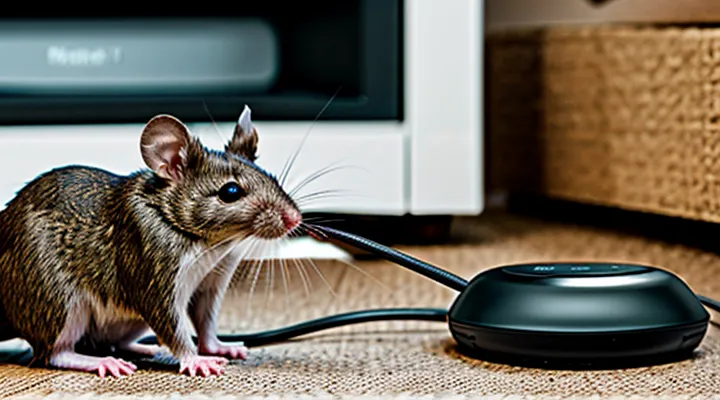
Understanding Electronic Repellers
How Electronic Repellers Work
Ultrasonic Technology
Ultrasonic technology generates sound waves above the human hearing threshold, typically between 20 kHz and 65 kHz. Rodents detect these frequencies through highly sensitive auditory receptors, causing discomfort and prompting avoidance of the source area. The emitted pulses are modulated to prevent habituation, ensuring sustained repellency.
When selecting a device, consider the following criteria:
- Frequency range: 20 kHz – 65 kHz covers the most responsive bands for mice and rats.
- Power output: Sufficient intensity to reach at least 3 meters in open space; walls reduce effective radius.
- Coverage pattern: Omni‑directional emitters provide uniform protection, while directional models focus on entry points.
- Power source: Plug‑in units guarantee continuous operation; battery‑powered models require regular replacement.
- Certification: Compliance with safety standards (e.g., CE, FCC) confirms low electromagnetic interference.
Installation steps:
- Identify entry points and nesting zones; place units at a height of 1–2 meters to maximize line‑of‑sight propagation.
- Connect to a stable power supply; avoid using extension cords that may introduce voltage drops.
- Activate the device; allow a 15‑minute warm‑up period for the ultrasonic transducer to reach optimal output.
- Monitor for rodent activity; relocate units if persistent sightings occur, maintaining at least 1 meter separation between devices to prevent signal interference.
Maintenance involves periodic cleaning of the transducer surface to remove dust and debris, which can attenuate acoustic output. Replace units after 2 years of continuous use, as piezoelectric elements degrade over time, reducing efficacy.
Purchasing options include specialized pest‑control retailers, online marketplaces, and manufacturers’ direct sales portals. Verify seller reputation through customer reviews and warranty provisions before finalizing the transaction.
Electromagnetic Technology
Electromagnetic repellent devices generate high‑frequency fields that interfere with the sensory receptors of mice and rats, prompting avoidance behavior without physical contact. The technology relies on frequencies typically above 20 kHz, which remain inaudible to humans while affecting rodent neurology.
Effective models incorporate adjustable emitters, calibrated power output, and a coverage radius matched to the target environment. Proper selection requires attention to the following parameters:
- Frequency band (e.g., 20 kHz – 100 kHz) compatible with local rodent species.
- Emission power measured in milliwatts, sufficient to penetrate walls and furniture.
- Specified coverage area, expressed in square meters, aligned with the size of the infested zone.
- Compliance with safety standards such as FCC, CE, or RoHS.
- Availability of warranty and technical support from the manufacturer.
Installation guidelines ensure optimal performance:
- Position the unit centrally within the affected area, at a height of 1.5 – 2 meters from the floor.
- Maintain a minimum distance of 10 centimeters from metal surfaces to prevent signal attenuation.
- Connect to a stable power source; avoid using extension cords that may introduce voltage fluctuations.
- Activate continuously for at least 48 hours to establish a deterrent field before assessing efficacy.
- Periodically inspect the device for signs of damage or overheating; replace if abnormalities appear.
Purchasing channels include reputable online marketplaces, specialty pest‑control retailers, and direct manufacturer websites. Verify product listings for detailed specifications and customer feedback before finalizing the transaction.
Types of Electronic Repellers
Plug-in Devices
Plug‑in ultrasonic deterrents draw power directly from standard household outlets, eliminating the need for batteries or external adapters. The device integrates a high‑frequency emitter, a transformer, and a safety filter within a compact housing that fits into a wall socket.
Key technical parameters include:
- Input voltage: 110‑240 V AC, compatible with most global power systems.
- Emission frequency: 20 kHz to 65 kHz, beyond the audible range of humans but disruptive to rodent auditory receptors.
- Power consumption: typically 2‑5 W, ensuring low electricity costs.
- Plug type: polarized or unpolarized plugs matching regional socket standards.
Effective installation requires positioning the unit at least 30 cm from walls, furniture, or other obstacles that could block ultrasonic waves. Placement near entry points—such as gaps under doors, vents, or drainage openings—maximizes coverage. Devices should operate continuously; most models include an automatic shut‑off timer to conserve energy during prolonged inactivity, but continuous operation is recommended for persistent infestations.
When selecting a source, prioritize vendors that provide:
- CE, FCC, or equivalent certification confirming compliance with electromagnetic emission standards.
- Transparent warranty terms, typically one‑year coverage against manufacturing defects.
- Customer support channels for troubleshooting and firmware updates, if applicable.
Installation is straightforward: insert the plug into a functioning socket, activate the power switch, and allow a 10‑minute warm‑up period before the unit reaches full emission strength. Regular cleaning of the exterior surface prevents dust accumulation that could attenuate ultrasonic output.
Battery-Powered Devices
Battery‑powered rodent repellers rely on compact energy sources to emit ultrasonic frequencies or electromagnetic pulses that deter mice and rats. The absence of external wiring permits flexible placement in kitchens, basements, or attics, where traditional wired units cannot reach.
Typical power configurations include:
- Lithium‑ion cells, capacity often quoted as « 2000 mAh », delivering up to 12 months of continuous operation in low‑frequency mode.
- Alkaline AA or AAA batteries, convenient for replacement, providing 6–12 months depending on usage intensity.
- Rechargeable NiMH packs, offering 500–1000 mAh with the advantage of multiple recharge cycles.
Effective deployment follows a simple protocol:
- Install the device at least 12 inches from walls and 6 inches from furniture to avoid signal obstruction.
- Activate the unit, then allow a 5‑minute warm‑up period for the ultrasonic transducer to reach optimal output.
- Verify operation with the built‑in indicator LED; a steady glow confirms active emission.
- Replace or recharge batteries when the indicator switches to amber, indicating diminished power.
When selecting a purchase source, prioritize vendors that provide:
- CE or FCC certification, confirming compliance with electromagnetic emission standards.
- Transparent warranty terms, typically 12 months covering battery degradation.
- Customer reviews that reference long‑term performance, rather than generic satisfaction statements.
These criteria ensure reliable, maintenance‑light solutions for rodent management without the complexity of hard‑wired installations.
Solar-Powered Devices
Solar‑powered rodent deterrents combine ultrasonic emission with electromagnetic fields to create a non‑lethal barrier against mice and rats. The power source eliminates the need for battery replacement, reducing maintenance costs and environmental impact. Solar panels generate sufficient energy for continuous operation in indoor locations with adequate daylight exposure, such as kitchens, storage rooms, or basements with windows or skylights.
Key advantages include:
- Autonomous operation during daylight, with stored energy powering the device at night.
- Elimination of wiring complications, allowing flexible placement.
- Lower long‑term expense compared to disposable battery models.
When selecting a solar‑driven unit, consider the following criteria:
- Panel size and efficiency – larger panels capture more light, ensuring reliable performance in low‑light conditions.
- Battery capacity – higher capacity sustains operation through extended cloudy periods.
- Frequency range – devices should cover both ultrasonic (20 kHz–65 kHz) and electromagnetic spectra to affect a broader range of rodent species.
- Certification – look for CE, FCC, or equivalent approvals confirming safety and electromagnetic compliance.
Typical usage steps:
- Position the unit near an entry point or along a wall where rodents travel.
- Align the solar panel toward the primary light source; avoid shading by furniture or curtains.
- Activate the device; most models include an indicator LED confirming charge status.
- Monitor effectiveness for 2‑3 weeks; adjust placement if activity persists.
Retail channels offering solar‑powered rodent repellents include:
- Specialized pest‑control e‑commerce platforms, which often provide detailed specifications and customer reviews.
- Large online marketplaces, where filter options allow selection by power source and certification.
- Direct manufacturer websites, providing warranty information and technical support.
Installation does not require electrical expertise; mounting brackets are typically included. Routine cleaning of the solar panel surface ensures optimal energy absorption. If performance declines, verify that the battery is not depleted and that the panel receives sufficient illumination.
Overall, solar‑driven electronic repellents deliver a sustainable, low‑maintenance solution for managing rodent intrusions, suitable for residential and commercial environments where access to conventional power outlets is limited. «Solar energy» thus enhances the practicality of ultrasonic and electromagnetic deterrent technologies.
Benefits of Using Electronic Repellers
Non-Toxic and Humane
Electronic repellers designed for rodents operate without chemicals, eliminating the risk of toxic exposure for humans, pets, and the environment. The device emits ultrasonic frequencies that are uncomfortable for mice and rats but inaudible to most people, providing a humane deterrent that does not inflict injury or death.
Purchasing options include:
- Online marketplaces that list certified models, featuring product specifications and customer reviews.
- Specialty retailers focusing on pest‑control equipment, often providing expert guidance on model selection.
- Direct manufacturer websites, which may offer warranties and detailed usage instructions.
Effective deployment follows a clear protocol:
- Position the unit at least 30 cm from walls and furniture to prevent sound reflection, which can reduce coverage.
- Install the device in areas with visible rodent activity, such as kitchens, basements, or attics.
- Activate the unit, allowing a minimum of 24 hours for the ultrasonic field to establish a deterrent zone.
- Monitor rodent presence; if activity persists, relocate the unit to a more central location within the affected space.
- Replace batteries or reconnect to mains power according to the manufacturer’s schedule to maintain consistent performance.
Non‑toxic operation aligns with humane pest management standards, avoiding the ethical and health concerns associated with poisons, traps, or lethal devices. By adhering to the outlined placement and maintenance steps, users achieve reliable rodent control while preserving safety for all occupants.
Easy to Use and Maintain
Electronic rodent deterrents based on ultrasonic technology require no chemical handling, making installation straightforward. The unit operates immediately after connection to a power source, eliminating the need for calibration or programming.
- Simple plug‑in design; insert the device into a standard outlet and activate the built‑in switch.
- Single‑button control; press once to start, press again to stop.
- Automatic frequency adjustment; internal circuitry cycles through ultrasonic ranges without user input.
Maintenance demands are minimal. The enclosure is sealed, preventing dust accumulation inside the emitter. Regular upkeep involves only external cleaning and periodic inspection of the power cord.
- Wipe the exterior with a dry cloth; avoid liquids that could damage the housing.
- Verify the indicator light functions weekly; a steady glow confirms proper operation.
- Replace the unit after the manufacturer‑specified service life, typically indicated by a decline in ultrasonic output.
These characteristics ensure that users can deploy and sustain the device with negligible effort, supporting continuous rodent control in residential or commercial settings.
Cost-Effective in the Long Run
Electronic rodent deterrents that emit ultrasonic and electromagnetic waves present a low‑cost solution when evaluated over several years. The initial purchase price is offset by minimal operating expenses and a lifespan that often exceeds five years, reducing the need for frequent replacement.
Key elements contributing to long‑term affordability include:
- Energy usage: Devices typically draw less than 5 W, resulting in an annual electricity cost of only a few dollars.
- Durability: Solid‑state components resist wear, eliminating mechanical failures common in conventional traps.
- Maintenance: No consumable parts such as bait or snap mechanisms require periodic replenishment.
- Replacement cycle: Manufacturers often provide warranties of three to five years, after which the unit remains functional with only occasional battery checks for backup models.
When compared with chemical poisons or snap traps, electronic deterrents avoid recurring purchases of poison cartridges or replacement traps, and they eliminate labor associated with trap inspection and disposal. The total cost of ownership for a conventional approach can surpass the price of a single ultrasonic unit after two to three years of operation.
For sustained savings, acquire devices from retailers that offer bulk discounts or warranty extensions, and verify that the model specifies a minimum operational lifespan of five years. Selecting units with energy‑efficient certifications further lowers utility expenses, ensuring that the investment remains economical throughout its service life.
Limitations and Considerations
Range and Effectiveness
The effective coverage of an ultrasonic rodent deterrent typically extends from one to three metres in open space. Obstacles such as walls, furniture and dense materials diminish the propagation of the high‑frequency sound, reducing the usable radius to approximately one metre in cluttered environments. Placement near entry points, along walls and at the centre of the target area maximises the overlap of acoustic fields, ensuring continuous exposure for passing rodents.
Effectiveness depends on frequency, intensity and the behavioural response of the targeted species. Studies report a reduction in activity of 60 % to 80 % for house mice when devices operate within the optimal range, while rats show a slightly lower response, averaging 45 % to 70 % reduction. Factors influencing performance include:
- Frequency band (20 kHz – 65 kHz) – higher frequencies affect mice more strongly.
- Sound pressure level – devices delivering ≥ 100 dB SPL at the source achieve greater deterrence.
- Ambient noise – background sounds above 50 dB can mask the ultrasonic signal.
- Continuous versus intermittent emission – continuous operation prevents habituation.
Proper installation, regular maintenance of power sources and periodic verification of acoustic output sustain the stated effectiveness over the product’s lifespan.
Obstructions and Interference
Electronic deterrents for rodents rely on ultrasonic or electromagnetic emissions that travel through open space. Any material that blocks or reflects these waves reduces the effective coverage area.
Typical physical barriers include:
- Solid walls, especially those made of concrete, brick, or metal.
- Large furniture such as cabinets, bookshelves, and wardrobes that create shadow zones.
- Metallic objects like radiators, metal shelving, and appliances that reflect ultrasonic energy.
- Flooring layers with dense insulation or carpet padding that absorb sound.
Sources of electromagnetic interference that can disrupt device operation are:
- Wi‑Fi routers, cordless phones, and Bluetooth devices emitting signals in nearby frequency bands.
- Microwave ovens and other high‑power kitchen appliances that generate strong electromagnetic fields.
- Power lines, surge protectors, and fluorescent lighting fixtures that introduce noise into the circuit.
- Nearby radios, televisions, or baby monitors operating on similar frequencies.
To maintain reliable performance, position the unit according to the following guidelines:
- Install at a height of 1–1.5 m, away from walls and large metal surfaces.
- Ensure a clear line of sight to the target area; avoid placement behind cabinets or inside closets.
- Keep a minimum distance of 30 cm from other electronic devices that emit radio‑frequency signals.
- Verify that the power source provides stable voltage; replace batteries regularly if the model is battery‑operated.
- Periodically test the device by listening for the faint ultrasonic tone, confirming that no new obstacles have been introduced.
Adhering to these practices minimizes signal attenuation and prevents external interference, thereby extending the functional reach of ultrasonic rodent repellents.
Pet Safety Concerns
Electronic rodent deterrent devices emit ultrasonic frequencies intended to repel mice and rats. These frequencies can affect household pets, especially cats, dogs, and small mammals, because many animals perceive sounds beyond the human audible range.
Potential hazards include prolonged exposure to high‑frequency noise, which may cause stress, hearing discomfort, or behavioral changes in pets. Some devices generate intermittent pulses that can startle sensitive animals. Additionally, placement near pet bedding or feeding areas increases the likelihood of unintended contact.
Safe‑use recommendations:
- Position the unit at least one meter away from pet sleeping or eating zones.
- Select models with adjustable frequency settings or pet‑safe modes.
- Monitor pet behavior for signs of agitation, avoidance, or vocalization after installation.
- Disable the device during periods when pets occupy the immediate area, such as grooming or confined confinement.
- Consult veterinary guidance if a pet displays persistent distress after activation.
When choosing a product, prioritize specifications that mention compliance with pet‑friendly standards, low‑intensity output, and the ability to toggle the emitter off remotely. Devices that provide clear documentation of frequency ranges and safety certifications reduce the risk of adverse effects on companion animals.
Guide to Purchasing and Using Electronic Repellers
Factors to Consider Before Buying
Area Coverage
Electronic repellers designed for rodents emit ultrasonic frequencies that disperse within a defined radius. Manufacturers specify a maximum effective area, typically expressed in square feet or square meters, indicating the space where the device can reliably deter mice and rats.
Effective coverage depends on several variables. Power output determines how far sound waves travel before attenuation. Frequency range influences penetration through common building materials. Obstacles such as walls, furniture, and insulation reduce the audible field, creating dead zones where the signal weakens.
Guidelines for matching device capacity to a target space:
- Small apartments or single rooms: devices rated for up to 500 sq ft (≈46 m²).
- Medium‑sized homes or offices: models covering 500–1500 sq ft (≈46–139 m²).
- Large warehouses or multi‑room residences: units advertised with «coverage up to 2000 sq ft» (≈186 m²) or greater.
Placement strategies enhance coverage. Position the repeller at the center of the intended area to minimize distance to perimeter walls. Elevate the unit on a shelf or mount it on a wall to reduce interference from furniture. Avoid installing near large metal objects or thick concrete walls, which reflect or absorb ultrasonic waves.
When selecting a purchase option, verify that the product’s listed coverage matches the actual floor plan. Review user manuals for recommended installation height and orientation. Compare warranty terms and customer support policies, as reliable service can be critical for maintaining long‑term effectiveness.
Power Source
Electronic rodent repellers require a reliable power supply to maintain continuous ultrasonic emissions. Two primary options exist: rechargeable battery packs and mains‑connected adapters. Each option influences installation flexibility, operating cost, and maintenance frequency.
-
Rechargeable batteries
– Lithium‑ion cells, 3.7 V, capacity 2000 mAh or higher
– Provide up to 30 hours of operation per charge, depending on output power
– Require a compatible charging dock, typically supplied with the device -
Mains adapters
– 110‑240 V AC input, 5 W output, regulated to 12 V DC
– Enable uninterrupted operation as long as electricity is available
– Include built‑in surge protection, reducing risk of damage from voltage spikes
Battery selection must match the device’s voltage and current specifications. Undersized cells cause premature shutdown, while over‑voltage units may damage internal circuitry. Manufacturers often list the exact battery model; adhering to these recommendations prevents warranty violations.
When opting for an AC adapter, verify the connector type (e.g., barrel‑plug, micro‑USB) and ensure the polarity matches the repeller’s input. Certified adapters with CE or UL markings guarantee compliance with safety standards and minimize fire hazards.
Purchasing considerations include:
- Availability of replacement batteries from the original supplier or reputable third‑party vendors.
- Presence of a warranty covering power‑source defects for at least one year.
- Compatibility with local electrical standards, especially for mains adapters in regions with differing voltage levels.
Selecting the appropriate power source ensures the ultrasonic device remains effective in deterring mice and rats, while reducing downtime and maintenance costs.
Additional Features («Night Light», «Pest Type Specific»)
The additional functions integrated into ultrasonic pest‑deterrent devices extend their practicality beyond basic rodent repulsion.
The «Night Light» module emits a low‑intensity, energy‑efficient glow that activates automatically after sunset. The illumination serves two purposes: it provides a subtle visual cue indicating that the unit is operational, and it reduces the likelihood of accidental contact with the device during nocturnal maintenance. Because the light output complies with indoor safety standards, it does not attract insects or disrupt the ultrasonic field.
The «Pest Type Specific» setting allows the user to select a frequency profile optimized for a particular target species. Manufacturers typically offer preset modes for mice, rats, and larger rodents. Each mode adjusts the carrier frequency and modulation pattern to match the hearing range and behavioral responses of the chosen pest, thereby increasing the probability of successful deterrence while minimizing unnecessary exposure to non‑target animals.
Key advantages of these features:
- Immediate visual confirmation of active status without external power indicators.
- Energy consumption comparable to standard LED night‑lights, extending battery life where applicable.
- Tailored acoustic output that aligns with species‑specific auditory thresholds.
- Simplified switching via a single button or remote command, eliminating the need for manual frequency calibration.
When deploying the device in a residential setting, activate the «Night Light» to reassure occupants of continuous operation. Select the appropriate «Pest Type Specific» mode based on observed rodent activity; for mixed infestations, the “dual‑species” option provides a balanced frequency range. Regularly verify that the night‑light remains functional and that the selected mode matches current pest observations to maintain optimal performance.
Where to Buy Electronic Repellers
Online Retailers («Amazon», «eBay», «Specialized Stores»)
Online shoppers can acquire ultrasonic rodent deterrents from three principal channels. Each platform offers distinct advantages regarding product range, pricing transparency, and delivery options.
• «Amazon» aggregates multiple brands, provides customer reviews, and often includes Prime shipping for rapid receipt. Filters allow narrowing results by frequency range, coverage area, and power source.
• «eBay» hosts new and used listings, enabling access to discontinued models at reduced costs. Auction formats may yield lower final prices, while “Buy It Now” options guarantee immediate purchase. Verify seller ratings and return policies before committing.
• Specialized stores, such as dedicated pest‑control e‑commerce sites, concentrate on devices certified for indoor and outdoor use. These retailers typically supply detailed specifications, warranty extensions, and technical support. Prices may be higher, but product authenticity and compliance with local regulations are assured.
When selecting a retailer, compare warranty length, shipping fees, and availability of replacement parts. Confirm that the device operates within the ultrasonic frequency band effective against both mice and rats, and that the advertised coverage matches the intended area. Opt for sellers offering verified customer feedback and clear return procedures to mitigate the risk of receiving unsuitable or defective units.
Local Hardware Stores
Local hardware stores frequently stock ultrasonic devices designed to deter mice and rats. These products are typically displayed in the pest‑control aisle or near garden equipment.
When selecting a unit, verify the frequency range (usually 20–65 kHz) and the coverage area indicated by the manufacturer. Confirm the presence of a warranty and compare retail prices with online listings to assess value.
For effective operation, follow these steps:
- Install the unit at a height of 1–2 metres, away from walls and large furniture that could block ultrasonic waves.
- Connect to a reliable power source; many models accept standard AC adapters, while battery‑powered versions offer flexibility for remote locations.
- Activate the device and allow a 48‑hour acclimation period before evaluating rodent activity.
- Periodically inspect the unit for dust accumulation, which can reduce emission efficiency.
Hardware retailers often provide in‑store assistance, enabling immediate inspection of product specifications and facilitating prompt purchase. This direct access eliminates shipping delays and allows verification of compatibility with local power standards.
By sourcing an ultrasonic rodent deterrent from a nearby hardware outlet, consumers obtain immediate availability, hands‑on product evaluation, and local support for installation and maintenance.
Home Improvement Centers
Home improvement centers provide a reliable channel for acquiring ultrasonic rodent deterrents. These retailers typically stock a range of devices, from single‑unit models to multi‑zone systems, allowing consumers to match the product to the size of the property. Product specifications are displayed on shelf tags, enabling quick comparison of frequency range, coverage area, and power source.
Key advantages of purchasing at a home improvement store include immediate availability, the option to inspect packaging for warranty information, and access to staff trained in basic installation procedures. Stores often carry supplemental accessories such as mounting brackets and extension cords, which simplify placement in hard‑to‑reach locations.
Consider the following factors when selecting a device in this retail environment:
- Coverage rating that exceeds the square footage of the target area.
- Frequency band that targets both mice and rats, typically 20–65 kHz.
- Inclusion of a built‑in timer or motion sensor for energy efficiency.
- Warranty period of at least one year, confirming manufacturer support.
- Availability of a return policy that permits testing the unit on site.
Installation guidance supplied by the retailer emphasizes placement near entry points, avoidance of direct contact with metal surfaces, and securing the unit at a height of 4–6 ft. Following these recommendations maximizes the efficacy of the ultrasonic system while complying with safety standards.
Step-by-Step Installation Guide
Choosing the Right Location
Selecting an optimal placement for an ultrasonic rodent repeller maximises its effectiveness and minimizes disruption to household activities. The device emits high‑frequency sound waves that travel in straight lines and lose intensity when obstructed. Therefore, positioning must consider line‑of‑sight, coverage area, and environmental factors.
Key considerations:
- Install the unit at a height of 1–2 metres, where sound propagation is unhindered by furniture or low‑lying objects.
- Locate the repeller near entry points such as gaps under doors, basement windows, or utility openings, ensuring the emitted waves reach the perimeter of the infestation zone.
- Avoid placement against solid walls, metal cabinets, or inside closed cabinets, as these surfaces reflect or absorb ultrasonic energy, reducing range.
- Ensure the area is free from continuous background noise generated by appliances (e.g., fans, air conditioners) that could interfere with the device’s frequency spectrum.
- Maintain a minimum distance of 30 centimetres from pet feeding stations, as some small animals may be sensitive to the emitted frequencies.
For multi‑room environments, distribute units evenly to create overlapping fields of coverage. Measure room dimensions and refer to the manufacturer’s specified effective radius; a single unit typically covers a circular area of 20–30 metres². In larger spaces, additional units should be positioned centrally within each zone, respecting the same height and obstruction guidelines.
Regular inspection of placement is advisable after furniture rearrangement or structural changes. Relocating the repeller to a new position that restores unobstructed line‑of‑sight will preserve its deterrent capability.
Plugging in/Activating the Device
When the ultrasonic rodent repeller is removed from its packaging, inspect the power cord for damage and verify that the plug matches the local outlet type. Connect the cord to a grounded mains socket; the device will emit a low‑frequency hum indicating receipt of power. Activation occurs automatically once the power indicator light illuminates; no additional switch is required on most models.
Key steps for proper activation:
- Insert the plug firmly into a wall outlet, ensuring the socket supplies the voltage specified in the user manual.
- Allow a 30‑second warm‑up period; the internal circuitry stabilizes frequency output during this interval.
- Confirm that the status LED glows steadily; a blinking light may signal an error condition such as insufficient voltage or a faulty unit.
- Position the unit on a flat surface, away from large metal objects that could interfere with the ultrasonic field.
If the device includes a manual on/off switch, set it to the “on” position after the warm‑up period. For models equipped with a timer function, select the desired operating schedule before activation. Regularly check the power indicator to ensure continuous operation; loss of illumination indicates a power interruption that requires immediate attention.
«Never place the repeller directly on carpeted surfaces», as doing so may dampen ultrasonic emission and reduce efficacy. Install the unit at a height of 4–6 inches above the floor, ideally near entry points such as doors or cracks, to maximize coverage of the targeted area.
Optimal Placement for Maximum Effectiveness
Optimal placement determines the functional range of ultrasonic and electromagnetic emitters intended to deter rodents. Position the unit no more than 30 cm from the wall to allow sound waves to travel along the perimeter, where mice and rats commonly travel. Install devices at each known entry point—gaps under doors, openings around pipes, and vents—ensuring the emitter faces the interior of the structure. Avoid placing the repeller behind furniture, inside cabinets, or within dense insulation, as these barriers absorb ultrasonic frequencies and reduce coverage.
For multi‑room environments, distribute emitters evenly to create overlapping fields of action. A typical configuration includes one unit per 40 m², with additional devices in high‑traffic zones such as kitchens, storage areas, and basements. Mount the devices at a height of 20–30 cm above the floor; this elevation aligns with the typical travel path of rodents and maximizes exposure to the emitted frequencies.
Maintain a clear line of sight between the emitter and the intended coverage area. Keep the distance between the unit and any metal objects—refrigerators, metal shelving, or wiring—under 1 m to prevent signal reflection and interference. Ensure continuous power supply by using a reliable outlet; avoid extension cords that may introduce voltage drops.
Key placement guidelines:
- Install near walls, within 30 cm of the surface.
- Target all entry points and known activity zones.
- Use one unit per 40 m², adding extras in high‑traffic areas.
- Mount at 20–30 cm above floor level.
- Preserve unobstructed pathways; avoid furniture, insulation, and metal obstacles.
- Provide stable power without long extension cords.
Adhering to these principles creates a comprehensive ultrasonic field, increasing the likelihood of sustained rodent deterrence.
Tips for Effective Use
Combining with Other Pest Control Methods
Electronic ultrasonic deterrents can be part of an integrated strategy that reduces rodent activity more reliably than a single method. Combining the device with physical, environmental, and biological controls creates multiple barriers that target different aspects of infestation.
- Snap or live‑catch traps placed along established runways capture individuals that avoid the sound field.
- Structural exclusion seals gaps larger than ¼ inch, preventing entry into walls, floors, and cabinets.
- Sanitation measures eliminate food sources; airtight containers and regular waste removal lower attractants.
- Rodent‑specific bait stations, used in accordance with local regulations, provide lethal control for populations that persist despite deterrence.
- Natural predators, such as barn owls or feral cats, add biological pressure in outdoor or semi‑outdoor settings.
When deploying an ultrasonic device alongside other controls, follow these guidelines. Position the emitter at least 12 inches off the floor and away from large metal objects to avoid signal attenuation. Install traps and bait stations at least 6 feet from the unit to prevent interference with the acoustic field. Conduct weekly inspections to verify trap catches, seal integrity, and device operation; adjust placement based on observed activity patterns.
Purchasing considerations include selecting a model with adjustable frequency ranges, a timer function, and a warranty that covers electronic components. Verify compatibility with local pest‑management regulations, especially when integrating chemical or biological methods. «Integrated pest management reduces reliance on chemicals», reinforcing the benefit of a diversified approach that maximizes effectiveness while minimizing risks.
Regular Monitoring and Maintenance
Regular monitoring ensures that an ultrasonic rodent deterrent remains effective over time. Users should verify that the device emits the intended frequency range and that the indicator light or sound confirms operation. A visual check of the power source, whether battery or mains, detects low‑voltage conditions before performance declines.
Maintenance tasks include:
- Cleaning the external surface with a dry cloth to remove dust that can block ultrasonic transducers.
- Replacing batteries according to the manufacturer’s schedule, typically every six to twelve months for alkaline cells.
- Inspecting the mounting bracket or wall plug for secure attachment; loose positioning can alter the coverage zone.
- Recording the date of each inspection in a simple log to track service intervals and identify patterns of failure.
Periodic assessment of the coverage area is essential. Measure the distance between the device and known entry points, such as gaps under doors or vents, confirming that the repellent field reaches these locations. Adjust placement if structural changes or furniture rearrangement obstruct the signal.
If the unit fails to power on, disconnect it, inspect the power cord for damage, and test with an alternative outlet. Persistent issues warrant contacting the supplier for warranty service or replacement. Consistent adherence to these monitoring and maintenance routines maximizes the deterrent’s lifespan and sustains rodent‑free environments.
Addressing the Root Cause of Infestation
Rodent infestations persist when underlying attractants remain unchecked. Food spillage, unsecured waste containers, and structural gaps provide both nourishment and shelter, creating a self‑sustaining environment for mice and rats.
Typical entry points include poorly sealed doorframes, gaps around utility lines, and damaged foundation cracks. These openings allow rodents to infiltrate residential or commercial spaces with minimal effort. Once inside, readily available crumbs and cluttered storage areas support rapid population growth.
Eliminating these factors reduces the need for continuous device activation. When the environment no longer offers food or refuge, ultrasonic deterrents operate on a preventive basis, deterring occasional intruders rather than combating an established colony.
Practical measures:
- Seal all exterior openings with steel wool, silicone caulk, or metal flashing.
- Store food in airtight containers; clean surfaces immediately after meals.
- Remove standing water sources; fix leaky pipes and drains.
- Maintain a clutter‑free interior; discard unused cardboard, paper, and fabric.
- Position electronic deterrent units along identified pathways, away from large metal objects that may interfere with signal propagation.
A systematic approach to the infestation’s root cause enhances the efficacy of electronic repellers, ensuring long‑term rodent control without reliance on chemical agents.
Troubleshooting Common Issues
Device Not Working
When an ultrasonic rodent deterrent fails to emit sound, the malfunction usually stems from one of several identifiable causes. Power supply problems are the most frequent. Verify that the battery pack is fully charged or that the AC adapter matches the voltage and polarity specifications printed on the unit. Replace depleted batteries with fresh ones of the same type; low‑capacity cells reduce output intensity and may halt operation entirely.
Improper placement can also silence the device. The emitter must face an open area without obstacles that block ultrasonic waves, such as furniture, walls, or dense insulation. Install the unit at a height of 1–2 meters, away from metal surfaces that reflect sound, and maintain a minimum distance of 30 centimetres from any object that could absorb the signal.
Interference from other electronic equipment may disrupt the emitter’s circuitry. Relocate the repeller at least one metre from routers, microwaves, or cordless phones. If the environment contains strong electromagnetic fields, consider using a shielded power source or switching to a battery‑only configuration.
When basic checks do not restore functionality, follow the systematic troubleshooting sequence:
- Disconnect power, wait 30 seconds, reconnect.
- Inspect the power connector for corrosion or bent pins.
- Test the unit with a multimeter; confirm voltage at the internal circuit board matches the rating.
- Open the casing only if the warranty permits; look for loose wires, burnt components, or broken solder joints.
- If a component appears damaged, replace it with an identical part from the manufacturer’s spare‑parts catalog.
If the device continues to be non‑responsive, contact the supplier’s technical support. Provide the model number, purchase date, and a brief description of the steps already taken. Most manufacturers offer a 12‑month warranty covering defective hardware, and they may issue a replacement unit or arrange repairs.
Regular maintenance prolongs reliability. Clean the exterior with a dry cloth, avoid exposure to moisture, and store the unit in a cool, dry place when not in use. Adhering to these guidelines minimizes downtime and ensures consistent ultrasonic coverage against rodents.
Pests Still Present
After the device is installed, rodents may still be observed in the treated area. Persistence often results from limited coverage radius, interference from metal objects, or species that are less sensitive to ultrasonic frequencies.
Indicators of ongoing infestation include gnaw marks on wiring, droppings in corners, and audible scratching at night. These signs confirm that the repeller alone does not achieve complete control.
To eliminate remaining pests, consider the following actions:
- Relocate the unit to a central position, ensuring unobstructed line of sight to all entry points.
- Supplement with mechanical traps or bait stations positioned near identified activity zones.
- Reduce food sources by sealing containers, repairing leaks, and removing clutter that offers shelter.
- Conduct periodic inspections to verify effectiveness and adjust placement as needed.
- If activity persists despite these measures, engage a licensed pest‑control professional for integrated treatment.
Consistent monitoring and combined strategies increase the likelihood of full eradication.
Noise or Interference
Electronic ultrasonic devices designed to deter rodents emit sound frequencies above human hearing range. The effectiveness of these units depends on the integrity of the emitted signal; any external noise or electromagnetic interference can reduce the repellent’s reach and reliability.
Typical sources of interference include:
- Household appliances such as refrigerators, microwaves, and cordless phones that generate electromagnetic fields.
- Construction or industrial equipment producing low‑frequency vibrations.
- Wireless routers and Bluetooth devices operating in overlapping frequency bands.
Interference can manifest in two ways. First, ambient ultrasonic noise from other devices may mask the repeller’s output, causing rodents to ignore the signal. Second, electromagnetic disturbances can alter the circuitry of the unit, leading to reduced power output or erratic operation.
Mitigation strategies:
- Position the device away from large metal objects and electrical panels to minimize electromagnetic coupling.
- Install the unit at least one meter from sources of ultrasonic emissions, such as pet training devices.
- Use shielded power cords or plug the repeller into a dedicated circuit when possible.
- Conduct periodic checks with a calibrated ultrasonic meter to confirm that the output remains within the specified frequency range (typically 20–65 kHz).
When purchasing, select models that feature built‑in interference filters or automatic frequency adjustment. Such specifications indicate a design that compensates for environmental noise, ensuring consistent performance across varied indoor settings.