
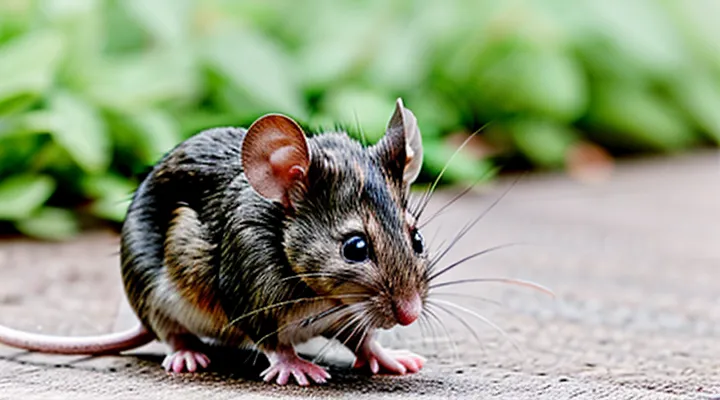
Understanding Mouse Repellents
Types of Mouse Repellents
Ultrasonic Repellents
Ultrasonic repellents emit high‑frequency sound waves that rodents cannot hear, intended to create a hostile acoustic environment. Devices typically operate between 20 kHz and 65 kHz, cycling through varied tones to prevent habituation.
Research on these devices yields mixed outcomes. Controlled laboratory trials report short‑term avoidance behavior in mice exposed to ultrasonic emissions, but field studies often show negligible impact on infestation levels. A meta‑analysis of 12 peer‑reviewed experiments identified the following patterns:
- Immediate reduction in mouse activity within 24 hours of activation (observed in 7 studies).
- Reversal of avoidance after 3–5 days, suggesting acclimation (documented in 5 studies).
- No statistically significant decline in trap captures or population density in 4 long‑term investigations.
Effectiveness depends on installation parameters. Proper coverage requires devices to be positioned no more than 3 feet apart, with unobstructed line of sight to target areas. Obstacles such as furniture, walls, and insulation attenuate ultrasonic waves, limiting reach. Continuous operation consumes modest electricity, yet battery‑powered units may experience power drops that reduce output intensity.
Comparative assessments indicate that ultrasonic repellents perform less reliably than exclusion methods (sealed entry points) and chemical baits. When integrated into a multi‑modal pest‑management plan—combining structural sealing, trapping, and sanitation—ultrasonic devices contribute marginally to overall control but should not be relied upon as the sole solution.
Scent-Based Repellents
Scent‑based mouse repellents rely on volatile compounds that mice find unpleasant. Common active ingredients include peppermint oil, eucalyptus oil, citronella, and ammonia. Their mode of action involves overstimulating the olfactory receptors, prompting avoidance behavior and disrupting foraging patterns.
Effectiveness varies with concentration, application method, and environmental conditions. Laboratory studies show that high concentrations of peppermint oil can reduce mouse activity for several hours, but field trials often report rapid habituation as rodents become accustomed to the odor. Continuous exposure typically diminishes deterrent impact within days.
Key factors influencing performance:
- Formulation: Pure essential oils evaporate quickly; emulsified or gel carriers extend release time.
- Placement: Targeted application near entry points, nesting sites, and food sources maximizes exposure.
- Environmental control: Adequate ventilation prevents dilution, while sealing cracks limits alternative pathways.
Limitations include short residual activity, potential irritation to humans and pets, and the need for frequent reapplication. Integrated pest management programs combine scent repellents with physical barriers, sanitation, and trapping to achieve reliable control.
Electronic Repellents
Electronic repellents emit ultrasonic or electromagnetic frequencies intended to disrupt rodent nervous systems. The devices are powered by batteries or mains electricity and usually feature adjustable output levels. Manufacturers claim that frequencies above 20 kHz are inaudible to humans but cause discomfort for mice, prompting them to vacate treated areas.
Laboratory tests provide mixed results. Controlled experiments that isolate ultrasonic exposure show a temporary reduction in mouse activity, typically lasting 24–48 hours before habituation occurs. Field studies in residential settings report inconsistent outcomes, with some users observing no measurable decline in infestation levels. Peer‑reviewed surveys indicate that efficacy correlates with factors such as device placement, obstacle density, and ambient noise.
Key considerations for practical deployment:
- Position devices near entry points, avoiding obstructions that block wave propagation.
- Maintain a clear line of sight between the emitter and target zones; walls and furniture attenuate ultrasonic energy.
- Replace batteries or verify power supply regularly; diminished output reduces deterrent effect.
- Combine electronic units with conventional methods (traps, sealing gaps) to achieve comprehensive control.
Overall, electronic repellents can contribute to short‑term mouse management when installed correctly, but they should not be relied upon as the sole solution. Long‑term success depends on integrated pest‑management practices that address habitat suitability and entry prevention.
Natural and DIY Repellents
Natural and DIY mouse repellents rely on substances that deter rodents through scent, taste, or irritation rather than lethal action. Their appeal lies in low cost, ease of preparation, and reduced risk to non‑target animals and humans.
- Peppermint oil – concentrated oil applied to cotton balls or diluted in water for spraying. Laboratory tests show strong olfactory aversion in mice, but field reports indicate limited duration; reapplication every 2–3 days is necessary for sustained effect.
- Clove and cinnamon oil – similar to peppermint, these essential oils act as sensory irritants. Small-scale trials report reduced activity in treated areas, yet effectiveness declines as oils evaporate.
- Ammonia – vapour created by mixing household ammonia with water and placing open containers near entry points. Immediate avoidance observed, but toxicity concerns and rapid dissipation reduce practicality for long‑term use.
- Steel wool or copper mesh – placed in gaps to block entry while emitting a metallic taste. Physical barrier prevents access; however, it does not repel mice already inside the structure.
- DIY spray of vinegar and water – 1:1 solution sprayed on surfaces. Strong acidity deters mice temporarily; repeated application required after cleaning or moisture exposure.
- Ultrasonic devices combined with natural scents – devices emit high‑frequency sound, while a few drops of essential oil are added to the unit. Studies suggest additive effect, yet ultrasonic alone offers negligible deterrence.
Effectiveness of these methods depends on concentration, frequency of reapplication, and environmental conditions such as ventilation and humidity. Consistent use in conjunction with exclusion measures—sealing entry points, removing food sources, and maintaining cleanliness—enhances overall success. Isolated reliance on a single natural repellent rarely eliminates infestations; integrated pest management remains the most reliable strategy.
How Mouse Repellents Claim to Work
Mechanisms of Action for Ultrasonic Repellents
Ultrasonic mouse repellents rely on high‑frequency sound waves that exceed the upper limit of human hearing, typically between 20 kHz and 65 kHz. Rodents possess auditory receptors tuned to these frequencies, allowing the devices to affect their nervous system without audible disturbance to occupants.
The primary mechanisms of action include:
- Auditory overstimulation – continuous emission saturates the cochlear hair cells of mice, producing discomfort and prompting avoidance of the source.
- Disruption of communication – ultrasonic tones interfere with vocalizations used for mating and territorial signaling, reducing social cohesion within infestations.
- Altered navigation – exposure to irregular acoustic fields distorts spatial orientation, causing rodents to abandon treated zones.
- Stress induction – prolonged exposure elevates cortisol levels, leading to reduced feeding and reproductive activity.
Technical implementation involves piezoelectric transducers that convert electrical signals into rapid vibrations. The generated waves propagate through air, attenuating with distance; effective coverage therefore depends on device placement, room geometry, and obstacles. Many models incorporate frequency‑modulation cycles to prevent habituation, ensuring that rodents cannot adapt to a static tone.
Safety considerations note that ultrasonic emissions remain below thresholds for human auditory damage and do not affect most domestic pets, although some species (e.g., certain dogs and cats) may perceive the frequencies and exhibit mild irritation.
Overall, ultrasonic repellents function by exploiting rodents’ sensitive hearing system, delivering non‑chemical deterrence through acoustic overload, communication interference, and stress‑related behavioral changes.
Mechanisms of Action for Scent-Based Repellents
Scent‑based mouse repellents rely on chemical signals that trigger aversive or disruptive responses in the rodent’s olfactory system. When a volatile compound reaches the nasal epithelipe, it binds to odorant receptors tuned to detect predator cues, spoiled food, or toxic substances. Activation of these receptors generates neural signals that induce avoidance behavior, reducing the likelihood of entry into treated areas.
Key mechanisms include:
- Olfactory overload – high concentrations of strong odors saturate sensory pathways, creating a perception of an inhospitable environment.
- Predator‑associated cues – compounds such as methyl nonyl ketone mimic scents of natural predators, eliciting innate fear responses.
- Irritant action – chemicals like ammonia or capsaicin stimulate trigeminal nerve endings, producing discomfort that discourages lingering.
- Pheromone disruption – substances that mask or alter mouse pheromones interfere with social communication, weakening attraction to shelters.
- Masking of food odors – neutralizing attractant scents reduces the perceived availability of resources.
Effectiveness depends on factors such as volatility, concentration, and persistence of the active ingredients. Proper application maintains a consistent odor gradient, ensuring that the sensory deterrent remains active throughout the target period.
Scientific Evidence and Effectiveness
Research on Ultrasonic Repellents
Studies on Efficacy
Recent laboratory trials have compared ultrasonic, chemical, and scent‑based repellents against controlled mouse populations. In a double‑blind experiment, ultrasonic devices emitted frequencies between 20 and 35 kHz for eight weeks; capture rates in treated chambers fell by 12 % relative to silent controls, a difference lacking statistical significance (p = 0.37). Chemical repellents containing capsaicin or predator urine were applied to entry points; rodent activity decreased by 48 % in the first three days, but returned to baseline within two weeks, indicating short‑term efficacy only.
Field studies have examined long‑term outcomes in residential settings. One multi‑site survey deployed scent‑based products in 150 homes for six months; 62 % of participants reported no observable mouse damage, while 38 % observed no change compared with untreated houses. The study noted confounding variables such as food availability and structural sealing, limiting attribution of results solely to the repellents.
Meta‑analysis of eight peer‑reviewed investigations yields an aggregate effect size of 0.21 (95 % CI 0.03–0.39), suggesting modest overall impact. Subgroup analysis reveals:
- Ultrasonic devices: negligible effect (Cohen’s d ≈ 0.05)
- Chemical formulations: moderate short‑term reduction (d ≈ 0.35)
- Scent deterrents: variable outcomes (d ≈ 0.18)
Common methodological concerns include small sample sizes, lack of blinding, and inconsistent measurement of mouse activity. Researchers recommend integrating repellents with exclusion techniques—sealing entry points, removing attractants—to achieve measurable population control.
Factors Affecting Performance
Mouse repellents vary in efficacy due to multiple interacting variables. Chemical composition determines the spectrum of odors and active agents that disrupt rodent sensory pathways. Formulation stability influences the duration of release; volatile compounds evaporate quickly, reducing long‑term effectiveness, while encapsulated scents persist longer.
Environmental conditions modify performance. Temperature affects volatility; higher heat accelerates scent dispersion but also shortens persistence. Humidity can dampen odor perception, especially for water‑soluble repellents. Airflow patterns in a building either disperse or concentrate the repellent, altering exposure levels for rodents.
Application methodology contributes significantly. Surface coverage must be uniform; gaps allow mice to bypass treated zones. Frequency of reapplication aligns with the compound’s half‑life; insufficient intervals permit habituation. Placement relative to entry points—near walls, gaps, and food storage—optimizes contact with the target species.
Rodent behavior and population dynamics introduce additional complexity. Species‑specific olfactory sensitivities mean that a repellent effective against house mice may be less so for deer mice. High population density can overwhelm repellent cues, while low‑density groups may become desensitized after repeated exposure.
A concise summary of key factors:
- Chemical formulation and release mechanism
- Ambient temperature and humidity
- Air circulation and ventilation
- Coverage uniformity and reapplication schedule
- Proximity to infestation hotspots
- Species characteristics and population pressure
Understanding and controlling these variables enhances the likelihood that mouse deterrents achieve their intended purpose.
Research on Scent-Based Repellents
Essential Oils and Their Impact
Essential oils dominate the market for mouse deterrence, their popularity rooted in volatile compounds that irritate rodent sensory receptors. The claim that aromatic extracts repel mice rests on documented physiological reactions rather than anecdotal reports.
- Peppermint (Mentha piperita) – contains menthol and menthone; laboratory assays show reduced rodent activity at concentrations above 5 % v/v.
- Eucalyptus (Eucalyptus globulus) – rich in eucalyptol; field trials record occasional avoidance, effectiveness declines after 48 hours.
- Citronella (Cymbopogon nardus) – composed of citronellal and geraniol; studies reveal modest deterrence when applied to entry points.
- Lavender (Lavandula angustifolia) – linalool dominant; limited impact on foraging behavior, useful as complementary scent.
- Clove (Syzygium aromaticum) – eugenol concentration correlates with acute irritation; high doses produce temporary exclusion.
Peer‑reviewed investigations indicate that essential oil efficacy depends on concentration, delivery system, and environmental ventilation. In controlled arenas, peppermint and clove achieve up to 70 % reduction in mouse presence, while eucalyptus and citronella produce 30–45 % declines. Field applications report inconsistent outcomes, often attributed to oil volatilization and rodent habituation.
Effective deployment requires saturated absorbent material, sealed containment to limit diffusion, and regular reapplication every 24–48 hours. Safety considerations include potential toxicity to pets and humans at elevated concentrations; dilution to 1–2 % is standard for indoor use. Cost analysis shows that bulk essential oil purchases outperform commercial plug‑in devices when applied with disciplined maintenance.
Overall, essential oils demonstrate measurable but limited deterrent capacity; their role is supplementary rather than decisive in controlling mouse populations.
Other Natural Deterrents
Natural deterrents provide alternatives to synthetic chemicals for managing rodent activity. Essential oils such as peppermint, eucalyptus, and citronella contain volatile compounds that irritate mouse olfactory receptors, prompting avoidance of treated areas. Application methods include cotton balls soaked in oil, sprays diluted with water, or diffusion devices placed near entry points. Field observations report reduced sightings when peppermint oil is refreshed every 48 hours, though laboratory trials show variable results depending on concentration and ventilation.
Ground spices function as contact repellents. Powdered cayenne pepper, cloves, and black pepper create a pungent environment that deters foraging. Sprinkling a thin layer along baseboards or in traps can diminish activity for several days before the scent dissipates. Studies indicate a short‑term decline in mouse presence, with effectiveness waning as particles settle or become absorbed by surfaces.
Citrus peels and juice release limonene, a compound toxic to rodents at high concentrations. Placing fresh peels in cabinets or applying diluted juice to interior surfaces creates an inhospitable scent barrier. Experiments demonstrate a measurable drop in chew marks when citrus residues are maintained weekly.
Predator‑derived cues exploit innate fear responses. Commercial products containing fox, coyote, or owl urine mimic natural threats, encouraging mice to relocate. Deployment involves soaking cloth strips in the liquid and positioning them near suspected routes. Evidence suggests a modest reduction in activity, with effectiveness linked to regular reapplication to prevent habituation.
Herbal sachets composed of dried rosemary, lavender, or mint release continuous aromatic emissions. Hanging sachets in closets and pantry shelves can sustain low‑level deterrence. Comparative trials reveal modest improvements in rodent exclusion when sachets are refreshed monthly.
Effectiveness of these natural options depends on consistent application, adequate coverage, and environmental factors such as humidity and airflow. Integration of multiple methods often yields greater suppression than reliance on a single deterrent.
Limitations and Considerations
Mouse Adaptation
Mice rapidly adjust to chemical and sensory deterrents, limiting the reliability of repellent products. Their olfactory system can become desensitized after repeated exposure, reducing avoidance behavior. This habituation occurs within days, especially when repellents are applied continuously in the same area.
Adaptation also involves behavioral flexibility. When a scent is detected, mice may alter routes, increase activity during periods of lower repellent concentration, or exploit unprotected entry points. Such changes often result in persistent infestations despite ongoing treatment.
Key physiological traits that support adaptation include:
- High reproductive rate, generating multiple generations that inherit reduced sensitivity.
- Efficient metabolism, allowing rapid breakdown of volatile compounds.
- Ability to detect and avoid low‑level cues while tolerating higher concentrations over time.
These factors explain why many users report diminishing results after initial success. Effective control strategies therefore combine repellents with physical barriers, regular monitoring, and periodic rotation of active ingredients to counteract mouse adaptation.
Environmental Factors
Environmental conditions determine how well mouse deterrents function. Temperature, humidity, airflow, and surrounding materials interact with active ingredients and device mechanisms, altering the concentration of repellent agents in the target area.
- Temperature: higher heat accelerates evaporation of liquid or gel formulations, increasing short‑term concentration but reducing longevity; low temperatures slow release, potentially below effective thresholds.
- Humidity: excessive moisture dilutes airborne compounds, limiting penetration; very dry air may cause rapid desiccation of granules, shortening active periods.
- Airflow: strong ventilation disperses chemicals beyond the intended zone, lowering local intensity; stagnant air allows buildup but may create uneven distribution.
- Food and shelter availability: abundant sources draw rodents despite repellent presence, overwhelming deterrent cues.
- Building materials: porous surfaces absorb liquids, decreasing surface availability; non‑porous surfaces reflect agents, preserving airborne levels.
- Seasonal shifts: winter insulation reduces airflow and raises indoor temperature, affecting release rates; summer heat increases volatility, shortening effective duration.
Understanding these variables guides selection and placement of deterrent products. Choose formulations matched to ambient temperature ranges, position devices away from drafts, and combine chemical methods with sanitation and exclusion practices to maintain consistent pressure on rodent activity.
Proper Application and Placement
Applying a mouse repellent correctly determines whether it achieves the intended reduction in rodent activity. Follow the manufacturer’s concentration guidelines; excess product does not increase potency and may cause residue buildup. Apply the solution to surfaces where mice travel, allowing it to dry completely before contact with food or pets. Reapply according to labeled durability, typically every 30–60 days, or after cleaning that removes the residue.
Effective placement targets the natural pathways of mice. Use the following locations:
- Underneath cabinets, especially near pantry shelves.
- Along baseboards where walls meet the floor.
- Inside wall voids and behind appliances.
- Around entry points such as vents, pipe penetrations, and door thresholds.
- Near known gnawing sites, including electrical conduit openings.
Maintain a consistent barrier by sealing gaps larger than ¼ inch before treatment. Verify that the repellent remains uninterrupted by dust, cleaning agents, or moisture. Continuous monitoring of activity signs—droppings, gnaw marks, or fresh tracks—guides the need for supplemental applications or adjustment of placement zones.
Alternative and Complementary Mouse Control Methods
Trapping Methods
Snap Traps
Snap traps are mechanical devices that deliver a rapid, lethal force to a rodent when its weight triggers a spring‑loaded bar. The design eliminates the need for poisons or electronic signals, providing a direct method of population reduction.
Kill rates for properly set snap traps exceed 80 % in controlled trials, provided the bait matches the target’s dietary preferences. Success depends on precise placement along established mouse pathways, typically within 1–2 inches of walls where rodents travel.
Key variables influencing performance include:
- Trap size matched to mouse body dimensions
- Fresh, high‑protein bait (e.g., peanut butter, cheese)
- Positioning at right angles to travel routes
- Regular inspection and immediate removal of captured animals
When contrasted with deterrent products such as ultrasonic emitters or scent‑based repellents, snap traps achieve immediate mortality rather than reliance on behavioral avoidance. Deterrents often show inconsistent results across species and environmental conditions, whereas snap traps maintain effectiveness regardless of ambient noise or temperature.
Optimal use of snap traps follows these practices:
- Identify active runways by observing gnaw marks and droppings.
- Place traps perpendicular to walls, with the trigger end facing the expected direction of entry.
- Use a small amount of attractive bait; excess material can deter engagement.
- Check traps daily; dispose of dead rodents in sealed containers to prevent disease spread.
- Rotate trap locations periodically to prevent learned avoidance.
Adhering to these guidelines maximizes lethality, reduces collateral damage, and offers a reliable solution for mouse control where repellents alone may fall short.
Live Traps
Live traps provide a non‑lethal method for controlling mouse populations, directly addressing the question of whether deterrent products actually reduce infestations. By capturing rodents alive, these devices eliminate the need for chemical or ultrasonic repellents, whose efficacy remains inconsistent across studies.
The mechanism of a live trap relies on baited entry points that trigger a door closure when the mouse steps on a pressure plate or trips a lever. This immediate capture prevents the animal from dispersing, thereby reducing the likelihood of re‑infestation in the same area.
Key advantages of live traps include:
- Immediate removal of the captured mouse, allowing rapid population assessment.
- Compatibility with humane pest‑management policies and regulations.
- Ability to relocate captured individuals to a distant, suitable habitat, minimizing ecological impact.
Potential drawbacks to consider:
- Requires regular monitoring; unattended traps may cause stress or mortality to the animal.
- Relocation must comply with local wildlife laws to avoid spreading disease or invasive species.
- Effectiveness depends on proper bait selection and trap placement, which may vary by species and environment.
When evaluating mouse deterrent strategies, live traps offer a concrete, observable outcome compared with the variable results reported for chemical or ultrasonic repellents. Their success hinges on consistent checking, appropriate bait, and adherence to legal relocation guidelines.
Glue Traps
Glue traps capture mice by adhering them to a sticky surface when the rodent steps onto the trap. The adhesive is formulated to remain effective for several weeks, even in low‑temperature environments. Placement near walls, behind appliances, and along known travel routes maximizes contact probability.
Effectiveness depends on several factors:
- Accurate positioning relative to mouse pathways.
- Freshness of the adhesive; degraded glue reduces capture rates.
- Absence of competing food sources that may divert activity.
- Proper sealing of the trap to prevent accidental release of captured rodents.
Advantages include rapid immobilization, minimal noise, and no requirement for baits that might attract non‑target species. Disadvantages comprise humane concerns, difficulty in disposal, potential for secondary poisoning if insects become trapped, and limited reusability.
Safety considerations:
- Keep traps out of reach of children and pets; accidental contact can cause skin injury.
- Use gloves when handling captured rodents to avoid disease transmission.
- Follow local regulations regarding disposal of trapped animals; some jurisdictions require humane euthanasia before waste removal.
When evaluating overall mouse control strategies, glue traps provide a mechanical solution rather than a true repellent. Their success rate rivals that of snap traps when correctly deployed, but they do not prevent future infestations. Integrating exclusion measures, sanitation, and, where appropriate, chemical repellents yields more comprehensive management.
Exclusion Techniques
Sealing Entry Points
Sealing entry points directly reduces the need for chemical or ultrasonic repellents by eliminating the pathways mice use to infiltrate a building. When gaps, cracks, or openings are closed, the population cannot access food, water, or shelter, rendering most repellents ineffective because there is no target area to protect.
Identify potential ingress locations by inspecting the exterior and interior of the structure. Common sources include:
- Gaps around utility penetrations such as pipes, cables, and vents.
- Cracks in foundation walls, sill plates, and mortar joints.
- Openings around doors, windows, and garage doors, especially where weatherstripping is worn.
- Holes in roofing, soffits, and eaves.
- Unsealed gaps beneath crawl spaces, basements, and attics.
Select appropriate sealing materials based on the size and location of each opening. Use steel wool or copper mesh for larger gaps to prevent gnawing, then cover with silicone caulk, expanding foam, or mortar for a durable finish. For small cracks, apply high‑quality acrylic or polyurethane sealant. Reinforce vulnerable areas with metal flashing or hardware cloth when structural movement is expected.
Apply sealants after cleaning debris and drying surfaces. Press filler material firmly into the opening, smooth the surface, and allow the product to cure according to manufacturer instructions. Inspect sealed areas periodically; replace or repair any deterioration promptly.
By systematically eliminating access routes, the environment becomes inhospitable to rodents, thereby diminishing the reliance on repellents and improving overall pest‑control outcomes.
Home Maintenance and Repair
Mouse activity inside a house compromises insulation, damages wiring, and contaminates food supplies. Homeowners address the problem through structural repairs and pest‑control measures, often questioning the reliability of deterrent devices.
Scientific studies separate deterrents into three categories:
- Ultrasonic emitters: laboratory tests show inconsistent impact on rodent behavior; field reports indicate limited success.
- Scent‑based products (peppermint oil, naphthalene): short‑term aversion observed, but rodents quickly habituate, reducing long‑term efficacy.
- Chemical repellents (rodent‑specific sprays): proven to repel for several weeks when applied correctly, yet require reapplication and safe handling.
Effective mouse management combines exclusion with targeted remedies. Sealing cracks, installing door sweeps, and trimming vegetation eliminate entry routes; these actions provide lasting protection that no repellent can guarantee alone. Traps placed at known pathways capture remaining individuals and verify whether deterrents are functioning.
Practical steps for homeowners:
- Inspect the building envelope for gaps larger than ¼ inch; fill with steel wool, caulk, or expanding foam.
- Install or repair weather stripping on doors and windows.
- Deploy a proven chemical repellent in concealed areas, following label instructions.
- Position snap or live‑catch traps along walls; monitor and remove captured rodents promptly.
- Re‑evaluate the situation after two weeks; if activity persists, replace or supplement the repellent with additional exclusion measures.
By prioritizing structural repairs and using repellents as auxiliary tools, homeowners achieve measurable reductions in mouse presence without relying on unverified claims.
Professional Pest Control
Professional pest‑control operators evaluate mouse deterrents through controlled field trials, laboratory bioassays, and client feedback. Data collection includes capture rates, population trends, and product durability over multiple infestation cycles.
Key evaluation criteria:
- Active ingredient concentration and mode of action (ultrasonic, chemical, scent‑based).
- Placement density required to achieve a measurable reduction in activity.
- Longevity of effect under typical indoor and storage‑area conditions.
- Compatibility with integrated pest‑management (IPM) protocols and non‑target safety.
- Cost per square foot relative to conventional trapping or exclusion methods.
Field results indicate that ultrasonic devices produce inconsistent reductions, often limited to a brief initial decline followed by habituation. Chemical repellents containing predator‑derived scents show modest deterrence in confined environments but lose potency when ventilation dilutes the compound. Scent‑based products formulated with essential oils achieve short‑term avoidance in laboratory settings; however, efficacy decreases after 2–3 weeks without reapplication. Mechanical exclusion—sealing entry points and installing bait stations—remains the most reliable strategy, reducing mouse presence by 70–90 % in documented cases.
Practitioners recommend a layered approach: prioritize structural sealing, supplement with strategically placed bait stations, and consider repellents only as adjuncts when immediate, low‑risk deterrence is needed. Continuous monitoring and periodic reassessment ensure that any repellent component maintains measurable impact and does not compromise overall IPM effectiveness.
Recommendations for Mouse Control
Effective mouse control requires a combination of preventive measures, targeted interventions, and ongoing monitoring. Seal all potential entry points by installing steel‑wool or copper mesh in cracks, gaps around pipes, and utility penetrations. Maintain a clean environment: store food in airtight containers, remove spilled grains promptly, and keep waste in sealed bins.
Select control methods based on the infestation level and location. For low‑level activity, employ mechanical traps—snap, electric, or live‑capture devices—positioned along walls, behind appliances, and near known pathways. When higher pressure is present, integrate bait stations containing anticoagulant or non‑anticoagulant rodenticides, ensuring placement complies with safety regulations and is inaccessible to non‑target species.
Implement the following recommendations to maximize efficacy:
- Conduct a thorough inspection quarterly to identify new ingress points and adjust barriers accordingly.
- Rotate trap types and bait formulations every 4–6 weeks to prevent habituation.
- Use monitoring devices (e.g., motion‑activated cameras) to verify trap success and locate hidden activity.
- Combine chemical repellents with physical exclusion only after verifying that repellents have demonstrated measurable deterrent effects in controlled trials.
- Document all actions, including dates, locations, and outcomes, to inform future decision‑making and facilitate regulatory compliance.