
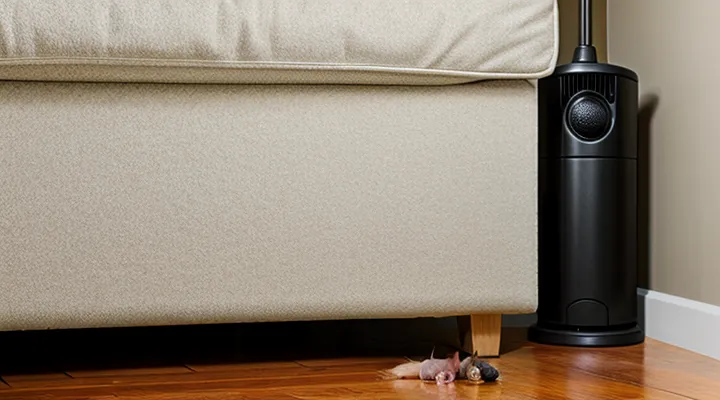
Understanding Rat Odor
What Causes the Smell?
Rat Droppings
Rat droppings release ammonia and fecal bacteria that quickly become the dominant source of unpleasant odor in an infested space. Prompt identification and thorough removal are essential to restore air quality.
- Wear disposable gloves and a mask before handling any material.
- Sweep or vacuum loose droppings using a HEPA‑rated filter; discard the collection bag immediately.
- Apply a detergent solution (warm water mixed with a mild surfactant) to the affected area; scrub surfaces until residues vanish.
- Rinse with clean water and dry completely to prevent moisture buildup.
- Disinfect with a solution containing at least 5 % bleach or a commercial rodent‑specific sanitizer; allow the contact time recommended by the product label.
- Seal waste in a double‑bagged container and dispose of it according to local hazardous‑waste regulations.
After droppings are eliminated, increase ventilation by opening windows or using an exhaust fan. Place activated‑charcoal or enzymatic odor absorbers in the room to neutralize lingering smells. Finally, inspect walls, floors, and utility openings; seal cracks and gaps with steel wool and caulk to block future entry. These actions directly reduce the odor potential associated with rodent feces.
Rat Urine
Rat urine is the primary source of a pungent, ammonia‑like odor that lingers in infested spaces. The liquid contains urea, creatinine and uric acid, which decompose into ammonia and other volatile compounds. These substances adhere to porous surfaces, fabrics, and insulation, making the smell difficult to eradicate without proper treatment.
Effective removal requires three stages: identification, neutralization, and prevention.
- Identify contaminated areas – use a blacklight to reveal urine stains that fluoresce, or smell for sharp ammonia notes near walls, baseboards, and hidden corners.
- Neutralize the odor – apply an enzymatic cleaner specifically formulated for pet urine; enzymes break down the organic molecules, eliminating the source rather than merely masking the scent. For stubborn spots, soak the area with a solution of one part white vinegar to three parts water, let it sit for ten minutes, then blot dry. Afterward, rinse with a hydrogen peroxide mixture (3 % solution) to oxidize residual compounds.
- Prevent recurrence – seal entry points with steel wool and caulk, remove food sources, and set snap traps or live‑catch devices. Regularly vacuum with a HEPA filter to capture dried particles that could re‑release odor when disturbed.
When cleaning hard, non‑porous surfaces such as tile or metal, a diluted bleach solution (1 % sodium hypochlorite) can be sprayed, left for five minutes, then rinsed thoroughly. For porous materials like carpet or drywall, removal and replacement may be the only reliable option, as absorption prevents complete decontamination.
Finally, improve ventilation by running an exhaust fan or opening windows while cleaning. Air purifiers equipped with activated carbon filters will adsorb lingering volatile compounds, accelerating the restoration of a neutral indoor environment.
Deceased Rats
Dead rodents release volatile compounds that persist long after the body has decomposed. These substances, primarily ammonia, sulfur‑containing gases, and fatty acids, cling to fabrics, carpets, and porous surfaces, creating a lingering, unpleasant smell. Prompt removal of the carcass eliminates the primary source of odor, but additional measures are required to neutralize residual chemicals.
Effective remediation begins with physical extraction. Wear disposable gloves and a mask, place the animal in a sealed plastic bag, and discard it according to local waste regulations. Clean the immediate area with hot water and a detergent that emulsifies fats. Rinse thoroughly to prevent detergent residues from attracting insects.
After the surface is cleaned, treat porous materials. Apply an enzymatic cleaner specifically formulated for protein‑based stains; the enzymes break down residual organic matter, reducing odor‑producing molecules. Allow the solution to sit for the manufacturer‑recommended dwell time, then blot or vacuum excess liquid.
To address lingering air‑borne odors, introduce an absorbent agent. Options include:
- Activated charcoal placed in open containers around the room.
- Baking soda spread thinly on carpets, left for several hours, then vacuumed.
- Commercial odor‑neutralizing gels containing cyclodextrin compounds.
Ventilation accelerates odor dissipation. Open windows and use exhaust fans to create cross‑flow, drawing contaminated air outward. If the space lacks adequate airflow, employ a portable air purifier equipped with a HEPA filter and an activated‑carbon pre‑filter.
Finally, inspect adjacent areas for secondary contamination. Dead rodents often attract insects that can spread odor particles. Seal cracks, repair damaged screens, and ensure food sources are inaccessible to prevent reinfestation. Regular monitoring for any return of the smell will confirm that remediation efforts have succeeded.
Health Risks Associated with Rat Odor
Rat odor originates from urine, feces, and glandular secretions, which contain volatile compounds such as ammonia, phenols, and sulfur‑bearing molecules. These substances disperse quickly in confined spaces, creating an environment that can compromise respiratory and dermal health.
Health risks linked to exposure include:
- Irritation of eyes, nose, and throat, leading to coughing, sneezing, and sore throat.
- Aggravation of asthma and chronic obstructive pulmonary disease, potentially triggering severe attacks.
- Development of allergic reactions, manifesting as skin rashes, hives, or nasal congestion.
- Increased susceptibility to infections caused by bacterial agents like Leptospira spp., which thrive in rodent waste.
- Potential neurotoxic effects from prolonged inhalation of certain aromatic amines present in the odor.
Because the airborne contaminants persist until the source is removed and the area is thoroughly cleaned, implementing effective odor‑removal strategies is essential for protecting occupants’ health and preventing long‑term medical complications.
Initial Steps to Remove the Source
Locating the Source of the Odor
Visual Inspection
Visual inspection is the first step in identifying and removing the source of rodent odor from an indoor environment. Direct observation reveals the locations where droppings, urine stains, nesting material, or dead rodents are present, each of which contributes to the foul smell.
Begin by turning on bright, portable lighting and scanning all surfaces at eye level and above. Look for the following indicators:
- Dark, pellet‑shaped droppings on floors, countertops, and shelving.
- Damp, yellowish patches that may indicate urine absorption in carpets or upholstery.
- Chewed wires, insulation, or food packaging.
- Accumulated shredded paper, fabric, or other nesting debris.
- Small, discolored spots on walls or ceilings that suggest hidden burrows.
Inspect concealed areas such as behind appliances, under sinks, inside cabinets, and within ventilation ducts. Use a mirror on an extendable pole to view hard‑to‑reach corners. When a strong, musky odor is detected, follow the scent trail back to its origin, noting any accompanying visual evidence.
Document each finding with photographs or written notes, marking the exact location and type of contamination. This record guides targeted cleaning, disinfection, and, if necessary, professional pest removal. After removal, repeat the visual check to verify that all visible sources have been eliminated before proceeding to odor‑neutralizing treatments.
Using UV Light
Ultraviolet (UV‑C) radiation neutralizes the microbial sources that generate rat‑related odors. The light penetrates organic residues, damages DNA of bacteria and fungi, and prevents the production of volatile compounds responsible for the smell.
UV‑C devices can be installed as portable lamps, ceiling‑mounted units, or enclosed air purifiers. Effective deployment requires direct exposure of contaminated surfaces or circulating air for at least 10–15 minutes per cycle. Continuous operation in a sealed enclosure maintains a sterile environment and reduces re‑contamination.
Safety measures include shielding the bulb, using motion‑activated timers, and wearing protective eyewear when the lamp is active. Enclosed air purifiers eliminate direct exposure risk while still delivering germicidal radiation to the airflow.
Limitations involve the inability of UV‑C to remove solid residues such as dried urine or feces. Physical cleaning of these deposits remains necessary before UV treatment can fully suppress odor emissions.
Combining UV‑C with thorough cleaning, proper ventilation, and rodent exclusion strategies yields the most reliable reduction of rat smell in indoor spaces.
Professional Assistance
Professional pest‑control services provide a systematic approach to eradicating rodent odor from indoor spaces. Technicians assess the extent of contamination, identify hidden nesting sites, and apply targeted treatments that exceed the capabilities of typical household products. Their expertise ensures thorough removal of odor‑causing residues, such as urine, feces, and secretions, which often linger in insulation, wall cavities, and ventilation ducts.
Key advantages of engaging specialists include:
- Use of industrial‑grade enzymatic cleaners that break down organic matter at a molecular level.
- Application of ozone or ultraviolet systems to neutralize lingering smells without leaving chemical residues.
- Installation of sealed barriers and traps to prevent re‑infestation, reducing the likelihood of future odor issues.
- Documentation of all procedures, providing a verifiable record for insurance or health‑code compliance.
When selecting a provider, verify licensing, request a detailed work plan, and compare warranties. Reputable firms typically offer a pre‑treatment inspection, a clear timeline for remediation, and post‑service verification to confirm odor levels meet acceptable standards. Costs vary by square footage, severity of contamination, and the specific technologies employed; however, the expense often offsets the long‑term expense of repeated DIY attempts and potential health hazards.
In summary, professional assistance delivers a comprehensive, scientifically backed solution that removes entrenched rat odor efficiently and safeguards the indoor environment against recurrence.
Removing the Rats
Trapping Methods
Trapping rodents directly reduces the source of odor by removing the animals that produce urine, feces, and secretions. Prompt capture prevents further contamination and limits the spread of the smell throughout the space.
- Snap traps: inexpensive, quick‑acting, and reusable. Position near walls, behind objects, and along known runways. Use high‑protein bait such as peanut butter to increase success.
- Live‑catch traps: allow humane removal. Place in dimly lit areas where rats feel safe. Check at least twice daily to avoid prolonged confinement, which can worsen odor.
- Electronic traps: deliver a lethal shock when the rodent enters. Ideal for sealed rooms because they contain waste internally, reducing secondary mess.
- Glue boards: provide a visual cue of activity. Best used as supplemental monitoring tools rather than primary control, as captured rats may decompose and add to the odor problem.
After each capture, seal the trap, dispose of the carcass in a sealed bag, and clean the surrounding area with an enzymatic cleaner to break down residual organic material. Combine trapping with thorough ventilation and regular removal of droppings to ensure the odor diminishes rapidly.
Exclusion Techniques
Exclusion techniques prevent rats from re‑entering a space, thereby stopping the source of odor before it spreads.
- Identify and seal all gaps larger than ¼ inch in walls, floors, and ceilings using steel wool combined with rodent‑proof caulk.
- Install door sweeps on exterior doors to block the gap between the threshold and the door bottom.
- Fit window and vent openings with fine‑mesh hardware cloth secured with stainless‑steel staples.
- Apply metal flashing around pipe penetrations, conduit sleeves, and utility openings; wrap with heavy‑duty tape for added protection.
- Replace damaged or missing weatherstripping on doors and windows to maintain a continuous barrier.
- Use expandable foam sealant formulated for pest control on irregular cracks and crevices.
- Conduct a thorough inspection after each sealing effort to verify that no new entry points have formed.
Regular maintenance of these barriers ensures that rats cannot access the room, eliminating the primary cause of odor and supporting long‑term cleanliness.
Disposing of Deceased Rats Safely
Proper removal of dead rodents is essential for preventing lingering foul smells and health hazards. The body releases volatile compounds that quickly saturate a confined space; immediate, secure disposal stops the odor source and reduces bacterial growth.
- Place the carcass in a heavy‑duty plastic bag, seal tightly, and discard in a municipal waste container designated for animal remains.
- If local regulations allow, freeze the animal in a sealed bag for at least 24 hours before disposal; the low temperature neutralizes odor‑producing bacteria.
- Use a small, outdoor incinerator or fire pit, ensuring the fire burns hot enough to achieve complete combustion.
- Contact a licensed pest‑control service; they can perform sanitary removal and comply with local waste‑handling laws.
- When burial is permissible, dig a minimum 2‑foot deep hole, wrap the carcass in biodegradable material, and cover with soil, avoiding proximity to food sources or water lines.
After disposal, clean the area with a disinfectant solution (e.g., 1 % bleach) and wipe all surfaces. Ventilate the room for several hours using fans or open windows. Wear disposable gloves and a mask throughout the process to protect against pathogens. These steps eliminate the primary odor source and help maintain a safe, odor‑free environment.
Cleaning and Deodorizing the Affected Area
Personal Protective Equipment
When tackling rodent odor, the first line of defense is proper personal protective equipment. PPE shields the operator from harmful chemicals, airborne particles, and possible pathogens released by decomposing rodents.
- Respirator with organic vapor filter: prevents inhalation of ammonia, sulfur compounds, and disinfectant fumes. Verify seal before entry and replace cartridges according to manufacturer schedule.
- Disposable nitrile gloves: resist penetration by strong cleaners and prevent skin contact with contaminated surfaces. Change gloves between tasks and discard in sealed bags.
- Protective goggles or face shield: guard eyes against splashes of enzymatic cleaners or spray solutions. Ensure a tight fit to eliminate gaps.
- Full‑body coveralls (Tyvek or equivalent): block absorption of odor‑binding residues and reduce cross‑contamination. Seal seams and cuffs, and remove coveralls by rolling from inside out before disposal.
- Foot protection: waterproof boots with anti‑slip soles protect against liquid spills and standing water used in odor‑neutralizing treatments.
Before commencing work, inspect each item for damage, confirm correct sizing, and confirm that the respirator’s fit test has been performed. During the cleaning process, maintain continuous ventilation to lower airborne contaminant levels; PPE remains essential even with airflow assistance. After completion, remove equipment in a prescribed order—gloves, goggles, respirator, coveralls, boots—to avoid contaminating clean areas. Place all disposable items in biohazard bags and treat reusable gear according to decontamination protocols, typically a wash with a detergent solution followed by an alcohol rinse.
Adhering to these PPE guidelines minimizes health risks while allowing aggressive odor‑removal methods, such as enzymatic cleaners, ozone generators, or activated charcoal treatments, to be applied safely and effectively.
Cleaning Surfaces
Hard Surfaces
Hard surfaces such as tile, laminate, metal, and sealed wood directly contact rodent waste, allowing odor molecules to embed in microscopic pores. Immediate attention prevents the smell from permeating surrounding fabrics and air.
Odor‑binding residues on these materials require thorough removal before any deodorizing agent can be effective. Simple wiping leaves protein‑based compounds intact, which continue to release volatile organic compounds.
- Clear loose debris with a disposable brush or vacuum equipped with a HEPA filter.
- Apply an enzymatic cleaner formulated for animal waste; ensure the product penetrates the surface for at least 10 minutes.
- Scrub the area with a stiff‑bristled brush to break down residual organic matter.
- Rinse with warm water, removing all cleaning solution and dissolved contaminants.
- Dry completely using a fan or dehumidifier; moisture fosters bacterial growth and odor resurgence.
- Place activated charcoal or baking‑soda packets nearby to absorb any remaining trace odors.
Regular cleaning cycles, combined with sealed finishes on floors and countertops, restrict odor absorption. Re‑applying a protective sealant every 12–18 months maintains a non‑porous barrier, simplifying future remediation efforts.
Soft Furnishings
Soft furnishings, including curtains, cushions, rugs and upholstered furniture, readily absorb and retain rodent odor because of their porous fibers. Immediate removal of contaminated items prevents the scent from spreading to other surfaces. If disposal is not feasible, thorough cleaning is essential.
- Vacuum all fabric surfaces with a HEPA‑rated attachment to extract embedded particles.
- Apply an enzyme‑based cleaner specifically formulated for organic odors; allow the product to penetrate for the recommended dwell time before blotting with a clean cloth.
- Rinse or steam‑clean washable items according to manufacturer guidelines; for non‑washable pieces, consider professional dry‑cleaning services.
- After cleaning, place the items in a well‑ventilated area and expose them to fresh air and sunlight, which accelerates odor dissipation.
- Treat remaining fabric with a neutralizing spray containing activated charcoal or baking‑soda; distribute evenly and let sit for several hours before vacuuming again.
For heavily saturated textiles, replacement is the most reliable solution. Opt for fabrics with low absorbency, such as microfiber or tightly woven synthetics, to reduce future odor retention. Seal discarded soft furnishings in airtight bags before disposal to contain residual smells. Regular laundering of curtains and cushion covers, combined with periodic deep cleaning, maintains a neutral indoor environment and prevents rodent odor from reestablishing.
Using Odor Neutralizers
Commercial Products
Commercial products designed for rodent odor removal provide rapid, measurable results when applied correctly.
Enzymatic cleaners break down urine proteins, neutralizing the source of the smell rather than masking it. Apply directly to affected surfaces, allow the solution to penetrate for at least 15 minutes, then rinse or blot dry.
Ozone generators oxidize volatile compounds in the air. Use in a sealed room for the manufacturer‑specified cycle, then ventilate for 30 minutes before re‑entering.
Air purifiers equipped with activated‑carbon filters adsorb odor molecules. Position units near the contamination zone; replace filters according to the brand’s schedule, typically every 3–6 months.
Odor‑neutralizing sprays contain cyclodextrin or cyclopentasiloxane compounds that bind odorants. Spray evenly on fabrics, carpets, and upholstery, then allow to dry naturally.
Activated‑charcoal bags or panels absorb lingering smells from walls, ceilings, and furniture. Distribute evenly throughout the space; replace when the bags change color or after 60 days of continuous use.
UV‑C lamps degrade organic particles, reducing the microbial component of the odor. Install fixtures at ceiling height, ensuring exposure time of at least 30 minutes per cleaning cycle.
Professional foggers disperse a fine mist of deodorizing chemicals across large volumes. Follow safety guidelines: evacuate the area, wear protective equipment, and allow a minimum of 1 hour for the fog to settle before reoccupation.
Selecting the appropriate product depends on the severity of contamination, surface types, and occupancy constraints. Combining enzymatic treatment with air‑purification technology yields the most comprehensive reduction of rat‑related odors.
Natural Remedies
Natural remedies offer practical, non‑chemical options for removing rat odor from indoor spaces. Their effectiveness derives from adsorption, neutralization, or masking of volatile compounds that cause the unpleasant scent.
- White vinegar: Mix equal parts vinegar and water, spray onto affected surfaces, and allow to air‑dry. Acidity breaks down odor‑causing molecules.
- Baking soda: Sprinkle on carpets, upholstery, or floorboards; leave for several hours before vacuuming. The powder absorbs moisture and odor particles.
- Activated charcoal: Place bags or loose granules in corners, closets, and near entry points. Porous structure traps volatile organic compounds.
- Essential oils (eucalyptus, tea tree, peppermint): Dilute a few drops in carrier oil or water, apply to fabric or use a diffuser. Antimicrobial properties reduce bacterial growth that contributes to the smell.
- Lemon juice: Combine with water, spray on hard surfaces, and wipe clean. Citrus acidity neutralizes ammonia‑like odors.
- Coffee grounds: Spread a thin layer on a tray, let dry, then position in the room. Coffee absorbs and masks lingering scents.
- Plant-based absorbers (e.g., indoor ferns, spider plants): Position near problem areas; foliage absorbs pollutants and improves air quality.
Ventilation complements these measures. Open windows and doors to create cross‑drafts, or install a simple window exhaust fan to expel contaminated air. Regularly wash fabrics, replace contaminated insulation, and seal entry points to prevent re‑infestation, ensuring that natural treatments maintain a fresh environment over time.
Baking Soda
Baking soda is a low‑cost, non‑toxic absorbent that neutralizes the volatile compounds responsible for rodent odor. Its alkaline nature reacts with acidic odor molecules, converting them into less volatile salts that no longer register as a smell.
To apply baking soda effectively:
- Remove all visible waste, droppings, and nesting material.
- Sprinkle a generous layer (approximately ¼ inch) of baking soda on the floor, carpets, and any fabric surfaces that have been contaminated.
- Allow the powder to sit for at least 24 hours; during this period it will adsorb moisture and odor particles.
- Vacuum or sweep up the settled powder, disposing of it in a sealed bag.
- Repeat the process if the odor persists, increasing the amount of baking soda each cycle.
For sealed containers or small enclosures, place an open box of baking soda inside for continuous odor absorption. Replace the box every 30 days to maintain efficacy.
When combined with thorough cleaning and proper ventilation, baking soda significantly reduces the lingering scent of rats, making the environment more habitable.
White Vinegar
White vinegar, a dilute acetic acid solution, neutralizes the volatile compounds responsible for rat odor. Its acidity breaks down the odor‑causing molecules, converting them into less volatile substances that dissipate more quickly.
The solution’s low cost, availability, and non‑toxic nature make it suitable for indoor use. When applied correctly, it reaches crevices where urine or feces have seeped, delivering direct contact with the source of the smell.
Application procedure
- Mix equal parts white vinegar and distilled water in a spray bottle.
- Identify areas with visible stains or strong odor, such as baseboards, corners, and ventilation grilles.
- Generously spray the mixture, allowing it to soak for 5–10 minutes.
- Wipe surfaces with a clean cloth; repeat if the odor persists.
- For persistent odors, place shallow bowls of undiluted vinegar in the room; leave them open for several hours to absorb lingering smells.
Safety measures include ensuring adequate ventilation during and after treatment, wearing gloves to protect skin from prolonged exposure, and avoiding contact with delicate finishes that may react to acidity.
Combining vinegar treatment with thorough cleaning—removing droppings, sealing entry points, and using an air purifier—maximizes odor elimination and prevents re‑contamination.
Activated Charcoal
Activated charcoal is a porous carbon material that adsorbs volatile organic compounds, including the pungent chemicals released by rodents. Its high surface area captures odor molecules without reacting chemically, making it a reliable neutralizer for indoor environments plagued by rat smell.
To employ activated charcoal effectively:
- Choose a breathable container (e.g., a mesh bag, perforated box) that allows air flow while preventing dust escape.
- Place the container in the most affected area, such as near the source of the odor, under furniture, or on the floor where the smell accumulates.
- Use a quantity proportional to the room size: roughly 1 lb (0.45 kg) per 100 ft² (9 m²) of space provides sufficient adsorption capacity.
- Replace or recharge the charcoal every 2–4 weeks, depending on odor intensity; exposure to sunlight can reactivate a portion of its adsorptive power.
- Ensure the material stays dry; moisture reduces adsorption efficiency and may foster mold growth.
Safety considerations:
- Activated charcoal is non‑toxic and safe for households with pets and children when kept in sealed containers.
- Avoid inhaling fine dust; handle the material with gloves and a mask during transfer.
- Do not use activated charcoal near open flames, as carbon particles can ignite under high heat.
When integrated with other odor‑control strategies—such as thorough cleaning, proper ventilation, and source removal—activated charcoal significantly reduces the lingering scent of rats, restoring a neutral indoor atmosphere.
Airing Out the Room
Airing out the room removes lingering rat odor by diluting contaminated air and introducing fresh outdoor air. The process works best when the space is sealed from additional sources of odor and when ventilation is sustained for an adequate period.
- Open all exterior windows and doors fully.
- Position a high‑speed fan near an open window to draw stale air outward.
- Place a second fan opposite the first to push fresh air inward, creating cross‑ventilation.
- Run fans for at least 30 minutes; extend to several hours if the smell persists.
- Keep indoor temperature moderate (18‑22 °C) to prevent condensation that could trap odor molecules.
After ventilation, wipe surfaces with an enzymatic cleaner to break down residual organic compounds. Use a dehumidifier to lower humidity, which slows the re‑release of odor from fabrics and carpets. Combining thorough airing with targeted cleaning accelerates the removal of rat scent from the environment.
Addressing Ventilation Issues
Proper airflow is essential when removing the odor left by rodents. Stagnant air traps volatile compounds, allowing the smell to linger despite cleaning efforts. Identify any blockages in vents, windows, or doors, and verify that HVAC filters are clean. Replace filters with high‑efficiency models designed to capture organic particles.
Increase the exchange of indoor and outdoor air:
- Open windows and exterior doors for at least 15 minutes each day, creating a cross‑draft by positioning a fan opposite the opening.
- Install or upgrade exhaust fans in kitchens, bathrooms, and utility rooms; run them continuously while cleaning and for several hours afterward.
- Use portable air purifiers equipped with activated carbon filters; place units near the source of the odor and replace cartridges according to manufacturer guidelines.
Seal gaps that allow contaminated air to recirculate:
- Apply weatherstripping around doors and windows.
- Use caulk or expanding foam to close cracks in walls, ceilings, and around plumbing penetrations.
- Ensure that dryer vents and furnace ducts are properly insulated and directed outside.
Monitor air quality with a handheld VOC detector. When readings drop below the recommended threshold, the ventilation measures are effective, and the rat smell will diminish rapidly.
Preventing Future Infestations
Sealing Entry Points
Sealing entry points prevents rodents from re‑entering the space, thereby stopping the source of persistent odor. By eliminating access, the remaining scent dissipates more quickly and future contamination is avoided.
- Conduct a thorough visual inspection of walls, floors, ceilings, and utilities; look for gaps larger than ¼ in., holes, and worn caulking.
- Test suspect openings with a smoke pencil or candle flame; movement of the smoke indicates airflow that rodents can exploit.
- Apply appropriate sealants: silicone caulk for small cracks, expanding foam for larger voids, and steel wool or copper mesh backed by caulk for holes around pipes.
- Install weatherstripping on doors and windows; ensure thresholds sit flush with the floor.
- Reinforce foundation cracks with concrete patch or masonry sealant; consider a pest‑proof barrier for crawl spaces.
- After sealing, clean the area with an enzymatic cleaner to break down residual urine and feces, then ventilate until the odor subsides.
Regularly re‑examine sealed areas, especially after seasonal temperature shifts, to confirm integrity and maintain a odor‑free environment.
Maintaining Cleanliness
Maintaining a high level of hygiene directly reduces the presence of rat odor. Regular removal of food scraps, garbage, and pet waste eliminates the primary scent sources that attract rodents. Clean all surfaces with an appropriate enzymatic cleaner; such products break down organic compounds responsible for the odor.
- Sweep and vacuum floors daily to capture droppings and hair.
- Wash walls, baseboards, and corners with a diluted bleach solution (1 part bleach to 10 parts water) to neutralize lingering smells.
- Disinfect countertops and shelving after each use, focusing on cracks where residue can accumulate.
- Empty trash cans at least once every 24 hours and line them with sealed bags.
- Store dry goods in airtight containers to prevent spillage and contamination.
Ventilation supports odor control. Keep windows open when weather permits, and operate exhaust fans to expel stale air. Replace HVAC filters regularly; a clogged filter recirculates odor particles throughout the space.
Moisture management also contributes to odor reduction. Repair leaks promptly, wipe down wet areas, and use a dehumidifier in damp rooms. Dry environments discourage bacterial growth that intensifies rat smell.
Scheduled inspections reinforce cleanliness. Conduct a weekly walkthrough to identify hidden debris, inspect under appliances, and verify that cleaning protocols are followed. Document findings and adjust procedures as needed.
By adhering to these practices, the room remains free of the organic residues that generate rat odor, creating a healthier and more pleasant environment.
Proper Food Storage
Proper food storage directly reduces the source of rat odor. When food is sealed, rodents lose access to nourishment, limiting their activity and the secretion of odorous urine and feces.
Store all dry goods in airtight containers made of glass, metal, or heavy‑wall plastic. Ensure lids close securely and inspect containers for cracks before use. Keep containers on shelves rather than on the floor to prevent accidental spills.
Maintain a clean pantry:
- Remove expired items weekly.
- Wipe shelves with a mild detergent after each cleanup.
- Use a food‑grade sanitizer on surfaces that contact containers.
Limit exposure by keeping the room’s temperature low and humidity controlled. Cooler environments discourage rodents from nesting and reduce the intensity of odor from any remaining waste.
Dispose of waste promptly. Seal trash bags, place them in a bin with a tight‑fitting lid, and remove the bin from the room daily. This practice eliminates additional food sources that could sustain rat populations and their smell.
Regular Inspections
Regular inspections are a cornerstone of any strategy to eradicate rat odor from indoor environments. By systematically checking all areas where rodents may have been present, you can locate sources of contamination before they spread or become entrenched.
A typical inspection routine includes:
- Visual survey of walls, ceilings, and floor joints for droppings, urine stains, or gnaw marks.
- Use of a UV flashlight to reveal hidden urine residues that fluoresce under ultraviolet light.
- Deployment of moisture meters to detect damp spots where urine may have soaked into building materials.
- Examination of ventilation ducts and filters for accumulated debris or odor‑absorbing media that require replacement.
- Documentation of findings with timestamps, photographs, and location tags to track progress over time.
Frequency should correspond to the severity of the infestation and the occupancy pattern of the space. In high‑traffic areas or after a known rodent sighting, inspections every 24‑48 hours are advisable. For stabilized environments, a weekly schedule maintains vigilance without excessive resource use.
When an inspection uncovers contamination, immediate remediation is required. Remove all visible waste, clean affected surfaces with an enzymatic cleaner designed to break down urine proteins, and replace any saturated insulation or drywall. Follow each cleaning cycle with a secondary verification inspection to confirm odor elimination.
Maintaining detailed records enables trend analysis, helping to predict recurrence zones and adjust preventive measures accordingly. Consistent, thorough inspections therefore reduce the likelihood of lingering odor and support a permanent resolution.