
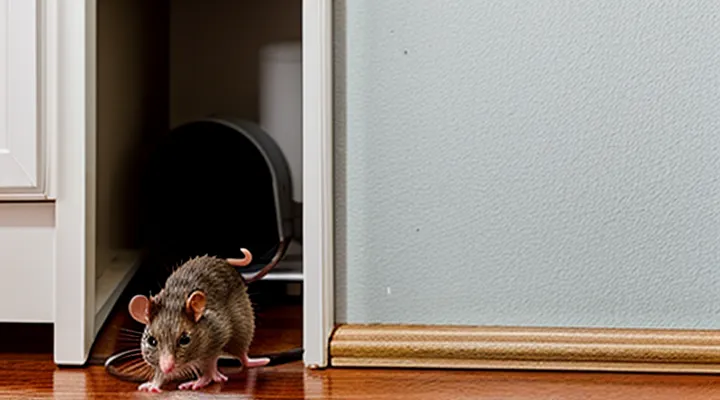
Understanding the Mouse Problem
Signs of a Mouse Infestation
Droppings and Urine Trails
Droppings and urine trails provide the most reliable evidence of a mouse presence in a dwelling. Fresh droppings appear as dark, rice‑shaped pellets, typically 3–5 mm long, and are found along walls, behind appliances, and in cabinets. Urine stains are invisible but leave a distinctive, ammonia‑like odor that intensifies in confined spaces. Both contaminants pose health hazards: they may contain Hantavirus, salmonella, and allergens that trigger respiratory issues.
Effective control begins with thorough inspection and removal. Follow these steps:
- Wear disposable gloves and a mask; avoid direct contact with waste.
- Use a disposable paper towel or damp cloth to collect droppings, placing material in a sealed plastic bag.
- Disinfect the area with a solution of 1 part bleach to 10 parts water; let it remain wet for at least five minutes before wiping clean.
- Apply an enzymatic cleaner to urine‑soaked surfaces; it breaks down organic residues that attract rodents.
- Dispose of all cleaning materials in a sealed container and wash hands thoroughly after the task.
Regular monitoring of droppings and urine trails helps detect re‑infestation early. Place sticky traps or motion‑activated sensors near known activity zones; replace them weekly. Maintaining a clean environment—promptly storing food, sealing entry points, and removing clutter—reduces the likelihood that droppings and urine will persist, thereby limiting the attraction for new rodents.
Gnaw Marks and Damage
Mice leave unmistakable gnaw marks on materials they can bite through. Fresh scratches appear as clean, shallow cuts with sharp edges; older marks darken as wood or plastic oxidizes. Typical locations include baseboards, cabinet backs, behind appliances, and along wiring conduits. Identifying these signs confirms rodent presence and guides targeted intervention.
Damage caused by chewing extends beyond cosmetic wear. Mice sever electrical cords, creating fire hazards and costly repairs. Insulation fibers are shredded, reducing thermal efficiency. Food containers are punctured, leading to contamination and waste. Structural components such as drywall and plaster can be compromised, allowing further entry points and weakening walls.
Recognizing gnaw marks accelerates control measures. Immediate actions include:
- Conduct a systematic inspection of all potential entry zones.
- Seal openings larger than ¼ inch with steel wool and caulk.
- Replace damaged wiring and insulation promptly.
- Deploy snap traps or sealed bait stations along identified pathways.
- Monitor trap activity daily and adjust placement as needed.
Prompt remediation of gnaw‑related damage eliminates shelter and food sources, thereby reducing mouse populations and preventing recurrence.
Strange Noises
Strange noises often serve as the first sign of a rodent presence in a residence. Audible clues such as scratching, scurrying, or faint squeaking emerge from concealed pathways and nesting sites, typically within walls, ceilings, or beneath floorboards.
The most common sounds include:
- Rapid scratching on interior surfaces, indicating movement through insulation or drywall.
- Soft, repetitive squeaks heard during quiet periods, suggesting active foraging.
- Light thumps or thuds when mice drop debris or relocate material.
Identifying these auditory cues enables timely intervention, reducing the likelihood of population growth and structural damage. Early detection narrows the search area, allowing targeted placement of traps, bait stations, and sealing measures.
When unusual sounds are detected, follow these steps:
- Pause activities and listen from multiple locations to pinpoint the source.
- Inspect adjacent walls, baseboards, and ceiling voids for droppings, gnaw marks, or entry holes.
- Seal discovered openings with steel wool, copper mesh, or appropriate caulking.
- Deploy snap traps or electronic devices along identified travel routes.
- Apply rodent‑specific bait in concealed stations, ensuring placement away from children and pets.
- Monitor noise levels daily; a decrease indicates successful reduction of activity.
Consistent attention to abnormal sounds, combined with systematic control measures, markedly improves the effectiveness of rodent management in an apartment setting.
Musty Odors
Musty odors frequently signal a hidden mouse problem. Urine, feces, and decomposing nesting material release volatile compounds that create a damp, earthy smell, especially in concealed spaces such as wall voids, under appliances, and behind furniture.
The odor originates from three primary sources:
- Accumulated urine and droppings on insulation or drywall.
- Decomposing food remnants stored in hidden corners.
- Moisture‑laden nesting material that supports bacterial growth.
Eliminating the smell requires simultaneous pest control and sanitation:
- Locate the source – Follow the scent to its strongest point; use a flashlight to inspect walls, ceilings, and storage areas.
- Remove contaminated material – Dispose of soiled insulation, drywall, or carpet sections in sealed bags.
- Clean and disinfect – Apply an enzymatic cleaner to remaining surfaces; avoid bleach, which can mask the odor without breaking down organic matter.
- Dry the area – Operate a dehumidifier or increase ventilation until humidity falls below 50 %.
- Seal entry points – Install steel wool or caulk in gaps to prevent re‑infestation.
- Monitor – Place non‑toxic traps and scent‑detecting pads for two weeks to confirm the absence of activity.
Addressing musty odors alongside rodent eradication restores indoor air quality and eliminates a key indicator of ongoing infestation.
Why Mice Are a Problem
Health Risks
Mice infestations introduce several direct health hazards for residents. Their droppings, urine, and saliva contain pathogens that can survive on surfaces for weeks, increasing the likelihood of disease transmission. Common illnesses linked to rodent exposure include:
- Hantavirus pulmonary syndrome, transmitted through inhalation of aerosolized droppings.
- Leptospirosis, contracted via contact with contaminated urine or water.
- Salmonellosis, resulting from ingestion of food contaminated by rodent feces.
- Lymphocytic choriomeningitis, spread through exposure to rodent excreta.
Allergens present in mouse dander and urine can exacerbate asthma and trigger allergic reactions, especially in children and individuals with pre‑existing respiratory conditions. Persistent exposure may also lead to secondary infections, as wounds contaminated by rodent saliva are prone to bacterial colonization.
Controlling mouse populations in a dwelling reduces these risks by limiting the sources of contamination. Prompt removal of droppings, thorough disinfection of affected areas, and sealing entry points are essential components of an effective mitigation strategy.
Property Damage
Mice infestations in residential units frequently result in costly structural and cosmetic damage. Their incisors constantly gnaw on wood, insulation, wiring, and plastic components, compromising the integrity of walls, floors, and ceilings. Electrical cables damaged by chewing create fire hazards and may require professional rewiring. Insulation stripped away reduces thermal efficiency, leading to higher energy consumption.
Additional damage includes contamination of food supplies and surfaces with urine and feces, which can ruin pantry items and necessitate thorough sanitation. Moisture‑absorbing materials such as drywall and plaster become vulnerable to mold growth after exposure to rodent droppings. Personal belongings—clothing, electronics, and paperwork—are often chewed or soiled, resulting in replacement costs.
Typical manifestations of rodent‑induced damage:
- Cut wires and exposed conductors
- Compromised structural beams and joists
- Damaged insulation and vapor barriers
- Stained and soiled countertops, cabinets, and flooring
- Corroded plumbing fixtures from urine exposure
Addressing the infestation promptly with proven eradication methods prevents these losses, preserves the apartment’s value, and eliminates the need for expensive repairs.
Rapid Reproduction
Mice can generate a new generation in as little as three weeks, allowing populations to expand from a single pair to dozens within a month. Female mice become sexually mature at six weeks, produce a litter of five to eight pups, and may breed again after a short postpartum interval. This accelerated cycle creates a critical window for intervention; delays of even a few days enable exponential growth that overwhelms typical control measures.
Effective containment strategies must address reproduction directly:
- Seal entry points within 24 hours to prevent additional breeding individuals from entering.
- Deploy snap traps or electronic devices in high‑activity zones before the first litter emerges.
- Apply rodenticide baits in tamper‑resistant stations, rotating active ingredients to avoid resistance, and replace bait every 48 hours to target newborns.
- Conduct weekly inspections for fresh droppings, gnaw marks, and nesting material; remove any evidence promptly to disrupt habitat suitability.
By recognizing the speed of mouse breeding and implementing immediate, layered actions, residents can suppress population spikes before they become unmanageable.
Prevention Strategies
Sealing Entry Points
Inspecting Your Apartment
Inspecting your apartment is the first critical step in any mouse‑control program. Begin by turning off lights and using a flashlight to examine every room. Look for droppings, gnaw marks, and shredded material along baseboards, behind appliances, and inside cabinets. Check the ceiling, attic access panels, and crawl spaces for nesting material or urine stains.
Identify potential entry points. Run a fingertip along gaps around pipes, vents, and electrical conduits; any opening larger than ¼ inch can admit a mouse. Pay special attention to the area where the building’s exterior meets the interior wall, around windows, and beneath doors. Seal discovered gaps with steel wool and caulk, or install metal mesh where necessary.
Document findings systematically. Use a notebook or digital app to record the location, type of evidence, and size of each opening. Photographs provide visual confirmation and help prioritize repairs.
Perform the inspection regularly—at least once a month during peak activity seasons and after any renovation work. Consistent monitoring ensures early detection, reduces infestation risk, and supports long‑term rodent‑free living.
Inspection checklist
- Droppings on floors, countertops, and shelves
- Gnaw marks on wood, plastic, and wiring
- Nests made of shredded paper, fabric, or insulation
- Visible urine stains or odor
- Gaps ≥ ¼ in (around pipes, vents, cables)
- Unsealed cracks in walls, foundation, or floor joists
- Openings behind appliances and under sinks
By following this systematic approach, you create a clear picture of mouse activity and eliminate the conditions that allow rodents to thrive in a residential setting.
Using Caulk and Steel Wool
Caulk and steel wool create a physical barrier that stops mice from entering gaps and cracks. Steel wool cannot be chewed or gnawed through, while caulk seals the surrounding opening, preventing rodents from squeezing past.
Apply the materials as follows:
- Identify all potential entry points: gaps around pipes, vents, baseboards, and window frames.
- Pack steel wool tightly into each gap, ensuring no empty space remains.
- Cover the steel wool with a thin bead of silicone or acrylic caulk, smoothing it to adhere to the surrounding surface.
- Allow the caulk to cure according to the manufacturer’s instructions before exposing the area to moisture or cleaning.
Regular inspection is necessary. Reapply steel wool and caulk if the seal shows signs of wear, displacement, or water damage. This method reduces the need for chemical repellents and provides a durable, low‑maintenance solution for rodent exclusion in residential units.
Repairing Gaps and Cracks
Sealing gaps and cracks eliminates the primary entry points that rodents use to access an apartment. By removing these openings, you deny mice the pathways needed to explore walls, floors, and ceilings, thereby reducing the likelihood of infestation.
Typical locations include gaps around baseboards, utility pipes, electrical conduits, door frames, window sills, and vent openings. Small openings as narrow as a quarter‑inch can accommodate a mouse, so thorough inspection of all seams and joints is essential.
- Inspect each wall, floor, and ceiling surface for visible cracks or holes.
- Use a flashlight to detect hidden gaps behind appliances and under cabinets.
- Apply a high‑quality, rodent‑proof sealant (silicone, polyurethane caulk, or expanding foam) to fill openings up to ½ inch.
- For larger voids, install steel wool or copper mesh before sealing to prevent chewing.
- Replace damaged weatherstripping on doors and windows with new, tightly fitting strips.
- Secure pipe penetrations with metal flashing or sealed pipe collars.
- Re‑check sealed areas after a week to ensure the material has cured and no new gaps have formed.
Select materials that resist gnawing and remain flexible for building movement. Silicone caulk provides durability in moist areas, while polyurethane offers strong adhesion on concrete and wood. Periodic maintenance—re‑applying sealant as needed and monitoring for new cracks—preserves the barrier’s effectiveness and supports long‑term mouse control in the living space.
Maintaining Cleanliness and Sanitation
Proper Food Storage
Proper food storage directly reduces the attraction of rodents to an apartment. Food that is left uncovered or stored in permeable packaging emits odors and provides easy access, encouraging mice to enter and establish a presence.
- Keep all dry goods in airtight containers made of glass, metal, or heavy‑wall plastic. Seal lids tightly after each use.
- Refrigerate or freeze perishable items promptly; avoid leaving leftovers on countertops for more than two hours.
- Store pet food in sealed bins and remove uneaten portions daily.
- Place cereals, grains, and snacks in containers with locking mechanisms to prevent gnawing.
Regular cleaning reinforces these measures. Wipe countertops, tables, and cabinet interiors with a disinfectant after meals. Sweep crumbs from floors and vacuum edges of cabinets where debris can accumulate. Dispose of waste in bins equipped with tight‑closing lids; empty them before they become full.
By eliminating accessible food sources, the environment becomes inhospitable to mice, decreasing the likelihood of infestation and supporting long‑term rodent control in the living space.
Regular Cleaning and Vacuuming
Regular cleaning removes food residues that attract rodents. Crumbs, spilled liquids, and pet food left on countertops or floors provide a reliable source of nutrition for mice. By wiping surfaces after each meal and storing food in sealed containers, the incentive for mice to enter the living space diminishes significantly.
Vacuuming eliminates hidden crumbs, droppings, and nesting materials from carpets, upholstery, and hard‑to‑reach corners. A high‑efficiency particulate air (HEPA) vacuum captures particles as small as 0.3 µm, preventing the spread of allergens and reducing the likelihood that mice will find suitable bedding. Schedule vacuuming at least twice weekly, focusing on:
- Edges of cabinets and appliances
- Under furniture and behind radiators
- Baseboards and wall junctions
Consistent cleaning and thorough vacuuming also expose signs of infestation early. Visible droppings, gnaw marks, or shredded material become apparent during routine maintenance, allowing swift intervention before populations expand. By maintaining a spotless environment, the apartment becomes inhospitable to mice, supporting broader pest‑control measures.
Managing Trash
Proper waste handling removes a primary food source that draws rodents into living spaces. Food residues, crumbs, and decomposing matter emit odors that signal a reliable supply, encouraging mice to explore and nest near trash containers.
Store waste in containers with tight-fitting lids. Plastic bins with snap‑on seals prevent scent leakage and block entry points. Place containers on a stable surface away from walls and appliances to eliminate hiding spots.
Dispose of trash regularly. Empty bins at least once daily in a building’s sealed collection area. If a communal dumpster is used, ensure it is cleaned weekly to remove spills and debris.
Implement the following practices:
- Keep kitchen counters clear; wipe surfaces after meals.
- Transfer food scraps to a separate compost bin with a carbon filter, then empty it weekly.
- Seal bagged waste before placing it in the main bin.
- Inspect and replace damaged liners to avoid punctures.
- Position bins in a well‑ventilated area to reduce moisture buildup.
Maintain a routine inspection of all waste containers for cracks or gaps. Repair or replace compromised units promptly to sustain a barrier against rodent entry. By consistently managing trash, residents deprive mice of sustenance, significantly lowering the likelihood of infestation.
Eliminating Water Sources
Fixing Leaky Faucets and Pipes
Leaking faucets and pipes create moisture that attracts rodents, making repair a critical component of any rodent‑control plan for an apartment. Water sources provide mice with drinking opportunities and facilitate the growth of mold, which supplies additional food. Eliminating these sources reduces the habitat suitability and discourages infestation.
Identify all active leaks before beginning repairs. Check under sinks, behind appliances, and around bathroom fixtures. Use a flashlight to spot drips, corrosion, or water stains. Verify that shut‑off valves function properly; a malfunctioning valve can cause intermittent leaks that are easy to miss.
Repair steps:
- Turn off the water supply at the main valve or at the local shut‑off.
- Drain remaining water from the affected line by opening the faucet.
- Replace worn washers, O‑rings, or cracked pipe sections with matching components.
- Apply plumber’s tape to threaded connections to ensure a watertight seal.
- Re‑install the faucet or pipe, tightening connections according to manufacturer specifications.
- Restore water flow gradually, observing for any signs of leakage.
- Inspect surrounding areas for moisture accumulation and address any residual dampness with a dehumidifier or proper ventilation.
After repairs, monitor the repaired fixtures for at least 48 hours. Absence of new drips confirms a successful seal, thereby removing a key attractant for mice. Regular maintenance—tightening fittings, replacing aging seals, and promptly fixing new leaks—maintains a dry environment that supports long‑term rodent prevention.
Drying Wet Areas
Moisture creates a hospitable environment for rodents, providing easy access to food and nesting material. Eliminating standing water and damp surfaces reduces the attractiveness of an apartment to mice, making drying a critical component of pest control.
Effective drying requires rapid removal of excess liquid and thorough dehumidification. Begin by:
- Absorbing visible spills with towels or absorbent pads, disposing of them promptly.
- Using a wet‑vacuum or mop to extract moisture from floors, walls, and countertops.
- Applying a high‑capacity fan or portable blower to circulate air across the affected area.
- Installing a dehumidifier set to maintain relative humidity below 50 % for at least 24 hours.
- Inspecting and repairing leaks in pipes, fixtures, and appliances to prevent recurrence.
After the area is dry, verify that no residual dampness remains by checking with a hygrometer. Seal cracks, gaps, and entry points discovered during the drying process, as these often serve as pathways for mice. Regularly monitor humidity levels and address any new moisture sources promptly to sustain a dry environment that discourages rodent activity.
Humane Mouse Control Methods
Live Traps
Types of Live Traps
Live traps provide a non‑lethal option for removing mice from a residential unit while allowing the occupant to release captured animals outdoors.
A single‑catch cage trap consists of a hinged door that snaps shut when a mouse enters to reach bait. The design confines one rodent at a time, facilitating regular inspection and release. Placement near walls, behind appliances, or in dark corners maximizes encounter rates because mice travel along established pathways.
A multi‑catch cage trap features a series‑of chambers that latch sequentially as each mouse triggers the mechanism. This model can hold several rodents before emptying, reducing the frequency of maintenance in heavily infested apartments. The internal compartments prevent escape and limit stress on captured mice.
A bucket trap combines a ramp, a baited platform, and a tall container. When a mouse steps onto the platform, its weight tips the device, causing the animal to fall into the bucket. The transparent sides allow visual monitoring without opening the trap. Properly sized buckets prevent climbing out, and a smooth interior surface discourages escape.
A catch‑and‑release snap‑free trap uses a spring‑loaded door that closes without crushing the animal. The door locks in the closed position, creating a secure enclosure. Models often include ventilation holes and a removable tray for safe handling.
Electronic live traps employ a sensor that activates a door when a mouse contacts the bait. The door closes silently, and the unit typically includes a battery‑powered alert system, notifying the user that capture has occurred. These traps reduce human exposure to the device and simplify monitoring.
When selecting a live trap, consider the following factors:
- Capacity – single versus multiple captures.
- Ease of cleaning – removable trays or compartments.
- Bait compatibility – food items that attract mice without deterring other pets.
- Release method – designs that allow quick, low‑stress release at a safe distance from the apartment.
Effective deployment requires regular inspection, prompt release of captured mice at least 100 meters from the building, and sanitation measures that eliminate food sources. Combining appropriate live‑trap selection with diligent placement and maintenance yields reliable control of mouse populations in apartment environments.
Proper Placement and Baiting
Proper placement of traps and bait stations determines capture rates. Position devices along walls, behind appliances, within 12‑18 inches of known activity, and near concealed entry points. Avoid open floor areas where mice are unlikely to travel.
- Place snap traps perpendicular to the wall, with the trigger end facing the wall.
- Locate glue boards in dark corners, under cabinets, and inside closets.
- Install bait stations at least 2 ft apart to prevent competition.
- Keep devices away from pet feeding zones and children’s play areas.
Effective bait selection enhances attraction. Use high‑protein foods such as peanut butter, small pieces of cooked meat, or commercial rodent attractants. Match bait size to the trap mechanism; a pea‑sized amount prevents spillage and maintains freshness. Rotate bait types weekly to avoid habituation.
Monitor traps daily, record captures, and relocate inactive devices to new hotspots. Replace expired bait promptly to maintain potency. After successful reduction, remove all traps and seal identified entry points with steel wool, caulk, or metal flashing to prevent re‑infestation.
Releasing Captured Mice
When a mouse is captured, releasing it correctly protects the resident’s health, prevents re‑infestation, and respects animal welfare.
- Select a release site at least 200 meters from the building, preferably a wooded or grassy area with natural cover.
- Wear disposable gloves to avoid contaminating the mouse with human scent.
- Place the trap on a flat surface, open the door away from the building, and allow the mouse to exit voluntarily; do not shake or drop the trap.
- Remain motionless for a minute after release to give the mouse time to find shelter.
- Dispose of the gloves and wash hands thoroughly with soap and water.
After release, reinforce the apartment’s defenses:
- Inspect walls, floors, and utility openings for gaps larger than ¼ inch; seal them with steel wool and caulk.
- Store food in airtight containers and clean crumbs immediately.
- Set up monitoring stations, such as snap traps or electronic detectors, to verify that no new rodents enter.
Following these procedures minimizes the chance that released mice will return and contributes to sustained rodent control.
Repellents
Natural Repellents («Peppermint Oil», «Clove Oil»)
Natural repellents such as peppermint oil and clove oil provide non‑chemical options for reducing mouse activity in residential units. Both substances emit strong aromas that mice avoid, making them suitable for placement in areas where rodents travel.
-
Peppermint oil
- Dilute 10 ml of pure peppermint oil with 250 ml of water; add a few drops of dish‑soap to emulsify.
- Soak cotton balls in the solution and position them near entry points, behind appliances, and inside cabinets.
- Refresh the cotton balls every 3–4 days to maintain potency.
-
Clove oil
- Mix 5 ml of clove oil with 200 ml of water, again using a mild surfactant for dispersion.
- Apply the mixture to small fabric patches or spray directly onto baseboards, vent openings, and pantry shelves.
- Reapply weekly, or after cleaning, to sustain the repellent effect.
Effectiveness depends on consistent coverage and proper placement. Both oils are safe for humans when used as directed, but avoid direct contact with pets and store solutions out of reach of children. Do not substitute these repellents for structural sealing; combine them with measures such as sealing cracks, removing food sources, and setting traps for comprehensive rodent management.
Ultrasonic Devices
Ultrasonic devices emit high‑frequency sound waves that rodents cannot tolerate. The waves create an invisible barrier, discouraging mice from entering treated zones. When installed correctly, the technology reduces activity without chemicals or traps.
The devices operate on a set frequency range, typically 20–65 kHz, pulsing at intervals to prevent habituation. Continuous exposure forces mice to seek quieter areas, often leading them to exit the apartment. Effectiveness depends on several variables:
- Coverage area: Choose models rated for the square footage of each room; overlap zones to eliminate gaps.
- Obstruction management: Place units on flat surfaces, away from furniture, curtains, and walls that block sound propagation.
- Power supply: Use mains‑connected units for uninterrupted operation; battery‑powered models may lose efficacy during power loss.
- Frequency selection: Devices offering adjustable frequencies allow adaptation if mice become desensitized.
- Maintenance: Clean vents quarterly to avoid dust buildup that can dampen sound output.
Limitations include reduced performance in heavily insulated spaces, limited reach through solid barriers, and diminished impact on mice already established in wall voids. Complementary measures—such as sealing entry points, removing food sources, and deploying snap traps—enhance overall control.
When selecting an ultrasonic system, verify compliance with local regulations, confirm the absence of audible emissions for humans and pets, and review independent efficacy studies. Proper placement, consistent operation, and integration with other preventive actions constitute a reliable, chemical‑free approach to managing mouse infestations in apartment dwellings.
Lethal Mouse Control Methods
Snap Traps
Types of Snap Traps
Snap traps remain a primary mechanical option for controlling rodent activity in residential units. Their design harnesses rapid force to kill mice instantly, minimizing suffering and preventing escape. Proper selection depends on placement, bait compatibility, and safety considerations for occupants and pets.
Common snap‑trap variants include:
- Wooden base traps – traditional, inexpensive, easy to disassemble for cleaning; suitable for concealed areas such as behind appliances.
- Plastic base traps – lightweight, resistant to moisture, often equipped with a hinged trigger that reduces accidental activation.
- Multi‑catch snap traps – feature a spring‑loaded bar that resets after each capture, allowing several mice to be killed before service is required.
- Electronic‑assisted snap traps – incorporate a small battery‑powered mechanism that amplifies the strike, delivering higher kinetic energy for larger rodents.
- Child‑proof snap traps – include safety shields that block access to the trigger unless a mouse applies sufficient pressure, reducing risk to non‑target species.
Effective deployment requires positioning traps along walls, near known runways, and away from food preparation surfaces. Bait choices such as peanut butter, dried fruit, or small pieces of cheese increase attraction. Regular inspection ensures timely disposal of captured rodents and maintains trap functionality.
Safe Placement and Baiting
When setting traps or bait stations in a residential unit, prioritize locations that limit human contact while targeting mouse pathways. Place devices along walls, behind appliances, and near entry points such as gaps around pipes or vents. Keep stations at least six inches off the floor to prevent pets from stepping on them, and secure each unit to a stable surface to avoid accidental displacement.
Select bait that attracts mice without posing health risks to occupants. Peanut butter, dried fruit, or small amounts of commercial rodent attractant provide strong olfactory cues. Encase bait in sealed, tamper‑resistant containers that open only when a mouse applies pressure, reducing exposure for children and pets.
Key practices for safe deployment:
- Install traps at night when mouse activity peaks, then check them early morning.
- Wear disposable gloves when handling bait or examining captures.
- Dispose of dead rodents in sealed plastic bags, followed by immediate hand washing.
- Rotate bait types weekly to prevent habituation.
- Maintain a clean environment: store food in airtight containers, promptly clean spills, and seal cracks larger than a quarter inch.
Regularly inspect each station, replace depleted bait, and relocate any trap that shows signs of interference. Consistent, cautious placement combined with non‑toxic bait maximizes removal efficiency while safeguarding household members.
Disposal of Captured Mice
When a mouse is caught, immediate and hygienic disposal prevents disease spread and discourages further infestations. Follow these steps:
- Wear disposable gloves; if unavailable, use a sealed plastic bag as a barrier.
- Place the live or dead mouse into a sturdy, sealable bag (e.g., zip‑lock). Remove excess air before sealing.
- Submerge the sealed bag in a container of hot, soapy water for at least five minutes to neutralize pathogens.
- Transfer the bag to a heavy‑duty trash bag, seal tightly, and label as “rodent waste” if local regulations require.
- Dispose of the sealed bag in an outdoor garbage bin that is collected weekly; avoid leaving it in indoor trash cans.
- After handling, wash hands thoroughly with soap and water; clean and disinfect any surfaces that may have been contacted.
If live capture is preferred, release the mouse at least 200 meters from the building, in an area without food sources, and wear gloves throughout the process. For repeated captures, maintain a stock of disposable gloves, sealable bags, and a dedicated container for contaminated waste to streamline disposal and minimize exposure.
Electronic Traps
How Electronic Traps Work
Electronic traps eliminate rodents by delivering a rapid, lethal electric shock when a mouse completes an electrical circuit. The device consists of a metal platform, a sensor grid, a power source, and a control circuit. When a mouse steps onto the platform, its body bridges the sensor grid, allowing current to flow from the high‑voltage source through the animal to ground. The control circuit monitors voltage and current, ensuring the shock is sufficient to cause immediate death while preventing accidental discharge.
Key components:
- Metal platform – provides a stable surface for the rodent to enter.
- Sensor grid – a series of conductive strips spaced to detect the mouse’s weight.
- Power source – typically a rechargeable battery or mains‑connected transformer delivering 2,000–3,000 V at low amperage.
- Control circuit – includes a microcontroller or timer that activates the shock and resets the trap after each capture.
Operation proceeds in three steps:
- Detection – the mouse’s contact with the sensor grid closes the circuit, triggering the control circuit.
- Discharge – the circuit releases a high‑voltage pulse lasting a few milliseconds; the low current prevents fire risk.
- Reset – the device automatically re‑arms, ready for the next intrusion.
Placement guidelines enhance effectiveness:
- Position traps along walls, behind appliances, and near known gnawing sites.
- Keep the platform free of debris to ensure reliable contact.
- Maintain a clear line of sight to monitor trap activity without disturbing the device.
Maintenance requirements are minimal. Regularly clean the platform to remove droppings and replace the battery or inspect the power adapter according to the manufacturer’s schedule. Most models feature a transparent lid or indicator light that signals a successful capture, allowing prompt disposal of the dead mouse.
Advantages of electronic traps include rapid kill, reduced risk of disease transmission compared to glue boards, and the ability to reuse the device many times. Limitations involve the need for a power source and higher upfront cost relative to snap traps. Proper installation and routine upkeep maximize the trap’s reliability and contribute to a rodent‑free living environment.
Advantages and Disadvantages
Various strategies for removing rodents from a dwelling each present distinct benefits and drawbacks.
Traps, whether snap, electric, or live‑capture, deliver immediate reduction of the population. Their primary advantage lies in rapid results and low material cost. Disadvantages include the need for regular monitoring, potential injury to non‑target animals, and the requirement for safe disposal of captured specimens.
Bait stations containing anticoagulant or non‑anticoagulant rodenticides provide continuous control. Advantages encompass coverage of hidden activity zones and minimal daily maintenance. Drawbacks consist of health risks to children, pets, and wildlife, as well as the possibility of rodents developing resistance over time.
Sealant measures—caulking gaps, installing door sweeps, and repairing vent screens—prevent entry. The main benefit is long‑term exclusion without chemical exposure. Limitations involve the labor intensity of thorough inspection and the occasional need for professional assistance to address structural complexities.
Ultrasonic repellents emit high‑frequency sound intended to deter rodents. Advantages are ease of installation and the absence of toxins. Disadvantages include inconsistent efficacy, limited range, and the potential for habituation by the pests.
Integrated pest management (IPM) combines several of the above methods, emphasizing monitoring, sanitation, and targeted interventions. Its strength is a balanced approach that reduces reliance on any single technique. The downside is the requirement for ongoing assessment and coordination, which may increase overall management effort.
Baits and Poisons (Use with Caution)
Types of Baits
Various bait categories support rodent control in residential units.
- Anticoagulant pellets deliver vitamin‑K antagonists; they cause delayed mortality, allowing mice to consume multiple doses before death. Common active ingredients include brodifacoum and difenacoum.
- Acute toxins contain neurotoxins (e.g., bromethalin) that produce rapid incapacitation. These formulations are suitable for severe infestations where swift action is required.
- Food‑based attractants rely on high‑palatability items such as peanut butter, sunflower seeds, dried fruit, or processed cheese. Their effectiveness depends on freshness and placement near known activity zones.
- Aromatic lures incorporate strong scents like anise oil or cinnamon; they enhance attraction when combined with a primary toxin but do not kill independently.
Each bait type demands specific handling: anticoagulants require secure storage to prevent accidental exposure; acute toxins demand immediate placement to limit non‑target access; food attractants benefit from regular replacement to maintain vigor; aromatic lures should be refreshed weekly to preserve potency.
Selection should align with infestation severity, resident safety concerns, and local regulatory constraints. Combining multiple bait categories in a coordinated deployment often yields the most reliable reduction of mouse populations in an apartment setting.
Risks to Pets and Children
Rodent control in a residential unit can endanger pets and children through direct contact with hazards and indirect exposure to contaminants.
- Anticoagulant rodenticides contain compounds that cause internal bleeding if ingested; small animals or toddlers may mistake pellets for food, leading to fatal toxicity.
- Snap traps present a mechanical threat; a pet’s paw or a child’s finger can be caught, causing severe lacerations or amputations.
- Glue boards create a non‑lethal but painful entrapment; fur or skin becomes stuck, requiring veterinary intervention to prevent infection and distress.
- Electronic devices emit high‑voltage pulses; accidental triggering by a curious pet may result in burns or shock.
- Chemical repellents often rely on strong odors or aerosols; inhalation can irritate respiratory passages, especially in young children with developing lungs.
Secondary poisoning occurs when a predator animal consumes a rodent that has ingested poison, transmitting the toxin up the food chain. This risk extends to household cats and dogs that hunt or scavenge.
Exposure routes also include residue on surfaces where mice have been active. Children crawling on floors or pets licking contaminated paws can absorb toxic substances dermally or orally.
Mitigation requires selecting pet‑ and child‑safe methods, securing baits in tamper‑proof stations, placing traps in inaccessible locations, and maintaining strict hygiene after any control activity.
Proper Application and Monitoring
Applying rodent control measures correctly and tracking results are essential for lasting success in a rental unit. Begin with a thorough inspection to locate entry points, nests, and active pathways. Seal all gaps larger than a quarter inch with steel wool, caulk, or metal flashing; prioritize openings around pipes, vents, and cabinets. Place baits or traps only where activity has been confirmed, avoiding areas frequented by children or pets. Use snap traps for immediate kill, positioning them perpendicular to walls with the trigger end facing the wall. For bait stations, select products containing anticoagulant or non‑anticoagulant rodenticides, and follow label instructions regarding dosage and placement density—generally one station per 100 square feet of affected space.
Monitoring requires a systematic approach:
- Record the exact location, type, and date of each deployed device.
- Inspect traps daily; remove captured rodents promptly to prevent disease spread.
- Replace or reposition ineffective traps after three consecutive checks.
- Re‑evaluate sealed openings weekly; repair any new gaps discovered.
- Maintain a log of bait consumption rates to detect declining activity.
Adjust the strategy based on collected data. A decline in captures or bait use signals reduced population; however, continue monitoring for at least four weeks after the last sighting to confirm eradication. If activity resurfaces, repeat the inspection‑seal‑deploy cycle, increasing trap density in persistent hotspots. Consistent documentation and timely modifications ensure that control efforts remain effective and that the apartment remains rodent‑free.
Post-Extermination Cleanup and Future Prevention
Disinfecting Affected Areas
Cleaning Droppings and Urine
Mice droppings and urine contaminate surfaces, attract additional pests, and pose health hazards. Prompt, thorough removal reduces scent trails that guide rodents back into the unit.
- Wear disposable gloves and a mask rated for particulate protection.
- Ventilate the area by opening windows and using a fan to direct airflow outward.
- Moisten droppings with a solution of 1 part bleach to 9 parts water; let stand for at least 5 minutes. This prevents aerosolization of pathogens.
- Scrape the softened material into a sealed plastic bag, then dispose of the bag in an outdoor trash container.
- Apply the same bleach solution to the affected surface, scrubbing with a disposable sponge.
- Rinse with clean water, then wipe dry with disposable paper towels.
- Disinfect surrounding areas with an EPA‑approved rodent‑borne disease sanitizer.
After cleaning, seal cracks and gaps that allow entry, and store food in airtight containers. Regular inspection of hidden corners, under appliances, and behind furniture ensures early detection of new contamination. Maintaining a spotless environment eliminates the olfactory cues mice rely on, supporting long‑term rodent control in the apartment.
Sanitizing Surfaces
Sanitizing surfaces removes food residues and odors that attract rodents, decreasing the likelihood of a new infestation. Clean countertops, cabinets, and floors after each meal; discard crumbs and spills promptly. Eliminate standing water and damp spots, as moisture supports both mice and the bacteria they carry.
- Sweep and vacuum daily to capture loose debris.
- Wipe all eating areas with a disinfectant containing at least 70 % isopropyl alcohol or a diluted bleach solution (1 part bleach to 10 parts water). Allow the surface to remain wet for the manufacturer‑specified dwell time.
- Store dry goods in sealed, rodent‑proof containers; use glass or heavy‑wall plastic with tight‑locking lids.
- Clean behind appliances, under the refrigerator, and inside pantry shelves weekly; these hidden zones often retain crumbs and droppings.
- Dispose of garbage in sealed bags and remove it from the apartment at least every 24 hours.
Regularly sanitizing high‑traffic zones—kitchen counters, dining tables, and pantry shelves—removes attractants and disrupts mouse foraging patterns. Combining thorough surface hygiene with exclusion measures and traps creates a comprehensive strategy for maintaining a mouse‑free living space.
Ongoing Monitoring
Regular Inspections
Regular inspections provide the most reliable means of detecting mouse activity before infestations become severe. By systematically examining an apartment, residents can locate entry points, identify signs of presence, and apply corrective measures promptly.
A practical inspection routine includes the following steps:
- Schedule checks at least once a week during peak activity periods (early evening and early morning). Increase frequency to twice weekly during warmer months when rodents reproduce rapidly.
- Inspect exterior walls, foundation cracks, and utility penetrations. Seal gaps with steel wool, caulk, or metal flashing.
- Examine interior areas such as kitchen cabinets, pantry shelves, and behind appliances. Look for droppings, gnaw marks, and shredded material.
- Verify the condition of stored food. Use airtight containers; discard any items that show evidence of contamination.
- Test traps and bait stations for functionality. Replace expired bait and reposition devices near identified pathways.
- Record findings in a log: date, location of evidence, actions taken, and outcomes. Review the log weekly to track trends and adjust strategies.
Consistent documentation creates a feedback loop that highlights recurring problem zones and validates the effectiveness of preventive actions. Integrating regular inspections with sealing, sanitation, and trapping forms a comprehensive approach that minimizes mouse presence in residential units.
Maintaining Prevention Measures
Maintaining prevention measures is essential for long‑term rodent control in a rental unit. Consistent actions reduce the likelihood of re‑infestation and protect food supplies, structural integrity, and health.
- Seal all entry points: apply steel wool or copper mesh to gaps around pipes, vents, and utility openings; use silicone caulk for cracks in walls and baseboards.
- Store food securely: keep pantry items in airtight containers; avoid leaving crumbs or open packages on countertops.
- Manage waste: use trash cans with tight‑fitting lids; empty them daily and keep disposal areas clean.
- Reduce clutter: eliminate stacks of paper, cardboard, and fabric that provide nesting material; maintain clear pathways for cleaning.
- Maintain moisture control: fix leaky faucets, pipes, and roof leaks; use dehumidifiers in damp areas such as bathrooms and basements.
- Schedule regular inspections: conduct monthly visual checks of potential harborage sites; document any signs of activity and address them promptly.
- Employ mechanical barriers: install door sweeps and window screens; ensure they remain intact and functional.
Adhering to these practices creates an environment where mice cannot establish a foothold, supporting the overall strategy of eliminating rodent presence from the apartment.
When to Call Professional Pest Control
Persistent Infestations
Persistent mouse infestations in an apartment manifest as continual sightings, droppings, gnaw marks, and occasional damage despite occasional control attempts. The recurrence indicates that the underlying conditions enabling the rodents remain unaddressed.
Common drivers of chronic presence include:
- Unsealed gaps around pipes, vents, and baseboards that provide entry points.
- Accessible food residues left on countertops, in cabinets, or on the floor.
- Standing water or condensation that supplies hydration.
- Cluttered storage areas that create safe nesting sites.
- Use of ineffective traps or baits that fail to eliminate the entire population.
To interrupt the cycle, implement the following actions:
- Conduct a thorough inspection of the unit’s exterior and interior, marking every opening larger than ¼ inch.
- Seal identified gaps with steel wool, caulk, or metal mesh to block entry.
- Remove all food sources by storing items in airtight containers and cleaning spills immediately.
- Eliminate water sources by fixing leaks, drying damp areas, and using dehumidifiers where necessary.
- Deploy a combination of snap traps and strategically placed bait stations, positioning them along walls, behind appliances, and near suspected nesting sites.
- Replace trap baits regularly to maintain potency and prevent rodents from developing bait aversion.
- Reduce clutter and reorganize storage to limit hiding places, ensuring that boxes are kept off the floor and away from walls.
Continuous monitoring is essential. Record trap activity daily, re‑inspect sealed points weekly, and repeat the sealing and sanitation steps until no new signs appear for at least two weeks. Persistent infestations resolve only when the environment no longer supports mouse survival or reproduction.
Large-Scale Problems
Large‑scale problems arise when a mouse infestation extends beyond a single unit and affects the entire building. Shared ventilation shafts, wall cavities, and plumbing lines provide continuous pathways for rodents, allowing populations to move freely between apartments. Structural deficiencies—such as gaps around pipes, unsealed utility penetrations, and deteriorated drywall—create entry points that individual residents cannot seal on their own.
Coordinated response is essential. Property managers must authorize building‑wide inspections, enforce maintenance standards, and schedule professional pest‑control interventions that treat all affected zones simultaneously. Legal requirements often mandate documentation of remediation efforts, and failure to comply can result in liability for landlords and tenants alike. Budget considerations become significant when multiple units require traps, baits, and sealing materials; economies of scale reduce per‑unit costs but demand upfront investment.
Typical large‑scale challenges include:
- Persistent access routes through common areas (e.g., corridors, laundry rooms).
- Inconsistent waste‑disposal practices among residents, attracting rodents to shared dumpsters.
- Inadequate building codes enforcement, leading to unresolved structural gaps.
- Limited communication channels between tenants, management, and pest‑control providers, delaying detection and treatment.
Addressing these issues requires systematic inspection, standardized sealing procedures, and a unified pest‑management contract that covers all units. Only by treating the infestation as a building‑wide problem can the rodent population be suppressed effectively and sustainably.
Safety Concerns
When dealing with rodent control in a residential unit, safety must be addressed before any eradication method is applied. Improper handling of chemicals, traps, or sanitation measures can create health risks for occupants and damage the property.
- Chemical hazards: insecticides and rodenticides may cause respiratory irritation, skin burns, or accidental poisoning if not stored or applied correctly.
- Mechanical traps: snap traps and glue boards present cut or pinch hazards, especially for children and pets.
- Disease vectors: mice carry pathogens that can contaminate food, surfaces, and air, increasing the likelihood of gastrointestinal and respiratory infections.
- Structural concerns: aggressive bait placement can compromise wiring, insulation, or plumbing if devices are installed improperly.
- Environmental impact: misuse of poisons can affect non‑target wildlife and contribute to broader ecological damage.
Mitigation measures:
- Choose low‑toxicity baits approved for indoor use; follow label instructions precisely.
- Apply chemicals in well‑ventilated areas, wear gloves and eye protection, and keep containers sealed when not in use.
- Position mechanical traps out of reach of children and pets; use tamper‑proof designs where available.
- Seal entry points before deploying control devices to limit exposure and prevent re‑infestation.
- Maintain rigorous sanitation: store food in sealed containers, promptly clean spills, and dispose of waste in tightly closed bins.
- Consider professional pest‑management services for large or resistant infestations, ensuring the provider follows certified safety protocols.
Adhering to these precautions reduces the risk of accidental injury, chemical exposure, and secondary health problems while effectively removing the rodent problem from the apartment.