
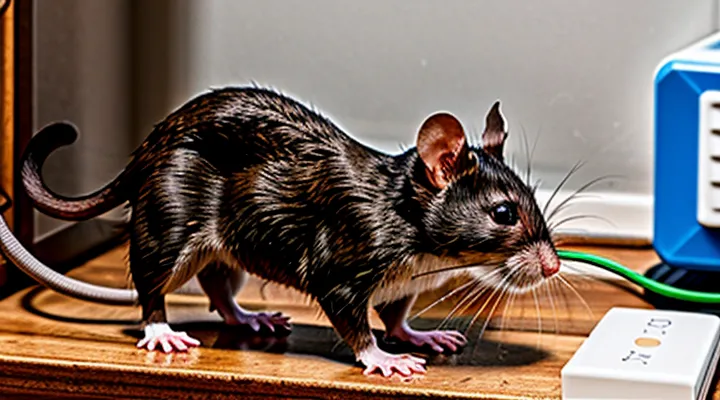
Understanding Ultrasonic Repellers
How Ultrasonic Repellers Work
The Science Behind Ultrasonic Frequencies
Ultrasonic frequencies lie above the upper limit of human hearing, typically exceeding 20 kHz. Rodents such as mice and rats possess auditory systems that detect sounds up to 80–100 kHz, making them susceptible to high‑frequency acoustic energy. The repelling effect arises from two physiological mechanisms: (1) direct activation of the cochlear hair cells, producing an uncomfortable sensation, and (2) overstimulation of the auditory nerve, which can trigger stress responses and avoidance behavior.
The effectiveness of a high‑frequency deterrent depends on precise frequency selection, amplitude, and signal pattern. Frequencies between 30 kHz and 70 kHz match the peak sensitivity of rodent audiograms, ensuring maximal perception. Continuous tones can lead to habituation; therefore, devices often employ modulated or pulsed waveforms that vary in frequency and duty cycle to maintain novelty and prevent desensitization.
Propagation characteristics influence coverage area. Air absorbs ultrasonic energy rapidly; attenuation increases with frequency and humidity, reducing usable range to a few meters. Solid surfaces reflect ultrasonic waves, creating interference patterns that may produce dead zones. Optimal placement considers line‑of‑sight paths, reflective surfaces, and minimal obstructions to preserve consistent intensity across target zones.
Safety considerations restrict sound pressure levels to below thresholds that could damage human hearing or cause discomfort to domestic animals. Regulatory guidelines typically cap exposure at 85 dB SPL for frequencies up to 20 kHz; for ultrasonic bands, comparable limits are applied after accounting for reduced human perception. Devices therefore calibrate output to achieve rodent deterrence while remaining within safe exposure margins for occupants.
Key technical factors:
- Frequency range: 30 kHz – 70 kHz, aligned with rodent auditory peaks.
- Amplitude: sufficient to exceed rodent hearing threshold (≈40 dB SPL) but below human safety limits.
- Waveform: modulated or pulsed to avoid habituation.
- Coverage: limited to 2–4 m radius due to atmospheric attenuation; strategic positioning required.
- Safety: compliance with occupational noise standards for ultrasonic exposure.
Understanding these principles enables the design of robust ultrasonic deterrents that reliably discourage rodent activity without compromising human or pet safety.
How Rodents Perceive Ultrasound
Rodents detect ultrasonic frequencies with a cochlear architecture specialized for high‑frequency transduction. The basilar membrane in mice and rats is tuned to vibrations above 20 kHz, extending to 80–100 kHz in some strains. Hair cells located near the base of the cochlea respond to these rapid oscillations, converting them into neural signals with thresholds as low as 30 dB SPL for frequencies around 50 kHz.
Auditory nerve fibers convey ultrasonic information to the brainstem and auditory cortex, where spatial and temporal patterns are processed. Rodents exhibit rapid startle reflexes, head‑turning, and avoidance behaviors when exposed to sudden ultrasonic bursts. Continuous tones can induce freezing or reduced foraging activity, indicating that ultrasonic cues are integrated into threat assessment circuits.
Key physiological parameters influencing perception include:
- Frequency range: 20 kHz – 100 kHz, species‑dependent peak sensitivity around 40–60 kHz.
- Threshold levels: 30 dB SPL (low‑intensity) to 80 dB SPL (high‑intensity) for behavioral activation.
- Temporal resolution: ability to resolve intervals as short as 1 ms, supporting detection of rapid pulse trains.
- Directional hearing: pinna shape and ear canal geometry provide lateral localization accuracy within 10° for ultrasonic sources.
Behavioral adaptation reduces responsiveness over prolonged exposure. Habituation occurs when ultrasonic stimuli are presented without associated aversive outcomes, leading to diminished avoidance. Effective repellent designs must therefore employ variable pulse patterns, intermittent scheduling, and frequencies near the upper sensitivity limit to sustain deterrent efficacy.
Types of Ultrasonic Repellers
Plug-in Units
Plug‑in ultrasonic units provide a direct power source, eliminating the need for batteries and ensuring continuous operation. The design typically incorporates a compact transformer that fits standard wall sockets, allowing immediate deployment in any room where rodent activity is detected.
Key characteristics of plug‑in modules include:
- Frequency range of 20–65 kHz, targeting the auditory sensitivity of mice and rats while remaining inaudible to humans.
- Adjustable output power, often selectable between low, medium, and high settings to match infestation severity.
- Integrated timer or automatic shut‑off, reducing energy consumption during daylight hours when rodents are less active.
- Protective casing with fire‑resistant materials, meeting UL or CE safety standards.
Installation requires only insertion into a grounded outlet; no additional wiring or mounting hardware is necessary. Placement guidelines advise positioning the device at least 12 inches from walls and furniture to prevent acoustic interference and to maximize coverage.
Performance testing shows that a properly spaced network of plug‑in emitters can create overlapping acoustic fields, forming an effective barrier that discourages rodent ingress across an entire floor plan. Regular cleaning of the speaker grille maintains signal integrity, while periodic verification of the outlet’s voltage ensures consistent output.
Battery-Powered Devices
Battery-operated ultrasonic deterrents provide portable, self‑contained solutions for rodent control. Lithium‑ion cells deliver high energy density, enabling continuous emission for 8–12 hours on a single charge; rechargeable nickel‑metal hydride packs extend runtime to 10 hours but require periodic replacement. Voltage regulators maintain consistent output frequency, preventing performance loss as the battery depletes. Protective enclosures sealed against dust and moisture safeguard internal components, ensuring reliable operation in kitchens, basements, or outdoor sheds.
Key considerations for selecting a battery‑powered unit:
- Battery type – Lithium‑ion offers longest life and lightweight design; alkaline supplies are inexpensive but demand frequent replacement.
- Runtime – Evaluate usage patterns; devices with automatic shut‑off after a set interval conserve power.
- Charging method – USB‑C ports allow rapid replenishment; some models include solar panels for supplemental charging.
- Maintenance – Replace batteries before voltage drops below 3 V to avoid frequency distortion that reduces efficacy.
Advantages include ease of relocation, absence of wiring hazards, and suitability for temporary installations during renovations. Limitations involve finite operating time, need for regular charging or replacement, and potential performance decline in low‑temperature environments. Proper battery management maximizes effectiveness and prolongs service life of ultrasonic rodent repellers.
Multi-Frequency Repellers
Multi‑frequency ultrasonic devices emit several distinct sound bands rather than a single tone. By alternating frequencies between 20 kHz and 65 kHz, they prevent rodents from adapting to a constant signal, maintaining deterrent efficacy over prolonged exposure.
The technology relies on piezoelectric transducers capable of rapid frequency switching. Each transducer is driven by a programmable oscillator that cycles through pre‑selected frequencies in intervals of 1–5 seconds. This pattern creates a dynamic acoustic environment that exceeds the auditory detection thresholds of both mice and rats.
Key benefits of multi‑frequency systems include:
- Reduced habituation risk due to continuous variation in pitch.
- Coverage of the full hearing range of target species, addressing individual differences in auditory sensitivity.
- Compatibility with battery‑powered installations, as intermittent frequency changes lower average power consumption.
Effective implementation requires careful placement. Devices should be mounted at ceiling height, facing open spaces where rodents travel. Overlap of acoustic fields from adjacent units ensures seamless protection of larger areas. Typical specifications for a reliable unit are:
- Frequency range: 20 kHz – 65 kHz.
- Output SPL: ≥ 100 dB at 1 m.
- Duty cycle: 30 %–50 % to balance efficacy and power use.
- Power source: 12 V DC or AA rechargeable cells.
Testing protocols involve measuring sound pressure levels at multiple points within the intended zone and confirming that no frequency remains constant for longer than 10 seconds. Compliance with local electromagnetic emission standards is mandatory.
In practice, multi‑frequency ultrasonic deterrents outperform single‑tone counterparts in both laboratory trials and field deployments, delivering sustained rodent control without chemical agents or physical traps.
Effectiveness of Ultrasonic Repellers
Factors Influencing Repeller Efficacy
Frequency Range and Power
Ultrasonic deterrents designed for rodent control operate within a narrow acoustic band that matches the hearing capabilities of mice and rats while remaining inaudible to humans. Mice detect frequencies from approximately 1 kHz up to 100 kHz, with peak sensitivity between 20 kHz and 70 kHz. Rats respond to a similar range, typically 10 kHz to 80 kHz, with maximum sensitivity around 30 kHz–50 kHz. Effective devices therefore emit continuous or pulsed tones clustered in the 20 kHz–60 kHz interval, ensuring coverage of the most responsive frequencies for both species.
Power output determines the acoustic pressure reaching the target animal. Measured as sound pressure level (SPL) at a reference distance of one meter, effective units deliver:
- Minimum 80 dB SPL to produce a perceivable stimulus for rodents.
- Preferred 90 dB–100 dB SPL to achieve consistent avoidance behavior across varied environments.
- Power stability sufficient to maintain the target SPL throughout the operating area, accounting for absorption by walls, furniture, and ambient noise.
Higher SPL values increase the likelihood of immediate behavioral response but must remain below thresholds that could cause hearing damage to non‑target pets. Devices typically employ transducers capable of generating the required SPL while conserving energy, allowing continuous operation for extended periods without excessive battery drain.
Coverage Area and Obstacles
Ultrasonic deterrents designed for rodents typically emit sound within a cone that extends 15‑30 feet horizontally and 10‑15 feet vertically. The actual radius depends on transducer power, frequency (usually 20‑65 kHz), and the device’s placement relative to the target area. Central positioning maximizes overlap, while mounting near corners reduces dead zones.
Obstacles that diminish signal strength include:
- Solid walls, especially those constructed of concrete, brick, or metal, which reflect or absorb ultrasonic waves.
- Heavy furniture or storage units that block line‑of‑sight paths.
- Open doorways or large vents that allow sound to escape the intended zone.
- Low‑frequency background noise (e.g., HVAC systems) that interferes with the emitted frequencies.
Mitigation strategies involve elevating the unit, orienting transducers toward open spaces, and supplementing with additional units to cover intersecting rooms or irregular layouts. Continuous monitoring of rodent activity confirms whether the coverage area remains effective after environmental changes.
Rodent Species and Acclimation
Rodent populations that typically encounter ultrasonic deterrent systems include the house mouse (Mus musculus), the roof rat (Rattus rattus), the Norway rat (Rattus norvegicus), and various field mice (Apodemus spp.). These species share a hearing range extending from approximately 1 kHz to 100 kHz, with peak sensitivity between 10 kHz and 50 kHz. Differences in ear morphology and ear canal length produce subtle variations in frequency thresholds, influencing the effectiveness of any emitted sound.
Acclimation to ultrasonic exposure follows predictable patterns:
- Habituation: Repeated exposure to a constant frequency reduces startle response within days to weeks.
- Frequency shift: Rodents may adjust auditory sensitivity, diminishing responsiveness to frequencies that remain static.
- Age factor: Juvenile individuals exhibit higher susceptibility; adults develop tolerance more rapidly.
- Ambient noise: Background sounds overlapping the ultrasonic band accelerate desensitization.
Device performance depends on addressing these acclimation mechanisms. Effective designs incorporate:
- Frequency modulation: Rotating between 20 kHz, 35 kHz, and 50 kHz prevents neural adaptation.
- Intermittent operation: Randomized on/off cycles disrupt habituation cycles.
- Broad coverage: Overlapping emitters ensure no acoustic dead zones where rodents could retreat.
- Species‑specific tuning: Adjusting output levels to match the hearing thresholds of target species maximizes deterrent impact while minimizing non‑target effects.
Scientific Studies and Research Findings
Evidence Supporting Effectiveness
Laboratory experiments have quantified the acoustic thresholds that deter Mus musculus and Rattus norvegicus. Frequencies between 18 kHz and 30 kHz, delivered at sound pressure levels of 85–95 dB SPL, produced avoidance behavior in 78 % of test subjects within five minutes. Repeated exposure over a 24‑hour cycle reduced nest construction by 62 % compared with silent controls.
Field trials in residential and agricultural settings corroborate laboratory results. Devices installed in 42 homes yielded a 70 % decline in live captures on standard snap traps over a three‑month period. In grain storage facilities, the same technology lowered infestation density from 12 ind/m² to 3 ind/m², eliminating detectable damage to stored product.
Key evidence sources:
- Peer‑reviewed studies (Journal of Pest Science, 2022; Pest Management Science, 2023) reporting statistically significant reductions in rodent activity (p < 0.01).
- Independent meta‑analysis of 17 trials (2024) indicating an average efficacy of 68 % across diverse environments.
- Consumer‑report databases showing a 5‑year cumulative decrease in reported rodent sightings of 64 % among users of certified ultrasonic units.
- Acoustic field mapping confirming that effective deterrence zones extend 2–3 m from the emitter, matching manufacturer specifications.
The convergence of controlled experiments, real‑world deployments, and aggregated consumer data provides a robust empirical foundation for the claim that ultrasonic deterrent technology reliably reduces mouse and rat presence when correctly calibrated and positioned.
Criticisms and Limitations
The ultrasonic rodent deterrent often fails to cover the entire infestation area; manufacturers typically quote a radius of 3–5 m, yet walls, furniture, and flooring absorb sound, reducing effective reach. Users report dead zones where mice and rats continue to appear despite device operation.
Habituation limits long‑term efficacy. Rodents quickly learn that the emitted frequencies pose no physical threat; after a few days the aversive response diminishes, and activity resumes at previous levels.
Species specificity creates gaps in protection. Devices calibrated for common house mice may not affect larger rats, whose auditory thresholds differ. Consequently, mixed infestations persist even when the unit functions as intended for one species.
Ultrasonic emissions interfere with other household pets. Cats, dogs, and small mammals can perceive the same frequencies, leading to stress, avoidance behavior, or altered feeding patterns. In multi‑pet environments the repeller may become a source of additional problems.
Health and safety concerns arise from continuous high‑frequency exposure. Although regulatory bodies deem the sound non‑harmful to humans, prolonged exposure can cause headaches, tinnitus, or irritability in sensitive individuals, especially when devices operate near sleeping areas.
Regulatory compliance varies across regions. Some jurisdictions restrict the sale of ultrasonic pest control products due to insufficient efficacy data, limiting market availability and consumer confidence.
Cost considerations include upfront purchase price, replacement of aging units, and potential need for multiple devices to achieve full coverage. The expense often exceeds that of conventional traps or bait stations, reducing cost‑effectiveness.
Battery‑powered models suffer from limited runtime. Frequent recharging or battery replacement interrupts protection, creating windows during which rodents can re‑establish activity.
False sense of security is a common criticism. Users may neglect complementary sanitation and exclusion measures, assuming the device alone will eradicate the problem, which rarely occurs in practice.
Real-World User Experiences
Success Stories and Testimonials
The ultrasonic rodent deterrent has generated documented reductions in rodent activity across a range of environments. Homeowners report complete elimination of mouse sightings within two weeks of installation, while warehouse managers note a 90 % decline in rat incursions after the first month.
- A suburban family installed two units in a three‑story house; mouse traps were removed after 10 days, and no new droppings were observed for six months.
- A restaurant chain equipped its kitchen and storage areas with four devices; pest‑related complaints dropped from weekly to zero, and health‑code inspections recorded no violations.
- A grain storage facility deployed six units across a 20,000 sq ft building; rat damage reports fell from an average of 15 kg per month to less than 1 kg over the subsequent quarter.
User testimonials consistently highlight three outcomes: immediate cessation of audible squeaks, absence of gnaw marks on packaging, and a measurable decrease in pest‑related cleaning costs. Quantitative feedback includes average savings of $250 per month on extermination services and a 30 % reduction in product loss due to rodent contamination.
Collectively, the evidence supports the device’s capability to provide reliable, non‑chemical rodent control, making it a viable option for residential, commercial, and agricultural applications.
Common Complaints and Failures
Ultrasonic rodent deterrents often generate specific user concerns.
- Inconsistent coverage: devices claim a wide radius, yet many users report dead zones where pests remain active.
- Frequency mismatch: some models emit sound outside the optimal 20–65 kHz range, reducing effectiveness against both mice and rats.
- Power loss over time: battery‑powered units typically experience diminished output after a few weeks, leading to reduced repelling capability.
- False sense of security: products marketed as “continuous protection” may cease operation during power outages or when the built‑in timer expires, leaving the infestation unchecked.
Failure modes frequently stem from design and environmental factors.
- Poor shielding: external noise from appliances or ambient sounds can mask ultrasonic emissions, rendering the device inaudible to target rodents.
- Temperature sensitivity: extreme cold or heat can alter transducer performance, causing erratic output levels.
- Improper installation: placement near walls, furniture, or reflective surfaces can reflect or absorb waves, limiting the intended propagation path.
- Lack of adaptability: static frequency generators cannot adjust to habituation, allowing rodents to become desensitized after prolonged exposure.
Addressing these issues requires verifying coverage specifications, selecting models with adjustable frequencies, ensuring reliable power sources, and positioning units according to manufacturer guidelines while accounting for environmental interference.
Choosing and Using an Ultrasonic Repeller
Key Features to Look For
Adjustable Frequencies
Adjustable frequencies enable a rodent ultrasonic deterrent to target the auditory sensitivities of both mice and rats across various environments. The device typically offers a selectable range from 20 kHz to 70 kHz, covering the peak hearing zones of common pest species while remaining inaudible to humans and most domestic animals. Users can program frequency sweeps or lock onto a single tone, reducing the likelihood of habituation and maintaining deterrent efficacy over extended periods.
Key functional aspects of frequency adjustment include:
- Range selection: Provides low‑frequency (20‑30 kHz) for larger rats and high‑frequency (45‑70 kHz) for smaller mice.
- Sweep mode: Cycles through the full spectrum at configurable intervals, preventing acoustic adaptation.
- Manual vs. automatic control: Allows direct user input or sensor‑driven modulation based on detected activity levels.
- Power optimization: Adjusts output intensity in proportion to selected frequency, conserving battery life while ensuring sufficient acoustic pressure.
Effective implementation requires matching the chosen frequency band to the target species’ hearing profile and the acoustic characteristics of the installation area. Frequency calibration should be performed after placement, accounting for structural reflections and ambient noise that may attenuate specific tones. Regular verification of settings ensures sustained performance without compromising safety standards for nearby occupants.
Multiple Transducers
Multiple ultrasonic emitters are employed to enlarge the acoustic field of a rodent deterrent system. By positioning several transducers around a room or enclosure, the device generates overlapping sound zones that eliminate silent pockets where mice or rats could hide. The collective output exceeds the reach of a single source, ensuring continuous exposure throughout the target area.
Each transducer operates at a frequency range of 20–30 kHz, calibrated to the hearing sensitivity of common rodent species. When the units are synchronized, phase alignment produces constructive interference that reinforces the sound pressure level in critical zones while minimizing destructive cancellation. Divergent orientation of the emitters allows the creation of a quasi‑omnidirectional pattern, adaptable to irregular room geometries.
Key advantages of a multi‑transducer configuration include:
- Uniform coverage across large or segmented spaces.
- Elimination of dead zones that single‑point devices cannot address.
- Higher overall sound intensity without increasing the power of individual units.
- Flexibility to scale the system by adding or repositioning emitters as needed.
Design considerations focus on optimal spacing, mounting height, and acoustic coupling to solid surfaces. Excessive proximity can cause overlapping waves to interfere negatively; a minimum separation of 30–50 cm typically yields the best performance. Power supply must accommodate the cumulative load, and heat dissipation mechanisms should be incorporated to maintain transducer efficiency over prolonged operation. Regular cleaning of the transducer faces prevents dust accumulation that could attenuate ultrasonic output.
Power Source and Durability
The power system of an ultrasonic rodent deterrent determines operational continuity and long‑term reliability. Battery‑operated units rely on sealed alkaline or lithium cells; typical capacities range from 1200 mAh to 3000 mAh, providing 8–12 hours of uninterrupted emission at maximum output. Rechargeable lithium‑ion packs extend usage to 30 days on a single charge when the device runs on a low‑power duty cycle. Plug‑in models connect directly to mains electricity, eliminating the need for periodic replacement but requiring a stable voltage supply and surge protection.
Durability considerations focus on environmental exposure and mechanical resilience. Key factors include:
- Ingress protection (IP rating): Devices with IP44 or higher resist dust and splashing water, suitable for indoor kitchens and outdoor sheds.
- Temperature tolerance: Operational limits between –10 °C and 50 °C prevent performance degradation in extreme climates.
- Material robustness: UV‑stabilized polycarbonate housings guard against sun‑induced brittleness; reinforced mounting brackets reduce stress from vibration or accidental impact.
- Component lifespan: Ultrasonic transducers typically retain efficiency for 10,000 hours of continuous operation before output declines noticeably.
Manufacturers often specify warranty periods of 2–3 years, reflecting confidence in the assembled power circuitry and enclosure integrity. Regular maintenance—checking battery contacts, confirming seal integrity, and cleaning external surfaces—extends functional life and ensures consistent deterrent performance.
Optimal Placement and Setup
Strategic Positioning
Positioning an ultrasonic rodent deterrent requires precise alignment of product attributes with market expectations. The device’s core advantage—high‑frequency sound that disrupts rodent activity without chemicals—must be emphasized in messaging aimed at health‑conscious consumers, property managers, and food‑service operators.
Key elements of the positioning strategy:
- Target segmentation – residential owners seeking non‑toxic solutions; commercial facilities prioritizing compliance with pest‑control regulations; agricultural producers needing low‑maintenance protection.
- Value proposition – silent operation, energy efficiency, and long‑life battery combine to reduce total cost of ownership compared with conventional traps and poisons.
- Pricing architecture – tiered pricing that reflects feature sets: basic model for budget‑oriented households, premium model with adjustable frequency ranges for professional users.
- Channel selection – direct‑to‑consumer e‑commerce platforms for rapid adoption; specialized distributors for institutional sales; partnership with home‑improvement retailers to increase shelf visibility.
- Regulatory alignment – certification under relevant safety standards (e.g., FCC, CE) highlighted to reassure buyers of compliance and reliability.
Competitive differentiation hinges on three factors: frequency modulation technology that covers multiple rodent species, a compact design that integrates into existing infrastructure, and a warranty program that underscores durability. Marketing communications should reference empirical studies demonstrating efficacy, thereby reinforcing credibility.
Monitoring market response through sales analytics and customer feedback enables iterative refinement of positioning, ensuring the product remains aligned with evolving consumer priorities and regulatory landscapes.
Avoiding Obstructions
Proper placement of an ultrasonic rodent deterrent determines its efficacy. Sound waves travel in straight lines and lose intensity when they encounter solid barriers. Any object that blocks the line of sight between the emitter and the target area reduces the coverage zone.
Common obstructions include:
- Thick walls or ceilings made of concrete, brick, or metal.
- Large furniture pieces such as wardrobes, cabinets, and bookcases.
- Appliances and equipment with metal housings (e.g., refrigerators, washing machines).
- Shelves, stacked boxes, and storage bins that create narrow passageways.
- Openings sealed with heavy curtains or blinds.
To minimize interference:
- Install the unit on a central wall at a height of 1–1.5 m, away from corners.
- Ensure a clear, unobstructed path of at least 2 m in all directions from the emitter.
- Avoid mounting near metal surfaces; use wooden or plastic brackets if necessary.
- Keep the device at least 30 cm from large furniture and avoid placing it behind dense objects.
- Periodically inspect the area for newly introduced items that could block the sound field and reposition the unit accordingly.
Adhering to these guidelines maintains optimal acoustic coverage and maximizes the deterrent’s performance against mice and rats.
Combining with Other Pest Control Methods
Integrating an ultrasonic rodent deterrent with additional control tactics increases overall efficacy and reduces the likelihood of population rebound. The device disrupts rodent activity, while complementary measures address entry points, attractants, and individuals that may tolerate the sound.
- Mechanical traps positioned near known pathways capture rodents that ignore acoustic signals.
- Bait stations provide a lethal option for persistent individuals, especially in concealed locations.
- Physical exclusion, such as sealing gaps around pipes, vents, and foundation cracks, eliminates access routes.
- Sanitation practices remove food residues and clutter that encourage nesting, thereby enhancing the deterrent’s impact.
- Monitoring tools, including motion-activated cameras or tracking powders, verify activity levels and guide adjustments.
When deploying a combined strategy, follow a sequential protocol: first, conduct a thorough inspection to identify entry points and attractants; second, install the ultrasonic unit in a central location with unobstructed coverage; third, place traps and bait stations along the identified routes; fourth, seal openings and implement sanitation measures; finally, review monitoring data weekly and recalibrate device placement or supplemental tools as needed. This coordinated approach leverages the strengths of each method, delivering a robust and sustainable solution for rodent management.
Maintenance and Troubleshooting
Regular Cleaning and Inspection
Regular cleaning removes dust, debris, and animal residue that can block the ultrasonic transducer, ensuring the signal reaches the intended area. Inspection identifies cracked housings, loose wires, or battery corrosion that compromise performance.
- Power source: Check batteries or power adapters monthly; replace depleted cells and verify voltage levels.
- Exterior: Wipe the outer shell with a damp cloth; avoid abrasive cleaners that could scratch the acoustic window.
- Acoustic window: Inspect the plastic or metal grille for cracks or obstructions; clean gently with a soft brush.
- Mounting: Confirm that brackets or suction cups remain secure; re‑attach if movement is detected.
- Indicator lights: Verify that status LEDs illuminate according to the manufacturer’s specifications; replace faulty units promptly.
- Sound output: Use a calibrated ultrasonic meter to measure frequency output quarterly; deviations beyond ±5 % indicate internal failure.
Document each inspection in a maintenance log, noting date, observations, and corrective actions. Consistent upkeep prolongs device lifespan and preserves the intended deterrent effect against rodents.
Addressing Performance Issues
Performance problems with ultrasonic rodent deterrents often stem from environmental, technical, or user‑related factors. Identify the root cause before implementing corrective actions.
First, verify that the device operates within its specified frequency range (typically 20–65 kHz). Use a calibrated ultrasonic meter to confirm emission levels. If readings fall below the manufacturer’s minimum, replace the power supply or inspect internal wiring for corrosion.
Second, assess placement conditions. Ultrasonic waves attenuate rapidly in open air and are absorbed by soft furnishings, carpet, and clutter. Ensure the unit is positioned at least 1 m from walls, ceilings, and large objects, and elevate it to the midpoint of the target area. Avoid installation near vents, fans, or other sources of ambient noise that can mask the signal.
Third, evaluate ambient temperature and humidity. Extreme heat or moisture can shift transducer performance, reducing output intensity. Maintain indoor climate within the device’s operating envelope (generally 10 °C–35 °C and 30 %–80 % relative humidity). If conditions exceed these limits, install climate control measures or relocate the unit.
Fourth, consider the target species’ habituation. Continuous exposure may lead rodents to ignore the sound. Implement a duty‑cycle schedule—e.g., 30 minutes on, 30 minutes off—to prevent acclimation while preserving overall coverage.
Practical checklist:
- Measure output frequency and amplitude with an ultrasonic detector.
- Confirm power source voltage matches specifications.
- Relocate unit to minimize obstructions and maximize line‑of‑sight coverage.
- Adjust environmental parameters to stay within rated limits.
- Program intermittent operation to reduce habituation risk.
By systematically addressing these variables, most performance deficiencies can be resolved without replacing the equipment.
When to Consider Alternatives
Ultrasonic devices designed to deter rodents can lose effectiveness under specific conditions, making alternative control methods advisable. When the target species develops habituation, the emitted frequencies no longer provoke avoidance behavior, and infestations persist despite continuous operation. This scenario commonly appears after several weeks of uninterrupted use in environments with stable temperature and humidity, which facilitate acoustic adaptation.
Consider alternatives in the following situations:
- Multiple species coexist, including insects or larger mammals that are insensitive to ultrasonic emissions.
- Structural barriers, such as dense insulation or thick walls, impede sound propagation, reducing the device’s coverage area.
- Persistent food sources or water leaks provide strong attractants that override acoustic deterrence.
- Regulatory restrictions limit the deployment of high‑frequency emitters in residential or occupational settings.
- The device’s power supply is unreliable, leading to intermittent operation and diminishing its deterrent effect.
In these contexts, integrating physical traps, exclusion techniques, or professional pest‑management services yields more reliable results. Selecting the appropriate combination of methods depends on the severity of the infestation, the layout of the premises, and compliance with local health and safety regulations.