
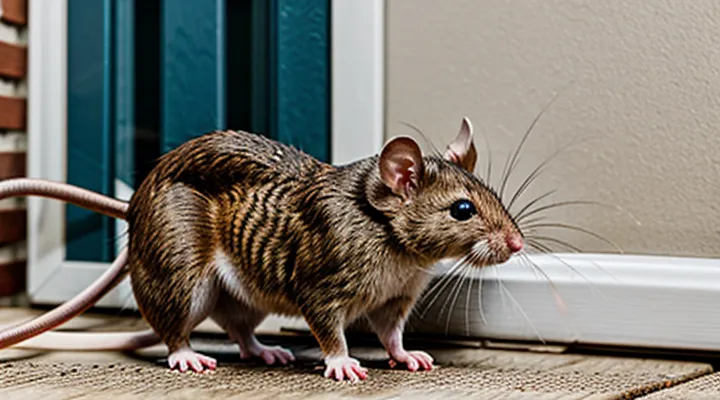
Understanding Rodent Hearing and Behavior
How Rodents Perceive Sound
Frequency Range Sensitivity
Rodents possess a highly developed auditory system that detects sounds from roughly 1 kHz up to 100 kHz, with peak sensitivity between 4 kHz and 20 kHz. This range overlaps the frequencies produced by many ultrasonic deterrent devices, allowing such devices to trigger an aversive response without affecting human occupants.
Key points regarding auditory sensitivity:
- Low‑mid frequencies (1–4 kHz): Detectable but less likely to cause discomfort; useful for monitoring activity rather than repelling.
- Mid‑range frequencies (4–20 kHz): Align with the rodent’s most acute hearing; frequencies in this band produce the strongest startle and avoidance behaviors.
- Ultrasonic band (20–100 kHz): Beyond human hearing; rodents remain highly responsive, especially near 30–50 kHz, where many commercial repellents concentrate energy.
Sensitivity declines gradually above 70 kHz, and prolonged exposure to extremely high frequencies may lead to habituation. Effective acoustic deterrents therefore combine multiple tones within the 4–50 kHz window, often employing frequency modulation to prevent adaptation.
Device configuration should consider:
- Frequency selection: Prioritize 10–30 kHz for immediate deterrence; supplement with occasional spikes at 45–60 kHz to maintain novelty.
- Amplitude control: Maintain sound pressure levels between 70 and 90 dB SPL at the source; higher levels risk tissue damage, lower levels may be ineffective.
- Coverage pattern: Overlap emission zones to ensure continuous exposure across the target area, avoiding silent pockets where rodents could retreat.
Understanding the precise auditory thresholds of mice and rats enables the design of sound‑based repellents that maximize deterrent efficacy while minimizing unintended impacts on non‑target species.
Response to Sudden Noises
Rodents exhibit an immediate flight response when exposed to abrupt acoustic stimuli. The startle reflex triggers rapid muscle contraction, increased heart rate, and a surge of adrenaline, prompting the animal to seek shelter or flee the source. This reaction reduces the likelihood of prolonged exposure to the threatening environment, thereby limiting foraging activity in the affected area.
Key physiological and behavioral elements of the response include:
- Activation of the auditory nerve within milliseconds, sending signals to the brainstem's reticular formation.
- Release of catecholamines that heighten alertness and muscle readiness.
- Immediate cessation of feeding or nesting behavior, followed by relocation to a concealed site.
- Elevated vigilance after the initial shock, leading to avoidance of similar sound patterns.
Effective acoustic deterrents exploit these mechanisms by delivering intermittent, high‑frequency bursts that mimic predator calls or sudden disturbances. Consistent use of such bursts maintains a state of chronic alarm, discouraging rodents from establishing territories near the source. Adjusting frequency, amplitude, and interval timing optimizes the deterrent effect while minimizing habituation.
Rodent Behavioral Triggers
Fear Response Mechanisms
Rodents possess a highly sensitive auditory system that detects rapid pressure changes in the environment. When a sudden, high‑frequency sound exceeds the species‑specific hearing threshold, the cochlea converts the stimulus into neural signals that travel via the auditory nerve to the brainstem. From there, the pathway reaches the inferior colliculus and then the amygdala, the region responsible for processing threat‑related cues. Activation of the amygdala triggers the hypothalamic‑pituitary‑adrenal axis, releasing cortisol and adrenaline, which produce the physiological components of fear: increased heart rate, heightened alertness, and a propensity to flee.
The startle reflex constitutes the immediate motor response. It involves a rapid contraction of the neck and limb muscles mediated by the reticulospinal tract. This reflex minimizes exposure to potential predators and can be elicited by ultrasonic frequencies that are inaudible to humans but fall within the rodent hearing range (typically 20–80 kHz). Acoustic deterrents exploit this reflex by delivering intermittent bursts of such frequencies, thereby inducing repeated startle events that discourage lingering.
Habituation reduces effectiveness over time. Repeated exposure to a constant tone leads to synaptic adaptation in the auditory cortex, diminishing amygdala activation. To counteract habituation, effective sound‑based repellents incorporate:
- Variable frequency modulation (e.g., 25–45 kHz alternating every few seconds)
- Randomized pulse intervals (ranging from 0.5 to 3 seconds)
- Inclusion of broadband noise components that mimic predator calls
These variations maintain novelty, preserving the fear response.
Neurochemical feedback reinforces avoidance behavior. Elevated norepinephrine levels enhance memory consolidation of the aversive sound, linking the specific acoustic signature to a negative experience. Consequently, rodents develop a learned aversion, avoiding areas where the stimulus has been presented.
In summary, sound repellents operate by triggering auditory detection, amygdala‑mediated fear circuitry, and the startle reflex, while strategic modulation of signal parameters prevents habituation and promotes long‑term avoidance.
Association with Danger
Rodent deterrent devices rely on the perception of threat encoded in specific acoustic signals. Predator vocalizations, such as owl hoots and hawk screeches, trigger innate avoidance behaviors because they historically signal imminent predation. When these sounds are reproduced at appropriate intensities, mice and rats freeze, retreat, or seek alternative routes, reducing their presence in treated areas.
Ultrasonic bursts exploit the species’ sensitivity to frequencies above 20 kHz, a range largely inaudible to humans. Pulses between 30 kHz and 70 kHz mimic the echolocation clicks of bats, an aerial predator for many rodents. Continuous exposure creates a persistent alarm condition, disrupting foraging and nesting activities.
Key acoustic parameters that establish danger association:
- Frequency band: 30–70 kHz for ultrasonic, 2–5 kHz for predator calls.
- Amplitude: 80–100 dB SPL for audible threats, 70–90 dB SPL for ultrasonic emissions.
- Modulation pattern: irregular intervals prevent habituation, sustain alertness.
- Duration: 5–10 seconds per cycle, repeated every 30 seconds, maintains effectiveness without excessive energy consumption.
Types of Acoustic Rodent Repellents
Ultrasonic Devices
How Ultrasonic Repellents Work
Ultrasonic repellents emit sound waves above 20 kHz, a range beyond human hearing but within the auditory sensitivity of mice and rats. The devices generate rapid oscillations that create a high‑frequency pressure field, which rodents interpret as a hostile environment. When the signal penetrates the animal’s ear canal, the cochlea processes the tone as a threat, triggering avoidance behavior.
The effectiveness of these devices depends on several technical factors:
- Frequency spectrum: 20–65 kHz targets the most sensitive hearing range of common rodent species.
- Amplitude: Sound pressure levels of 80–100 dB SPL ensure penetration through typical household furnishings.
- Modulation pattern: Pulsed or sweeping tones prevent habituation by varying the acoustic signature.
- Coverage area: Transducer placement and power rating determine the radius of influence, usually 10–30 feet per unit.
Rodents possess a highly acute ultrasonic perception, allowing them to detect subtle changes in acoustic pressure. When an ultrasonic source is active, the animal’s nervous system registers the stimulus as discomfort, prompting it to vacate the vicinity. Continuous exposure leads to a learned aversion, provided the signal remains unpredictable.
Limitations arise when obstacles absorb or reflect ultrasonic energy, reducing field uniformity. Materials such as thick wood, dense insulation, or metal surfaces can attenuate the waves, creating blind spots. Proper installation—direct line of sight to target zones and minimal barrier interference—maximizes deterrent performance.
Advantages and Limitations of Ultrasonic Sound
Ultrasonic emitters generate frequencies above 20 kHz, a range inaudible to people but detectable by mice and rats. The technology relies on the animals’ sensitivity to high‑frequency vibration, which can cause discomfort and encourage avoidance of treated areas.
-
Immediate activation without chemicals or traps.
-
Portable units allow placement in confined spaces such as closets, cabinets, or wall voids.
-
Low power consumption enables continuous operation on battery or mains supply.
-
No direct contact with rodents eliminates risk of disease transmission to humans.
-
Silent to occupants, preserving a comfortable indoor environment.
-
Effectiveness declines once rodents habituate to the sound, reducing deterrent impact over time.
-
Sound attenuation through walls, furniture, and insulation limits coverage area; multiple devices may be required for larger spaces.
-
Presence of solid barriers can create dead zones where the ultrasonic field does not reach.
-
Devices do not eliminate existing infestations; they only discourage new activity.
-
Performance varies with species, age, and health of the rodents, making outcomes unpredictable.
Infrasonic Sound
Potential Effects on Rodents
Acoustic deterrents designed to discourage rodents rely on the animals’ acute hearing and instinctive aversion to sudden, high‑frequency sounds. Understanding how mice and rats react to these stimuli is essential for selecting effective parameters.
Rodents detect frequencies from roughly 1 kHz to 100 kHz, with peak sensitivity between 8 kHz and 30 kHz. Sound pressure levels above 70 dB SPL trigger startle responses, while intensities exceeding 90 dB SPL can cause temporary hearing fatigue.
Observed behavioral changes include:
- Immediate retreat from the sound source
- Reduced foraging activity in the treated area
- Increased use of alternative pathways or shelters
- Short‑term cessation of nesting behavior
Physiological stress markers rise during exposure. Elevated cortisol concentrations, accelerated heart rate, and heightened respiratory rate have been recorded in laboratory trials, indicating acute stress without causing lasting harm when exposure limits are respected.
Habituation develops when the same tone or pattern is presented continuously. After 24–48 hours of unvarying exposure, avoidance diminishes, and rodents resume normal activity. Rotating frequencies, modulating pulse intervals, or integrating intermittent silence periods mitigates this effect.
Mice and rats differ in response thresholds. Rats, with larger auditory canals, show stronger reactions to lower frequencies (5–10 kHz), whereas mice respond more intensely to higher tones (15–25 kHz). Urban populations accustomed to ambient noise may require higher sound pressure levels to achieve comparable deterrence.
Effective implementation demands:
- Selection of frequencies within the species‑specific sensitivity range
- Sound pressure levels sufficient to provoke avoidance but below thresholds for permanent auditory damage
- Periodic alteration of acoustic patterns to prevent habituation
- Combination with physical barriers or bait stations for integrated pest management
These considerations define the realistic impact of ultrasonic and audible sound devices on rodent behavior and physiology, enabling targeted, evidence‑based application.
Practical Challenges and Safety Concerns
Ultrasonic and sonic deterrent systems present several operational obstacles that can limit their effectiveness against rodent populations. Device placement must consider line‑of‑sight and material barriers; walls, furniture, and insulation absorb or reflect sound waves, creating blind spots where pests remain undisturbed. Frequency drift over time reduces the intensity of emitted tones, requiring regular calibration or replacement of units. Power supply interruptions, whether from battery depletion or electrical failures, result in immediate loss of coverage, necessitating monitoring mechanisms. Environmental noise, such as HVAC fans or household appliances, can mask deterrent signals, diminishing their perceived threat to rodents.
Safety considerations focus on human exposure, domestic animals, and unintended ecological impacts. Ultrasonic emissions above 20 kHz are inaudible to adults but may affect children, elderly individuals with heightened hearing sensitivity, or pets with extended auditory ranges, potentially causing stress or behavioral changes. Prolonged exposure to high‑intensity sound can lead to auditory fatigue or temporary hearing loss in susceptible species. Devices that generate audible frequencies (below 20 kHz) risk disturbing occupants, interfering with communication, and violating local noise regulations. Improper installation near medical equipment or sensitive electronics may induce electromagnetic interference, compromising device functionality.
Mitigation strategies include:
- Conducting site surveys to map acoustic pathways and identify obstruction points.
- Selecting models with adjustable frequency bands and automatic self‑testing features.
- Implementing redundant power sources, such as battery backup combined with mains supply.
- Providing clear labeling of safe operating distances for humans and pets.
- Scheduling periodic maintenance checks to verify output levels and battery health.
Adhering to these practices reduces operational failures and protects both occupants and non‑target species while maintaining the intended deterrent effect.
Audible Sound Deterrents
Predator Sounds and Alarm Calls
Predator vocalizations and distress signals can create a hostile auditory environment for rodents, prompting avoidance behavior. Research shows that specific sound characteristics—frequency, amplitude, and temporal pattern—determine effectiveness.
- Avian predators – Calls of owls and hawks contain high‑frequency components (2–8 kHz) and abrupt onset, which trigger innate fear responses. Recordings of hunting screeches and territorial hoots are most disruptive.
- Mammalian predators – Domestic cat meows, growls, and hissing span 0.5–6 kHz. Rapid, low‑pitch growls simulate pursuit, while high‑pitch hisses mimic warning cues.
- Reptilian predators – Snake rattling sounds produce broadband noise with dominant energy around 1–4 kHz. The irregular rhythm mimics natural predation threats.
- Conspecific alarm calls – Rats emit ultrasonic distress chirps (20–50 kHz) when threatened. Playback of these calls induces freezing and flight in nearby individuals.
Effective deployment requires calibrated playback:
- Frequency matching – Align emitted tones with the rodent’s hearing sensitivity; avoid frequencies below 0.5 kHz, which are less perceptible.
- Amplitude control – Maintain sound pressure levels between 80–95 dB SPL at the source; higher intensities risk habituation, lower levels fail to provoke response.
- Temporal variation – Alternate intervals of 10–30 seconds of sound followed by 1–2 minutes of silence; irregular patterns reduce desensitization.
- Spatial coverage – Position speakers at ground level near entry points, ensuring overlapping zones to prevent acoustic dead spots.
- Duration of use – Operate continuously for at least 48 hours during infestation onset; sustain for several weeks to reinforce avoidance.
Monitoring should include periodic assessment of rodent activity and adjustment of sound libraries to prevent habituation. Integration of predator vocalizations with alarm call playback enhances perceived risk, thereby strengthening the acoustic deterrent strategy.
Human-Made Disturbances
Human‑generated noise sources alter the acoustic environment in which rodent deterrent devices operate. Industrial machinery, traffic flow, and construction activities produce broadband sound that can mask or interfere with the specific frequencies used to discourage mice and rats. When ambient levels exceed the target signal by a few decibels, the deterrent’s perceived intensity drops, reducing its effectiveness.
The presence of continuous low‑frequency vibrations from heavy equipment can also affect the propagation of ultrasonic waves. These vibrations alter air density and temperature gradients, causing frequency dispersion and attenuation. Consequently, devices calibrated for quiet settings may deliver insufficient energy to reach the intended range in noisy facilities.
Effective deployment requires consideration of the following factors:
- Ambient sound level: Measure background noise with a calibrated sound level meter before installation; aim for a signal‑to‑noise ratio of at least 10 dB.
- Frequency selection: Choose frequencies that lie outside the dominant bands of human activity (e.g., avoid 100‑500 Hz range common in HVAC systems).
- Temporal scheduling: Operate devices during periods of reduced human activity, such as night shifts or scheduled downtime, to maximize contrast.
- Isolation techniques: Use acoustic dampening enclosures or directional speakers to focus emissions and limit leakage into surrounding noisy zones.
Monitoring and adjusting these parameters ensures that the acoustic deterrent maintains a clear auditory presence despite surrounding disturbances, thereby sustaining its repellent impact on rodent populations.
Effectiveness and Practical Considerations
Factors Influencing Repellent Efficacy
Rodent Species and Adaptation
Rodents that commonly invade homes and storage facilities include the house mouse (Mus musculus), the Norway rat (Rattus norvegicus), the roof rat (Rattus rattus), and the deer mouse (Peromyscus maniculatus). Each species exhibits distinct ecological preferences: M. musculus thrives in indoor environments, R. norvegicus prefers sewers and basements, R. rattus occupies attics and upper stories, while P. maniculatus is more frequent in rural structures. Population density, breeding rate, and foraging behavior differ markedly among them, influencing the effectiveness of acoustic deterrents.
Auditory systems of these rodents are highly specialized. Sensitivity peaks between 1 kHz and 80 kHz, with peak thresholds near 10–20 kHz for mice and 5–15 kHz for rats. Ultrasonic communication, ranging from 20 kHz to 100 kHz, supports mate attraction and predator avoidance. The cochlear hair cells of R. norvegicus are tuned to lower frequencies than those of M. musculus, reflecting divergent habitat acoustics. Auditory habituation occurs rapidly when exposure is continuous and non‑threatening, reducing long‑term repellent efficacy.
Response to sound‑based deterrents depends on frequency, amplitude, and pattern. Effective acoustic stimuli typically meet the following criteria:
- Frequency within the species‑specific hearing peak (e.g., 12–18 kHz for Norway rats, 15–25 kHz for house mice).
- Amplitude above 80 dB SPL to overcome ambient noise.
- Intermittent modulation (e.g., bursts of 1–2 seconds every 30 seconds) to prevent habituation.
Adaptation limits the utility of static tones; rodents may shift activity to quieter periods or relocate to areas with reduced acoustic exposure. Successful deployment therefore requires variable frequency sequences, calibrated sound pressure, and strategic placement near entry points and nesting sites.
Environmental Obstacles
Acoustic deterrents rely on sound propagation; physical surroundings can limit their reach and reduce effectiveness.
- Dense clutter such as stored boxes, furniture, or insulation absorbs and scatters ultrasonic waves, creating dead zones where pests remain undisturbed.
- Hard, reflective surfaces—metal shelving, concrete walls, glass—produce echoes that interfere with the intended frequency pattern, diminishing the deterrent signal.
- Ambient noise from HVAC systems, appliances, or external traffic raises background sound levels, raising the threshold at which rodents perceive the repellent tones.
- Temperature and humidity variations alter sound speed and attenuation, causing fluctuations in coverage area throughout the day.
- Structural gaps, ventilation ducts, and pipe chases provide alternate pathways for rodents, allowing them to bypass treated zones entirely.
- Outdoor vegetation and soil composition affect the transmission of low‑frequency sounds, limiting outdoor applications of ultrasonic devices.
Mitigation strategies include positioning emitters away from obstructive objects, using multiple units to overlap coverage, sealing gaps, and selecting frequencies less susceptible to absorption by common materials. Monitoring ambient noise and adjusting emitter volume or frequency can preserve a sufficient signal‑to‑noise ratio. Adjusting placement based on temperature and humidity data ensures consistent performance across environmental changes.
Proper Placement and Usage
Strategic Device Positioning
Effective sound deterrents work only when the emission source aligns with rodent behavior patterns and habitat structures. Place devices near entry points such as gaps under doors, cracks in foundations, and utility openings. Position units at a height of 12–18 inches from the floor, matching the typical foraging level of mice and rats. Ensure unobstructed line‑of‑sight to target zones; walls, furniture, or insulation can absorb ultrasonic energy and diminish coverage.
Cover the entire perimeter of a building by spacing devices according to manufacturer‑specified range, usually 15–20 ft for ultrasonic models. Overlap adjacent fields by 20 % to prevent blind spots. In multi‑level structures, install units on each floor, focusing on stairwells, attic egress, and basement walls where rodents travel.
When using broadband or variable‑frequency emitters, aim the speaker diaphragm toward concealed pathways, such as pipe runs and vent shafts. Direct the acoustic output away from human‑occupied areas to reduce exposure while maintaining effectiveness in rodent pathways.
Maintain consistent placement during replacement or maintenance. Relocating a unit without recalibrating coverage can create gaps that allow re‑infestation. Document device coordinates and spacing in a site plan for future reference.
Maintenance and Monitoring
Proper upkeep ensures ultrasonic deterrent units remain effective against rodent incursions. Neglected devices lose output intensity, allowing mice and rats to resume activity.
- Clean transducer surfaces weekly to remove dust and debris that attenuate sound waves.
- Verify power sources; replace batteries or confirm stable electrical connections before each seasonal change.
- Inspect mounting brackets and seals; tighten loose fittings and reseal gaps that could diminish acoustic coverage.
Monitoring focuses on confirming that emitted frequencies stay within the target range and that coverage zones match the intended layout.
- Use a calibrated sound level meter to measure output at multiple points within the protected area. Record readings and compare them to manufacturer specifications.
- Schedule bi‑monthly performance checks; log any deviation exceeding 3 dB and adjust device placement or power settings accordingly.
- Employ motion sensors or bait stations to track rodent activity; a rise in captures signals possible loss of efficacy and prompts immediate inspection.
Document all maintenance actions and monitoring results in a centralized log. Include dates, personnel, observed measurements, and corrective steps. Regular review of this record highlights trends, supports timely interventions, and sustains long‑term deterrent performance.
Combining Sound with Other Methods
Integrated Pest Management Approaches
Effective pest management combines cultural, mechanical, biological, and chemical tactics to suppress rodent populations while minimizing environmental impact. Acoustic deterrents fit within this framework as a non‑chemical, behavioral tool that disrupts foraging and nesting activities of mice and rats.
Key elements of an integrated approach include:
- Sanitation: Eliminate food residues, water sources, and clutter that provide shelter.
- Exclusion: Seal entry points, install door sweeps, and repair structural gaps.
- Mechanical control: Deploy traps positioned along travel routes identified through monitoring.
- Acoustic devices: Install speakers that emit ultrasonic or broadband frequencies proven to cause aversion, ensuring coverage of interior spaces and perimeter zones.
- Chemical intervention: Apply rodenticides only after other measures have reduced infestation levels, following regulatory guidelines.
When incorporating sound‑based devices, follow these guidelines:
- Select units that operate within 20–50 kHz, covering the auditory range of target species.
- Position emitters near known activity zones, avoiding obstacles that block sound propagation.
- Maintain continuous operation for at least 24 hours to prevent habituation.
- Conduct periodic efficacy assessments by tracking capture rates, damage reports, and visual sightings.
- Adjust frequency settings or relocate units if monitoring indicates reduced responsiveness.
Integrating acoustic deterrents with sanitation, exclusion, and trapping reduces reliance on toxic chemicals, aligns with regulatory standards, and supports sustainable long‑term rodent control.
Non-Acoustic Deterrents
Effective rodent control relies on multiple mechanisms; sound‑based devices address auditory sensitivity, while non‑acoustic deterrents target other behavioral cues.
- Physical barriers: steel mesh, sealed entry points, copper flashing.
- Traps: snap, live‑catch, electronic units placed along runways.
- Chemical repellents: peppermint oil, ammonia, powdered diatomaceous earth applied to pathways.
- Biological agents: barn owls, feral cats, predatory insects introduced to habitats.
- Environmental modifications: clutter reduction, food storage in sealed containers, moisture control.
Physical barriers prevent access, eliminating the need for continuous stimulus. Traps provide immediate removal, useful where population density is high. Chemical repellents create an unpleasant olfactory environment, discouraging settlement. Predatory presence induces stress, reducing activity levels. Maintaining a clean, dry environment removes attractants, lowering infestation risk.
Combining auditory stimuli with the listed non‑acoustic measures yields a comprehensive deterrent system. Each component operates independently; together they increase overall efficacy and reduce reliance on any single method.